

P0133 on 2011-2014 Ford F-150 3.5L EcoBoost: Slow O2 Sensor Causes and Fixes
P0133 on a 2011-2014 F-150 EcoBoost almost always means the passenger-side upstream oxygen sensor (Bank 1, Sensor 1) is failing. The fix is to replace it, but be aware the sensor's electrical connector is notoriously difficult to reach on top of the transmission, making the job challenging for a DIYer.
- P0133 on your F-150 means the passenger-side upstream O2 sensor is responding too slowly.
- The most likely fix is to replace the sensor, but always check for exhaust leaks first.
- Use a high-quality OEM (Motorcraft BL3Z-9F472-A) or NGK/NTK replacement sensor for best results.
- Be prepared for a difficult repair: the sensor's electrical connector is on top of the transmission and very hard to reach.
- Ignoring this code will hurt your fuel economy and can lead to more expensive catalytic converter damage down the road.
What's Unique About the 2011-2014 Ford F-150
The 3.5L EcoBoost engine is a twin-turbo, direct-injection engine, which places high demands on its sensors. While the cause of P0133—a failing O2 sensor—is common, the repair on this specific truck is not. The Bank 1 Sensor 1 (passenger side) electrical connector is located in a very tight spot on top of the transmission bell housing, making it extremely difficult to access without long extensions and a lot of patience. This turns a typically simple sensor replacement into a much more involved job, with many forum users and videos citing the need to work by feel from underneath the truck.
Symptoms You May Notice
- Check Engine Light illuminated
- Reduced fuel economy
- Rough or uneven idle
- Hesitation or slower than normal acceleration
- Black smoke from the exhaust during acceleration (less common)
- Replacing the O2 sensor without first checking for exhaust leaks. An exhaust leak before the sensor can trick the PCM into thinking the sensor is slow.
- Replacing the wrong sensor. P0133 is for Bank 1, Sensor 1, which is the upstream sensor on the passenger side.
Most Likely Causes
- Failing Bank 1, Sensor 1 Oxygen Sensor 🔴 High Probability Oxygen sensors are wear items that degrade from extreme heat and exhaust contaminants. The high temperatures from the twin turbochargers on the EcoBoost engine can contribute to a shorter lifespan. Contamination from oil or coolant can also cause premature failure.
How to confirm: Use a scan tool to monitor the live data for the 'B1S1' O2 sensor voltage. A healthy sensor's voltage should fluctuate rapidly between approximately 0.1V and 0.9V. A sensor triggering P0133 will show slow, lazy switching or a relatively flat voltage. A healthy sensor should swing between high and low voltage within 1 second; if it takes longer, it's considered slow.
Typical fix: Replace the Bank 1, Sensor 1 (passenger side, upstream) oxygen sensor. Using an OEM Motorcraft part is highly recommended by owners to avoid premature failure of aftermarket parts.
Est. part cost: $80-$160 - Exhaust Leak 🟡 Medium Probability The exhaust manifolds on the 3.5L EcoBoost are known to warp and the mounting bolts can break, causing leaks. Turbo flanges and downpipe connections can also develop leaks over time from heat cycles and corrosion. An air leak before the sensor will alter the oxygen readings and can trigger a P0133 code.
How to confirm: Visually inspect the exhaust manifold and downpipe on the passenger side for black soot trails, which indicate a leak. You can also perform a smoke test on the exhaust system to pinpoint the source of any leaks. Listen for ticking or hissing noises from the engine bay, especially when cold.
Typical fix: Replace the leaking gasket or tighten the loose connection. If an exhaust manifold is warped, it will need to be resurfaced or replaced, often along with new gaskets and bolts.
Est. part cost: $20-$500+ - Damaged Wiring or Connector ⚪ Low Probability The wiring harness for the B1S1 sensor is routed near hot exhaust components and on top of the transmission. The plastic loom can become brittle and wires can get chafed or melted if not properly secured. The connector itself, being difficult to reach, can be damaged during other maintenance.
How to confirm: Visually inspect the wiring harness from the O2 sensor to the connector on top of the transmission. Look for any signs of melting, chafing, or corrosion. Check that the pins in the connector are clean, not bent, and not backed out. This is very difficult due to the location but is a necessary step before replacing the sensor.
Typical fix: Repair the damaged section of the wire or replace the connector pigtail. Secure the harness away from hot surfaces with high-temperature zip ties.
Est. part cost: $15-$50
Rare But Worth Checking
- Engine Vacuum Leak: A significant vacuum leak from a cracked hose or bad intake manifold gasket can introduce unmetered air, throwing off the air-fuel ratio enough to trigger an O2 sensor code.
- Low Fuel Pressure: Incorrect fuel pressure can affect the air-fuel mixture, leading to O2 sensor codes. This is less common and would typically be accompanied by other fuel system codes.
- PCM Software Issue: Very rarely, a glitch in the Powertrain Control Module software can cause a false P0133 code. A TSB for a different Ford model (TSB 24-2066) notes this possibility, but it's not a common issue for this F-150. A PCM reflash is sometimes required to clear false codes after a repair.
- Contaminated Sensor: An internal oil or coolant leak can contaminate the tip of the oxygen sensor, causing it to fail. If a new sensor fails quickly, investigate potential sources like valve cover gaskets or turbo seals. A sensor that is physically white or covered in soot is a sign of contamination.
Diagnosis Steps
- Scan for Codes: Use an OBD-II scanner to confirm P0133 is the primary code. Note any other codes present.
- Inspect for Exhaust Leaks: Before touching any parts, carefully inspect the passenger-side exhaust manifold, turbocharger connections, and downpipe for signs of leaks (black soot trails). A smoke test is the most effective method.
- Analyze Live Data: With the engine warm and at idle, use a scan tool to graph the voltage of Bank 1 Sensor 1 (B1S1). It should switch rapidly from below 0.2V to above 0.8V. If it's slow, biased, or flat, the sensor is likely bad.
- Inspect Wiring: Visually trace the sensor's wiring harness from the exhaust up to the connector on top of the transmission. Look for any signs of melting, chafing, or corrosion. This is difficult but necessary.
- Test the Sensor: If all else looks good, the sensor itself is the prime suspect. Given the high labor involved in accessing it, many choose to replace it at this stage rather than perform complex electrical testing.
- Replace the Sensor: If the sensor is confirmed bad, replace it. Be prepared for a difficult job due to the connector location. Use a 22mm (or 7/8") offset or crow's foot oxygen sensor socket. The new sensor should come with anti-seize on the threads. Torque to 30-35 ft-lbs.
- Clear Codes and Test Drive: After the repair, clear the codes with the scanner and perform a test drive to ensure the code does not return.
Parts You'll Likely Need
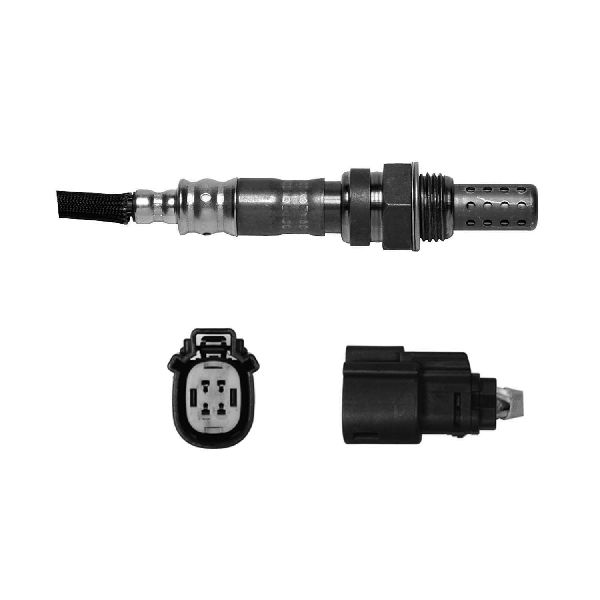
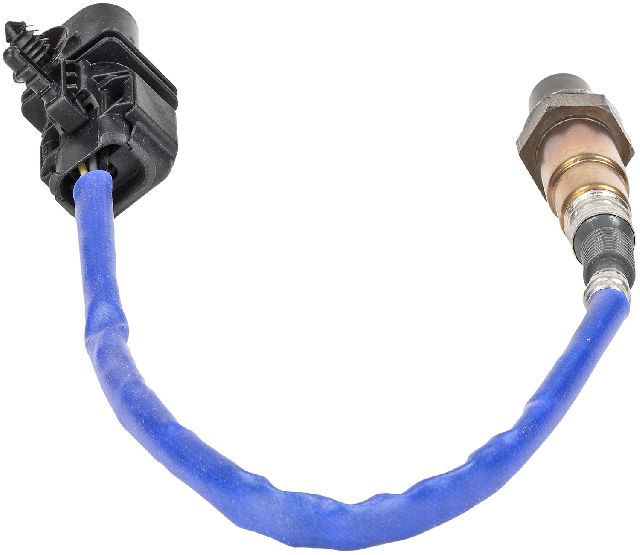
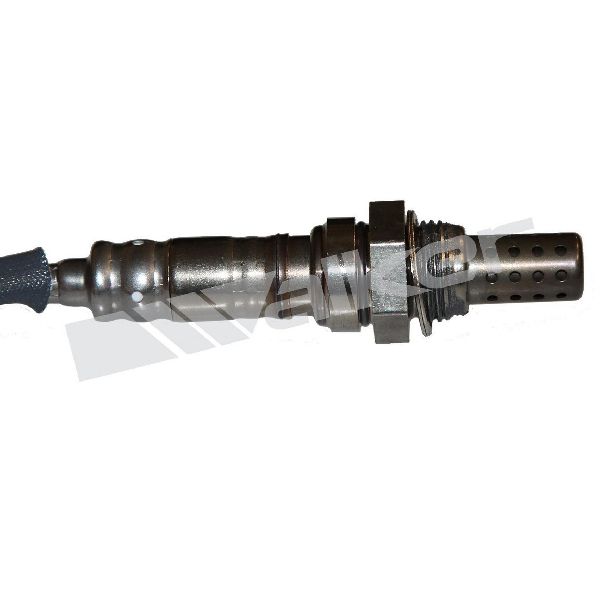
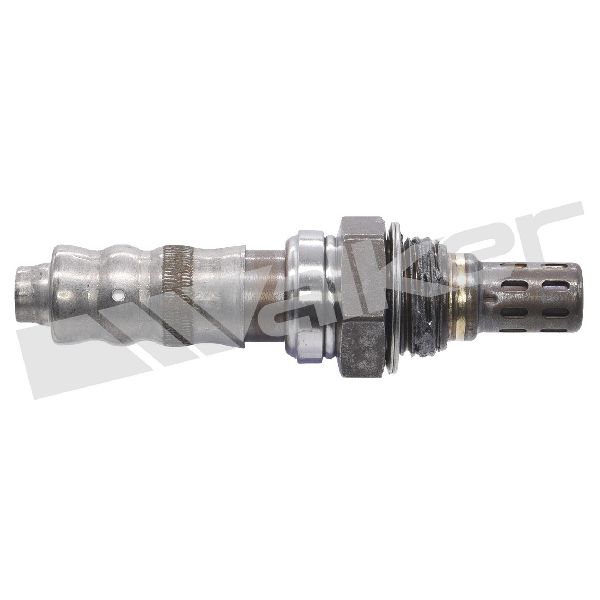
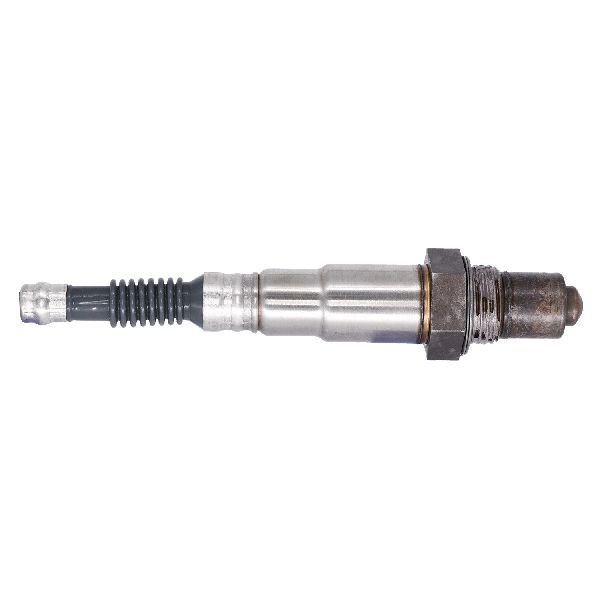
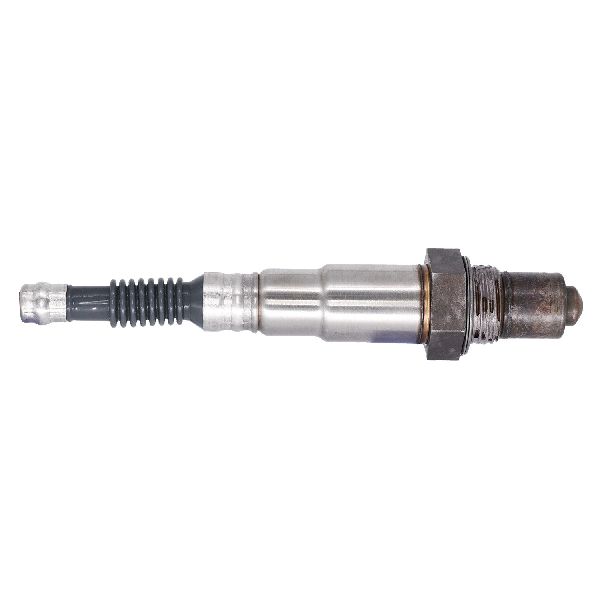
- Upstream Oxygen Sensor (Bank 1, Sensor 1)
(OEM #BL3Z-9F472-A)— This is the sensor that measures the air-fuel ratio for the passenger side of the engine. It is a wear item and the most common cause of P0133.
Trusted brands: Motorcraft (DY-1178), NGK/NTK, Denso (234-5038)
OEM price range: $120-$160
Aftermarket price range: $70-$120
Related Codes That Often Appear With This One
- P0153 — This is the same 'Slow Response' code but for Bank 2, Sensor 1 (driver's side). It's common for both upstream sensors to fail around the same time due to similar age and wear.
- P0131 — This code indicates 'O2 Sensor Circuit Low Voltage (Bank 1, Sensor 1)'. It can appear alongside P0133 if the sensor is failing in multiple ways, as seen in owner repair videos.
- P030x — Misfire codes (e.g., P0300, P0301, P0306) can occur if the slow sensor response leads to an improper air-fuel mixture, causing poor combustion in one or more cylinders.
- P0430 — Catalyst System Efficiency Below Threshold (Bank 2). While seemingly unrelated, some TSBs for EcoBoost drivability issues link misfires and O2 problems to potential catalyst damage, sometimes triggering codes for the opposite bank.
Platform-Specific Known Issues
- The primary issue for this repair is the location of the Bank 1 Sensor 1 electrical connector. It is on top of the transmission bell housing, requiring long extensions and the ability to work by feel from underneath the truck. Some mechanics remove the passenger side front wheel and inner fender liner for better access.
- Due to the difficulty, many owners and shops recommend replacing both upstream O2 sensors (Bank 1 and Bank 2) at the same time, as the other is likely to fail soon after.
- Owners strongly recommend using OEM Motorcraft or high-quality NGK/NTK sensors, as some have reported premature failures with other aftermarket brands on the EcoBoost engine.
- One owner on YouTube documented needing a second person to help disconnect the plug, reaching from the top of the transmission by the driveshaft. The depressor tab on the connector faces the rear of the vehicle, making it difficult to release.
Mechanic-Grade Diagnostic Values
- O2 Sensor Heater Circuit Resistance — expected: 3 to 30 Ohms, with many Ford sensors measuring between 4.5 to 7.5 Ohms.. Failure: A reading of infinite resistance (Open Loop / OL) or near-zero Ohms indicates a failed internal heater element.
- Long-Term Fuel Trim (LTFT) — expected: Within +/- 10% at idle.. Failure: Sustained values greater than +10% can indicate a vacuum or exhaust leak that is causing the sensor to read lean, while values less than -10% could indicate a fuel delivery issue. A P0133 is often set when trims are normal, pointing to the sensor itself.
- Mode $06 - HO2S Response Rate (TID $01, CID $11) — expected: A voltage amplitude greater than 0.5 volts during the PCM's special fuel control test routine.. Failure: A resulting value below 0.5 volts indicates the sensor is responding too slowly to the forced rich/lean switching, confirming a P0133 fault condition.
Hidden / Shadow Codes Worth Checking
- Mode $06, Test ID $01, Component ID $11: This is not a DTC, but a specific onboard test result for the Bank 1 Sensor 1 (HO2S11) response rate. It directly measures the voltage amplitude during a PCM-commanded test. A failing value here is the specific data point that triggers the P0133 code. (see via A professional scan tool capable of displaying Mode $06 data is required. The value is typically shown in hexadecimal and needs to be converted.)
Scan Tool Commands That Help
- Ford IDS (Integrated Diagnostic System) or equivalent pro-level scanner: HO2S Heater Test — This bidirectional command allows the technician to manually activate the oxygen sensor's heater circuit to verify its operation and check for correct current draw, helping to isolate a faulty heater from a wiring problem.
- Ford IDS (Integrated Diagnostic System) or equivalent pro-level scanner: Reset All Adaptations / Keep Alive Memory (KAM) Reset — After replacing an oxygen sensor, performing a KAM reset is crucial. This forces the PCM to erase the old, learned fuel trim adjustments that were compensating for the slow sensor. Without this reset, the engine may run poorly with the new sensor until it relearns.
Real Owner Repair Stories
- F150forum.com user 'Perna00' (2015+ F-150 3.5L EcoBoost (behavior is applicable to 2011-2014)) — Check Engine Light with O2 sensor codes.
❌ Tried (didn't work) Initially ordered an aftermarket NTK sensor but the harness was too short.
✅ What actually fixed it The user removed the original sensor, cleaned it with MAF sensor cleaner, and reinstalled it. After several drive cycles of over an hour each, the Check Engine Light and pending codes did not return, suggesting the sensor was contaminated rather than completely failed.
OEM Part Supersession History
BL3Z-9F472-A→DY-1178 (Motorcraft Service Number)— Standard part number evolution from Ford base part to Motorcraft service part.
Heads up: BL3Z-9F472-A is the upstream sensor for both left and right banks on the 2011-2014 3.5L EcoBoost. Be aware that later generations of the F-150 use different part numbers for left and right sides, so confirming the part for the specific model year is critical.
Model Year Variations Within This Range
- 2011-2012: These early Gen1 3.5L EcoBoost engines were equipped with smaller turbochargers and used a Hitachi-based direct injection fuel system. The cast iron exhaust manifolds were also prone to warping and breaking studs.
- 2013-2014: Ford updated the engine with slightly larger turbochargers, an electronic blow-off valve (BOV), and switched to a Bosch direct injection fuel system. While the P0133 cause is the same, these component changes are important to be aware of during diagnosis of the wider fuel and air systems.
Diagnostic Flowchart
Other Known Issues on This Vehicle
Issues unrelated to this code that are worth knowing about as an owner of this generation:
- Timing Chain Stretch (Cold Start Rattle) 🔴 High — Common between 70,000-120,000 miles, especially on 2011-2013 models. Presents as a 2-5 second rattle on cold startup. Can lead to P0016 code. (Ref: Multiple TSBs issued (e.g., TSB 23-2143). A Customer Satisfaction Program (21N03) was offered but has since expired.)
- Intercooler Condensation (Shudder/Misfire) 🟠 Medium — Occurs during long highway drives in humid conditions, causing a stumble or misfire upon hard acceleration as water gets ingested by the engine. (Ref: Ford issued TSBs (e.g., 12-6-4) with fixes including a deflector plate, a redesigned intercooler, and PCM reprogramming.)
- Cracked Exhaust Manifolds 🟠 Medium — The cast iron manifolds are prone to cracking from thermal stress, causing exhaust leaks that present as a ticking noise, especially when cold.
- Leaking Vacuum Pump 🟡 Low — The engine-mounted vacuum pump is known to leak oil from its gasket or the pump body itself, dripping onto the passenger-side turbo and causing a burning oil smell.
Used vs. New Parts: Buying Guide for This Vehicle
When a used part is the smart pick: A used part is almost never recommended for this repair. Oxygen sensors are wear-and-tear items with a finite lifespan. The labor to replace this specific sensor is very high, so installing a used sensor with unknown life remaining is a poor investment.
Donor-vehicle mileage cap: roughly under 30000 miles for the part to have meaningful remaining life.
What to inspect on the donor part:
- If forced to use a used part, source from a vehicle with the lowest possible mileage.
- Inspect the sensor tip for heavy black soot (rich running), white deposits (coolant/oil contamination), or physical damage.
- Ensure the wiring harness and connector are completely intact with no signs of melting or brittleness.
OEM-only on this vehicle (don't cheap out):
- Oxygen Sensor
Aftermarket brands forum-validated for this vehicle:
- Motorcraft (OEM)
- NGK/NTK (Often the OE supplier)
- Denso
Brands owners have reported issues with on this vehicle:
- Generic, no-name brands from online marketplaces are strongly discouraged by forum members due to high rates of premature failure and incorrect specifications for the EcoBoost engine.
Real Owner Stories
Aggregated from forums and TSBs cited above. Mileages and costs reflect what owners reported in those sources.
2011-2014 Ford F-150 3.5L EcoBoost
Symptoms: The owner documented the specific challenges of the P0133/P0131-P0139 codes, highlighting the hard-to-reach connector and the need for a specific socket style.
What fixed it: Replacement of the oxygen sensor using a specific offset socket and reaching the connector located on top of the transmission.
Source hint: YouTube: 2011-2014 F150 3.5l EcoBoost: P0131-P0139 FIXED!!
2019 Ford F-150 (referenced for Bank 1 location)
Symptoms: Confirmed Bank 1 is the passenger side and discussed the extreme difficulty of the replacement process.
What fixed it: The owner opted to pay a shop for the labor to avoid the difficult reach to the transmission bell housing.
Cost: $150-$150
Source hint: f150forum.com: Bank 1 Sensor 1 O2 sensor location?
2011-2014 Ford F-150 3.5L EcoBoost
Symptoms: One owner required a second person to help disconnect the sensor plug by reaching from the top of the transmission near the driveshaft.
What fixed it: Replacement of the sensor; noted the depressor tab on the connector faces the rear of the vehicle, making it difficult to release.
Source hint: vehicle_specific_issues
Related OBD-II Codes
Frequently Asked Questions
Which side of the 3.5L EcoBoost engine is Bank 1 for the P0133 code?
Is there a specific brand of oxygen sensor recommended for the 2011-2014 F-150 EcoBoost?
Why is the labor for replacing the Bank 1 Sensor 1 so difficult on this truck?
Can a ticking noise from my engine bay be related to the P0133 code?
Should I replace both upstream oxygen sensors at the same time?
What tools are needed to remove the B1S1 sensor on the F-150 EcoBoost?
Helpful Videos
We Have This Part in Stock

The information in this article is provided for general reference and educational purposes only. Vehicle specifications, procedures, and part compatibility can vary by production date, trim level, and region. Always consult your vehicle's factory service manual and verify part numbers before purchasing or performing repairs. Safety-critical components such as airbags, seat belts, and braking systems should be installed by a qualified professional.
- Ford F-150:
- 🎬 Helpful Videos
- 🛍️ Shop This Part
- What's Unique About the 2011-2014 Ford F-150
- Symptoms You May Notice
- Most Likely Causes
- Rare But Worth Checking
- Diagnosis Steps
- Parts You'll Likely Need
- Related Codes That Often Appear With This One
- Platform-Specific Known Issues
- Mechanic-Grade Diagnostic Values
- Hidden / Shadow Codes Worth Checking
- Scan Tool Commands That Help
- Real Owner Repair Stories
- OEM Part Supersession History
- Model Year Variations Within This Range
- Diagnostic Flowchart
- Other Known Issues on This Vehicle
- Used vs. New Parts: Buying Guide for This Vehicle
- Real Owner Stories
- 2011-2014 Ford F-150 3.5L EcoBoost
- 2019 Ford F-150 (referenced for Bank 1 location)
- 2011-2014 Ford F-150 3.5L EcoBoost
- Related OBD-II Codes
- Frequently Asked Questions
- 🎟️ Get 5% Off