

P0133 on 2008-2010 Chevrolet HHR 2.0L Turbo: Slow O2 Sensor Causes & Fixes
This code almost always points to a failing upstream oxygen sensor (Bank 1, Sensor 1). On the HHR SS, this is a common wear item due to soot from the direct-injection turbo engine. Expect to pay $50-$90 for an aftermarket sensor and $100-$150 for an OEM ACDelco part. Replacement is a straightforward DIY task for most home mechanics. Owners strongly recommend using OEM/ACDelco or NTK sensors, as some aftermarket brands like Denso and Bosch have been reported to cause the code to return.
- P0133 on a 2008-2010 HHR SS most likely means you need a new upstream oxygen sensor (Bank 1, Sensor 1).
- Before replacing the sensor, perform a quick visual inspection for exhaust leaks between the engine and the sensor, and check the sensor's wiring for any obvious damage.
- Using a high-quality OEM (ACDelco) or OEM-supplier (NTK) sensor is strongly recommended to ensure a lasting fix, as these cars are known to be sensitive to some aftermarket brands.
What's Unique About the 2008-2010 Chevrolet HHR
The Chevrolet HHR SS uses a 2.0L direct-injected turbocharged (LNF) engine. These engines are known to run rich and produce more soot than their naturally aspirated counterparts, which can shorten the life of the upstream oxygen sensor. Owners on forums for the HHR and its platform mate, the Cobalt SS, frequently report P0133 as a common issue, often resolved simply by replacing the original sensor. While other causes are possible, a worn-out sensor is the most probable culprit on the HHR SS.
Symptoms You May Notice
- Check Engine Light is on
- Reduced fuel economy
- Rough or fluctuating idle
- Slight hesitation during acceleration
- Noticeable fuel smell from the exhaust 🎬 Watch: Understanding P0133 causes, symptoms, and how to fix it.
- Black soot from the tailpipe, especially on startup 🎬 See this quick guide on common bad oxygen sensor symptoms.
- Replacing the catalytic converter. A P0133 code should be resolved first, as a bad O2 sensor can cause other codes, like P0420 (Catalyst System Efficiency), to appear.
- Replacing the Mass Airflow (MAF) sensor without proper diagnosis. While a faulty MAF can cause fuel trim issues, it's a less common cause for P0133 than the O2 sensor itself.
- Assuming an aftermarket O2 sensor is good. Multiple owners of LNF-powered vehicles have reported that using non-OEM or non-NTK sensors (specifically Denso or Bosch) caused the P0133 code to persist or return shortly after replacement.
Most Likely Causes
- Failing Upstream Oxygen Sensor (Bank 1, Sensor 1) 🔴 High Probability The direct-injection turbo engine (LNF) in the SS model tends to produce more soot, which can contaminate and degrade the O2 sensor over time, slowing its response.
How to confirm: Use a scan tool to graph the voltage of the B1S1 O2 sensor. A healthy sensor's voltage should switch rapidly between approximately 0.1V and 0.9V. A slow sensor will show lazy, rounded-off transitions that take more than 100-200ms to cross the 450mV threshold. Specifically, the PCM may set the code if the transition from below 450mV to above 650mV (or vice-versa) is too slow.
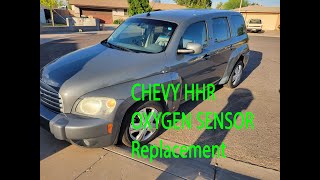
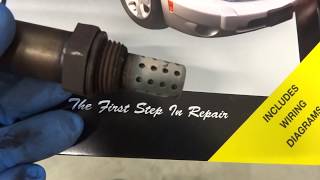
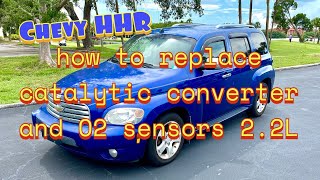
Typical fix: Replace the upstream oxygen sensor. The sensor is located on the exhaust manifold. 🎬 Watch: Step-by-step walkthrough for replacing your HHR oxygen sensors. Many owners on forums for the HHR and Cobalt SS strongly recommend using an OEM ACDelco or an NTK sensor, as they have reported issues with the P0133 code returning after installing other aftermarket brands like Bosch or Denso.
Est. part cost: $50-$150 - Exhaust Leak Before the Sensor 🟡 Medium Probability Exhaust components like the manifold or flex pipe can develop cracks over time from the high heat cycles common on turbocharged vehicles. This allows outside air to enter the exhaust stream, skewing sensor readings.
How to confirm: Visually inspect the exhaust manifold and downpipe for cracks or black soot trails indicating a leak. You can also use a shop towel to briefly block the tailpipe while the engine is running and listen for hissing sounds from the engine bay. A smoke test is the most definitive way to find small leaks.
Typical fix: Repair the leak. This may involve replacing the exhaust manifold gasket, the manifold itself, or welding a crack.
Est. part cost: $20-$400 - Damaged Wiring or Connector ⚪ Low Probability The wiring harness for the upstream O2 sensor is routed in a hot engine bay and can be susceptible to melting or chafing over time.
How to confirm: Visually inspect the wiring harness leading to the upstream O2 sensor for any signs of melting, chafing, or corrosion. Pay close attention to where the harness might contact hot engine or exhaust components. Check the connector pins for corrosion or a loose fit. Use a multimeter to check for high resistance in the harness, as even a small increase (>0.5 Ω) can delay the signal. Some owners suggest cleaning the connector with contact cleaner.
Typical fix: Repair the damaged section of the wiring harness or clean/replace the connector.
Est. part cost: $10-$50
Rare But Worth Checking
- Contamination from Oil or Coolant: If there's an internal engine leak (e.g., bad valve seals, failing head gasket, or turbo seals), contaminants can foul the O2 sensor, causing it to fail prematurely. A physically white or sooty sensor tip is a key indicator.
- Low Fuel Pressure: A weak fuel pump or clogged filter can affect the air-fuel ratio, which can sometimes manifest as a slow O2 sensor response code as the system struggles to compensate.
- Intake or Vacuum Leak: Unmetered air entering the engine after the Mass Airflow (MAF) sensor can throw off the air-fuel mixture and confuse the O2 sensor readings, making the sensor appear slow.
- PCM/ECU Software or Communication Fault: In rare cases, a software glitch or high latency within the Powertrain Control Module (PCM) can cause it to perceive the sensor's signal as slow, even if the sensor is functioning correctly. Also, while unlikely, swapped upstream and downstream sensor connectors can trigger this code, as noted in GM bulletin PIP4699A for other models.
Diagnosis Steps
- Scan the vehicle for any other trouble codes. Address other codes, especially those related to fuel trim (P0171, P0172), misfires (P030x), or MAF/MAP sensors, before proceeding.
- Use a scan tool with live data capability to monitor the Bank 1, Sensor 1 (B1S1) oxygen sensor voltage. At operating temperature and steady RPM, the voltage should fluctuate rapidly between ~0.1V and ~0.9V.
- Confirm the sensor's response time. A healthy sensor should switch in under 100-200 milliseconds. A slow sensor will have a sluggish, rounded waveform.
- Visually inspect the exhaust manifold and downpipe for any signs of cracks or soot, which would indicate an exhaust leak. A smoke test is recommended for a thorough check.
- Inspect the O2 sensor's wiring and connector for any signs of damage, melting, or corrosion. Check for secure connection and clean the contacts if necessary.
- If the sensor's response is visibly slow on the graph and there are no leaks or wiring issues, the sensor itself is the most likely culprit.
- Before replacing the sensor, check for signs of contamination. A white, powdery coating suggests coolant contamination, while a black, oily deposit points to an oil leak that needs to be addressed.
- If replacing the sensor, consider using an OEM ACDelco or NTK brand part, as they are reported to be most compatible with the LNF engine's ECM.
Parts You'll Likely Need
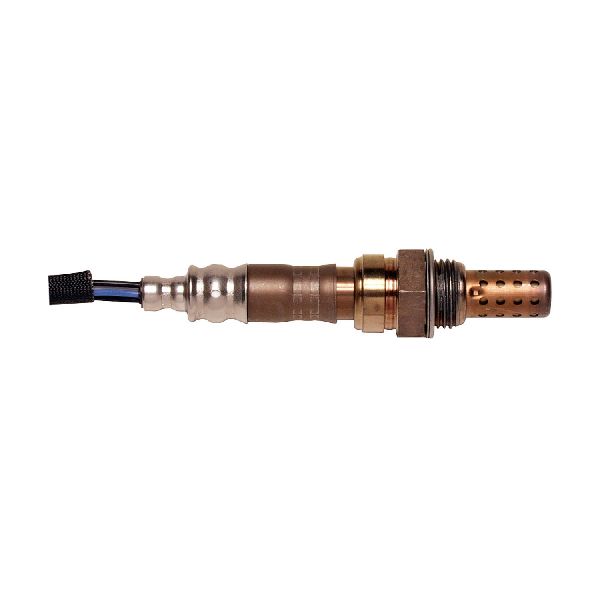
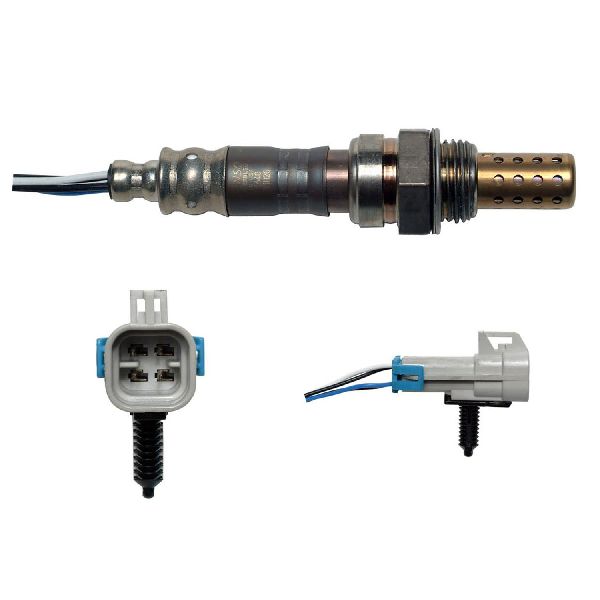
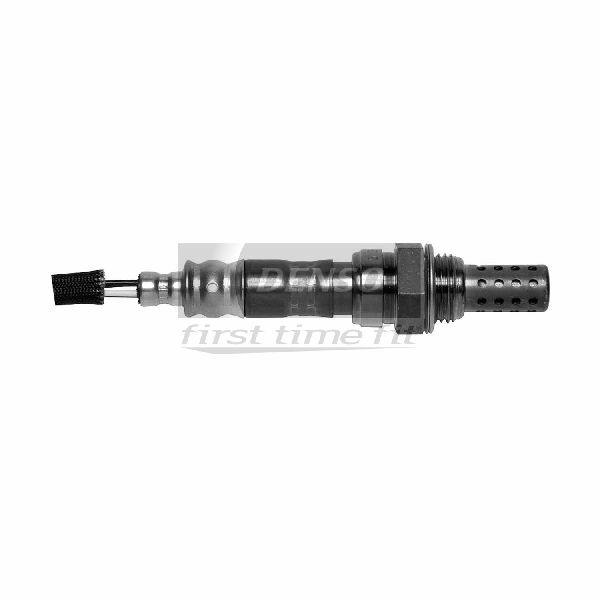
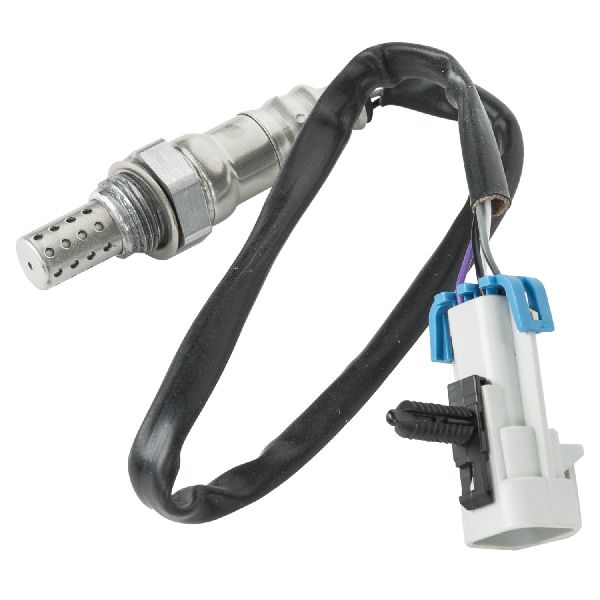
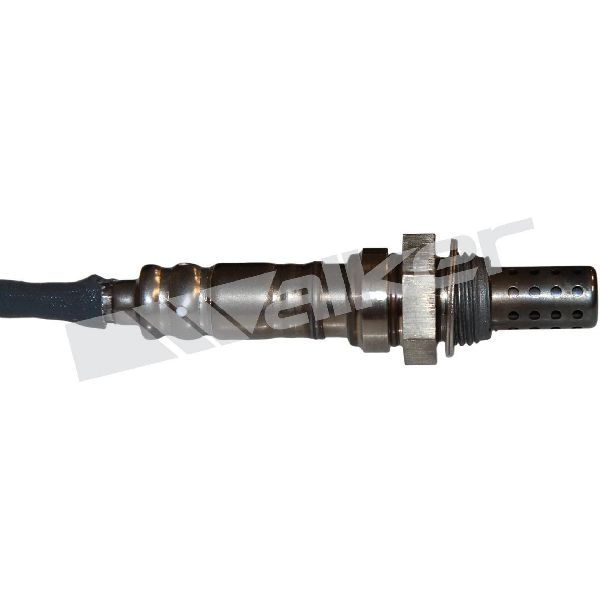
- Upstream Oxygen Sensor (Bank 1, Sensor 1)
(OEM #ACDelco 213-4242 (GM 55566593) or NTK equivalent)— This is the primary sensor used for fuel control and is a common failure item on the HHR SS due to the nature of the turbocharged engine. Its slow response is the direct trigger for the P0133 code. The original part number 213-3867 cited in pass 1 appears to be a downstream sensor for other applications.
Trusted brands: ACDelco (GM Original Equipment), NTK (OEM supplier), Denso (Use with caution, see notes), Bosch (Use with caution, see notes)
OEM price range: $100-$150
Aftermarket price range: $50-$90
Technical Service Bulletins (TSBs) & Recalls
- GM TSB PIP4699A: While written for 2010 Equinox/Terrain with a 3.0L engine, it mentions that P0133 can be caused by the upstream and downstream oxygen sensor electrical connectors being swapped. This is a simple visual check that could be relevant.
- GM TSB PIP5237: Pertains to the 2.0L diesel Cruze, but highlights a related failure pattern where air leaks in the induction system cause heavy soot buildup on the O2 sensor, triggering P0133. This reinforces the idea that soot is a primary enemy of this sensor.
- GM Bulletin #PI0968: This preliminary informational bulletin provides specific information on the Malfunction Indicator Lamp (MIL) On and the DTC P0133 set condition for related Chevrolet models.
- GM Bulletin #PI1485: Notes that technicians may find P0133 set alongside other codes like P20EE and P22FA, sometimes accompanied by a "DEF Fluid Quality Poor" message in diesel applications.
- GM Bulletin #PI1484B: Describes repair information for customer concerns involving P0133, P0128, and P2463, which may also cause cruise control interruptions at low speeds.
- GM Bulletin #PI1484A: Provides guidance for correcting concerns where P0133 is found in history or set alongside DTCs P20EE and P22FA.
Platform-Specific Known Issues
- Soot Fouling from Direct Injection: The LNF engine's direct injection and turbocharging lead to higher levels of soot in the exhaust, which is known to cause premature failure of the upstream O2 sensor.
- Sensitivity to Aftermarket Sensors: Numerous owners on both chevyhhr.net and cobaltss.net report that these cars can be sensitive to aftermarket O2 sensors, particularly Bosch and Denso brands, suggesting that using an OEM ACDelco or NTK sensor is the best practice to avoid recurring P0133 codes.
- Real Owner Experience: A user on chevyhhr.net with a 2010 HHR SS reported symptoms of rough idle, RPM fluctuation, a strong fuel smell, and black soot from the tailpipe, all associated with a P0133 code. The issue was resolved after replacing the upper O2 sensor.
Mechanic-Grade Diagnostic Values
- Low-Pressure Fuel System — expected: Approx. 50-72 PSI with Key On, Engine Off (KOEO). Should hold pressure. At idle, may be around 50-55 PSI.. Failure: Significantly lower pressure, or pressure that bleeds off quickly, indicates a weak in-tank pump or leak.
- Upstream O2 Sensor Heater Resistance — expected: Typically a low single-digit value, e.g., ~4 Ohms, when tested at the sensor connector.. Failure: An open circuit (infinite resistance) or a value over 950 Ohms is a definitive failure according to GM LNF documentation.
- Upstream O2 Sensor Voltage Transition — expected: Rapidly switches between ~0.1V (lean) and ~0.9V (rich).. Failure: The PCM specifically flags the response as slow if the time to transition from below 450mV to above 650mV (or vice-versa) is too long.
Wiring & Ground Locations
- Engine Compartment Fuse Box — Located on the driver's side of the engine compartment, under a black plastic cover.. Contains fuses and relays related to the engine control system, including power for the O2 sensor heater circuit.
- Body Control Module (BCM) — Integrated into the instrument panel fuse box, located on the passenger side of the center console, accessible via a small door.. The BCM communicates with the ECM and is a central hub for vehicle electronics. While not a primary cause, checking connections here is part of a deep electrical diagnosis.
- B1S1 O2 Sensor Connector — The harness connector for the upstream O2 sensor is typically mounted on or near the engine, a short distance from where the sensor screws into the exhaust manifold.. This is the primary point for testing sensor resistance and checking for corrosion or damage that can directly cause P0133.
Real Owner Repair Stories
- cobaltss.net user (Cobalt SS (LNF Engine)) — Persistent P0133 code after installing a shorty exhaust header.
❌ Tried (didn't work) Installing a brand new Denso oxygen sensor., Clearing the code multiple times., Considering having the code tuned out by ZZP.
✅ What actually fixed it The community strongly advised against using Denso or Bosch sensors and recommended replacing the new Denso sensor with an OEM-equivalent NTK sensor, which is the accepted fix for this issue on the platform. - chevyhhr.net user 'firemangeorge' (2010 HHR SS) — Rough idle, RPM fluctuation, strong fuel smell, black soot/fuel squirting from tailpipe on startup.
❌ Tried (didn't work) Replacing the MAF sensor., Replacing the air filter.
✅ What actually fixed it Replacing the upper (upstream) O2 sensor resolved the symptoms and the P0133 code.
"I Checked Everything" — The Actual Cause
- While no specific stories were found, a high-value edge case for the turbocharged LNF engine is a leak in the charge air system (intercooler or piping) after the turbo but before the intake manifold. A standard smoke test of the intake manifold may show no vacuum leaks, but a boost leak test can reveal cracks, often in the plastic intercooler end tanks. This unmetered air skews the air-fuel ratio, especially under boost, causing symptoms like black smoke, power loss, and potentially confusing the ECM into setting a P0133 code as it struggles to compensate.
Model Year Variations Within This Range
- 2008-2010: No significant variations in the LNF powertrain, emissions system, or wiring that would affect the diagnosis of P0133 have been identified. Core engine components and management remained consistent throughout the HHR SS production run.
Diagnostic Flowchart
Real Owner Stories
Aggregated from forums and TSBs cited above. Mileages and costs reflect what owners reported in those sources.
2010 HHR SS
Symptoms: Rough Idle, chugging RPM fluctuates between 800-1K RPD reports DNA for Air/Fuel gauge. Fuel smell. Black soot with fuel shoots/squirts out the tailpipe on startup.
What fixed it: Replaced MAF, Replaced Filter, and Replaced upper O2 sensor (though the owner had not started the engine yet to confirm if the O2 sensor fully resolved the P0133 code).
Source hint: chevyhhr.net - Thread 'P0133 problem'
Chevrolet Cobalt SS (Modified)
Symptoms: Struggled with a persistent P0133 code after installing a Bosch sensor.
What fixed it: The issue was linked to using an aftermarket Bosch sensor; forums strongly recommend switching to an OEM ACDelco or NTK sensor to resolve the recurring code.
Source hint: cobaltss.net - Thread 'Big probs with Po133'
Related OBD-II Codes
Frequently Asked Questions
Why is the 2.0L Turbo (LNF) engine in my HHR SS so prone to the P0133 code?
Should I use an aftermarket O2 sensor like Bosch or Denso to fix this code?
Could an exhaust leak cause the P0133 code on my turbocharged HHR?
Does GM TSB PIP5237 apply to my 2008-2010 HHR?
What are the common symptoms of a P0133 code on the HHR SS?
Are there other GM vehicles that share this exact P0133 issue?
Helpful Videos

We Have This Part in Stock


The information in this article is provided for general reference and educational purposes only. Vehicle specifications, procedures, and part compatibility can vary by production date, trim level, and region. Always consult your vehicle's factory service manual and verify part numbers before purchasing or performing repairs. Safety-critical components such as airbags, seat belts, and braking systems should be installed by a qualified professional.
- Chevrolet HHR:
- 🎬 Helpful Videos
- 🛍️ Shop This Part
- What's Unique About the 2008-2010 Chevrolet HHR
- Symptoms You May Notice
- Most Likely Causes
- Rare But Worth Checking
- Diagnosis Steps
- Parts You'll Likely Need
- Technical Service Bulletins (TSBs) & Recalls
- Platform-Specific Known Issues
- Mechanic-Grade Diagnostic Values
- Wiring & Ground Locations
- Real Owner Repair Stories
- "I Checked Everything" — The Actual Cause
- Model Year Variations Within This Range
- Diagnostic Flowchart
- Real Owner Stories
- 2010 HHR SS
- Chevrolet Cobalt SS (Modified)
- Related OBD-II Codes
- Frequently Asked Questions
- 🎟️ Get 5% Off