

P0133 on 2011-2016 Chevrolet Cruze 1.8L: Slow O2 Sensor Causes and Fixes
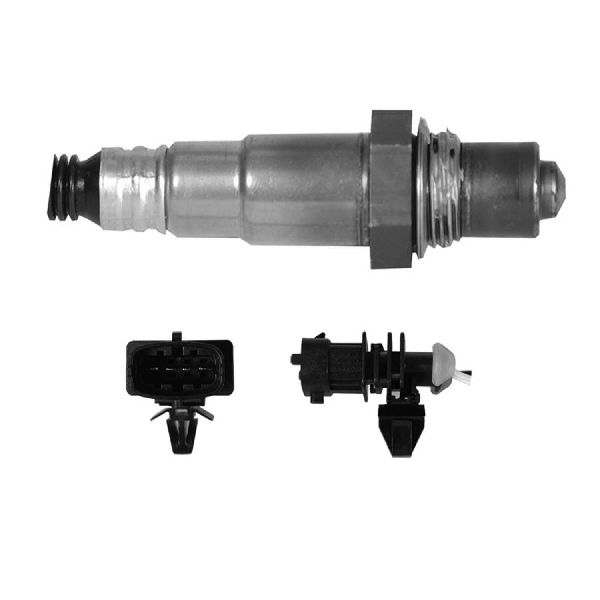
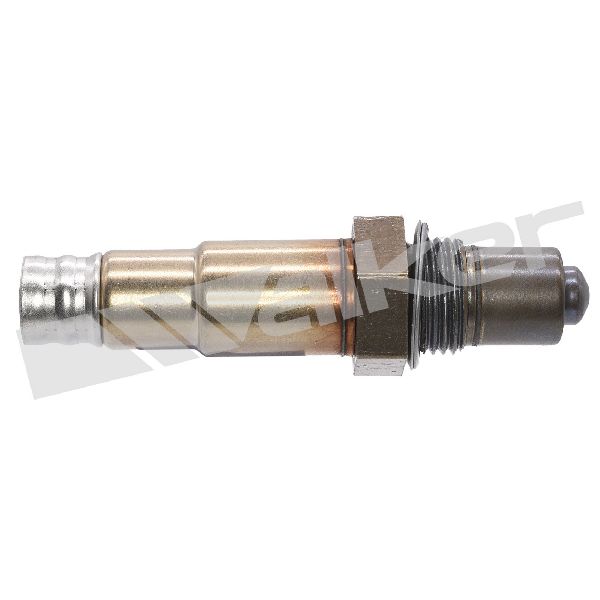
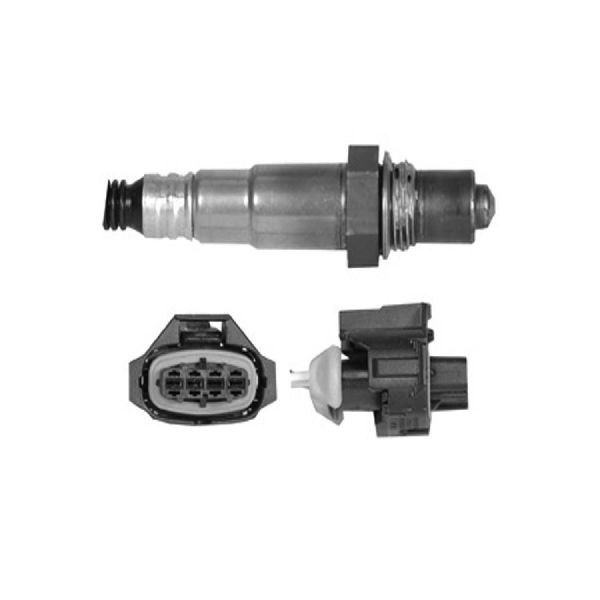
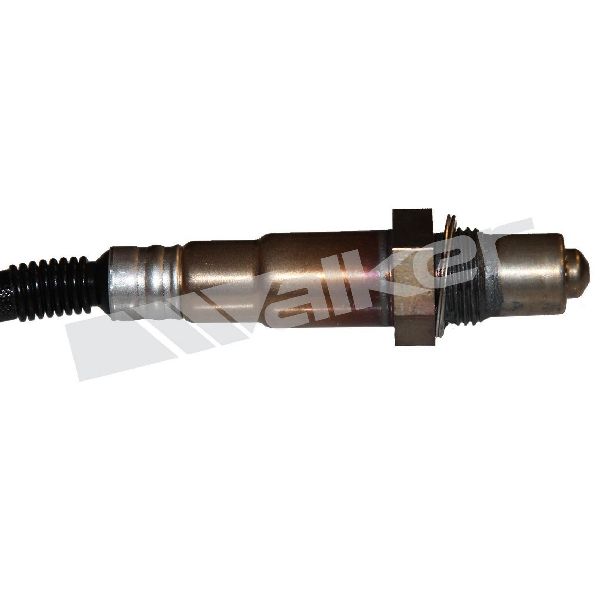
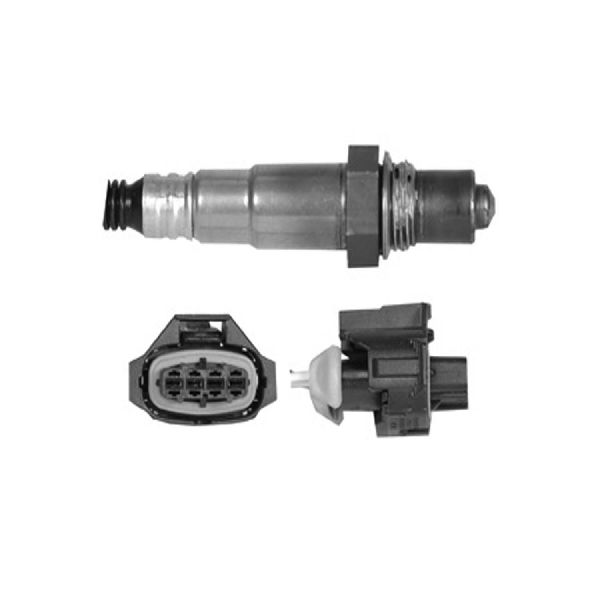
P0133 on a 1.8L Chevy Cruze almost always means the upstream oxygen sensor (Bank 1, Sensor 1) is old and responding slowly to changes in the air-fuel mixture. Replacing this sensor, located on the exhaust manifold, is the most common fix. Using an OEM-quality replacement part, like ACDelco or Denso, is highly recommended as some aftermarket sensors can fail prematurely. An OEM-quality part costs around $50-$90.
- P0133 on your 1.8L Cruze means the upstream oxygen sensor (before the catalytic converter) is responding too slowly.
- The most likely fix is to replace the upstream O2 sensor (GM Part #55572993, ACDelco #213-4764).
- Before replacing the sensor, check for obvious exhaust leaks near the manifold and inspect the sensor's wiring for damage.
- Do not be confused by TSBs mentioning P0133 and diesel fluid; those are for the 2.0L diesel Cruze, not your 1.8L gas engine.
- This is a DIY-friendly repair with a difficulty of 2 out of 5, requiring an O2 sensor socket and basic hand tools.
What's Unique About the 2011-2016 Chevrolet Cruze
For the 1.8L Ecotec engine in the first-generation Cruze, the P0133 code is a very common and straightforward issue, almost always pointing to a failing upstream O2 sensor due to age or contamination. Unlike other vehicles where vacuum leaks or fuel pressure issues are common culprits for this code, the Cruze 1.8L seems less prone to those secondary causes. It's important to distinguish this from issues on the Cruze Diesel model; several Technical Service Bulletins (TSBs) that mention P0133 alongside Diesel Exhaust Fluid (DEF) messages do not apply to this 1.8L gasoline engine.
Generation note: The 2011-2016 year range covers the first generation of the Chevrolet Cruze (J300 platform). A redesigned second generation began in 2016, but this guide specifically addresses the first-gen model with the 1.8L engine, which was also sold as the 'Cruze Limited' in 2016.
Symptoms You May Notice
- Check Engine Light is on
- Reduced fuel economy
- Rough or uneven idle
- Slight hesitation or slower acceleration
- Possible black smoke from the exhaust (if running rich)
- Failure to pass an emissions test
- A 'rotten egg' smell from the exhaust if the air-fuel mixture is incorrect long enough to affect the catalytic converter
- Replacing the downstream (Bank 1, Sensor 2) oxygen sensor. P0133 specifically refers to Sensor 1, which is located *before* the catalytic converter.
- Replacing the Mass Airflow (MAF) sensor. While a faulty MAF can cause air-fuel mixture problems, it typically sets its own specific codes and is not a primary cause for P0133 on this vehicle.
- Ignoring an underlying PCV system failure. A bad PCV valve diaphragm on the 1.8L engine can cause oil consumption and lean codes (P0171), which can contaminate the O2 sensor and lead to a P0133 code.
Most Likely Causes
- Failing Upstream Oxygen Sensor (Bank 1, Sensor 1) 🔴 High Probability O2 sensors are wear items. After 60,000-90,000 miles, they become contaminated with carbon, oil, and other deposits, which insulates the sensing element and slows its reaction time. This is the most frequent cause of P0133 on this engine.
How to confirm: Use an OBD-II scan tool with live data capability. Graph the voltage of the 'O2S B1S1' (Oxygen Sensor Bank 1 Sensor 1). A healthy sensor will show rapid fluctuations between approximately 0.1V and 0.9V multiple times per second. A slow sensor will show lazy, infrequent changes, or may be stuck at a specific voltage.
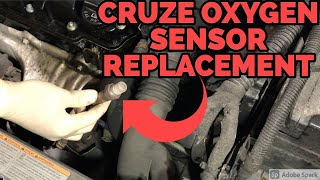
Typical fix: Replace the upstream oxygen sensor. On the 1.8L engine, it is located on the front of the engine, screwed into the exhaust manifold, making it relatively easy to access. An O2 sensor socket is recommended for removal.
Est. part cost: $50-$120 - Exhaust Leak 🟡 Medium Probability Corrosion or failed gaskets in the exhaust manifold or downpipe can allow outside air to enter the exhaust stream before the sensor. This extra oxygen fools the sensor and can slow its perceived response rate. The gasket between the manifold and cylinder head is a potential leak point.
How to confirm: Visually inspect the exhaust manifold and the gasket between it and the cylinder head for black soot trails, which indicate a leak. Listen for a ticking or puffing noise from the engine bay, especially when the engine is cold. A shop can perform a smoke test to pinpoint the leak.
Typical fix: Replace the leaking exhaust gasket or repair the cracked manifold.
Est. part cost: $20-$100 - Damaged Wiring or Connectors ⚪ Low Probability The wiring harness for the O2 sensor is close to hot exhaust components and can become brittle, melted, or frayed over time. The connector itself can also accumulate dirt or corrosion, leading to a poor signal.
How to confirm: Visually inspect the wiring and connector leading to the upstream O2 sensor for any signs of melting, chafing, or corrosion on the pins. Check for continuity using a multimeter. Wiggle the harness while monitoring live data to see if the signal drops out.
Typical fix: Repair the damaged section of the wiring harness or replace the connector pigtail.
Est. part cost: $15-$40
Rare But Worth Checking
- Contaminated Sensor from Engine Issues: If the engine is burning oil (e.g., from a failing PCV system or worn piston rings) or coolant (from a head gasket leak), the deposits can quickly foul a new O2 sensor. An oil-fouled sensor will have a black, sooty coating, while a coolant-fouled sensor may have a white, ashy appearance. This indicates a more serious underlying engine problem that must be fixed first, or you will be replacing O2 sensors repeatedly.
- PCM (Powertrain Control Module) Fault: In very rare cases, the issue can be with the engine computer itself, where it fails to process the sensor's signal correctly. This should only be considered after all other possibilities, including wiring and the sensor itself, have been exhaustively ruled out by a professional.
Diagnosis Steps
- Connect an OBD-II scanner and confirm that P0133 is the primary code. Note any other codes present, especially P0171 (System Too Lean), which could point to a vacuum or exhaust leak.
- Using the scanner's live data function, monitor the voltage of the 'O2S B1S1' (Oxygen Sensor Bank 1 Sensor 1).
- Warm the engine to operating temperature. At idle and while holding RPMs around 2,500, observe the sensor's voltage. It should switch rapidly between below 0.2V (lean) and above 0.8V (rich) multiple times per second. A healthy sensor should cross the 0.45V midpoint 8-10 times in 10 seconds.
- If the voltage is slow to change, stuck high, or stuck low, the sensor is faulty and is the primary suspect.
- If the sensor appears to be working, perform a thorough visual inspection of the exhaust manifold and front pipe for any signs of leaks (soot marks, cracks). Listen for an audible ticking sound when the engine is cold.
- Inspect the O2 sensor's wiring harness and connector for any signs of melting, corrosion, or physical damage. The harness is located near the hot exhaust manifold, so damage is possible.
- If no issues are found, consider an underlying issue like a PCV system failure causing oil contamination. Check for a hissing sound from the valve cover or excessive vacuum at the oil cap when the engine is running.
Parts You'll Likely Need
- Upstream Oxygen Sensor (Bank 1, Sensor 1)
(OEM #55572993)— This is the most common failure point for code P0133. The sensor's ability to react quickly degrades over time. It is highly recommended to use an OEM or equivalent part.
Trusted brands: ACDelco (GM Genuine Part #213-4764), Denso, Bosch, NGK/NTK
OEM price range: $80-$120
Aftermarket price range: $50-$90
Related Codes That Often Appear With This One
- P0171 — System Too Lean (Bank 1). An exhaust leak before the O2 sensor can let extra air in, making the sensor read a lean condition. A failing PCV system is also a very common cause of P0171 on this engine and can lead to O2 sensor contamination.
- P2076 — Intake Manifold Tuning (IMT) Valve Position Sensor/Switch Circuit Range/Performance. On some GM 1.8L engines, issues with the intake manifold runner control can affect air-fuel mixture and potentially contribute to O2 sensor codes, though this is less common.
Technical Service Bulletins (TSBs) & Recalls
- PI0968: Preliminary informational bulletin provides information on Malfunction Indicator Lamp (MIL) On, DTC P0133 Set Condition.
Platform-Specific Known Issues
- The provided NHTSA TSBs (PI1485, PI1484B, etc.) that link P0133 to DEF (Diesel Exhaust Fluid) messages apply to the 2.0L Turbo Diesel Cruze model, NOT the 1.8L LWE gasoline engine. Owners of the 1.8L gas engine should disregard these specific bulletins.
- TSB #PI0968 directly mentions a condition for DTC P0133 on 2013 models, indicating that GM is aware of potential issues leading to this code. The bulletin is informational and guides technicians in diagnosis rather than specifying a single root cause.
- Some owner experiences suggest that using cheaper, non-OEM oxygen sensors can lead to the P0133 code returning prematurely. Sticking with ACDelco or other reputable OE suppliers is a common recommendation in owner forums.
Mechanic-Grade Diagnostic Values
- Upstream O2 Sensor (B1S1) Voltage — expected: Rapidly fluctuating between ~0.1V (lean) and ~0.9V (rich) when the engine is at operating temperature and in closed loop.. Failure: Voltage is slow to change, is stuck at a specific value (e.g., 0.45V), or does not cross-count frequently. A healthy sensor should cross the 0.45V midpoint 8-10 times in a 10-second window.
- Long Term Fuel Trim (LTFT) at Idle — expected: Close to 0%, typically within +/- 5%.. Failure: Significantly positive LTFT (e.g., > +10%) at idle that decreases as RPMs increase. This strongly suggests a vacuum leak, such as from an intake manifold gasket, which can contribute to or cause P0133.
Scan Tool Commands That Help
- GDS2 / High-End OBD-II Scanner: Graphing O2 Sensor Voltage (B1S1) — This is the primary method to visually confirm if the sensor's response rate is slow. A lazy, slow-moving sine wave instead of a rapid, sharp up-and-down pattern indicates a failing sensor.
- GDS2 / High-End OBD-II Scanner: O2 Sensor Heater Status — Used to verify that the sensor's internal heater is being commanded 'ON' by the ECM and is active, especially during cold starts. A malfunctioning heater will prevent the sensor from reaching operating temperature quickly, causing a slow response.
Wiring & Ground Locations
- Fuse #11 and #47 — In the underhood fuse block, located next to the battery.. These 10A fuses supply power to the oxygen sensor circuits. A blown fuse will cause the sensor heater to fail, leading to a slow response code. This should be checked before replacing the sensor.
- G105 — On the frame rail in the left front corner of the engine compartment.. This is a primary engine compartment ground point. Corrosion or a loose connection here can introduce electrical noise or incorrect reference voltage for various sensors, including the O2 sensor, potentially affecting its reading.
- G103 — On the left front shock tower in the engine compartment.. Another critical ground point for engine and body components. A poor connection here can lead to erratic sensor behavior and difficult-to-diagnose electrical issues.
Real Owner Repair Stories
- IH8MUD.com Forum (2000s Toyota (demonstrates a universal diagnostic principle applicable to the Cruze)) — Check Engine Light with codes P0171 (System Too Lean) and multiple O2 sensor codes including P0133 (Slow Response).
❌ Tried (didn't work) Cleaning the MAF sensor., Cleaning the throttle body., Resetting the ECM., A smoke test found one small leak, but fixing it did not resolve the high fuel trims at idle.
✅ What actually fixed it A dealership technician found a hard-to-detect leak in the intake manifold gasket that was only apparent when the engine was hot. Replacing the intake manifold gasket finally corrected the high fuel trims at idle and resolved all associated codes.
"I Checked Everything" — The Actual Cause
- In one documented case related to P0171 and P0133, a smoke test revealed only a minor, unrelated leak. The root cause was later found by a dealer to be a leak in the intake manifold gasket that was difficult to detect and only manifested when the engine was hot, causing high fuel trims at idle that the O2 sensor was correctly reporting.
When the Usual Fixes Don't Work
- While replacing the upstream O2 sensor is the most common fix, it is not always the solution. If P0133 is accompanied by P0171 (System Too Lean), the root cause is more likely an unmetered air leak. Technicians and owners have reported replacing the O2 sensor only to have the codes return, with the final fix being the repair of a vacuum leak from a cracked PCV hose or a bad intake manifold gasket that was not immediately obvious.
OEM Part Supersession History
55572993→ACDelco GM Genuine Part #213-4764— This is the standard GM to ACDelco service part number transition. They are the same part.
Heads up: Some parts vendors list this sensor as requiring programming, but this is likely boilerplate text. Oxygen sensors on this vehicle are typically plug-and-play and do not require special programming.
Model Year Variations Within This Range
- 2011-2016: The 1.8L engine came in two variants, LUW and LWE, with the LWE being the PZEV (Partial Zero Emissions Vehicle) version. For the purposes of diagnosing and fixing code P0133, there are no significant differences in the parts or procedures required between these engine variants or across the 2011-2016 model years (including the 2016 'Cruze Limited').
Diagnostic Flowchart
Other Known Issues on This Vehicle
Issues unrelated to this code that are worth knowing about as an owner of this generation:
- Oil Cooler / Oil Filter Housing Gasket Leak 🔴 High — Very common, often occurs between 60,000 and 120,000 miles. Oil leaks onto the hot exhaust manifold, creating a burning smell and smoke.
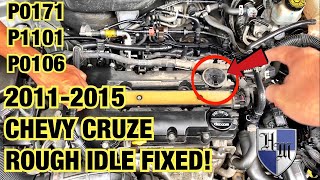
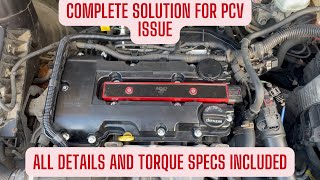
- PCV Diaphragm Failure in Valve Cover 🔴 High — Extremely common, typically between 30,000 and 80,000 miles. The diaphragm tears, causing a loud hissing/whistling noise, rough idle, and lean codes (P0171). Requires replacement of the entire valve cover. (Ref: There are warranty extensions in some cases, but not a formal recall.)
- Cracked Plastic Coolant Outlet / Thermostat Housing 🟠 Medium — Common failure item. The plastic housing can crack, leading to significant coolant leaks and potential overheating.
- Timing Belt Replacement Interval 🔴 High — This is a maintenance item, not a failure, but critical. The 1.8L is an interference engine, and if the timing belt (recommended replacement ~100,000 miles) breaks, catastrophic engine damage will occur.
- Water Pump Failure 🟠 Medium — Often reported to fail, sometimes prematurely. It is often recommended to replace the water pump at the same time as the timing belt.
Used vs. New Parts: Buying Guide for This Vehicle
When a used part is the smart pick: For related components like the exhaust manifold or intake manifold, a used part from a reputable salvage yard is a cost-effective option. Ensure there are no visible cracks or warping.
Donor-vehicle mileage cap: roughly under 80000 miles for the part to have meaningful remaining life.
What to inspect on the donor part:
- For manifolds, check for flatness of mating surfaces.
- Inspect for any hairline cracks, especially around bolt holes and welds.
- Ensure all threaded holes for sensors or studs are intact and not stripped.
OEM-only on this vehicle (don't cheap out):
- While not strictly 'OEM-only', it is highly advisable to avoid no-name, unbranded oxygen sensors. They have a high rate of premature failure or incorrect calibration, causing the code to return.
Aftermarket brands forum-validated for this vehicle:
- ACDelco (OEM)
- Denso
- Bosch
- NGK/NTK
Brands owners have reported issues with on this vehicle:
- Generic, unbranded 'white box' sensors sold on online marketplaces are frequently reported as failing quickly.
Real Owner Stories
Aggregated from forums and TSBs cited above. Mileages and costs reflect what owners reported in those sources.
2013 Chevrolet Cruze 1.8L — ~75000 miles
Symptoms: Check engine light on with codes P0133 and P0171. A previously installed cheap aftermarket sensor failed quickly, causing the codes to return.
What fixed it: Replacing the upstream oxygen sensor with an ACDelco (OEM) part.
Source hint: cruzetalk.com thread titled 'P0133 and P0171'
2014 Chevrolet Cruze 1.8L — ~55000 miles
Symptoms: Recurring P0133 and P0171 issues even after the upstream O2 sensor was replaced with an OEM part.
What fixed it: Addressing underlying vacuum leaks from the PCV system (valve cover diaphragm failure).
Source hint: reddit.com/r/cruze thread titled 'Need Advice for Upstream O2 Sensor'
Related OBD-II Codes
Frequently Asked Questions
Does TSB PI1485 or PI1484B regarding DEF messages apply to my 1.8L Chevrolet Cruze?
Is there a specific TSB for P0133 on the 2013 Chevrolet Cruze?
Can a failure in the PCV system cause a P0133 code on this engine?
Should I use an aftermarket oxygen sensor to fix P0133 on my Cruze?
Where is the sensor responsible for P0133 located on the 1.8L engine?
Could an oil leak cause my O2 sensor to fail?
Helpful Videos
We Have This Part in Stock


The information in this article is provided for general reference and educational purposes only. Vehicle specifications, procedures, and part compatibility can vary by production date, trim level, and region. Always consult your vehicle's factory service manual and verify part numbers before purchasing or performing repairs. Safety-critical components such as airbags, seat belts, and braking systems should be installed by a qualified professional.
- Chevrolet Cruze:
- 🎬 Helpful Videos
- 🛍️ Shop This Part
- What's Unique About the 2011-2016 Chevrolet Cruze
- Symptoms You May Notice
- Most Likely Causes
- Rare But Worth Checking
- Diagnosis Steps
- Parts You'll Likely Need
- Related Codes That Often Appear With This One
- Technical Service Bulletins (TSBs) & Recalls
- Platform-Specific Known Issues
- Mechanic-Grade Diagnostic Values
- Scan Tool Commands That Help
- Wiring & Ground Locations
- Real Owner Repair Stories
- "I Checked Everything" — The Actual Cause
- When the Usual Fixes Don't Work
- OEM Part Supersession History
- Model Year Variations Within This Range
- Diagnostic Flowchart
- Other Known Issues on This Vehicle
- Used vs. New Parts: Buying Guide for This Vehicle
- Real Owner Stories
- 2013 Chevrolet Cruze 1.8L — ~75000 miles
- 2014 Chevrolet Cruze 1.8L — ~55000 miles
- Related OBD-II Codes
- Frequently Asked Questions
- 🎟️ Get 5% Off