

P0132 on 2004-2009 Toyota Prius: High Voltage from Upstream O2 Sensor Causes and Fixes
This code almost always points to a failed upstream Air/Fuel Ratio (A/F) sensor, which is Toyota's name for the wideband O2 sensor. Expect to pay around $120-$180 for an OEM-quality Denso sensor (Part No. 234-9056), with DIY difficulty rated at 2/5. Using the correct Denso part is critical for a lasting repair.
- P0132 on a 2004-2009 Prius indicates a high voltage signal from the upstream Air/Fuel Ratio sensor.
- The most probable cause is a failed sensor itself, which is a common wear item.
- Before replacing the sensor, perform a quick visual inspection of the wiring for any obvious damage like melting or chafing.
- Using the specific OEM replacement part, Denso #234-9056, is highly recommended for a lasting repair.
- Ignoring this code will lead to poor fuel mileage and can eventually cause expensive damage to the catalytic converter.
What's Unique About the 2004-2009 Toyota Prius
The 2004-2009 Prius (second generation, XW20) uses a wideband Air/Fuel Ratio (A/F) sensor upstream, not a traditional zirconia oxygen sensor. These are highly accurate but can become lazy or fail with age. On this specific Prius model, a P0132 code is overwhelmingly caused by a simple failure of the A/F sensor itself rather than a complex engine running condition. Owners on forums like PriusChat consistently report that replacing the sensor, specifically with the OEM Denso part (Toyota P/N 89467-47010 or Denso P/N 234-9056), is the definitive fix.
Symptoms You May Notice
- Check Engine Light is on
- Decreased fuel economy
- Rough or uneven idle
- Engine hesitation or lack of power during acceleration
- Black soot on the exhaust tip from a rich running condition
- Replacing the downstream (Bank 1, Sensor 2) oxygen sensor. P0132 specifically refers to the upstream sensor (Bank 1, Sensor 1).
- Replacing fuel system components like injectors or the fuel pump without first confirming the A/F sensor and its circuit are functioning correctly.
- Using a cheaper, non-Denso (e.g., Bosch) sensor. Many Prius owners report that non-OEM sensors can be improperly calibrated for the 1NZ-FXE's Atkinson cycle engine, causing the code to return quickly.
Most Likely Causes
- Failed Upstream Air/Fuel Ratio (O2) Sensor 🔴 High Probability The A/F sensor is a normal wear-and-tear item exposed to extreme exhaust heat and contaminants. Over many heating and cooling cycles, the sensing element degrades or the internal heater circuit fails, causing it to send incorrect voltage signals. This is the most common failure point for P0132 on this vehicle.
How to confirm: Use a scan tool to monitor the live data for 'Bank 1 Sensor 1'. A healthy A/F sensor's voltage will fluctuate rapidly around a central point (often 3.3V on Toyotas, but check service data). If the voltage is stuck high (e.g., above 3.5V and not responding to throttle changes), the sensor is almost certainly faulty. Another key test is to measure the resistance of the sensor's internal heater circuit between the 'HT' and '+B' terminals; it should be between 1.8 and 3.4 Ohms at 68°F (20°C).
Typical fix: Replace the upstream Air/Fuel Ratio sensor located in the exhaust manifold. An O2 sensor socket is recommended for removal. Using the OEM Denso part is strongly advised by owners to avoid compatibility issues.
Est. part cost: $120-$200 - Damaged Wiring or Connectors 🟡 Medium Probability The wiring harness to the sensor is routed near hot exhaust components and can be susceptible to heat damage, melting, or chafing. This can lead to a short circuit to a power source, which would cause a constant high voltage signal.
How to confirm: Visually inspect the entire wiring harness and connector from the A/F sensor back to the main loom. Look for any signs of melting, fraying, corrosion, or loose pins. Use a multimeter to check for continuity and ensure there isn't a short to a power source with the sensor disconnected.
Typical fix: Repair or replace the damaged section of the wiring harness or the connector. Use heat-shrink tubing to protect the repair.
Est. part cost: $10-$50
Rare But Worth Checking
- Exhaust Leak: An exhaust leak upstream of or near the A/F sensor can introduce outside air, confusing the sensor. While this more commonly causes a lean code, a significant leak can sometimes disrupt sensor readings in unpredictable ways. Check for soot trails or an audible ticking noise near the exhaust manifold.
- Rich Running Condition: While the sensor is the most likely culprit, a true rich condition from a leaking fuel injector or a faulty fuel pressure regulator can also trigger this code. This is uncommon on the Prius and would typically be accompanied by other trouble codes (e.g., P0172 System Too Rich).
- Faulty Powertrain Control Module (PCM): In very rare cases, the PCM itself may have an internal fault causing it to misinterpret the sensor's signal. This should only be considered after all other possibilities, especially the sensor and its wiring, have been exhaustively ruled out.
Diagnosis Steps
- Scan for Codes: Use an OBD-II scanner to confirm P0132 is the primary code. If other codes like P0172 (System Too Rich) are present, investigate them first.
- Inspect Sensor and Wiring: Perform a thorough visual inspection of the upstream A/F sensor (Bank 1, Sensor 1) and its wiring harness. Look for any signs of melting on the exhaust manifold heat shield, corrosion on the connector pins, or physical damage to the wires.
- Analyze Live Data: With the engine running, use a scan tool to view the live data stream for the Bank 1, Sensor 1 voltage (A/F Sensor Voltage). A healthy sensor should show fluctuating voltage. A reading that is stuck high and unresponsive confirms the condition reported by the code.
- Check for Exhaust Leaks: With the engine cold, start it and listen for any ticking or puffing sounds from the exhaust manifold area. A visual inspection for black soot trails around gaskets can also indicate a leak.
- Test the Sensor Circuit: If the wiring looks good, disconnect the sensor. Check the harness-side connector for the correct reference voltage and a good ground using a multimeter and a wiring diagram for your specific model year.
- Replace the Sensor: If the sensor is confirmed to be faulty (stuck high voltage, failed heater circuit), replace it. Use an O2 sensor socket (typically 22mm) and apply anti-seize compound to the threads of the new sensor if not already applied. The Denso 234-9056 is the recommended replacement.
- Clear Codes and Test Drive: After replacement, clear the DTCs with the scan tool and perform a test drive to ensure the code does not return.
Parts You'll Likely Need
- Upstream Air/Fuel Ratio Sensor (Bank 1, Sensor 1)
(OEM #89467-47010)— This is the most common failure point for a P0132 code on this vehicle. The sensor's performance degrades over time, leading to false high voltage readings.
Trusted brands: Denso (OEM) - Part #234-9056
OEM price range: $150-$200
Aftermarket price range: $100-$160
Platform-Specific Known Issues
- Access to the sensor is straightforward from the top of the engine bay, located on the front of the exhaust manifold. No special disassembly is required, but an O2 sensor socket is highly recommended to avoid rounding off the sensor body during removal.
- Owners strongly caution against using universal or non-Denso brand sensors. Many have reported immediate or premature failure with other brands, suggesting a specific calibration requirement for the Prius hybrid system.
Mechanic-Grade Diagnostic Values
- A/F Sensor Heater Circuit Resistance — expected: 1.8 to 3.4 Ω at 20°C (68°F). Failure: A resistance reading outside this range (e.g., an open circuit) indicates a failed internal heater, requiring sensor replacement.
- A/F Sensor Live Data Voltage (Idle, Warmed Up) — expected: Fluctuates around 3.3V. Failure: Voltage is stuck high (e.g., > 3.5V) and does not respond to throttle input or active tests.
- A/F Sensor Live Data Voltage (Active Test - Rich Command) — expected: Voltage should drop below 3.0V. Failure: Voltage fails to drop, indicating a non-responsive sensor.
Scan Tool Commands That Help
- Toyota Techstream: Active Test: 'Control the Injection Volume for A/F Sensor' — This bidirectional test is used to confirm if the A/F sensor is responsive. A technician can command the fuel mixture rich or lean and observe if the sensor's voltage reacts accordingly. If the voltage doesn't change, it strongly suggests the sensor has failed.
Wiring & Ground Locations
- A5 — The A/F sensor connector itself, located on the front of the engine, connected to the sensor on the exhaust manifold.. This is the primary connection point to inspect for corrosion, damage, or loose pins when diagnosing a P0132.
- EA, EB, EC — Main engine and engine compartment ground points. EA and EB are on the engine block, while EC is on the left side of the engine compartment near the radiator fan.. A poor engine ground can cause a variety of sensor reading issues, including incorrect voltage signals from the A/F sensor. Verifying these grounds are clean and tight is a crucial step if wiring is suspected.
- A/F Sensor Connector (Harness Side) — The vehicle-side electrical connector that the A/F sensor plugs into, located under the hood below the inverter.. This is where voltage and ground tests are performed to verify the integrity of the circuit running back to the ECM. It is accessible without removing the inverter.
Real Owner Repair Stories
- PriusChat Forum (2007 Toyota Prius, 48,000 miles) — Check Engine Light on.
❌ Tried (didn't work) Initial diagnosis from dealership and independent shop quoted $550-$700 to replace both the A/F sensor and the downstream O2 sensor.
✅ What actually fixed it The owner was advised by forum members that it was unusual for the sensor to fail at such low mileage but that replacing only the necessary sensor (the upstream A/F sensor for the specific code thrown) with a genuine Toyota part was the correct, and most cost-effective, repair path.
OEM Part Supersession History
89467-47010→89467-47010 (no supersession)— N/A
Heads up: According to Toyota's catalog, part number 89467-47010 is specific to the second-generation Prius and is not interchangeable with A/F sensors from other Toyota models, even if they appear physically similar.
Diagnostic Flowchart
Other Known Issues on This Vehicle
Issues unrelated to this code that are worth knowing about as an owner of this generation:
- Combination Meter Failure 🟠 Medium — Very common after 100,000 miles. The speedometer and fuel gauge display goes blank intermittently or permanently, and can prevent the car from shutting off properly. (Ref: Toyota issued a warranty enhancement (ZTV) but it has since expired. The common fix is to replace a single capacitor on the circuit board.)
- Inverter Coolant Pump Failure 🔴 High — Common failure item, often triggers code P0A93. Failure can cause the hybrid system to shut down to prevent inverter overheating. (Ref: Toyota issued recall 12V536000 and TSB EG001-07 for this issue, replacing pumps on affected vehicles.)
- Brake Actuator Failure 🔴 High — A frequent and expensive failure. Symptoms include a 'barking' or buzzing noise from the actuator, and illumination of ABS, VSC, and Brake warning lights. (Ref: Toyota extended the warranty on this part for some vehicles, but many are now outside the coverage window. Failure often presents with codes like C1256.)
- HID Headlight Ballast Failure 🟠 Medium — Common on models with factory HID headlights. Lights may flicker or go out intermittently. Often caused by moisture getting inside the headlight assembly and shorting the ballast mounted at the bottom. (Ref: A class-action lawsuit led to a warranty extension for this issue, but it has likely expired for most vehicles.)
- Hybrid Battery (HV) Degradation 🔴 High — Inevitable with age and mileage (typically 150k-200k miles). Symptoms include reduced MPG, the engine running more often, and eventually the P0A80 'Replace Hybrid Battery Pack' code.
- Excessive Oil Consumption 🟠 Medium — Some higher-mileage 1NZ-FXE engines may begin to consume oil due to piston ring wear.
Used vs. New Parts: Buying Guide for This Vehicle
When a used part is the smart pick: For this specific repair, a used part is almost never a smart choice. The A/F sensor is a wear-and-tear item with a finite lifespan. The labor to replace it is minimal, making the risk of a used part failing prematurely not worth the small cost savings.
Donor-vehicle mileage cap: roughly under 30000 miles for the part to have meaningful remaining life.
What to inspect on the donor part:
- If forced to consider a used part, source it from a vehicle with the lowest possible mileage.
- Ensure there is no physical damage to the sensor tip, wiring, or connector.
- Avoid parts from vehicles that show signs of burning oil or coolant, as these contaminants destroy sensors.
OEM-only on this vehicle (don't cheap out):
- Air/Fuel Ratio Sensor
Aftermarket brands forum-validated for this vehicle:
- Denso (OEM supplier)
Brands owners have reported issues with on this vehicle:
- Unknown or generic brands from online marketplaces like Amazon or eBay. Counterfeit Denso parts are a known issue and often fail quickly or are dead-on-arrival.
Real Owner Stories
Aggregated from forums and TSBs cited above. Mileages and costs reflect what owners reported in those sources.
2004-2009 Toyota Prius 1.5L I4
Symptoms: Check engine light on; owner replaced the O2 sensor but the P0132 code persisted.
What fixed it: Ensuring the use of the correct Denso part and checking the wiring harness for issues.
Source hint: PriusChat Forum Thread: 'P0132 code, replaced O2 sensor, still have code'
2004-2009 Toyota Prius 1.5L I4
Symptoms: P0132 code present; general consensus that the sensor is the primary failure point.
What fixed it: Replacement with a Denso brand sensor.
Source hint: Reddit r/prius: 'P0132 Fix - It's always the sensor'
Related OBD-II Codes
Frequently Asked Questions
Which specific replacement sensor is recommended for the 2004-2009 Toyota Prius to fix P0132?
Is there a TSB or recall for the P0132 sensor failure on this vehicle?
Where is the Bank 1 Sensor 1 located on my 1NZ-FXE engine?
What voltage should I see on a healthy Prius A/F sensor during diagnosis?
Can I use a used A/F sensor from a salvage yard to save money?
What is the correct resistance for the sensor's heater circuit on this model?
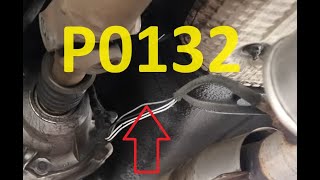
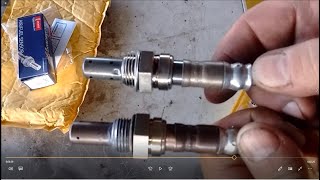
Helpful Videos
We Have This Part in Stock


The information in this article is provided for general reference and educational purposes only. Vehicle specifications, procedures, and part compatibility can vary by production date, trim level, and region. Always consult your vehicle's factory service manual and verify part numbers before purchasing or performing repairs. Safety-critical components such as airbags, seat belts, and braking systems should be installed by a qualified professional.
- Toyota Prius:
- 🎬 Helpful Videos
- 🛍️ Shop This Part
- What's Unique About the 2004-2009 Toyota Prius
- Symptoms You May Notice
- Most Likely Causes
- Rare But Worth Checking
- Diagnosis Steps
- Parts You'll Likely Need
- Platform-Specific Known Issues
- Mechanic-Grade Diagnostic Values
- Scan Tool Commands That Help
- Wiring & Ground Locations
- Real Owner Repair Stories
- OEM Part Supersession History
- Diagnostic Flowchart
- Other Known Issues on This Vehicle
- Used vs. New Parts: Buying Guide for This Vehicle
- Real Owner Stories
- 2004-2009 Toyota Prius 1.5L I4
- 2004-2009 Toyota Prius 1.5L I4
- Related OBD-II Codes
- Frequently Asked Questions
- 🎟️ Get 5% Off