

P0131 on 2005-2010 Chrysler 300: O2 Sensor Low Voltage Causes and Fixes
For a 2005-2010 Chrysler 300, code P0131 almost always points to a failed upstream oxygen sensor on the passenger side (Bank 1). Replacing this sensor is the most common fix. Owners strongly recommend using OEM (Mopar/NTK/Denso) sensors, as aftermarket brands are known to cause persistent issues. Expect to pay $40-$70 for a quality aftermarket sensor and $120-$180 for an OEM part.
- P0131 on your Chrysler 300 means the upstream oxygen sensor on the passenger side is reading a low voltage.
- The most likely cause is a worn-out oxygen sensor that needs to be replaced. Use an OEM (Mopar) or OEM-equivalent (NTK, Denso) part for best results.
- Before replacing the sensor, always inspect the wiring for damage and check for any exhaust leaks between the engine and the sensor.
- This is a DIY-friendly repair for those with basic tools, but the sensor can sometimes be difficult to remove from the exhaust pipe. An O2 sensor socket is recommended.
- Ignoring this code will cause you to fail emissions tests, get worse gas mileage, and can eventually lead to a very expensive catalytic converter replacement.
What's Unique About the 2005-2010 Chrysler 300
On the V6 engines used in the 2005-2010 Chrysler 300, the layout is straightforward. 'Bank 1' refers to the passenger side of the engine, which contains cylinders 1, 3, and 5. 'Sensor 1' is the upstream sensor located in the exhaust manifold or downpipe before the catalytic converter. While the code itself is generic, the most frequent cause on this platform is simply the O2 sensor reaching the end of its service life, which is typically around 70,000 to 100,000 miles. The repair is common and well-documented by owners. A key vehicle-specific point is the engine's sensitivity to aftermarket sensors; many owners report that using non-OEM (like Bosch or other generic brands) sensors fails to resolve the code.
Symptoms You May Notice
- Check Engine Light is on
- Reduced fuel economy
- Rough or unstable idle, tachometer may fluctuate slightly
- Engine hesitation or stumbling on acceleration
- Strong 'rotten egg' or sulfur smell from the exhaust
- Black smoke from the exhaust
- Engine may stall or die unexpectedly in some cases
- Replacing the downstream (Sensor 2) oxygen sensor instead of the upstream (Sensor 1) sensor.
- Replacing the wrong bank's sensor (driver's side Bank 2 instead of passenger's side Bank 1).
- Replacing the catalytic converter when the issue is only a faulty sensor.
- Using cheap, incompatible aftermarket O2 sensors. Many forum posts from Chrysler/Dodge owners confirm that non-OEM sensors often do not work correctly and fail to resolve the code.
Most Likely Causes
- Failed Upstream Oxygen Sensor (Bank 1, Sensor 1) 🔴 High Probability Oxygen sensors have a finite lifespan and fail due to age, heat cycles, and contamination from fuel or oil. It is a common wear-and-tear item. Chrysler products are notoriously sensitive, and owners frequently report that only OEM-spec sensors (NTK/NGK or Denso) will work properly without continuing to throw codes.
How to confirm: Use an OBD-II scanner with live data capability. A healthy upstream O2 sensor's voltage should fluctuate rapidly between approximately 0.1 and 0.9 volts. A sensor that is stuck low (consistently below ~0.4 volts) is faulty. 🎬 See how to test and replace a heated oxygen sensor.
Typical fix: Replace the Bank 1, Sensor 1 oxygen sensor. This is the upstream sensor on the passenger side. Use of an oxygen sensor socket is highly recommended. 🎬 Watch: Step-by-step guide to replacing your Chrysler 300 O2 sensor. Apply anti-seize compound to the threads of the new sensor before installation.
Est. part cost: $40-$180 - Damaged Wiring or Corroded Connector 🟡 Medium Probability The sensor wiring is close to the hot exhaust manifold and can become brittle, melted, or frayed over time. The connector can also accumulate moisture and corrode. Oil or power steering fluid leaks from higher up in the engine bay can drip onto the harness and contaminate the connection, causing a short or incorrect readings.
How to confirm: Visually inspect the entire wiring harness from the O2 sensor to the main engine harness. Look for any signs of melting, chafing, or broken wires. Disconnect the sensor and check the connector pins for corrosion, oil contamination, or damage.
Typical fix: Repair the damaged section of the wiring harness or clean the connector with electrical contact cleaner. If corrosion is severe, the connector pigtail may need to be replaced.
Est. part cost: $5-$50 - Exhaust Leak Before the O2 Sensor 🟡 Medium Probability Exhaust manifold gaskets can fail, or the manifold itself can develop cracks from heat cycles, allowing outside air to be drawn into the exhaust stream. This extra oxygen 'fools' the sensor into thinking the engine is running lean.
How to confirm: Listen for a ticking or puffing noise from the passenger side of the engine, especially when the engine is cold. 🎬 Listen to this video to identify a Hemi exhaust leak. A visual inspection may reveal black soot marks around the manifold gasket or a crack. A smoke test is the most definitive way to pinpoint a leak.
Typical fix: Replace the leaking exhaust manifold gasket or repair/replace the cracked exhaust manifold. Small cracks or leaks can sometimes be sealed with exhaust putty as a temporary measure.
Est. part cost: $20-$300
Rare But Worth Checking
- Low Fuel Pressure: If the engine is truly running lean due to a weak fuel pump or clogged filter, the O2 sensor is just reporting the problem accurately. This should be investigated if a new sensor doesn't fix the code.
- Intake Vacuum Leak: A significant vacuum leak from a cracked hose or bad intake manifold gasket can allow unmetered air into the engine, causing a lean condition that triggers P0131. A failing brake booster has also been identified as a cause of vacuum leaks leading to this code.
- Faulty Powertrain Control Module (PCM): In rare cases, the PCM itself can be faulty, misinterpreting the sensor's signal. This is uncommon and should only be considered after all other possibilities (sensor, wiring, leaks) have been ruled out.
Diagnosis Steps
- Connect an OBD-II scanner and confirm that P0131 is the primary code. Check for any other codes, such as P0171 or P0031, which can provide additional clues.
- Using the scanner's live data function, monitor the voltage for 'O2S11' (Bank 1, Sensor 1). It should fluctuate rapidly between ~0.1V and ~0.9V. If it is stuck low (e.g., <0.4V), the sensor or its circuit is the likely problem.
- Perform a thorough visual inspection. Raise and safely support the vehicle. Locate the upstream O2 sensor on the passenger side exhaust manifold or downpipe.
- Inspect the sensor's wiring harness for any signs of melting, chafing, fluid contamination (oil/coolant), or physical damage. Ensure the connector is secure and free of corrosion.
- Inspect the exhaust manifold and the pipe leading to the sensor for any black soot trails or audible leaks, especially on a cold start.
- If wiring and exhaust integrity are confirmed, the oxygen sensor itself is the most likely culprit.
- If a new, high-quality OEM-spec sensor does not resolve the code, further investigation into fuel pressure or vacuum leaks is warranted.
Parts You'll Likely Need
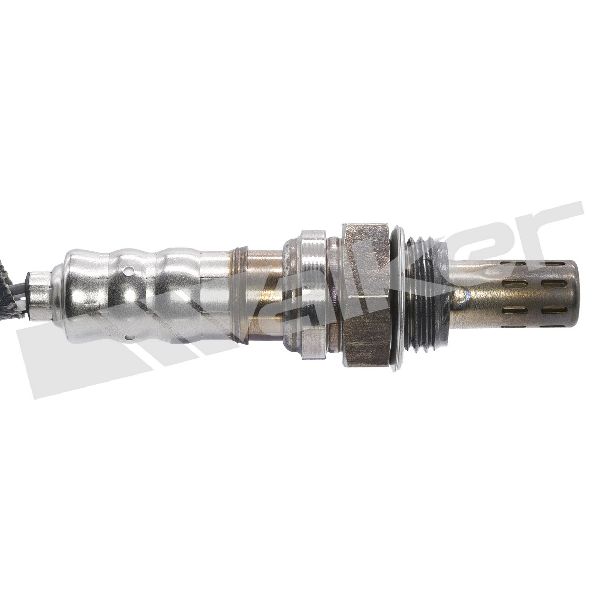
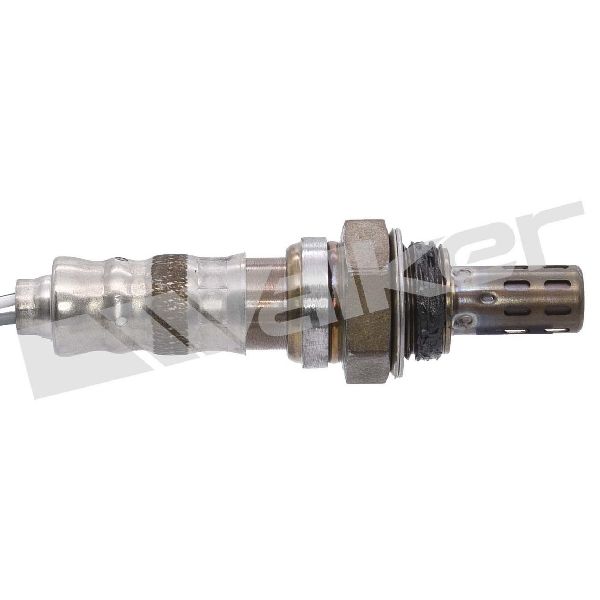
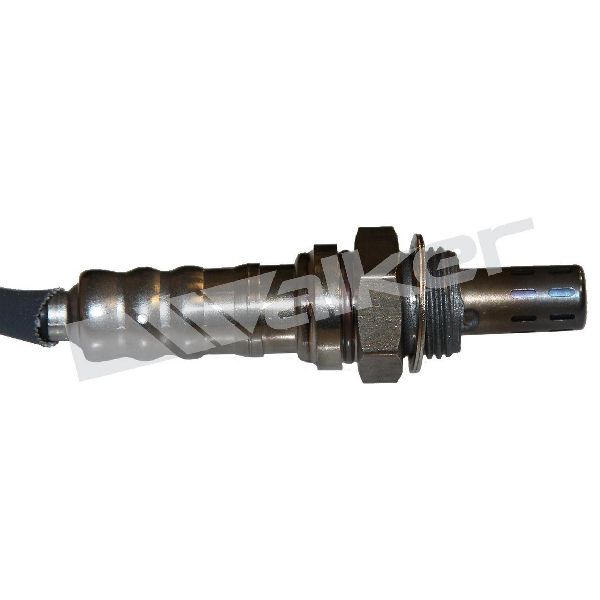
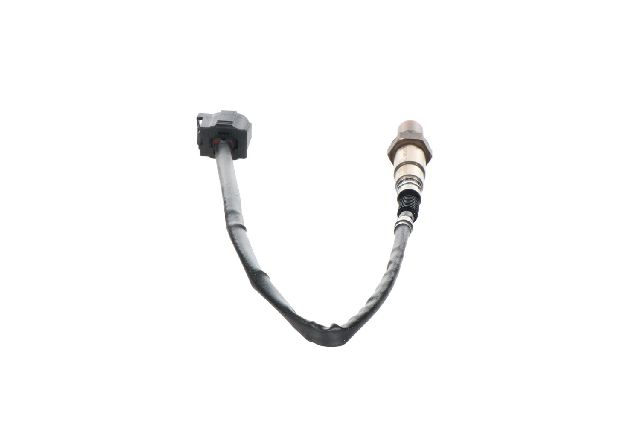
- Upstream Oxygen Sensor (Bank 1, Sensor 1)
(OEM #5149180AA (superseded by 5149180AB, 05149180AB))— This is the sensor that measures the air-fuel ratio for Bank 1 and is the most common point of failure for code P0131.
Trusted brands: Mopar (OEM), NGK/NTK (Often the OEM supplier), Denso (Also a reliable OEM-quality choice)
OEM price range: $120-$180
Aftermarket price range: $40-$70
Related Codes That Often Appear With This One
- P0171 — P0171 (System Too Lean Bank 1) often appears with P0131. The low voltage from the O2 sensor is what tells the PCM that the system is lean, so these two codes are directly related.
- P0031 — P0031 (O2 Sensor Heater Control Circuit Low Bank 1 Sensor 1) can appear alongside P0131. This points more specifically to a problem with the sensor's internal heater circuit or its wiring, which is necessary for the sensor to reach operating temperature quickly.
Technical Service Bulletins (TSBs) & Recalls
- Chrysler TSB #05023 (NHTSA ID: #10016692) issued on Aug 26, 2005, addresses the need to relieve tension in the left downstream oxygen sensor wiring on 2006 models, indicating wiring harness stress is a known issue on this platform.
- While not a specific TSB for P0131, a summary for the 2006 Dodge Magnum (a platform mate) lists P0131 as a potential DTC related to MIL illumination, suggesting it's a recognized issue by the manufacturer.
Platform-Specific Known Issues
- A common owner complaint is that using non-OEM (especially Bosch) oxygen sensors on these Chrysler engines often fails to fix the P0131 code or causes new codes to appear. It is highly recommended to use Mopar, NTK, or Denso branded sensors.
- Fluid leaks from valve cover gaskets or power steering lines can drip down onto the O2 sensor wiring harness, causing contamination and electrical shorts that trigger this code.
Mechanic-Grade Diagnostic Values
- O2 Sensor Heater Circuit Resistance — expected: 3 - 10 Ohms (when cold). Failure: A reading of infinity (open circuit) or 0 ohms (short circuit). A reading outside the 3-10 ohm range indicates a failing heater element.
- O2 Sensor Signal Circuit Voltage (KOEO) — expected: ~5.0 Volts. Failure: Significantly lower or no voltage indicates a short to ground or an open in the wiring, or a fault in the PCM. This test is performed with the sensor unplugged, probing the harness-side connector.
- Live Data O2 Sensor Voltage (Stuck Low) — expected: Fluctuating between ~0.1V and ~0.9V. Failure: Voltage consistently stays below 0.4V for more than 20 seconds. Some fault triggers are as low as <0.15V.
Scan Tool Commands That Help
- Professional Scan Tool (e.g., Chrysler StarSCAN/wiTECH): O2 Sensor Heater Actuation Test — This command forces the O2 sensor's internal heater on. It is used to verify the integrity of the heater circuit and to see if the sensor begins producing voltage more quickly when commanded on, helping to isolate a slow-to-respond sensor or a faulty heater circuit.
Wiring & Ground Locations
- PCM — At the right rear of the engine compartment.. The O2 sensor signal and return wires terminate here. All voltage readings are processed by the PCM, and it provides the reference voltage for the circuit.
- G102 — Right front of engine compartment.. This is a primary engine bay ground point. While the O2 sensor's signal ground is typically a dedicated return to the PCM, a poor main engine ground can introduce electrical noise and cause erratic sensor behavior.
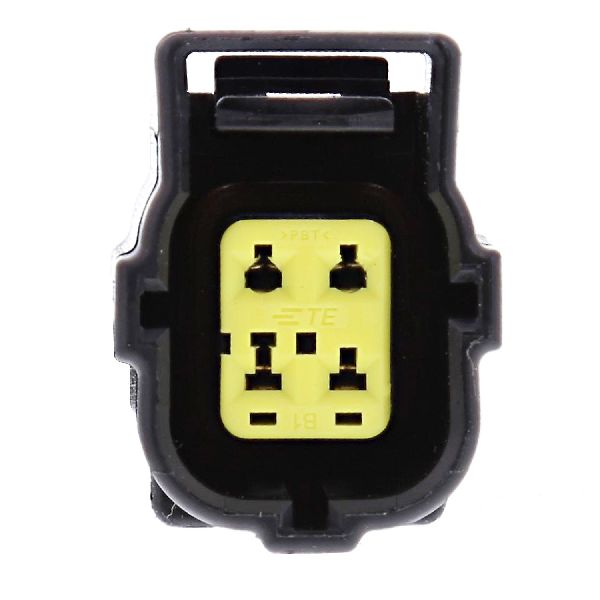
- O2 Sensor Circuit Wires — In the 4-wire connector for the Bank 1 Sensor 1 O2 Sensor.. Knowing the wire functions is key for testing. The wires are for: Heater Power (12V), Heater Control (PCM Ground), Signal (variable voltage to PCM), and Signal Return (PCM reference ground). Chrysler diagrams label these with circuit numbers like (K141) for signal and (K904) for return.
Real Owner Repair Stories
- 300CForums.com member discussion (2006 Chrysler 300 3.5L) — Check engine light with code P0131.
❌ Tried (didn't work) Replacing the Bank 1 Sensor 1 oxygen sensor with a new Bosch brand sensor.
✅ What actually fixed it The P0131 code returned shortly after installing the Bosch sensor. After being advised by other forum members that these cars are notoriously picky about O2 sensors, the owner replaced the Bosch sensor with an NTK brand sensor (an OEM supplier). This permanently resolved the code. - NHTSA ODI #11678542 — An owner of a related Chrysler vehicle reported that when the radio and other controls fluctuated between bright and dim, a code reader revealed multiple codes including P0131, P0506, P0137, P0171, and P0302.
OEM Part Supersession History
5149180AA→5149180AB / 05149180AB— Standard part revision by the manufacturer.
Heads up: The AA and AB revisions are considered interchangeable. The leading '0' is part of Mopar's numbering scheme and does not affect compatibility.
Model Year Variations Within This Range
- 2005-2010: The Powertrain Control Module (PCM) is programmed specifically to the vehicle's VIN. While the O2 sensor hardware and diagnosis are consistent across these years, a PCM from a different year (or even a different trim with different options) cannot be swapped directly. It must be the correct part number and/or be reprogrammed for the specific vehicle's VIN and configuration.
Diagnostic Flowchart
Real Owner Stories
Aggregated from forums and TSBs cited above. Mileages and costs reflect what owners reported in those sources.
2006 Chrysler 300 3.5L — 112000 miles
Symptoms: Check engine light with code P0131. Replaced the sensor and cleared the code, but the light came back on after about 50 miles. Wiring looked fine.
What fixed it: The issue was a faulty PCM, which had to be replaced and reprogrammed by the dealer.
Source hint: 300cforums.com thread titled 'P0131 code still on after replacing O2 sensor'
2007 Chrysler 300 2.7L
Symptoms: Experienced persistent O2 sensor codes after replacing the original sensors with aftermarket parts from Amazon.
What fixed it: Swapping the aftermarket sensors for OEM/NTK/Denso sensors, as aftermarket sensors are known to be unreliable for this specific application.
Source hint: Chrysler Forum thread titled 'Replaced all 4 o2 sensors still throws codes saying their bad'
Chrysler 300
Symptoms: Experienced a P0131 code alongside a P0031 code. Upon removal, the old sensor was covered in black soot, raising concerns about burning oil.
What fixed it: Replaced the upstream oxygen sensor.
Source hint: Reddit r/Cartalk thread titled 'P0131 -- Bad 02 sensor, can it wait a couple weeks?'
Related OBD-II Codes
Frequently Asked Questions
Does TSB #05023 apply to the P0131 code on my Chrysler 300?
I replaced my O2 sensor with an aftermarket brand, but the P0131 code came back. Why?
Can an oil leak cause a P0131 code on my 3.5L engine?
I have a 2006 Dodge Charger with the 2.7L engine. Will the P0131 diagnosis be the same as the Chrysler 300?
How can I tell if an exhaust leak is causing my P0131 code instead of a bad sensor?
What voltage should a healthy Bank 1 Sensor 1 O2 sensor show on my scanner for this vehicle?
Helpful Videos
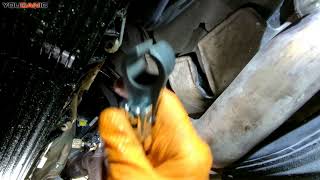
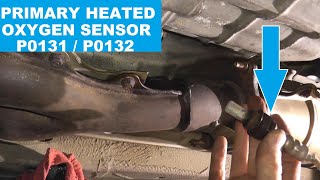
![How to Fix P0131 Engine Code in 4 Minutes [3 DIY Methods / Only $9.65]](https://img.youtube.com/vi/5a64xpdcVY0/mqdefault.jpg)

We Have This Part in Stock


The information in this article is provided for general reference and educational purposes only. Vehicle specifications, procedures, and part compatibility can vary by production date, trim level, and region. Always consult your vehicle's factory service manual and verify part numbers before purchasing or performing repairs. Safety-critical components such as airbags, seat belts, and braking systems should be installed by a qualified professional.
- Chrysler 300:
- 🎬 Helpful Videos
- 🛍️ Shop This Part
- What's Unique About the 2005-2010 Chrysler 300
- Symptoms You May Notice
- Most Likely Causes
- Rare But Worth Checking
- Diagnosis Steps
- Parts You'll Likely Need
- Related Codes That Often Appear With This One
- Technical Service Bulletins (TSBs) & Recalls
- Platform-Specific Known Issues
- Mechanic-Grade Diagnostic Values
- Scan Tool Commands That Help
- Wiring & Ground Locations
- Real Owner Repair Stories
- OEM Part Supersession History
- Model Year Variations Within This Range
- Diagnostic Flowchart
- Real Owner Stories
- 2006 Chrysler 300 3.5L — 112000 miles
- 2007 Chrysler 300 2.7L
- Chrysler 300
- Related OBD-II Codes
- Frequently Asked Questions
- 🎟️ Get 5% Off