

P0126 on 2017-2022 Jeep Compass 2.4L: Causes and Fixes for Insufficient Coolant Temperature
On a 2017-2022 Jeep Compass with the 2.4L engine, code P0126 is almost always caused by a failed thermostat that is stuck open. The fix is to replace the entire thermostat housing assembly. Expect to pay $50-$120 for an aftermarket part or $100-$250 for an OEM part, with a DIY difficulty of 3/5.
- P0126 on your Jeep Compass almost certainly means you need a new thermostat.
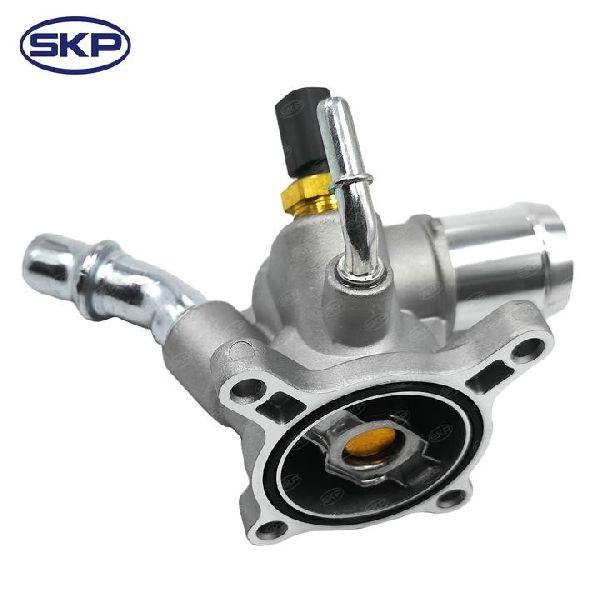
- The most effective repair is to replace the entire thermostat housing assembly, which includes the thermostat, housing, and sensor.
- The current OEM part is Mopar 5047861AD, which replaces several older versions.
- This is a very common problem across many Stellantis vehicles that use the 2.4L 'Tigershark' engine.
- Always check your coolant level first; a low level can cause incorrect temperature readings and may indicate a leak from the thermostat housing itself.
What's Unique About the 2017-2022 Jeep Compass
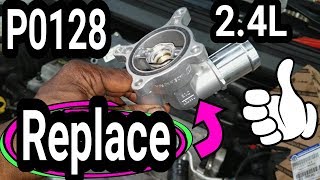
The 2.4L MultiAir 'Tigershark' engine, used across the Jeep Compass, Renegade, Cherokee, and other Stellantis vehicles, is widely known for triggering P0126 and the related P0128 code. 🎬 Watch: Why these codes are so common on Stellantis engines. The issue is so common that mechanics and owners point almost universally to a faulty thermostat that fails in the open position. Unlike some other vehicles where the cause might be ambiguous, on this specific platform, the integrated thermostat assembly is the primary and most probable point of failure.
Generation note: The 2017 model year was a transition period. This guide applies to the second-generation Jeep Compass (MP), which began production in 2017. If you have a 2017 model, ensure it is the newer 'MP' generation with the 2.4L MultiAir engine, not the older first-generation (MK) model, as they use different parts.
Symptoms You May Notice
- Check Engine Light is on
- Engine temperature gauge on the dashboard reads lower than normal or fluctuates, especially dropping at highway speeds
- Heater blows lukewarm air or takes a very long time to produce heat
- Noticeable decrease in fuel economy
- Engine may idle roughly on cold starts
- Replacing only the coolant temperature sensor without testing the thermostat. While the sensor can fail, the thermostat is the much more likely culprit on this engine.
- Replacing the radiator or water pump before confirming the thermostat's operation. These are less likely to cause an under-heating condition.
- Assuming the issue is a software glitch. While some manufacturers have issued TSBs for PCM updates for this code, it is not a common fix for this specific Jeep platform, where the mechanical failure of the thermostat is prevalent.
Most Likely Causes
- Thermostat Stuck Open 🔴 High Probability This is the most common failure on the 2.4L MultiAir engine, with some mechanics reporting it as the cause in 9 out of 10 cases. The thermostat is designed to stay closed when the engine is cold to help it warm up quickly. When it fails in the open position, coolant circulates constantly through the radiator, preventing the engine from ever reaching its target temperature, especially in cold weather or at highway speeds.
How to confirm: Use an OBD-II scanner with live data capability. Monitor the Engine Coolant Temperature (ECT) pid from a cold start. The temperature should rise steadily to around 195-205°F and stabilize. If it rises very slowly, struggles to get above 170-180°F, or drops significantly while driving at speed, the thermostat is stuck open. You can also feel the upper radiator hose; if it gets warm gradually almost immediately after a cold start, the thermostat is open.
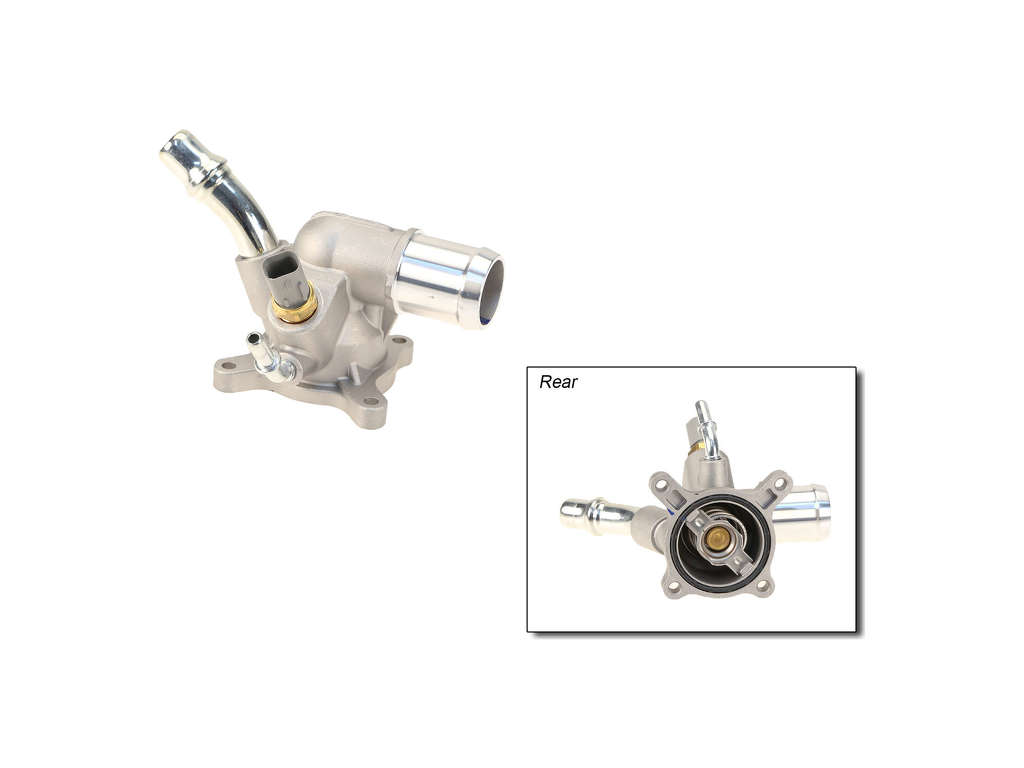
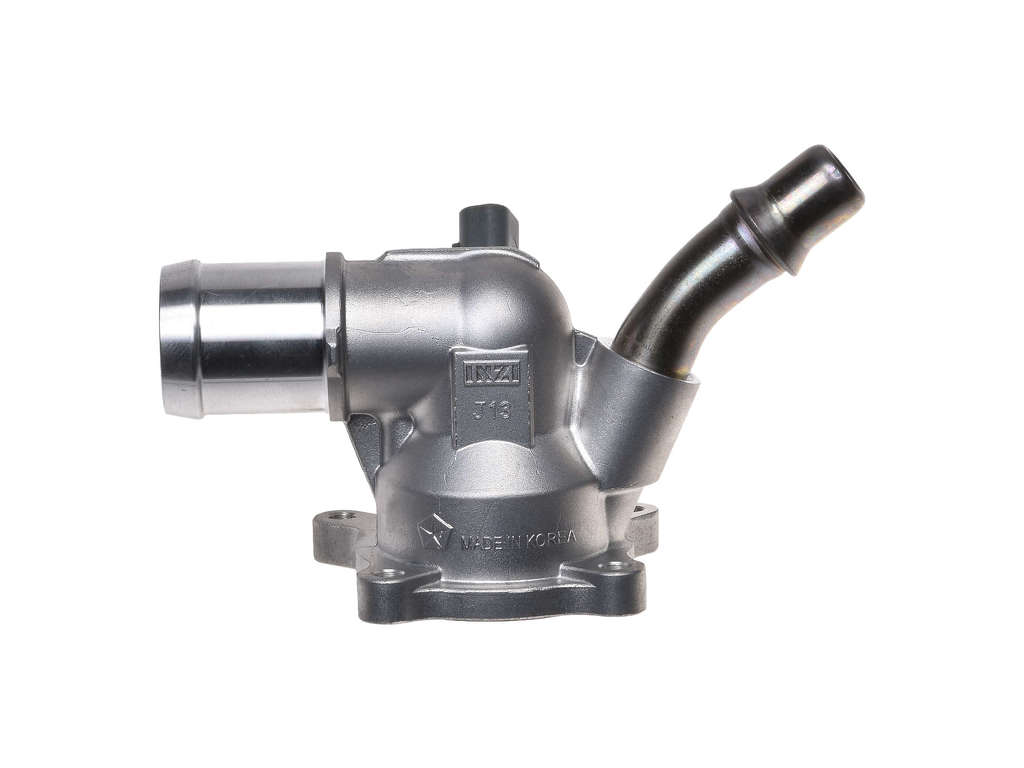
Typical fix: Replace the entire engine coolant thermostat housing assembly. 🎬 See this step-by-step thermostat replacement guide for the 2.4L. The assembly is an integrated unit that includes the thermostat, the plastic housing, and a new coolant temperature sensor.
Est. part cost: $50-$250 - Low Engine Coolant Level 🟡 Medium Probability The original plastic thermostat housings on these engines can become brittle over time and develop cracks, leading to coolant leaks. A low coolant level can introduce air into the system, causing inaccurate temperature readings at the sensor.
How to confirm: Visually inspect the coolant reservoir in the engine bay when the engine is cold. The level should be between the 'MIN' and 'MAX' lines. If it is low, inspect the thermostat housing, hoses, and radiator for signs of pink/white crusty residue or drips.
Typical fix: Top off the coolant with the correct type (Mopar OAT coolant meeting MS-90032 or MS-12106 spec). If the level drops again, pressure test the system to find and repair the leak. 🎬 Watch: How to bleed air from the system after repair.
Est. part cost: $20-$40 for coolant - Faulty Engine Coolant Temperature (ECT) Sensor ⚪ Low Probability While the sensor can fail, it is far less common than the thermostat mechanism itself. The sensor is integrated into the thermostat housing assembly, so it is almost always replaced during a thermostat job anyway.
How to confirm: On a scan tool's live data, check the ECT reading when the engine is cold after sitting overnight. It should be very close to the ambient air temperature reading. If it's significantly different (e.g., reading -40°F or 200°F on a cold engine), the sensor is bad. A more advanced test involves checking the sensor's resistance.
Typical fix: Replace the ECT sensor. However, since the sensor is included in the recommended thermostat housing assembly replacement, this is rarely done as a standalone repair.
Est. part cost: $20-$50
Diagnosis Steps
- Check for other stored trouble codes to see if any other issues are present.
- With the engine cold, check the coolant level in the reservoir. Top it off if it is low with the specified Mopar OAT coolant (MS-90032/MS-12106).
- Connect an OBD-II scanner and view live data. Compare the Engine Coolant Temperature (ECT) and Intake Air Temperature (IAT) sensors. On a cold engine, they should be within a few degrees of each other.
- Start the engine and monitor the ECT data as it warms up. Feel the upper radiator hose. It should remain cool until the engine temperature reaches approximately 195-200°F, at which point it should become hot suddenly as the thermostat opens.
- If the upper radiator hose gets warm gradually as the engine warms up, the thermostat is stuck open and allowing coolant to circulate prematurely.
- If the temperature on the scanner rises very slowly, never reaches ~195°F, or drops significantly at highway speeds, the thermostat assembly is faulty and needs to be replaced.
Parts You'll Likely Need
- Engine Coolant Thermostat Housing Assembly
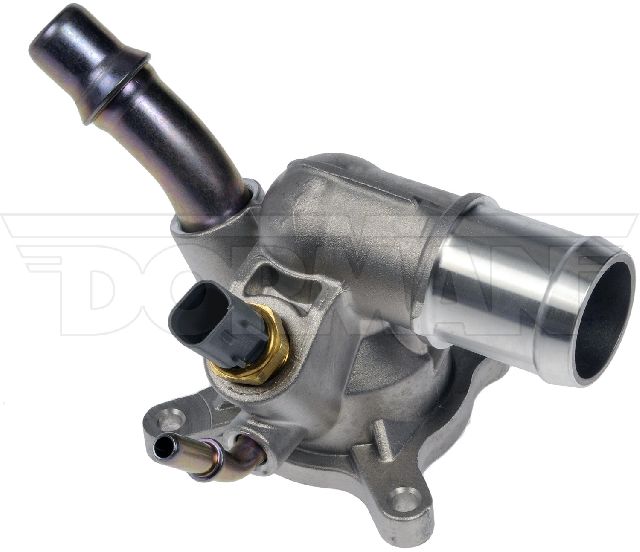
(OEM #5047861AD (supersedes 5047861AC, 5047861AB, 5047861AA))— This is the most common failure part for code P0126 on the 2.4L MultiAir engine. The assembly includes the thermostat, housing, and sensor, addressing all likely failure points at once.
Trusted brands: Mopar (OEM), Dorman (p/n 902-3101), Motorad, SKP, TRQ, Autopart Premium
OEM price range: $100-$250
Aftermarket price range: $50-$120
Related Codes That Often Appear With This One
- P0128 — P0128 (Coolant Temperature Below Thermostat Regulating Temperature) is a very similar code that is often triggered by the exact same failure. Both P0126 and P0128 point to the engine running too cold, and they are frequently caused by the same issue: a stuck-open thermostat.
Technical Service Bulletins (TSBs) & Recalls
- No specific TSBs for the 2017-2022 Jeep Compass for code P0126 were found during the search. TSBs for other manufacturers like Mazda exist for this code (e.g., 01-005/24), but they are not applicable to Jeep and often involve different engine designs or software-related fixes.
Platform-Specific Known Issues
- Brittle Plastic Housing: The OEM thermostat housing is made of plastic which is known to become brittle over time due to constant heat cycles. This can lead to cracks, coolant leaks, and eventual failure of the thermostat mechanism itself. Some owners opt for aftermarket aluminum housings to prevent future failures.
Mechanic-Grade Diagnostic Values
- Engine Coolant Temperature (ECT) Sensor Resistance — expected: ~2000-3000 Ω at 20°C (68°F), dropping to ~200-300 Ω at 90°C (194°F).. Failure: Readings that are infinite (Open Loop), near zero (shorted), or do not correspond with the current coolant temperature indicate a faulty sensor.
- ECT Sensor Signal Voltage (at PCM) — expected: Approximately 2.0V - 3.0V on a cold engine, dropping smoothly to around 0.5V when the engine is at full operating temperature.. Failure: Voltage that is stuck high (near 5.0V) indicates an open circuit. Voltage stuck at 0V indicates a short to ground. Voltage that does not change smoothly with temperature suggests a faulty sensor.
Scan Tool Commands That Help
- Professional Scan Tool (e.g., wiTECH, Autel, Snap-on): Live Data Monitoring (ECT PID) — This is the primary diagnostic function. It is used from a cold start to monitor the rate of temperature increase and to see if the engine reaches and maintains the target operating temperature (~195°F+). This test confirms a stuck-open thermostat if the temperature rises too slowly or drops at speed.
Wiring & Ground Locations
- PCM Connector C2, Pin 10 — At the Powertrain Control Module (PCM). This is the Engine Coolant Temperature (ECT) sensor signal wire.. This pin should be tested for correct voltage from the sensor. A wiring issue (open or short) between this pin and the sensor will cause incorrect temperature readings and trigger the code. The wire color is typically Violet/Orange.
- PCM Connector C2, Pin 34 — At the Powertrain Control Module (PCM). This is the Sensor Ground wire for the ECT sensor.. The ECT sensor receives its ground reference from the PCM through this pin. A break in this wire will cause an open circuit and a high voltage reading, leading to codes like P0118, but could also contribute to erratic readings for P0126. The wire color is typically Brown/White.
Real Owner Repair Stories
- Reddit r/JeepRenegade user report (Jeep Renegade with 2.4L MultiAir engine (shared with Compass)) — Check engine light with code P0128 (functionally identical cause to P0126).
❌ Tried (didn't work) One user attempted the DIY repair but gave up due to the extreme difficulty in accessing one of the thermostat housing bolts.
✅ What actually fixed it Professional replacement of the thermostat housing assembly. One owner paid a dealer $650 for the job, while another paid an independent shop $600.
OEM Part Supersession History
5047861AA, 5047861AB, 5047861AC, 5047263AB, 5047263AC, 5047772AB→5047861AD— Likely a design revision to improve the durability of the plastic housing and/or the thermostat mechanism to address the high failure rate.
Heads up: All previous part numbers should be replaced with the latest 'AD' revision for best reliability.
Diagnostic Flowchart
Used vs. New Parts: Buying Guide for This Vehicle
When a used part is the smart pick: For this specific repair, a used part from a salvage yard is NEVER a smart choice. The failure rate of the OEM plastic thermostat housing is exceptionally high, and a used part is highly likely to either be faulty already or fail shortly after installation.
What to inspect on the donor part:
- Do not purchase a used thermostat housing for this engine.
OEM-only on this vehicle (don't cheap out):
- While not strictly 'OEM-only', using the latest revision of the Mopar OEM part (5047861AD) is the most proven repair. If choosing aftermarket, select a brand with a strong reputation for quality.
Aftermarket brands forum-validated for this vehicle:
- Dorman (p/n 902-3101) is a widely available aftermarket alternative that directly replaces the OEM housing.
Brands owners have reported issues with on this vehicle:
- Avoid unbranded, no-name parts from online marketplaces, as the quality control can be poor, and they may fail prematurely, forcing you to repeat the difficult installation.
Real Owner Stories
Aggregated from forums and TSBs cited above. Mileages and costs reflect what owners reported in those sources.
Jeep Compass 2.4L MultiAir
Symptoms: The owner had the check engine light on with code P0128 or P0126, indicating the engine coolant was staying colder than it should be.
What fixed it: The issue is caused by a bad thermostat in 'nine out of 10 times'. Replacing the thermostat is the fix.
Source hint: youtube_comment from Electrical Car Repair LIVE
2013 Dodge Dart 2.0L
Symptoms: The owner experienced a P0128 code during cold weather. Live data from a scan tool showed the engine temperature was only reaching 176-182°F.
What fixed it: Replacing the thermostat resolved the issue. After the repair, the engine temperature stabilized correctly at 194-196°F.
Source hint: BobIsTheOilGuy.com Forums - 2013 Dodge Dart 2.0L P0128
2016 Jeep Cherokee Latitude 2.4L
Symptoms: The vehicle had a Check Engine Light on with a P0128 trouble code stored.
What fixed it: The problem was fixed by performing a complete replacement of the thermostat housing assembly.
Source hint: YouTube - The PullUpKing - GIVEAWAY #4… THERMOSTAT REPAIR | 2016 JEEP CHEROKEE LATITUDE 2.4 | P0128
Related OBD-II Codes
Frequently Asked Questions
What is the most common reason for a P0126 code on my 2017-2022 Jeep Compass?
My heater is only blowing lukewarm air. Is this related to the P0126 Check Engine Light?
I've heard the thermostat housing on the 2.4L MultiAir engine is prone to cracking. Is this true?
What type of coolant should I use to top off my Jeep Compass?
Should I replace just the thermostat or the entire housing assembly?
Is there an official Jeep TSB or recall for the P0126 code on my Compass?
My temperature gauge drops when I'm driving on the highway. Is this a symptom of P0126?
Helpful Videos
We Have This Part in Stock


The information in this article is provided for general reference and educational purposes only. Vehicle specifications, procedures, and part compatibility can vary by production date, trim level, and region. Always consult your vehicle's factory service manual and verify part numbers before purchasing or performing repairs. Safety-critical components such as airbags, seat belts, and braking systems should be installed by a qualified professional.
- Jeep Compass:
- 🎬 Helpful Videos
- 🛍️ Shop This Part
- What's Unique About the 2017-2022 Jeep Compass
- Symptoms You May Notice
- Most Likely Causes
- Diagnosis Steps
- Parts You'll Likely Need
- Related Codes That Often Appear With This One
- Technical Service Bulletins (TSBs) & Recalls
- Platform-Specific Known Issues
- Mechanic-Grade Diagnostic Values
- Scan Tool Commands That Help
- Wiring & Ground Locations
- Real Owner Repair Stories
- OEM Part Supersession History
- Diagnostic Flowchart
- Used vs. New Parts: Buying Guide for This Vehicle
- Real Owner Stories
- Jeep Compass 2.4L MultiAir
- 2013 Dodge Dart 2.0L
- 2016 Jeep Cherokee Latitude 2.4L
- Related OBD-II Codes
- Frequently Asked Questions
- 🎟️ Get 5% Off