

P0123 on 2011-2015 Kia Sorento 3.3L/3.5L V6: Throttle Position Sensor Causes and Fixes
For a 2011-2015 Kia Sorento V6, code P0123 almost always indicates a failed electronic throttle body assembly. The sensor is integrated and cannot be replaced separately. The most common fix is replacing the entire throttle body, which costs around $250-$450 for the part. A throttle 'relearn' procedure is required after replacement.
- P0123 on this Sorento almost always means you need a new electronic throttle body assembly.
- Do not drive the vehicle; the risk of sudden power loss or erratic behavior is high and unsafe.
- The sensor itself cannot be bought separately; it is part of the throttle body.
What's Unique About the 2011-2015 Kia Sorento
On these second-generation (XM) Kia Sorento V6 models, the throttle position sensor (TPS) is not a separate, replaceable part. It is integrated directly into the electronic throttle body assembly. This design means that when the sensor fails and triggers a P0123 code, the entire throttle body unit must be replaced. This is a common failure point for this era of Kia and Hyundai vehicles with 'drive-by-wire' throttle systems, including platform mates like the Hyundai Santa Fe.
Generation note: The 2011-2015 Sorento V6 models include two different engines. The 2011-2013 models use a 3.5L MPI V6, while the facelifted 2014-2015 models use a 3.3L GDI V6. While the P0123 code points to the same type of failure on both, they use different throttle body part numbers.
Symptoms You May Notice
- Check Engine Light is on
- Sudden loss of power and acceleration (vehicle enters 'limp mode')
- Engine hesitates or stumbles during acceleration.
- Rough or unstable idle
- Engine stalling, especially when coming to a stop
- Delayed or jerky throttle response.
- Unintended or sudden acceleration.
- Hard or erratic automatic transmission shifting.
- Replacing only the Accelerator Pedal Position (APP) sensor. While the APP sensor can fail, the P0123 code on this vehicle more frequently points to the TPS integrated into the throttle body.
- Cleaning a dirty throttle body. While cleaning a sticking throttle plate can solve idle issues, it will not fix an internal electronic 'Circuit High' fault like P0123.
Most Likely Causes
- Failed Electronic Throttle Body Assembly 🔴 High Probability The internal electronics of the integrated Throttle Position Sensor (TPS) are a known failure point on this platform. The sensor is not serviceable independently, a common design for Hyundai/Kia vehicles of this era.
How to confirm: With a scan tool, observe the live data for TPS voltage ('TPS A'). If it reads a static high voltage (typically close to 5V, specifically above 4.75V) regardless of pedal input, or if the reading is erratic, the sensor has failed. Visually inspect the connector for damage first.
Typical fix: Replace the entire electronic throttle body assembly. A throttle relearn procedure is required after installation.
Est. part cost: $250-$450
Rare But Worth Checking
- Failed Accelerator Pedal Position (APP) Sensor: While less common for a P0123 code on this specific Sorento model, the APP sensor can also fail and cause similar drivability symptoms. It sends the driver's throttle request to the computer. If the throttle body replacement does not fix the issue, this is the next logical part to inspect. On some other Kia models, the APP sensor is the more common cause.
- Wiring Harness Issue: A short-to-voltage in the wiring between the throttle body and the ECM can cause a 'Circuit High' code. This could be due to chafing, heat damage, or corrosion in the connector. This should be investigated before replacing a potentially good throttle body.
- Powertrain Control Module (PCM) Fault: This is extremely rare, but a faulty PCM can misinterpret sensor data or have a failed input circuit. This should only be considered after all other possibilities have been exhaustively ruled out by a professional.
Diagnosis Steps
- Scan for Codes: Use an OBD-II scanner to confirm P0123 is present and check for any other related codes like P0223, P2135, or P2110.
- Inspect Wiring: Visually inspect the wiring harness and connector going to the throttle body. Look for any signs of damage, corrosion, or loose pins.
- Check Live Data: Use a scan tool to monitor the live data for 'TPS Voltage'. With the key on and engine off, the voltage should be low (around 0.5V) and should increase smoothly as you press the gas pedal. A reading stuck at a high voltage (e.g., 4.75-5.0V) confirms a 'Circuit High' fault.
- Test Power and Ground: If you have a multimeter and wiring diagram, you can back-probe the connector to verify the sensor is receiving the correct 5V reference voltage and has a good ground connection.
- Isolate the Cause: Based on the live data, if the voltage is stuck high, the fault is very likely the throttle body assembly itself. If wiring appears damaged, repair that first.
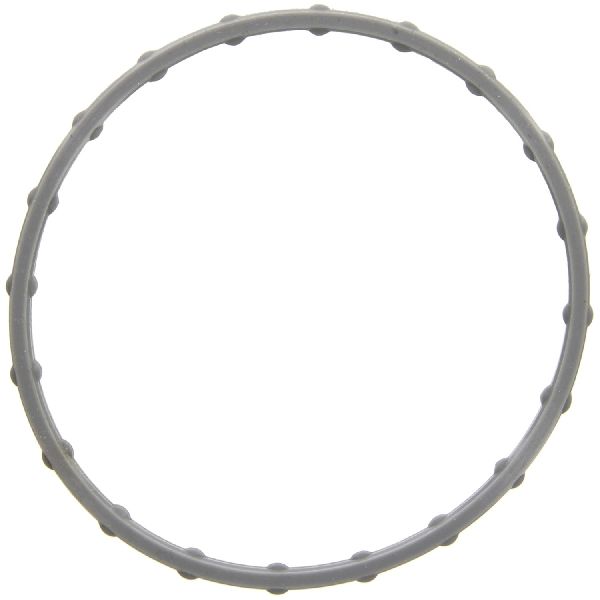
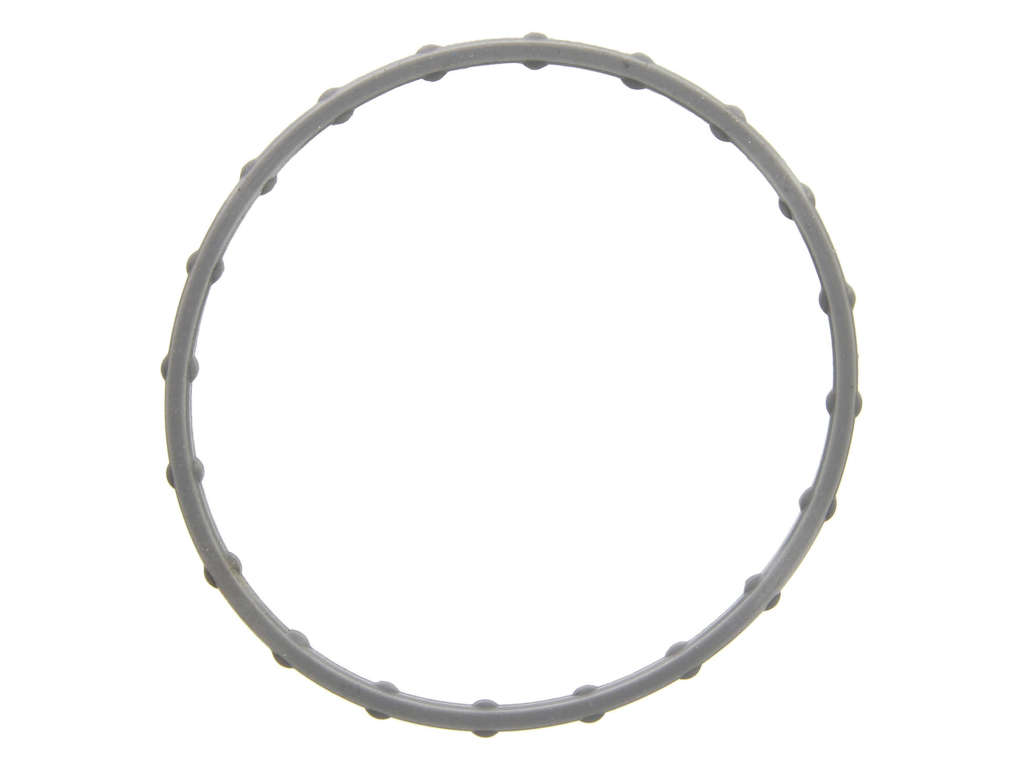
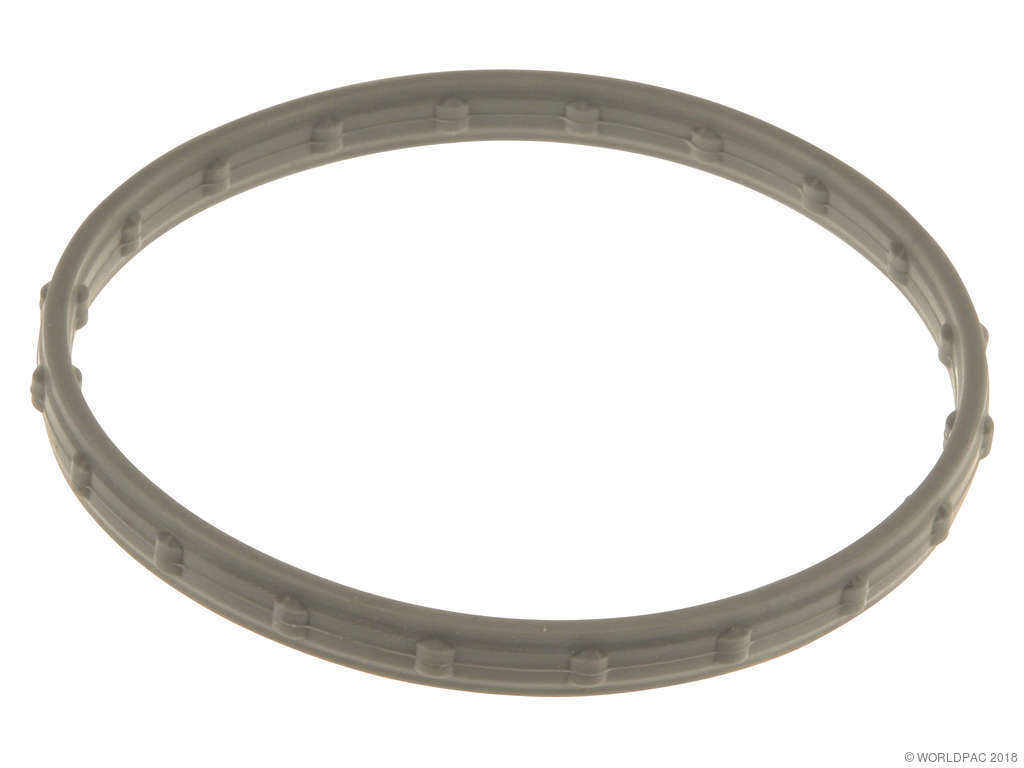
- Replace the Component: If the throttle body is confirmed as the fault, replace the entire assembly. It is also a good time to replace the throttle body gasket.
- Perform Relearn Procedure: After installation, a throttle relearn is necessary. A common owner-verified method is to turn the ignition 'ON' (engine off) for 15 seconds, then 'OFF' for 10 seconds. You may hear the throttle body making whirring sounds. Repeat this cycle 3-5 times before starting the engine.
- Clear Codes and Test Drive: Clear all codes and test drive the vehicle to ensure the repair was successful and symptoms are gone.
Parts You'll Likely Need
- Electronic Throttle Body Assembly
(OEM #35100-3CAA0 (for 2014-2015 3.3L V6) or 35100-3C700 (for 2011-2013 3.5L V6))— This is the most common cause of P0123. The internal Throttle Position Sensor (TPS) fails, and it is only sold as part of the complete throttle body assembly. Verify the part number with your vehicle's VIN before ordering.
Trusted brands: Kia/Hyundai (Genuine), Bosch, Hitachi, Standard Motor Products, A1 Cardone
OEM price range: $350-$450
Aftermarket price range: $200-$350
Related Codes That Often Appear With This One
- P0223 — This code refers to 'Throttle/Pedal Position Sensor 'B' Circuit High'. Since the throttle body contains two sensors for redundancy, seeing both codes together strongly confirms a complete failure of the throttle body assembly.
- P2135 — This code means 'Throttle/Pedal Position Sensor/Switch 'A'/'B' Voltage Correlation'. It indicates the signals from the two internal sensors do not agree with each other, pointing directly to a fault within the throttle body unit.
- P2110 — This code, 'Throttle Actuator Control System - Forced Limited RPM,' is a direct result of the P0123 fault. It confirms the ECM has intentionally put the vehicle into 'limp mode' as a protective measure.
Technical Service Bulletins (TSBs) & Recalls
- KT2007112601: While for an older model Optima/Sportage, this TSB from November 2007 addresses engine hesitation and MIL illumination for code P0123, showing a history of this fault code in Kia vehicles.
- TSB ENG 078: This TSB provides a procedure for resetting and relearning the electronic throttle control (ETC) adaptive values after replacing the throttle body or ECM, which is a required step after this repair.
Platform-Specific Known Issues
- Owner Experience: Sudden Limp Mode: An owner of a 2014 Sorento reported a sudden loss of power where the vehicle could not exceed 30 mph, which progressed to being unable to go over 20 mph. The engine ran rough, but no fault codes were initially present, highlighting that severe symptoms can sometimes precede the check engine light. This behavior is characteristic of a failing electronic throttle control system.
Mechanic-Grade Diagnostic Values
- ECM 5V reference (Vref) at TPS terminal — expected: 4.75V – 5.25V (Key ON, Engine OFF). Failure: Voltage significantly outside this range indicates a problem with the ECM or wiring, not necessarily the sensor.
- TPS signal voltage at closed throttle — expected: ~0.2V – 1.0V. Failure: A reading near or above the 5V reference voltage with the throttle closed confirms a 'Circuit High' condition.
- TPS signal voltage at wide open throttle (WOT) — expected: ~4.0V – 4.8V. Failure: A failure to reach this voltage range or an erratic signal during throttle movement indicates a faulty sensor.
- Throttle Body Mounting Bolt Torque — expected: 8.5 Nm (6.3 lb-ft). Failure: Over-tightening can crack the housing; under-tightening can cause vacuum leaks or signal drift.
Scan Tool Commands That Help
- Kia GDS (Global Diagnostic System): Actuation Test: ETC Motor — To command the throttle body motor to open and close while the engine is off. This allows a technician to audibly and visually (with intake removed) confirm if the throttle plate is moving or sticking, and to watch live data from TPS 1 and TPS 2 to see if they respond correctly.
- Kia GDS (Global Diagnostic System): Vehicle S/W Management: Resetting Adaptive Values — This is the official dealer procedure to be performed after replacing the throttle body. It resets the learned values in the ECM, forcing it to relearn the idle and throttle positions from the new component. This is more robust than the manual key-cycle relearn.
Wiring & Ground Locations
- Throttle Body Connector — The 6-pin electrical connector directly on the electronic throttle body assembly.. This is the primary interface for the TPS. A poor connection, corrosion, or damaged wire at this specific point is a common cause for circuit high/low codes. The pins include power, ground, and signal wires for both TPS 1 and TPS 2.
- ECM/ECU Ground — Typically located on the chassis in the engine bay, near the ECU itself. On many Kia models, a key ground point is a bolt on the engine block or cylinder head.. A poor or corroded main ECU ground can cause a floating voltage reference. This can make the ECU misinterpret the TPS signal as being higher than it actually is, leading to a false P0123 code even with a perfectly good throttle body and wiring.
- Main Fuse Box (Engine Compartment) — Located in the engine bay, typically near the battery.. This box contains the main relay and ECU fuses. A diagnostic video for a 2014 Sorento with a no-start and communication loss (a severe symptom related to P0123) traced the issue to a lack of power from this box to the PCM, preventing the 5V reference circuit from being established.
Model Year Variations Within This Range
- 2011-2013: These models use the 3.5L Lambda II MPI V6 engine, which is paired with the electronic throttle body part number 35100-3C700.
- 2014-2015: These facelifted models use the 3.3L Lambda II GDI V6 engine, which requires a different electronic throttle body, part number 35100-3CAA0. While the failure mode (P0123) is the same, the parts are not interchangeable.
Diagnostic Flowchart
Other Known Issues on This Vehicle
Issues unrelated to this code that are worth knowing about as an owner of this generation:
- Catastrophic Engine Failure (Lambda II V6) 🔴 High — A widely reported issue for both the 3.5L and 3.3L V6 engines in 2011-2015 models, often occurring before 100,000 miles. Problems include connecting rod bearing failure leading to seizure. (Ref: NHTSA Recall 20V750 (for 2012-2013 models) was issued to inspect for bearing wear and install a Knock Sensor Detection System (KSDS) to mitigate damage.)
- Faulty Exterior Door Latches 🟠 Medium — The most commonly reported problem for the 2011 model year, where exterior door handles fail to open the door, requiring replacement of the latch mechanism.
- A/C Compressor Clutch Failure 🟠 Medium — A common issue where the A/C clutch fails, preventing the compressor from engaging even with correct refrigerant levels. The typical repair involves replacing the entire A/C compressor assembly.
- Premature Headlight Bulb Burnout 🟡 Low — Owners frequently report that low-beam headlight bulbs burn out prematurely, sometimes within months. While easy to replace, the frequency is a known annoyance.
- Peeling 'Snow White Pearl' Paint 🟠 Medium — Affects 2013-2016 models with this specific paint color. The paint can delaminate, bubble, and peel in large sheets, exposing bare metal to rust.
- Radio/Infotainment System Glitches 🟡 Low — Owners report issues like loss of Bluetooth, satellite radio, or all sound from the speakers. This is often a software glitch that can be temporarily fixed by resetting the system (e.g., disconnecting the battery).
Used vs. New Parts: Buying Guide for This Vehicle
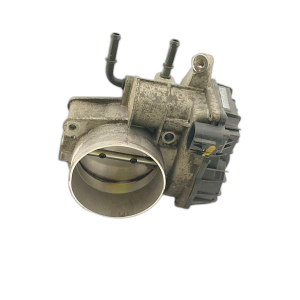
When a used part is the smart pick: A used OEM throttle body from a low-mileage donor vehicle can be a cost-effective alternative to a new dealer part, especially if the budget is tight. Given that this is a common failure item, the primary risk is the lifespan of the used part.
Donor-vehicle mileage cap: roughly under 60000 miles for the part to have meaningful remaining life.
What to inspect on the donor part:
- Verify the part number stamped on the housing (35100-3C700 or 35100-3CAA0) matches your original part exactly.
- Inspect the electrical connector closely. Avoid any unit with cracked plastic, signs of corrosion (green or white powder), or bent pins.
- Look inside the throttle bore. A light layer of carbon is normal, but avoid units that are caked in thick, oily sludge, as this may indicate a separate engine issue on the donor car.
- Ensure the butterfly valve moves freely by hand (if possible) without binding or sticking.
OEM-only on this vehicle (don't cheap out):
- Electronic Throttle Body Assembly
Aftermarket brands forum-validated for this vehicle:
- Dorman (some OE FIX models may have design improvements)
- SKP
- Standard Motor Products (SMP)
- Bosch
Brands owners have reported issues with on this vehicle:
- Unbranded, no-name parts from online marketplaces should be avoided, as their internal electronics may not meet OEM specifications for voltage accuracy and longevity, potentially causing the code to return prematurely.
Real Owner Stories
Aggregated from forums and TSBs cited above. Mileages and costs reflect what owners reported in those sources.
2014 Kia Sorento
Symptoms: Sudden loss of power where the vehicle could not exceed 30 mph, which progressed to being unable to go over 20 mph. The engine ran rough, but no fault codes were initially present.
What fixed it: Replacement of the electronic throttle body assembly.
Source hint: vehicle_specific_issues: Owner Experience: Sudden Limp Mode
2011-2015 Kia Sorento 3.3L V6
Symptoms: The user required a manual relearn procedure after replacing the throttle body to allow the ECU to passively learn the new sensor limits.
What fixed it: Cycling the ignition ON for 15 seconds and OFF for 5 seconds, repeated 5 times.
Source hint: Reddit thread titled 'SOLVED: Kia Throttle Position Sensor Relearn or Throttle Body Reset'
Related OBD-II Codes
Frequently Asked Questions
My 2014 Sorento is stuck in limp mode and won't go over 20 mph. Is this related to P0123?
Can I just replace the Throttle Position Sensor (TPS) on my Kia 3.3L V6?
Is there a specific TSB for engine hesitation and P0123 on Kia vehicles?
How do I perform the throttle relearn on my Sorento without a scan tool?
What part number should I look for if buying a replacement throttle body for the 3.3L GDI engine?
Does the 2012 Sorento have any major engine recalls I should know about while fixing this code?
Helpful Videos
Used OEM Parts in Stock


New Aftermarket Parts Available


The information in this article is provided for general reference and educational purposes only. Vehicle specifications, procedures, and part compatibility can vary by production date, trim level, and region. Always consult your vehicle's factory service manual and verify part numbers before purchasing or performing repairs. Safety-critical components such as airbags, seat belts, and braking systems should be installed by a qualified professional.
- Kia Sorento:
- 🎬 Helpful Videos
- 🛍️ Shop This Part
- What's Unique About the 2011-2015 Kia Sorento
- Symptoms You May Notice
- Most Likely Causes
- Rare But Worth Checking
- Diagnosis Steps
- Parts You'll Likely Need
- Related Codes That Often Appear With This One
- Technical Service Bulletins (TSBs) & Recalls
- Platform-Specific Known Issues
- Mechanic-Grade Diagnostic Values
- Scan Tool Commands That Help
- Wiring & Ground Locations
- Model Year Variations Within This Range
- Diagnostic Flowchart
- Other Known Issues on This Vehicle
- Used vs. New Parts: Buying Guide for This Vehicle
- Real Owner Stories
- 2014 Kia Sorento
- 2011-2015 Kia Sorento 3.3L V6
- Related OBD-II Codes
- Frequently Asked Questions
- 🎟️ Get 5% Off