

P0119 on 2017-2020 Lincoln Continental: Causes and Fixes for ECT Sensor Issues
On a 2017-2020 Lincoln Continental, especially with the 2.7L engine, code P0119 is most often caused by a bad electrical connection or damaged wiring at the Engine Coolant Temperature (ECT) sensor, as noted in multiple manufacturer TSBs. Inspect the connector and harness for damage between specific inline connectors before replacing the sensor itself.
- For the 2017-2020 Lincoln Continental, P0119 is very frequently an electrical issue, not a failed sensor.
- Always inspect the ECT sensor connector and wiring harness for damage before buying any parts. This is the most likely cause, especially on the 2.7L engine.
- This is a known issue documented by Ford/Lincoln in multiple Technical Service Bulletins (TSBs).
- Driving with this code can lead to poor performance and risks engine overheating if the cooling fans are not commanded on correctly.
- The OEM part number for the ECT sensor is FT4Z-12A648-B (which replaces the older DY-1309).
What's Unique About the 2017-2020 Lincoln CONTINENTAL
The 2017-2020 Lincoln Continental, particularly models with the 2.7L Twin-Turbo V6, is subject to a known pattern of failures for this code. Ford has issued multiple Technical Service Bulletins (TSBs) acknowledging this issue across several vehicles sharing this engine. TSB SSM 47791 specifically notes that for the Continental, damaged wiring between inline connectors C1016 (the ECT sensor connector) and C1168 is a likely cause, or the connector itself is not fully seated. TSB SSM 48991 goes further, recommending the replacement of the entire knock sensor/ECT sensor harness (part family 12A699) and the ECT sensor to correct the condition.
Diagnostic Flowchart
Tap your situation to follow the diagnostic path that matches what you're seeing on this vehicle.
Symptoms You May Notice
- Check Engine Light or Malfunction Indicator Lamp (MIL) is on.
- Wrench light may be illuminated.
- Engine Coolant Over Temperature warning on the dash.
- Temperature gauge fluctuates wildly or gives inaccurate readings (e.g., jumping from cold to hot).
- Engine runs rough, hesitates, or idles poorly.
- Cooling fans run constantly at high speed, even when the engine is cold.
- Reduced fuel economy.
- Black smoke from the exhaust.
- Hard starting, especially when the engine is cold.
- A/C system may stop working as the PCM tries to reduce engine load.
- Replacing the ECT sensor without first inspecting the connector and wiring harness. The TSBs strongly indicate the problem is often the wiring, not the sensor itself.
- Replacing the thermostat, which is more commonly associated with codes like P0128 (Thermostat Rationality).
- Assuming the engine is actually overheating when the gauge spikes, without verifying with live scan tool data. The P0119 code itself points to a circuit fault, not necessarily a true overheat condition.
Most Likely Causes
- Damaged or Poorly Seated ECT Sensor Connector 🔴 High Probability This is the primary cause identified in TSBs #SSM 47791 and #SSM 46906 for the 2.7L engine. The connector (C1016) can be loose, or the pins can be corroded, leading to an intermittent signal.
How to confirm: Visually inspect the ECT sensor's electrical connector for looseness, corrosion on the pins, or physical damage. Wiggle the connector with the engine running while monitoring live ECT data on a scan tool to see if the temperature reading becomes erratic.
Typical fix: Ensure the connector is fully seated and the locking tab clicks. If damaged or corroded, replace the connector pigtail. The Motorcraft WPT-1469 is a common pigtail for this application.
Est. part cost: $20-$45 - Damaged ECT Sensor Wiring Harness 🔴 High Probability TSB #SSM 47791 explicitly points to damaged wiring between the ECT sensor connector (C1016) and the inline harness connector (C1168) on Continental models. TSB #SSM 48991 also identifies the shared ECT/knock sensor harness as a failure point. Wires can chafe, melt, or break due to engine heat and vibration.
How to confirm: Carefully inspect the wiring leading from the ECT sensor, paying close attention to the harness section between connectors C1016 and C1168 for any signs of chafing, breaks, or heat damage.
Typical fix: Repair the damaged section of the wiring harness. For a more robust fix, especially if the issue is persistent, Ford recommends replacing the entire ECT/knock sensor harness (causal part 12A699) as per TSB #SSM 48991.
Est. part cost: $10-$100 - Failing Engine Coolant Temperature (ECT) Sensor 🟡 Medium Probability While wiring is the most cited issue, the sensor itself can fail internally, causing its resistance to fluctuate erratically. TSB #SSM 48991 recommends replacing the sensor along with the harness as a complete repair.
How to confirm: After confirming the wiring and connector are good, test the sensor. Use a scan tool to watch for illogical temperature jumps. Alternatively, remove the sensor and test its resistance with a multimeter at different temperatures to see if it matches specifications. At 68°F (20°C), resistance should be between 31,700 and 42,900 ohms.
Typical fix: Replace the ECT sensor. The OEM part number is FT4Z-12A648-B (also known as Motorcraft DY-1309).
Est. part cost: $25-$60 - Low Engine Coolant or Air in the System ⚪ Low Probability If the coolant level is low, air pockets can form in the cooling system. When an air pocket passes the sensor tip, it can cause a sudden, erratic temperature reading as the sensor is momentarily exposed to air instead of coolant.
How to confirm: Check the engine coolant level in the reservoir when the engine is cold. If low, there may be a leak in the system that needs to be found and repaired.
Typical fix: Top off the coolant with the correct type (Ford VC-13-G or equivalent) and bleed the system to remove any air pockets. Find and repair any leaks.
Est. part cost: $15-$30 for coolant
Rare But Worth Checking
- Faulty Thermostat: A thermostat that is sticking or opening/closing erratically can cause rapid temperature fluctuations that the PCM might interpret as an intermittent sensor circuit. This is less common than a direct circuit fault for P0119 and would more likely be accompanied by code P0128.
- Powertrain Control Module (PCM) Fault: In very rare cases, the fault may lie within the PCM itself. The internal circuits that process the ECT signal can fail. This should only be considered after all other possibilities (sensor, wiring, coolant level) have been exhaustively ruled out.
Diagnosis Steps
- Verify the Check Engine Light is on and scan for P0119 and any other codes. Note all codes present, as they are crucial clues.
- With the engine cold, check the coolant level in the expansion tank. Ensure it is at the proper level.
- Turn the ignition to the 'On' position (engine off). Use a scan tool to view live data for the ECT sensor. The reading should be close to the ambient air temperature.
- Start the engine and continue to monitor the ECT live data as the engine warms up. Look for any sudden, illogical spikes or drops in the temperature reading. A healthy sensor shows a smooth, gradual increase.
- Locate the ECT sensor. On the 2.7L and 3.0L engines, it is typically located on the cylinder head, often near the thermostat housing area.
- Carefully inspect the electrical connector (C1016) at the ECT sensor. Check for a loose fit, corrosion, pushed-out pins, or a broken locking tab. Wiggle the connector and harness while monitoring live data to see if the fault can be reproduced.
- Following the guidance of TSB #SSM 47791, thoroughly inspect the wiring harness between the ECT sensor connector (C1016) and the next inline connector (C1168) for any signs of chafing, melting against hot components, or breaks.
- If wiring and the connector appear perfect, consider testing or replacing the ECT sensor itself.
- If the problem persists after replacing the sensor and verifying the wiring, the cooling system should be checked for air pockets or a faulty thermostat.
Parts You'll Likely Need
- Engine Coolant Temperature (ECT) Sensor
(OEM #FT4Z-12A648-B)— This is the sensor that provides the temperature reading. While wiring is often the cause, the sensor itself can fail. TSB #SSM 48991 recommends its replacement along with the harness.
Trusted brands: Motorcraft (DY-1309)
OEM price range: $25-$45
Aftermarket price range: $15-$35 - ECT Sensor Connector Pigtail
(OEM #WPT-1469)— The connector itself is a common failure point due to looseness or corrosion, as identified in TSBs. Replacing the pigtail ensures a solid connection if the original is damaged.
Trusted brands: Motorcraft, Dorman, Standard Motor Products
OEM price range: $35-$50
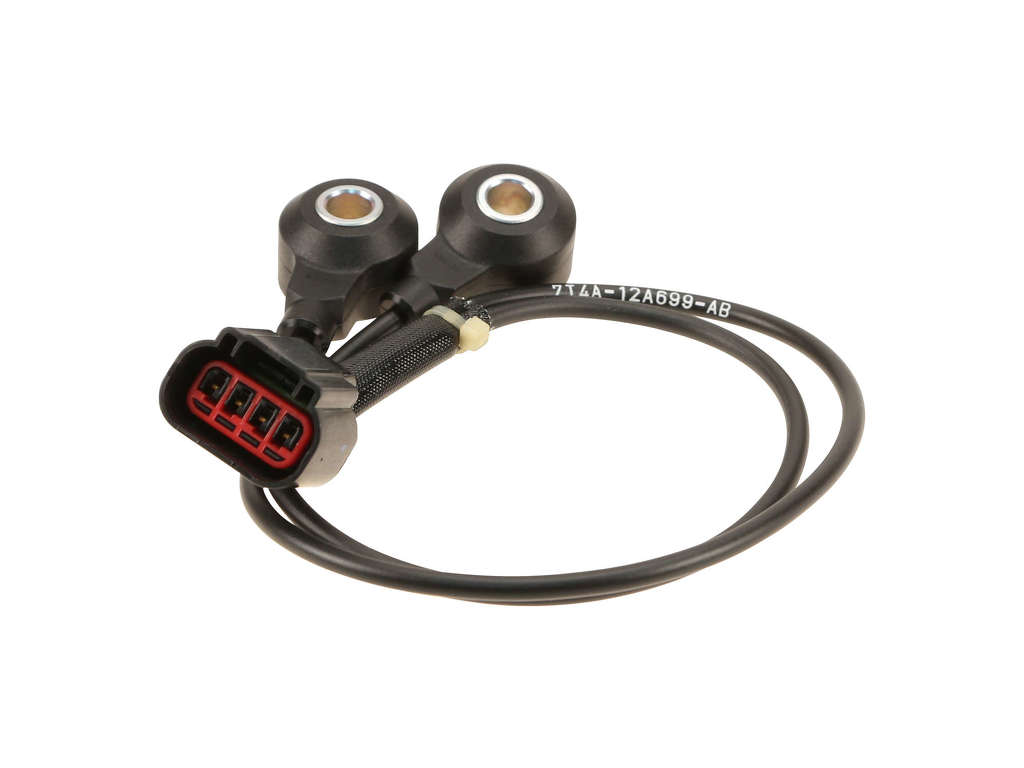
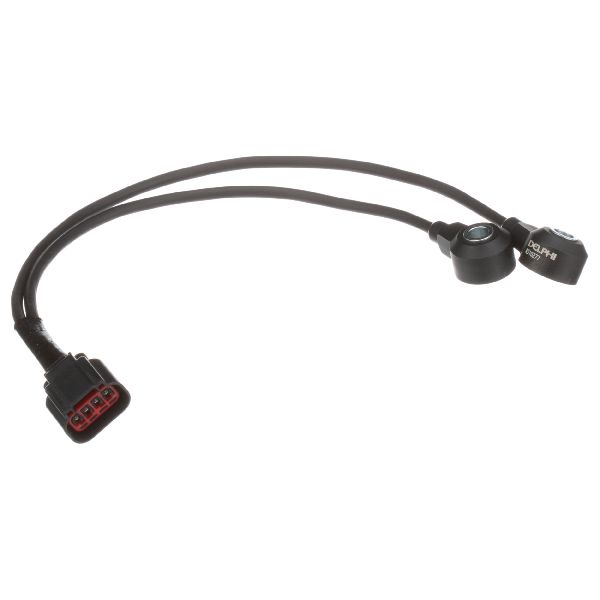
Aftermarket price range: $15-$30 - ECT/Knock Sensor Harness
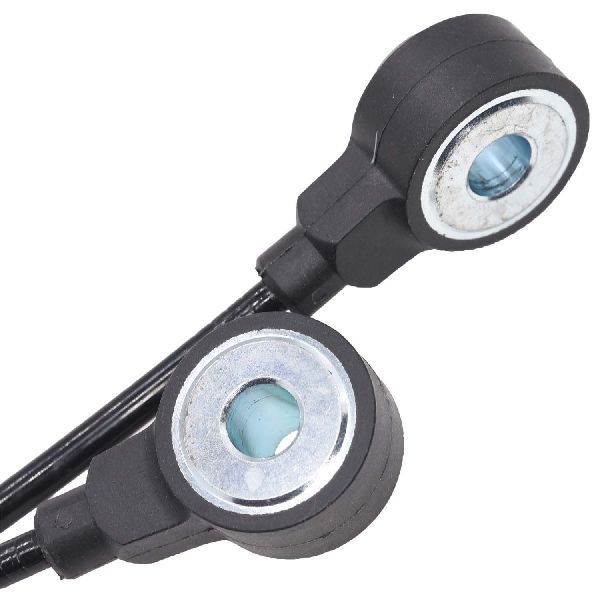
(OEM #12A699 (Causal Part Family))— TSB #SSM 48991 and #SSM 47791 identify the harness as the causal part for persistent issues, recommending its replacement to resolve wiring damage between connectors.
Trusted brands: Ford Genuine Parts
OEM price range: $70-$120
Aftermarket price range: N/A
Related Codes That Often Appear With This One
- P0116 — Indicates ECT Sensor Performance/Range issue, often set alongside P0119 due to the erratic signal.
- P0117 — Indicates ECT Sensor Circuit Low Input, which can happen intermittently during a P0119 fault.
- P0118 — Indicates ECT Sensor Circuit High Input, which can happen intermittently during a P0119 fault.
- P0128 — Indicates the thermostat has not reached its expected operating temperature. An erratic ECT sensor can provide false data that triggers this code.
- P0217 — Indicates an Engine Overtemperature Condition. A faulty ECT circuit can fail to activate cooling fans, leading to a genuine overheat, or it can falsely report an overheat.
- P1299 — Indicates Cylinder Head Overtemperature Protection is active. The PCM may trigger this based on false, spiking data from the faulty ECT circuit.
Technical Service Bulletins (TSBs) & Recalls
- SSM 48991: Recommends replacing the ECT sensor (12A648) and the knock/ECT sensor harness (12A699) on 2.7L engines to fix various ECT-related codes, including P0119.
- SSM 47791: Points to a poorly seated ECT sensor connector or damaged wiring between specific inline connectors (C1016 and C1168 for the Continental) as the cause for P0119 on 2.7L engines.
- SSM 46906: An earlier version of SSM 47791, also identifying the ECT sensor connector or wiring as the likely culprit on 2.7L engines.
Platform-Specific Known Issues
- TSB #SSM 48991: For 2017-2020 Continentals with the 2.7L engine, this bulletin notes that P0119 (among other codes) can be caused by the ECT sensor or knock sensor wiring harness and advises replacing both the sensor and the harness.
- TSB #SSM 47791 & #SSM 46906: These earlier bulletins for 2017-2019 models with the 2.7L engine point specifically to an ECT sensor connector that is not fully seated or has damaged wiring as the likely culprit for code P0119.
Mechanic-Grade Diagnostic Values
- ECT Sensor Resistance (Ohms) — expected: Approximately 31,700-42,900 Ω at 68°F (20°C) and 1,760-2,380 Ω at 212°F (100°F). Resistance should decrease smoothly as temperature increases.. Failure: Infinite resistance (open), zero resistance (short), or readings that do not correspond to the coolant temperature indicate a faulty sensor.
- ECT Sensor Signal Voltage (Key On, Engine Off) — expected: The PCM provides a 5-volt reference. The return signal voltage should be high when the engine is cold (e.g., 3.0-4.5V) and decrease as the engine warms up (e.g., 0.5-1.0V at operating temperature).. Failure: Voltage that is stuck, jumps erratically, or does not change logically with temperature points to a circuit or sensor fault. Unplugging the sensor should result in a 5V reading on the reference wire and a fault code.
Hidden / Shadow Codes Worth Checking
- Mode $06, Test ID (TID) and Component ID (CID) for ECT: Mode $06 is not a trouble code but a diagnostic function that shows results from the PCM's self-tests. Before P0119 is set, the ECT sensor test may fail or be near its threshold in Mode $06. This can provide an early warning of an intermittent fault that hasn't yet triggered the MIL. (see via Requires an advanced OBD-II scan tool (like Ford's IDS or FORScan) that supports Mode $06 functionality. The specific TID/CID for the ECT sensor must be looked up in the service manual for the vehicle.)
Scan Tool Commands That Help
- Ford IDS (or equivalent professional scanner): Datalogger / Live Data — This is the most critical function for diagnosing P0119. By graphing the ECT sensor voltage or temperature reading in real-time, a technician can visually confirm the intermittent/erratic signal. The graph will show sudden spikes, drops, or flat lines that are not logical as the engine warms up. This confirms the PCM's reason for setting the code.
Wiring & Ground Locations
- C1016 — The electrical connector at the Engine Coolant Temperature (ECT) sensor itself.. TSB #SSM 47791 explicitly identifies this connector as a primary failure point, often for not being fully seated, leading to a poor connection and intermittent signal.
- C1168 — A harness-to-harness inline connector located 'downstream' from the ECT sensor in the engine bay wiring.. TSB #SSM 47791 points to potential wiring damage (chafing, breaks) in the section of the harness between the ECT sensor connector (C1016) and this connector.
- ECT Sensor Pinout — At the ECT sensor connector (C1016).. The two pins are typically Signal Return (Ground) and ECT Signal. The PCM sends a 5V reference voltage which is modified by the sensor's resistance and sent back on the signal wire. Knowing which pin is which is crucial for testing voltage and continuity. This information is found in the vehicle's official wiring diagram.
Real Owner Repair Stories
- F150online Forums (2008 Ford F-150 5.4L (Note: Different engine, but demonstrates a rare failure path)) — Check Engine Light with code P0119.
❌ Tried (didn't work) Initial diagnostics pointed toward the sensor or wiring.
✅ What actually fixed it The Powertrain Control Module (PCM) was faulty and had to be replaced by the dealership. The code did not return after PCM replacement.
OEM Part Supersession History
FT4Z-12A648-A, DY-1298→FT4Z-12A648-B— Standard part revision and consolidation by the manufacturer.
Heads up: The newer part (FT4Z-12A648-B) is a direct replacement for the older numbers.
Model Year Variations Within This Range
- 2018-2020 (on F-150 platform): For the 2.7L EcoBoost engine on other platforms like the F-150, Ford issued TSB 21-2168 recommending a sensor relocation kit (ML3Z-14A411-H). This kit moves the ECT sensor to a more accessible heater hose to bypass a failure-prone original circuit. While not directly specified for the Continental, it indicates a known design weakness with the original sensor location/harness on this engine family and represents a potential advanced repair strategy if standard wiring fixes fail.
Used OEM Parts in Stock

New Aftermarket Parts Available


The information in this article is provided for general reference and educational purposes only. Vehicle specifications, procedures, and part compatibility can vary by production date, trim level, and region. Always consult your vehicle's factory service manual and verify part numbers before purchasing or performing repairs. Safety-critical components such as airbags, seat belts, and braking systems should be installed by a qualified professional.
- Lincoln CONTINENTAL:
- 🛍️ Shop This Part
- What's Unique About the 2017-2020 Lincoln CONTINENTAL
- Diagnostic Flowchart
- Symptoms You May Notice
- Most Likely Causes
- Rare But Worth Checking
- Diagnosis Steps
- Parts You'll Likely Need
- Related Codes That Often Appear With This One
- Technical Service Bulletins (TSBs) & Recalls
- Platform-Specific Known Issues
- Mechanic-Grade Diagnostic Values
- Hidden / Shadow Codes Worth Checking
- Scan Tool Commands That Help
- Wiring & Ground Locations
- Real Owner Repair Stories
- OEM Part Supersession History
- Model Year Variations Within This Range
- 🎟️ Get 5% Off