

P0108 on 2011-2015 Kia Optima Hybrid: MAP Sensor Circuit High Causes and Fixes
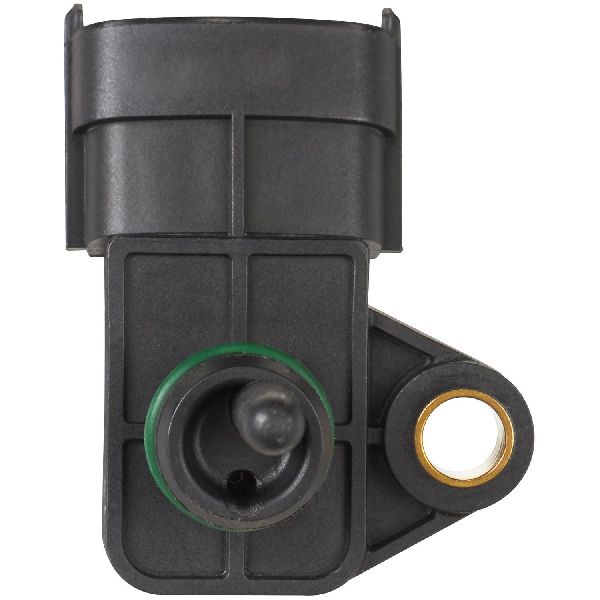
On a 2011-2015 Kia Optima Hybrid, code P0108 almost always means the Manifold Absolute Pressure (MAP) sensor has failed. It's a common failure and an easy, 15-minute DIY fix. Expect to pay about $20-$60 for an aftermarket sensor or $70-$110 for an OEM part with part number 39300-2B000. Ignoring the code can lead to catalytic converter damage.
- P0108 on your Optima Hybrid almost certainly points to a bad MAP sensor.
- This is a very simple and inexpensive DIY repair that requires only basic tools and about 15 minutes.
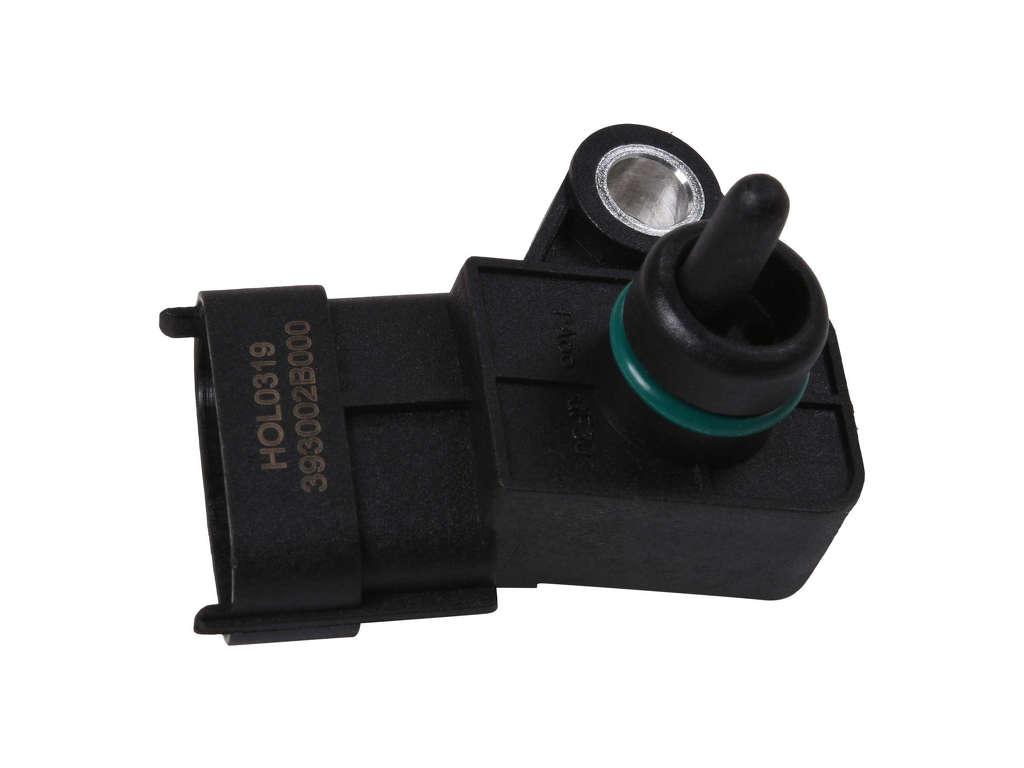
- The correct OEM part number for the 2.4L Hybrid engine is 39300-2B000.
- Do not ignore this code, as continued driving can lead to poor fuel economy and expensive damage to your catalytic converter.
- Be aware that the 2.4L Theta II engine in this car has a history of serious internal problems like bearing failure and oil consumption, which are separate from this specific sensor code.
What's Unique About the 2011-2015 Kia Optima Hybrid
For the 2011-2015 Optima Hybrid with the 2.4L Theta II engine, the P0108 code is overwhelmingly caused by a simple failure of the MAP sensor itself. While the Theta II engine family has been subject to major recalls and lawsuits for internal issues like connecting rod bearing failure, those are generally unrelated to this specific electronic sensor code. The fix for P0108 is typically straightforward and does not involve the more complex engine or hybrid system components. Some owners report finding oil contamination on the sensor, likely from the PCV system, which can cause failure.
Symptoms You May Notice
- Check Engine Light is on
- Rough or unstable idle
- Hesitation or sluggish acceleration
- Decreased fuel economy
- Engine stalling, especially when coming to a stop or when the gas engine kicks on
- Black smoke from the exhaust
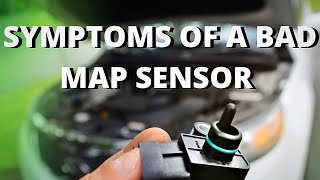
- Engine fails to start in some cases. 🎬 Watch: A mechanic explains common symptoms of a failing MAP sensor.
- Replacing the throttle body when the issue is the MAP sensor.
- Replacing oxygen sensors due to the rich fuel condition symptoms, without first addressing the MAP sensor code.
- Assuming a major engine issue due to rough running, when it is just a simple sensor failure.
Most Likely Causes
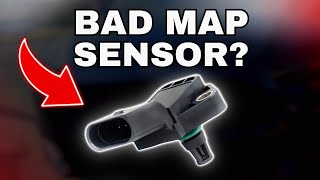
- Faulty Manifold Absolute Pressure (MAP) Sensor 🔴 High Probability This is the most common failure point for P0108 on this specific vehicle and its platform mate, the Hyundai Sonata Hybrid. The sensor's internal electronics fail, causing it to send a continuous high voltage signal to the computer. Oil contamination from the PCV system can also coat the sensor and lead to failure.
How to confirm: Using a scan tool, check the live data for the MAP sensor with the key on and engine off (KOEO). The voltage should be high (around 4.5V), corresponding to atmospheric pressure. Start the engine; the voltage should drop to around 1.0-1.8V at idle. If the voltage is stuck high (near 5V) and doesn't change with engine RPM, the sensor is bad. Visually inspect the sensor by removing it; oil on the tip is a strong indicator of contamination and failure.
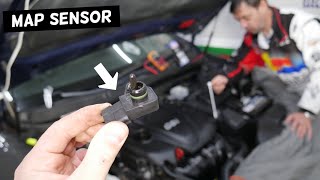
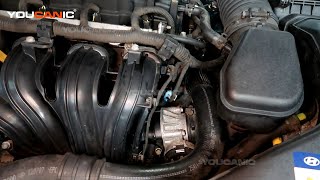
Typical fix: Replace the MAP sensor. It is located on the top of the intake manifold and secured with a single 10mm bolt. 🎬 Watch: This quick video shows exactly where the sensor is located. Disconnect the electrical connector, remove the bolt, and pull the old sensor straight out.
Est. part cost: $20-$110 - Wiring or Connector Issue 🟡 Medium Probability The wiring harness for the MAP sensor is located near the radiator fan, and if not properly secured, it can be damaged by the fan blades.
How to confirm: Visually inspect the MAP sensor's wiring harness for any signs of damage, corrosion, or loose connections, paying close attention to the area near the radiator fan. With the sensor unplugged and key on, use a multimeter to test the connector for a 5-volt reference, a good ground, and a signal wire. Wiggle the harness to see if the connection is intermittent.
Typical fix: Repair the damaged section of wire or replace the connector pigtail.
Est. part cost: $10-$30 - Clogged Catalytic Converter ⚪ Low Probability
How to confirm: A clogged exhaust creates high pressure in the intake manifold, which can mimic a high-load condition. This can be tested with an exhaust back-pressure gauge. An infrared thermometer can also be used to check the temperature before and after the converter; the outlet should be significantly hotter than the inlet. A significant loss of power at higher RPMs is also a key symptom.
Typical fix: Replace the clogged catalytic converter. This is often a consequence of ignoring a P0108 code for too long.
Est. part cost: $500-$1500
Rare But Worth Checking
- Faulty Powertrain Control Module (PCM): This is very rare. The PCM should only be considered after all other possibilities, including the sensor, wiring, and exhaust restrictions, have been thoroughly ruled out.
- Major Vacuum Leak: While a vacuum leak typically causes a P0107 (low input) code, a very large or intermittent leak from a cracked intake manifold or hose could potentially confuse the ECM and trigger a P0108. Check all vacuum hoses connected to the intake manifold.
Diagnosis Steps
- Connect an OBD-II scanner and confirm P0108 is the primary code. Note any other codes present, like P0172 or P0106.
- View live data on the scanner. With the Key On, Engine Off (KOEO), observe the MAP sensor voltage. It should be high (e.g., 4.5-4.8V at sea level).
- Start the engine. The MAP sensor voltage should drop significantly at idle (typically to 1.0-1.8V).
- If the voltage remains stuck high regardless of engine state, the sensor has most likely failed.
- Turn off the vehicle and disconnect the car battery to be safe, as the sensor is near the radiator fan.
- Visually inspect the MAP sensor connector and wiring for damage, corrosion, or loose pins. Check for damage from the nearby radiator fan.
- If the wiring looks good, remove the single 10mm bolt and pull the MAP sensor from the intake manifold. Inspect the sensor tip for oil contamination.
- If the sensor is oily or the live data test failed, replace the MAP sensor. The OEM part number is 39300-2B000.
- If the sensor and wiring check out, investigate less common causes like a clogged catalytic converter.
- After the repair, clear the codes and perform a test drive to ensure the fix was successful.
Parts You'll Likely Need
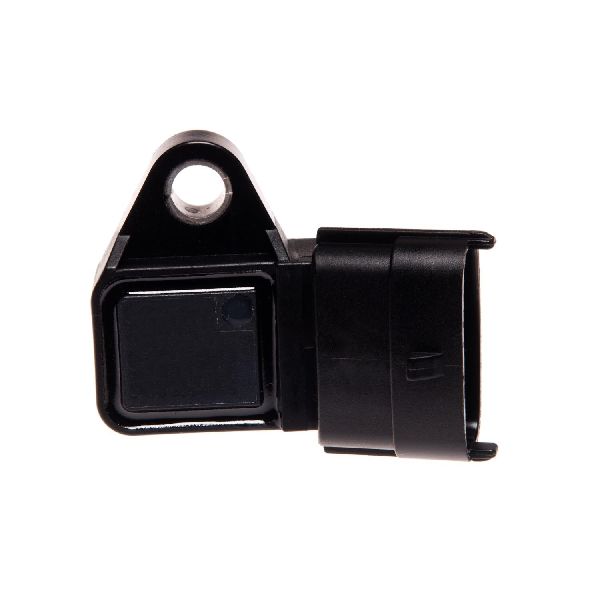
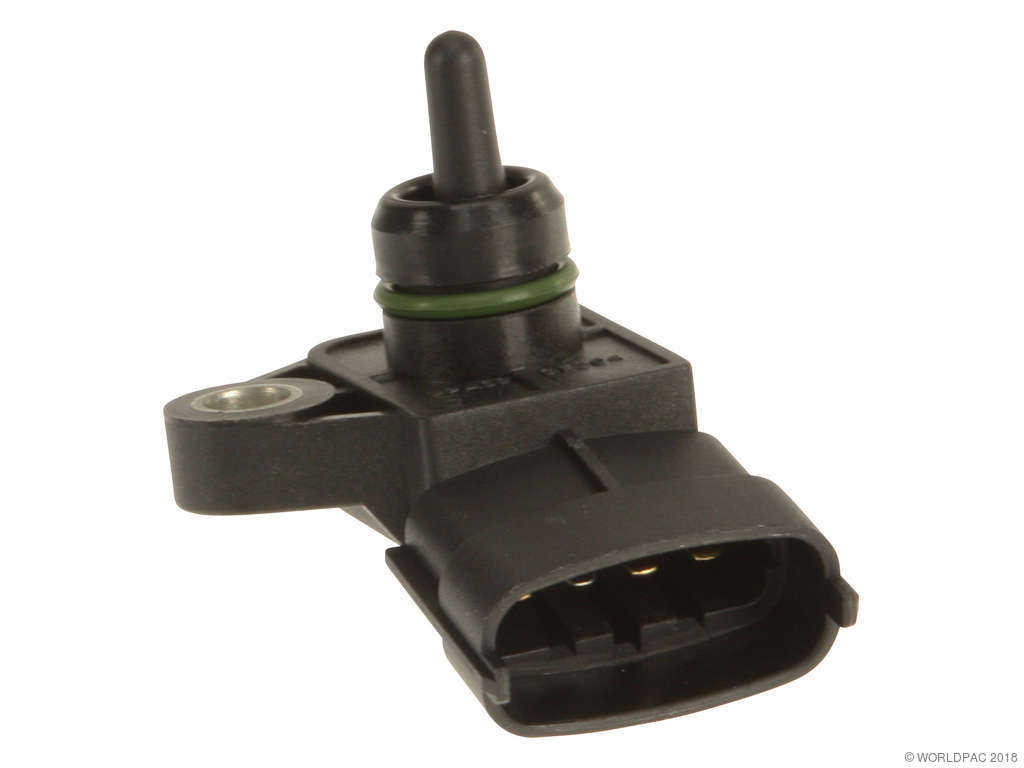
- Manifold Absolute Pressure (MAP) Sensor
(OEM #39300-2B000)— This is the most frequent point of failure for code P0108 on this vehicle. The sensor's internal components fail or become contaminated with oil, resulting in a constant high-voltage signal.
Trusted brands: Hyundai / Kia (OEM), Bosch, Delphi, NGK / NTK, Standard Motor Products (SMP)
OEM price range: $70-$110
Aftermarket price range: $20-$60
Related Codes That Often Appear With This One
- P0106 — This code for 'MAP Sensor Range/Performance' can be triggered by similar faults, like a failing sensor or intermittent wiring issue, indicating an erratic signal rather than one stuck high.
- P0172 — This code for 'System Too Rich (Bank 1)' can be a direct result of the P0108 fault, as the bad MAP sensor data causes the ECM to inject excessive fuel.
- P0113 — Intake Air Temperature (IAT) Sensor Circuit High. On some Hyundai/Kia models, the MAP and IAT sensors are combined into a single unit. A failure of the unit can trigger both codes simultaneously.
Technical Service Bulletins (TSBs) & Recalls
- PI1802: This TSB is for a Knock Sensor Detection System (KSDS) software update for 2011-2018 Optimas. While not directly related to P0108, it is relevant to the aoverall engine management and health monitoring of the Theta II engine.
- SC147: A safety campaign TSB related to Theta II engine inspection and replacement due to potential connecting rod bearing wear from manufacturing debris. This is a severe issue with the engine family but is not a direct cause of the P0108 electronic fault.
- ENG222: A TSB addressing excessive oil consumption in various Kia engines, including the Theta II. This is relevant as high oil consumption can lead to increased oil vapor in the PCV system, potentially contaminating the MAP sensor and causing it to fail.
Platform-Specific Known Issues
- Oil Contamination of Sensor: On Kia-Forums.com, a user with a 2012 Optima EX 2.4L reported fixing a P0108 code by removing the MAP sensor and finding it coated in oil. Cleaning it was a temporary fix, but replacement was the permanent solution. This points to potential oil blow-by from the PCV system contributing to sensor failure on this platform.
- Stalling When Switching from EV to Gas: Owners of the hybrid model specifically may notice stalling or severe hesitation when the gasoline engine is supposed to take over from the electric motor. This is a direct symptom of the incorrect air/fuel mixture caused by the faulty MAP sensor data, making the transition between power sources rough or unsuccessful.
Mechanic-Grade Diagnostic Values
- MAP Sensor Signal Voltage (Key On, Engine Off) — expected: ~4.5V at sea level, should be close to BARO reading.. Failure: A difference of more than 0.5V between the MAP and BARO sensor readings.
- MAP Sensor Signal Voltage at Idle — expected: 1.0V - 1.8V. Failure: Voltage is stuck high, at or above 4.4V - 4.5V.
- MAP Sensor Connector Pin Voltages (KOEO, Unplugged) — expected: Pin 1 (Power): 5V Reference; Pin 2 (Ground): < 0.1V; Pin 3 (Signal): ~4.5V.. Failure: No 5V reference, poor ground (>0.1V), or incorrect signal voltage indicates a wiring or PCM issue.
- MAP Sensor Resistance — expected: Approximately 2.4 kΩ (kilo-ohms). Failure: A significantly different resistance reading may indicate an internal sensor fault.
Scan Tool Commands That Help
- Kia GDS (Global Diagnostic System): Trigger Module (Flight Record) — This function is used for diagnosing intermittent P0108 codes. It allows a technician to record live sensor data during a drive cycle to capture the fault as it occurs. The recorded data can then be analyzed to pinpoint whether the voltage spike is from the sensor, a wiring short, or another correlated component.
Wiring & Ground Locations
- MAP Sensor Connector — On the intake manifold, just past the throttle body.. This is the primary connection point for testing. On some models, the pinout is: Pin 1 (Power, often Pink), Pin 2 (Ground), Pin 3 (Signal). Verifying 5V reference, ground, and signal voltage here is the first step in diagnosing the circuit.
- Engine Ground Wiring Assembly (91860-2T011) — This is the main engine ground cable assembly for the 2011-2013 Optima Hybrid.. A poor engine ground can cause floating voltages and erratic sensor readings across the engine, including the MAP sensor. While not a common cause for a 'stuck high' code, ensuring ground integrity is a fundamental step in electrical diagnosis.
Real Owner Repair Stories
- Review on Kia.Parts store by Thomas P. (Kia vehicle (model not specified, but part is for Optima)) — Check engine light with P0106 code (related MAP sensor code), failed emissions test.
✅ What actually fixed it The user replaced the MAP sensor (part 39300-2B000) and also cleaned excess carbon buildup from the intake manifold. This combination cleared the code and allowed the vehicle to pass emissions. - NHTSA ODI #11390539 — An owner of a related Kia model reported that the vehicle was running with a rough idle and the check engine light came on with codes P0108 and P0068. Despite being driven to a dealer, the issue was initially difficult to pinpoint.
OEM Part Supersession History
39300-2B000→39300-2B100— Standard part revision or manufacturer change.
Heads up: Part number 39300-2B100 is listed as a compatible replacement for 39300-2B000. However, always verify with VIN. Do not use 39300-2G000 or 39300-84400, as these are for different, often turbocharged, engines and will not read pressure correctly on the 2.4L hybrid engine.
Model Year Variations Within This Range
- 2011-2013: The 2011-2013 Kia Optima Hybrid uses the 2.4L Theta II engine and specifies MAP sensor part number 39300-2B000.
- 2014-2015: The 2014 model year was a facelift for the Optima, but the 2.4L hybrid powertrain and associated MAP sensor remained the same as the earlier models in this range.
Diagnostic Flowchart
Other Known Issues on This Vehicle
Issues unrelated to this code that are worth knowing about as an owner of this generation:
- Catastrophic Connecting Rod Bearing Failure 🔴 High — Widespread across 2011-2019 models. Can occur under 100,000 miles. Led to recalls and a class-action lawsuit. (Ref: NHTSA Recall 17V-224, Kia Safety Campaign SC147.)
- Excessive Oil Consumption 🟠 Medium — Common issue, may become noticeable after 60,000-80,000 miles. Can lead to oil sludge and premature engine wear if not monitored. (Ref: Kia TSB ENG222.)
- Carbon Buildup on Intake Valves 🟠 Medium — Inherent to Gasoline Direct Injection (GDI) engines like the Theta II. Requires periodic cleaning (e.g., walnut blasting) to prevent performance loss.
- Faulty EVAP Purge Control Valve 🟡 Low — A common failure item on many Hyundai/Kia vehicles. Often causes stalling or rough running immediately after refueling, and may or may not set an EVAP-related code.
Used vs. New Parts: Buying Guide for This Vehicle
When a used part is the smart pick: For this specific repair, buying a used MAP sensor is generally not recommended. The part is a relatively inexpensive electronic sensor that is a known common failure item. The risk of getting a part that is already near the end of its service life is high, and the cost savings are minimal compared to a new aftermarket part.
Donor-vehicle mileage cap: roughly under 60000 miles for the part to have meaningful remaining life.
What to inspect on the donor part:
- Ensure the part comes from a vehicle that was not in a front-end collision.
- Inspect the connector pins for any signs of corrosion, moisture, or damage.
- Check the sensor's tip for heavy oil or carbon buildup, which could indicate it came from a poorly maintained engine.
Aftermarket brands forum-validated for this vehicle:
- NGK / NTK
- Standard Motor Products (SMP)
- Bosch
- Delphi
Brands owners have reported issues with on this vehicle:
- Unbranded, ultra-low-cost sensors from online marketplaces may have poor calibration and a high failure rate, leading to persistent codes or performance issues.
Real Owner Stories
Aggregated from forums and TSBs cited above. Mileages and costs reflect what owners reported in those sources.
2012 Kia Optima EX 2.4L
Symptoms: The owner found the MAP sensor coated in oil, leading to the P0108 code.
What fixed it: Removing and cleaning the oil-fouled MAP sensor provided a temporary fix, but replacement was the permanent solution.
Source hint: Kia-Forums.com - P0108 Repair Story
2011-2015 Kia Optima Hybrid 2.4L
Symptoms: Stalling or severe hesitation when the gasoline engine is supposed to take over from the electric motor.
What fixed it: Replacing the MAP sensor (Part #39300-2B000) to correct the air/fuel mixture during power source transitions.
Source hint: YouTube/World Mechanics - MAP Sensor Replacement Guide
Kia Owner (NHTSA ODI #11390539)
Symptoms: The owner reported that the car was running with a rough idle and the check engine light came on with codes P0108 and P0068.
What fixed it: The owner noted that the dealer could not initially find the issue after the codes were pulled.
Source hint: NHTSA ODI #11390539
Related OBD-II Codes
Frequently Asked Questions
Does TSB ENG222 apply to my 2011-2015 Kia Optima Hybrid regarding the P0108 code?
Is there a specific part number I should use when replacing the MAP sensor on my Optima Hybrid?
My Optima Hybrid stalls specifically when the gas engine kicks on; is this related to P0108?
Could the P0108 code be related to the major Theta II engine recalls like SC147?
Can I just clean the MAP sensor if it is contaminated with oil?
Is the MAP sensor wiring at risk from other engine components?
Helpful Videos

We Have This Part in Stock


The information in this article is provided for general reference and educational purposes only. Vehicle specifications, procedures, and part compatibility can vary by production date, trim level, and region. Always consult your vehicle's factory service manual and verify part numbers before purchasing or performing repairs. Safety-critical components such as airbags, seat belts, and braking systems should be installed by a qualified professional.
- Kia Optima Hybrid:
- 🎬 Helpful Videos
- 🛍️ Shop This Part
- What's Unique About the 2011-2015 Kia Optima Hybrid
- Symptoms You May Notice
- Most Likely Causes
- Rare But Worth Checking
- Diagnosis Steps
- Parts You'll Likely Need
- Related Codes That Often Appear With This One
- Technical Service Bulletins (TSBs) & Recalls
- Platform-Specific Known Issues
- Mechanic-Grade Diagnostic Values
- Scan Tool Commands That Help
- Wiring & Ground Locations
- Real Owner Repair Stories
- OEM Part Supersession History
- Model Year Variations Within This Range
- Diagnostic Flowchart
- Other Known Issues on This Vehicle
- Used vs. New Parts: Buying Guide for This Vehicle
- Real Owner Stories
- 2012 Kia Optima EX 2.4L
- 2011-2015 Kia Optima Hybrid 2.4L
- Kia Owner (NHTSA ODI #11390539)
- Related OBD-II Codes
- Frequently Asked Questions
- 🎟️ Get 5% Off