

P0106 on 2008-2009 Pontiac G8: MAP Sensor Causes and Fixes
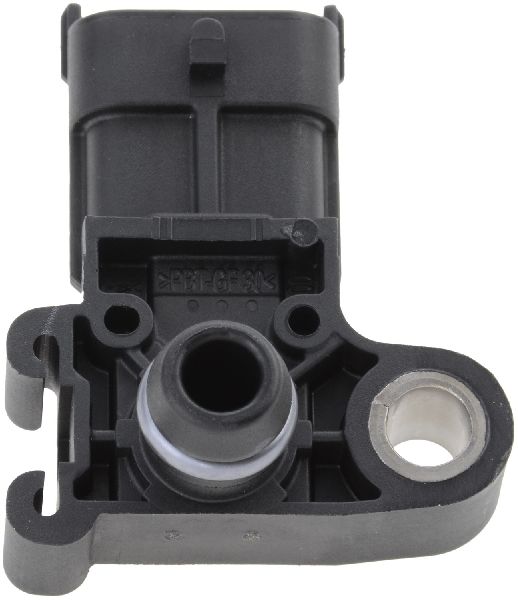
This code almost always points to a faulty Manifold Absolute Pressure (MAP) sensor on the V8 engines. It's an easy and affordable DIY replacement, typically costing $25-$60 for a new sensor. The most common OEM replacement part is ACDelco 12644228.
- P0106 on a V8 G8 is most often a bad MAP sensor, specifically ACDelco part 12644228.
- The MAP sensor is located on the front of the intake manifold and is very easy to replace with just one bolt.
- Before replacing the sensor, do a quick visual check for cracked vacuum hoses, as this is another possible cause.
- This is a DIY-friendly repair that can be done in under 15 minutes with basic tools.
- Use a quality replacement sensor from brands like ACDelco or Bosch to ensure reliability.
- If your engine is modified with an aftermarket camshaft, this code may require an ECU tune adjustment rather than a part replacement.
What's Unique About the 2008-2009 Pontiac G8
On the V8-powered Pontiac G8 GT (6.0L L76) and GXP (6.2L LS3), the MAP sensor is a distinct and easily accessible component located on the front of the intake manifold, just behind the throttle body. This makes diagnosis and replacement much simpler compared to other vehicles where it might be hidden. While the code is generic, on this platform it's very commonly caused by the sensor itself failing rather than more complex issues like vacuum leaks, though those are still possible. Heavily modified engines, particularly with aftermarket camshafts, may set this code if the tune is not adjusted for the new engine characteristics, as the idle vacuum will be different.
Symptoms You May Notice
- Check Engine Light is on
- Rough or unstable idle
- Hesitation or lack of power during acceleration
- Decreased fuel economy
- Black smoke from the exhaust
- Difficulty starting the engine
- Engine stalling, especially at low speeds or idle.
- Replacing the Mass Airflow (MAF) sensor. While the MAF and MAP sensors work together, P0106 specifically points to a problem in the MAP sensor's circuit or its perceived reading.
- Replacing spark plugs or ignition coils. While a bad MAP sensor can cause misfire-like symptoms, the code itself points to the sensor input, not the ignition output.
- Cleaning the MAP sensor. Unlike some MAF sensors, a MAP sensor that has failed internally cannot be fixed by cleaning. Furthermore, GM service information for a similar code on other vehicles warns against using chemical cleaners or compressed air on the sensor.
Most Likely Causes
- Faulty Manifold Absolute Pressure (MAP) Sensor 🔴 High Probability The MAP sensor is a common failure point on many GM vehicles of this era. Heat and vibration from the engine can cause the sensor's internal electronics to fail over time. The original part number was 12591290, which has been superseded by updated parts.
How to confirm: With the engine off, use a scan tool to check if the MAP sensor reading is close to the BARO (Barometric) reading. Start the engine; the reading should drop significantly at idle (indicating vacuum). If the reading is stuck or doesn't change logically with engine RPM, the sensor is likely bad. A properly functioning sensor should send a signal between 1 and 4.5 volts.
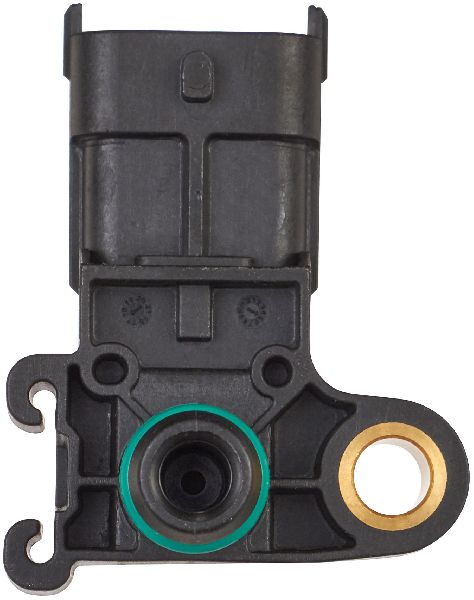
Typical fix: Replace the MAP sensor. It is located on the front of the intake manifold and is held in by a single bolt. Ensure the new sensor's O-ring is properly seated to prevent a vacuum leak.
Est. part cost: $25-$60 - Vacuum Leak 🟡 Medium Probability Hoses and gaskets can become brittle and crack with age and heat cycles. The PCV hose connecting the valve cover to the intake manifold is a common culprit for cracks.
How to confirm: Visually inspect all vacuum lines connected to the intake manifold for cracks or loose connections. A user on a Reddit forum noted they repaired a crack in the PCV boss on the plastic intake tube itself. You can also spray a small amount of brake cleaner or starter fluid around suspected leak areas with the engine running; an increase in engine RPM indicates a leak.
Typical fix: Replace the cracked hose or faulty gasket.
Est. part cost: $10-$50 - Damaged Wiring or Connector ⚪ Low Probability On modified vehicles, especially with superchargers or aftermarket intakes, the wiring harness for the MAP sensor may be stretched, damaged, or have loose pins in the connector.
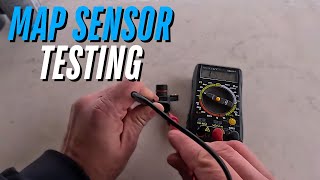
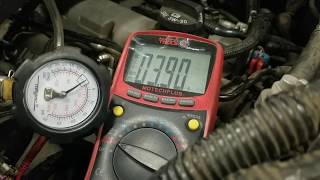
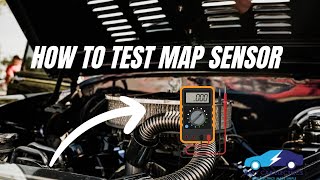
How to confirm: Visually inspect the MAP sensor connector and its wiring for any signs of damage, corrosion, or loose pins. Use a multimeter to check for 5V reference, ground, and a signal wire that changes voltage with engine vacuum. 🎬 See this step-by-step guide on testing MAP sensor voltage signals. One owner on GRRRR8.net reported multiple instances of P0106 caused by broken wires or pins pulling out of the connector.
Typical fix: Repair the damaged section of the wiring harness or replace the connector pigtail. The mating connector with leads is GM part number 13580108.
Est. part cost: $15-$40
Rare But Worth Checking
- Clogged Catalytic Converter: A clogged converter can create excessive backpressure, which can affect the intake manifold pressure readings. This is usually accompanied by other codes and a significant loss of high-RPM power. One owner of a GM vehicle fixed P0106 and P2227 by using a catalytic converter cleaner additive and driving aggressively.
- Faulty Powertrain Control Module (PCM): This is extremely rare. Before condemning the PCM, all other possibilities (sensor, wiring, vacuum leaks) must be exhaustively ruled out.
- Incorrect Engine Tune: On heavily modified engines (e.g., aftermarket camshaft, heads, forced induction), the stock parameters for expected MAP sensor readings may no longer be valid, causing a P0106 code. The engine tune must be adjusted to account for the new hardware.
Diagnosis Steps
- Read the code with an OBD-II scanner to confirm P0106 is present.
- Using the scanner's live data function, observe the MAP sensor reading with the Key On, Engine Off (KOEO). It should be close to the barometric pressure reading.
- Start the engine. The MAP sensor reading should drop significantly at idle (e.g., to 10-15 inHg or ~30-50 kPa).
- Lightly press the throttle. The reading should increase (less vacuum) and then drop again as you release it. If the reading is stuck or doesn't change, the sensor is likely faulty. 🎬 Watch: A mechanic's guide to testing every type of MAP sensor.
- If the sensor readings seem plausible, inspect the engine bay for any obvious vacuum leaks. Pay close attention to the PCV hoses and the intake manifold gaskets.
- Inspect the MAP sensor's electrical connector for corrosion or damage. Check the wiring harness for any visible breaks or chafing.
- If a vacuum leak is suspected, perform a smoke test to pinpoint the exact location of the leak.
- If no other issues are found, replace the MAP sensor. Ensure the O-ring is seated correctly.
- If the vehicle is heavily modified (especially with a new camshaft), the code may be a tuning issue. The expected MAP values in the PCM may need to be adjusted by a professional tuner.
Parts You'll Likely Need
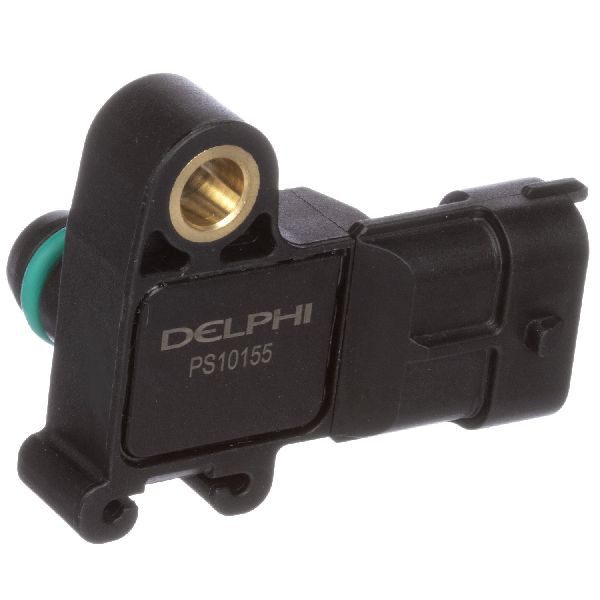
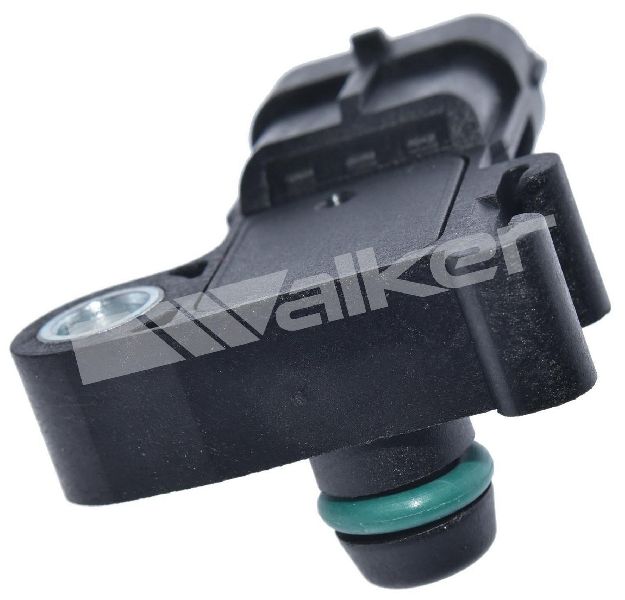
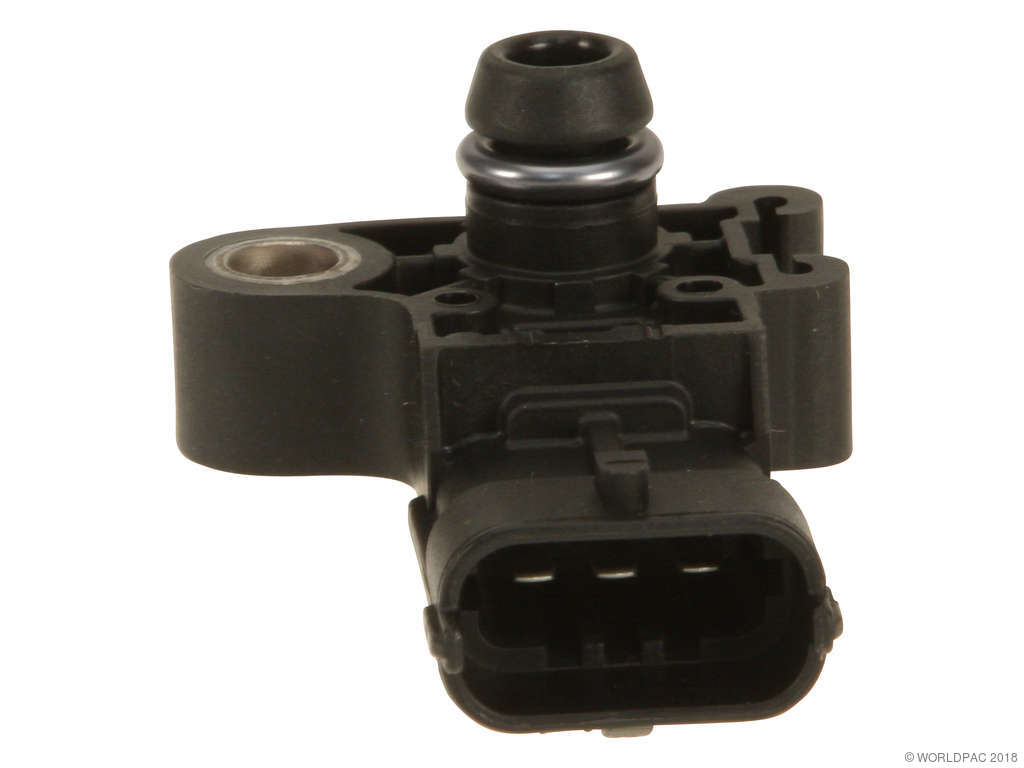
- Manifold Absolute Pressure (MAP) Sensor
(OEM #GM 12644228 (supersedes 12591290))— This is the most common component to fail and directly cause the P0106 code on this platform.
Trusted brands: ACDelco, Bosch, Delphi
OEM price range: $40-$60
Aftermarket price range: $25-$45
Related Codes That Often Appear With This One
- P0107 — This code indicates 'MAP Sensor Circuit Low Voltage,' which can occur if the sensor fails or has a wiring issue.
- P0108 — This code indicates 'MAP Sensor Circuit High Voltage,' which is another failure mode for the same sensor.
- P3400 — On the 6.0L L76 engine, this code relates to the cylinder deactivation system (Active Fuel Management). A faulty MAP sensor can provide incorrect engine load information, which can interfere with the AFM system's operation. A Reddit user with a 2008 G8 GT experienced both codes simultaneously.
Technical Service Bulletins (TSBs) & Recalls
- While no TSB is directly for the Pontiac G8 and P0106, GM TSB 20-NA-043 for other vehicles with P0106 mentions that ice can form on the MAP sensor in freezing temperatures, causing a temporary fault. It advises against cleaning the sensor with chemicals or compressed air.
Platform-Specific Known Issues
- Camshaft Upgrades: Owners who install an aftermarket camshaft with a more aggressive profile often encounter the P0106 code. The new cam changes the engine's vacuum characteristics at idle, which the stock ECU tune interprets as a sensor fault. A user on GRRRR8.net with a large cam and heads confirmed the code needed to be tuned out via HP Tuners. Another owner on a Corvette forum experienced P0106 after a cam swap before getting the car tuned.
Mechanic-Grade Diagnostic Values
- MAP Sensor 5V Reference Voltage — expected: 4.8-5.2 Volts DC at the sensor connector (Terminal 1 or C) with key on, engine off.. Failure: Voltage below 4.8V or above 5.2V indicates a problem with the ECM or wiring.
- MAP Sensor Low Reference (Ground) Circuit — expected: Less than 5 ohms of resistance between the low reference circuit terminal (Terminal 2 or A) and a known good chassis ground.. Failure: High resistance indicates a poor ground connection, which is a common issue.
- MAP Sensor Live Data (KOEO) — expected: Scan tool should display a pressure reading that matches the Barometric Pressure (BARO) for your altitude (approx. 100 kPa at sea level).. Failure: A reading significantly different from BARO, or less than 1 kPa, points to a sensor or signal circuit fault.
- MAP Sensor Live Data (Engine Idling) — expected: 20-48 kPa, varying with altitude and engine condition.. Failure: A reading that is stuck high (near BARO) or does not change with throttle input indicates a failed sensor or a major vacuum leak.
Wiring & Ground Locations
- MAP Sensor Connector — On the front of the intake manifold, directly behind the throttle body.. This is the primary connection point to test. Pin A (or 2) is Low Reference (Ground), Pin B is the Signal, and Pin C (or 1) is the 5V Reference.
- G103 — On the right-hand (passenger side) front cylinder head, connected to the ABS bracket.. This is a primary engine block ground point. A loose or corroded connection here can cause erratic sensor readings for multiple components, including the MAP sensor.
- G112 — On the left-hand (driver side) rear cylinder head, connecting the engine harness.. This is another critical engine harness ground. Problems here can lead to various sensor and ECM issues.
- ECM/TCM Ground (G101) — Located on the lower front of the engine block on the passenger side.. This is a direct ground for the Engine Control Module (ECM) and Transmission Control Module (TCM). A fault here can directly cause incorrect sensor readings and codes like P0106.
Real Owner Repair Stories
- GRRRR8.net user (2009 Pontiac G8 GT, heavily modified with supercharger, heads, and cam.) — Recurring P0106 code.
❌ Tried (didn't work) Initially assumed it was a bad MAP sensor.
✅ What actually fixed it The user reported multiple instances of the code caused by wiring issues. In one case, a wire had broken. In another, a wire pulled out of the MAF connector. Ultimately, for a heavily modified engine, the user stated the code needed to be disabled in the tune (using HP Tuners) because the engine's new vacuum profile at idle was outside the stock ECU's expected range. - Reddit user r/Pontiac (2008 Pontiac G8 GT, stock engine) — P0106 and P3400 codes appearing together, but no noticeable performance problems. Cylinder deactivation (AFM) was not working.
❌ Tried (didn't work) Replacing the MAP sensor did not fix the issue.
✅ What actually fixed it The owner found and repaired a crack in the PCV boss on the plastic intake tube. This indicates a subtle vacuum leak was the root cause, which the initial sensor replacement did not address. The codes remained even after the repair, suggesting a drive cycle was needed or another issue was present.
OEM Part Supersession History
GM 12591290→GM 12644228 / ACDelco 213-4434— Part update for improved reliability and performance.
Heads up: The new part number (12644228) is a direct, backward-compatible replacement for the original (12591290). There are no known incompatibility issues.
Model Year Variations Within This Range
- 2008-2009: There are no significant mechanical differences between the 2008 and 2009 G8 GT (L76) or the introduction of the 2009 GXP (LS3) that would alter the diagnosis for a P0106 code. The MAP sensor, its location, and wiring are consistent. The only notable change in 2009 was the deletion of the center-console oil pressure and voltage gauges, which is unrelated to this fault.
Diagnostic Flowchart
Real Owner Stories
Aggregated from forums and TSBs cited above. Mileages and costs reflect what owners reported in those sources.
2009 Pontiac G8 GT
Symptoms: Check Engine Light with P0106 code after installing extensive modifications including a new cam and heads.
What fixed it: Tuned the code out using HP Tuners by adjusting the engine diagnostics and finagling the temperature settings.
Source hint: GRRRR8.net - Pontiac G8 Forum
2008 Pontiac G8 GT
Symptoms: Threw P0106 and P3400 codes together with no noticeable performance issues.
What fixed it: Replaced the MAP sensor and repaired a crack in the PCV boss on the plastic intake tube.
Source hint: Reddit r/Pontiac
Pontiac G8 V8 (Modified)
Symptoms: Multiple instances of the P0106 code appearing.
What fixed it: Repaired broken wires and pins that had pulled out of the MAP sensor connector.
Source hint: GRRRR8.net
Related OBD-II Codes
Frequently Asked Questions
Does GM TSB 20-NA-043 apply to my Pontiac G8 for the P0106 code?
I installed an aftermarket camshaft on my G8's L76 and now I have a P0106 code. Is the sensor bad?
What is the correct part number for the MAP sensor on the 6.0L L76 or 6.2L LS3?
I'm getting P0106 along with P3400 on my 2008 G8 GT. Are they related?
Where is the MAP sensor located on the G8's V8 engine?
Can a vacuum leak cause the P0106 code on my G8?
Helpful Videos
We Have This Part in Stock


The information in this article is provided for general reference and educational purposes only. Vehicle specifications, procedures, and part compatibility can vary by production date, trim level, and region. Always consult your vehicle's factory service manual and verify part numbers before purchasing or performing repairs. Safety-critical components such as airbags, seat belts, and braking systems should be installed by a qualified professional.
- Pontiac G8:
- 🎬 Helpful Videos
- 🛍️ Shop This Part
- What's Unique About the 2008-2009 Pontiac G8
- Symptoms You May Notice
- Most Likely Causes
- Rare But Worth Checking
- Diagnosis Steps
- Parts You'll Likely Need
- Related Codes That Often Appear With This One
- Technical Service Bulletins (TSBs) & Recalls
- Platform-Specific Known Issues
- Mechanic-Grade Diagnostic Values
- Wiring & Ground Locations
- Real Owner Repair Stories
- OEM Part Supersession History
- Model Year Variations Within This Range
- Diagnostic Flowchart
- Real Owner Stories
- 2009 Pontiac G8 GT
- 2008 Pontiac G8 GT
- Pontiac G8 V8 (Modified)
- Related OBD-II Codes
- Frequently Asked Questions
- 🎟️ Get 5% Off