

P0102 on 2007-2011 Toyota Camry 3.5L V6: Causes and Fixes for MAF Circuit Low
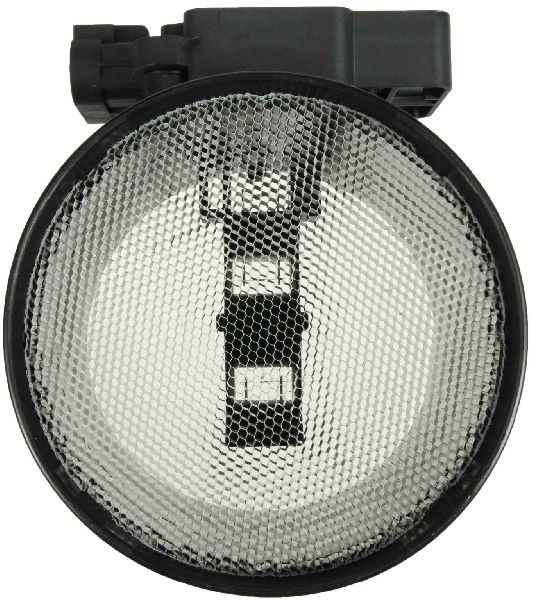
On a 2007-2011 Camry with the 3.5L V6, code P0102 is most often caused by a dirty Mass Air Flow (MAF) sensor. Cleaning it with dedicated MAF sensor cleaner is the first and cheapest fix. If that fails, suspect an air leak in the intake hose, a faulty sensor, or damaged wiring. The ECM logs this code when the MAF sensor signal is below the expected range.
- First, try cleaning the MAF sensor with dedicated cleaner; this is the most common and cheapest fix.
- If cleaning doesn't work, thoroughly inspect the air intake hose for cracks and make sure the MAF sensor is sealed tightly.
- If you must replace the sensor, using the OEM brand (Denso) is strongly recommended to avoid issues with aftermarket parts.
- Do not replace other expensive parts like O2 sensors or catalytic converters for a P0102 code until all MAF-related issues (sensor, wiring, leaks) are ruled out.
What's Unique About the 2007-2011 Toyota Camry

For the XV40 generation Camry with the 2GR-FE engine, the P0102 code is a straightforward and common issue. The MAF sensor, supplied by Denso from the factory, is generally reliable but sensitive to dirt and oil. Owners often find that a simple cleaning resolves the issue. However, problems can also arise from simple mechanical issues like a cracked air intake hose or even a missing screw on the sensor housing, which creates an air leak right at the source. In some cases, if the MAF sensor is disconnected while the engine is started (e.g., during other maintenance), a 'permanent' P0102 code can be stored that may not clear with a standard scanner and requires a specific drive cycle to reset.
Symptoms You May Notice
- Check Engine Light is on
- Engine runs rough or has a shaky idle
- Hesitation or stumbling during acceleration
- Noticeable loss of engine power
- Engine may stall, especially at idle or when coming to a stop
- Poor fuel economy
- Black smoke from the exhaust
- Engine will not rev past a certain RPM (e.g., 5000 RPM)
- Replacing oxygen (O2) sensors. O2 sensors can be affected by a bad MAF reading, but they are not the root cause of P0102.
- Replacing the throttle body. While the MAF and throttle body work together, a P0102 code specifically points to the MAF sensor circuit.
Most Likely Causes


- Dirty or Contaminated MAF Sensor 🔴 High Probability Over time, dust, oil vapors from a crankcase ventilation system, or fibers from an aftermarket oiled air filter can coat the sensor's delicate hot wire, insulating it and causing it to read airflow incorrectly. This is the most frequent cause for P0102.
How to confirm: Visually inspect the sensor's wire elements. If they appear dull, hazy, or have visible debris, they need cleaning.
Typical fix: Remove the sensor and clean it carefully using only dedicated Mass Air Flow sensor cleaner. Do not use brake or carburetor cleaner, as they will damage the sensor. Allow it to air dry completely before reinstalling.
Est. part cost: $8-$15 for a can of MAF sensor cleaner - Air Leak in Intake System (Post-MAF) 🟡 Medium Probability The flexible rubber intake boot between the air filter box (where the MAF is located) and the throttle body can develop cracks with age and heat cycles. A loose clamp or a bad seal on the MAF sensor itself (e.g., missing screw) can also be the cause. This unmetered air does not pass the sensor, causing the ECU to receive a lower-than-actual airflow reading.
How to confirm: With the engine running, listen for a hissing sound around the intake duct. You can also carefully spray short bursts of carburetor cleaner or starting fluid around the intake tube and connections; if the engine RPM changes, you've found a leak. Visually inspect the entire intake boot for cracks.
Typical fix: Replace the cracked or torn air intake hose. Tighten any loose clamps. Ensure the MAF sensor is properly seated with its O-ring and both screws are tight.
Est. part cost: $40-$100 for a new intake hose - Faulty Mass Air Flow Sensor 🟡 Medium Probability While durable, the sensor's internal electronics can fail over time due to heat and vibration, causing it to send an incorrect or no signal. Using aftermarket sensors can sometimes lead to persistent issues, making an OEM Denso part the recommended replacement.
How to confirm: After confirming the sensor is clean, the wiring is good, and there are no air leaks, the sensor itself is the likely culprit. A scan tool can monitor the MAF reading in grams/second; if the reading is stuck at or near zero with the engine running, the sensor is likely dead.
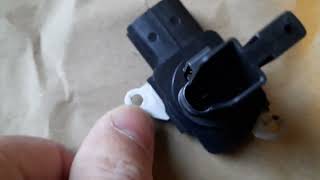
Typical fix: Replace the MAF sensor. It is highly recommended to use the OEM part from Denso (Part No. 22204-31020, which supersedes 22204-0H010) to avoid compatibility issues.
Est. part cost: $100-$150 for an OEM Denso sensor, $35-$70 for an aftermarket sensor - Clogged Engine Air Filter ⚪ Low Probability If the air filter is extremely clogged, it can restrict airflow to the point that the MAF sensor's readings fall below the expected threshold, triggering the code.
How to confirm: Visually inspect the air filter. If it is black, full of debris, and you cannot see light through it, it needs to be replaced.
Typical fix: Replace the engine air filter.
Est. part cost: $15-$30
Rare But Worth Checking
- Damaged MAF Sensor Wiring or Connector: Although less common, a frayed wire, loose connection, or a corroded pin in the MAF sensor's electrical connector can cause a low or intermittent signal. This should be suspected if replacing the sensor doesn't fix the code.
- Faulty ECM (Engine Control Module): This is extremely rare. The ECM should only be considered as a potential cause after all other possibilities (sensor, wiring, leaks) have been exhaustively ruled out by a professional.
Diagnosis Steps
- Read the Code: Use an OBD-II scanner to confirm P0102 is the primary code. Note any other codes present and check for freeze frame data.
- Inspect the Air Filter: Check the engine air filter and replace it if it's dirty or clogged.
- Inspect the Intake System: Visually inspect the entire air intake duct from the air filter box to the throttle body for any cracks, loose connections, or disconnected hoses. Ensure the MAF sensor itself is securely mounted with both screws.
- Inspect and Clean the MAF Sensor: Disconnect the MAF sensor connector. Remove the two Phillips screws holding it in place and pull it out. Inspect the small wires inside. Spray them generously with dedicated MAF sensor cleaner and let it air dry completely before reinstalling. Do not touch the wires.
- Check for Vacuum Leaks: With the sensor reinstalled and the engine running, carefully listen for hissing sounds. You can also spray short bursts of starting fluid or carb cleaner around the intake boot seals. If the engine's idle changes, you have found a leak.
- Inspect the Wiring: Check the MAF sensor's electrical connector for corrosion, bent pins, or loose wires. Trace the wiring harness as far as you can, looking for any signs of damage.
- Test the Sensor (Advanced): Using a scan tool with live data, monitor the 'MAF g/s' reading. For a 3.5L V6, it should be around 2-7 g/s at a stable idle and increase smoothly to 15-25 g/s at 2500 RPM. If it's stuck at 0, gives erratic readings, or doesn't increase with RPM, the sensor has likely failed.
- Replace the MAF Sensor: If all other steps fail, replace the MAF sensor. It is strongly recommended to use an OEM Denso part (22204-31020) to ensure compatibility.
- Clear the Code: After any repair, use the OBD-II scanner to clear the trouble codes. If the code is 'permanent' and won't clear, a specific drive cycle may be required, which involves driving at a steady speed (e.g., 50 mph) and then performing a hard acceleration to over 4,000 RPM. Test drive the vehicle to ensure the fix was successful.
Parts You'll Likely Need

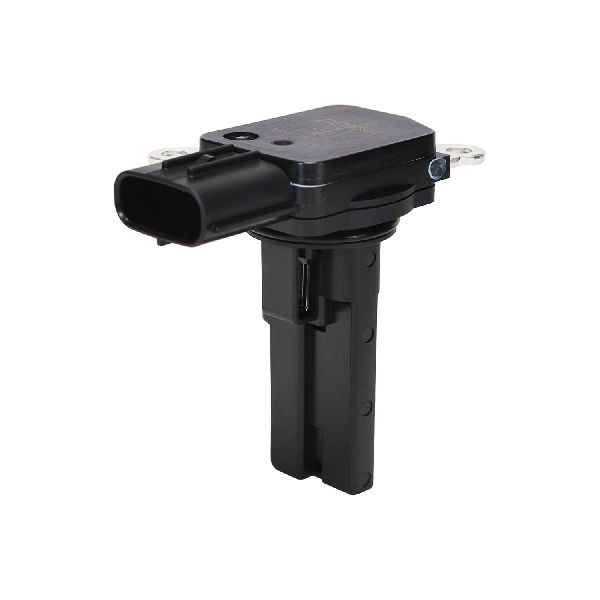
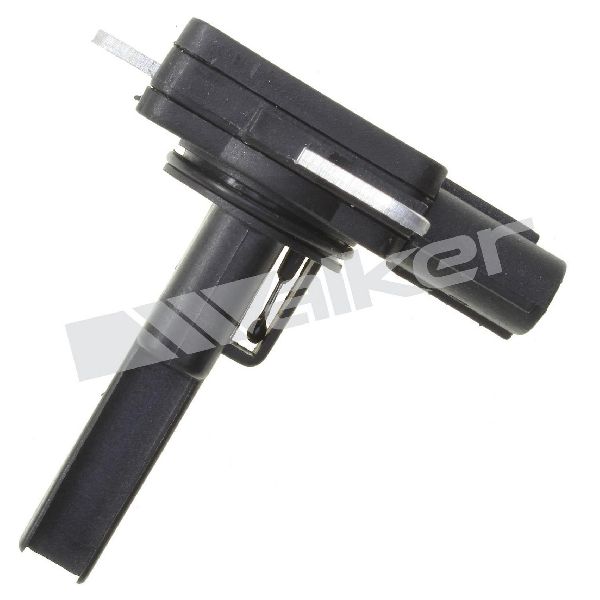
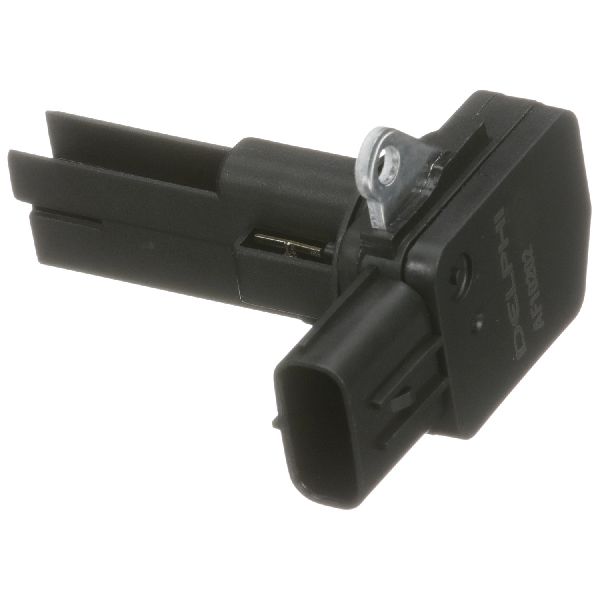
- Mass Air Flow Sensor
(OEM #22204-31020 (supersedes 22204-0H010, 22204-31010))— This is the sensor that directly causes the code. It may be dirty and need cleaning, but if it has failed internally, it must be replaced.
Trusted brands: Denso (OEM), Hitachi, Delphi
OEM price range: $100-$150
Aftermarket price range: $35-$70 - MAF Sensor Cleaner — Often, the sensor is just dirty. A can of specialized cleaner is the cheapest and most common first step in fixing a P0102 code.
Trusted brands: CRC, WD-40 Specialist
Aftermarket price range: $8-$15 - Engine Air Intake Hose
(OEM #17881-0P080)— This rubber hose can crack over time, creating a vacuum leak after the MAF sensor, which is a common cause of P0102.
Related Codes That Often Appear With This One
- P0171 — System Too Lean (Bank 1). If there is an unmetered air leak after the MAF sensor, the engine will receive more air than the computer knows about. The computer will see a lean condition from the O2 sensors and may set P0171 along with P0102.
- P0100, P0101, P0103, P0104 — These are all related MAF sensor circuit codes. They can appear together if there are significant electrical problems or a completely failed sensor.
- P0113 — Intake Air Temperature (IAT) Sensor 1 Circuit High. On many Toyota vehicles, the IAT sensor is integrated into the MAF sensor assembly. A fault in the MAF sensor or its connector can sometimes trigger IAT-related codes as well.
Platform-Specific Known Issues
- A Reddit user with a 2007 Camry V6 reported that replacing the MAF sensor (twice), O2 sensors, and catalytic converters did not solve their P0102 code and severe running issues, indicating the importance of checking for underlying wiring problems or obscure air leaks before replacing expensive parts.
Mechanic-Grade Diagnostic Values
- MAF Sensor Signal Voltage — expected: 0.5 V to 4.5 V under normal operation.. Failure: Voltage remains less than 0.2 V for 3 seconds.
- Live Data: MAF Rate (g/s) at Idle — expected: Approximately 2-7 g/s for a 3.5L V6 at normal operating temperature.. Failure: Reading is stuck at or near 0.0 g/s, or is erratic.
- Live Data: MAF Rate (g/s) at 2500 RPM (no load) — expected: Approximately 15-25 g/s. The value should increase smoothly with RPM.. Failure: Reading does not increase with RPM, or increases erratically.
- Live Data: MAF Rate (g/s) with Key On, Engine Off — expected: Should be 0.0 g/s.. Failure: Reading is greater than 0.0 g/s, indicating a sensor fault.
Hidden / Shadow Codes Worth Checking
- Permanent DTC (P-code): If the MAF sensor is disconnected while the ignition is on, or the engine is started with it disconnected, the ECM can store a 'permanent' version of P0102. This code will not clear with a standard OBD-II scanner 'clear codes' command or by disconnecting the battery. (see via Visible on most standard OBD-II scanners under a 'Permanent Codes' or similar menu. It may not trigger a Check Engine Light immediately.)
Scan Tool Commands That Help
- Toyota Techstream: Active Test — Techstream's 'Active Test' feature allows a technician to command specific actuators to operate, but for a P0102, the primary use of Techstream is to monitor the 'Data List' for the MAF sensor's g/s and voltage readings in real-time to confirm if it's responding correctly to engine speed changes.
- Standard OBD-II Scanner: Permanent DTC Clear Drive Cycle — To clear a permanent P0102, a specific drive cycle must be completed after the repair. This typically involves driving at a steady speed (around 50 mph) for a few minutes, followed by a hard acceleration that brings the engine over 4,000 RPM. This confirms to the ECM that the sensor is operating correctly under load.
Wiring & Ground Locations
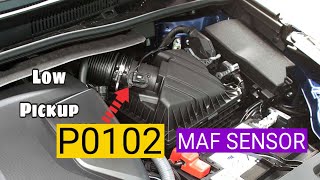
- MAF Sensor Connector (5-wire) — On the air filter housing, where the intake tube begins.. The 2GR-FE uses a 5-wire MAF. The pins are for +B (12V power from EFI relay), E2G (sensor ground to ECM), VG (airflow signal to ECM), and THA/ETHA (Intake Air Temp sensor and its ground). A break or corrosion on any of these, especially the green wire as noted in one case, will cause a P0102.
- Engine Harness Grounds — Key grounds for the 2GR-FE are located on top of the valve covers (bolting to the chassis near the strut tower) and on the side of the cylinder heads under the intake/throttle body area.. A poor engine ground can introduce electrical noise and voltage drops, affecting the reference voltage and signal integrity for all sensors, including the MAF sensor. This can lead to false or intermittent codes.
Real Owner Repair Stories
- YouTube channel 'Abdullah auto electrician' (2008 Toyota Camry) — Check Engine Light on, car starts and then stalls. Code P0102 was present and would not clear.
❌ Tried (didn't work) Attempting to clear the code with a scan tool.
✅ What actually fixed it The MAF sensor connector (grip) was physically broken, and the green signal wire was broken internally. Repairing the connector and wire resolved the issue and the code could be cleared. - YouTube video (2012 Toyota Camry (different generation, but same principle)) — Check Engine Light with P0102.
❌ Tried (didn't work) The owner had replaced the MAF sensor with a new one, but the code remained.
✅ What actually fixed it One of the two screws holding the MAF sensor in place was missing. This created a small air leak right at the sensor, causing an incorrect reading. Finding and reinstalling the missing screw fixed the problem. - Toyota Venza owner on Toyota Forum (2015 Toyota Venza V6 (same 2GR-FE engine family)) — Permanent P0102 code appeared after a dealer replaced an Oil Control Valve. No performance issues were noted.
❌ Tried (didn't work) Clearing the code with a smartphone OBD-II app., Disconnecting the battery to clear the code.
✅ What actually fixed it The code was a 'permanent' DTC, likely set when the MAF was disconnected during the prior repair. After the dealer cleared codes with their diagnostic tool (likely Techstream), the permanent code still showed on the owner's scanner for two more weeks before clearing on its own after sufficient drive cycles were completed.
OEM Part Supersession History
22204-0H010, 22204-31010, 22204-0P010→22204-31020— Standard part consolidation and minor revisions by the manufacturer.
Heads up: The listed part numbers are generally interchangeable for this application, with 22204-31020 being the latest revision recommended for service.
Diagnostic Flowchart
Other Known Issues on This Vehicle
Issues unrelated to this code that are worth knowing about as an owner of this generation:
- VVT-i Oil Line Rupture 🔴 High — Common on early 2GR-FE engines (approx. 2006-2009). A rubber section of the VVT-i oil line can burst, leading to rapid oil loss and catastrophic engine failure. (Ref: Toyota issued a TSB to replace the original rubber/metal line with an all-metal part (15772-31030).)
- Melting/Sticky Dashboard 🟡 Low — Very common in hot and humid climates across the entire 2007-2011 model range. The dashboard material degrades, becoming shiny, sticky, or cracking. (Ref: Toyota initiated Warranty Enhancement Program ZE6, extending the warranty to cover dashboard replacement.)
- Excessive Oil Consumption 🟠 Medium — More prevalent on earlier models (pre-2010). Worn piston rings could lead to burning oil. Toyota updated the piston ring design in later models to address this.
- Water Pump Failure 🟠 Medium — Water pumps are a known wear item on the 2GR-FE and can fail, leading to coolant leaks and potential overheating. Failure can occur at various mileages.
- Timing Chain Cover Oil Leak 🟡 Low — Early 2GR-FE engines were prone to oil leaks from the timing chain cover gasket. It is typically a slow leak but can be expensive to repair due to labor.
Used vs. New Parts: Buying Guide for This Vehicle
When a used part is the smart pick: A used OEM Denso MAF sensor from a low-mileage donor vehicle can be a cost-effective and reliable alternative to a new aftermarket sensor. Given that the failure mode is often contamination or electronic failure rather than mechanical wear, a used part from a reputable salvage yard is a reasonable choice. A used intake hose is also a good option if it is pliable and free of cracks.
Donor-vehicle mileage cap: roughly under 80000 miles for the part to have meaningful remaining life.
What to inspect on the donor part:
- For MAF Sensor: Ensure the connector pins are straight and free of corrosion. Look for the Denso branding. Avoid sensors with any visible physical damage.
- For Intake Hose: Squeeze the rubber to ensure it's still flexible and not brittle. Inspect thoroughly for any hairline cracks, especially in the accordion sections and near the clamp points.
OEM-only on this vehicle (don't cheap out):
- Mass Air Flow Sensor
Aftermarket brands forum-validated for this vehicle:
- Denso (OEM supplier)
- Delphi
Brands owners have reported issues with on this vehicle:
- Unbranded, 'white-box' sensors from online marketplaces are frequently cited in forums as being poorly calibrated, causing persistent performance issues or failing shortly after installation.
Real Owner Stories
Aggregated from forums and TSBs cited above. Mileages and costs reflect what owners reported in those sources.
2007 Toyota Camry V6
Symptoms: Severe running issues and persistent P0102 code despite replacing the MAF sensor twice, O2 sensors, and catalytic converters.
What fixed it: The owner's report highlighted the importance of checking for underlying wiring problems or obscure air leaks when part replacement fails.
Source hint: Reddit r/AskAMechanic post 'help' regarding 2007 Camry V6
2011 Toyota Camry
Symptoms: Persistent P0102 code remaining after a dealer repair; owner was monitoring live data to understand why the code was 'permanent'.
What fixed it: Discussion focused on the necessity of a specific drive cycle to clear 'permanent' codes from the ECU.
Source hint: ToyotaNation thread 'p0102-maf-sensor-circuit-low'
2006-2013 Lexus IS (2GR-FE engine)
Symptoms: P0102 appearing simultaneously with an Intake Air Temperature (IAT) code.
What fixed it: Identified as a single MAF sensor fault, as the IAT sensor is integrated into the MAF sensor unit.
Source hint: ClubLexus thread 'p0113-p0102-p0430-help'
Related OBD-II Codes
Frequently Asked Questions
What is the recommended replacement part for a faulty MAF sensor on my 2007-2011 Camry V6?
I replaced my MAF sensor but the P0102 code won't clear. Is there a specific procedure for the Camry?
Can a dirty air filter really trigger a P0102 on the 2GR-FE engine?
Why is my Camry stalling at stoplights now that the Check Engine Light is on for P0102?
Is there a specific cleaner I should use for the MAF sensor on my 3.5L V6?
Could a loose intake hose cause this code on my 2009 Camry?
Helpful Videos
Used OEM Parts in Stock

New Aftermarket Parts Available


The information in this article is provided for general reference and educational purposes only. Vehicle specifications, procedures, and part compatibility can vary by production date, trim level, and region. Always consult your vehicle's factory service manual and verify part numbers before purchasing or performing repairs. Safety-critical components such as airbags, seat belts, and braking systems should be installed by a qualified professional.
- Toyota Camry:
- 🎬 Helpful Videos
- 🛍️ Shop This Part
- What's Unique About the 2007-2011 Toyota Camry
- Symptoms You May Notice
- Most Likely Causes
- Rare But Worth Checking
- Diagnosis Steps
- Parts You'll Likely Need
- Related Codes That Often Appear With This One
- Platform-Specific Known Issues
- Mechanic-Grade Diagnostic Values
- Hidden / Shadow Codes Worth Checking
- Scan Tool Commands That Help
- Wiring & Ground Locations
- Real Owner Repair Stories
- OEM Part Supersession History
- Diagnostic Flowchart
- Other Known Issues on This Vehicle
- Used vs. New Parts: Buying Guide for This Vehicle
- Real Owner Stories
- 2007 Toyota Camry V6
- 2011 Toyota Camry
- 2006-2013 Lexus IS (2GR-FE engine)
- Related OBD-II Codes
- Frequently Asked Questions
- 🎟️ Get 5% Off