

P0101 on 2003-2009 Toyota 4Runner 4.0L V6: Causes, Fixes, and MAF Sensor Guide
For a 4th Gen 4Runner, code P0101 is almost always caused by a dirty Mass Airflow (MAF) sensor. The fix is often as simple as cleaning it with a dedicated spray cleaner for about $15. If that fails, a replacement Denso sensor costs around $120-$150. Avoid cheap aftermarket sensors, as they are known to cause more problems.
- Start by cleaning the MAF sensor with dedicated MAF sensor cleaner; this is the most likely and cheapest fix.
- Avoid using aftermarket oiled air filters as they are a known cause of MAF sensor contamination.
- If you must replace the sensor, use a Denso or genuine Toyota part (OEM #22204-22010) to avoid performance and compatibility issues.
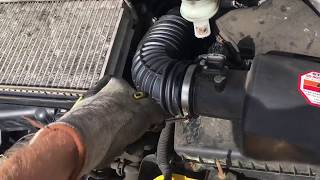
- Check the large rubber air intake hose for cracks, as this is the second most likely cause after a dirty sensor.
- Do not replace the A/F (O2) sensors until you have ruled out the MAF sensor and vacuum leaks.
What's Unique About the 2003-2009 Toyota 4Runner

On the 1GR-FE engine in the 4th generation 4Runner, the MAF sensor is known to be sensitive to contamination. The use of aftermarket oiled air filters (like K&N) is a very common reason for this code, as excess oil can coat the sensor's delicate wire, causing incorrect readings. Owner forums are filled with experiences confirming that cleaning the original Denso sensor is the first and most effective step, and that using cheap aftermarket sensors often leads to persistent problems or even additional trouble codes.
Symptoms You May Notice
- Check Engine Light is on
- Engine hesitation or stumbling during acceleration
- Rough or unstable idle
- Reduced engine power and sluggish performance
- Decreased fuel economy
- Black smoke from the exhaust in some cases
- VSC, TRAC OFF, and Slip lights may also illuminate along with the Check Engine Light
- Replacing the Air/Fuel (O2) sensors. The A/F sensors are often just accurately reporting the lean or rich condition caused by the faulty MAF reading. If you have lean codes (P0171, P0174) along with P0101, the MAF sensor is the primary suspect, not the A/F sensors. One owner reported replacing O2 sensors with aftermarket parts only to have more codes appear, which were ultimately resolved by installing an OEM Denso MAF sensor.
Most Likely Causes

- Dirty Mass Airflow (MAF) Sensor 🔴 High Probability The sensor is sensitive to oil and fine dust. Aftermarket oiled air filters are a frequent source of contamination that fouls the sensor element.
How to confirm: Visually inspect the two small wires inside the sensor. Even if they look clean, contamination is often invisible. Cleaning is the best and cheapest first step. A healthy sensor should read approximately 2.5-4.5 g/s at a stable, warm idle.
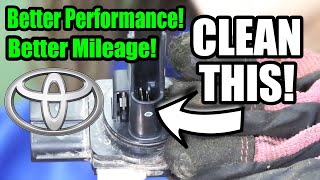
Typical fix: Remove the sensor and clean it thoroughly with a dedicated Mass Airflow Sensor cleaner spray (e.g., CRC MAF Sensor Cleaner). Do not touch the wires. 🎬 Watch: How to clean and fix a P0101 engine code Let it dry completely for 20-30 minutes before reinstalling.
Est. part cost: $10-$20 - Vacuum Leak 🟡 Medium Probability The large rubber intake tube between the air filter box and the throttle body can develop cracks over time, especially in the accordion sections, allowing unmetered air to enter the engine.
How to confirm: Visually inspect the intake tube for cracks, especially in the accordion sections. Check that all hose clamps are tight. A smoke test is the most effective way to find hidden leaks. Also check the PCV hose and its connections.
Typical fix: Replace the cracked air intake hose or tighten loose clamps. 🎬 See this walkthrough on how to replace an intake hose
Est. part cost: $50-$150 - Faulty Mass Airflow (MAF) Sensor 🟡 Medium Probability While reliable, the sensor can fail electronically after many years and miles. This is often the case if cleaning does not resolve the code. Using non-OEM/Denso sensors is a known cause of repeat failures and additional codes.
How to confirm: After cleaning the sensor and confirming there are no vacuum leaks, if the code persists, the sensor itself is the likely culprit. You can monitor its output with an advanced scan tool; the reading in grams/second (g/s) should be stable at idle and rise smoothly with RPM. If the reading is erratic or zero, the sensor is bad.
Typical fix: Replace the MAF sensor. It is highly recommended to use the OEM Denso part to avoid compatibility issues.
Est. part cost: $120-$200 - Clogged or Dirty Engine Air Filter ⚪ Low Probability
How to confirm: Visually inspect the engine air filter. If it is visibly dirty, clogged with debris, or has not been changed in a long time, it is restricting airflow.
Typical fix: Replace the engine air filter.
Est. part cost: $20-$40
Rare But Worth Checking
- Clogged Catalytic Converter: While not common, a restricted exhaust can create backpressure that throws off the MAF sensor's readings. This would typically be accompanied by a severe lack of power, especially at high RPMs, and may be preceded by a P0420 or P0430 code.
- Wiring or Connector Issue: Damage to the MAF sensor's wiring harness or a corroded connector can cause an intermittent or failed signal. A visual inspection of the harness from the sensor to the ECU is recommended.
Technical Service Bulletins (TSBs) & Recalls
- TSB Bulletin #T-SB-0092-15: While specifically addressing Tundra vehicles with the 3UR-FE engine and supercharger, this bulletin confirms that Toyota vehicles may experience a MIL "ON" condition with DTC P0101 (Mass Air Flow Circuit Range/Performance Problem) and provides specific procedures to address the circuit performance issue.
Diagnosis Steps

- Read the code with an OBD-II scanner and note any other codes present. If other codes exist, troubleshoot them first.
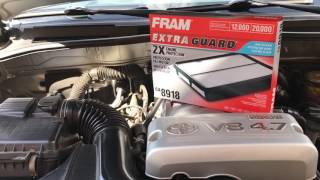
- Visually inspect the engine air filter. Replace if it's dirty. 🎬 Watch: How to replace the engine air filter
- Inspect the air intake hose between the air filter housing and the throttle body for any cracks, tears, or loose clamps. Ensure it is securely fastened at both ends.
- Carefully remove the MAF sensor. It is held in by two Phillips head screws.
- Spray the sensor's internal wires generously with a dedicated MAF sensor cleaner. Do not use brake cleaner or carb cleaner, as they will damage the sensor. Do not touch the wires.
- Allow the sensor to air dry completely for at least 20-30 minutes.
- While the sensor is drying, disconnect the negative battery terminal for at least 15 minutes to reset the ECU's fuel trims and learned values.
- Reinstall the sensor, reconnect the battery, and perform a test drive to see if the code returns. The drive cycle may need to include speeds of over 60 mph for 20 seconds or more to trigger the monitor.
- If the code comes back, the next step is to check for vacuum leaks. A professional smoke test is the most reliable method. Pay close attention to the PCV hose and intake manifold gaskets.
- If no vacuum leaks are found and the wiring appears intact, the MAF sensor itself has likely failed and should be replaced with a Denso or OEM part.
Parts You'll Likely Need

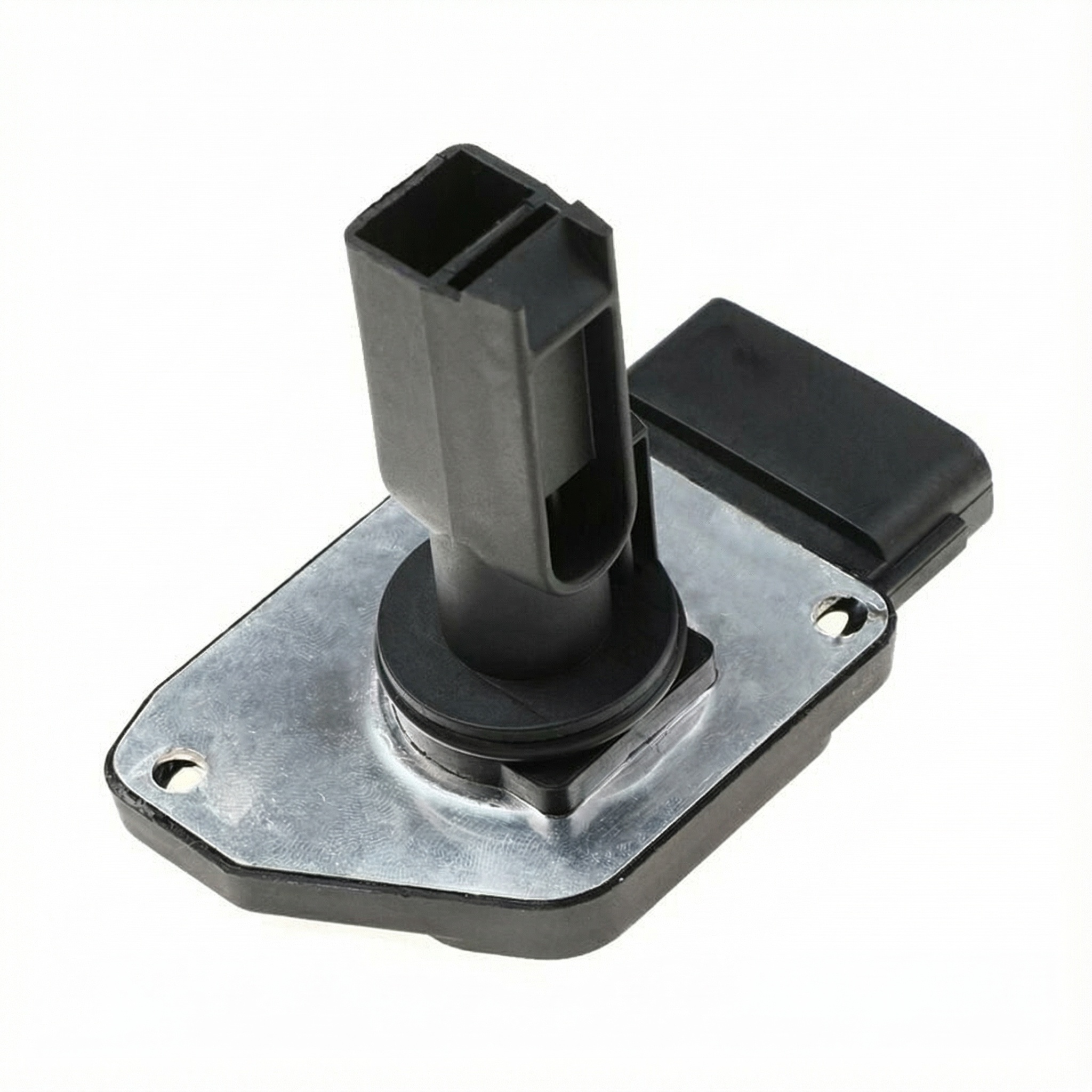
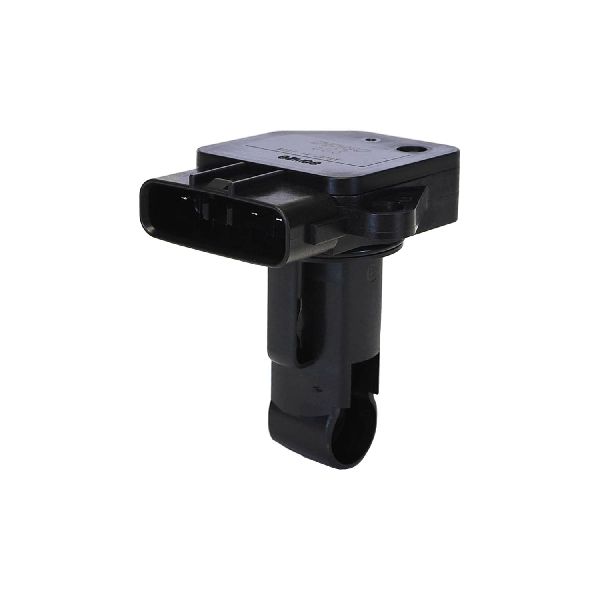
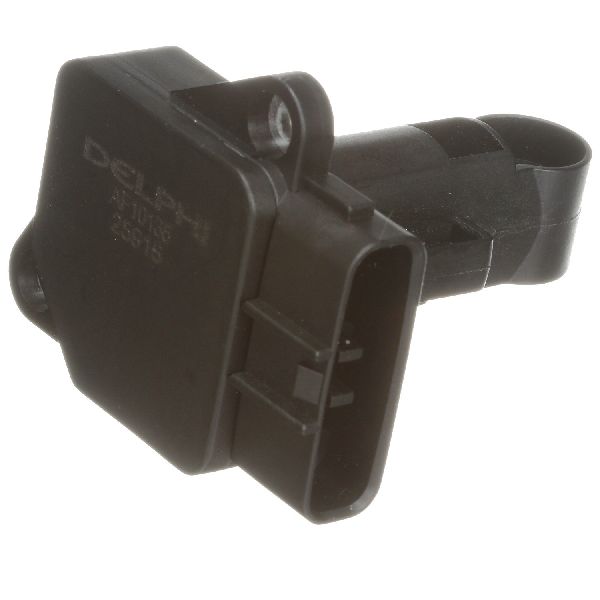
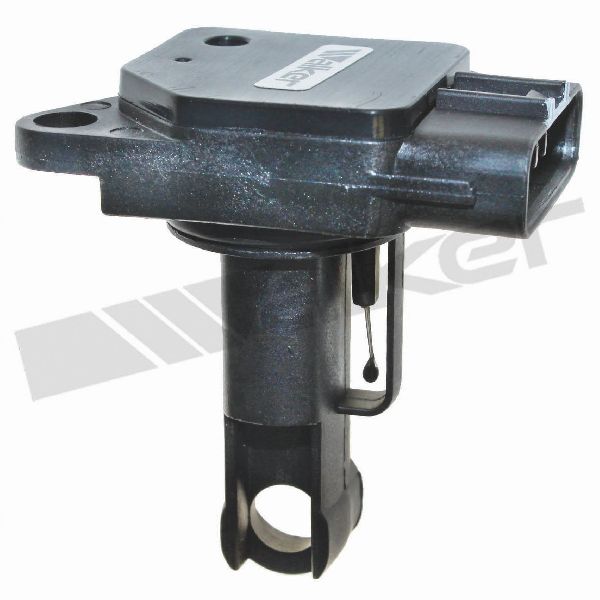
- Mass Airflow (MAF) Sensor
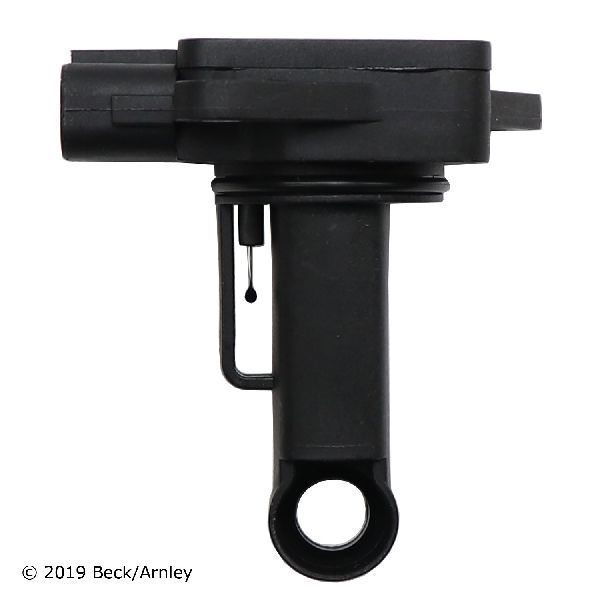
(OEM #22204-22010)— This is the sensor that fails or gets dirty, causing the code. If cleaning doesn't work, replacement is the next step. Denso is the original equipment manufacturer for Toyota.
Trusted brands: Denso (Part No. 197-6020 or 197-6030, verify by VIN), Toyota (OEM)
OEM price range: $130-$200
Aftermarket price range: $40-$150 - Mass Airflow Sensor Cleaner — This is the first and most common fix. A specialized aerosol cleaner is required to safely clean the delicate sensor elements.
Trusted brands: CRC, WD-40 Specialist
Aftermarket price range: $10-$20 - Engine Air Intake Hose
(OEM #17881-62130)— This hose can crack with age, causing a major vacuum leak that triggers the P0101 code. Note that this part number is primarily for the Tacoma but is often cross-referenced; always verify with VIN.
Trusted brands: Toyota (OEM)
OEM price range: $100-$180
Aftermarket price range: $40-$90
Related Codes That Often Appear With This One
- P0171 — System Too Lean (Bank 1) - If the MAF sensor under-reports airflow, the ECM will not inject enough fuel, causing a lean condition.
- P0174 — System Too Lean (Bank 2) - Same as P0171. Seeing both codes together strongly points to a central issue like the MAF sensor or a major vacuum leak.
Platform-Specific Known Issues
- Aftermarket (especially Oiled) Air Filters: A recurring theme in owner forums like TacomaWorld and T4R.org is the link between P0101 and aftermarket cold air intakes or oiled filters (e.g., K&N). The oil contaminates the MAF sensor, leading to the code. Many owners resolve the issue by returning to the stock airbox and a quality paper filter.
- Failure of Non-OEM MAF Sensors: There are numerous documented cases where owners tried to save money with a cheaper, non-Denso MAF sensor, only for the P0101 code to return, sometimes accompanied by new codes. A story shared by Bundy's Garage on YouTube details how an aftermarket sensor from AutoZone led to multiple O2 sensor codes and a rich running condition, all of which was fixed by installing a genuine Denso sensor.
Mechanic-Grade Diagnostic Values

- MAF Sensor Voltage at Idle — expected: Below 2.2 V. Failure: Voltage is greater than 2.2 V when engine speed is below 900 RPM and the engine is warm.
- MAF Sensor Voltage Under Load — expected: Greater than 1.0 V. Failure: Voltage is less than 1.0 V when engine speed is 1,500 RPM or more.
- Long Term Fuel Trim (Bank 1 & 2) via Scan Tool — expected: Within -15% to +15%. Failure: Values are highly positive, such as +18.8% and +21.1%, indicating the ECM is adding significant fuel to compensate for what it thinks is a lean condition (caused by under-reported airflow).
- MAF Sensor Connector - Power Supply Pin (VG) — expected: Approximately 5V with ignition ON. Failure: No voltage or significantly lower voltage, indicating a wiring or ECM issue.
- MAF Sensor Connector - Ground Pin (E2G) — expected: Continuity to ground (near 0 ohms). Failure: High resistance or an open circuit, indicating a bad ground connection.
Hidden / Shadow Codes Worth Checking
- Permanent DTC (PDTC): After a repair, the P0101 code may be stored as a 'Permanent DTC' even after clearing with a scanner. This code doesn't illuminate the Check Engine Light but will remain until the vehicle's onboard diagnostics complete a specific number of drive cycles and self-tests, confirming the repair is effective. This can cause a smog check failure in some states like California if the required drive cycles (e.g., 15 warm-ups and 200 miles) are not completed. (see via Standard OBD-II scanner with the ability to read permanent codes.)
Scan Tool Commands That Help
- Toyota Techstream: DTC INFO / CURRENT CODES or PENDING CODES — Used to read the primary fault codes and any pending codes that have not yet illuminated the MIL. It's the first step in any diagnosis.
- Toyota Techstream: Freeze Frame Data — Crucial for diagnosis. This function shows a snapshot of all major engine parameters (RPM, speed, coolant temp, fuel trims, MAF reading, etc.) at the exact moment the P0101 code was set. This helps determine the conditions that led to the fault.
- Toyota Techstream: DATA LIST / PRIMARY / LONG FT#1 & LONG FT#2 — Used to monitor the long-term fuel trims. For a P0101 caused by a dirty sensor or vacuum leak, these values will typically be high and positive (e.g., > +15%) as the ECM tries to correct a perceived lean condition.
Wiring & Ground Locations
- MAF Sensor Connector (5-pin) — On the air filter housing assembly in the engine bay.. This is the central connection point for the sensor. Corrosion or damage to the pins or wiring harness here will directly cause a P0101. The pins are typically: Pin 1 (B+): 12V Power, Pin 2 (VG): MAF Signal (0-5V), Pin 3 (E2G): Sensor Ground, Pin 4 (THA): Intake Air Temp Signal, Pin 5 (E2): Ground.
- Engine Ground Points — Key ground points for the engine harness are typically located on the cylinder heads and the firewall. A specific ground point for the ECM and its sensors is often found on the intake plenum.. A poor engine or sensor ground can cause floating voltage references, leading to erratic sensor readings and triggering a P0101 code even if the sensor itself is good.
Real Owner Repair Stories
- BundysGarage on YouTube (Toyota Tacoma with 1GR-FE (same engine and MAF as 4Runner)) — Vehicle died at an intersection, would crank but not stay running. Codes for MAF and O2 sensors appeared.
❌ Tried (didn't work) Replacing O2 sensors with aftermarket parts., Replacing the MAF sensor with an aftermarket part from AutoZone, which caused even more codes to appear.
✅ What actually fixed it The vehicle was taken to a shop that diagnosed the faulty aftermarket parts. Installing a genuine OEM Denso MAF sensor resolved all the codes and running issues. - Reddit user in r/Nissan (Nissan vehicle (demonstrates a non-Toyota specific edge case)) — Persistent P0101 code.
❌ Tried (didn't work) Cleaning the MAF sensor., Checking for vacuum leaks.
✅ What actually fixed it The owner noticed the battery was 3 years old and replaced it as a maintenance item. The new battery resolved the P0101 code. A weak or dying battery can provide unstable voltage to the ECU and sensors, causing erroneous readings.
OEM Part Supersession History
22204-0D030, 22204-0C020→22204-22010— Part consolidation and potential minor revisions by Toyota over the years.
Heads up: The current OEM part number 22204-22010 is the correct replacement for the earlier numbers on this vehicle.Denso 197-6020→Denso 197-6030— Denso updated their part number for the aftermarket. Both are often listed as compatible.
Heads up: Denso 197-6030 is the widely accepted correct aftermarket equivalent for the OEM part 22204-22010 on the 2003-2009 4Runner. While 197-6020 may be functionally similar, 197-6030 is the confirmed fit.
Model Year Variations Within This Range
- 2003-2004 vs 2005-2009: The 1GR-FE engine had some differences between the early (03-04) and later (05-09) years of the 4th generation. While the MAF sensor and P0101 diagnosis are largely the same, the 2005+ V6 models received a 5-speed automatic transmission (vs. 4-speed), and there were other sensor and wiring changes. An engine from an '04 will not be a direct drop-in for an '08 without swapping components.
Diagnostic Flowchart
Other Known Issues on This Vehicle
Issues unrelated to this code that are worth knowing about as an owner of this generation:
- Head Gasket Failure 🔴 High — Most common on 2003-2005 models. Toyota redesigned the gasket in 2006, which largely fixed the issue. Failure often occurs around cylinder #6 after 125k miles.
- Frame Rust/Corrosion 🔴 High — Widespread issue, especially for vehicles in the salt belt. Unlike the Tacoma and Tundra, the 4Runner was not included in Toyota's frame replacement program, though class-action lawsuits have been filed. (Ref: No recall, but subject of class-action lawsuits.)
- Seized Front Brake Calipers 🟠 Medium — Very common across all 4th Gen model years. Piston dust boots tear, allowing moisture and debris in, causing the pistons to seize. Symptoms include pulling to one side, sluggish acceleration, and a burning smell from the wheel.
- Cracked/Melting Dashboard 🟡 Low — Common on 2003-2005 models, especially in hot climates. The dash material can become sticky and crack. Toyota had a warranty enhancement program, but it has since expired. (Ref: Expired Warranty Enhancement Program (ZE6))
- X-REAS Suspension Leaks 🟠 Medium — Affects Sport and Limited trims equipped with the X-REAS system. The interconnected shocks are prone to leaking, often between 50k-100k miles. Repair is very expensive, so most owners opt to replace the entire system with conventional shocks and springs (e.g., Bilstein 5100s).
Used vs. New Parts: Buying Guide for This Vehicle
When a used part is the smart pick: A used part is a reasonable choice for the 'Engine Air Intake Hose' if it is sourced from a low-mileage vehicle and shows no signs of cracking or brittleness. The OEM airbox assembly is also a good used candidate if the original is damaged.
Donor-vehicle mileage cap: roughly under 80000 miles for the part to have meaningful remaining life.
What to inspect on the donor part:
- For an intake hose, squeeze the rubber in the accordion sections; it should be pliable, not hard or crunchy.
- Check for any signs of oil saturation on the inside of the hose, which could indicate excessive blow-by from the donor engine.
- Ensure all mounting tabs and hose connection points are intact.
OEM-only on this vehicle (don't cheap out):
- Mass Airflow (MAF) Sensor
Aftermarket brands forum-validated for this vehicle:
- Denso (for the MAF sensor, as it is the Original Equipment Manufacturer)
Brands owners have reported issues with on this vehicle:
- Generic, unbranded, or 'white-box' auto parts store MAF sensors are highly discouraged. Forum and video evidence shows these parts are frequently defective out of the box or fail shortly after installation, often causing more trouble codes than the original problem.
Real Owner Stories
Aggregated from forums and TSBs cited above. Mileages and costs reflect what owners reported in those sources.
2003-2009 Toyota 4Runner 4.0L V6
Symptoms: The owner experienced multiple O2 sensor codes and a rich running condition after trying to save money with a cheaper, non-Denso MAF sensor from AutoZone.
What fixed it: Installing a genuine Denso sensor resolved the P0101 and the additional O2 sensor codes.
Source hint: BundysGarage (YouTube) - A video focusing on the 1GR-FE engine
Toyota FJ Cruiser 4.0L 1GR-FE
Symptoms: A user chased a recurring P0101 code after installing a K&N filter and a new sensor.
What fixed it: Cleaning the MAF or replacing it with a Denso unit is the confirmed fix for this platform-mate.
Source hint: Reddit r/FJCruiser
2003-2009 Toyota 4Runner 4.0L V6
Symptoms: Check Engine Light with P0101; common discussions on forums link this to aftermarket cold air intakes and oiled filters contaminating the sensor.
What fixed it: Returning to the stock airbox and a quality paper filter, along with cleaning the MAF sensor.
Source hint: TacomaWorld.com and T4R.org forum threads
Related OBD-II Codes
Frequently Asked Questions
Can I use a generic aftermarket MAF sensor for my 4.0L V6 4Runner to save money?
Why did my VSC, TRAC OFF, and Slip lights come on at the same time as the P0101 Check Engine Light?
I have a K&N oiled filter on my 4Runner; could this be causing my P0101 code?
How can I tell if my 4Runner's intake tube is the problem?
What is the correct way to clean the MAF sensor on a 1GR-FE engine?
Is there a specific TSB or recall for frame rust on my 2003-2009 4Runner?
Helpful Videos
Used OEM Parts in Stock


New Aftermarket Parts Available



The information in this article is provided for general reference and educational purposes only. Vehicle specifications, procedures, and part compatibility can vary by production date, trim level, and region. Always consult your vehicle's factory service manual and verify part numbers before purchasing or performing repairs. Safety-critical components such as airbags, seat belts, and braking systems should be installed by a qualified professional.
- Toyota 4Runner:
- 🎬 Helpful Videos
- 🛍️ Shop This Part
- What's Unique About the 2003-2009 Toyota 4Runner
- Symptoms You May Notice
- Most Likely Causes
- Rare But Worth Checking
- Technical Service Bulletins (TSBs) & Recalls
- Diagnosis Steps
- Parts You'll Likely Need
- Related Codes That Often Appear With This One
- Platform-Specific Known Issues
- Mechanic-Grade Diagnostic Values
- Hidden / Shadow Codes Worth Checking
- Scan Tool Commands That Help
- Wiring & Ground Locations
- Real Owner Repair Stories
- OEM Part Supersession History
- Model Year Variations Within This Range
- Diagnostic Flowchart
- Other Known Issues on This Vehicle
- Used vs. New Parts: Buying Guide for This Vehicle
- Real Owner Stories
- 2003-2009 Toyota 4Runner 4.0L V6
- Toyota FJ Cruiser 4.0L 1GR-FE
- 2003-2009 Toyota 4Runner 4.0L V6
- Related OBD-II Codes
- Frequently Asked Questions
- 🎟️ Get 5% Off