

P0101 on 2014-2018 GMC Sierra 1500 6.2L V8: MAF Sensor Causes and Fixes
On a 2014-2018 GMC Sierra 6.2L, P0101 is most often caused by a dirty MAF sensor, a cracked air intake hose, or a known manufacturing defect in the air filter housing. Start by cleaning the sensor (~$15 for cleaner) and inspecting the intake tube for cracks and plastic 'casting flash' per TSB PIP5446A before replacing any parts. A less common but notable cause is a hairline crack in the molded PCV hose that runs to the intake manifold.
- Before buying any parts, your first step should be to clean the MAF sensor with dedicated cleaner.
- Thoroughly inspect the flexible air intake tube for cracks or tears; this is a very common failure point.
- Specifically for this truck, check for the plastic 'casting flash' inside the air filter housing as described in TSB PIP5446A.
- If you must replace the MAF sensor, use a high-quality OEM (ACDelco) or reputable OE-equivalent part to avoid repeat issues.
- This code is often accompanied by lean (P0171/P0174) or rich (P0172/P0175) codes, which will likely be resolved by fixing the root P0101 cause.
What's Unique About the 2014-2018 GMC Sierra 1500
For this specific generation of GMC Sierra (K2XX platform), a primary and unique cause of P0101 is a manufacturing defect. GM issued Technical Service Bulletin (TSB) PIP5446A, which identifies "excessive casting flash"—rough bits of plastic left over from the molding process—inside the air filter housing right where the MAF sensor sits. This flash creates turbulent airflow, causing the sensor to send irrational readings to the computer and triggering the code. This issue is known to cause other symptoms like harsh 1-2 and 2-3 shifts and a rough idle, often leading to the unnecessary replacement of a perfectly good sensor.
Symptoms You May Notice
- Check Engine Light illuminated
- Rough or unstable idle
- Hesitation or sputtering when accelerating
- Reduced engine power or 'Limp Mode'
- Poor fuel economy
- Black smoke from the exhaust
- Harsh shifting between gears, especially 1-2 and 2-3 shifts
- Surging or stumbling under light throttle
- Replacing the MAF sensor without first cleaning it.
- Replacing the MAF sensor when the true cause is a cracked air intake hose.
- Replacing the MAF sensor without first inspecting the air filter housing for the casting flash defect described in TSB PIP5446A.
- Replacing the MAF sensor when the true cause is a hidden vacuum leak from the PCV system.
Most Likely Causes
- Dirty or Contaminated MAF Sensor 🔴 High Probability Oiled aftermarket air filters (like K&N) are a common source of contamination, as the oil can aerosolize and coat the sensor's delicate wire. Over time, even with an OEM filter, fine dust and debris can coat the sensor's elements.
How to confirm: Remove the MAF sensor from the intake tube. Visually inspect the small wires or filament inside the sensor housing. If they appear dirty, coated, or have debris on them, they need cleaning.
Typical fix: Clean the sensor elements carefully using only a dedicated Mass Airflow Sensor cleaner spray. Do not touch the wires. Allow it to dry completely before reinstalling.
Est. part cost: $10-$20 - Cracked or Loose Air Intake Duct 🔴 High Probability The flexible rubber/plastic intake duct is exposed to constant engine heat and vibration, causing it to become brittle and crack over time. This allows unmetered air to enter the engine after the MAF sensor, which is a primary trigger for P0101.
How to confirm: With the engine running, listen for a hissing sound around the intake tube. Visually inspect the entire duct, especially the ribbed, flexible sections, for any cracks or tears. A smoke test is the most definitive way to find a leak.
Typical fix: Replace the cracked or damaged air intake duct. A temporary fix can be made with high-quality tape.
Est. part cost: $50-$150 - Excessive Casting Flash in Air Filter Housing 🟡 Medium Probability This is a known manufacturing defect documented in GM TSB PIP5446A for 2014-2018 models. The excess plastic disrupts airflow, causing erratic MAF readings.
How to confirm: Remove the MAF sensor and the air filter housing lid. Look inside the housing, specifically in the tube section where the MAF sensor mounts. Check for any rough, excess plastic ridges or seams that could disrupt airflow.
Typical fix: If significant casting flash is found, the official GM fix is to replace the air filter housing lid/assembly. Some owners have carefully smoothed the flash down with a file or sandpaper, but replacement is the recommended repair.
Est. part cost: $70-$200 - Faulty MAF Sensor ⚪ Low Probability While electronic components can fail, the MAF sensor on this truck is often replaced needlessly when the actual cause is a dirty element, an air leak, or the casting flash issue. Cleaning the sensor often works, but if the code returns quickly, the sensor may be electronically faulty.
How to confirm: After confirming the sensor is clean and there are no air leaks, use a scan tool to monitor the MAF sensor's data (in grams/second) at idle and while driving. At idle, the reading for the 6.2L L86 should be around 5-7 g/s. If readings are erratic, do not change with engine RPM, or are significantly off from spec, the sensor is likely faulty.
Typical fix: Replace the MAF sensor. It is highly recommended to use an OEM ACDelco part to ensure accurate readings.
Est. part cost: $80-$180
Rare But Worth Checking
- Cracked PCV Hose Assembly: A hairline crack in the molded PCV hose that runs between the valve cover and the intake manifold is a known elusive cause of P0101 and lean codes (P0171/P0174). The crack may not be visible and can be difficult to detect with a smoke test unless under specific vacuum or temperature conditions.
- Clogged Catalytic Converter: On GM trucks, a severely restricted exhaust can create backpressure that affects the engine's ability to draw in air, leading to a P0101 code. This is usually accompanied by a significant loss of power and other codes like P0420, P0430, or P0300 (random misfire).
- Wiring Harness Issue: Damage to the MAF sensor's wiring or connector from heat, chafing, or corrosion can cause an intermittent or complete loss of signal. This should be suspected if the code persists after addressing all other common causes. Wiggling the harness while monitoring MAF data can sometimes reveal a wiring fault.
- Faulty Throttle Body: In some documented cases, a faulty throttle body caused erratic airflow that the MAF sensor correctly reported as out-of-range, triggering P0101. The throttle body itself was the root cause, not the MAF sensor.
Diagnosis Steps
- Connect an OBD-II scanner and check for any other codes accompanying P0101, especially fuel trim codes (P0171, P0174, P0172, P0175).
- Visually inspect the entire air intake system from the airbox to the throttle body. Look for loose clamps and obvious cracks in the intake duct.
- Check the engine air filter. A severely clogged or improperly seated filter can restrict airflow and cause this code.
- Remove the MAF sensor. Inspect the sensor elements for any dirt, debris, or oil residue from aftermarket filters.
- Clean the MAF sensor using only dedicated MAF sensor cleaner. Let it air dry completely. Do not use other cleaners or touch the sensor wires.
- While the sensor is out, inspect the inside of the air filter housing for the 'casting flash' defect per TSB PIP5446A.
- Inspect the PCV hose assembly between the valve cover and intake manifold for hairline cracks.
- Reinstall the clean MAF sensor and clear the codes. Perform a test drive to see if the code returns.
- If the code returns, perform a smoke test to definitively check for air leaks in the intake system that may not be visually apparent.
- Using a scan tool, monitor live MAF sensor data (g/s). For the 6.2L L86, a stable reading of 5-7 g/s at idle is expected. If readings are erratic or don't increase smoothly with RPM, suspect a faulty sensor or wiring.
- If no leaks are found and the sensor has been cleaned, test the MAF sensor's wiring and connector for proper voltage and ground.
- If all other steps fail to resolve the issue, the MAF sensor itself is likely faulty and should be replaced with a quality OEM part.
Parts You'll Likely Need
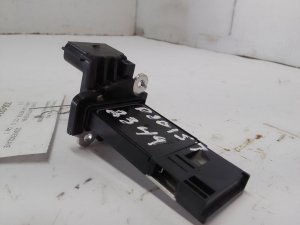
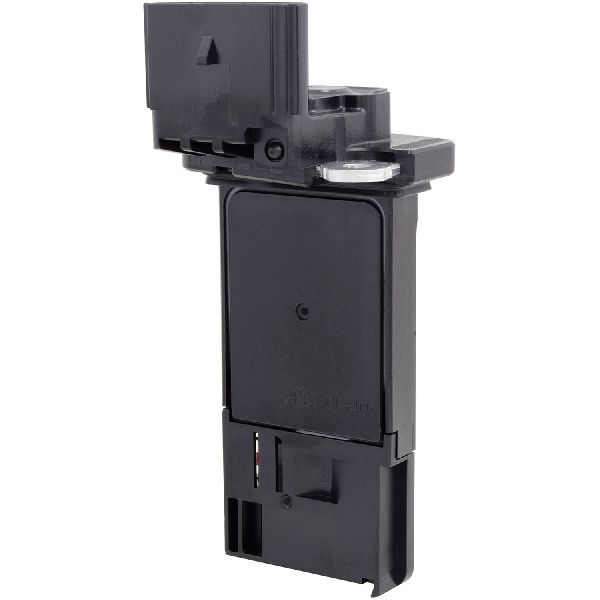
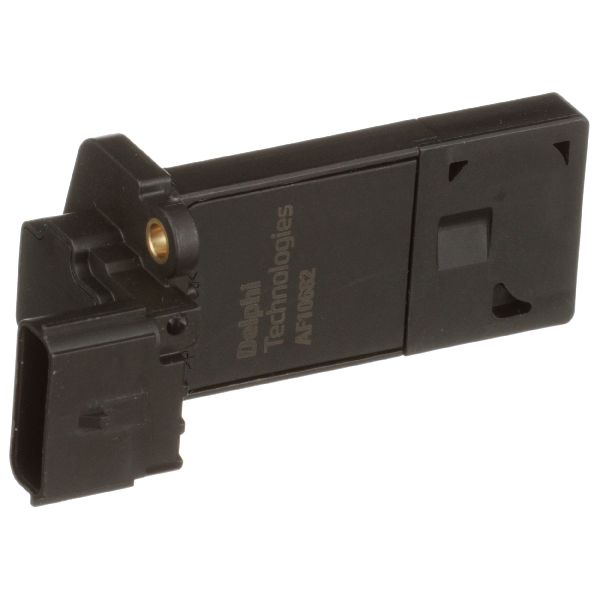
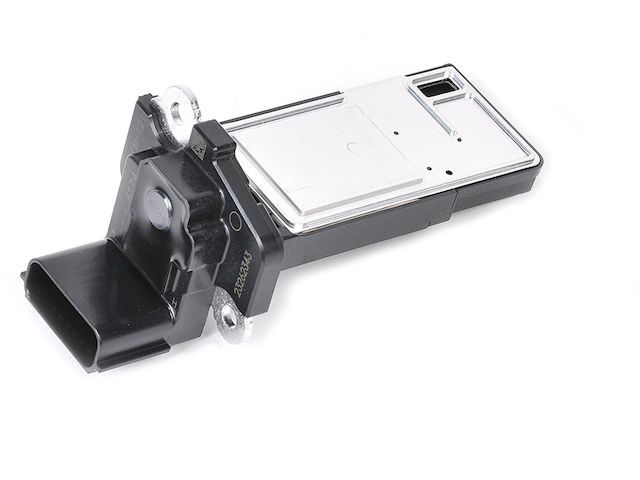
- Mass Air Flow Sensor
(OEM #23262343)— This is the sensor that triggers the code. It is often replaced after cleaning fails to solve the problem or if it is confirmed to be electronically faulty. Part number 23262343 is the current OEM part, superseding older numbers like 23118170.
Trusted brands: ACDelco, Delphi
OEM price range: $100-$180
Aftermarket price range: $50-$120 - Mass Air Flow Sensor Cleaner — This is the first and most cost-effective step. Often, the sensor is simply dirty and cleaning it resolves the P0101 code without needing replacement parts.
Trusted brands: CRC, Liqui Moly
Aftermarket price range: $10-$20 - Air Intake Duct — The flexible duct between the air filter box and the throttle body can crack with age and heat, causing an unmetered air leak that is a common cause of P0101.
Trusted brands: ACDelco, Dorman
OEM price range: $100-$150
Aftermarket price range: $50-$100 - PCV Hose Assembly — A known but hard-to-find cause is a hairline crack in the rigid PCV tube running from the valve cover to the intake manifold. This causes an unmetered air leak that may not be found with a smoke test.
Trusted brands: ACDelco
OEM price range: $40-$80
Aftermarket price range: $25-$50
Related Codes That Often Appear With This One
- P0171 / P0174 — These 'System Too Lean' codes often appear with P0101 when there is a vacuum leak (like a cracked intake boot or PCV hose). The MAF sensor under-reports the amount of air, so the computer provides too little fuel, and the oxygen sensors detect the resulting lean condition.
- P0172 / P0175 — These 'System Too Rich' codes can appear if the MAF sensor is faulty and over-reporting airflow, causing the computer to inject too much fuel. They can also be set by the casting flash issue, which creates turbulent air and confuses the sensor.
Technical Service Bulletins (TSBs) & Recalls
- PIP5446A: Harsh Shift 1/2 and 2/3 and Sputter Applying Throttle, Rough idle and DTC P0101, P0171, P0172, P0174, P0175. Cause is excessive casting flash in air filter housing near MAF sensor.
- TSB Bulletin #PIP4932D: Provides information regarding vehicles with a Service Engine Soon Malfunction Indicator Lamp and Diagnostic Trouble Code P0101. It advises technicians to follow published Service Information diagnostics for any set codes.
Platform-Specific Known Issues
- TSB PIP5446A documents that excessive plastic 'casting flash' in the air filter housing can cause P0101, lean/rich codes, and harsh shifting. The fix is to replace the air filter housing lid.
- A user on gm-trucks.com reported that after trying to fix P0101 by cleaning and replacing the MAF sensor, the actual cause was a faulty throttle body creating erratic airflow.
- Another owner on a gm-trucks.com forum traced their intermittent P0101 code to an oiled K&N air filter contaminating the MAF sensor; cleaning the sensor and reverting to a paper filter resolved the issue.
Mechanic-Grade Diagnostic Values
- Mass Air Flow (MAF) Sensor Reading at Idle — expected: 4.0 to 7.0 grams/second (g/s) for a fully warm 6.2L L86 V8 at normal idle (~600 RPM). A general rule is ~1 g/s per liter of engine displacement.. Failure: Readings significantly below this range (e.g., <4.0 g/s) suggest an unmetered air leak after the sensor. Readings that are stuck or don't change with RPM point to a faulty sensor or wiring.
- Mass Air Flow (MAF) Sensor Frequency at Idle — expected: Approximately 2.3 kHz (2,300 Hz) at idle on a fully warm engine.. Failure: A frequency that is erratic, stuck, or significantly different from the expected value at idle indicates a potential sensor or wiring issue.
- Mass Air Flow (MAF) Sensor Frequency at 2500 RPM — expected: Should increase smoothly with RPM and be above 4.2 kHz (4,200 Hz).. Failure: Frequency does not increase with engine RPM, or the reading is choppy/erratic.
- MAF Sensor Power Supply Voltage (KOEO) — expected: 10 to 12 Volts DC at the MAF connector on the Pink/Black wire (Pin B) with Key On, Engine Off.. Failure: Low or no voltage points to a blown fuse, or a fault in the power supply circuit from the ECM.
- MAF Sensor Ground Circuit Resistance — expected: Less than 5 ohms between the ground circuit terminal (Pin C, Black/White wire) at the MAF sensor connector and a known good chassis ground.. Failure: Resistance greater than 5 ohms indicates a poor ground connection, which can cause erratic sensor readings and trigger a P0101.
Wiring & Ground Locations
- MAF Sensor Connector — On the air intake tube, between the air filter box and the throttle body.. This is the primary connection point for testing the sensor's circuit. Pin A (Yellow wire) is the MAF signal, Pin B (Pink/Black wire) is 12V ignition power, and Pin C (Black/White wire) is the ground. Probing these pins is essential for circuit diagnosis.
- G103 / G104 — Primary engine-to-chassis grounds. G103 is typically on the front of the passenger side cylinder head. G104 is often on the driver's side cylinder head or front corner of the engine.. The ECM and all its sensors, including the MAF, rely on a clean and solid ground path. A loose or corroded connection at G103 or G104 can introduce electrical noise or voltage drops, causing fluctuating sensor readings and triggering a P0101 code even if the sensor itself is good.
- G218 — A known problematic ground located under the driver's side dash, near the A-pillar kick panel.. While not directly for the MAF sensor, G218 is a major data bus and body ground for the K2XX platform. A poor connection here is known to cause a wide range of bizarre electrical issues and codes, and should be checked if multiple, seemingly unrelated electrical faults are present with the P0101.
Real Owner Repair Stories
- gm-trucks.com forum user (2015+ GM Truck with L86 6.2L V8) — P0101 code, surging/stumbling, and lean codes (P0171/P0174).
❌ Tried (didn't work) Cleaning the MAF sensor, Replacing the MAF sensor, Performing a smoke test which showed no leaks
✅ What actually fixed it The actual cause was a hairline crack in the molded PCV hose assembly that runs between the valve cover and the intake manifold. The crack was not visible and did not show up on a cold smoke test but would open under vacuum, causing an unmetered air leak. Replacing the PCV hose assembly resolved all codes and symptoms.
"I Checked Everything" — The Actual Cause
- A common scenario reported on forums for the L86 engine is a smoke test showing no leaks, but the P0101 and associated lean codes (P0171/P0174) persist. The root cause was found to be a hairline crack in the rigid PCV tube that connects the valve cover to the intake manifold. This crack may only open under specific engine vacuum or temperature conditions, making it difficult to detect with a standard, cold smoke test.
OEM Part Supersession History
23118170→23262343— Standard part update, likely for improved reliability or material changes.
Diagnostic Flowchart
Other Known Issues on This Vehicle
Issues unrelated to this code that are worth knowing about as an owner of this generation:
- AFM/DFM Lifter Failure 🔴 High — Common across 2014+ GM V8s, including the L86. Can occur at various mileages, sometimes as low as 50,000 miles. Failures lead to misfires, ticking noises, and potential camshaft damage. (Ref: Multiple TSBs exist, and the issue is the subject of class-action lawsuits.)
- 8L90 Transmission Shudder / Harsh Shifting ('Chevy Shake') 🟠 Medium — Widespread issue on 2015-2019 models with the 8-speed automatic. Owners report a shudder or vibration during light acceleration. Harsh 1-2 shifts at low speeds are also a common complaint. (Ref: TSB 18-NA-355 (updated version of 16-NA-175) recommends a specific transmission fluid flush with Mobil 1 Synthetic LV ATF HP fluid.)
- Driveshaft Vibration ('Chevy Shake') 🟠 Medium — Affects 2014-2019 models, causing a significant vibration at highway speeds (typically 60-70 mph). The cause is often attributed to an imbalanced aluminum driveshaft. (Ref: GM has issued service bulletins to dealers for diagnosing driveline vibration, but a definitive recall was not issued for this specific problem.)
- Carbon Buildup on Intake Valves 🟡 Low — As a direct-injection engine, the L86 is susceptible to carbon buildup on the back of the intake valves over time, as fuel is no longer sprayed over them to keep them clean. This typically becomes a concern at higher mileage (80k+ miles) and can lead to reduced performance or misfires.
Used vs. New Parts: Buying Guide for This Vehicle
When a used part is the smart pick: For this repair, using used parts is generally not recommended for electronic components like the MAF sensor. However, a used OEM air intake duct or air filter housing from a low-mileage, collision-damaged vehicle can be a cost-effective choice if the part is confirmed to be free of cracks, and in the case of the housing, free from the 'casting flash' defect.
Donor-vehicle mileage cap: roughly under 50000 miles for the part to have meaningful remaining life.
What to inspect on the donor part:
- For an air intake duct, check for any signs of dry rot, brittleness, or small cracks, especially in the flexible accordion sections.
- For an air filter housing, inspect the MAF sensor mounting area for stripped screw holes or signs of the 'casting flash' TSB issue.
- Verify the donor vehicle was not in a front-end collision that could have stressed or cracked the plastic components.
OEM-only on this vehicle (don't cheap out):
- Mass Air Flow (MAF) Sensor
Aftermarket brands forum-validated for this vehicle:
- Delphi (Often the Original Equipment Supplier)
Brands owners have reported issues with on this vehicle:
- Unnamed or 'white-box' ultra-cheap sensors from online marketplaces are frequently reported on forums as being improperly calibrated, leading to persistent codes and poor performance.
Real Owner Stories
Aggregated from forums and TSBs cited above. Mileages and costs reflect what owners reported in those sources.
2015+ GMC Sierra 1500 6.2L L86
Symptoms: The owner experienced P0101 and lean codes. After multiple attempted fixes failed to resolve the erratic airflow issues, the problem persisted.
What fixed it: Replacing a faulty throttle body which was creating erratic airflow.
Source hint: gm-trucks.com: A user with a 2015+ L86 reported that a faulty throttle body was the ultimate cause of their P0101 and lean codes
2014-2018 GMC Sierra 1500 6.2L L86
Symptoms: Intermittent P0101 code that seemed to trigger specifically after instances of hard acceleration or braking.
What fixed it: Cleaning the MAF sensor and checking the wiring harness/connector for proper voltage and ground.
Source hint: gm-trucks.com: Thread titled 'Intermittent P0101 code' (https://www.gm-trucks.com/forums/topic/218089-intermittent-p0101-code/)
2014-2018 GMC Sierra 1500 6.2L L86
Symptoms: P0101 code and contamination of the MAF sensor elements.
What fixed it: Cleaning the MAF sensor and replacing an oiled K&N air filter with a standard paper filter.
Source hint: gm-trucks.com: A thread titled 'P0101 MAF 2004 5.3' (https://www.gm-trucks.com/forums/topic/232463-p0101-maf-2004-53/) / vehicle_specific_issues
Related OBD-II Codes
Frequently Asked Questions
Does TSB PIP5446A apply to my 2014-2018 GMC Sierra 1500 with the 6.2L L86 engine?
Can an aftermarket air filter like a K&N cause a P0101 code on my Sierra?
Why is my Sierra 1500 shifting harshly between 1st and 2nd gear along with the P0101 code?
What is the expected MAF sensor reading for the 6.2L L86 engine at idle?
I've cleaned my MAF sensor and checked for leaks, but P0101 remains. What else should I check on the L86?
Is it common for the MAF sensor itself to fail on the 2014-2018 GMC Sierra?
Helpful Videos
Used OEM Parts in Stock
New Aftermarket Parts Available



The information in this article is provided for general reference and educational purposes only. Vehicle specifications, procedures, and part compatibility can vary by production date, trim level, and region. Always consult your vehicle's factory service manual and verify part numbers before purchasing or performing repairs. Safety-critical components such as airbags, seat belts, and braking systems should be installed by a qualified professional.
- GMC Sierra 1500:
- 🎬 Helpful Videos
- 🛍️ Shop This Part
- What's Unique About the 2014-2018 GMC Sierra 1500
- Symptoms You May Notice
- Most Likely Causes
- Rare But Worth Checking
- Diagnosis Steps
- Parts You'll Likely Need
- Related Codes That Often Appear With This One
- Technical Service Bulletins (TSBs) & Recalls
- Platform-Specific Known Issues
- Mechanic-Grade Diagnostic Values
- Wiring & Ground Locations
- Real Owner Repair Stories
- "I Checked Everything" — The Actual Cause
- OEM Part Supersession History
- Diagnostic Flowchart
- Other Known Issues on This Vehicle
- Used vs. New Parts: Buying Guide for This Vehicle
- Real Owner Stories
- 2015+ GMC Sierra 1500 6.2L L86
- 2014-2018 GMC Sierra 1500 6.2L L86
- 2014-2018 GMC Sierra 1500 6.2L L86
- Related OBD-II Codes
- Frequently Asked Questions
- 🎟️ Get 5% Off