

P0101 on 2013-2018 Ford Focus ST: MAF Sensor, Boost Leaks, and Fixes
On a 2013-2018 Focus ST, P0101 is most often caused by a dirty Mass Airflow (MAF) sensor or a vacuum/boost leak. Start by cleaning the MAF sensor with a dedicated spray cleaner (about $15) and inspect all intake and charge pipes for leaks. Also, carefully inspect the wiring harness for chafing where it passes over the transmission before replacing any parts.
- Always start by cleaning the MAF sensor with a dedicated cleaner; this is the most common and cheapest fix.
- Thoroughly inspect the entire intake tract for air leaks, paying special attention to charge pipes and the Sound Symposer, as this is a turbocharged engine.
- Check the MAF sensor wiring harness for chafing where it passes over the transmission; this is a known failure point on the Focus ST.
- Be aware of Ford Recall 18S32 for the canister purge valve, as a failure of this part can create a vacuum leak and trigger a P0101 code.
What's Unique About the 2013-2018 Ford Focus ST
On the turbocharged 2.0L EcoBoost engine, the intake system is pressurized, so a leak is often a 'boost leak' (losing pressurized air) rather than just a vacuum leak. Common and unique failure points on the Focus ST include leaks from charge pipes connected to the intercooler and the factory 'Sound Symposer,' a device that pipes intake noise into the cabin and is known to fail. Furthermore, the engine wiring harness is known to chafe on the transmission bell housing or starter motor, causing an electrical fault that can damage the MAF sensor.
Generation note: The 2013-2018 model years cover the entire third generation (MK3/C346) of the Focus ST. A facelift occurred in 2015, but the engine and related intake components are largely the same. Some aftermarket parts may have different fitments for 2013-2014 vs. 2015-2018 models. Wiring for Recaro seats also differs between pre-facelift and facelift models.
Symptoms You May Notice
- Reduced engine power and acceleration (Limp Mode)
- Hesitation or surging during acceleration
- Rough or lumpy idle
- Engine stalling, especially when coming to a stop or after refueling
- Poor fuel economy
- Check Engine Light illuminated
- ESP (Electronic Stability Program) fault light may illuminate simultaneously
- Replacing the MAF sensor without first cleaning it or checking for vacuum leaks. A dirty sensor is far more common than a failed one.
- Replacing the MAF sensor when the actual fault is a chafed wiring harness. A shorted harness can destroy the new sensor immediately.
Most Likely Causes
- Dirty or Contaminated MAF Sensor 🔴 High Probability The sensor is sensitive to dirt and oil. Oiled aftermarket air filters are a common modification on the ST and can release oil vapor that coats the sensor's delicate wires. A poorly sealed airbox can also allow unfiltered air to contaminate the sensor.
How to confirm: Remove the MAF sensor (held by two Torx screws) and visually inspect the small wires inside. If they appear dirty, grimy, or coated in oil, they need cleaning.
Typical fix: Clean the sensor using a dedicated Mass Airflow Sensor cleaner spray. Do not touch the wires. This is the cheapest and most common first step. 🎬 Watch: How to properly clean your MAF sensor.
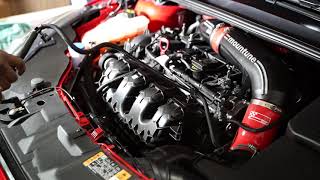
Est. part cost: $10-$20 - Vacuum or Boost Leak 🔴 High Probability As a turbocharged engine, the intake tract is complex and under pressure. Common leak points include loose charge pipe clamps (especially at the intercooler connections), cracked intercooler hoses, or a failed diaphragm in the factory Sound Symposer.
How to confirm: Visually inspect all intake hoses and clamps between the air filter and the throttle body. Listen for a hissing sound at idle. A professional smoke test is the most effective way to pinpoint a leak. 🎬 See how a pro mechanic chases down boost leaks.
Typical fix: Tighten loose clamps or replace the cracked hose. For a failed Sound Symposer, a 'delete kit' is a popular and permanent fix.
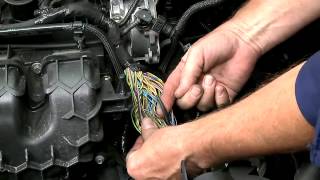
Est. part cost: $20-$150 - Chafed or Damaged MAF Sensor Wiring 🟡 Medium Probability The engine wiring harness has been observed to rub through on the transmission bell housing or starter motor area, causing a short or open in the MAF sensor circuit. This can short the 5V reference wire, potentially destroying the MAF sensor internally. This issue is related to the problem addressed in Recall 14S17 for 2013-14 models. 🎬 Watch: Official Ford wiring harness recall repair procedures.
How to confirm: Carefully trace the MAF sensor wiring harness from the sensor connector back towards the main loom. Inspect for any signs of rubbing, exposed copper, or damage, particularly where it passes over the top of the transmission and near the starter motor.
Typical fix: Repair the damaged wires by soldering and protecting them with heat-shrink tubing. Reroute the harness slightly and protect with loom or tape to prevent future contact.
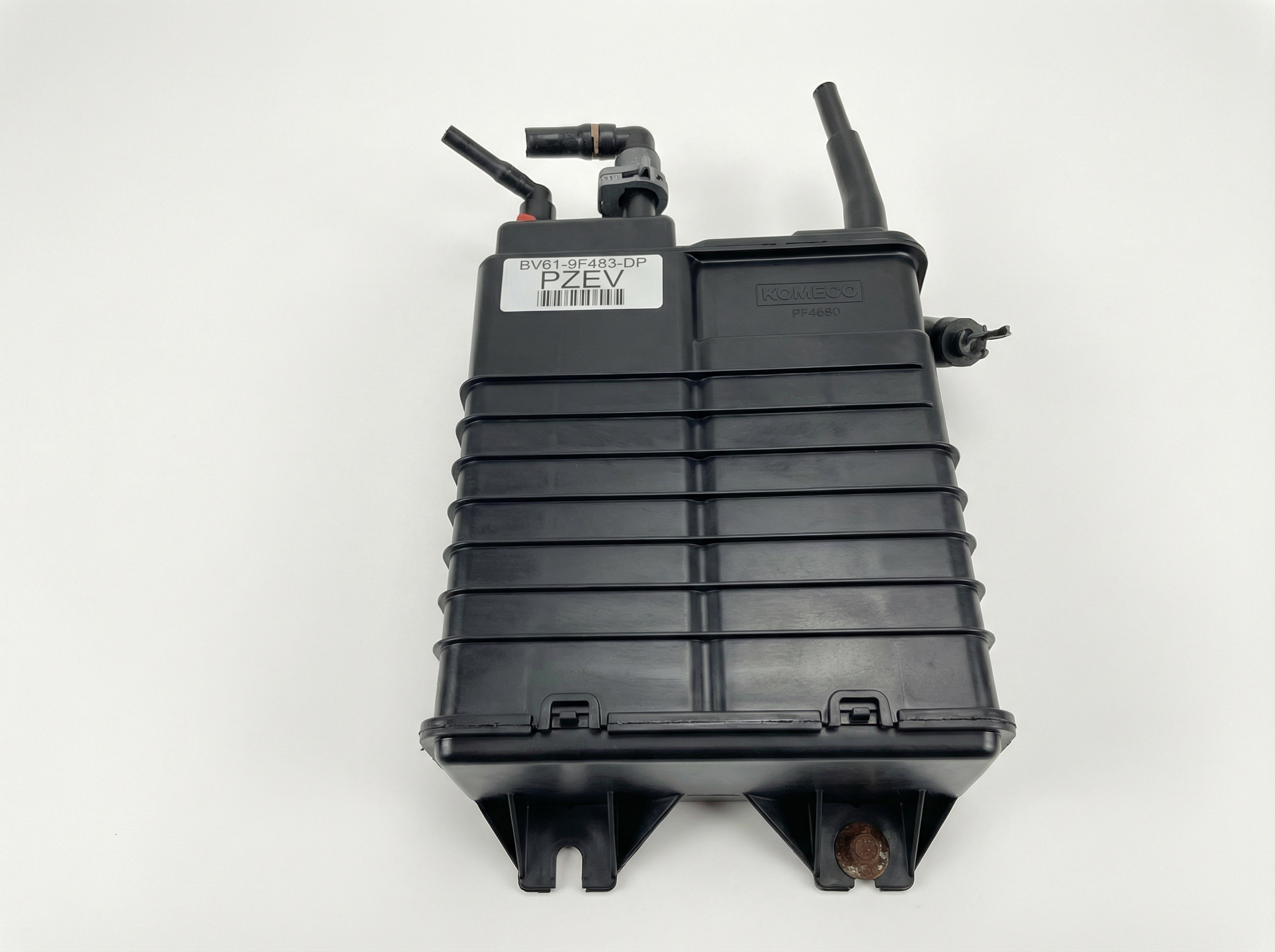
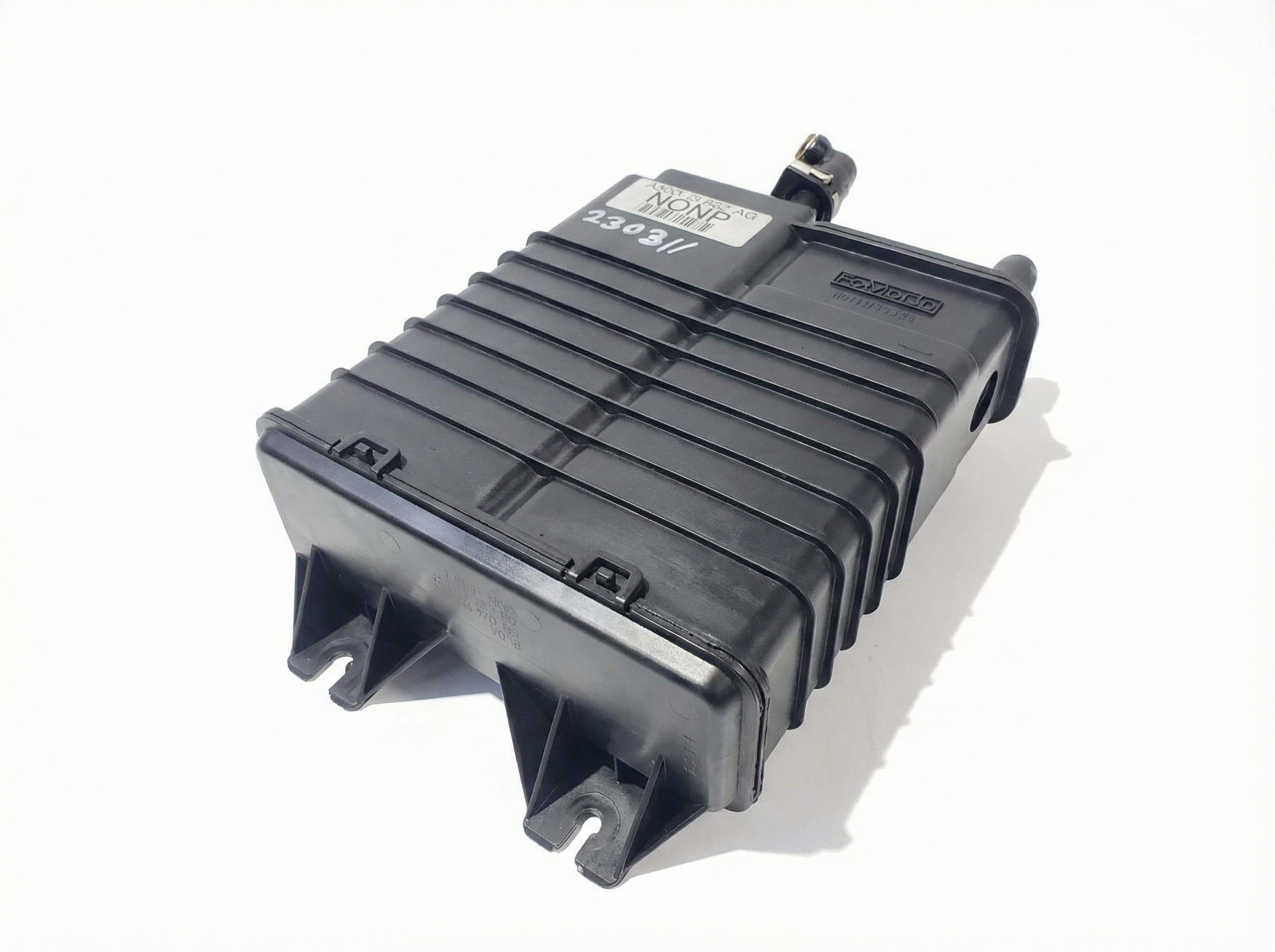
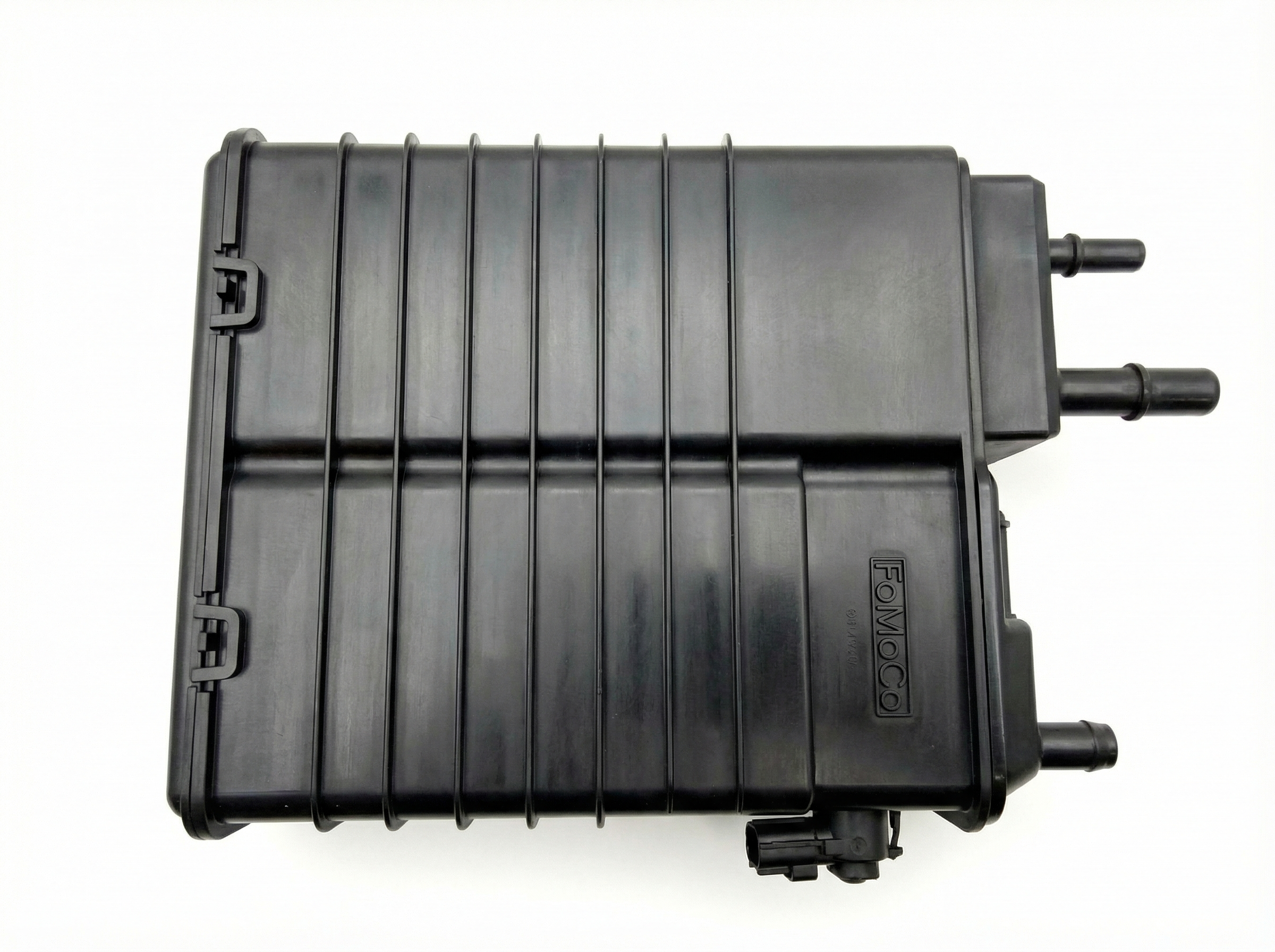
Est. part cost: $5-$25 - Stuck-Open Canister Purge Valve (CPV) ⚪ Low Probability This is a well-documented failure on 2012-2018 Focus models, including the ST, and is the subject of Ford Safety Recall 18S32. A stuck-open valve creates a constant, unmetered vacuum leak, which can throw off the MAF sensor's expected readings and cause lean conditions.
How to confirm: Symptoms often include a rough idle or stalling immediately after refueling. The issue will almost always trigger code P1450. Check with a Ford dealer to see if recall 18S32 has been performed on your vehicle.
Typical fix: The recall procedure involves a PCM software update and, if necessary, replacement of the canister purge valve, free of charge at a Ford dealership.
Est. part cost: $0 (if covered by recall)
Rare But Worth Checking
- Aftermarket Cold Air Intake: Some aftermarket intakes, especially those with a larger diameter housing for the MAF sensor, can cause turbulent or non-laminar airflow across the sensor. This triggers a P0101 code even if there are no leaks and may require a custom ECU tune to recalibrate the sensor's expected values.
- Clogged Catalytic Converter: A severely restricted exhaust can cause a mismatch between expected and actual airflow, potentially triggering P0101. This is rare and would typically be accompanied by other symptoms like a severe loss of power, a rotten egg smell, and other exhaust-related codes.
Diagnosis Steps
- Read the code with an OBD-II scanner and note any other codes present, especially P0171 or P1450.
- Visually inspect the engine air filter to ensure it is clean and properly seated in the airbox.
- Remove the MAF sensor. Inspect the sensing elements for dirt, oil, or debris. Clean it with a dedicated MAF sensor cleaner spray and let it air dry completely before reinstalling.
- Clear the codes and test drive the vehicle to see if the code returns. If it does, proceed with further diagnosis.
- Thoroughly inspect the entire intake system for leaks. Check all hoses, clamps, and connections from the airbox to the throttle body, including the charge pipes to and from the intercooler and the Sound Symposer.
- Carefully inspect the MAF sensor's electrical connector for damage or corrosion. Trace the wiring harness back from the MAF sensor, paying close attention to the area where it passes over the transmission bell housing and starter motor for any signs of chafing or wear.
- Check if Safety Recall 18S32 (Purge Valve) or 14S17 (Wiring Splice) applies to your VIN and if the work has been completed.
- If leaks and wiring issues are ruled out, and the sensor has been cleaned, the MAF sensor itself may have failed electronically and require replacement.
Parts You'll Likely Need
- Mass Airflow (MAF) Sensor Cleaner — This is the most common and cheapest first step. The sensor is often just dirty and does not need to be replaced.
Trusted brands: CRC, Liqui Moly, WD-40 Specialist
Aftermarket price range: $10-$20 - Mass Airflow (MAF) Sensor
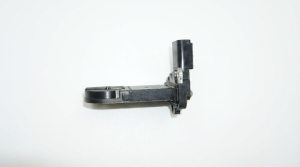
(OEM #8V2Z-12B579-A)— If cleaning the sensor and confirming there are no air leaks or wiring issues doesn't resolve the code, the sensor itself may have failed. Always check for wiring damage before installing a new sensor. Verify part number with VIN before purchasing. Also known as Air Mass Sensor or AFLS195.
Trusted brands: Motorcraft, Bosch, Hitachi
OEM price range: $130-$215
Aftermarket price range: $70-$140 - Canister Purge Valve
(OEM #BV6Z-9D289-D (or superseding BV6Z-9D289-E))— A known failure point on this platform that causes a vacuum leak, which can trigger P0101. It is addressed by a factory recall (18S32).
Trusted brands: Motorcraft (Genuine Ford)
OEM price range: $40-$70
Aftermarket price range: $25-$50
Related Codes That Often Appear With This One
- P0171 — System Too Lean (Bank 1). This code often appears with P0101 because a vacuum/boost leak allows unmetered air into the engine, or a dirty MAF under-reports airflow, causing the PCM to inject too little fuel.
- P1450 — Unable to Bleed Up Fuel Tank Vacuum. This code is a strong indicator that the canister purge valve is stuck, which is a known cause of vacuum leaks that can also trigger P0101.
- P0456 — Evaporative Emission System Leak Detected (Very Small Leak). This can also be triggered by a faulty canister purge valve, as addressed in recall 18S32.
Technical Service Bulletins (TSBs) & Recalls
- Fuel Tank Deformation Due to Stuck Canister Purge Valve: A safety recall addressing a faulty canister purge valve (CPV) that can stick open, causing excessive vacuum in the fuel system. This can deform the fuel tank, cause an engine stall, and trigger DTCs like P1450, P0456, and others. The fix involves a PCM software update and, if necessary, replacement of the CPV, carbon canister, and/or fuel tank.
- Engine Wiring Splice Repair: A safety recall for 2013-2014 Focus ST and Escape models. Insufficiently crimped splices in the engine wiring harness can cause high resistance, leading to incorrect signals from sensors like the MAP sensor. Symptoms include hesitation, rough running, and stalling. This is directly related to the 'chafed wiring' cause for P0101.
Platform-Specific Known Issues
- Ford Safety Recall 18S32 / NHTSA 18V735 was issued for a faulty Canister Purge Valve (CPV) that can stick open, creating a vacuum leak and potentially causing stalling. This can be a direct cause of P0101.
- Ford Safety Recall 14S17 was issued for 2013-2014 Focus ST models to address wiring harness splices that could cause stalling and rough running, which may be related to the MAF wiring chafe issue.
- The factory Sound Symposer is a common point for boost/vacuum leaks, and many ow
Mechanic-Grade Diagnostic Values
- MAF Sensor Signal Voltage (KOEO - Key On, Engine Off) — expected: ~1.0-1.2V. Failure: A reading of 0V or 5V indicates an electrical fault in the sensor or wiring. A reading of 5V on the signal wire with the sensor unplugged is a strong indicator the sensor is internally shorted.
- MAF Sensor Live Data (Scan Tool) — expected: Approximately 2-7 g/s at idle, rising smoothly with RPM.. Failure: A reading of 0 g/s, a fixed high value, or readings that do not respond to changes in engine speed point to a failed sensor or wiring issue.
- MAF Sensor 5V Reference Voltage — expected: 5V on the correct pin (White/Red trace wire).. Failure: 0V on the 5V reference wire indicates a wiring issue, likely a short to ground from chafing.
Scan Tool Commands That Help
- Ford IDS (or equivalent like FORScan): Key-On Engine-Running (KOER) Self-Test — This test checks if the MAF sensor is 'Out of Self Test Range' and can trigger code P1101, which is closely related to P0101 and points directly to a sensor rationality problem.
- Ford IDS (or equivalent like FORScan): Live Data Monitoring (MAF_V, MAF g/s) — Continuously monitor the MAF sensor's voltage and grams-per-second readings while driving. Unstable readings, dropouts, or values that don't correlate with engine load can confirm an intermittent sensor or wiring fault that might not be obvious with a static test.
Wiring & Ground Locations
- MAF/IAT Sensor Connector Pinout (6-pin) — On the air intake duct assembly, just after the air filter box.. Knowing the pin functions is critical for testing. The pins include Vehicle Power (VPWR), Power Ground (PWRGND), Signal Return (SIGRTN), MAF Signal, MAF Return, and IAT Signal. A short between these wires, often from harness chafing, is a direct cause of P0101.
- G104 — Left front of the engine compartment, under the airbox.. This is a primary engine and PCM ground point. A loose or corroded connection here can cause erratic sensor readings and multiple, seemingly unrelated fault codes, including P0101.
- Transmission Bell Housing Ground — A ground strap connects from the chassis (under the battery/airbox) to a stud on the transmission bell housing, near the starter.. This is a critical ground path. If loose or corroded, it can cause a variety of electrical issues, including starting problems and sensor faults. The main engine harness, which includes MAF wiring, runs directly over this area, making it a prime spot for both grounding issues and wire chafing.
- Harness Chafing Point — The section of the engine wiring harness that passes over the top of the transmission and near the starter motor.. This is the most notorious and difficult-to-diagnose cause of P0101 on the Focus ST. The harness rubs against sharp edges on the transmission case or starter, eventually wearing through the insulation and causing wires (like the 5V reference and signal wires for the MAF) to short to ground or to each other.
Real Owner Repair Stories
- YouTube video by RMAutodiag (Ford Focus ST (MK3)) — P0101 code, scan tool showed MAF signal stuck at 5V.
❌ Tried (didn't work) Initial diagnosis pointed to an internally shorted MAF sensor.
✅ What actually fixed it The wiring harness had rubbed through on the transmission bell housing/starter motor area. This caused a short that sent an incorrect voltage, which in turn destroyed the MAF sensor. The fix required repairing the damaged wires by soldering and heat-shrinking them, and then replacing the now-fried MAF sensor. The key was finding the wiring fault before a second new sensor was also destroyed.
"I Checked Everything" — The Actual Cause
- A user on a Focus ST forum reported chasing a P0101 for months. Multiple smoke tests showed no leaks in any of the charge pipes, intercooler, or vacuum lines. The actual cause was eventually found to be a hairline crack on the underside of the factory plastic airbox, allowing a small amount of unmetered air to enter post-MAF, but only under certain engine vibrations. The crack was not large enough to be detected by a low-pressure smoke test.
OEM Part Supersession History
BV6Z-9D289-D→BV6Z-9D289-E— Standard part revision and improvement by Ford.
Heads up: The parts are interchangeable; the newer -E revision should be used for all repairs.
Diagnostic Flowchart
Other Known Issues on This Vehicle
Issues unrelated to this code that are worth knowing about as an owner of this generation:
- Low-Speed Pre-Ignition (LSPI) 🔴 High — A known risk for many early direct-injection turbo engines. Occurs under high load at low RPM (e.g., flooring it in 5th/6th gear below 3000 RPM). Can cause catastrophic engine damage.
- Passenger-Side Hydraulic Engine Mount Failure 🟠 Medium — The factory hydraulic (oil-filled) engine mount is prone to leaking and collapsing, often around 50k miles. This causes increased noise, vibration, and harshness (NVH) in the cabin.
- Canister Purge Valve (CPV) Failure 🟠 Medium — Extremely common failure. The valve sticks open, causing rough idle after refueling, erratic fuel gauge, and potential fuel tank deformation. It is a frequent cause of P1450. (Ref: Ford Safety Recall 18S32, Customer Satisfaction Program 24N07)
- Clutch Master/Slave Cylinder Failure 🟠 Medium — Owners report a spongy or sticking clutch pedal that doesn't return fully. This can be caused by a failing master cylinder (leaking fluid inside the cabin) or a failing slave cylinder (inside the bellhousing).
- Carbon Buildup on Intake Valves 🟡 Low — As a direct-injection engine, fuel does not spray over the intake valves to clean them. Over time (typically 60k-100k miles), carbon deposits can build up, requiring a walnut blasting service to restore performance.
- Weak Clutch Return Spring 🟡 Low — The factory clutch assist spring is very strong, leading to a numb or vague pedal feel. Many owners remove it or replace it with a lighter aftermarket spring for better feedback. If removed entirely, the pedal may not fully return over time.
Used vs. New Parts: Buying Guide for This Vehicle
When a used part is the smart pick: Used parts are a reasonable option for structural components like the airbox, intake piping, or intercooler, provided they are inspected thoroughly for cracks or damage. A used wiring harness from a low-mileage donor can also be a cost-effective solution for extensive chafing damage.
Donor-vehicle mileage cap: roughly under 75000 miles for the part to have meaningful remaining life.
What to inspect on the donor part:
- For an airbox/intake: Check for hairline cracks, especially around mounting points and seams. Ensure all screw threads for the lid are intact and not stripped.
- For an intercooler: Inspect fins for excessive damage that could block airflow. Check end tanks for any signs of cracking or previous repair.
- For a wiring harness: Look for a vehicle with no front-end damage. Inspect the harness jacket for any signs of prior chafing, brittleness, or previous repairs (e.g., mismatched electrical tape, crimp connectors).
OEM-only on this vehicle (don't cheap out):
- Mass Airflow (MAF) Sensor: While some aftermarket brands like Bosch are reputable, cheap, unbranded sensors are notorious for causing performance issues and failing quickly. Given the sensitivity of the EcoBoost engine, sticking with the OEM Motorcraft part is the safest bet to avoid repeat repairs.
- Canister Purge Valve (CPV): This is a known recall item. Using the latest OEM revision (BV6Z-9D289-E) is critical to ensure the permanent fix is applied. Aftermarket versions may not have the same durability.
Aftermarket brands forum-validated for this vehicle:
- Bosch (for MAF Sensor, if OEM is unavailable)
- Motorcraft (OEM for all electronic sensors and valves)
Brands owners have reported issues with on this vehicle:
- Unbranded, 'white-box' electronic sensors from online marketplaces. These frequently have incorrect calibrations or high failure rates, leading to more diagnostic time and frustration.
Real Owner Stories
Aggregated from forums and TSBs cited above. Mileages and costs reflect what owners reported in those sources.
2013-2014 Ford Focus ST 2.0L EcoBoost
Symptoms: The engine wiring harness rubbed through on the starter motor and transmission bell housing, causing a short circuit.
What fixed it: Repaired the damaged wires by soldering and protecting them with heat-shrink tubing, then rerouted the harness to prevent future contact.
Source hint: YouTube - P0101 Caused by Chafed Wiring Harness
Ford Focus ST 2.0L EcoBoost
Symptoms: The owner followed a step-by-step checklist to diagnose a P0101 error code.
What fixed it: Tightened a loose intercooler pipe clamp that was causing a boost leak.
Source hint: Focus ST Forum (Germany) - P0101 Diagnosis Thread
Ford Focus ST 2.0L EcoBoost
Symptoms: P0101 code appearing alongside an ESP (Electronic Stability Program) fault light.
What fixed it: Diagnosis explored potential causes ranging from software tuning to hardware faults in the intake system.
Source hint: Focusclub.nl - P0101 & ESP Fault Discussion
Related OBD-II Codes
Frequently Asked Questions
Does Safety Recall 18S32 apply to my Focus ST if I'm experiencing stalling after refueling?
I have a 2014 Focus ST with a rough idle; is there a specific wiring issue I should check?
Can my aftermarket oiled air filter cause a P0101 code on my EcoBoost 2.0L?
Is the factory Sound Symposer a potential source for the P0101 fault?
Why did my ESP (Electronic Stability Program) light come on at the same time as the P0101 check engine light?
Where exactly does the MAF wiring typically rub through on the Focus ST?
Helpful Videos
Used OEM Parts in Stock

New Aftermarket Parts Available


The information in this article is provided for general reference and educational purposes only. Vehicle specifications, procedures, and part compatibility can vary by production date, trim level, and region. Always consult your vehicle's factory service manual and verify part numbers before purchasing or performing repairs. Safety-critical components such as airbags, seat belts, and braking systems should be installed by a qualified professional.
- Ford Focus ST:
- 🎬 Helpful Videos
- 🛍️ Shop This Part
- What's Unique About the 2013-2018 Ford Focus ST
- Symptoms You May Notice
- Most Likely Causes
- Rare But Worth Checking
- Diagnosis Steps
- Parts You'll Likely Need
- Related Codes That Often Appear With This One
- Technical Service Bulletins (TSBs) & Recalls
- Platform-Specific Known Issues
- Mechanic-Grade Diagnostic Values
- Scan Tool Commands That Help
- Wiring & Ground Locations
- Real Owner Repair Stories
- "I Checked Everything" — The Actual Cause
- OEM Part Supersession History
- Diagnostic Flowchart
- Other Known Issues on This Vehicle
- Used vs. New Parts: Buying Guide for This Vehicle
- Real Owner Stories
- 2013-2014 Ford Focus ST 2.0L EcoBoost
- Ford Focus ST 2.0L EcoBoost
- Ford Focus ST 2.0L EcoBoost
- Related OBD-II Codes
- Frequently Asked Questions
- 🎟️ Get 5% Off