

P0101 on 2007-2011 Chevrolet Express: MAF Sensor Range/Performance Causes & Fixes
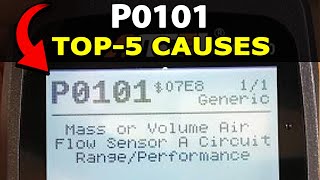
On a 2007-2011 Chevy Express, code P0101 is most often caused by a dirty Mass Air Flow (MAF) sensor. Cleaning it with a dedicated MAF sensor cleaner for about $10 is the first and most common fix. If that fails, or if there is a crack in the intake duct, a replacement sensor costs between $70 for an aftermarket part and $200 for an OEM ACDelco part. Always check for vacuum leaks and a dirty air filter.
- P0101 on a 2007-2011 Express almost always points to an issue with the Mass Air Flow sensor or the air intake system.
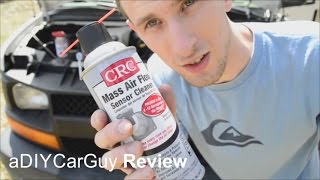
- The first and most cost-effective step is to clean the MAF sensor with a dedicated cleaner spray.
- Always inspect for vacuum leaks (cracked hoses) and check the engine air filter before spending money on a new sensor.
- If you must replace the sensor, using a quality OEM (ACDelco) or reputable aftermarket brand (Delphi, Hitachi) is recommended to avoid persistent issues.
- In rare cases on these GM vans, a clogged catalytic converter can trigger this code, so consider this if you also have severe power loss.
What's Unique About the 2007-2011 Chevrolet EXPRESS

The Chevrolet Express vans from this era use a hot-wire MAF sensor that is known to become contaminated over time, leading to incorrect readings. 🎬 Watch: Cleaning the MAF and throttle body on an Express. While the issue is common across many GM trucks and vans, the Express's life as a work vehicle often means it's exposed to dirtier environments, making a dirty air filter and contaminated MAF sensor a very frequent cause. Additionally, on GM trucks and vans, a cracked flexible intake air duct (bellows) between the filter housing and the throttle body is a very common failure point that allows unmetered air to enter the engine. A clogged catalytic converter can also be a less common but notable cause of this code, as the exhaust restriction affects the engine's ability to draw in air.
Diagnostic Flowchart
Tap your situation to follow the diagnostic path that matches what you're seeing on this vehicle.
Symptoms You May Notice
- Check Engine Light is on
- Engine hesitates or stumbles during acceleration
- Rough or unstable idle
- Engine may stall, especially under light load
- Reduced fuel economy
- Lack of engine power
- Black smoke from the exhaust pipe
- Replacing the oxygen (O2) sensors. While air/fuel mixture issues can be related to O2 sensors, P0101 points directly to the MAF sensor circuit as the source of the implausible reading.
- Replacing the throttle body. Unless the throttle body is extremely dirty and sticking, it is unlikely to be the primary cause of a P0101 code.
Most Likely Causes


- Dirty or Contaminated Mass Air Flow (MAF) Sensor 🔴 High Probability The hot-wire design of the sensor is sensitive to dirt, oil, and debris. Oiled aftermarket air filters (like K&N) are a common source of contamination if over-oiled.
How to confirm: Remove the sensor from the air intake tube and visually inspect the small wires inside. If they appear dirty or coated, they need cleaning. A scan tool may also show g/s readings that are slow to respond.
Typical fix: Clean the sensor wires carefully using only dedicated Mass Air Flow sensor cleaner spray. Do not touch the wires. Let it dry completely before reinstalling.
Est. part cost: $8-$15 for cleaner spray - Vacuum Leak in the Air Intake System 🟡 Medium Probability Plastic and rubber components in the intake system can crack and become brittle with age and heat cycles. The most common failure is a torn or cracked flexible intake duct (bellows) between the air filter box and the throttle body. Degraded PCV hoses and intake manifold gaskets are also frequent culprits.
How to confirm: Visually inspect all air intake hoses, ducts, and gaskets between the MAF sensor and the engine for cracks or loose connections. The ribbed sections of the main intake duct are a primary inspection point. A smoke test is the most effective way to find hidden leaks.
Typical fix: Replace the cracked hose or faulty gasket that is causing the leak. The intake duct is a common replacement part.
Est. part cost: $20-$150 depending on the leaking part - Clogged or Dirty Engine Air Filter 🟡 Medium Probability
How to confirm: Remove the air filter from the airbox and inspect it. If it is visibly dirty, clogged with debris, or has not been replaced in a long time, it is restricting airflow.
Typical fix: Replace the engine air filter.
Est. part cost: $15-$40
Rare But Worth Checking
- Clogged Catalytic Converter: Specifically noted as a cause on some GM trucks and vans. An exhaust backpressure test can confirm a restriction. This is often accompanied by a significant loss of power, a rattling noise from the exhaust, and possibly other codes like P0300 (random misfire) or P0420.
- Faulty MAF Sensor Wiring or Connector: Wires can break or corrode, and the connector pins can become loose, causing an intermittent signal. A visual inspection and a multimeter test for voltage (Pink wire), ground (Black/White wire), and signal continuity back to the PCM can diagnose this.
- Faulty Powertrain Control Module (PCM): This is extremely rare and should only be considered after all other possible causes have been ruled out.
Diagnosis Steps
- Read all fault codes with an OBD-II scanner to check for other related codes like P0171, P0174, or P0300.
- Inspect the engine air filter and replace it if it's dirty.
- Visually inspect the entire air intake system, especially the flexible ribbed ducting, for obvious cracks, loose clamps, or disconnected hoses between the MAF sensor and the engine.
- Carefully remove the MAF sensor and inspect its sensing elements. Clean it with a dedicated MAF sensor cleaner spray and let it dry completely before reinstalling.
- Clear the codes and test drive the vehicle to see if the code returns. If it does, proceed with further diagnosis.
- Use a scan tool with live data capability to monitor the MAF sensor reading (in grams/second). For the V8 engines (4.8L, 5.3L, 6.0L), a healthy sensor should read approximately 4-7 g/s at warm idle and increase rapidly to over 150 g/s during a wide-open throttle 1-2 gear shift. A slow or non-responsive reading indicates a problem.
- Perform a smoke test on the intake system to find any hard-to-see vacuum leaks. Pay close attention to the intake manifold gaskets and PCV hoses.
- If no vacuum leaks are found, check the MAF sensor connector for corrosion and test the wiring for proper voltage, ground, and signal continuity back to the PCM.
- If the sensor has been cleaned, the wiring is good, and there are no vacuum leaks, the MAF sensor itself is likely faulty and should be replaced.
Parts You'll Likely Need

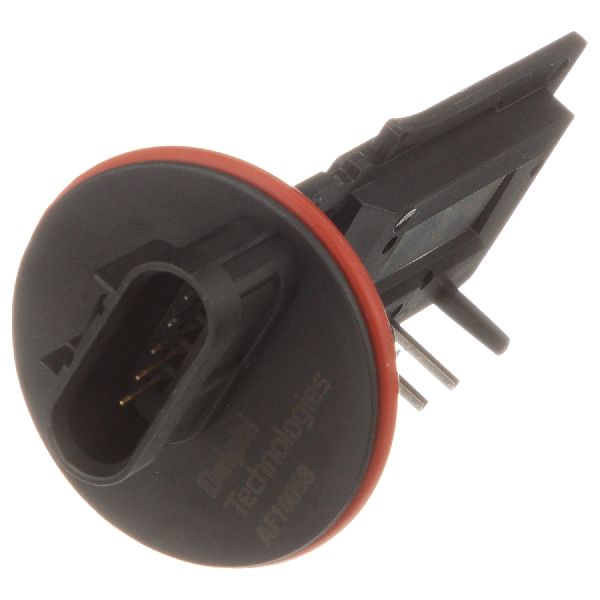
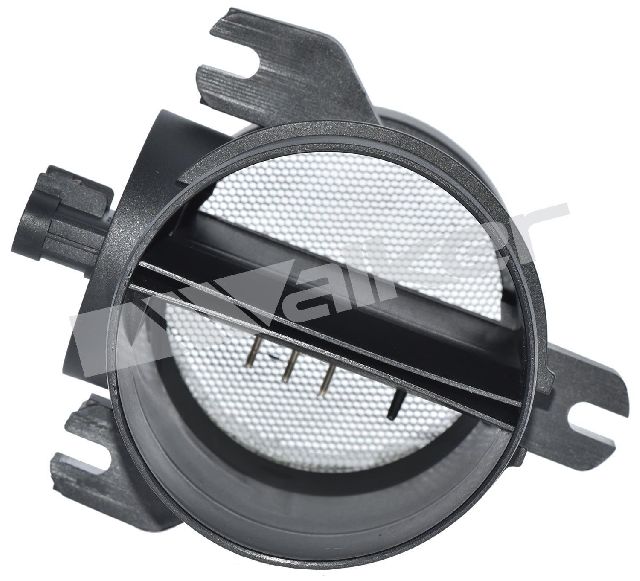
- Mass Air Flow (MAF) Sensor
(OEM #15865791)— This is the most common part to fail or become too contaminated to be fixed by cleaning. The GM part number 15865791 is sold under the ACDelco brand as part number 213-4222. Hitachi, often the original equipment manufacturer, is a reliable alternative (e.g., part MAF0031). Always verify the part number with your vehicle's VIN.
Trusted brands: ACDelco (OEM), Hitachi (OEM Supplier), Delphi
OEM price range: $125-$225
Aftermarket price range: $70-$110 - MAF Sensor Cleaner — This is the first and cheapest step in attempting to fix the code, and it is often successful.
Trusted brands: CRC, WD-40 Specialist
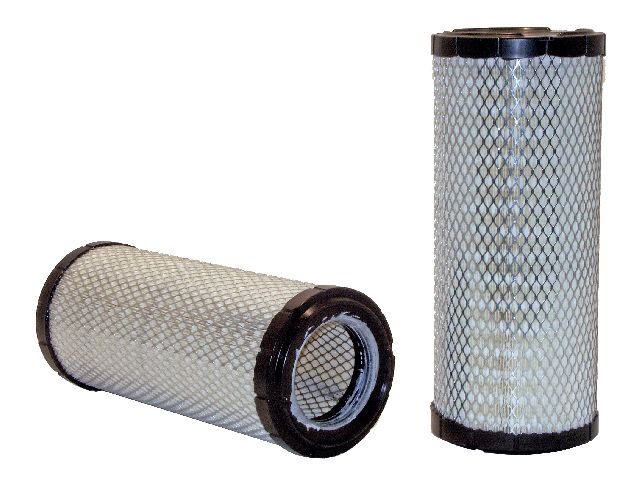
Aftermarket price range: $8-$15 - Engine Air Filter — A clogged air filter restricts airflow and is a common cause of P0101. It should be replaced as part of routine maintenance.
Trusted brands: ACDelco, Wix, Fram
OEM price range: $25-$40
Aftermarket price range: $15-$30
Related Codes That Often Appear With This One
- P0171 — System Too Lean (Bank 1) - A vacuum leak or a MAF sensor that is under-reporting airflow will cause the engine to run lean, triggering this code alongside P0101.
- P0174 — System Too Lean (Bank 2) - Same reason as P0171, but for the opposite cylinder bank on V-engines.
- P0420 — Catalyst System Efficiency Below Threshold - If a clogged catalytic converter is the root cause of the P0101, this code is also likely to appear.
- P0300 — Random/Multiple Cylinder Misfire Detected - An incorrect MAF reading or a large vacuum leak can cause such a poor air/fuel mixture that it leads to misfires across multiple cylinders.
Technical Service Bulletins (TSBs) & Recalls
- PIP4932D: Notes that for DTC P0101, technicians should follow published service information diagnostics, indicating no single common failure part and reinforcing the need for proper diagnosis.
Platform-Specific Known Issues
- The official Technical Service Bulletin for this issue, #PIP4932D, does not point to a single root cause. Instead, it advises technicians to follow standard diagnostic procedures, which highlights that many issues (like vacuum leaks or wiring) can cause P0101 and reinforces the need for proper troubleshooting rather than just replacing the MAF sensor.
- A P0101 code can sometimes appear immediately after an air filter change. This can be caused by over-oiling an aftermarket filter, which contaminates the MAF sensor, or by accidentally cracking a brittle intake duct or vacuum line during installation.
Mechanic-Grade Diagnostic Values
- MAF Sensor Live Data (g/s) at Idle (V8 Engines) — expected: 4.0 - 7.0 g/s at warm idle. Failure: Reading is static, slow to respond to throttle input, or significantly outside the expected range.
- MAF Sensor Live Data (Hz) at Idle — expected: ~3.2 KHz at ~680 RPM. Failure: Frequency does not increase smoothly with RPM (e.g., should be ~4.2 KHz at 1500 RPM).
- MAF Sensor Power Supply Voltage — expected: 12V (Battery Voltage) at Pink wire with Key On, Engine Off.. Failure: Low or no voltage indicates a wiring or fuse issue.
- MAF Sensor Ground Circuit Resistance — expected: Less than 0.5 Ohms between the Black/White wire at the connector and the battery negative terminal.. Failure: Higher resistance indicates a poor ground connection, which can cause erratic sensor readings.
- Alternator AC Ripple Voltage — expected: Less than 0.5V AC (500mV AC) at battery terminals with engine running under load.. Failure: Voltage above 0.5V AC indicates failing alternator diodes are introducing electrical noise that can disrupt sensor signals.
Scan Tool Commands That Help
- Tech2 / GDS2: Graphing MAF Sensor Data (g/s or Hz) — This is the primary diagnostic method. Use it during a test drive with snap throttle tests to see if the sensor's output is smooth and responsive. A glitchy or flat-lining graph indicates a faulty sensor or wiring issue.
- Tech2 / GDS2: Compare MAF and MAP Sensor Readings — With the Key On, Engine Off (KOEO), the readings from the MAF sensor (as frequency/Hz) and MAP sensor should correlate with the current barometric pressure/altitude. A significant disagreement between the two sensors before the engine is even started points to a faulty sensor.
Wiring & Ground Locations
- MAF Sensor Connector — On the air intake tube, between the air filter box and the throttle body.. This is the central connection point. Pin A (Yellow) is the signal, Pin B (Black/White) is ground, and Pin C (Pink) is 12V ignition power. Testing these pins is crucial for diagnosing wiring issues.
- G101 / G106 — Located at the lower front of the engine block, sometimes jumpered to the frame cross rail under the crank pulley.. This is a primary ground for the Engine Control Module (ECM) and the MAF sensor. A loose or corroded connection here can cause erratic sensor readings and trigger a P0101.
- G103 — Located on the front of the passenger side (right) cylinder head.. This is another critical engine ground point. Service bulletins for other issues on these vans specifically call out checking G103 for a clean, tight connection to resolve erratic electronic behavior.
Real Owner Repair Stories
- YouTube video by 'realfixesrealfast' (GM Truck with 5.3L V8 (similar platform)) — P0101, P0171, P0174 codes, rough running.
❌ Tried (didn't work) Cleaning the MAF sensor, Replacing the MAF sensor
✅ What actually fixed it The intake manifold gaskets were leaking. This was confirmed by spraying brake cleaner around the intake manifold runners and observing a change in engine idle. - General forum knowledge and diagnostic videos (2007-2011 Chevrolet Express/GMC Savana) — P0101, significant loss of power, especially under load.
❌ Tried (didn't work) Cleaning MAF sensor, Replacing MAF sensor, Smoke testing for vacuum leaks
✅ What actually fixed it A clogged catalytic converter was creating excessive exhaust backpressure, which skewed the engine's airflow characteristics and caused the MAF reading to be out of its expected range.
"I Checked Everything" — The Actual Cause
- A common scenario is a smoke test showing no leaks, but the code persists. The cause was found to be leaking intake manifold gaskets. The leak was only detectable by spraying carb or brake cleaner directly at the gasket mating surfaces while the engine was running and listening for an RPM change.
- An upstream exhaust leak (before the primary O2 sensors) can introduce oxygen into the exhaust stream, causing the O2 sensors to report a false lean condition. The PCM may then set a P0101 code as it sees a conflict between the MAF sensor's reported airflow and the lean condition, even though there are no intake vacuum leaks.
OEM Part Supersession History
15865791→ACDelco 213-4222— Standard part number update and branding change.
Heads up: While physically interchangeable, cheap aftermarket sensors are notorious for being improperly calibrated, leading to an immediate or quick return of the P0101 code. Sticking with OEM (ACDelco) or a reputable OEM supplier (Hitachi) is highly recommended.
Model Year Variations Within This Range
- 2010-2011: In 2010, the 4.8L and 6.0L V8 engines gained FlexFuel (E85) capability. While the MAF sensor part number remained the same, a failing or inaccurate fuel composition sensor (flex fuel sensor) could potentially cause the PCM to make incorrect fuel trim adjustments, which might indirectly contribute to or be confused with a MAF sensor issue, especially if fuel economy is also a complaint.
Helpful Videos


Used OEM Parts in Stock
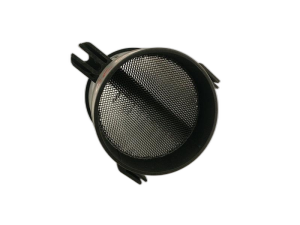
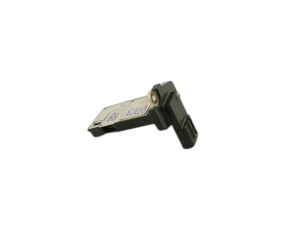

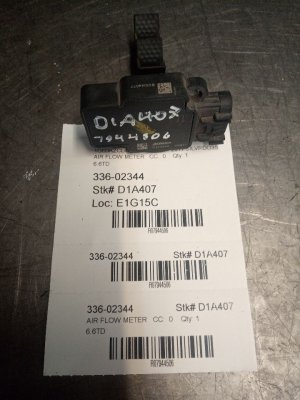

New Aftermarket Parts Available
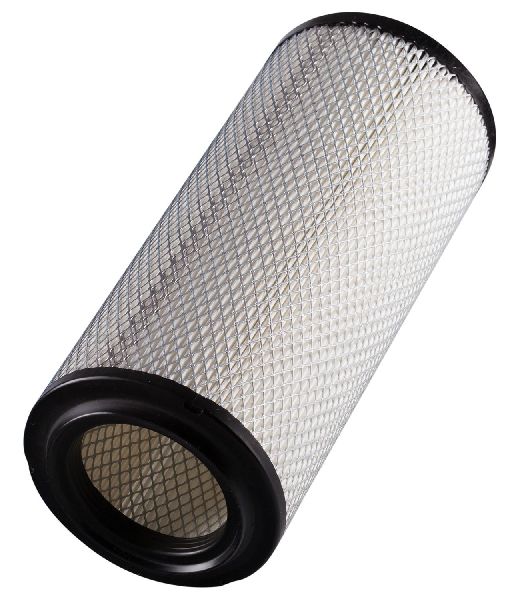


The information in this article is provided for general reference and educational purposes only. Vehicle specifications, procedures, and part compatibility can vary by production date, trim level, and region. Always consult your vehicle's factory service manual and verify part numbers before purchasing or performing repairs. Safety-critical components such as airbags, seat belts, and braking systems should be installed by a qualified professional.
- Chevrolet EXPRESS:
- 🎬 Helpful Videos
- 🛍️ Shop This Part
- What's Unique About the 2007-2011 Chevrolet EXPRESS
- Diagnostic Flowchart
- Symptoms You May Notice
- Most Likely Causes
- Rare But Worth Checking
- Diagnosis Steps
- Parts You'll Likely Need
- Related Codes That Often Appear With This One
- Technical Service Bulletins (TSBs) & Recalls
- Platform-Specific Known Issues
- Mechanic-Grade Diagnostic Values
- Scan Tool Commands That Help
- Wiring & Ground Locations
- Real Owner Repair Stories
- "I Checked Everything" — The Actual Cause
- OEM Part Supersession History
- Model Year Variations Within This Range
- 🎟️ Get 5% Off