

P0089 on 2012-2018 Ford Focus 1.6L EcoBoost: Causes and Fixes for Fuel Pressure Issues
On a 2012-2018 Ford Focus with the 1.6L EcoBoost engine, code P0089 is most often caused by a failing high-pressure fuel pump (HPFP). This leads to stalling, hesitation, and limp mode. A faulty low-pressure fuel sensor is another common, cheaper culprit to check first. Expect to pay $300-$600 for an OEM pump, with a DIY difficulty of 4/5 due to the high-pressure lines.
- P0089 on your 1.6L EcoBoost Focus almost always points to a fuel delivery problem, with the high-pressure fuel pump (HPFP) being the most likely cause.
- Do not continue to drive the vehicle. The risk of the engine stalling in traffic is high and poses a serious safety hazard.
- Diagnosis should start by comparing desired vs. actual fuel rail pressure with a scan tool. A large difference under load strongly suggests a failing HPFP.
- Due to the extreme pressures in the GDI fuel system, this repair is best left to a professional unless you are experienced and have the correct tools.
- When replacing the HPFP, you must also replace the single-use high-pressure fuel line to prevent dangerous leaks.
What's Unique About the 2012-2018 Ford Focus

The 1.6L EcoBoost is a Gasoline Direct Injection (GDI) engine that relies on a camshaft-driven high-pressure fuel pump (HPFP) to achieve pressures over 1,500 PSI. This pump, and its associated sensors, are known failure points on this platform and are the most common cause of P0089. Unlike a simple low-pressure system, diagnosing this code requires checking both the in-tank low-pressure pump and the engine-mounted high-pressure pump, but suspicion should fall heavily on the HPFP and low-pressure fuel sensor first.
Symptoms You May Notice
- Check Engine Light is on
- Engine enters 'limp mode', often limiting RPMs to below 3,000.
- Hesitation, stuttering, or bucking when accelerating.
- Engine 'falls on its face' or loses all power during hard acceleration.
- Engine stalls, especially when coming to a stop or at idle.
- Extended cranking time before the engine starts ('long crank').
- Noticeable loss of power and poor acceleration.
- Rough or unstable idle.
- Decreased fuel economy.
- Replacing the high-pressure fuel pump (HPFP) when the much cheaper low-pressure fuel sensor is the actual cause.
- Replacing the fuel rail pressure sensor when the high-pressure fuel pump is the actual cause.
Most Likely Causes

- Failing High-Pressure Fuel Pump (HPFP) 🔴 High Probability The mechanical, camshaft-driven HPFP is a common failure item. The internal mechanism or the tappet (cam follower) that rides on the camshaft can wear out, failing to generate the required pressure. In some cases, the pump's ticking noise may get noticeably quieter when it fails.
How to confirm: Use a scan tool to monitor 'Desired Fuel Rail Pressure' vs. 'Actual Fuel Rail Pressure'. If the actual pressure cannot keep up with the desired pressure, especially under load, the HPFP is the likely culprit. Inspect the cam follower/tappet for wear; if it is heavily worn or damaged, the camshaft lobe itself may also be damaged.
Typical fix: Replace the high-pressure fuel pump, its cam follower (tappet), and the one-time-use high-pressure fuel line that connects it to the fuel rail.
Est. part cost: $300-$600 - Faulty Low-Pressure Fuel Sensor 🟡 Medium Probability This sensor, located on the low-pressure line leading to the HPFP, is a known high-failure item. Ford issued a Technical Service Bulletin (SSM 48397) for this sensor causing code P0087. It can send incorrect readings, causing the PCM to set a performance code. A failed sensor may get stuck at a fixed reading, such as 108 PSI.
How to confirm: Due to its high failure rate and low cost, it is often recommended to replace this sensor before condemning the more expensive HPFP, especially if P0087 is also present. A diagnostic test involves checking the low-side fuel pressure (typically 60-85 PSI) to see if it's stable and within spec.
Typical fix: Replace the low-pressure fuel sensor.
Est. part cost: $50-$100 - Faulty Fuel Rail Pressure Sensor (High-Pressure) ⚪ Low Probability This sensor provides the critical high-pressure feedback to the PCM. If it sends inaccurate readings, the PCM will set a performance code even if the pump is working correctly. While it can fail, it is less common than the HPFP or the low-pressure sensor.
How to confirm: If fuel pressure readings on the scan tool are erratic, jump to maximum/minimum values, or do not change with engine RPM, the sensor is suspect. Disconnecting the sensor may cause the engine to run on a default fuel map, and if performance improves, it points to a faulty sensor. A static test with key-on-engine-off should show around 0.5V on the signal wire.
Typical fix: Replace the fuel rail pressure sensor located on the high-pressure fuel rail.
Est. part cost: $50-$120 - Failing In-Tank Low-Pressure Fuel Pump ⚪ Low Probability The HPFP cannot do its job if it isn't being fed enough fuel from the tank. A weak in-tank pump can starve the HPFP, causing pressure to drop under high demand, though this is less common than HPFP or sensor failure.
How to confirm: A fuel pressure test on the low-pressure side of the system is required. If the pressure is below specification (typically 60-85 PSI), the in-tank pump is likely at fault.
Typical fix: Replace the in-tank fuel pump module.
Est. part cost: $200-$400
Rare But Worth Checking
- Worn Camshaft Lobe: In severe cases, a failed HPFP cam follower can wear down the exhaust camshaft lobe that drives the pump. If this happens, replacing only the pump will not solve the issue, and the new pump may be quickly damaged. The camshaft itself will require replacement.
- Leaking Fuel Injector(s): A mechanically stuck-open or leaking fuel injector can cause a drop in rail pressure, mimicking a pump or regulator issue and potentially triggering P0089.
- Clogged Fuel Filter/Strainer: The in-tank fuel pump has an integrated strainer that is considered a non-serviceable part on petrol models. While rare, severe fuel contamination could restrict it, but this typically necessitates replacing the entire fuel pump assembly.
- Wiring Harness Issue: A short or open circuit in the wiring to the fuel rail pressure sensor or the HPFP's volume control solenoid can cause erratic signals and trigger P0089. In one documented case, pushed-out pins in the PCM connector were the root cause after other repairs failed. This should be investigated if new parts don't solve the issue.
Diagnosis Steps
- Connect an OBD-II scanner and confirm P0089 is present. Note any other codes, especially P0087 or P0088.
- Using the scanner's live data function, graph 'Desired Fuel Rail Pressure' and 'Actual Fuel Rail Pressure'.
- At idle, the values should be close. Rev the engine or perform a cautious test drive under load. If the actual pressure drops significantly or lags far behind the desired pressure, suspect a fuel delivery issue.
- Given its high failure rate, inspect and consider replacing the low-pressure fuel sensor (subject of TSB SSM 48397) as a primary diagnostic step.
- If the actual pressure reading is erratic, stuck at one value, or reads 0, inspect the high-pressure fuel rail sensor and its wiring connector.
- Visually inspect the area around the HPFP (on the engine) and the fuel rail for any signs of fuel leaks.
- Listen for a loud ticking or knocking sound from the HPFP. Note that in some cases, the pump may become quieter than normal when it fails.
- If the HPFP is removed, inspect the cam follower (tappet) and the camshaft lobe for scoring or wear. Significant damage to the lobe requires camshaft replacement.
- If a new HPFP is installed, the engine must be rotated so the camshaft lobe for the pump is on its base circle (lowest point) to prevent damage during installation.
- After the repair is complete, clear all diagnostic trouble codes. The vehicle may continue to run poorly until the codes are cleared.
Parts You'll Likely Need

- High-Pressure Fuel Pump (HPFP)
(OEM #BM5Z-9350-AFC (also BM5Z-9350-A))— This is the most common failure point for code P0089 on the 1.6L EcoBoost engine, responsible for generating the high pressure required for direct injection.
Trusted brands: Motorcraft, Bosch
OEM price range: $350-$600
Aftermarket price range: $200-$450 - Low-Pressure Fuel Sensor
(OEM #BU5Z-9F972-B (Motorcraft CM-5226))— A very common failure point identified in Ford TSB SSM 48397. It provides low-side pressure data to the PCM and is a frequent cause of P0087/P0089.
Trusted brands: Motorcraft, Bosch
OEM price range: $50-$100
Aftermarket price range: $30-$70 - High-Pressure Fuel Line
(OEM #Varies by VIN (e.g., CJ5Z9J323B for some models))— This is a one-time-use, 'torque-to-yield' part. It must be replaced any time it is removed, such as during an HPFP replacement, to prevent dangerous high-pressure fuel leaks.
Trusted brands: Motorcraft
OEM price range: $40-$70
Related Codes That Often Appear With This One
- P0087 — P0087 ('Fuel Rail/System Pressure - Too Low') is extremely common with P0089. It specifically indicates low pressure, which strongly points to a failing HPFP, a worn cam follower, or a faulty low-pressure sensor.
- P0088 — P0088 ('Fuel Rail/System Pressure - Too High') can appear with P0089 if the fuel pressure regulator component of the HPFP is stuck, causing excessive pressure.
- P0191 — P0191 ('Fuel Rail Pressure Sensor Circuit Range/Performance') points more directly to an electrical fault with the high-pressure sensor or its circuit, rather than a mechanical pump issue.
Technical Service Bulletins (TSBs) & Recalls
- Safety Recall 17S09: Coolant Level Sensor System Installation for 1.6L EcoBoost engines to prevent damage from overheating.
- SSM 48397: Identifies the low-pressure fuel sensor (BU5Z-9F972-B) as a common cause for code P0087 on EcoBoost engines.
- TSB 19-2375: Addresses coolant intrusion on the related 1.5L EcoBoost engine, highlighting the known issue with this engine family's block design.
Platform-Specific Known Issues
- Ford issued Safety Recall 17S09 for certain 2014 Focus models (among other vehicles) with the 1.6L EcoBoost engine. The recall addresses a risk of the cylinder head cracking due to localized overheating from coolant loss, which could cause an oil leak and engine fire. The remedy involves installing a coolant level sensor system.
Mechanic-Grade Diagnostic Values
- Low-Pressure Fuel System (Scan Tool PID) — expected: ~70-100 PSI, fluctuating with load.. Failure: Stuck at a fixed value (e.g., 108-109 PSI) or reads 0 PSI while running.
- Low-Pressure Fuel System (Mechanical Gauge) — expected: 60-85 PSI, stable at idle.. Failure: Pressure below 60 PSI or unstable readings.
- High-Pressure Fuel System (Scan Tool PID at Idle) — expected: Actual pressure should closely match desired pressure (e.g., ~290-350 PSI).. Failure: Actual pressure is significantly lower than desired (e.g., Actual 76 PSI vs. Desired 388 PSI).
- High-Pressure Fuel Rail Sensor Signal Voltage (KOEO) — expected: Approximately 0.5V.. Failure: Voltage is stuck at 0V or 5V.
- Low-Pressure Fuel Sensor Reference Voltage (KOEO, unplugged) — expected: 5.0V on the reference wire.. Failure: Voltage is not present, indicating a wiring or PCM issue.
Scan Tool Commands That Help

- Ford IDS: Reset PRV (Pressure Relief Valve) Counters — After a repair involving the high-pressure fuel system, especially if P0089 persists. Failure to reset these counters can prevent the code from being cleared, as the PCM may still believe a high-pressure event has occurred.
- Ford IDS: Relative Injector Flow Test — To check for leaking or restricted injectors that could cause a pressure drop. The tool pulses each injector and measures the corresponding drop in fuel rail pressure, comparing the results to identify an outlier.
Wiring & Ground Locations
- C175B — This is a main connector for the Powertrain Control Module (PCM).. The C175B connector contains pins for crucial fuel system components, including the fuel tank pressure transducer and accelerator pedal position sensors. A fault, such as a pushed-out pin or corrosion within this connector, can disrupt signals and lead to fuel pressure codes.
Real Owner Repair Stories
- ScannerDanner Forum (Ford Focus (year not specified, but GDI)) — Long crank time, poor acceleration, P0087 code.
❌ Tried (didn't work) Replacing low-pressure fuel sensor, Replacing high-pressure fuel rail sensor, Replacing high-pressure fuel pump with a used unit
✅ What actually fixed it The technician removed the PCM and discovered two connector pins were pushed out of the socket from a previous repair. Reseating the pins in the PCM connector resolved the low fuel pressure issue. - Ford Owners Club user 'Chad!' (Ford Focus 1.6 EcoBoost (150bhp)) — Sudden loss of power, limp mode (won't rev above 3k RPM), misfiring, P0087 pending code. The typical ticking sound of the HPFP was noticeably quieter than normal.
❌ Tried (didn't work) Initial diagnosis with basic code readers
✅ What actually fixed it Replacing the high-pressure fuel pump (HPFP) fixed the issue. The user noted that after replacement, the fault codes had to be cleared before the car would run correctly.
"I Checked Everything" — The Actual Cause
- In a documented case for code P0087 (often paired with P0089), a vehicle passed all standard parts-replacement diagnostics (new sensors, new pump) but the problem persisted. The root cause was not a leak or a faulty component, but two pushed-out pins in the main PCM electrical connector, which was only found after a manual inspection of the harness.
OEM Part Supersession History
BU5Z-9F972-A→BU5Z-9F972-B (Motorcraft CM-5226)— Part revision for the low-pressure fuel sensor. The -B revision is the subject of TSB SSM 48397, indicating it's the updated part to address common failures.
Diagnostic Flowchart
Other Known Issues on This Vehicle
Issues unrelated to this code that are worth knowing about as an owner of this generation:
- Engine Block Coolant Intrusion 🔴 High — A widespread and well-documented design flaw affecting 1.5L, 1.6L, and 2.0L EcoBoost engines. Coolant leaks into the cylinders, causing misfires (P030X), rough running, and eventual catastrophic engine failure. Onset can be at various mileages. (Ref: Multiple TSBs exist, such as 19-2375 for the related 1.5L engine. Ford redesigned the engine block for later models, but no universal recall was issued for this specific defect.)
- Overheating and Cracked Cylinder Head 🔴 High — Caused by rapid coolant loss, which can lead to localized overheating of the cylinder head, causing it to crack. This can result in a pressurized oil leak and risk of engine fire. (Ref: Ford Safety Recall 17S09 was issued for this issue on 2013-2015 1.6L EcoBoost vehicles. The fix involves installing a coolant level sensor and updating the PCM to provide a warning to the driver.)
- Turbocharger Failure 🟠 Medium — The turbocharger can fail due to issues like oil contamination, poor lubrication from infrequent oil changes, or excessive heat. Symptoms include whining noises, loss of power, and blue/grey exhaust smoke. (Ref: TSB 14-0201 was issued for related overboost codes on some 1.6L engines due to leaking vacuum hoses for the wastegate.)
Used vs. New Parts: Buying Guide for This Vehicle
When a used part is the smart pick: For this repair, using used parts is generally not recommended. The key components (HPFP and sensors) are high-failure items. A used HPFP from a junkyard carries a significant risk of having the same wear-related issues or a limited remaining lifespan. Given the labor involved, installing a used pump is a gamble.
Donor-vehicle mileage cap: roughly under 40000 miles for the part to have meaningful remaining life.
What to inspect on the donor part:
- For an HPFP, there are no reliable external cues. Internal wear is the primary failure mode.
- For sensors, check for physical damage, corrosion on the pins, or a cracked housing.
- Always try to get parts from a vehicle with the lowest possible mileage and a known history if available.
OEM-only on this vehicle (don't cheap out):
- High-Pressure Fuel Pump (HPFP)
- High-Pressure Fuel Line (must be new, never used)
- Low-Pressure Fuel Sensor
Aftermarket brands forum-validated for this vehicle:
- Bosch (often the OEM supplier for Ford fuel system components)
Brands owners have reported issues with on this vehicle:
- Unnamed, no-brand parts from online marketplaces should be avoided due to inconsistent quality and high failure rates reported on forums.
Real Owner Stories
Aggregated from forums and TSBs cited above. Mileages and costs reflect what owners reported in those sources.
2012-2018 Ford Focus 1.6L EcoBoost
Symptoms: The engine entered limp mode and threw code P0087. The owner noticed the normal ticking sound of the high-pressure fuel pump had become very quiet.
What fixed it: Replacement of the high-pressure fuel pump and clearing the diagnostic trouble codes.
Source hint: Ford Owners Club - 'Focus 1.6 Ecoboost petrol P0087 - Help.'
2012-2018 Ford Focus 1.6L EcoBoost
Symptoms: Experienced P0089 and limp mode specifically during long drives. Replacing the high-pressure sensor did not resolve the issue.
What fixed it: Replacing the camshaft and the HPFP cam follower due to severe mechanical wear.
Source hint: Reddit r/MechanicAdvice - 'Ford error P0089'
2017 Ford Escape 1.6L EcoBoost
Symptoms: Low fuel rail pressure and a total loss of power. Diagnostic graphing showed 'Actual' fuel pressure failing to meet 'Desired' pressure under load.
What fixed it: Replacement of the HPFP and the camshaft, as the pump plunger was completely worn out and had damaged the camshaft lobe.
Source hint: YouTube (Busted the Build) - 'Ecoboost low fuel rail pressure and no power: P0087 Diagnosis and repair'
2011 Ford Mondeo 1.6L EcoBoost
Symptoms: Persistent P0089 code. The owner replaced both the high-pressure and low-pressure fuel pumps, but the code remained.
What fixed it: Replacing the low-pressure fuel sensor located on the metal pipe leading to the HPFP.
Source hint: Ford-Club Finland - 'Ford Mondeo MK4 1.6 ecoboost 2011 P0089'
Related OBD-II Codes
Frequently Asked Questions
My 2012-2018 Ford Focus 1.6L EcoBoost is throwing P0089; is there a specific sensor I should check first according to Ford?
I heard there is a safety recall for the 1.6L EcoBoost engine; does it cover the fuel pump issues?
Why did my Ford Focus engine start 'falling on its face' and limiting RPMs to 3,000?
My HPFP stopped making its usual ticking noise and now I have a P0089 code. Is that normal?
Can a worn camshaft cause the P0089 code on my Focus?
What should the low-side fuel pressure be on a 2012-2018 Focus 1.6L?
Helpful Videos

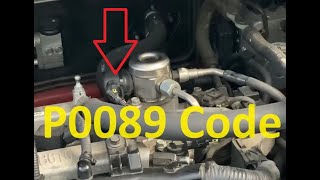
We Have This Part in Stock

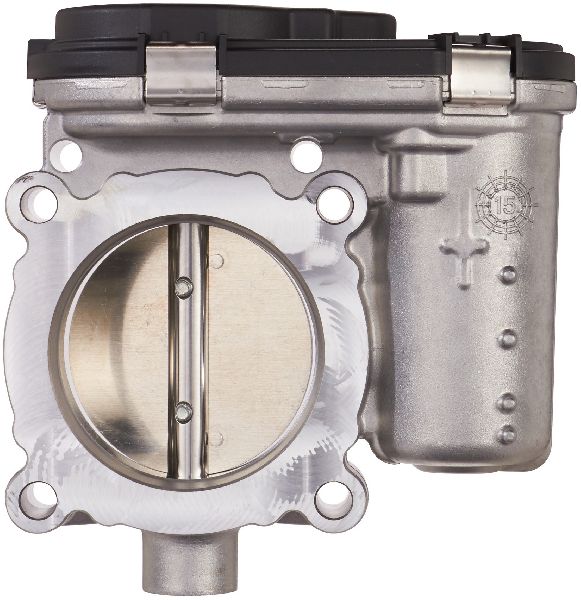
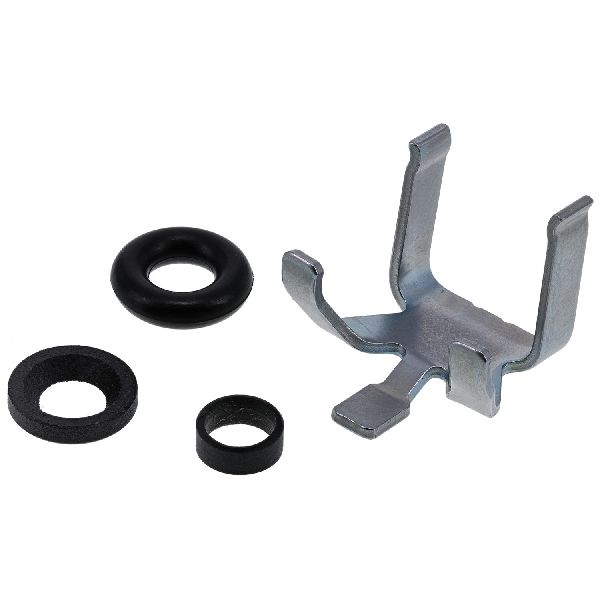

The information in this article is provided for general reference and educational purposes only. Vehicle specifications, procedures, and part compatibility can vary by production date, trim level, and region. Always consult your vehicle's factory service manual and verify part numbers before purchasing or performing repairs. Safety-critical components such as airbags, seat belts, and braking systems should be installed by a qualified professional.
- Ford Focus:
- 🎬 Helpful Videos
- 🛍️ Shop This Part
- What's Unique About the 2012-2018 Ford Focus
- Symptoms You May Notice
- Most Likely Causes
- Rare But Worth Checking
- Diagnosis Steps
- Parts You'll Likely Need
- Related Codes That Often Appear With This One
- Technical Service Bulletins (TSBs) & Recalls
- Platform-Specific Known Issues
- Mechanic-Grade Diagnostic Values
- Scan Tool Commands That Help
- Wiring & Ground Locations
- Real Owner Repair Stories
- "I Checked Everything" — The Actual Cause
- OEM Part Supersession History
- Diagnostic Flowchart
- Other Known Issues on This Vehicle
- Used vs. New Parts: Buying Guide for This Vehicle
- Real Owner Stories
- 2012-2018 Ford Focus 1.6L EcoBoost
- 2012-2018 Ford Focus 1.6L EcoBoost
- 2017 Ford Escape 1.6L EcoBoost
- 2011 Ford Mondeo 1.6L EcoBoost
- Related OBD-II Codes
- Frequently Asked Questions
- 🎟️ Get 5% Off