

P0089 on 2005-2011 Ford Focus 1.8L TDCi: Causes and Fixes
For a 2005-2011 Focus 1.8L TDCi, code P0089 is most often caused by a clogged fuel filter. Before replacing expensive components, start with a new, high-quality fuel filter (Ford Finis: 2042987). If the problem persists, suspect leaking injectors (perform a leak-off test) or a faulty fuel pressure regulator (Suction Control Valve) on the high-pressure pump.
- Always start your diagnosis of P0089 on a Focus 1.8 TDCi by replacing the fuel filter with a high-quality part.
- Do not replace the expensive high-pressure fuel pump unless all other, more common causes have been ruled out.
- A loss of power when accelerating or climbing hills is the classic symptom pointing towards this fuel pressure performance issue.
- An injector leak-off test is a crucial and relatively simple diagnostic step to identify faulty injectors before considering pump replacement.
- Using a scan tool to compare desired vs. actual fuel rail pressure is essential for effective diagnosis.
What's Unique About the 2005-2011 Ford Focus

The 1.8L TDCi is a Ford 'Lynx' engine, an older design updated with a Siemens common rail fuel system (often with a SID803 or SID202 ECU), unlike the PSA-derived 1.6L and 2.0L TDCi engines in other Fords. This Siemens system is notoriously sensitive to fuel quality and filtration. While P0089 is a generic code, on the Mk2 Focus, the most common trigger is simply a partially clogged fuel filter restricting flow. Owners and diesel specialists on forums strongly advise starting diagnosis with a new OEM-quality fuel filter before considering more expensive repairs, as aftermarket filters can cause this issue even when new.
Generation note: The 2005-2011 year range covers the Ford Focus Mk2 (C307) and its facelift (Mk2.5). The 1.8L Duratorq TDCi (engine codes KKDA/KKDB) and its Siemens fuel system were used throughout this generation, so the causes and fixes are consistent across these years.
Symptoms You May Notice
- Check Engine Light illuminated
- Loss of power, especially when accelerating or going uphill.
- Engine hesitation or sputtering under load.
- Engine may stall or cut out, sometimes without warning.
- 'Engine System Fault' message on the dashboard display.
- Difficulty starting the engine, or engine won't start at all.
- Reduced fuel economy
- Excessive black smoke from the exhaust under acceleration.
- Replacing the high-pressure fuel pump immediately. This is an expensive part and is far less likely to be the cause than a simple clogged fuel filter or a leaking injector.
- Replacing the fuel pressure regulator (SCV) based only on the code's name. It should be tested after the filter and injectors are confirmed to be good.
- Using a cheap, poor-quality aftermarket fuel filter, which can itself be the cause of the code.
Most Likely Causes

- Clogged or Poor Quality Fuel Filter 🔴 High Probability The Siemens fuel system requires high flow and fine filtration. The filter is a known bottleneck, and even slight clogging causes a pressure drop under load that the sensitive ECU immediately flags as P0089. Aftermarket filters are a frequent cause of this code.
How to confirm: Start by replacing the fuel filter. It is a routine maintenance item and the most common, low-cost fix. When replacing, inspect the contents of the old filter housing for dark slime (bacterial growth from diesel) or fine metallic particles ('swarf'), which indicates a failing high-pressure pump.
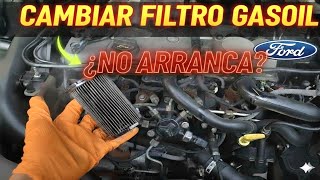
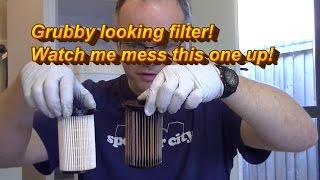
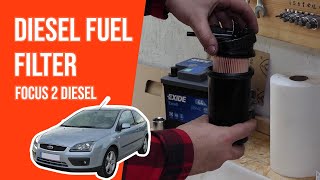
Typical fix: Replace the fuel filter and its housing seals. Use a high-quality OEM (Ford/Motorcraft) or OE-equivalent (Bosch, Mahle, Mann) filter. Bleed the system properly after replacement to avoid 🎬 Watch: Step-by-step guide to replacing and bleeding the fuel filter. introducing air.
Est. part cost: $25-$60 - Excessive Injector Leak-Off 🟡 Medium Probability As the high-mileage Siemens injectors wear, internal valves allow excess fuel to return to the tank instead of being injected. This 'leaks off' pressure from the fuel rail, preventing the system from reaching the pressure commanded by the ECM, especially under load or during cranking.
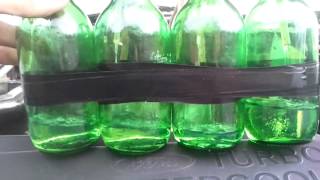
How to confirm: Perform a fuel injector leak-off test. 🎬 See how to perform a DIY injector leak-off test. This involves connecting measurement bottles to the return ports of each injector and measuring the amount of fuel returned over a specific time (e.g., 1-4 minutes at idle). An injector that fills its bottle significantly faster than the others is faulty. A healthy system needs at least 250 bar of pressure to start.
Typical fix: Replace the faulty injector(s). It is often recommended to replace them as a set on high-mileage vehicles, as others may soon fail. Injectors may require coding to the ECU.
Est. part cost: $150-$300 per injector - Faulty Fuel Pressure Regulator (Suction Control Valve) 🟡 Medium Probability This valve, also known as the Fuel Metering Valve or Inlet Metering Valve (IMV), is mounted on the high-pressure pump and controls the volume of fuel entering it. It can stick, wear out, or fail electronically, causing erratic fuel pressure that deviates from the ECM's target.
How to confirm: Diagnosis requires a scan tool (like FORScan) to monitor 'FRP_DES' (Desired Fuel Rail Pressure) vs 'FRP' (Actual Fuel Rail Pressure). If pressure is erratic, spikes, or fails to build despite a clean filter and good injectors, the valve is a likely suspect. It can be tested for resistance and proper electronic response.
Typical fix: Replace the fuel pressure regulator/suction control valve on the high-pressure pump. This is often a Siemens/VDO part.
Est. part cost: $70-$150 - Failing High-Pressure Fuel Pump ⚪ Low Probability Internal wear in the Siemens/VDO high-pressure pump can lead to an inability to generate sufficient pressure. This is less common than filters or injectors but is a catastrophic failure.
How to confirm: This is typically diagnosed after all other possibilities have been ruled out. The key warning sign is the presence of fine metal particles (swarf) in the fuel filter housing. A diesel specialist can perform a high-pressure pump output test; a healthy pump should be able to generate up to 1600 bar.
Typical fix: Replace the high-pressure fuel pump. If metal particles are found, the entire fuel system (tank, lines, rail, injectors) must be professionally cleaned or replaced to prevent the new pump from failing immediately. This is a very expensive repair.
Est. part cost: $400-$800 for a remanufactured pump, $1000+ for new
Rare But Worth Checking
- Faulty Fuel Rail Pressure Sensor: The sensor that reads the pressure in the rail can fail and send incorrect data to the ECM. One owner on FordOwnersClub.com traced a persistent P0089 and no-start condition to a faulty rail pressure sensor that was reading 0 at all times.
- Air Ingress into Fuel System: A leak on the suction side of the fuel system, such as a poorly sealed fuel filter housing (especially a cracked or missing O-ring), a cracked fuel line, or a faulty primer bulb can allow air to be drawn in, causing pressure fluctuations and triggering the code.
- Wiring or Connector Issues: Damaged wiring or corroded connectors for the fuel rail pressure sensor or the fuel pressure regulator (SCV) can cause intermittent or incorrect signals, leading to the P0089 code. Wiggling the connectors while the engine is running can sometimes reveal a bad connection.
Diagnosis Steps

- Check for other stored DTCs to get a complete picture of the fault.
- Using a capable scan tool (like FORScan), monitor live data PIDs: 'FRP_DES' (Desired Fuel Rail Pressure) and 'FRP' (Actual Fuel Rail Pressure). Compare the values during idle, light load, and heavy acceleration. A large deviation under load points towards a flow issue.
- Replace the diesel fuel filter with a new, high-quality OEM or equivalent part (e.g., Ford Finis 1386037). Inspect the 🎬 Watch: Helpful tips for a successful fuel filter change. old filter housing for metal flakes. Clear codes and re-test. This simple step resolves the issue in a majority of cases.
- Inspect the fuel filter housing for any signs of cracks or improper sealing (especially the large O-ring). A tiny split in the seal can introduce air.
- If the problem persists, perform a fuel injector leak-off test to check for worn injectors. Any injector leaking significantly more than the others is faulty.
- If the filter and injectors are good, inspect the wiring and connectors for the fuel rail pressure sensor and the fuel pressure regulator (suction control valve) for any damage or corrosion.
- If all other components test good, the fault likely lies with the fuel pressure regulator (suction control valve) on the high-pressure pump or, in the worst case, the high-pressure fuel pump itself. Further testing by a diesel specialist may be required.
Parts You'll Likely Need

- Diesel Fuel Filter
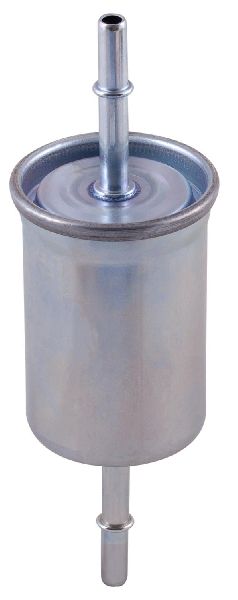
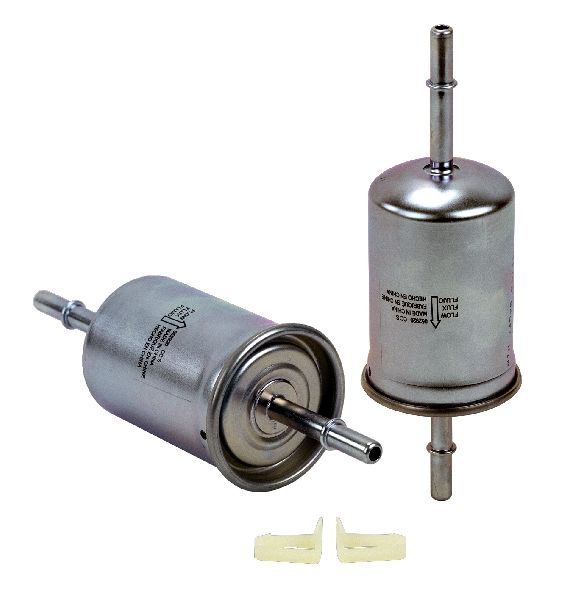
(OEM #Ford Finis: 1386037 (replaces 5M5Q9155AA))— This is the most common cause of P0089 on this engine due to flow restriction when clogged. It is a standard maintenance item and the first part to replace during diagnosis.
Trusted brands: Motorcraft, Bosch, Mahle, Mann-Filter
OEM price range: $40-$60
Aftermarket price range: $25-$45 - Fuel Pressure Regulator / Suction Control Valve (SCV)
(OEM #Siemens/VDO: X39-800-300-018Z)— The second most likely component to fail after the filter and injectors. It controls fuel entering the high-pressure pump and can stick or fail electronically.
Trusted brands: Siemens/VDO, Continental
OEM price range: $100-$150
Aftermarket price range: $70-$120 - Fuel Injector
(OEM #Siemens: 4M5Q9F593AD / A2C59511610)— High mileage can cause internal wear, leading to excessive leak-off and a drop in rail pressure. A leak-off test is required to confirm.
Trusted brands: Siemens/VDO (New), WTDiesel (Remanufactured), DieselFixNeuss (Remanufactured)
OEM price range: $250-$400 per injector
Aftermarket price range: $150-$250 per remanufactured injector
Related Codes That Often Appear With This One
- P0087 — Fuel Rail/System Pressure - Too Low. This code often accompanies P0089 as it specifically indicates the low-pressure condition that results from a clogged filter or leaking injector.
- P0088 — Fuel Rail/System Pressure - Too High. This can occur if the fuel pressure regulator (suction control valve) sticks in a position that causes pressure to exceed the commanded value.
Mechanic-Grade Diagnostic Values
- Minimum Fuel Rail Pressure for Starting — expected: >= 250 bar. Failure: Pressure failing to reach 250 bar during cranking indicates a major issue with the pump, injectors, or regulator.
- High-Pressure Pump Maximum Output Test — expected: Should reach ~1600 bar. Failure: Significantly lower pressure suggests a worn or failing high-pressure pump.
- Injector Leak-Off Test (3-Minute Idle) — expected: Less than 30ml per injector. Failure: Any injector returning more than 30ml of fuel in 3 minutes at idle is considered to have excessive back leakage.
- Injector Leak-Off Test (5-Minute Dynamic) — expected: Max leak-off of 30-35ml, with all injectors being within ~10-15% of each other.. Failure: One injector showing significantly more (or less) fuel return than the others. For example, one at 70ml while others are at 60ml indicates a potential issue.
- Fuel Rail Pressure Sensor Live Data (Cranking/KOEO) — expected: A non-zero pressure reading.. Failure: A constant reading of 0 bar indicates a failed sensor or wiring fault.
Hidden / Shadow Codes Worth Checking
- P0089 (with extended data): Some professional scan tools (e.g., Delphi diagnostics) may provide additional context, such as 'Signal is above maximum threshold' or 'Signal is below minimum threshold', which helps differentiate between a high or low pressure deviation that triggered the generic code. (see via Professional-grade scan tools like Delphi, Bosch KTS, or potentially with advanced PIDs in FORScan.)
Scan Tool Commands That Help
- FORScan / Ford IDS: Reset Knock Sensor Learned Values — This procedure is recommended by Ford ONLY when all four fuel injectors are replaced simultaneously on the 1.8L TDCi with a Siemens system. It is not required when replacing one or two injectors.
- FORScan / Ford IDS: Injector Correction Factors (Coding) — This is NOT required for the Siemens injectors on the Focus Mk2 1.8L TDCi. This is a significant detail, as many other common rail diesels require injectors to be coded to the ECU. Knowing this saves diagnostic time and avoids unnecessary procedures.
Wiring & Ground Locations
- Main Engine Bay Ground — On the chassis, located underneath the air filter box, in front of the battery.. A poor ground here can cause erratic behavior from the ECU and engine sensors, including those in the fuel system, potentially leading to incorrect pressure readings or control.
- Cabin Ground Point — Behind the glovebox. The glovebox must be removed (6 Torx screws) to access an earth bolt on the chassis structure above the glovebox area.. Relevant for any circuits powered by the Central Junction Box (cabin fuse panel). A fault here could affect power to the ECU or related modules.
- Suction Control Valve (SCV) Connector — On the high-pressure fuel pump.. This is a 2-pin connector. Knowing this allows for targeted testing of voltage supply and resistance of the valve itself, helping to isolate a faulty valve from a wiring problem.
Real Owner Repair Stories
- FordOwnersClub user 'RoadkillUK' (2006 Ford Focus 1.8 TDCi) — Intermittent no-start, eventually becoming a permanent no-start. P0089 code present.
❌ Tried (didn't work) Replacing the fuel filter, Replacing the Fuel Pressure Regulator (SCV), Replacing the Fuel Metering Valve
✅ What actually fixed it The final fix was replacing the Fuel Rail Pressure Sensor, which was reading 0 bar at all times on a scan tool. After replacement, the system had to be thoroughly bled of air to start. - FordOwnersClub user 'RoadkillUK' (initial fault) (2006 Ford Focus 1.8 TDCi) — Car stalled and would not restart, then started after 5 minutes. Later became a persistent no-start issue with code P0089.
❌ Tried (didn't work) Initially suspected the fuel pump or other major components.
✅ What actually fixed it A new fuel filter fixed the car. The user noted that the large O-ring seal that came with the new filter had a 'slightest of splits' which was likely allowing the system to draw in air, causing the pressure loss.
"I Checked Everything" — The Actual Cause
- While not a smoke test, a similar pattern occurs where standard checks miss the issue. A user replaced the fuel filter for a P0089 no-start, but the key was discovering a tiny, almost unnoticeable split in the new filter housing's O-ring seal. This allowed air to enter the fuel system, causing pressure loss that would not be apparent from just a visual inspection of the filter element itself. The fix required replacing the faulty seal, highlighting the importance of all sealing components during a filter change.
OEM Part Supersession History
Ford: 5M5Q9155AA→Ford: 1386037— Standard part update/consolidation.
Heads up: These parts are interchangeable. Many aftermarket brands cross-reference to 1386037.Siemens/VDO: X39-800-300-018Z (Suction Control Valve)→Continental/VDO: A2C59506225— Continental acquired the VDO division and updated part numbers. The new part may also supersede other similar valves like X39-800-300-005Z.
Heads up: The physical design with a flange and two mounting bolts is key. An alternative design exists with a screw-in thread, which is incorrect for this application.
Model Year Variations Within This Range
- 2005-2008 vs 2009-2011: Later models (from approximately 2009 onwards) of the 1.8L TDCi engine may not be fitted with a knock sensor. This is critical if swapping an engine or ECU between early and late Mk2/Mk2.5 cars, as an older ECU will expect a knock sensor signal that a newer engine cannot provide.
- 2005-2011: The engine codes KKDA and KKDB are both used for the 115hp 1.8L TDCi in this chassis. While parts are almost always listed as compatible with both, there may be minor internal or software differences, though none that significantly affect the diagnosis of P0089 have been identified.
Diagnostic Flowchart
Other Known Issues on This Vehicle
Issues unrelated to this code that are worth knowing about as an owner of this generation:
- Dual-Mass Flywheel (DMF) Failure 🔴 High — Common on higher mileage vehicles (80k-120k miles). Symptoms include rattling/chattering noise at idle that disappears when the clutch is pressed, and excessive vibration.
- EGR Valve Sticking/Failing 🟠 Medium — The EGR valve is prone to clogging with carbon, leading to rough running, stalling when pulling away, and 'Engine System Fault' messages. It's often the actuator motor or lifting pin that fails, not just clogging.
- Turbocharger Lag / MAF Sensor Issues 🟡 Low — Some owners report significant turbo lag, which can sometimes be improved by cleaning or replacing the Mass Airflow (MAF) sensor.
- Injector Issues (Non-P0089 related) 🟠 Medium — Injectors can fail electronically or mechanically, especially on the Mk2.5 facelift models which reportedly had a bad batch. This can cause misfires and rough running separate from fuel pressure deviation.
Used vs. New Parts: Buying Guide for This Vehicle
When a used part is the smart pick: For high-cost items like the high-pressure fuel pump or a full set of injectors, a used part from a low-mileage, verified running donor car can be a budget-conscious option. However, the risk of premature failure is high. A professionally remanufactured component with a warranty is a much safer middle ground between expensive new OEM and risky used parts.
Donor-vehicle mileage cap: roughly under 80000 miles for the part to have meaningful remaining life.
What to inspect on the donor part:
- Ask the seller to inspect the donor vehicle's fuel filter housing for any signs of metal particles ('swarf'). If present, do not buy the pump or injectors as the entire system is contaminated.
- Verify the donor vehicle was running well before being dismantled.
- For injectors, look for sellers who provide a test report from a diesel specialist machine.
OEM-only on this vehicle (don't cheap out):
- Fuel Filter: The system is extremely sensitive to filtration quality. Using a cheap, low-quality aftermarket filter is a common cause of P0089. Stick to OEM Ford/Motorcraft or high-quality OES brands (Bosch, Mahle, Mann, Purflux).
Aftermarket brands forum-validated for this vehicle:
- Fuel Filters: Bosch, Mahle, Mann-Filter, Purflux, Hengst.
- Remanufactured Injectors/Pumps: Look for specialists like WTDiesel, DieselFixNeuss, or others that provide a warranty and a computerized test report with the part.
Brands owners have reported issues with on this vehicle:
- Unbranded or 'white-box' fuel filters. The low cost is not worth the risk of causing the very problem you are trying to fix.
- Budget brands like Stark or Ridex for critical fuel components may be lower quality and lack the long-term validation of established OES brands.
Real Owner Stories
Aggregated from forums and TSBs cited above. Mileages and costs reflect what owners reported in those sources.
2006 Ford Focus 1.8 TDCi
Symptoms: The car suffered from a no-start condition and the OBD-II scan revealed code P0089.
What fixed it: The owner replaced the Fuel Rail Pressure Sensor and ensured the system was properly bled of air.
Source hint: Ford Owners Club: '2006 1.8 Tdci Won't Start - Code P0089'
2006 Ford Focus 1.8 TDCi
Symptoms: Owner experienced P0089 and sought advice on replacing the fuel pressure regulator.
What fixed it: Following specialist advice, the diagnostic path started with a genuine Ford fuel filter and checking for bacterial growth/slime before moving to an injector leak-off test.
Source hint: RAC Forum: 'Ford Focus fuel pressure regulator'
Related OBD-II Codes
Frequently Asked Questions
Is the 1.8L TDCi engine in my 2006 Focus the same as the 1.6L or 2.0L versions?
What specific fuel filter should I use for my Focus 1.8L TDCi to avoid P0089?
My Focus display says 'Engine System Fault' and I have code P0089. What is the first thing I should check?
How much fuel pressure does my 1.8L TDCi need to start?
Can I diagnose a faulty injector on my Focus at home?
What does it mean if I find metal flakes in my fuel filter housing?
Helpful Videos
Used OEM Parts in Stock


New Aftermarket Parts Available


The information in this article is provided for general reference and educational purposes only. Vehicle specifications, procedures, and part compatibility can vary by production date, trim level, and region. Always consult your vehicle's factory service manual and verify part numbers before purchasing or performing repairs. Safety-critical components such as airbags, seat belts, and braking systems should be installed by a qualified professional.
- Ford Focus:
- 🎬 Helpful Videos
- 🛍️ Shop This Part
- What's Unique About the 2005-2011 Ford Focus
- Symptoms You May Notice
- Most Likely Causes
- Rare But Worth Checking
- Diagnosis Steps
- Parts You'll Likely Need
- Related Codes That Often Appear With This One
- Mechanic-Grade Diagnostic Values
- Hidden / Shadow Codes Worth Checking
- Scan Tool Commands That Help
- Wiring & Ground Locations
- Real Owner Repair Stories
- "I Checked Everything" — The Actual Cause
- OEM Part Supersession History
- Model Year Variations Within This Range
- Diagnostic Flowchart
- Other Known Issues on This Vehicle
- Used vs. New Parts: Buying Guide for This Vehicle
- Real Owner Stories
- 2006 Ford Focus 1.8 TDCi
- 2006 Ford Focus 1.8 TDCi
- Related OBD-II Codes
- Frequently Asked Questions
- 🎟️ Get 5% Off