

P0088 on 2011-2016 GMC Sierra 2500HD 6.6L LML Duramax: Causes and Fixes for High Fuel Pressure
On a 2011-2016 LML Duramax, P0088 indicates dangerously high fuel rail pressure. This is a critical warning, often pointing to a failing Fuel Pressure Regulator or the beginning of a catastrophic CP4 high-pressure fuel pump failure. Do not drive the vehicle; immediate diagnosis is required to prevent system-wide damage costing thousands. The first step is always to check the fuel filter for metal shavings.
- P0088 on an LML Duramax is a critical code that should be addressed immediately. **Do not drive the vehicle.**
- The most important diagnostic step is to check the fuel filter for metal shavings, which is the tell-tale sign of a catastrophic CP4 high-pressure fuel pump failure.
- If no metal is found, the most likely cause is a faulty Fuel Pressure Regulator (FPR1) on the CP4 pump or a bad Fuel Rail Pressure Sensor.
- Due to the extreme pressures and the risk of system-wide contamination, diagnosis and repair are best left to a qualified diesel technician.
- If the CP4 pump has failed, the only correct repair is to replace the entire fuel system (pump, injectors, rails, lines) to prevent repeat failures.
What's Unique About the 2011-2016 GMC Sierra 2500HD
The 2011-2016 LML Duramax engine uses a Bosch CP4.2 high-pressure fuel pump, which is notoriously prone to failure. Unlike the more robust CP3 pump in earlier Duramax engines, the CP4.2 can disintegrate internally due to a lack of lubricity in modern diesel fuel, sending metal shavings throughout the entire fuel system. Code P0088 is often the first and most critical warning sign of this impending catastrophic failure, as the metal debris contaminates and jams the fuel pressure regulator, causing the dangerously high pressure.
Generation note: The 2011-2016 year range covers two generations of the GMC Sierra 2500HD: the GMT900 (2011-2014) and the K2XX (2015-2016). However, both generations in this period used the same 6.6L LML Duramax engine and the associated Bosch CP4.2 high-pressure fuel system. Therefore, the causes, symptoms, and fixes for code P0088 are consistent across this entire year range. A minor difference exists in the routing of fuel lines on 2011 models versus 2012-2016 models.
Symptoms You May Notice
- Check Engine Light is on
- Engine runs rough or has a noticeable 'fuel knock' at idle
- Reduced engine power (limp mode)
- Hard starting or no-start condition
- Engine may stall unexpectedly
- Black smoke from the exhaust
- Metallic ticking or knocking sound from the engine bay
- Replacing only the fuel pressure regulator without checking for metal shavings. If the CP4 pump is failing, a new regulator will quickly become contaminated and fail again, wasting time and money.
- Replacing the fuel rail pressure sensor when the actual cause is a sticking regulator. Verifying the sensor reading at Key-On-Engine-Off is a crucial diagnostic step.
Most Likely Causes
- Failing High-Pressure Fuel Pump (CP4.2) 🔴 High Probability The Bosch CP4.2 pump used in the LML engine is known for premature failure. Internal components wear and create metal debris that contaminates the fuel system. This is the most feared failure on this platform.
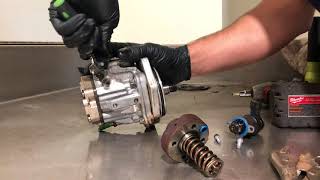
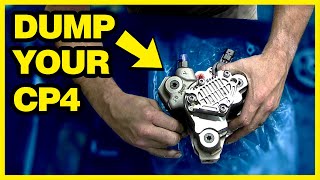
How to confirm: The definitive check is to remove the fuel filter and drain its contents into a clean, clear container. Look for metallic, glitter-like particles. 🎬 Watch: See a CP4 failure teardown and why lift pumps help. You can also inspect the Fuel Pressure Regulator 1 (on the CP4 pump) for magnetic metal debris, as outlined in GM TSB PIP4949E.
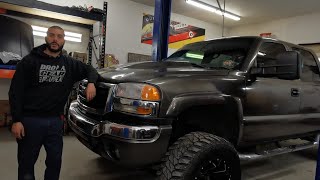
Typical fix: If metal is found, the entire fuel system must be replaced. This includes the CP4 pump, fuel injectors, fuel rails, and all high and low-pressure fuel lines, followed by flushing the fuel tank. Many owners opt to replace the CP4 with a more reliable CP3 pump conversion kit from brands like S&S Diesel Motorsport, Fleece Performance, or Wehrli Custom Fabrication. 🎬 See how to install a 50-state legal CP3 conversion kit.
Est. part cost: $3000-$8000+ - Faulty Fuel Pressure Regulator (FPR) 🔴 High Probability The LML engine has two regulators. FPR1 (Fuel Control Actuator or MPROP) is on the CP4 pump and controls pressure by metering fuel entering the pump. FPR2 is on the driver's side fuel rail and acts as a relief valve. FPR1 is the most common cause of P0088, often sticking due to contamination from a failing CP4 pump or other debris. FPR2 can also get plugged with debris.
How to confirm: Use a scan tool to monitor desired vs. actual fuel rail pressure. If actual pressure is significantly higher than desired, the regulator is a prime suspect. A technician can command the regulator with a scan tool. Also, check that the electrical connectors for FPR1 and FPR2 were not swapped during a prior repair, a common mistake addressed in TSB PIP5119.
Typical fix: Replace the faulty fuel pressure regulator. If it's contaminated with metal, see the 'Failing High-Pressure Fuel Pump' cause, as the entire system is likely compromised.
Est. part cost: $100-$300 - Faulty Fuel Rail Pressure Sensor 🟡 Medium Probability
How to confirm: With the engine off and key on, the fuel rail pressure sensor should read close to zero PSI. If the scan tool shows a high-pressure reading when the engine is off, the sensor is likely faulty and sending an incorrect signal to the ECM.
Typical fix: Replace the fuel rail pressure sensor.
Est. part cost: $80-$150 - Fuel Contamination ⚪ Low Probability As noted in TSB PIP5151F, contamination from water (causing rust), dirt, or Diesel Exhaust Fluid (DEF) can cause fuel system components, including the pressure regulators, to malfunction and stick.
How to confirm: Inspect the fuel in the fuel filter housing for signs of water, rust, or a crystalline structure indicative of DEF contamination. TSB PIP5151F provides visual examples of different contaminants.
Typical fix: If contamination is found, the fuel tank must be drained and cleaned, fuel lines flushed, and all fuel filters replaced. Damaged components like regulators or injectors may also need replacement.
Rare But Worth Checking
- Restricted Fuel Return Line: A kinked or blocked fuel return line can prevent excess fuel pressure from bleeding off, causing it to spike in the rail. The LML has a pressurized return system (around 55-70 PSI) that is critical for piezo injector function, and restrictions can cause issues.
- Incorrectly Set Aftermarket Lift Pump: If an aftermarket lift pump is installed and its pressure is set too high (e.g., above 10 PSI), it can overwhelm the high-pressure pump's regulator during deceleration, causing a P0088 code. Some CP3 conversion kits specify a maximum lift pump pressure as low as 2 PSI.
- Wiring Issues: A short in the wiring harness for the fuel pressure regulators or sensor can cause false high-pressure readings. A known chafe point is the harness behind the A/C compressor, which can rub and ground out. Loose main ground connections have also been reported to cause intermittent pressure spikes.
Diagnosis Steps
- CRITICAL FIRST STEP: Check for CP4 Failure. Before doing anything else, inspect the fuel filter for metal shavings. Drain the fuel filter housing into a clean, clear jar and shine a light on it. If you see metallic glitter, the CP4 pump has failed. The entire fuel system needs replacement. Do not proceed further or run the engine.
- Scan Tool Data Analysis. If no metal is found, connect a scan tool. Monitor 'Desired Fuel Rail Pressure' vs. 'Actual Fuel Rail Pressure'. With P0088, you will see the actual pressure is significantly higher than desired, especially at idle or on deceleration. It may spike to 29,000 PSI.
- Check Sensor at Key-On, Engine-Off. Turn the engine off but leave the key in the 'on' position. The actual fuel rail pressure should read near zero. If it reads high, the Fuel Rail Pressure Sensor is likely bad.
- Inspect Regulator Connectors. As per TSB PIP5119, ensure the electrical connectors for Fuel Pressure Regulator 1 (on the CP4 pump) and Fuel Pressure Regulator 2 (on the driver's side fuel rail) have not been accidentally swapped during a previous repair. This is a common mistake that causes immediate P0088.
- Check for Fuel Contamination. Inspect a fuel sample for water, rust, or DEF contamination, as detailed in TSB PIP5151F.
- Inspect Wiring. Check the wiring harnesses to the fuel pressure regulators and the rail pressure sensor for any chafing, corrosion, or damage. Pay special attention to the harness near the A/C compressor and main engine grounds.
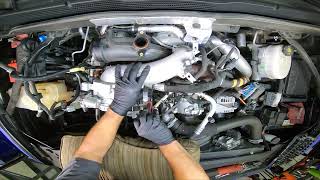
- Test the Fuel Pressure Regulator. If all other checks pass, the Fuel Pressure Regulator 1 (FPR1) on the CP4 pump is the most likely cause. It can be replaced independently, but only if there is zero evidence of metal contamination. 🎬 Watch: Step-by-step guide on how to replace the FPR.
Parts You'll Likely Need
- High-Pressure Fuel Pump (CP4.2)
(OEM #12661059)— This is the root cause of P0088 in many cases due to its high failure rate. Failure contaminates the entire system, requiring a complete replacement.
Trusted brands: Bosch, ACDelco
OEM price range: $800-$1500
Aftermarket price range: $500-$1000 - Fuel Pressure Regulator 1 (On Pump)
(OEM #12638148)— This regulator is the primary controller of fuel pressure and is the most common component to stick or fail, often due to contamination from the CP4 pump.
Trusted brands: Bosch, ACDelco
OEM price range: $200-$350
Aftermarket price range: $150-$250 - Fuel System Contamination Kit — If the CP4 pump fails, GM mandates replacing all high-pressure components. Kits often include a new pump, all 8 injectors, fuel rails, and lines.
Trusted brands: Bosch, ACDelco, Standard Motor Products
OEM price range: $3000-$5000+
Aftermarket price range: $2500-$4000 - Fuel Rail Pressure Sensor
(OEM #12651990)— Can fail and send an incorrect high-pressure signal to the ECM, falsely triggering the code.
Trusted brands: Bosch, ACDelco
OEM price range: $80-$150
Aftermarket price range: $50-$100
Related Codes That Often Appear With This One
- P0087 — Fuel Rail/System Pressure - Too Low. This code can appear alongside P0088 if the failing CP4 pump or sticking regulator causes erratic pressure swings. Both are listed in TSB PIP4949E.
- P128E — Fuel Rail Pressure Performance. This is another GM-specific code that often accompanies P0087/P0088 when the fuel pressure is not behaving as the ECM expects. It is specifically mentioned with P0088 in TSB PIP5119 regarding swapped regulator connectors.
- P0191 — Fuel Rail Pressure Sensor Performance. This code indicates the sensor signal is irrational or intermittent, which can be caused by the same underlying issues as P0088, such as a failing CP4 pump or fuel contamination, as noted in TSB PIP4949E.
Technical Service Bulletins (TSBs) & Recalls
- 16-NA-102: Outlines the diagnostic procedure for P0087, P0088, P0191, and P128E, and what to do if fuel injection pump replacement is indicated, including inspection for metal debris.
- PIP4949D/E/F: Addresses hard start/no-start conditions with P0088. Instructs technicians to inspect Fuel Pressure Regulator 1 for magnetic metal debris as a key indicator of CP4 pump failure.
- PIP5151B/F: Links P0088 to fuel system contamination from sources like water or DEF and states that the complete fuel system will need cleaning if contamination is found.
- PIP5119: Warns that DTCs P0088 and P128E can be set if the electrical connectors for Fuel Pressure Regulator 1 and 2 are swapped during a repair.
Platform-Specific Known Issues
- Catastrophic CP4.2 Pump Failure: The single most critical issue for the 2011-2016 LML engine. The pump's design is intolerant to low lubricity in US diesel fuel, causing it to self-destruct and send metal through the fuel system, leading to repairs that can exceed $10,000.
- Swapped Regulator Connectors: TSB PIP5119 highlights that after engine or fuel system service, it is possible to swap the electrical connectors for the two fuel pressure regulators, which will cause P0088 and severe running issues.
Mechanic-Grade Diagnostic Values
- High-Pressure Fuel Rail at Idle — expected: ~4,000 - 6,000 PSI. Failure: Significantly higher pressure, potentially spiking to 29,000 PSI, indicates a regulation issue.
- High-Pressure Fuel Rail at Wide-Open Throttle (WOT) — expected: Desired and Actual should be ~23,000 - 26,000 PSI. Failure: P0088 is for pressure *too high*, often seen on deceleration after a WOT run, where actual pressure fails to drop with desired pressure.
- Low-Pressure Fuel Line Vacuum (Stock System) — expected: 2-4 inches Hg at idle. Should not exceed 8-10 inches Hg under load.. Failure: Vacuum greater than 14 inches Hg can trigger a low-pressure warning, but is not directly related to P0088. This measurement helps assess the health of the low-side supply.
- Fuel Injector Piezo Actuation Voltage — expected: Up to 250V and 20 amps (peak). Failure: This is not a user-serviceable measurement but illustrates the high-energy nature of the system. Do not probe injector circuits without proper training and equipment.
- Fuel Return Line Pressure — expected: Maintained at approximately 55-70 PSI. Failure: Improper return line pressure can cause injector performance issues and no-start conditions, though it is not a primary cause of P0088.
Hidden / Shadow Codes Worth Checking
- P128E: Fuel Rail Pressure Performance. This GM-specific code frequently sets alongside P0088, indicating the ECM has detected irrational fuel pressure behavior. It is specifically called out in TSB PIP5119, which addresses swapped regulator connectors causing immediate high pressure faults. (see via Standard OBD-II scanner.)
Scan Tool Commands That Help
- GDS2 / Tech2 / Professional Scan Tool: Fuel Rail Pressure (FRP) Desired vs. Actual — This is the primary data to watch. For P0088, the 'Actual' pressure will be significantly higher than 'Desired', often spiking on deceleration or when returning to idle.
- GDS2 / Tech2 / Professional Scan Tool: Fuel Pressure Regulator Command — A technician can command the Fuel Pressure Regulator (FPR1) duty cycle to test its response. If the pressure does not change with command, the regulator or its wiring is faulty.
- GDS2 / Tech2 / Professional Scan Tool: Diesel Particulate Filter (DPF) Regeneration Enable — This function must be performed after replacing the indirect fuel injector (9th injector) or its lines to purge air from the system and prevent damage to the injector.
Wiring & Ground Locations
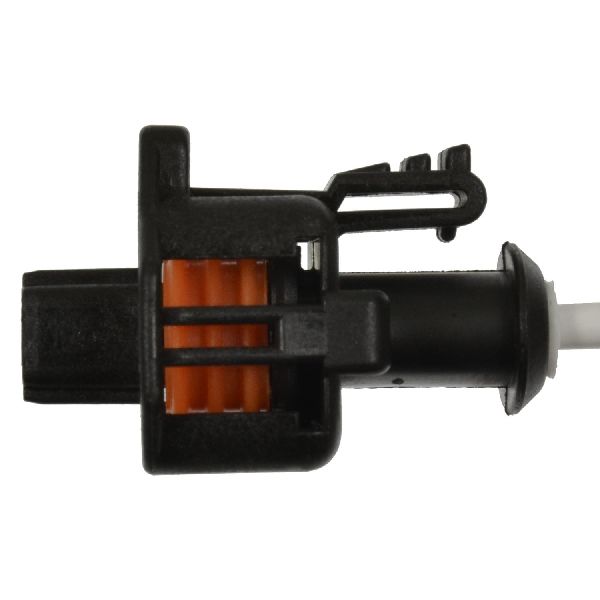
- FPR1 / FPR2 Connectors — FPR1 is on the CP4 pump, under the intake Y-bridge. FPR2 is on the front of the driver's side fuel rail.. These two connectors are physically similar and can be accidentally swapped during engine or fuel system repairs. This mistake immediately causes P0088 and P128E, with rail pressure pegging at 29,000 PSI. This is documented in TSB PIP5119.
- Engine Harness Chafe Point — Behind the A/C compressor.. The wiring harness for fuel system components can rub against the A/C compressor, eventually shorting to ground and causing erratic signals for the fuel pressure regulators or sensor, leading to P0088.
- Main Engine/Chassis Grounds — Various locations on the frame and engine block. Key grounds are often located near the alternator and on the cylinder heads.. A loose or corroded main ground connection can cause fluctuating voltage references for all sensors, including the fuel pressure sensor and regulators, leading to intermittent and difficult-to-diagnose pressure spikes and P0088.
Real Owner Repair Stories
- YouTube channel 'Pine Hollow Auto Diagnostics' (Duramax truck (specific year/model not stated, but LML-era system)) — P0088 code setting only on deceleration or when coasting downhill.
❌ Tried (didn't work) Initial diagnosis was difficult as the pressure was perfect under load and at idle.
✅ What actually fixed it The truck had an aftermarket lift pump installed. The lift pump's supply pressure was slightly too high. During deceleration, the CP4 pump couldn't bleed off the high rail pressure against the constant feed from the lift pump, causing a spike. Turning down the lift pump pressure by about 5 PSI completely resolved the code. - DuramaxDiesels.com forum user (LML Duramax) — Intermittent P0088, rail pressure spiking to 29,000 PSI.
❌ Tried (didn't work) Replaced both Fuel Pressure Regulators (FPR1 and FPR2).
✅ What actually fixed it The user found a loose main ground wire. After tightening the ground connection, the intermittent pressure spikes and the P0088 code were resolved. - Diesel Bombers forum user (2011 LML Duramax) — Recurring P0088 code.
❌ Tried (didn't work) Initial checks and concerns about regulators.
✅ What actually fixed it Another user pointed out that rubbed wires behind the A/C compressor grounding out is a known cause. While the original poster didn't confirm the fix, this is a documented issue.
Model Year Variations Within This Range
- 2011 only: The physical routing of the main fuel feed and return lines is different. On 2011 models, the lines are located in front of the crankcase vent. On 2012-2016 models, they are on the back side. The function is the same, but physical access and part numbers for these specific hard/soft lines may differ.
Diagnostic Flowchart
Other Known Issues on This Vehicle
Issues unrelated to this code that are worth knowing about as an owner of this generation:
- DEF System Failures (Heater & Sensors) 🔴 High — Very common, especially in colder climates. The DEF tank heater is a frequent failure point, leading to limp mode. GM issued a special coverage program for some model years (16B04). (Ref: Special Coverage 16B04 / TSB PIP5370)
- NOx Sensor Failures 🟠 Medium — Widespread issue where one or both NOx sensors (upstream/downstream) fail, causing a check engine light and potential emissions system warnings. Codes like P2202, P2203, P11CB are common.
- Cracked Pistons 🔴 High — A known issue, though not guaranteed to happen. Can occur even on stock trucks, but more common on tuned or heavily used vehicles. Often discovered during other repairs like head gaskets.
- Sticking Turbo Vanes / Vane Position Sensor Failure 🟠 Medium — Soot buildup can cause the variable geometry turbo (VGT) vanes to stick, or the position sensor can fail, leading to poor performance and turbo-related codes.
Used vs. New Parts: Buying Guide for This Vehicle
When a used part is the smart pick: For this specific P0088 repair, almost never. Due to the catastrophic nature of a CP4 failure sending metal through the entire system, using any used high-pressure component (pump, injectors, rails, lines) from a junkyard is extremely high-risk. The only scenario where used parts are viable is if you are sourcing non-fuel-system parts (e.g., wiring harnesses, brackets) or a complete, known-good, running takeout engine assembly.
Donor-vehicle mileage cap: roughly under 50000 miles for the part to have meaningful remaining life.
What to inspect on the donor part:
- For a complete engine takeout: Must see/hear the engine run and idle smoothly.
- Scan the donor vehicle for codes before removal; any fuel system codes are a major red flag.
- Ask for maintenance records, specifically fuel filter change intervals.
- If possible, pull the fuel filter from the donor and check for ANY metal shavings. If glitter is present, run away.
OEM-only on this vehicle (don't cheap out):
- Fuel Rail Pressure Sensor
- Fuel Pressure Regulators (FPR1 and FPR2)
Aftermarket brands forum-validated for this vehicle:
- CP3 Conversion Kits: S&S Diesel Motorsport, Fleece Performance, Wehrli Custom Fabrication (WCFab).
- Lift Pumps: FASS, AirDog.
Brands owners have reported issues with on this vehicle:
- Unbranded, cheap 'white box' sensors and regulators from online marketplaces. For critical fuel system components, sticking to OEM or top-tier aftermarket brands is essential for reliability.
Real Owner Stories
Aggregated from forums and TSBs cited above. Mileages and costs reflect what owners reported in those sources.
2011-2016 GMC Sierra 2500HD 6.6L LML Duramax Diesel
Symptoms: The P0088 code returned even after replacing both fuel pressure regulators. The fuel rail pressure would spike to 29,000 PSI at times.
What fixed it: Another owner in the forum thread suggested the cause was a loose ground wire, which had caused similar intermittent high rail pressure spikes on their truck.
Source hint: DuramaxDiesels.com: P0088. Fuel rail pressure will hit 29,000 at times
2011 GMC Sierra 2500HD 6.6L LML Duramax Diesel
Symptoms: A recurring P0088 code that appeared by itself, specifically at idle.
What fixed it: A technician in the thread suggested that P0088 appearing alone at idle often points to a failure of the #2 fuel pressure regulator, which is located on the fuel rail.
Source hint: Diesel Bombers: P0088 code
GMC Sierra HD 6.6L LMM Duramax Diesel
Symptoms: The owner got a P0088 code after replacing fuel lines and subsequently found rusty metal bits in the fuel filter.
What fixed it: The issue was identified as fuel contamination (rust), highlighting the importance of checking the fuel filter contents as a primary diagnostic step.
Source hint: Reddit r/Duramax: Fuel Rail Pressure Issue
Related OBD-II Codes
Frequently Asked Questions
I'm getting a P0088 on my LML Duramax. What is the absolute first thing I should check?
How can I tell if the notorious CP4.2 pump has failed on my 2011-2016 Sierra?
If my CP4 pump is bad and has sent metal through the system, what is the proper repair?
I just had my engine serviced and immediately got a P0088 code. What could the mechanic have done wrong?
Could bad fuel cause a P0088 code on my Duramax?
My scan tool shows actual fuel rail pressure is much higher than desired. What does this point to?
Helpful Videos
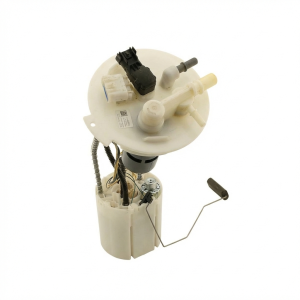
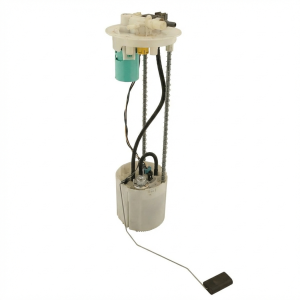
Used OEM Parts in Stock


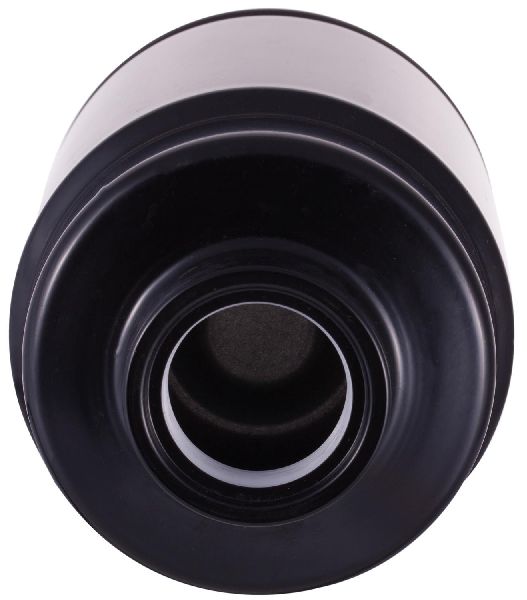
New Aftermarket Parts Available


The information in this article is provided for general reference and educational purposes only. Vehicle specifications, procedures, and part compatibility can vary by production date, trim level, and region. Always consult your vehicle's factory service manual and verify part numbers before purchasing or performing repairs. Safety-critical components such as airbags, seat belts, and braking systems should be installed by a qualified professional.
- GMC Sierra 2500HD:
- 🎬 Helpful Videos
- 🛍️ Shop This Part
- What's Unique About the 2011-2016 GMC Sierra 2500HD
- Symptoms You May Notice
- Most Likely Causes
- Rare But Worth Checking
- Diagnosis Steps
- Parts You'll Likely Need
- Related Codes That Often Appear With This One
- Technical Service Bulletins (TSBs) & Recalls
- Platform-Specific Known Issues
- Mechanic-Grade Diagnostic Values
- Hidden / Shadow Codes Worth Checking
- Scan Tool Commands That Help
- Wiring & Ground Locations
- Real Owner Repair Stories
- Model Year Variations Within This Range
- Diagnostic Flowchart
- Other Known Issues on This Vehicle
- Used vs. New Parts: Buying Guide for This Vehicle
- Real Owner Stories
- 2011-2016 GMC Sierra 2500HD 6.6L LML Duramax Diesel
- 2011 GMC Sierra 2500HD 6.6L LML Duramax Diesel
- GMC Sierra HD 6.6L LMM Duramax Diesel
- Related OBD-II Codes
- Frequently Asked Questions
- 🎟️ Get 5% Off