

P0088 on 2015-2023 Ford Mustang 2.3L EcoBoost: High Fuel Pressure Causes and Fixes
For the 2.3L EcoBoost Mustang, code P0088 usually points to a faulty Fuel Rail Pressure Sensor (FRPS) or a failing High-Pressure Fuel Pump (HPFP). Replacing the sensor is a common first step, costing around $70-$200 for the part. If the pump is the issue, expect a much higher repair cost. Do not drive the vehicle, as high pressure can cause fuel leaks or engine damage.
- P0088 on your EcoBoost Mustang means fuel pressure is dangerously high and the vehicle should not be driven.
- The most likely causes are a bad high-pressure Fuel Rail Pressure Sensor (FRPS) or a failing High-Pressure Fuel Pump (HPFP).
- Start diagnosis by checking the fuel pressure sensor's readings with a scan tool before condemning the more expensive fuel pump.
- Due to the extreme pressures and fire risk associated with GDI fuel systems, this repair is best left to a professional.
- Do not confuse this issue with the more common low-pressure fuel sensor failure on the same car, which produces different codes.
What's Unique About the 2015-2023 Ford Mustang
The 2.3L EcoBoost is a Gasoline Direct Injection (GDI) engine, which uses a camshaft-driven High-Pressure Fuel Pump (HPFP) in addition to the standard in-tank low-pressure pump. This high-pressure system, which can operate at pressures up to 2,500 PSI or more, is where P0088 originates. While the code is generic, on this specific platform, it's frequently traced back to either the sensor that reads the pressure (FRPS) or the mechanical pump that creates it. There is also a widely known issue with the *low-pressure* fuel sensor on these cars, which can cause confusion and similar drivability problems, but P0088 specifically relates to a *high-pressure* fault.
Generation note: The 2015-2023 model years cover the entire S550 generation of the Ford Mustang. A mid-cycle refresh occurred in 2018, but the fundamental design of the 2.3L EcoBoost high-pressure fuel system related to this code remained consistent.
Symptoms You May Notice
- Check Engine Light is on
- Reduced engine power and sluggish acceleration
- Engine hesitation or stumbling, especially between 2000-4000 RPM
- Rough or unstable idle
- Difficulty starting the engine or long crank times
- Engine stalling, possibly during idle or while driving
- Decreased fuel economy
- Engine may enter a failsafe or 'limp' mode to prevent damage
- Black smoke from the exhaust due to an excessively rich condition
- A winding sound detected while driving (as noted in NHTSA ODI #11515513)
- Replacing the low-pressure fuel pump in the tank. While the low-pressure system is vital, P0088 specifically points to a problem in the high-pressure circuit.
- Replacing the low-pressure fuel sensor. This is a very common failure on EcoBoost Mustangs that causes drivability issues, but it typically throws low-pressure codes like P0087, P018C, or P018D, not the high-pressure P0088 code. 🎬 Watch: Understanding the difference between high and low pressure faults.
Most Likely Causes
- Faulty Fuel Rail Pressure Sensor (FRPS) 🔴 High Probability Sensors are a common failure point on many modern vehicles. On the EcoBoost, the high-pressure sensor can fail internally, sending an inaccurately high voltage signal to the ECM, even if the actual pressure is normal.
How to confirm: Use an OBD-II scan tool with live data. With the Key On, Engine Off (KOEO), the fuel rail pressure should read low (near ambient). If it reads a very high, static number (e.g., thousands of PSI), the sensor is almost certainly bad. Compare the 'Commanded Fuel Rail Pressure' with the 'Actual Fuel Rail Pressure' reading from the sensor. If the actual pressure reads excessively high and doesn't change logically with engine RPM, the sensor is likely faulty.
Typical fix: Replace the high-pressure fuel rail sensor. It is located at the back of the engine and can be difficult to access. 🎬 Watch: Step-by-step guide to replacing the high-pressure fuel sensor.
Est. part cost: $70-$150 - Failing High-Pressure Fuel Pump (HPFP) 🟡 Medium Probability The HPFP is a mechanical pump driven by the camshaft. Failures of the pump's internal pressure regulator (fuel volume regulator) can cause it to produce excessive pressure. This is a known issue on some 2.0L and 2.3L EcoBoost engines. Manufacturer TSB Bulletin #20B41 notes that if a fuel orifice becomes dislodged, it can damage the pressure control valve pintle, resulting in DTC P0088.
How to confirm: If the fuel rail pressure sensor has been tested and is known to be good, but live data still shows actual pressure far exceeding commanded pressure, the HPFP is the primary suspect. This diagnosis often requires ruling out other causes first. A rattling noise from the pump area can also be an indicator of mechanical failure.
Typical fix: Replace the high-pressure fuel pump. It is also highly recommended to replace the camshaft follower (tappet) at the same time, as a worn follower can damage the new pump. 🎬 See this walkthrough for replacing the high-pressure fuel pump.
Est. part cost: $200-$500 - Wiring or Connector Issue ⚪ Low Probability Engine bay heat and vibration can cause wiring to degrade over time, leading to shorts or corrosion in the FRPS connector. A short to voltage on the signal wire can mimic a failed sensor sending a high-pressure reading.
How to confirm: Visually inspect the wiring harness and connector for the fuel rail pressure sensor. Look for any signs of damage, corrosion, or loose pins. Use a multimeter to check for a potential short to voltage on the sensor's signal wire.
Typical fix: Repair the damaged section of the wiring harness or clean/replace the connector.
Est. part cost: $10-$50
Rare But Worth Checking
- Blocked Fuel Return Line: While listed as a generic cause for P0088, its applicability depends on the specific GDI system's design. A restriction in a fuel line could prevent excess fuel from being managed correctly, causing pressure to build up.
- Incorrectly Installed Fuel Jumper Line: According to Ford Special Service Message (SSM) 50089, on some Ford models, a fuel jumper line with a one-way check valve can be installed backward after a repair (like an injector replacement). This can restrict flow and cause either P0087 (low pressure) or P0088 (high pressure) codes. While the SSM primarily lists other engines, this type of installation error is a possibility after major fuel system work.
- Faulty Pressure Control Valve: As described in TSB Bulletin #SSM 49185, a fault in the pressure control valve within the fuel rail can cause an illuminated MIL with DTC P0088.
- Faulty Powertrain Control Module (PCM): This is extremely rare. The PCM itself could have a software glitch or internal failure, causing it to misinterpret sensor data or improperly command the fuel pump. This should only be considered after all other possibilities have been exhausted.
Diagnosis Steps
- Connect an OBD-II scanner and verify P0088 is the primary code. Note any other codes present.
- Using the scanner's live data function, monitor 'Fuel Rail Pressure' (FRP) and 'Commanded Fuel Rail Pressure' PIDs.
- With the Key On, Engine Off (KOEO), observe the FRP reading. It should be very low. If it shows a high pressure (e.g., >1000 PSI), the Fuel Rail Pressure Sensor (FRPS) is likely faulty or its wiring is shorted.
- Start the engine and observe the FRP at idle. Compare the actual vs. commanded values. If the actual pressure is significantly and consistently higher than commanded, it points towards a mechanical issue (pump) or a sensor that is reading incorrectly but not completely failed.
- Inspect the FRPS wiring harness and connector for any visible damage, corrosion, or loose connections.
- If a wiring issue is suspected, use a multimeter to test the FRPS connector. Check for the correct 5V reference, a good ground, and test the signal wire for a short to voltage.
- If the sensor and wiring are confirmed to be good, the most likely remaining culprit is a faulty High-Pressure Fuel Pump (HPFP), specifically its internal regulator.
- Before replacing the HPFP, check for any obvious restrictions or kinks in the fuel lines, though this is less common.
Parts You'll Likely Need
- Fuel Rail Pressure Sensor (High Pressure)
(OEM #CM-5233 (replaces EJ7Z-9F972-A))— This is the most common and easiest part to replace that can cause a P0088 code. Its failure leads to incorrect high-pressure readings being sent to the computer.
Trusted brands: Motorcraft, Bosch
OEM price range: $70-$112
Aftermarket price range: $40-$70 - High-Pressure Fuel Pump (HPFP)
(OEM #EJ7E-9B374-AD (Bosch P/N: 0261520247))— If the sensor is good, the mechanical pump is the next logical failure point. Its internal regulator can fail and cause over-pressurization. This is a known issue on this engine family.
Trusted brands: Motorcraft, Bosch, Xtreme-DI (for upgrades)
OEM price range: $300-$500
Aftermarket price range: $200-$400
Related Codes That Often Appear With This One
- P0171 — System Too Lean. This can occur if the fuel system is behaving erratically, causing confusion for the ECM as it tries to adjust fuel trims. A forum user reported this code alongside P0088.
- P2195 — Signal Stuck Lean (Bank 1 Sensor 1). Similar to P0171, this indicates the oxygen sensor is detecting a lean condition, which can be a confusing side effect of a severe fuel pressure regulation problem.
Technical Service Bulletins (TSBs) & Recalls
- NHTSA ID: 14V774000 (Ford Recall 14S27) - Dated Dec 17, 2014: Affects certain 2015 Mustangs. A fuel pressure sensor may not have been seated properly on the fuel jumper line, which could cause a fuel leak and increase fire risk. The remedy was to replace the fuel jumper li
- TSB Bulletin #SSM 49185: Notes that vehicles may exhibit an illuminated MIL with DTC P0088 due to the pressure control valve in the fuel rail.
- TSB Bulletin #20B41: Describes how a dislodged fuel orifice can damage the pressure control valve pintle, resulting in P0088.
- TSB #11-4-22: A manufacturer publication regarding 6.4L engines lacking power with DTC P0088, as referenced in NHTSA ODI #10721001.
Platform-Specific Known Issues
- The 2.3L EcoBoost engine platform is known for fuel system component failures, including both the high-pressure pump and various sensors.
- There is a well-documented, common failure of the *low-pressure* fuel sensor (OEM P/N: BU5Z-9F972-B) on these models, which can cause similar symptoms like hesitation and stalling, but typically results in low-pressure codes (P0087, P018C). It's important not to confuse the two issues.
- A user on Reddit with a Ford Mustang experienced P0088 and noted a significant drop in fuel economy, corroborating the symptoms.
Mechanic-Grade Diagnostic Values
- Fuel Rail Pressure Sensor (FRPS) Signal Voltage — expected: 0.5V to 4.5V, varying with pressure.. Failure: A static reading near 5.0V suggests a short to power or a bad ground. A reading of 4.6V or higher with the sensor unplugged points to a short in the wiring harness.
- Fuel Rail Pressure (FRP) with Key On, Engine Off (KOEO) — expected: Near 0 PSI (ambient pressure).. Failure: A reading of hundreds or thousands of PSI indicates a failed sensor or a shorted signal wire.
- High-Pressure Fuel System Operating Pressure — expected: Can be commanded up to 2,500-3,600 PSI (170-250 bar) under load, depending on the specific pump.. Failure: Actual pressure consistently and significantly exceeding commanded pressure on a scan tool, after verifying the sensor is accurate.
Scan Tool Commands That Help
- Ford IDS (Integrated Diagnostic System): Datalogger - Live Data Monitoring — To monitor and graph 'FRP Desired' vs 'FRP Actual' in real-time to see if the high-pressure pump is over-pressurizing or if the sensor reading is erratic.
- Ford IDS (Integrated Diagnostic System): Bi-Directional Control - Fuel Pump & Solenoid Actuation — To manually command the fuel pump or pressure control solenoids with the engine off to test their mechanical function. A clicking sound should be heard from a solenoid when activated.
- Ford IDS (Integrated Diagnostic System): Power Balance Test — If a rich condition from high fuel pressure is suspected of causing misfires, this test can help identify which specific cylinders are affected by monitoring their relative performance.
Wiring & Ground Locations
- G105 / Starter Motor Ground — On the bottom of the engine, near the starter motor.. A poor main engine ground can cause a host of electrical issues and erratic sensor readings. This is a critical ground path from the engine block to the chassis/battery.
- Engine to Frame Ground Strap — Typically on the driver's side, connecting the engine block (often at a motor mount stud) to the vehicle's frame/chassis.. Provides a primary ground path for the engine and its sensors, including those managed by the PCM. A corroded or loose strap can cause floating grounds and incorrect sensor voltage readings.
- G400 — In the trunk (luggage compartment) area on the driver's side.. This ground point specifically serves the Fuel Pump Driver Module (FPDM). A fault here could potentially affect the low-pressure pump's operation, which feeds the HPFP.
- FRPS Connector — On the high-pressure fuel rail, at the back of the 2.3L EcoBoost engine.. The connector pins for the 5V reference, signal, and ground can be tested here with a multimeter to diagnose a faulty sensor versus a wiring harness issue like a short to voltage.
Real Owner Repair Stories
- Ford Truck Enthusiasts Forum User (2018 Ford F-150 3.5L EcoBoost (similar engine family)) — Sudden loss of power at highway speed.
❌ Tried (didn't work) N/A - direct to dealer
✅ What actually fixed it The High-Pressure Fuel Pump (HPFP) had failed. The vehicle was on its third HPFP at 60k miles and required a fourth at 83k miles, indicating a pattern of repeat failures for this component on the EcoBoost engine family. The first replacement was due to a recall. - NHTSA ODI #11515513 — An owner reported that while driving approximately 50-55 MPH, a winding sound was detected and code P0088 was displayed. The vehicle was towed to a dealer for diagnosis.
- NHTSA ODI #10721001 — An owner reported pulling engine codes and finding P0088 (Fuel Rail Pressure Too High) after experiencing a lack of power, noting a known manufacturer defect.
OEM Part Supersession History
EJ7Z-9F972-A→CM-5233— Standard part revision and replacement by Motorcraft service part number.
Model Year Variations Within This Range
- 2018-2023: The mid-cycle refresh introduced in 2018 included a revised 2.3L EcoBoost engine with an increase in torque to 350 lb-ft (up from 320 lb-ft). While the core fuel system design is the same, some engine calibrations and ancillary parts may differ.
- 2020+: Some reports indicate that engine blocks produced in 2020 and later received design updates to address coolant intrusion issues ('Ecoboom'). While not directly related to P0088, this signifies ongoing revisions to the engine platform during the production run.
Diagnostic Flowchart
Other Known Issues on This Vehicle
Issues unrelated to this code that are worth knowing about as an owner of this generation:
- Head Gasket Failure ('Ecoboom') 🔴 High — More common on 2015-2019 models due to a block design with coolant slits between cylinders. Often occurs between cylinders 2 and 3, leading to coolant intrusion and catastrophic failure. Can happen at low mileage (e.g., ~30k miles).
- Low-Side Fuel Pressure Sensor Failure 🔴 High — A very common failure across all S550 EcoBoost model years. The sensor can fail and get stuck, sending incorrect readings to the PCM, which can lead to a lean condition, stumbling, and potential engine damage. It typically throws codes like P018C/P018D, not P0088.
- Intake Valve Carbon Buildup 🟠 Medium — A systemic issue for all Gasoline Direct Injection (GDI) engines, including the 2.3L EcoBoost. Since fuel is not sprayed over the intake valves, oil and contaminants bake onto them over time, typically becoming noticeable after 50,000 miles, causing rough idle and power loss.
- Engine Overheating 🟠 Medium — Some models experience issues with coolant leaks or failing water pumps, which can lead to overheating. This is especially critical as it can be a symptom of the more severe head gasket failure.
- Evaporative Emissions Purge Valve Failure 🟡 Low — The canister purge valve can fail, leading to rough idle, stalling after refueling, and codes like P1450. It's a relatively common and inexpensive fix.
Used vs. New Parts: Buying Guide for This Vehicle
When a used part is the smart pick: For this specific fault, buying used parts is generally not recommended. A used wiring harness pigtail for a connector repair is acceptable if it is in good condition.
Donor-vehicle mileage cap: roughly under 40000 miles for the part to have meaningful remaining life.
What to inspect on the donor part:
- For a wiring pigtail, ensure there is no corrosion on the pins, the locking tab is intact, and the wires are not brittle or cracked.
OEM-only on this vehicle (don't cheap out):
- High-Pressure Fuel Pump (HPFP): Given reports of repeated failures on the EcoBoost engine family, a new OEM (Motorcraft/Bosch) or a reputable high-performance aftermarket unit is the only reliable choice. A used pump carries a high risk of premature failure.
- Fuel Rail Pressure Sensor (FRPS): This is a critical electronic sensor. The risk of a used part being out of calibration or failing shortly after installation outweighs the cost savings. A new OEM Motorcraft part is strongly recommended.
Aftermarket brands forum-validated for this vehicle:
- Xtreme-DI (HPFP): Known in the performance community as a reliable upgrade for supporting higher power levels and E85 fuel.
- Nostrum High Performance (HPFP): Another brand offering upgraded high-flow pumps for performance applications, tunable with common software.
Brands owners have reported issues with on this vehicle:
- Unbranded, low-cost sensors and fuel pumps from online marketplaces should be avoided, as their calibration and longevity are highly questionable for a high-pressure GDI system.
Real Owner Stories
Aggregated from forums and TSBs cited above. Mileages and costs reflect what owners reported in those sources.
2019 Ford Mustang 2.3L EcoBoost
Symptoms: The owner described how a failing sensor almost destroyed their stock engine, emphasizing that the issue can occur even without throwing a check engine light initially.
What fixed it: Replacement of the fuel pressure sensor.
Source hint: Reddit r/ecoboostmustang thread titled 'Low side fuel injector pressure sensor'
2015-2023 Ford Mustang 2.3L EcoBoost
Symptoms: A user noted a significant drop in fuel economy and discussed the diagnostic confusion between a bad sensor and an actual over-pressure condition.
What fixed it: Diagnosis of the fuel rail pressure sensor vs. the high-pressure fuel pump.
Source hint: Reddit r/fordfusion: A user with a P0088 code on a Fusion (shared EcoBoost technology)
NHTSA Reported Incident
Symptoms: An owner reported that while driving approximately 50-55 MPH, a winding sound was detected and the code P0088 was displayed.
What fixed it: The vehicle was towed to a local dealer for diagnosis and repair of the fuel system (NHTSA ODI #11515513).
Related OBD-II Codes
Frequently Asked Questions
Is there a recall for fuel sensor issues on my 2015 Mustang?
I'm seeing P0088, but I heard the low-pressure sensor is a common failure. Which one should I replace?
Can a failing high-pressure fuel pump (HPFP) cause mechanical damage to other parts?
Why is my Mustang stumbling between 2000 and 4000 RPM with this code?
How can I tell if the sensor is bad without just replacing it?
Helpful Videos
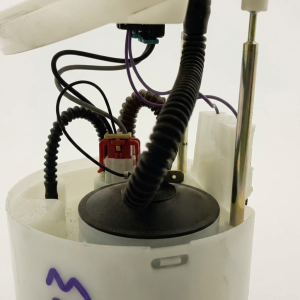
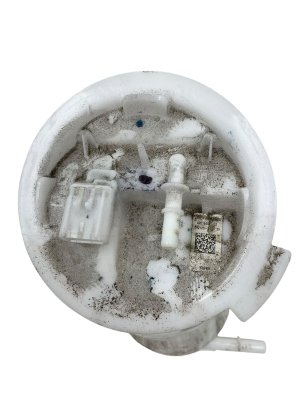
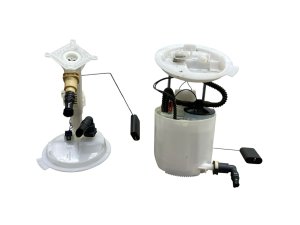
Used OEM Parts in Stock



New Aftermarket Parts Available


The information in this article is provided for general reference and educational purposes only. Vehicle specifications, procedures, and part compatibility can vary by production date, trim level, and region. Always consult your vehicle's factory service manual and verify part numbers before purchasing or performing repairs. Safety-critical components such as airbags, seat belts, and braking systems should be installed by a qualified professional.
- Ford Mustang:
- 🎬 Helpful Videos
- 🛍️ Shop This Part
- What's Unique About the 2015-2023 Ford Mustang
- Symptoms You May Notice
- Most Likely Causes
- Rare But Worth Checking
- Diagnosis Steps
- Parts You'll Likely Need
- Related Codes That Often Appear With This One
- Technical Service Bulletins (TSBs) & Recalls
- Platform-Specific Known Issues
- Mechanic-Grade Diagnostic Values
- Scan Tool Commands That Help
- Wiring & Ground Locations
- Real Owner Repair Stories
- OEM Part Supersession History
- Model Year Variations Within This Range
- Diagnostic Flowchart
- Other Known Issues on This Vehicle
- Used vs. New Parts: Buying Guide for This Vehicle
- Real Owner Stories
- 2019 Ford Mustang 2.3L EcoBoost
- 2015-2023 Ford Mustang 2.3L EcoBoost
- NHTSA Reported Incident
- Related OBD-II Codes
- Frequently Asked Questions
- 🎟️ Get 5% Off