

P0087 on 2010-2015 Chevrolet Camaro 3.6L: Low Fuel Pressure Causes and Fixes
On a 2010-2015 Camaro with the 3.6L V6, code P0087 almost always means the High-Pressure Fuel Pump (HPFP) has failed. This is a very common issue for this engine and its platform mates like the Cadillac CTS. Expect to pay $250-$450 for an OEM pump and replace the one-time-use fuel line with it.
- P0087 on your 3.6L Camaro almost always points to a failed High-Pressure Fuel Pump (HPFP).
- Do not drive the vehicle; a sudden stall could be dangerous.
- When replacing the HPFP, you MUST also replace the single-use high-pressure fuel line to prevent a fire risk.
- Before buying parts, check your oil for a gasoline smell. If present, it's a sure sign the HPFP has failed.
- Do not mistake the engine-mounted HPFP for the in-tank fuel pump; they are separate parts, and P0087 is almost always related to the HPFP.
What's Unique About the 2010-2015 Chevrolet Camaro

The 3.6L V6 engines (both the LLT used in 2010-2011 and the LFX in 2012-2015) are known for high-pressure fuel pump (HPFP) failures, which are the primary cause of a P0087 code. This issue is shared across many GM vehicles using this engine family. Unlike many port-injected cars, the diagnosis for this code on a direct-injected Camaro almost immediately focuses on the engine-mounted mechanical HPFP rather than the in-tank electric pump. A common mistake is to replace the in-tank pump when the HPFP is the actual point of failure.
Generation note: This covers the entire 5th Generation Camaro V6. The 2010-2011 models use the LLT 3.6L V6, while the 2012-2015 models use the updated LFX 3.6L V6. Both are direct-injection engines and share the same fundamental high-pressure fuel system design, making them both susceptible to this code and its common causes.
Symptoms You May Notice
- "Reduced Engine Power" message on the dash (limp mode)
- Check Engine Light is on
- Engine hesitation, stuttering, or bogging down during acceleration
- Hard starting or extended cranking time
- Rough, unstable idle
- Engine stalling unexpectedly
- Rattling or ticking noise from the engine bay, indicating a worn pump
- Strong smell of fuel in the engine oil, which is a definitive sign of a failed internal HPFP seal
- Replacing the in-tank (low-pressure) fuel pump when the engine-mounted high-pressure fuel pump (HPFP) is the actual cause. Technicians unfamiliar with this GDI system may see a low-pressure code and default to the main pump, which is incorrect for this specific code on this engine.
Most Likely Causes

- Failing High-Pressure Fuel Pump (HPFP) 🔴 High Probability This is a widely documented failure point on the GM 3.6L direct injection engines. The internal mechanism of the pump, which is driven by a dedicated lobe on the camshaft, can wear out or develop a leak in its internal diaphragm.
How to confirm: Use a scan tool to monitor 'Desired Fuel Rail Pressure' vs. 'Actual Fuel Rail Pressure'. If actual pressure cannot keep up with desired pressure, especially under load, the HPFP is likely failing. Also, check the engine oil dipstick for a strong smell of gasoline, which indicates the pump's internal seal has failed and is leaking fuel into the crankcase.
Typical fix: Replace the high-pressure fuel pump and the single-use high-pressure fuel line that connects it to the fuel rail.
Est. part cost: $250-$450 - Faulty Fuel Rail Pressure Sensor 🟡 Medium Probability The sensor operates in a high-heat environment and can fail electronically, sending incorrect readings to the ECM. Corrosion in the connector is also a possibility.
How to confirm: With the engine idling, compare the 'Actual Fuel Rail Pressure' reading on a scan tool to a reading from a mechanical pressure gauge. If the readings differ significantly, the sensor is likely bad. For example, if a mechanical gauge shows 600 PSI but the scan tool shows 300 PSI, the sensor is faulty. Wiggling the connector while watching live data can also reveal a bad connection.
Typical fix: Replace the fuel rail pressure sensor.
Est. part cost: $80-$180 - Failing In-Tank (Low-Pressure) Fuel Pump ⚪ Low Probability While less common for this specific code on this platform, the low-pressure pump can fail, starving the HPFP of fuel. Some GM TSBs for other models point to cold-weather failures of this pump.
How to confirm: Check the low-side fuel pressure using a scan tool or a fuel pressure gauge connected to the low-pressure line's Schrader valve (if equipped). The pressure should be stable, typically between 40-75 PSI. If low-side pressure is weak or fluctuating, the in-tank pump or its control module may be at fault.
Typical fix: Replace the in-tank fuel pump module and/or the Fuel Pump Flow Control Module (FPCM).
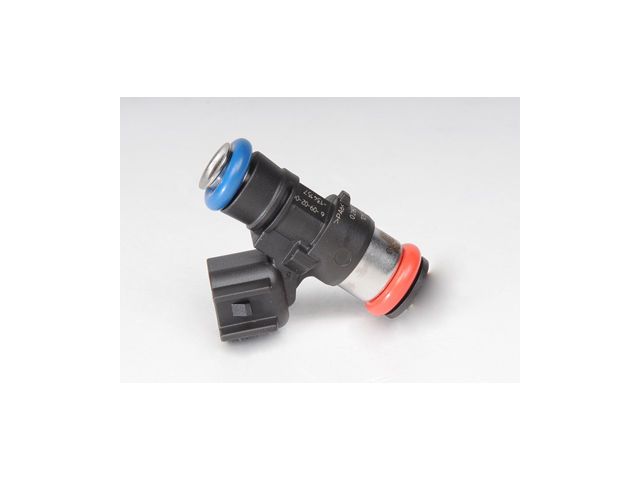
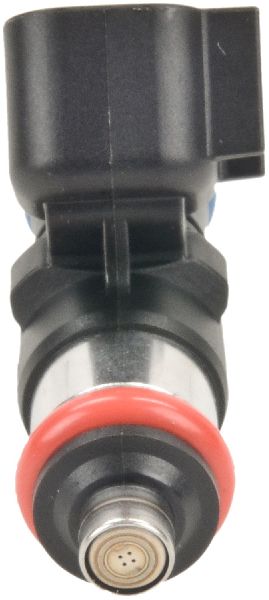
Est. part cost: $200-$400 - Leaking Fuel Injector(s) ⚪ Low Probability
How to confirm: A leaking injector can cause a drop in rail pressure after the engine is shut off. This can also lead to misfire codes for specific cylinders and a fuel smell on the spark plug of the affected cylinder. A fuel pressure leak-down test can help confirm this.
Typical fix: Identify and replace the faulty fuel injector(s).
Est. part cost: $50-$120 per injector
Rare But Worth Checking
- Worn Camshaft Lobe: The HPFP is driven by a specific lobe on the camshaft. If this lobe becomes excessively worn, it cannot properly actuate the pump's plunger, leading to low pressure. This is rare but possible on very high-mileage engines or those with severe oil lubrication failures.
- Clogged Fuel Filter: The primary fuel filter is part of the in-tank fuel pump module and is generally not serviced separately. While a severe clog could starve the HPFP, it's more likely the in-tank pump itself would fail first.
Diagnosis Steps
- Connect an OBD-II scanner and confirm P0087 is present. Note any other codes like P0089, P0191, or misfire codes.
- Use the scanner's live data function to monitor 'Desired Fuel Rail Pressure' and 'Actual Fuel Rail Pressure' with the engine running.
- At idle, the pressure should be stable and closely matched, around 3.5–5.5 MPa (508–798 psi). Briefly rev the engine; the actual pressure should closely follow the desired pressure, rising to 15 MPa (2175+ PSI) under load.
- If actual pressure lags significantly behind desired pressure, especially under load, the HPFP is the primary suspect.
- Shut off the engine and check the oil dipstick. If it smells strongly of gasoline, this is a definitive sign that the HPFP internal seal has failed and it must be replaced immediately to prevent engine damage.
- If the HPFP appears to function correctly on the scan tool, investigate the fuel rail pressure sensor. Check its wiring for damage per TSB #PIP5151F. If possible, compare its reading to a mechanical gauge.
- As a final check, verify the low-pressure fuel system is supplying adequate pressure (40-75 PSI) to the HPFP. A failure here is less likely to be the sole cause but can contribute.
Parts You'll Likely Need

- High-Pressure Fuel Pump (HPFP)
(OEM #12641847 (supersedes 12639694, 12633423, 12633115, 12608371))— This is the most common failure item that causes code P0087 on the 3.6L V6 engine.
Trusted brands: ACDelco, Bosch
OEM price range: $300-$450
Aftermarket price range: $150-$300 - High-Pressure Fuel Line (Pump to Rail)
(OEM #12639208)— This is a one-time-use, torque-to-yield part. It MUST be replaced any time it is loosened to prevent dangerous, high-pressure fuel leaks.
Trusted brands: ACDelco, GM Genuine
OEM price range: $40-$70
Aftermarket price range: $30-$50 - Fuel Rail Pressure Sensor
(OEM #12621292)— This sensor can fail and send incorrect pressure readings to the ECM, triggering the code even if the pump is healthy.
Trusted brands: ACDelco, Bosch
OEM price range: $100-$180
Aftermarket price range: $50-$90
Related Codes That Often Appear With This One
- P0089 — This code for 'Fuel Pressure Regulator Performance' often appears with P0087 because the ECM detects that the adjustments it's making to control fuel pressure are not having the expected effect, pointing to a mechanical issue with the pump or sensor.
- P0191 — This code for 'Fuel Rail Pressure Sensor Circuit Range/Performance' can be set when the sensor's readings are erratic or illogical, which can happen when the HPFP is failing and causing unstable pressure.
- P0300-P0306 — Misfire codes (P0300 for random, P0301-P0306 for specific cylinders) can occur because the low fuel pressure prevents proper fuel atomization, leading to incomplete combustion.
Technical Service Bulletins (TSBs) & Recalls
- TSB #PIP5151F: While not directly for P0087, this TSB addresses P0191 and other fuel system codes on the LFX engine, mentioning potential issues with the fuel pressure sensor, connector, and HPFP.
- TSB #20-NA-197: Addresses P0191 caused by corrosion in the fuel pressure sensor connector on various GM vehicles, a related potential issue.
- TSB #18-NA-103: While for other GM models, it highlights failures of the in-tank low-pressure pump in cold weather that can cause P0087, which is a relevant diagnostic consideration. Manufacturer Bulletin #18NA103 specifically notes that at temperatures below -6C or 20F, the in-tank pump may fail, accompanied by start and stall, no start, or loss of power.
Platform-Specific Known Issues
- Owner Experience: HPFP Failure on Camaro5 Forum: A user on Camaro5.com with a 2011 Camaro V6 experienced engine stuttering and the P0087 code. After diagnosis confirmed the high-pressure fuel pump was faulty, they replaced it along with the required fuel line, which resolved the problem. This is a typical repair story for this issue.
- Reddit User Misdiagnosis: On Reddit's r/Cadillac, a user with a 2008 CTS (same LLT engine) reported getting code P0087. They replaced both the low-pressure and high-pressure fuel pumps without fixing the issue, highlighting the importance of proper diagnosis. The community then suggested checking the fuel rail pressure sensor and the cam follower for the HPFP, which are other potential points of failure.
Mechanic-Grade Diagnostic Values
- Low-Pressure Fuel System Pressure (In-tank pump) — expected: 40-75 PSI, stable at idle. Failure: Pressure is significantly below 40 PSI or fluctuates wildly.
- High-Pressure Fuel System Pressure at Idle — expected: 3.5–5.5 MPa (508–798 PSI). Failure: Pressure is unstable or significantly lower than the expected range.
- High-Pressure Fuel System Pressure Under Load — expected: Can exceed 15 MPa (2,175+ PSI). Failure: Actual pressure on a scan tool fails to meet desired pressure during acceleration.
- P0087 DTC Trigger Condition — expected: Actual fuel rail pressure is within 1.5 MPa (218 psi) of desired pressure.. Failure: Actual pressure is 1.5 MPa (218 psi) or more below desired pressure for over 5 seconds.
Scan Tool Commands That Help

- GDS2 / Tech2 (or equivalent high-end scanner): Fuel Rail Pressure Control — This bidirectional command allows a technician to manually command an increase or decrease in fuel rail pressure while the engine is idling. Observing if the 'Actual Fuel Rail Pressure' responds accordingly helps test the functionality of the HPFP's internal regulator and the fuel rail pressure sensor.
Wiring & Ground Locations
- G107 — Located on the left rear of the 3.6L engine.. This is a primary engine ground. A loose or corroded connection here can affect the Engine Control Module (ECM) and its ability to accurately read sensors and control actuators like the high-pressure fuel pump regulator.
- G108 / G109 — Located on the left side of the 3.6L engine.. These are additional engine grounds. Poor connections can cause erratic behavior in the ignition and fuel systems, which rely on a stable ground reference.
- Fuel Pump Control Module (FPCM) — For 2011+ models, it is located inside the cabin, behind the passenger-side rear interior trim panel. On 2010 models, it may be in the trunk on the right side.. The FPCM controls the voltage to the in-tank low-pressure pump. A fault in the module or its wiring/ground can starve the HPFP of fuel, leading to P0087, although this is a less common cause than the HPFP itself.
Real Owner Repair Stories
- Camaro5 Forum user (2011 Chevrolet Camaro V6) — Car lost power on the highway, "Reduced Engine Power" message appeared, and codes P0087, P0089 were stored.
❌ Tried (didn't work) Initial diagnosis was uncertain, owner was reviewing diagnostic charts.
✅ What actually fixed it The thread resolution points to the common cause: a failed High-Pressure Fuel Pump (HPFP). The diagnostic information shared by other users confirmed the symptoms and codes were classic indicators of HPFP failure on the LLT engine. - NHTSA ODI #11716292: An owner reported having issues with the fuel management system giving a “reduced acceleration” warning with codes P0087 and P228B in weather below 28-30F.
- NHTSA ODI #10641106: A report describes a vehicle that intermittently has code P0087 low fuel pressure and a "change fuel filter" display on the dash.
Documented NHTSA Reports
- NHTSA ODI #11150332: An OnStar report noted that the engine and transmission system was not performing as expected, with code P0087 detected alongside an issue in the engine cooling system.
OEM Part Supersession History
12608371, 12633115, 12633423, 12639694→12641847— GM has updated the High-Pressure Fuel Pump multiple times to improve reliability and address high failure rates.
Heads up: All listed part numbers are generally interchangeable for the LLT/LFX engines, but it is always recommended to install the latest available part number (12641847) to benefit from the most recent design improvements.
Model Year Variations Within This Range
- 2010-2011 (LLT) vs. 2012-2015 (LFX): The core cause (HPFP failure) is the same, but the engines have key differences. The LLT uses a Bosch ECM, while the LFX uses a Delphi ECM. The LFX also features an integrated exhaust manifold and a different intake manifold. While the HPFP itself is largely the same design, some performance modifications (like headers or intake spacers) are not cross-compatible.
- 2010 vs 2011+: The location of the Fuel Pump Control Module (FPCM) may differ. Some forum users report the 2010 model has the FPCM in the trunk, while 2011 and later models have it located behind the rear passenger-side interior panel.
Diagnostic Flowchart
Other Known Issues on This Vehicle
Issues unrelated to this code that are worth knowing about as an owner of this generation:
- Premature Timing Chain Wear/Stretch (LLT Engine) 🔴 High — Very common on 2010-2011 LLT engines, often appearing between 70,000-120,000 miles. Exacerbated by extended oil change intervals. (Ref: GM offered special coverage/extended warranties for this issue on many vehicles. Owners often received letters.)
- Intake Valve Carbon Buildup 🟠 Medium — A systemic issue with all direct injection (GDI) engines, including the LLT and LFX. Performance degradation is gradual and may become noticeable after 60,000-80,000 miles.
- Excessive Oil Consumption 🟠 Medium — More prevalent on the LFX engine. GM considers consumption of up to 1 quart per 2,000 miles to be 'normal,' but this can lead to low oil levels that accelerate timing chain wear if not monitored closely.
- Water Pump Failure 🟡 Low — The water pump may develop coolant leaks, typically before 100,000 miles.
- Faulty Passenger Airbag Sensor 🔴 High — Common on 2010-2012 models, the passenger seat occupancy sensor mat can fail, causing the airbag to be disabled even with a passenger present. (Ref: Subject of a class-action lawsuit and various service campaigns.)
Used vs. New Parts: Buying Guide for This Vehicle
When a used part is the smart pick: A used OEM High-Pressure Fuel Pump (HPFP) from a low-mileage donor vehicle can be a viable option, as it is often more reliable than a new, non-OEM aftermarket part. Given the high cost of a new OEM pump, a used unit can offer significant savings. Other components like sensors or modules are also reasonable to source used.
Donor-vehicle mileage cap: roughly under 60000 miles for the part to have meaningful remaining life.
What to inspect on the donor part:
- Verify the donor vehicle's mileage; lower is always better.
- Inspect the pump for any external damage, corrosion, or leaking.
- If possible, get the pump from a vehicle that was not wrecked due to an engine failure.
- Ensure the electrical connector and fuel fittings are clean and undamaged.
OEM-only on this vehicle (don't cheap out):
- High-Pressure Fuel Line (Pump to Rail): This is a strict one-time-use part. Never reuse one, even from a donor vehicle. Always buy this new from GM/ACDelco to prevent catastrophic fuel leaks.
Aftermarket brands forum-validated for this vehicle:
- Bosch (Often the OEM supplier)
- Delphi
Brands owners have reported issues with on this vehicle:
- Unnamed, no-brand 'white box' parts from online marketplaces should be avoided. The failure rate for these parts is high, and a failed HPFP can lead to engine stalling or fuel in the oil, making the risk of a cheap part not worth the initial savings.
Real Owner Stories
Aggregated from forums and TSBs cited above. Mileages and costs reflect what owners reported in those sources.
2011 Chevrolet Camaro V6
Symptoms: Engine stuttering and the P0087 code present.
What fixed it: Replacement of the high-pressure fuel pump and the required single-use high-pressure fuel line.
Source hint: Camaro5.com thread titled 'P0087 and P0089'
2008 Cadillac CTS 3.6L LLT
Symptoms: Code P0087; owner replaced both low-pressure and high-pressure fuel pumps but the issue persisted.
What fixed it: The community suggested checking the fuel rail pressure sensor and the HPFP cam follower as potential points of failure.
Source hint: Reddit r/Cadillac thread 'p0087_2008_cts_di/'
Related OBD-II Codes
Frequently Asked Questions
My 2011 Camaro V6 is stuttering and showing P0087; is this a common issue for this engine?
How can I tell if my HPFP has an internal seal leak on my LFX engine?
Does TSB #PIP5151F apply to my fuel pressure issues?
I have a P0087 code; should I replace the in-tank pump first?
What should the fuel rail pressure look like on a scan tool for a healthy 3.6L Camaro?
Is there a specific wiring issue I should check for on my 2012-2015 Camaro?
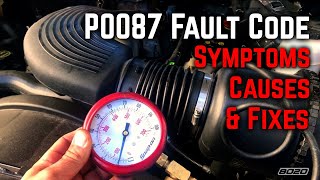
Helpful Videos

We Have This Part in Stock



The information in this article is provided for general reference and educational purposes only. Vehicle specifications, procedures, and part compatibility can vary by production date, trim level, and region. Always consult your vehicle's factory service manual and verify part numbers before purchasing or performing repairs. Safety-critical components such as airbags, seat belts, and braking systems should be installed by a qualified professional.
- Chevrolet Camaro:
- 🎬 Helpful Videos
- 🛍️ Shop This Part
- What's Unique About the 2010-2015 Chevrolet Camaro
- Symptoms You May Notice
- Most Likely Causes
- Rare But Worth Checking
- Diagnosis Steps
- Parts You'll Likely Need
- Related Codes That Often Appear With This One
- Technical Service Bulletins (TSBs) & Recalls
- Platform-Specific Known Issues
- Mechanic-Grade Diagnostic Values
- Scan Tool Commands That Help
- Wiring & Ground Locations
- Real Owner Repair Stories
- Documented NHTSA Reports
- OEM Part Supersession History
- Model Year Variations Within This Range
- Diagnostic Flowchart
- Other Known Issues on This Vehicle
- Used vs. New Parts: Buying Guide for This Vehicle
- Real Owner Stories
- 2011 Chevrolet Camaro V6
- 2008 Cadillac CTS 3.6L LLT
- Related OBD-II Codes
- Frequently Asked Questions
- 🎟️ Get 5% Off