

P0073 on 2014-2016 Ford Transit Connect 2.5L: Inaccurate Temperature and A/C Fixes
On a 2014-2016 Ford Transit Connect, code P0073 is almost always caused by a failed Ambient Air Temperature (AAT) sensor or its wiring connector. This failure typically causes the A/C to stop working and the temperature display to read -40°F. Replacing the sensor (AU5Z-12A647-B) and connector pigtail (WPT-437) is the common fix, costing around $40-$80 for parts.
- P0073 on a 2014-2016 Transit Connect almost always means the A/C will not work because the car thinks it's freezing outside (often displaying -40°F).
- The most likely cause is a faulty Ambient Air Temperature (AAT) sensor, located behind the front bumper/grille on the driver's side.
- Ford issued a TSB (16-0054) for this problem, recommending the replacement of both the sensor (AU5Z-12A647-B) and its wiring connector (WPT-437).
- This is a relatively simple and inexpensive DIY repair that can restore A/C function without needing a professional mechanic.
What's Unique About the 2014-2016 Ford Transit Connect
For this specific generation of Ford Transit Connect with the 2.5L engine, the P0073 code is so commonly associated with air conditioning failure that Ford issued a Technical Service Bulletin (TSB 16-0054). The A/C system relies on the AAT sensor reading; if the PCM sees an implausibly cold temperature (like -40°F) due to the sensor fault, it will prevent the A/C compressor from turning on to avoid damage. Owners often notice the A/C problem before they even see the check engine light, especially in hot climates.
Symptoms You May Notice
- Air conditioning (A/C) is inoperative.
- Inaccurate outside temperature reading on the message center display (may show a very low or nonsensical temperature, commonly stuck at -40°F or dashes '--').
- Check Engine Light is on.
- Automatic climate control system does not function correctly.
- Recharging the A/C system. Many owners assume the A/C is not working due to a refrigerant leak, but for this vehicle, the P0073 code points directly to an electrical issue disabling the system.
Most Likely Causes
- Failed Ambient Air Temperature (AAT) Sensor 🔴 High Probability The sensor is located in the front of the vehicle, behind the grille, making it vulnerable to road debris, moisture, and physical damage. Ford's TSB specifically calls for its replacement, indicating a known failure point.
How to confirm: With a scan tool, observe the live data for the AAT sensor. If it shows an extremely low or unchanging value (like -40°F or -40°C), the sensor has likely failed open. You can also test the sensor's internal resistance with a multimeter; an open circuit (infinite resistance) indicates failure.
Typical fix: Replace the Ambient Air Temperature sensor. The Motorcraft part number is DY-1160, which corresponds to Ford part number AU5Z-12A647-B.
Est. part cost: $25-$50 - Damaged AAT Sensor Wiring or Connector 🟡 Medium Probability The sensor's exposed location also makes its wiring and connector susceptible to corrosion, moisture intrusion, and physical damage from road debris or minor front-end impacts. TSB 16-0054 explicitly recommends replacing the connector pigtail along with the sensor, as corrosion in the connector pins is a frequent cause of the open circuit.
How to confirm: Visually inspect the wiring harness and connector leading to the AAT sensor for any signs of corrosion (green crust), frayed wires, or physical damage. Check for 5V reference voltage at the connector with the key on. If the connector looks corroded, it's the likely culprit even if wires appear intact.
Typical fix: Repair the damaged section of wiring or, more commonly, replace the sensor connector pigtail. The recommended Motorcraft pigtail is part number WPT-437.
Est. part cost: $15-$30
Rare But Worth Checking
- Powertrain Control Module (PCM) Fault: This is very rare. Before suspecting the PCM, all other possibilities, including the sensor, connector, and the entire length of the wiring, must be thoroughly ruled out. A PCM fault would typically be accompanied by other, more widespread issues.
Diagnosis Steps
- Scan for Codes: Use an OBD-II scanner to confirm P0073 is present. Check for other related codes like P0074 or U0422.
- Check Live Data: View the live data stream for the Ambient Air Temperature sensor. A reading that is stuck at a very low value (e.g., -40°F) or shows as dashes strongly suggests a circuit high/open fault.
- Inspect the Sensor and Connector: Locate the AAT sensor. On the Transit Connect, you must first remove the plastic front splash guard under the bumper (held by T30 Torx screws and plastic push-pins). The sensor is then visible inside the bumper cover on the driver's side, near the lower grille opening. Visually inspect the sensor and its electrical connector for corrosion, damage, or loose connections.
- Test the Circuit: Disconnect the sensor. With the ignition on, use a multimeter to check for a reference voltage (around 5 volts) on one of the connector's pins. If voltage is present, the wiring is likely good up to the connector. If voltage is missing, there is a problem in the wiring leading back to the PCM.
- Test the Sensor: If the wiring seems okay, test the old sensor's resistance with a multimeter. The resistance should change with temperature. An infinite resistance reading means the sensor is internally open and has failed. At room temperature (~70°F / 21°C), a good sensor should read approximately 2,200-3,000 Ohms.
- Replace Components: Based on TSB 16-0054 and widespread owner experience, it is best practice to replace both the AAT sensor and its connector pigtail to ensure a lasting repair. After replacement, use a Ford-specific scan tool to reset the keep-alive memory (KAM) to allow the system to recognize the new sensor reading immediately. Alternatively, disconnecting the battery for 30 minutes may also work.
Parts You'll Likely Need
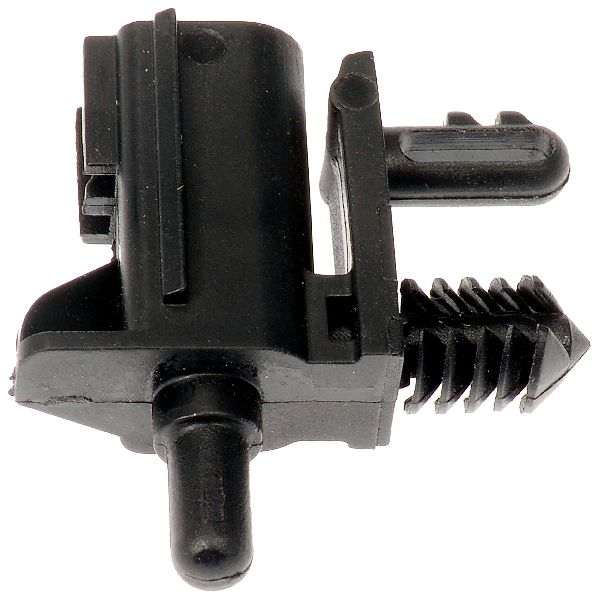
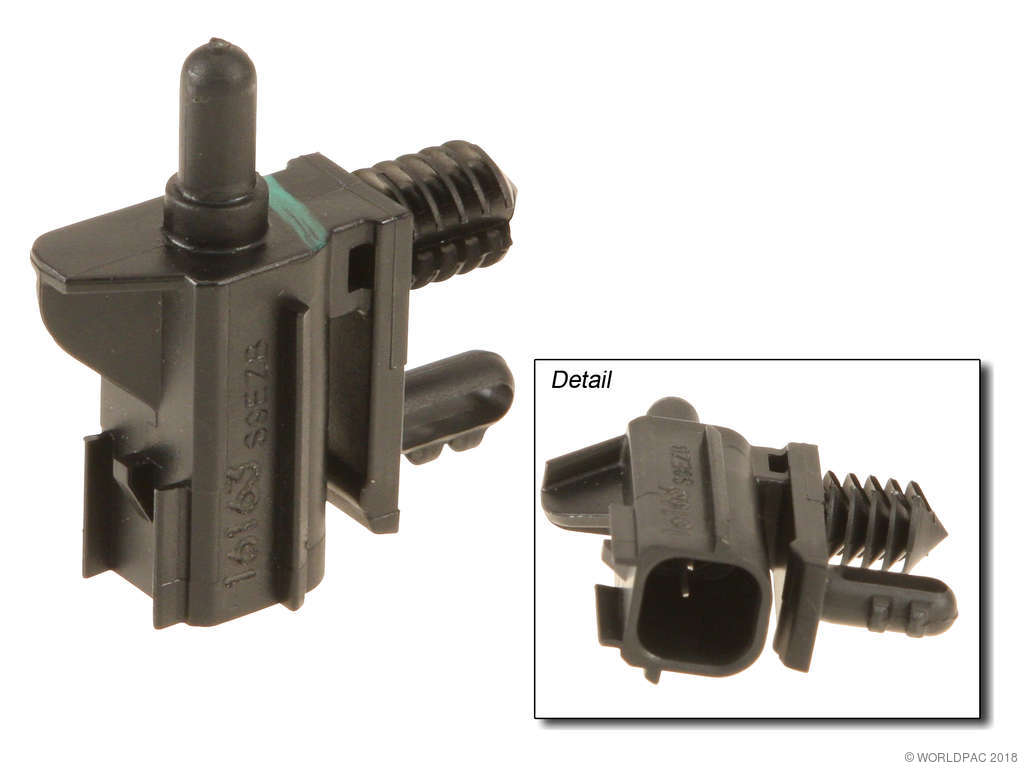
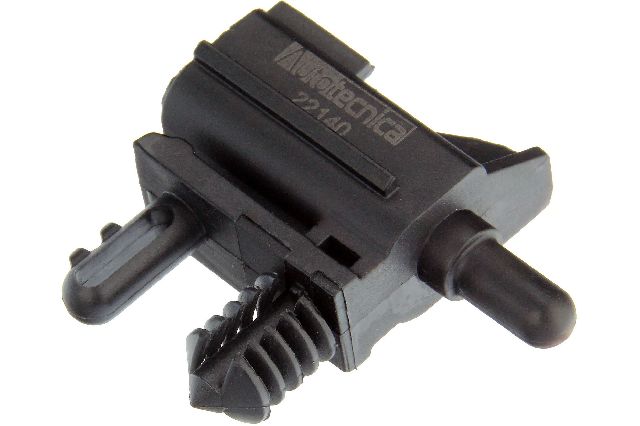
- Ambient Air Temperature Sensor
(OEM #AU5Z-12A647-B)— This is the most common failure point for code P0073, as identified by Ford's own Technical Service Bulletin and numerous owner reports.
Trusted brands: Motorcraft (DY-1160)
OEM price range: $30-$50
Aftermarket price range: $15-$35 - Ambient Air Temperature Sensor Connector Pigtail
(OEM #WPT-437)— The original connector is prone to corrosion and damage. TSB 16-0054 specifically advises replacing the connector along with the sensor to prevent repeat failures.
Trusted brands: Motorcraft, Dorman
OEM price range: $20-$40
Aftermarket price range: $10-$25
Related Codes That Often Appear With This One
- P0074 — P0074 is for an intermittent signal from the same AAT sensor circuit. Both codes are listed in TSB 16-0054 and point to the same root cause of a failing sensor or wiring.
- U0422 — This network code indicates 'Invalid Data Received From Body Control Module' and is also cited in TSB 16-0054. It can be set when the instrument panel cluster (IPC) receives an implausible temperature reading from the PCM, which gets its data from the faulty AAT sensor.
Technical Service Bulletins (TSBs) & Recalls
- 16-0054: 2.5L - AIR CONDITIONING (A/C) INOPERATIVE AND/OR MESSAGE CENTER AMBIENT AIR TEMPERATURE DISPLAY INACCURATE - DTCS P0073, P0074 AND/OR U0422.
Platform-Specific Known Issues
- Ford Technical Service Bulletin 16-0054 was issued for 2014-2016 Transit Connects with the 2.5L engine for this exact issue. It addresses an inoperative A/C and/or inaccurate temperature display caused by faults in the AAT sensor circuit, specifically citing codes P0073, P0074, and U0422. The prescribed fix is to replace both the AAT sensor and its electrical connector. The TSB notes the A/C becomes inoperative when the faulty sensor reports a temperature below -1.1 °C (30 °F).
Mechanic-Grade Diagnostic Values
- AAT Sensor Connector Reference Voltage — expected: ~5.0 Volts DC. Failure: Voltage is absent or significantly lower, indicating a wiring issue from the PCM.
- AAT Sensor Resistance at ~20°C / 68°F — expected: 2,200 - 3,000 Ω (2.2k - 3.0k Ω). Failure: Infinite resistance (Open circuit), which is the direct cause of a P0073 code.
- AAT Sensor Resistance at ~80°C / 176°F — expected: 250 - 350 Ω. Failure: Resistance does not drop significantly when the sensor is heated, or remains open.
- AAT Sensor Signal Voltage (Fault Threshold) — expected: Below 4.5V in normal operation. Failure: Voltage reading at the PCM is above 4.5V, triggering the 'Circuit High' fault.
Scan Tool Commands That Help
- Ford Integrated Diagnostic System (IDS) or equivalent: Reset the keep alive memory (KAM) — This procedure is recommended by Ford in TSB 16-0054 after replacing the sensor and connector. It forces the PCM and other modules to immediately clear old, stored temperature data and recognize the reading from the new sensor, which can restore A/C function without a long drive cycle.
Wiring & Ground Locations
- AAT Sensor Connector Pin 1 (VREF) — On the 2-pin connector for the Ambient Air Temperature sensor.. This pin receives the ~5V reference voltage from the PCM. Verifying voltage here is the first step in confirming the circuit is powered.
- AAT Sensor Connector Pin 2 (Signal Return / Ground) — On the 2-pin connector for the Ambient Air Temperature sensor.. This pin provides the signal return path to the PCM. A break (open circuit) in this wire is a primary cause of the high voltage reading that sets code P0073.
Real Owner Repair Stories
- Reddit user in r/ecoboostmustang (Ford Mustang EcoBoost (similar AAT sensor setup)) — Check Engine Light with code P0073 and the outside temperature display showing "--" after installing an aftermarket intercooler.
✅ What actually fixed it The user had either damaged the sensor or failed to reconnect it during the installation. The fix was to properly connect or replace the AAT sensor located in front of the intercooler/radiator area.
OEM Part Supersession History
dy1345, fc4z12a647a→AU5Z-12A647-B (Motorcraft DY-1160)— Part number consolidation and revision by the manufacturer.
Diagnostic Flowchart
Other Known Issues on This Vehicle
Issues unrelated to this code that are worth knowing about as an owner of this generation:
- Transmission Shifter Cable Bushing Failure 🔴 High — Widespread enough to cause a major recall (22S43). The bushing can degrade due to heat and humidity, causing a rollaway risk. (Ref: Ford Safety Recall 22S43)
- Harsh Shifting or Transmission Failure 🟠 Medium — Frequently discussed by owners. Some experience complete failure requiring replacement, while others note harsh shifting that may be addressed with software updates or fluid changes.
- Sliding Door Latch/Mechanism Failure 🟠 Medium — Common complaint leading to multiple recalls. Latches may fail to secure the door, or the mechanism can become stiff or inoperative. (Ref: Ford Safety Recalls 20S30, 23S36)
- Panoramic Roof Panel Separation 🔴 High — Affects 2014-2017 models. An improper bond can lead to water leaks, wind noise, or the entire glass panel separating from the vehicle. (Ref: NHTSA Recall 20V-280)
Used vs. New Parts: Buying Guide for This Vehicle
When a used part is the smart pick: For this specific repair, a used part is not recommended. The AAT sensor is an inexpensive electronic component located in a high-exposure area (front bumper), making it prone to failure from weather and road debris. The low cost of a new OEM or quality aftermarket part makes it a much smarter investment than a used part with an unknown history and limited remaining lifespan.
What to inspect on the donor part:
- If a used part must be considered, inspect the sensor body for cracks or physical damage.
- Check the electrical pins inside the connector port for any signs of green or white corrosion or moisture damage.
- Avoid parts from vehicles with visible front-end collision damage.
OEM-only on this vehicle (don't cheap out):
- While not strictly 'OEM-only', the Motorcraft sensor (AU5Z-12A647-B) and pigtail (WPT-437) are the manufacturer-recommended parts in the TSB and are known to be reliable and correctly calibrated. Given their reasonable cost, they are the strongly preferred choice.
Aftermarket brands forum-validated for this vehicle:
- Standard Motor Products (SMP)
- Dorman
Real Owner Stories
Aggregated from forums and TSBs cited above. Mileages and costs reflect what owners reported in those sources.
2014 Ford Transit Connect 2.5L
Symptoms: The temperature display failed and reads -40°F, which caused the A/C to shut off in the hot American Southwest.
What fixed it: Replacing the sensor (Motorcraft Part Number: DY1160) located behind the front bumper cover and disconnecting the battery to reset the computer.
Source hint: Ford Transit Forum - 'Ambient Air Temp sensor on 2014 FTC, AC not working'
2015 Ford Transit Connect 2.5L
Symptoms: The temperature reading was fluctuating wildly and then stayed at a low temperature, which disabled the A/C.
What fixed it: Replacement of the ambient air temperature sensor after removing the splash guard with a T30 Torx; the owner also advised checking connector pins for corrosion.
Source hint: Raster Burn Blog - 'A matter of perception – 2015 Ford Transit Connect ambient air temperature sensor replacement'
2016 Ford Transit Connect 2.5L
Symptoms: External temperature reading was fluctuating wildly down to -30 or -40 degrees; owner questioned if the A/C was tied to this reading.
What fixed it: The context identifies this as the primary symptom of the P0073 fault, which is resolved by replacing the AAT sensor and connector per TSB 16-0054.
Source hint: Ford Transit Connect Forum - 'Is AC tied to external temp reading?'
Related OBD-II Codes
Frequently Asked Questions
My 2015 Transit Connect A/C stopped working and the dash shows -40°F. Is there a specific bulletin for this?
Where is the Ambient Air Temperature (AAT) sensor located on my Transit Connect?
What parts do I need to fix the P0073 code on my 2014-2016 Transit Connect?
Why does a bad outside temperature sensor cause my A/C to stop working?
I replaced the sensor but the temperature on the dash is still wrong. What should I do?
Are there any other major recalls I should be aware of for my 2014-2016 Transit Connect?
Helpful Videos
We Have This Part in Stock


The information in this article is provided for general reference and educational purposes only. Vehicle specifications, procedures, and part compatibility can vary by production date, trim level, and region. Always consult your vehicle's factory service manual and verify part numbers before purchasing or performing repairs. Safety-critical components such as airbags, seat belts, and braking systems should be installed by a qualified professional.
- Ford Transit Connect:
- 🎬 Helpful Videos
- 🛍️ Shop This Part
- What's Unique About the 2014-2016 Ford Transit Connect
- Symptoms You May Notice
- Most Likely Causes
- Rare But Worth Checking
- Diagnosis Steps
- Parts You'll Likely Need
- Related Codes That Often Appear With This One
- Technical Service Bulletins (TSBs) & Recalls
- Platform-Specific Known Issues
- Mechanic-Grade Diagnostic Values
- Scan Tool Commands That Help
- Wiring & Ground Locations
- Real Owner Repair Stories
- OEM Part Supersession History
- Diagnostic Flowchart
- Other Known Issues on This Vehicle
- Used vs. New Parts: Buying Guide for This Vehicle
- Real Owner Stories
- 2014 Ford Transit Connect 2.5L
- 2015 Ford Transit Connect 2.5L
- 2016 Ford Transit Connect 2.5L
- Related OBD-II Codes
- Frequently Asked Questions
- 🎟️ Get 5% Off