

P0038 on 2024 Jeep Wrangler: O2 Heater Circuit High Causes and Fixes
P0038 on a 2024 Jeep Wrangler indicates a high voltage fault in the heater circuit of the downstream oxygen sensor (Bank 1, Sensor 2). The most common fix is replacing the sensor itself. However, check for wiring issues or software updates, as TSBs indicate this code can appear with others due to broader electrical problems. A Reddit thread with owners of 2024 models confirms that dealers often replace multiple sensors before discovering a systemic overvoltage issue that requires a more in-depth
- P0038 specifically points to a problem with the heater inside the downstream O2 sensor (Bank 1, Sensor 2).
- While a failed sensor is the most likely part to replace, always inspect the wiring harness for damage first, as this is a known issue on Wranglers.
- If you see other O2 heater codes (P0032, P0052, P0058) along with P0038, the problem is almost certainly electrical (wiring, ground) or a PCM software issue, not multiple bad sensors.
- This is a DIY-friendly repair for those with basic tools and a multimeter, but be prepared for a potentially rusted-in sensor.
What's Unique About the 2024-2024 Jeep WRANGLER
On the 2024 Jeep Wrangler (JL platform), P0038 is often more than just a simple sensor failure. Manufacturer Technical Service Bulletins (TSBs) show this code frequently appearing alongside other O2 sensor heater codes (P0032, P0052, P0058) and sometimes even manual transmission sensor codes (P08A6) or system voltage high codes (P0563). This pattern strongly suggests an underlying electrical issue, such as a compromised wiring harness, a faulty shared ground, or a systemic overvoltage condition that requires a PCM software update to correct. A Reddit discussion among 2024 Wrangler owners highlights a known issue where an overvoltage condition from the vehicle's control system repeatedly destroys the O2 sensor heaters, indicating the root cause is not the sensor itself.
Diagnostic Flowchart
Tap your situation to follow the diagnostic path that matches what you're seeing on this vehicle.
Symptoms You May Notice
- Check Engine Light is on
- Failure to pass an emissions inspection test
- Potentially reduced fuel economy (though often not noticeable)
- In some cases with related codes, the engine may run rough or vibrate badly at idle.
- Replacing the catalytic converter. The P0038 code is for the sensor's heater circuit, not its reading of converter efficiency. A bad converter would typically set a P0420 code.
- Replacing the wrong O2 sensor. This code is specific to Bank 1, Sensor 2 (downstream, passenger side). Ensure you are diagnosing and replacing the correct sensor.
- Repeatedly replacing the O2 sensor without addressing the root cause. As noted in forums, a systemic overvoltage problem can cause new sensors to fail quickly. If a replacement sensor fails, the vehicle's charging system and wiring must be investigated.
Most Likely Causes
- Failed Bank 1, Sensor 2 Oxygen Sensor 🔴 High Probability The internal heater element of the O2 sensor is a common failure point due to constant heat cycles. On the JL/JT platform, owners and technicians report a known systemic overvoltage issue that can prematurely burn out the sensor's heater element, causing repeat failures.
How to confirm: Disconnect the sensor and measure the resistance across the two heater circuit pins (usually the two same-colored wires) using a multimeter. A typical reading is between 4 and 30 ohms, but refer to service data for the exact specification. An open circuit (infinite resistance) or a reading outside the manufacturer's specification indicates a failed heater element.
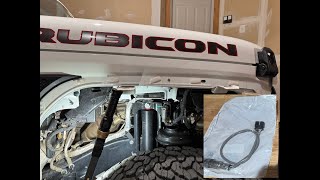
Typical fix: Replace the Bank 1, Sensor 2 oxygen sensor. This sensor is located after the catalytic converter on the passenger side. 🎬 Watch this walkthrough for replacing the Bank 1 Sensor 2 unit.
Est. part cost: $75-$235 - Wiring Harness or Connector Damage 🟡 Medium Probability The wiring for the downstream O2 sensor is routed under the vehicle and is exposed to heat from the exhaust and potential damage from road debris or contact with chassis components. TSBs for the Wrangler platform group this code with others, suggesting a shared wiring fault is a known issue. [1, 18-003-26, 18-008-25 REV. A, 18-008-25, 18-050-24 REV. A] A YouTube video for a JK Wrangler showed all four O2 heater codes were caused by a single failed ground wire near the passenger side of the transmission.
How to confirm: Visually inspect the wiring harness and connector leading to the sensor for any signs of melting, chafing, corrosion, or backed-out pins. Pay close attention to where the harness passes near the transmission and exhaust components. Use a multimeter to check for a short to voltage on the heater control wire coming from the PCM.
Typical fix: Repair the damaged section of the wiring harness. Clean or replace the connector if it is corroded or damaged. Ensure the harness is properly secured away from heat sources or moving parts.
Est. part cost: $10-$50 - PCM Software Issue 🟡 Medium Probability On related Jeep platforms like the Gladiator and other Wrangler model years, PCM software glitches have been known to falsely trigger multiple O2 heater codes, often related to a systemic overvoltage condition. TSBs like 18-050-24 REV. A and 08-142-24 specifically call for a PCM reflash to correct issues that cause O2 sensor and system voltage high codes.
How to confirm: Check with a Jeep dealership for any open TSBs or software updates related to emissions or O2 sensor codes for your vehicle's VIN. This is especially important if multiple heater codes (P0032, P0052, P0058) or system voltage codes (P0563, P2504) are present.
Typical fix: Have the dealership reflash the Powertrain Control Module (PCM) with the latest software using a wiTECH scan tool.
Est. part cost: $0-$200
Rare But Worth Checking
- Faulty Powertrain Control Module (PCM): This is rare. The internal driver circuit for the O2 sensor heater can fail, but all other possibilities like the sensor and wiring should be exhaustively ruled out first before condemning the PCM. A user on a JK forum noted that after replacing sensors, the PCM was the next suspected part.
- Blown Fuse: The O2 sensor heater circuit is protected by a fuse, often located in the under-hood fuse box. While not a common failure for a 'circuit high' code (which suggests a short to power), it's a quick and easy check that should be performed during diagnosis.
Diagnosis Steps
- Scan the vehicle for OBD-II codes. Note if P0038 is present along with other heater circuit codes (P0032, P0052, P0058) or voltage codes (P0563), as this strongly suggests a systemic issue per multiple TSBs.
- Visually inspect the wiring harness and connector for the Bank 1, Sensor 2 O2 sensor. It is located after the catalytic converter on the passenger side. Look for signs of melting, chafing, corrosion, or loose pins, paying special attention to where the harness is routed near the transmission and exhaust.
- With the key on and engine off, disconnect the sensor and use a multimeter to verify battery voltage (approx. 12V) is present at the heater power supply wire in the connector.
- Check the resistance of the heater element in the O2 sensor itself. Disconnect the sensor and connect an ohmmeter to the two heater element pins (often the same color). The resistance should be between 4.0 and 30.0 ohms for a good sensor. An infinite reading means the heater is broken.
- If wiring and the sensor test good, check for any available TSBs or software updates from Jeep by VIN. A PCM reflash is a common fix for these symptoms on the JL/JT platform.
- If multiple sensors have been replaced and the issue persists, investigate the vehicle's charging system for an overvoltage condition. Measure voltage at the battery with the engine running; it should be between 13.2 and 14.7 volts. Readings consistently above 15V point to a problem that is likely destroying the O2 sensors.
Parts You'll Likely Need
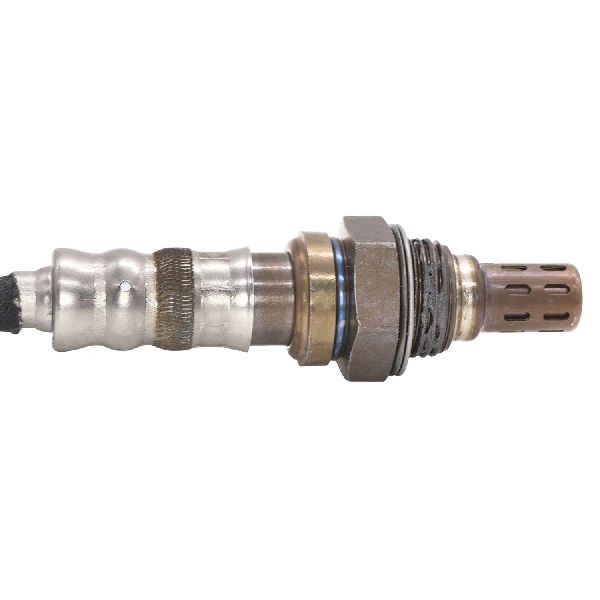
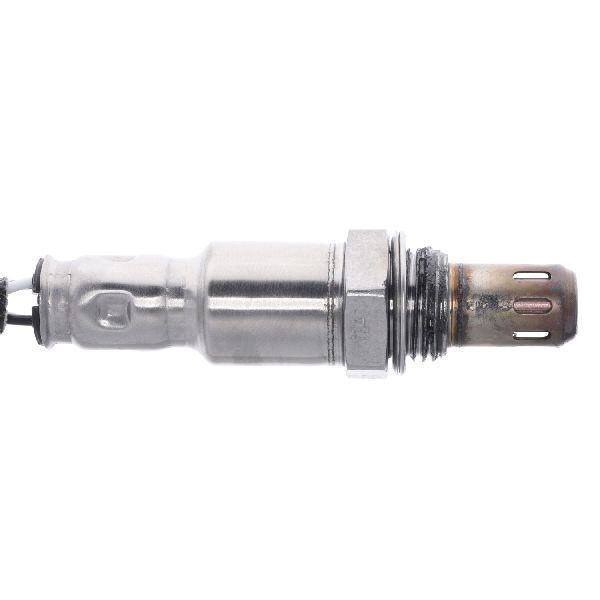
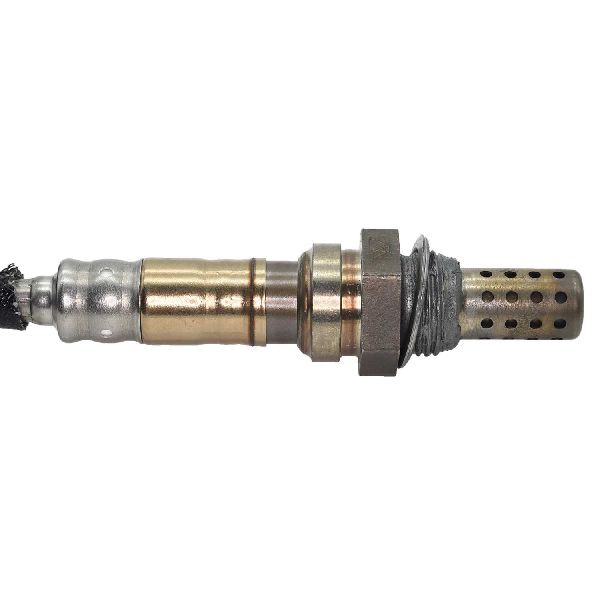
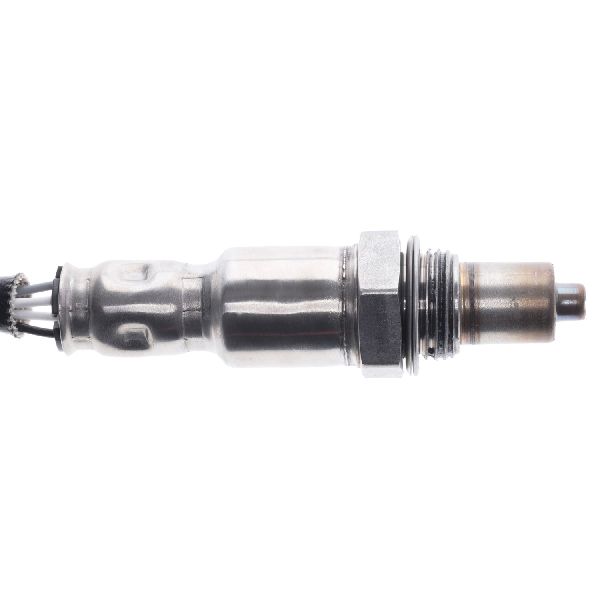
- Oxygen Sensor (Bank 1, Sensor 2)
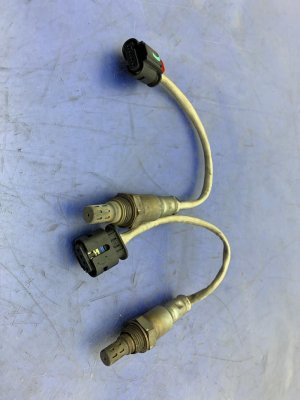
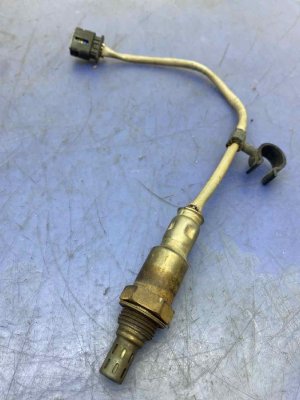
(OEM #68224424AA (For 3.6L V6 Gas Engine), 68504056AA (For 2.0L 4xe PHEV Engine))— This is the most common component to fail for a P0038 code, either from normal wear or due to a systemic overvoltage issue burning out the internal heater.
Trusted brands: Mopar, NTK, Denso, Bosch
OEM price range: $80-$120
Aftermarket price range: $75-$150
Related Codes That Often Appear With This One
- P0032 — Heater Circuit High for Bank 1, Sensor 1. Its appearance with P0038 is noted in TSBs and points to a shared electrical issue or software problem. [18-003-26]
- P0052 — Heater Circuit High for Bank 2, Sensor 1. Its appearance with P0038 is noted in TSBs and points to a shared electrical issue or software problem. [18-003-26]
- P0058 — Heater Circuit High for Bank 2, Sensor 2. Its appearance with P0038 is noted in TSBs and points to a shared electrical issue or software problem. [18-003-26] A user on a JK forum had both P0038 and P0058 after replacing sensors, pointing to a deeper issue.
- P08A6 — Gear Lever Position Sensor System Correlation. This code is listed in the same TSBs for manual transmission models, strongly suggesting a common wiring harness problem. [18-003-26, 18-008-25 REV. A]
- P0563 — System Voltage High. TSBs 18-003-26 and 18-050-24 link this code with O2 sensor circuit high codes, indicating a systemic overcharging issue may be the root cause that damages the sensors.
Technical Service Bulletins (TSBs) & Recalls
- 18-003-26: Lists P0038 with other O2 heater codes and a manual transmission sensor code, pointing to a potential shared electrical fault.
- 18-008-25 REV. A: Also groups P0038 with other sensor circuit high codes.
- 18-008-25: Groups P0038 with other O2 sensor heater circuit high codes.
- 18-050-24 REV. A: Groups P0038 with other O2 sensor heater circuit high codes and system voltage high codes, often recommending a PCM reflash.
Platform-Specific Known Issues
- Multiple TSBs (#18-003-26, #18-008-25 REV. A, #18-008-25, #18-050-24 REV. A) list P0038 along with other O2 sensor heater circuit high codes (P0032, P0052, P0058). This indicates a high likelihood of a shared electrical fault, such as a wiring harness issue, rather than four simultaneously failed sensors.
- A Reddit thread for r/JeepWrangler titled '2024 with Multiple O2 Sensor Failures' details an owner's experience where the dealer replaced three O2 sensors in a row before suspecting a deeper vehicle-side issue, which another user identified as a known overvoltage problem Stellantis has been struggling with on JL/JT platforms.
Mechanic-Grade Diagnostic Values
- O2 Sensor Heater Element Resistance — expected: 4 to 30 Ohms at 70°F (21°C). Failure: Infinite resistance (open circuit) or a reading outside the specified range.
- Heater Circuit Power Supply Voltage — expected: Approximately 12V (Battery Voltage) with Key On, Engine Off. Failure: No voltage or significantly lower voltage, indicating a wiring or fuse issue.
- Charging System Voltage — expected: 13.2 to 14.7 Volts with engine running. Failure: Sustained voltage above 15V, which can damage sensor heaters.
Scan Tool Commands That Help
- wiTECH (Dealer Scan Tool): PCM Reflash/Software Update — When TSBs indicate a software update is available to correct false O2 sensor codes or systemic overvoltage conditions, especially if multiple heater codes are present.
- Professional OBD-II Scanner: Live Data Monitoring (O2 Heater Duty Cycle) — To observe the PCM's command to the heater circuit. A 0% or 100% duty cycle when it should be modulating can indicate a control problem or a detected fault.
Wiring & Ground Locations
- Bank 1 Sensor 2 Connector — On the passenger side of the vehicle, connected to the oxygen sensor located after the catalytic converter. Access is typically gained by removing the front passenger side inner fender liner.. This is the primary connection to inspect for damage, corrosion, or backed-out pins. The heater circuit consists of two same-colored wires within this connector.
- G105 — Shared ground point for O2 sensor heaters mentioned in wiring diagrams for some Jeep models.. A wiring diagram for a Jeep platform showed that both upstream O2 sensor heaters shared ground G105. If the downstream sensors share a similar architecture, a fault, corrosion, or looseness at this single point could cause high resistance and trigger P0038 and other O2 heater codes simultaneously, mimicking multiple sensor failures.
Real Owner Repair Stories
- Reddit user in r/JeepWrangler (2024 Jeep Wrangler JLU) — Check engine light on, followed by a second and third CEL after sensor replacements. Engine began vibrating badly at idle, with a flashing check engine light.
❌ Tried (didn't work) Replacing the first O2 sensor that failed., Replacing the second O2 sensor that failed., Replacing the third O2 sensor that failed.
✅ What actually fixed it The issue was not resolved in the thread, but another user identified the root cause as a known vehicle-side problem. They stated: "The sensors are experiencing an overvoltage condition that breaks the heater in the sensor... This is NOT a sensor quality issue... If you are having this problem, complain directly to Stellantis and tell them to figure it out." The dealer opened a STAR ticket to troubleshoot with corporate engineering, which is the correct procedure for this known issue. - User on JLWranglerForums.com (2024 Jeep Wrangler Rubicon JLU 3.6L) — Check engine light. First an upstream sensor failed, then a downstream sensor failed.
❌ Tried (didn't work) Replacing the first failed O2 sensor.
✅ What actually fixed it The second sensor was also replaced by the dealer. The user noted that online research points to a common problem with overvoltage cracking the sensor's ceramic, and that this is not yet a recall item. This highlights the pattern of repeat, sequential sensor failures due to an underlying electrical issue rather than simultaneous bad sensors. - User on JLWranglerForums.com (New 2024 Rubicon X 3.6L (January 2024 build date)) — Check engine light, downstream sensor failure at 300 miles, then another downstream sensor failure 100 miles later, then an upstream failure. Rough idle while in park.
❌ Tried (didn't work) Replacing the first downstream sensor., Replacing the second downstream sensor.
✅ What actually fixed it The problem was ongoing as the third replacement part was on backorder. Another user commented, "Yeah this is not an o2 sensor issue. It's a wiring fault, most likely a shared ground. I refuse to believe all 4 sensors were faulty from the factory." This reinforces the diagnosis that the root cause is not the sensors themselves.
When the Usual Fixes Don't Work
- Multiple owner reports from 2024 indicate that simply replacing the O2 sensor for P0038 is often a temporary fix. The true root cause is frequently a systemic overvoltage condition on the JL/JT platform that repeatedly destroys the new sensor's internal heater. If a replacement sensor fails quickly, the diagnostic priority must shift from the sensor itself to investigating the vehicle's charging system and checking for relevant PCM software updates from Jeep, as this is a known issue without a formal recall as of early 2026.
Helpful Videos

Used OEM Parts in Stock

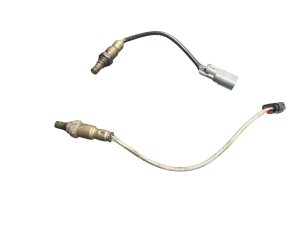
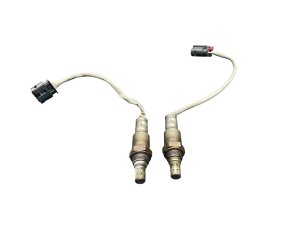
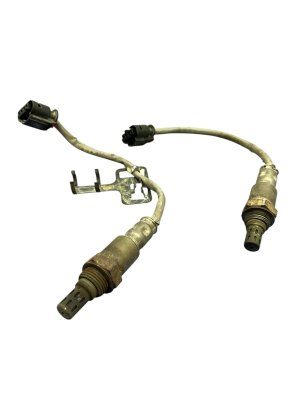
New Aftermarket Parts Available
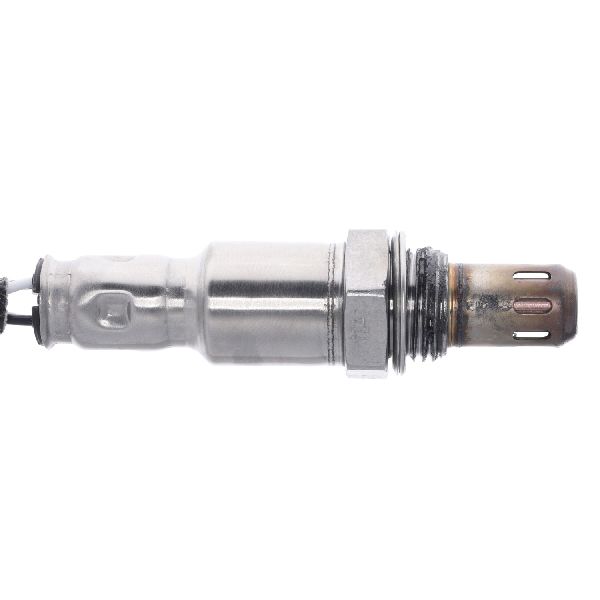

The information in this article is provided for general reference and educational purposes only. Vehicle specifications, procedures, and part compatibility can vary by production date, trim level, and region. Always consult your vehicle's factory service manual and verify part numbers before purchasing or performing repairs. Safety-critical components such as airbags, seat belts, and braking systems should be installed by a qualified professional.
- Jeep WRANGLER:
- 🎬 Helpful Videos
- 🛍️ Shop This Part
- What's Unique About the 2024-2024 Jeep WRANGLER
- Diagnostic Flowchart
- Symptoms You May Notice
- Most Likely Causes
- Rare But Worth Checking
- Diagnosis Steps
- Parts You'll Likely Need
- Related Codes That Often Appear With This One
- Technical Service Bulletins (TSBs) & Recalls
- Platform-Specific Known Issues
- Mechanic-Grade Diagnostic Values
- Scan Tool Commands That Help
- Wiring & Ground Locations
- Real Owner Repair Stories
- When the Usual Fixes Don't Work
- 🎟️ Get 5% Off