

P0030 on 2007-2013 Chevrolet Silverado 1500: HO2S Heater Circuit Causes and Fixes
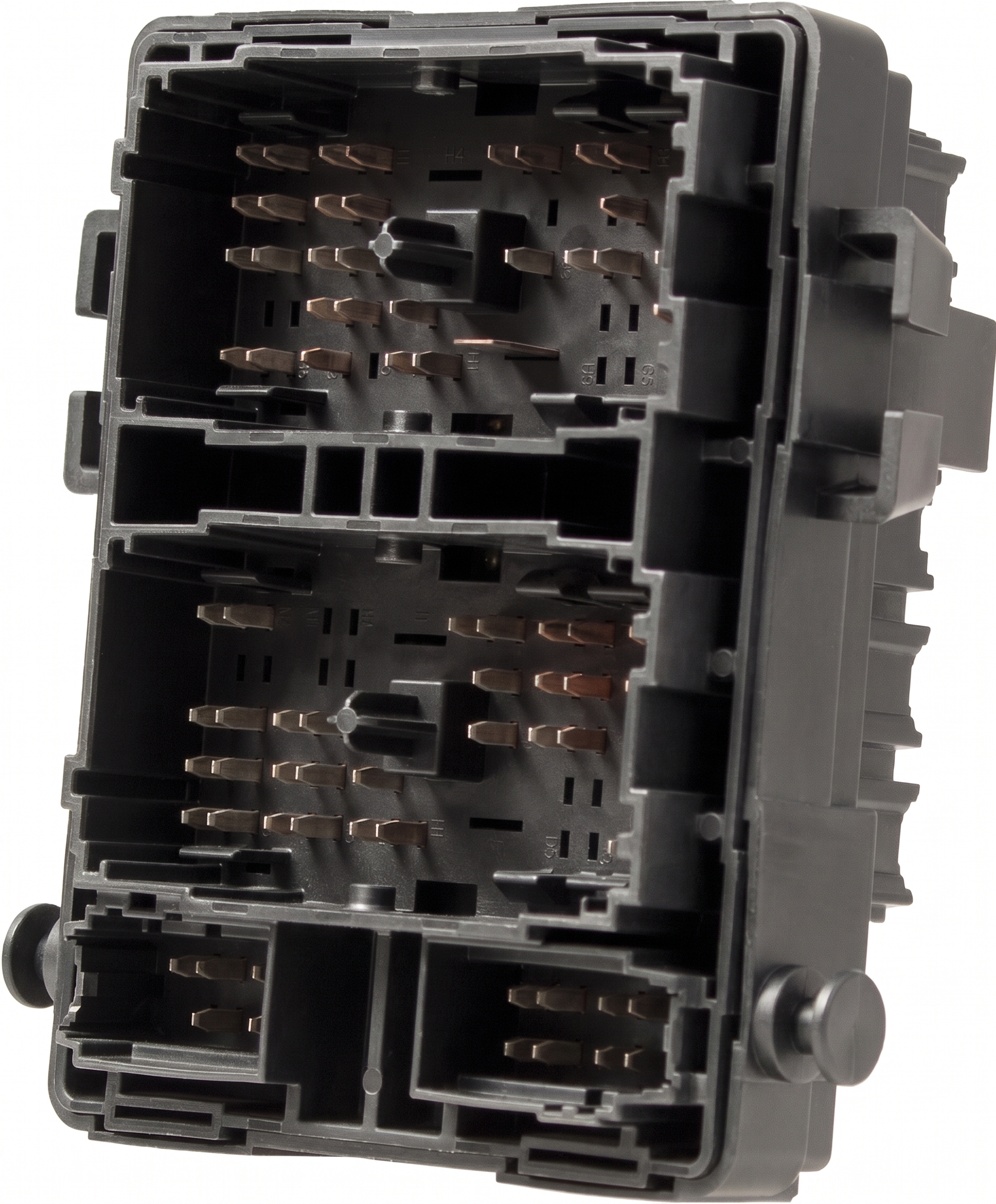
On a 2007-2013 Silverado, P0030 almost always means the heater inside the driver's side upstream (Bank 1, Sensor 1) oxygen sensor has failed. Before replacing the sensor, check the 15A 'OXY SEN 1' or 'O2 SENSOR A' fuse in the underhood fuse box. A new OEM-quality sensor costs about $40-$80.
- P0030 points to the heater circuit in the driver's side upstream O2 sensor.
- ALWAYS check the 15A 'OXY SEN 1' or 'O2 SENSOR A' fuse in the underhood fuse box before buying any parts.
- The sensor is located on the driver's side exhaust manifold. Replacement is a manageable DIY job with an O2 sensor socket.
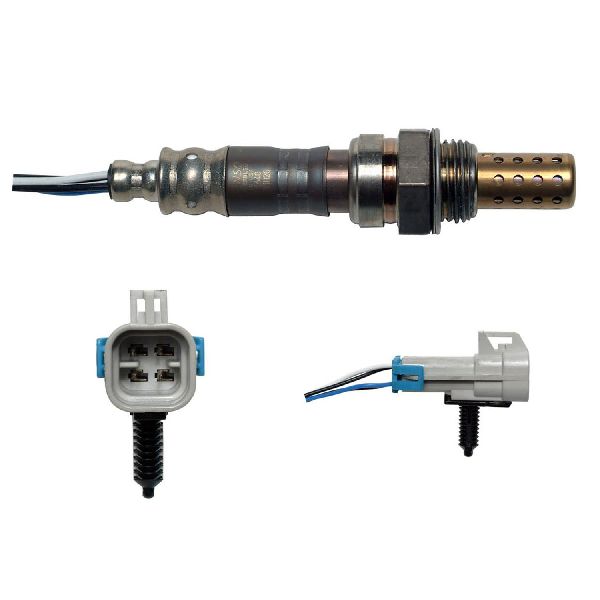
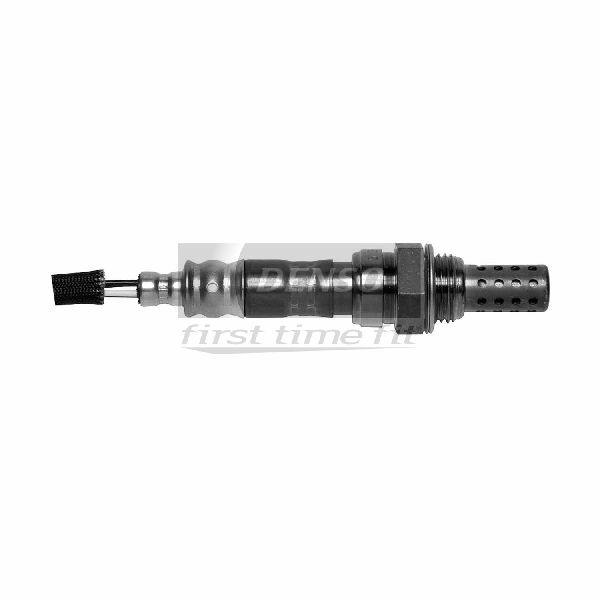
- Use a quality replacement sensor from brands like ACDelco (213-4229) or Denso (234-4668) to ensure compatibility and longevity.
- Do not confuse Bank 1 (driver's side) with Bank 2 (passenger's side) or Sensor 1 (upstream) with Sensor 2 (downstream).
- Inspect the wiring harness for heat damage or chafing, especially near the exhaust and front driveshaft on 4WD models.
What's Unique About the 2007-2013 Chevrolet Silverado 1500

For the GMT900 generation of Silverado trucks, this code is a very common and straightforward issue. While the oxygen sensor itself is the most frequent culprit, these trucks have dedicated 15A fuses for the sensor heaters in the underhood fuse block (often labeled 'OXY SEN 1' or 'O2 SENSOR A'). A blown fuse can trigger this code and is a simple, often overlooked first check that can save you the cost of a new sensor. Additionally, wiring harness chafing is a known issue that can lead to shorts causing this code.
Symptoms You May Notice
- Check Engine Light is on
- Reduced fuel economy
- Rough idle immediately after a cold start
- Failing an emissions test
- Engine may run rich until it warms up
- Replacing the wrong oxygen sensor (e.g., the passenger side 'Bank 2' sensor or the downstream 'Sensor 2').
- Replacing the oxygen sensor without first checking for a blown fuse.
- Overlooking a wiring issue, causing the new sensor's heater or fuse to fail again.
Most Likely Causes

- Failed Bank 1, Sensor 1 Oxygen Sensor 🔴 High Probability The internal heater element is a common failure point in oxygen sensors as they age from constant, rapid heat cycles.
How to confirm: After confirming the fuse and wiring are good, test the resistance of the heater circuit pins on the sensor itself using a multimeter. 🎬 See how to test the O2 heater circuit with a multimeter. An open circuit (infinite resistance or 'OL') confirms the heater has failed. A good sensor should read between 4 and 10 ohms.
Typical fix: Replace the Bank 1, Sensor 1 (driver's side, upstream) oxygen sensor. 🎬 Watch: Step-by-step Bank 1 Sensor 1 replacement guide.
Est. part cost: $40-$80 - Blown O2 Sensor Heater Fuse 🟡 Medium Probability Electrical shorts in the sensor or its wiring can cause the fuse to blow as a protective measure. These trucks have separate fuses for the O2 sensor heaters in the underhood fuse block. 🎬 Watch: Locate your O2 sensor fuse in the engine bay. In related Chevrolet vehicle reports, such as NHTSA ODI #11560268, technicians found a blown 15 AMP fuse associated with multiple heater and emissions codes including P0030.
How to confirm: Locate the underhood fuse box. Check the 15A fuses labeled for the O2 sensor heaters (often marked 'OXY SEN 1', 'O2 SENSOR A', or similar). A visual inspection or continuity test will show if the fuse is blown.
Typical fix: Replace the blown 15-amp fuse. If the new fuse blows immediately, it indicates a short circuit in the wiring or the sensor that needs to be diagnosed.
Est. part cost: $1-$5 - Damaged Wiring or Connector ⚪ Low Probability The wiring harness is exposed to high heat from the exhaust manifold and road debris. On 4WD models, there are documented cases of the harness rubbing against the front driveshaft, causing a short. GM has also issued TSB 21-NA-219 for potential harness chafing against the frame or brackets.
How to confirm: Visually inspect the wiring harness and connector leading to the Bank 1, Sensor 1 O2 sensor for any signs of melting, fraying, corrosion, or loose pins. Pay close attention to where the harness passes near the exhaust, steering shaft, and front driveshaft (if equipped).
Typical fix: Repair the damaged section of the wiring harness or replace the connector pigtail. Secure the harness away from any moving parts or heat sources.
Est. part cost: $15-$40
Rare But Worth Checking
- Faulty Engine Control Module (ECM): This is extremely rare. The ECM contains the driver circuit that grounds the heater. It should only be considered after all other possibilities, including the sensor, fuse, and wiring, have been definitively ruled out.
Diagnosis Steps

- Read the code with an OBD-II scanner to confirm P0030 is present.
- Open the underhood fuse box and locate the fuse(s) for the oxygen sensor heaters (typically a 15A fuse labeled 'OXY SEN 1', 'O2 SENSOR A', or similar). Visually inspect the fuse; if it's blown, replace it, clear the codes, and see if the problem returns.
- If the fuse is good, locate the Bank 1, Sensor 1 oxygen sensor. On these V8 engines, it is on the driver's side exhaust manifold, before the catalytic converter.
- Inspect the sensor's wiring harness and connector for any visible damage, such as melting, chafing near the frame or driveshaft, or corrosion in the connector.
- Disconnect the sensor. Use a multimeter to check for 12-volt power at the heater power wire in the connector (vehicle side) with the ignition key in the 'On' position. No voltage points to a wiring or fuse issue upstream.
- Use the multimeter to test the resistance of the heater element across the two corresponding pins on the sensor itself (usually the two wires of the same color). A reading of infinite resistance (OL) or zero means the heater is bad. A typical good reading is between 4 and 10 ohms.
- If the fuse, wiring, power supply, and sensor resistance all check out, the issue may be in the ground control circuit leading back to the ECM, or a fault within the ECM itself (which is rare).
Parts You'll Likely Need
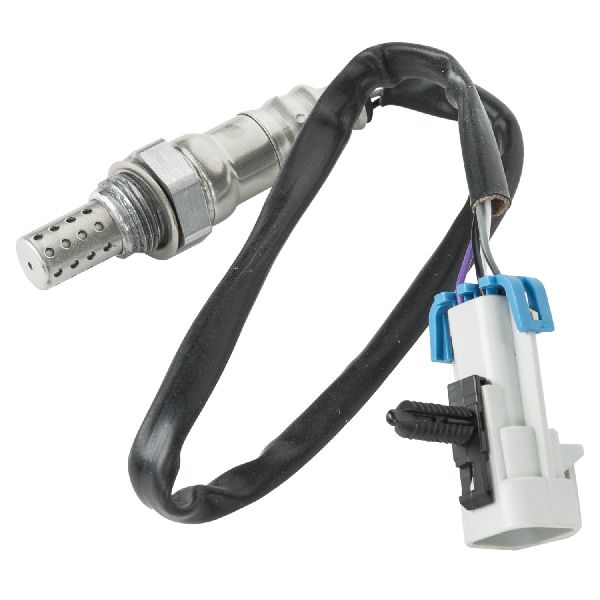
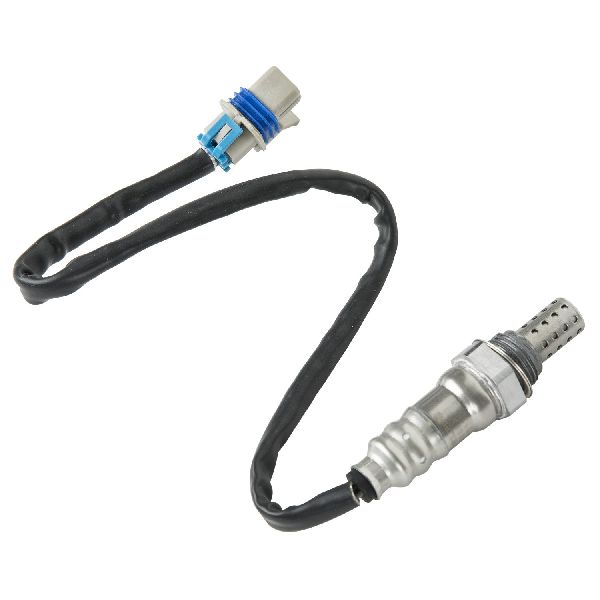
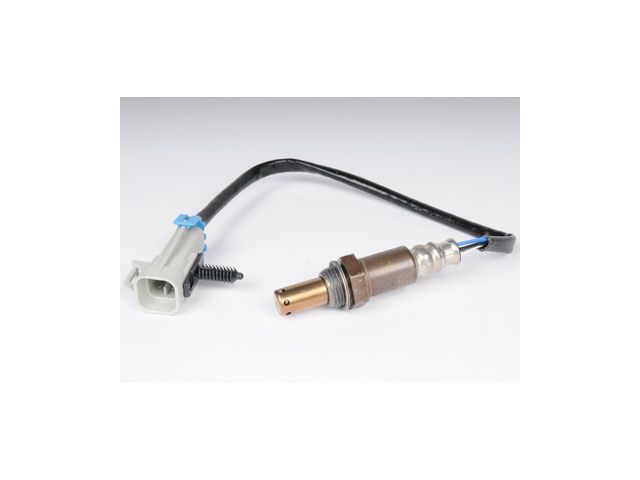
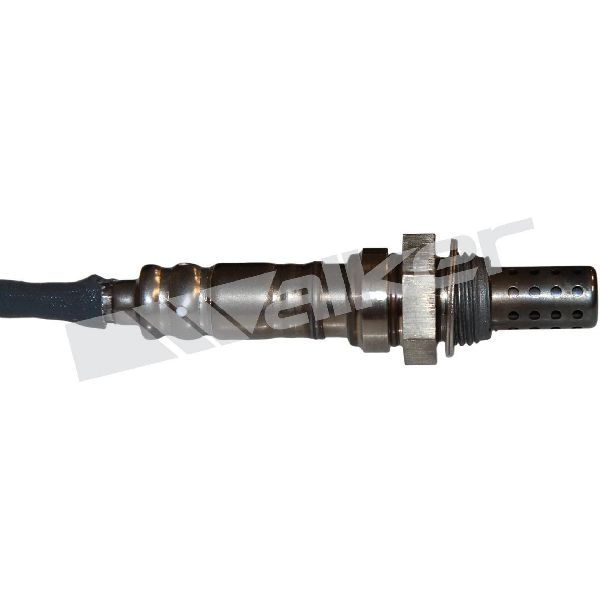
- Heated Oxygen Sensor (Bank 1, Sensor 1)
(OEM #ACDelco 213-3866 / GM 12583804)— The internal heater element fails from age and heat cycles, which is the most common cause for code P0030.
Trusted brands: ACDelco, Denso (p/n 234-4668), NGK/NTK
OEM price range: $60-$90
Aftermarket price range: $40-$70 - 15A Mini Fuse — If the O2 sensor heater circuit shorts out, it can blow the corresponding fuse in the underhood fuse panel.
Trusted brands: Bussmann, Littlefuse
OEM price range: $1-$5
Aftermarket price range: $1-$5
Related Codes That Often Appear With This One
- P0050 — This is the equivalent heater circuit code for Bank 2, Sensor 1 (passenger side). Seeing both codes together strongly points to a common power supply issue, like a blown fuse that powers both sensor heaters, or a systemic wiring problem.
- P0135 — This code also indicates a malfunction in the Bank 1, Sensor 1 heater circuit and is often used interchangeably by some diagnostic systems or may appear alongside P0030.
Technical Service Bulletins (TSBs) & Recalls
- 21-NA-219 - Diagnostic information for various electrical and driveability concerns, including DTC P0030, related to wiring harness chafing.
- Bulletin #PIT5336 - Provides information regarding vehicles with a Service Engine Soon lamp and DTCs P0030, P0031, P0036, and P0050 among others.
Platform-Specific Known Issues

- TSB 21-NA-219: Some 2019 and newer models have a known issue, but the principles apply to older trucks as well. This bulletin addresses engine wiring harness contact with various vehicle components, which can cause chafing and short circuits, leading to blown fuses and codes like P0030. Inspection of harness routing near the frame and brackets is advised if a short is suspected.
Mechanic-Grade Diagnostic Values
- HO2S Heater Resistance — expected: 3 to 10 ohms when cold. A brand new sensor is often around 9 ohms. A reading of 4 ohms is common for a used, but good, sensor.. Failure: Infinite resistance ('OL') indicates an open circuit (failed heater). Zero ohms indicates a short circuit.
- HO2S Heater Current (Live Scan Tool Data) — expected: With the engine running, the 'HO2S Heater' parameter should vary, typically between 1A and 2A as the ECM pulse-width modulates the circuit.. Failure: A reading of 0A indicates an open circuit (blown fuse, bad wiring, or failed heater). An unusually high and constant amperage may indicate a short.
- HO2S Heater Power Supply Voltage — expected: A test lamp should illuminate brightly, or a multimeter should read battery voltage (~12V), between Terminal D (Pink/Black wire) of the sensor harness connector and a good chassis ground, with the ignition ON.. Failure: No voltage indicates a blown fuse or an open in the power supply wire from the fuse block.
Hidden / Shadow Codes Worth Checking
- Mode $06, Monitor ID $41, Test ID $81: This is the 'Oxygen Sensor Heater Monitor Bank 1 Sensor 1' test. A professional scan tool can access this data to see the raw test results from the ECM, which can confirm a failure before the main DTC fully matures. (see via A professional scan tool capable of reading GM Mode $06 data (e.g., GDS2, Tech2, or high-end aftermarket scanners).)
Scan Tool Commands That Help
- GDS2 / Tech2 / Professional Scan Tool: Live Data > HO2S Heater Current / HO2S Heater Active Test — After checking the fuse, monitoring the heater current live while wiggling the harness is a key step to find intermittent shorts or opens. Some advanced tools may offer an 'Active Test' to command the heater on/off to verify the ECM driver and ground circuit are functioning.
Wiring & Ground Locations

- G103 & G104 — On the rear of the driver's side cylinder head and the front of the passenger's side cylinder head, respectively. These are the primary ECM and engine block grounds.. A poor ground at these locations can cause a host of electrical issues, including erratic sensor behavior and incorrect diagnostic trouble codes. While not a direct cause of an open heater circuit, a bad ground can cause the ECM driver to malfunction.
- HO2S B1S1 Connector (Harness Side) — Attached to a bracket near the top rear of the driver's side valve cover.. This is the primary test point. Pin D (Pink/Black wire) is the 12V+ power feed from the fuse. Pin C (Tan/White wire) is the ground-side control wire from the ECM. Testing for power at Pin D and checking the integrity of Pin C back to the ECM are critical diagnostic steps.
Real Owner Repair Stories
- Tahoe Yukon Forum user (2011 Chevrolet Tahoe 5.3L) — Check Engine Light with codes P0030 and P0050 (both heater circuits).
❌ Tried (didn't work) Initially suspected the sensors themselves had failed simultaneously.
✅ What actually fixed it The user located the underhood fuse box and found that two separate 15A fuses, one for 'O2 SENSOR A' (Bank 1) and one for 'O2 SENSOR B' (Bank 2), were responsible. In their case, checking these fuses first would have been the correct starting point before considering sensor replacement. This confirms the importance of checking fuses even when multiple sensor codes are present.
Documented NHTSA Reports
- An owner reported in NHTSA ODI #11632222 that a "Reduced Propulsion" message appeared alongside codes P0030, P0031, and P0135, which was ultimately traced to a blown fuse [F03].
- NHTSA ODI #11448862 describes a vehicle that would eventually stop with an "engine offline" message after registering codes P0030, P0031, P0054, and P0135.
- In NHTSA ODI #11681144, an owner noted P0030 and P0031 appearing as a result of an EGR failure to circulate coolant properly, leading to a long list of concurrent CEL codes.
When the Usual Fixes Don't Work
- While the vast majority of P0030 codes are fixed by a new sensor or fuse, forum discussions consistently warn against using Bosch brand oxygen sensors on these GM V8 engines. Multiple owners report that even a brand new Bosch sensor can fail to resolve the code or may cause new performance issues due to subtle differences in heater resistance or sensor signal characteristics that the GM ECM does not tolerate well. Sticking to OEM (ACDelco) or known OEM suppliers like Denso and NTK is the veteran-recommended path.
OEM Part Supersession History
ACDelco 213-3866→Current OEM part number for upstream sensor.— Standard part lifecycle updates for minor improvements in manufacturing or materials.
Heads up: Be cautious of aftermarket brand consolidation. Some brands use a single part number to replace multiple GM sensors, which can lead to incorrect wire harness length, heater resistance, or sensor element type, causing persistent codes or poor performance.
Model Year Variations Within This Range
- 2007-2013: The specific fuse number and label in the underhood fuse block can vary slightly by model year and equipment level. Always refer to the diagram on the fuse box lid for your specific truck. Common labels are 'OXY SEN 1', 'O2 SENSOR A', 'O2A', or similar.
Diagnostic Flowchart
Used vs. New Parts: Buying Guide for This Vehicle
When a used part is the smart pick: NEVER for the oxygen sensor itself, as it is a wear-and-tear item with a finite lifespan of 60k-100k miles. A used wiring harness pigtail from a junkyard is a perfectly acceptable and cost-effective repair for a damaged connector or melted wires.
Donor-vehicle mileage cap: roughly under 150000 miles for the part to have meaningful remaining life.
What to inspect on the donor part:
- For a wiring pigtail: ensure the wires are still flexible and not brittle.
- Check that the plastic connector body is not cracked and the locking tab is intact.
- Inspect the metal pins inside the connector for any green or white corrosion.
OEM-only on this vehicle (don't cheap out):
- While not strictly 'OEM-only', using an ACDelco (GM's brand) or a known OEM-supplier brand is strongly advised for the oxygen sensor itself.
Aftermarket brands forum-validated for this vehicle:
- Denso (often the original manufacturer for GM)
- NGK / NTK
Brands owners have reported issues with on this vehicle:
- Bosch: There is a widespread, long-standing consensus in GM truck forums that Bosch O2 sensors are problematic for these vehicles, often causing immediate or premature failure, or failing to resolve the original code.
Real Owner Stories
Aggregated from forums and TSBs cited above. Mileages and costs reflect what owners reported in those sources.
2008 Silverado
Symptoms: Check Engine Light was on with multiple O2 sensor codes: P0030, P0050, P0056, and P0161.
What fixed it: Replaced a blown 10-amp fuse for the O2 sensors. The owner had previously replaced the O2 sensors, but that did not fix the issue because the fuse was the root cause.
Source hint: YouTube comment on '2008 Silverado P0030,P0050'
2006 GMC Sierra 5.3L — 119000 miles
Symptoms: The check engine light came on with a code of P0030.
What fixed it: After confirming the fuse was good, the owner was advised by other owners to replace the sensor, specifically recommending AC Delco or Denso brands and advising against Bosch for this truck.
Source hint: GM-Trucks.com thread titled 'DTC P0030'
Related OBD-II Codes
Frequently Asked Questions
Where is the Bank 1, Sensor 1 oxygen sensor located on my 2007-2013 Silverado V8?
What is the very first thing I should check if I get a P0030 code?
My fuse is good. How can I test the O2 sensor itself?
Are there any known wiring issues on these trucks that can cause P0030?
What brand of replacement oxygen sensor is recommended for my Silverado?
I have a 2010 GMC Sierra with the 5.3L V8, not a Silverado. Does this P0030 information apply?
Helpful Videos


Used OEM Parts in Stock


New Aftermarket Parts Available

The information in this article is provided for general reference and educational purposes only. Vehicle specifications, procedures, and part compatibility can vary by production date, trim level, and region. Always consult your vehicle's factory service manual and verify part numbers before purchasing or performing repairs. Safety-critical components such as airbags, seat belts, and braking systems should be installed by a qualified professional.
- Chevrolet Silverado 1500:
- 🎬 Helpful Videos
- 🛍️ Shop This Part
- What's Unique About the 2007-2013 Chevrolet Silverado 1500
- Symptoms You May Notice
- Most Likely Causes
- Rare But Worth Checking
- Diagnosis Steps
- Parts You'll Likely Need
- Related Codes That Often Appear With This One
- Technical Service Bulletins (TSBs) & Recalls
- Platform-Specific Known Issues
- Mechanic-Grade Diagnostic Values
- Hidden / Shadow Codes Worth Checking
- Scan Tool Commands That Help
- Wiring & Ground Locations
- Real Owner Repair Stories
- Documented NHTSA Reports
- When the Usual Fixes Don't Work
- OEM Part Supersession History
- Model Year Variations Within This Range
- Diagnostic Flowchart
- Used vs. New Parts: Buying Guide for This Vehicle
- Real Owner Stories
- 2008 Silverado
- 2006 GMC Sierra 5.3L — 119000 miles
- Related OBD-II Codes
- Frequently Asked Questions
- 🎟️ Get 5% Off