

P0025 on 2012-2017 Hyundai Azera 3.3L V6: Exhaust Cam Timing Causes and Fixes
On the 2012-2017 Azera 3.3L, code P0025 is most often caused by low or dirty engine oil, or a failing Bank 2 exhaust Oil Control Valve (OCV). Start by checking your oil. If the oil is full and clean, the OCV is the next likely culprit, costing around $40-$80 for an aftermarket part. This valve is also called a VVT solenoid.
- First, check your engine oil. Low or dirty oil is the #1 cause of P0025 on this engine.
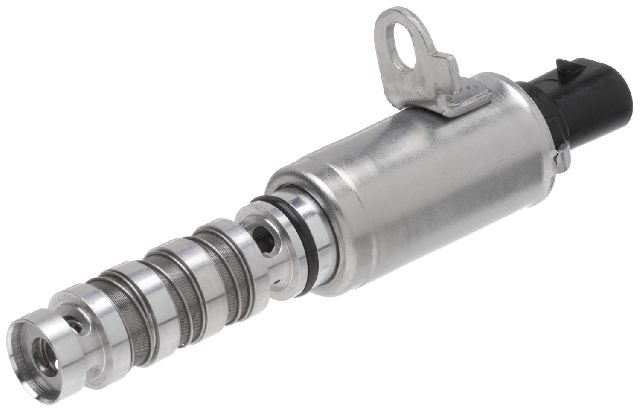
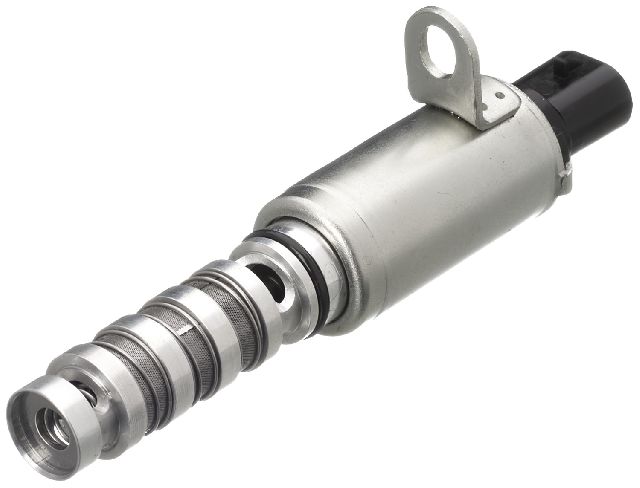
- The next most likely cause is a faulty Bank 2 (radiator side) exhaust Oil Control Valve (OCV), part number 24360-3CAB2.
- This is a DIY-friendly repair for many, with the OCV being easily accessible on the front valve cover.
- Use only high-quality full synthetic 5W-30 oil and maintain regular change intervals to prevent this code from returning.
- Do not immediately replace the camshaft position sensor; the OCV or oil itself is a more probable culprit.
What's Unique About the 2012-2017 Hyundai Azera
The Lambda II GDI engine, like many direct-injection engines, can be sensitive to oil maintenance. Oil consumption and sludge buildup can occur if oil change intervals are extended or incorrect oil is used. This makes the CVVT system, which is hydraulically operated by engine oil, particularly vulnerable to problems. A P0025 code on this specific platform should prompt an immediate and serious check of oil level and condition, as sludge can quickly clog the small passages in the Oil Control Valve (OCV) and cam phaser, leading to this fault. Recent lawsuits and owner complaints suggest some of these engines may have manufacturing issues leading to premature bearing wear, which can contaminate the oil with metallic debris and cause widespread problems.
Symptoms You May Notice
- Check Engine Light is on
- Rough or unstable idle
- Reduced engine power and sluggish acceleration
- Engine may be difficult to start
- Decreased fuel economy
- Engine may stall at low speeds or when stopping
- Engine knocking sound
- Replacing the camshaft position sensor when the actual problem is a faulty Oil Control Valve (OCV).
- Replacing either the sensor or the OCV when the root cause is simply low or dirty engine oil.
- Assuming a major timing chain failure when the issue is a much simpler and cheaper clogged OCV or low oil level.
Most Likely Causes
- Low or Dirty Engine Oil 🔴 High Probability The CVVT system is entirely dependent on oil pressure and cleanliness. GDI engines can be susceptible to oil consumption and sludge if maintenance is not followed strictly, making this the most common cause. Sludge can block the fine mesh screens on the OCVs.
How to confirm: Check the oil dipstick. The level should be at the 'F' mark and the oil should appear clean (not black, thick, or sludgy).
Typical fix: Perform an oil and filter change using a high-quality full synthetic oil that meets the manufacturer's specifications (typically 5W-30 API SN PLUS/SP or higher).
Est. part cost: $40-$80 - Faulty Bank 2 Exhaust Oil Control Valve (OCV/VVT Solenoid) 🔴 High Probability This solenoid is an electronic part that lives in the engine and is constantly working. It can become clogged with oil sludge or fail electrically over time.
How to confirm: Remove the solenoid from the front (Bank 2) valve cover. Inspect its screen for debris. You can test its mechanical function by applying 12V to its terminals; you should hear a distinct click. Resistance should be between 6.9 and 7.9 ohms at 68°F (20°C). If the resistance is out of spec, the valve is faulty.
Typical fix: Replace the Bank 2 exhaust Oil Control Valve. It is secured by a single 10mm bolt. Always replace the O-ring with the valve.
Est. part cost: $40-$150 - Faulty Bank 2 Exhaust Camshaft Position Sensor ⚪ Low Probability
How to confirm: A failing sensor may throw other codes related to the sensor circuit itself (e.g., P0390-P0394). It can be tested with a multimeter, but replacement is often the easiest way to confirm if it's the issue after ruling out the OCV.
Typical fix: Replace the Bank 2 exhaust camshaft position sensor.
Est. part cost: $30-$100
Rare But Worth Checking
- Failed CVVT Cam Phaser: The phaser is the mechanical gear on the end of the camshaft. It can fail internally, getting stuck in one position. This is a much more labor-intensive and expensive repair than the OCV.
- Stretched or Jumped Timing Chain: If the timing chain has stretched or jumped a tooth, the base timing will be incorrect, which can trigger this code. This is a major mechanical failure that would likely present with other severe symptoms and is less common than OCV or oil issues.
- Clogged OCV Filter: Many Hyundai/Kia engines have a small, cylindrical mesh filter in the oil passage leading to the OCV. This filter can become clogged with sludge, starving the OCV and phaser of oil pressure. It is located in the cylinder head, often underneath or near the OCV.
Diagnosis Steps
- Verify the code with an OBD-II scanner. Note any other codes present.
- Check the engine oil level and condition. If it is low, top it off, clear the code, and see if it returns. If the oil is dark, sludgy, or past its change interval, perform a full oil and filter change with the correct viscosity synthetic oil (5W-30).
- Locate Bank 2. On the transverse 3.3L V6, Bank 2 is the cylinder head closer to the radiator/front of the vehicle.
- Inspect the wiring and connector for the Bank 2 exhaust OCV and the Bank 2 exhaust camshaft position sensor. Ensure they are clean, secure, and free of damage.
- Remove and test the Bank 2 exhaust OCV. It is located on the valve cover. Inspect the mesh screens for sludge or debris. Clean with brake cleaner if dirty. Test the solenoid by applying 12V power; it should click audibly. Check resistance with a multimeter; it should be 6.9-7.9 ohms.
- If the OCV seems to function, consider swapping it with the Bank 1 exhaust OCV (located on the firewall-side valve cover). Clear the codes and drive the vehicle. If the code changes to P0015 (the Bank 1 equivalent), the OCV is confirmed as the faulty part.
- Locate and inspect the OCV oil filter. This small screen can get clogged. Remove it from the cylinder head, clean it thoroughly with brake cleaner, and reinstall.
- If the OCV and its filter are not the issue, the next most likely part is the camshaft position sensor for the Bank 2 exhaust cam. It can be replaced relatively easily.
- If none of the above steps resolve the issue, the problem may be more severe, such as a faulty cam phaser or a timing chain issue, which typically requires professional diagnosis.
Parts You'll Likely Need
- Bank 2 Exhaust Oil Control Valve (VVT Solenoid)
(OEM #24360-3CAB2)— This is the most common component to fail or become clogged, directly causing the timing retard error.
Trusted brands: Hyundai (OEM), Dorman, Standard Motor Products (SMP)
OEM price range: $100-$160
Aftermarket price range: $40-$80 - Bank 2 Exhaust Camshaft Position Sensor
(OEM #39318-3C500)— This sensor provides the data that triggers the code. If it fails, it can send incorrect position information to the ECM.
Trusted brands: Hyundai (OEM), Bosch, NGK/NTK, Delphi
OEM price range: $70-$120
Aftermarket price range: $30-$60
Related Codes That Often Appear With This One
- P0015 — This is the equivalent code ('B' Camshaft Position - Timing Over-Retarded) for Bank 1. Seeing both could indicate a widespread oil pressure or sludge issue affecting the entire engine.
- P0390-P0394 — These are codes related to the Bank 2 Camshaft Position Sensor circuit itself. If you have one of these, it points more directly to a sensor or wiring failure rather than an oil flow issue.
- P0024 — This is for 'Timing Over-Advanced' on the same Bank 2 exhaust camshaft. Seeing both or having them appear intermittently could point to an erratic OCV or a sticking cam phaser.
Technical Service Bulletins (TSBs) & Recalls
- TSB 23-EM-007H: Details Hyundai's procedure for combustion chamber cleaning to address symptoms caused by carbon deposits, which can be related to the oil consumption issues that cause P0025. It recommends using 5W-30 Full Synthetic oil.
- TSB 19-EM-003H (and subsequent revisions like 23-EM-008H): While focused on the 2.0L/2.4L Theta II engines, these TSBs outline the official process for diagnosing excessive oil consumption, which is a root cause of oil-related codes like P0025 on other Hyundai engines. The process involves an oil consumption test and potential engine cleaning.
Platform-Specific Known Issues
- The Lambda II 3.3L GDI engine can be prone to oil consumption and sludge buildup, especially if oil changes are not performed frequently with high-quality synthetic oil. This sludge is a primary cause of CVVT system faults like P0025.
- A class-action lawsuit has been filed concerning potential premature wear and failure in some 3.3L Lambda II engines, alleging issues related to internal debris and connecting rod bearing failure circulating in the oil. While not a direct cause for all P0025 codes, it highlights the engine's sensitivity to oil-related problems and the importance of checking oil for metallic content.
- Carbon buildup on intake valves is a common issue for GDI engines like the G6DH, which can lead to rough running and misfires, though it is not a direct cause of P0025.
Mechanic-Grade Diagnostic Values
- Bank 2 Exhaust Oil Control Valve (OCV) Resistance — expected: 6.9 - 7.9 Ohms at 68°F (20°C). Failure: A reading outside this range, or an open circuit (no reading), indicates a failed solenoid coil.
- Scan Tool Live Data: Commanded vs. Actual Cam Angle — expected: The 'Actual' angle should closely follow the 'Commanded' or 'Desired' angle as engine RPM and load change.. Failure: A significant and persistent lag or deviation between the actual and commanded values on Bank 2 Exhaust points to a mechanical or hydraulic issue (sticking phaser, low oil pressure) rather than just a sensor.
- Camshaft Position Sensor Resistance — expected: Typically 500 - 1,200 Ohms. Failure: A reading outside the manufacturer's specified range.
Scan Tool Commands That Help
- Hyundai GDS (Global Diagnostic System) or equivalent professional scanner: CVVT System Actuation Test — This bidirectional command allows a technician to manually command the OCV to advance or retard the cam timing while the engine is idling. If the engine stumbles or stalls when battery voltage is applied directly to the OCV, it indicates the phaser is mechanically responding. If the engine note doesn't change, it points to a stuck OCV, a clogged oil passage, or a failed phaser.
Wiring & Ground Locations
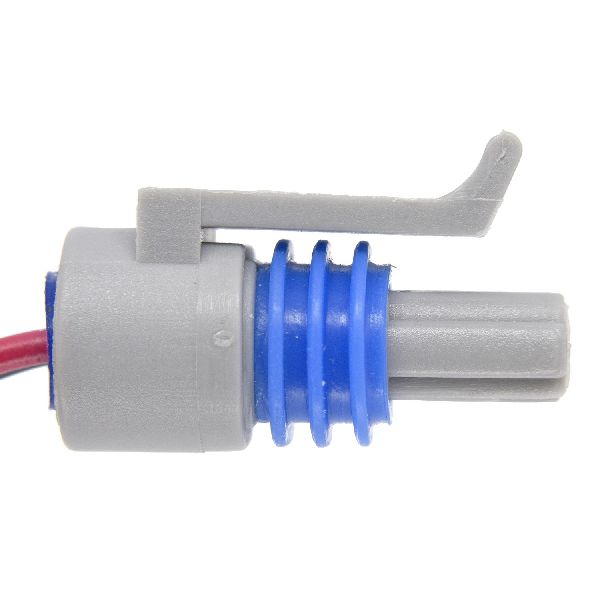
- Bank 2 Exhaust OCV Connector — On the front valve cover (closer to the radiator), on the right side when facing the engine. It's a two-pin connector on the OCV solenoid.. This is the primary electrical connection for the component that controls oil flow to the cam phaser. A damaged connector or wiring here will directly cause a P0025 or related circuit code.
- ECM Connector CLG-A, Pin 9 — At the Engine Control Module (ECM).. This pin provides the sensor ground for the Bank 2 Exhaust Camshaft Position Sensor. A poor ground connection here can cause erratic sensor readings, potentially leading to a P0025 code even if the sensor and OCV are good.
Real Owner Repair Stories
- Hyundai-Forums.com user (2012 Hyundai Azera 3.3L) — Check Engine Light with code P0025, rough idle, and hesitation on acceleration.
❌ Tried (didn't work) Performed an engine oil and filter change., Replaced the Bank 2 Exhaust Oil Control Valve (OCV)., Swapped the Bank 2 Exhaust Camshaft Position Sensor with the one from Bank 1.
✅ What actually fixed it The mechanic found and cleaned a clogged OCV filter screen located in the cylinder head oil passage, just below the OCV. The screen was blocked with sludge, preventing adequate oil pressure from reaching the new OCV and the cam phaser.
OEM Part Supersession History
24360-3CAB1→24360-3CAB2— Likely an internal revision for improved reliability or material changes.
Diagnostic Flowchart
Other Known Issues on This Vehicle
Issues unrelated to this code that are worth knowing about as an owner of this generation:
- Panoramic Sunroof Failure 🟠 Medium — Common complaint. The sunroof may get stuck open, or the sunshade blinds may fail to retract properly, often due to dirty/unlubricated tracks or motor/guide failure.
- Electronic Parking Brake (EPB) Malfunction 🟠 Medium — Owners report the EPB failing to engage or disengage, sometimes requiring manual release or replacement of the caliper motor. Warning lights on the dash are a common symptom.
- Engine Failure / Connecting Rod Bearing Wear 🔴 High — While not affecting every vehicle, a significant number of complaints and lawsuits allege that the 3.3L GDI Lambda II engine can suffer from premature connecting rod bearing failure, leading to knocking, seizure, and catastrophic engine damage, sometimes at relatively low mileage. (Ref: Subject of multiple class-action lawsuits and an NHTSA investigation.)
- GDI Carbon Buildup 🟡 Low — As a direct-injection engine, the intake valves are not cleaned by fuel spray, leading to carbon deposit accumulation over time. This can cause rough idle, misfires, and reduced performance, typically noticeable after 60,000+ miles. (Ref: TSB 23-EM-007H provides a procedure for combustion chamber cleaning.)
Used vs. New Parts: Buying Guide for This Vehicle
When a used part is the smart pick: For this repair, using a used part is generally not recommended for electronic components like the Oil Control Valve (OCV) or Camshaft Position Sensor. The cost savings are minimal compared to the risk of getting a part that is near the end of its service life or already clogged/faulty.
Donor-vehicle mileage cap: roughly under 40000 miles for the part to have meaningful remaining life.
What to inspect on the donor part:
- For an OCV, inspect the mesh screens for any signs of sludge, varnish, or metallic debris. If it's not perfectly clean, do not buy it.
- Check the electrical connector pins for corrosion or damage.
- Ask for the donor vehicle's VIN to check its service history for regular oil changes, if possible.
OEM-only on this vehicle (don't cheap out):
- CVVT Cam Phaser: This is a precision mechanical part that is labor-intensive to replace. The risk of a used or cheap aftermarket phaser failing prematurely is too high. Stick with OEM Hyundai/Kia parts.
Aftermarket brands forum-validated for this vehicle:
- Standard Motor Products (SMP)
- Dorman (for OCVs)
- Bosch (for Camshaft Position Sensors)
- Delphi (for Camshaft Position Sensors)
Brands owners have reported issues with on this vehicle:
- Unnamed, no-brand parts from online marketplaces should be avoided, as their internal components and calibration may not meet OEM specifications, leading to persistent codes.
Real Owner Stories
Aggregated from forums and TSBs cited above. Mileages and costs reflect what owners reported in those sources.
2008 Hyundai Azera Lambda V6
Symptoms: The owner experienced issues leading to a P0011 code (the Bank 1 equivalent of P0025) shortly after an oil change.
What fixed it: Replacement of the Oil Control Valve (OCV).
Source hint: Reddit r/MechanicAdvice - '08 Hyundai Azera - Oil Control Valve replacement'
Related OBD-II Codes
Frequently Asked Questions
Is there a TSB for the oil consumption issues causing my P0025 code on the 3.3L engine?
Where is Bank 2 located on my 2012-2017 Azera 3.3L V6?
What specific oil should I use in my Azera to prevent CVVT sludge issues?
Can I test the Bank 2 Exhaust Oil Control Valve myself?
Is the P0025 code related to the engine failure class-action lawsuit for the Lambda II engine?
Could carbon buildup be causing my P0025 code?
We Have This Part in Stock


The information in this article is provided for general reference and educational purposes only. Vehicle specifications, procedures, and part compatibility can vary by production date, trim level, and region. Always consult your vehicle's factory service manual and verify part numbers before purchasing or performing repairs. Safety-critical components such as airbags, seat belts, and braking systems should be installed by a qualified professional.
- Hyundai Azera:
- 🛍️ Shop This Part
- What's Unique About the 2012-2017 Hyundai Azera
- Symptoms You May Notice
- Most Likely Causes
- Rare But Worth Checking
- Diagnosis Steps
- Parts You'll Likely Need
- Related Codes That Often Appear With This One
- Technical Service Bulletins (TSBs) & Recalls
- Platform-Specific Known Issues
- Mechanic-Grade Diagnostic Values
- Scan Tool Commands That Help
- Wiring & Ground Locations
- Real Owner Repair Stories
- OEM Part Supersession History
- Diagnostic Flowchart
- Other Known Issues on This Vehicle
- Used vs. New Parts: Buying Guide for This Vehicle
- Real Owner Stories
- 2008 Hyundai Azera Lambda V6
- Related OBD-II Codes
- Frequently Asked Questions
- 🎟️ Get 5% Off