

P0024 on 2015-2021 Lincoln Navigator: Exhaust Cam Timing Over-Advanced Fixes
On a 2015-2021 Lincoln Navigator, code P0024 is most often caused by low or dirty engine oil, or a sticking Variable Camshaft Timing (VCT) solenoid. Start by checking your oil level and condition. If the oil is fine, the VCT solenoid for the Bank 2 exhaust camshaft is the next likely culprit. The OEM part number is often HL3Z-6M280-A. Before replacing, a technician may try to cycle the solenoid with a scan tool to clear debris as suggested by Ford TSBs.
- P0024 on your Navigator means the driver's side exhaust camshaft timing is off.
- Before buying any parts, check your engine oil. Low or dirty oil is a very common cause.
- The most likely part to fail is the VCT solenoid for the Bank 2 exhaust camshaft, which is a relatively affordable and accessible part.
- Do not immediately assume a major engine problem; follow the diagnostic steps from simple (oil check) to more complex (solenoid swap/replacement).
- Ignoring this code can lead to poor performance, bad fuel economy, and potential engine damage over time.
What's Unique About the 2015-2021 Lincoln NAVIGATOR
The 3.5L EcoBoost engine in the Navigator relies heavily on its Variable Camshaft Timing (VCT) system for both power and efficiency. This system uses engine oil pressure to adjust the camshafts. As documented in multiple Ford/Lincoln Technical Service Bulletins (TSBs), these engines can be sensitive to oil quality and level. Small debris in the oil can cause the VCT solenoids to stick, leading to timing codes like P0024. This issue can sometimes be a precursor to or happen concurrently with the well-known 'cam phaser rattle' problem on this engine platform, which is a more extensive repair.
Diagnostic Flowchart
Tap your situation to follow the diagnostic path that matches what you're seeing on this vehicle.
Generation note: This guide covers the third generation (2015-2017) and fourth generation (2018-2021) Lincoln Navigator, both of which use a 3.5L EcoBoost V6. While the engines were updated between generations (Gen 1 to Gen 2 3.5L EcoBoost), the VCT system design and the common causes for code P0024 are fundamentally similar. The provided TSBs from NHTSA apply to vehicles in both generations, confirming the persistent nature of the issue.
Symptoms You May Notice
- Check Engine Light (MIL) is on
- Rough or unstable idle
- Engine hesitation or stalling, especially at low speeds
- Reduced engine power and acceleration
- Increased fuel consumption
- Difficulty starting the engine
- Rattling or ticking noise from the engine, especially on a cold start
- Replacing the camshaft position sensor. The sensor's job is to report the camshaft's position. It's usually accurate in reporting the problem; the fault almost always lies with the mechanical parts (solenoid, phaser) or the hydraulic medium (oil) that control the timing.
Most Likely Causes
- Low or Dirty Engine Oil 🔴 High Probability The VCT system is hydraulic and highly dependent on oil pressure and cleanliness. Manufacturer TSBs (SSM 47170, SSM 50067) directly state that debris can cause VCT solenoids to stick. Forum users on F150Forum.com with the same engine report that sticking to 4,000-5,000 mile oil change intervals is critical to prevent sludge and related VCT codes.
How to confirm: Check the oil level on the dipstick and inspect the oil's color and consistency. If it's low, excessively black, or sludgy, this is a very likely cause.
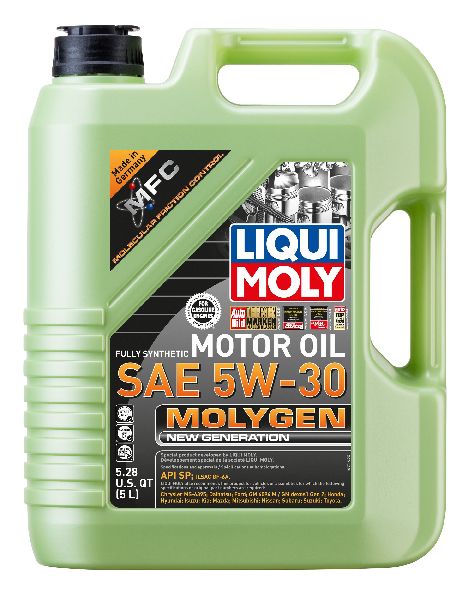
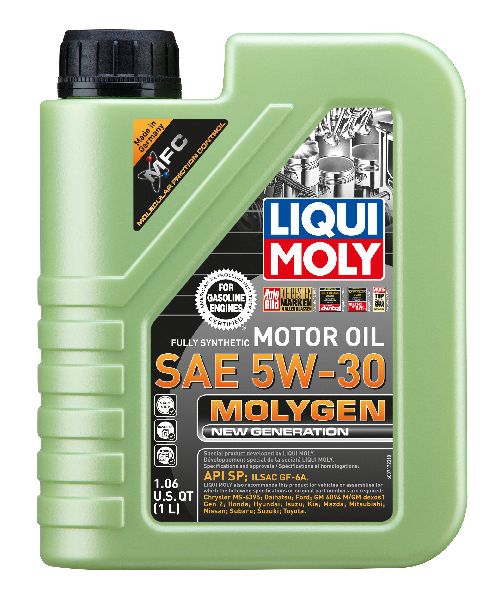
Typical fix: Perform an oil and filter change using the correct viscosity full synthetic oil specified by Lincoln (typically SAE 5W-30). In cases of suspected sludge, some owners have reported success with an engine flush or even a technician-performed ATF flush to clean passages before the oil change.
Est. part cost: $50-$100 - Faulty VCT Solenoid (Bank 2, Exhaust) 🔴 High Probability As noted in TSBs, these solenoids can stick due to debris or internal failure. They are a very common failure point. A YouTube video on a 3.5L EcoBoost showed a solenoid failure was caused by a small internal piece breaking off and jamming the spool valve.
How to confirm: After verifying oil is good, swap the Bank 2 exhaust VCT solenoid with the Bank 2 intake solenoid. Clear codes and drive. If the code changes to P0021 (Intake Camshaft Position Timing - Over-Advanced, Bank 2), the solenoid is faulty. A scan tool can also monitor desired vs. actual cam angle to see if the solenoid is 'lazy' or unresponsive.
Typical fix: Replace the Bank 2 exhaust VCT solenoid. Per TSBs SSM 47170 and SSM 50067, a technician should first try cycling the solenoid 10 times with a scan tool (pinpoint test HK11 or HK12) to dislodge debris before replacing the part.
Est. part cost: $40-$128 - Failing Camshaft Phaser 🟡 Medium Probability The cam phasers on the 3.5L EcoBoost are a known weak point, notorious for causing a 'cold start rattle'. A failing phaser can get stuck, lose its hydraulic lock, or fail to respond to commands from the VCT solenoid, triggering timing codes like P0024.
How to confirm: This is typically diagnosed after ruling out oil and solenoid issues. The primary symptom is a 2-4 second rattle on cold starts. A mechanic can use a scan tool to monitor phaser performance, but definitive diagnosis often requires inspecting the timing components.
Typical fix: This is a major repair. It involves replacing the Bank 2 exhaust camshaft phaser, and it is highly recommended to replace all four phasers, the timing chain, tensioners, and guides at the same time. A full timing job can cost several thousand dollars.
Est. part cost: $500-$1500+
Rare But Worth Checking
- Stretched Timing Chain: While often replaced along with the phasers, a stretched timing chain on its own can cause the camshafts to be out of sync with the crankshaft, triggering this code. This is usually accompanied by rattling noises on startup or even at idle.
- Wiring Harness Issue: Damage or a poor connection in the wiring to the VCT solenoid can prevent it from operating correctly. Inspect the harness for any visible signs of damage, corrosion, or loose pins at the connector.
Diagnosis Steps
- Verify the code with an OBD-II scanner. Note any other codes present.
- Check the engine oil level and condition. If low or dirty, perform an oil and filter change with the manufacturer-specified oil, clear the code, and re-test.
- If the oil is clean and at the correct level, use a scan tool to monitor the commanded vs. actual camshaft position for Bank 2 Exhaust.
- Per TSB SSM 50067, use the scan tool's actuator test function to cycle the Bank 2 exhaust VCT solenoid 10 times to attempt to clear any internal debris. Clear codes and see if the fault returns.
- Locate the VCT solenoid for the Bank 2 exhaust camshaft (driver's side). Inspect the wiring and connector for damage or corrosion.
- As a diagnostic test, swap the Bank 2 exhaust solenoid with the Bank 2 intake solenoid. Clear the codes and drive the vehicle.
- If the code returns as P0021, the solenoid you moved is faulty and needs replacement.
- If the P0024 code returns, the problem is likely not the solenoid. Further diagnosis of the camshaft phaser or timing chain is required, which is a complex job that may necessitate professional service.
Parts You'll Likely Need
- Engine Variable Valve Timing (VVT) Solenoid
(OEM #HL3Z-6M280-A (Check with dealer, as part numbers can supersede. Earlier models may use AT4Z-6M280-C for right side/exhaust).)— This is the most common mechanical failure point for code P0024, often getting stuck due to oil debris as noted in manufacturer TSBs.
Trusted brands: Motorcraft, Dorman, Standard Motor Products
OEM price range: $94-$128
Aftermarket price range: $30-$80 - Engine Oil and Filter
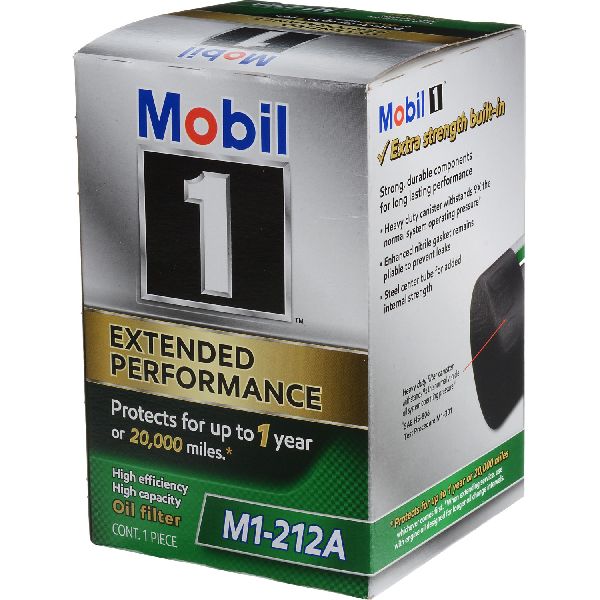
(OEM #Motorcraft FL-500S (Filter))— Correct oil level and cleanliness are critical for the VCT system. This should always be the first step in addressing this code. Neglecting oil changes is a primary cause of VCT issues.
Trusted brands: Motorcraft
OEM price range: $50-$100
Aftermarket price range: $50-$80 - Camshaft Phaser and Timing Chain Kit
(OEM #BL3Z-6D256-C (Example kit for earlier 3.5L, verify for specific year))— If the solenoid and oil are good, the phaser itself has likely failed. This is a common, albeit expensive, failure on the 3.5L EcoBoost, often causing a cold-start rattle. Replacement should include the chain, guides, and tensioners.
Trusted brands: Motorcraft
OEM price range: $800-$1500 (for full kit)
Aftermarket price range: $500-$1000
Related Codes That Often Appear With This One
- P0014 — This is the equivalent code for the Bank 1 exhaust camshaft. Seeing both P0014 and P0024 together strongly suggests a systemic issue like low oil pressure, severe oil contamination/sludge, or a wiring harness problem common to both solenoids.
- P0021 — This code is for the intake camshaft on the same bank (Bank 2). If they appear together, it could point to an oil supply issue affecting the entire bank or a more significant timing problem like a jumped chain or failing phasers on that bank.
- P0302, P0300 — Misfire codes (P0302 for cylinder 2, P0300 for random misfires) can occur because the incorrect cam timing disrupts the combustion process in the cylinders of Bank 2.
Technical Service Bulletins (TSBs) & Recalls
- SSM 50067: For 2015-2021 models, states P0024 may be due to debris causing the VCT solenoid to stick. Recommends using pinpoint test HK12 to cycle the solenoid 10 times to attempt to clear it before replacement.
- SSM 47170: An earlier TSB with the same guidance as SSM 50067, indicating a persistent issue. It specifies using pinpoint test HK11.
- TSB 16-0083: While not listing P0024 specifically, this TSB for 2016 models addresses other VCT codes by replacing the solenoids on low-mileage vehicles, and provides specific part numbers for intake/exhaust solenoids for that year.
Platform-Specific Known Issues
- Per TSBs SSM 47170 and SSM 50067, 2015-2021 Navigators are known to set VCT-related codes like P0024 due to small debris causing the VCT solenoid to stick. The bulletins recommend cycling the solenoid with a scan tool before replacement to try and clear the debris.
- The P0024 code is often associated with the notorious 'cam phaser rattle' on the 3.5L EcoBoost. While a sticking solenoid can be a standalone issue, it can also be an early symptom of a failing cam phaser, particularly on 2018-2020 models as noted in TSB 23-2143.
Mechanic-Grade Diagnostic Values
- VCT Solenoid Internal Resistance — expected: 7 to 14 Ohms across the two pins.. Failure: A reading outside this range (especially an open or short circuit) indicates a failed solenoid coil.
- VCT Solenoid Connector Voltage (Key On, Engine Off) — expected: Battery voltage (approx. 12.6V) on the power supply pin.. Failure: Low or no voltage indicates a problem with the wiring or the PCM power relay.
- Scan Tool PID: VCT Camshaft Error (e.g., VCT_EXH_CAM_ERR2) — expected: Close to 0 degrees at stable RPM.. Failure: The PCM may set code P0024 if the error exceeds 20 degrees. On a faulty vehicle, this value can show large, erratic spikes (e.g., -45 to +26 degrees) during operation.
Hidden / Shadow Codes Worth Checking
- P164C: Internal Control Module Start-Stop Performance. TSB 23-2143 notes this DTC can be present along with the cold start rattle noise associated with failing VCT units on 2018-2020 models. (see via A comprehensive OBD-II scanner that can read manufacturer-specific PCM codes.)
Scan Tool Commands That Help
- Ford IDS or equivalent professional scanner: VCT Solenoid Actuator Test / Bi-directional Control — As recommended by Ford TSBs, this command cycles the solenoid on and off rapidly to dislodge small debris that may be causing it to stick. It can also be used with the engine running; a functioning solenoid, when activated, should cause the engine to hesitate or stall, confirming the solenoid is mechanically capable of altering timing.
Wiring & Ground Locations
- VCT Solenoid Connector (Bank 2 Exhaust) — On the driver's side valve cover, the lower of the two VCT solenoids.. This is the direct connection to the component. The 2-pin connector has a power supply pin and a ground-side control pin from the PCM. Pin 1 is typically power, and Pin 2 is the control wire. Checking for voltage and continuity here is a primary electrical diagnostic step.
- Cylinder Head Grounds — Bolted to the cylinder heads/valve covers.. The PCM controls the VCT solenoids by providing a ground path. A poor engine or cylinder head ground can cause intermittent and strange electrical behavior in components mounted there, including the VCT solenoids. Ensure all ground straps are clean and tight.
Real Owner Repair Stories
- f150forum.com user 'TCK' (2013 Ford F-150 3.5L EcoBoost, ~110,000 miles) — P0012, P0014, P0022, and P0024 all set at once. Engine seemed to run fine.
❌ Tried (didn't work) The user had already replaced the timing chain and phasers at 80,000 miles, but the codes returned later.
✅ What actually fixed it A Ford technician diagnosed oil sludging. The fix was to replace the engine oil with ATF, run the engine to temperature to clean passages, then drain the ATF and perform a standard oil and filter change. The user now performs 4,000-mile oil changes to prevent recurrence. - Truck Lab YouTube Channel (2019 Ford F-150 3.5L EcoBoost) — Check engine light with codes P0018/P0021 (intake side, but same system), occasional power loss, and a cold start rattle.
❌ Tried (didn't work) Diagnosis focused away from the cam phasers despite the rattle.
✅ What actually fixed it The Bank 2 intake VCT solenoid had failed internally; a small control ring piece broke off and was jamming the spool valve. Replacing all four VCT solenoids as a precaution fixed the codes and, unexpectedly, the cold start rattle.
"I Checked Everything" — The Actual Cause
- This code is not related to vacuum or EVAP leaks, so a smoke test is not a relevant diagnostic procedure. However, a similar pattern exists where all electrical tests and basic mechanical checks pass, but the code persists. In one documented case, the root cause was oil sludge deep within the phaser oil passages, which was not visible externally. The problem was only resolved after a technician performed an aggressive chemical flush using ATF to dissolve the sludge.
When the Usual Fixes Don't Work
- A common assumption is that a timing code accompanied by a cold start rattle noise automatically condemns the cam phasers, requiring a costly timing job. However, there are documented cases where the exact same symptoms—rattle and timing codes—were caused solely by an internally failed VCT solenoid. A small piece had broken off inside the solenoid, jamming its movement. Replacing the inexpensive solenoid resolved all symptoms, including the rattle, saving thousands of dollars on an unnecessary phaser replacement.
- Furthermore, even after a full timing chain and phaser replacement, timing codes can return. In one instance, the recurring codes were not due to faulty new parts but to residual oil sludge in the oil galleries that the major repair did not address. The ultimate fix was a non-standard chemical flush with ATF, highlighting that the root cause can be oil condition, not just hard parts.
OEM Part Supersession History
AT4Z-6M280-A (Left side exhaust)→HL3Z-6M280-A (or subsequent revisions)— Part design updates to improve durability and resistance to sticking.
Heads up: While newer parts often supersede older ones, always verify the correct part number for your specific VIN with a dealer. The 'left' side corresponds to Bank 2 (driver's side). AT4Z-6M280-C was for the 'right' side (Bank 1) exhaust.
Model Year Variations Within This Range
- 2015-2017: These models use the first-generation 3.5L EcoBoost. While they suffer from similar VCT solenoid and oil contamination issues, the specific cam phaser part numbers and timing chain configuration are different from the later generation.
- 2018-2021: These models use the second-generation 3.5L EcoBoost, which features a redesigned VCT system with different cam phasers. TSB 23-2143 specifically addresses a cold start rattle and VCT issues on 2018-2020 models built before Nov 30, 2019, pointing to a known issue with the VCT units on these specific years. The updated phaser part numbers are listed as HL3Z-6256-CD (Intake) and HL3Z-6C525-CD (Exhaust).
Helpful Videos
![How to Fix P0024 Engine Code in 4 Minutes [2 DIY Methods / Only $6.74]](https://img.youtube.com/vi/0tbOM7HEJsQ/mqdefault.jpg)
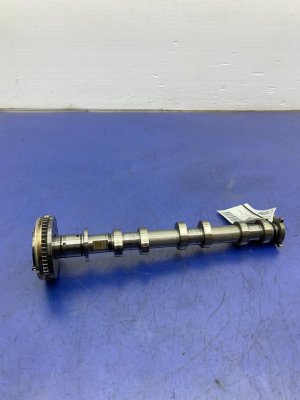
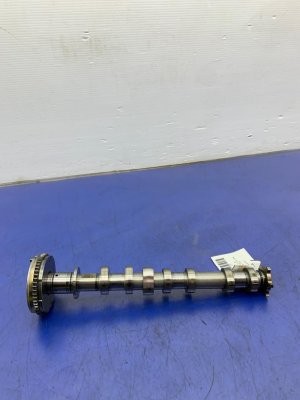
Used OEM Parts in Stock


New Aftermarket Parts Available


The information in this article is provided for general reference and educational purposes only. Vehicle specifications, procedures, and part compatibility can vary by production date, trim level, and region. Always consult your vehicle's factory service manual and verify part numbers before purchasing or performing repairs. Safety-critical components such as airbags, seat belts, and braking systems should be installed by a qualified professional.
- Lincoln NAVIGATOR:
- 🎬 Helpful Videos
- 🛍️ Shop This Part
- What's Unique About the 2015-2021 Lincoln NAVIGATOR
- Diagnostic Flowchart
- Symptoms You May Notice
- Most Likely Causes
- Rare But Worth Checking
- Diagnosis Steps
- Parts You'll Likely Need
- Related Codes That Often Appear With This One
- Technical Service Bulletins (TSBs) & Recalls
- Platform-Specific Known Issues
- Mechanic-Grade Diagnostic Values
- Hidden / Shadow Codes Worth Checking
- Scan Tool Commands That Help
- Wiring & Ground Locations
- Real Owner Repair Stories
- "I Checked Everything" — The Actual Cause
- When the Usual Fixes Don't Work
- OEM Part Supersession History
- Model Year Variations Within This Range
- 🎟️ Get 5% Off