

P0024 on 2007-2009 Lexus RX 350: Exhaust Cam Timing Over-Advanced Causes and Fixes
On a 2007-2009 Lexus RX 350, code P0024 is most often caused by a failing Bank 2 exhaust Oil Control Valve (VVT solenoid) or low/dirty engine oil. Replacing the solenoid (Part No. 15340-31020) is a common and effective DIY fix, costing around $40-$140 for the part. Also, inspect the critical VVT-i oil line for a known rupture issue.
- First, check your engine oil. Low or dirty oil is a very common cause for code P0024.
- The most likely failed part is the Bank 2 exhaust Oil Control Valve (VVT solenoid), located on the front of the engine.
- A simple diagnostic is to swap the front exhaust OCV with the rear exhaust OCV and see if the code changes to P0014.
- CRITICAL: Inspect the VVT-i oil line on the passenger side of the engine. If it has a rubber section, replace it with the all-metal version (part #15772-31030) to prevent catastrophic engine failure.
What's Unique About the 2007-2009 Lexus RX 350

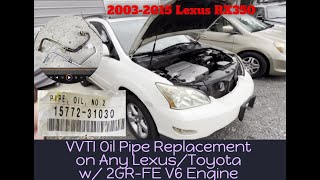
The 2GR-FE engine in this generation of RX 350 is generally very reliable, but its VVT-i system is sensitive to oil quality and level. The most notable platform-specific issue for these early 2GR-FE engines is a VVT-i oil supply line that was originally made with a rubber section. This line can degrade and rupture, causing a sudden and catastrophic loss of all engine oil. While the rupture itself doesn't directly cause P0024, the resulting severe drop in oil pressure will trigger this and other timing codes as the engine starves of oil, leading to seizure if not addressed immediately. Lexus issued a Limited Service Campaign (LSC 9LH) to replace this hose 🎬 Watch: How to replace the VVT-i oil pipe with an all-metal line. Checking if your vehicle has the updated all-metal oil line is a critical preventive step.
Symptoms You May Notice
- Check Engine Light is on
- Rough idle or stalling
- Poor engine performance and sluggish acceleration
- Decreased fuel economy
- Hesitation when accelerating
- Ticking or rattling noise from the engine, particularly from the cylinder head cover area.
- Replacing the camshaft position sensor before testing the Oil Control Valve (OCV). The OCV is a much more common failure point for this code.
- Replacing the ECM. It is extremely rare for the ECM to be the cause of this specific code.
Most Likely Causes

- Low or Dirty Engine Oil 🔴 High Probability The VVT-i system uses oil pressure to actuate the cam phasers. Insufficient pressure from a low oil level, or sludge from old oil, can cause the mechanisms to respond slowly or get stuck, triggering the code.
How to confirm: Check the engine oil level on the dipstick and inspect its condition. If it's low, black, or sludgy, this is your likely starting point.
Typical fix: Top up the oil or perform a complete oil and filter change using the manufacturer-recommended viscosity (5W-30).
Est. part cost: $30-$70 - Failed Bank 2 Exhaust Oil Control Valve (VVT Solenoid) 🔴 High Probability These solenoids are a very common failure point. They can get clogged with debris from the oil or fail electrically, causing them to stick in a position that over-advances the timing.
How to confirm: Swap the Bank 2 exhaust OCV with the Bank 1 exhaust OCV. Bank 2 is the front bank (near radiator); the exhaust OCV is the lower of the two solenoids on the valve cover. Clear the codes and drive. If the code changes to P0014 (the equivalent code for Bank 1), the solenoid is bad. You can also test its resistance with a multimeter (should be 6.9-7.9 ohms at 68°F/20°C).
Typical fix: Replace the Bank 2 exhaust Oil Control Valve. The Bank 2 exhaust OCV is located on the front valve cover, in the lower position.
Est. part cost: $60-$120 - Clogged Oil Control Valve Filter 🟡 Medium Probability Each OCV is protected by a small, thimble-shaped filter screen located in the cylinder head port, underneath the OCV. This screen can become clogged with sludge or debris, restricting oil flow to the solenoid and VVT actuator.
How to confirm: When removing the OCV for inspection or replacement, the filter is located in the opening. It can be pulled out with a small pick or screw. Check the screen for any blockage.
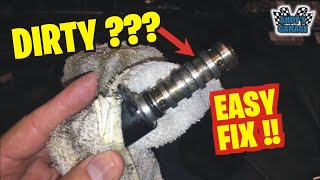
Typical fix: Clean the filter screen carefully with brake cleaner and compressed air, or replace it if it's damaged or heavily contaminated. It is 🎬 See this guide on cleaning your VVT solenoids highly recommended to clean or replace this filter whenever replacing an OCV.
Est. part cost: $5-$15
Rare But Worth Checking
- Failed Camshaft Position Sensor: While less common than an OCV failure, a faulty sensor can send incorrect data to the ECM, leading to a false timing code. It's worth considering if a new OCV doesn't solve the issue. A user on ClubLexus considered this for a P0024, though the OCV is the more frequent culprit.
- Stretched Timing Chain: Over high mileage (typically 150k+ miles), the timing chain can stretch slightly. This can cause the camshafts to be out of sync with the crankshaft and trigger timing codes. This is a major mechanical repair and is less common on the 2GR-FE than OCV issues.
- Failed VVT-i Camshaft Gear/Actuator: The VVT-i gear (phaser) itself can fail internally, getting stuck in an advanced position. This is an expensive and labor-intensive repair. A Reddit user reported a P0024 code appearing after a mechanic manually repositioned the cam gear without replacing it, suggesting the gear may have been faulty. TSB T-SB-0094-09 also addresses issues with the VVT-i gear assembly that can cause this code.
Diagnosis Steps

- Check Engine Oil: Verify the oil level is correct and the oil is clean. If low or dirty, perform an oil change with 5W-30 synthetic oil, clear the code, and see if it returns.
- Inspect the VVT-i Oil Line: Visually inspect the VVT-i oil line on the passenger side of the engine (near Bank 1). Confirm it is the all-metal version. If it has a rubber section, replace it immediately with the updated part (OEM kit 04009-33131) regardless of the code, as a rupture is catastrophic.
- Scan for Other Codes: Check for any other pending or active codes that could provide more clues, such as codes for the opposite bank (P0014) or retarded timing (P0025).
- Inspect Wiring: Check the wiring and connector for the Bank 2 exhaust OCV (front bank, lower solenoid) for any damage, corrosion, or loose connections.
- Test the Oil Control Valve (OCV): The easiest test is to swap the Bank 2 exhaust OCV with the Bank 1 exhaust OCV (rear bank, lower solenoid). Clear the codes and drive. If the code moves to P0014 (Bank 1), you have confirmed the OCV is faulty.
- Inspect and Clean OCV Filter: While the OCV is removed, use a small pick or screw to pull out the small filter screen from the cylinder head port. Clean it thoroughly with brake cleaner or replace it.
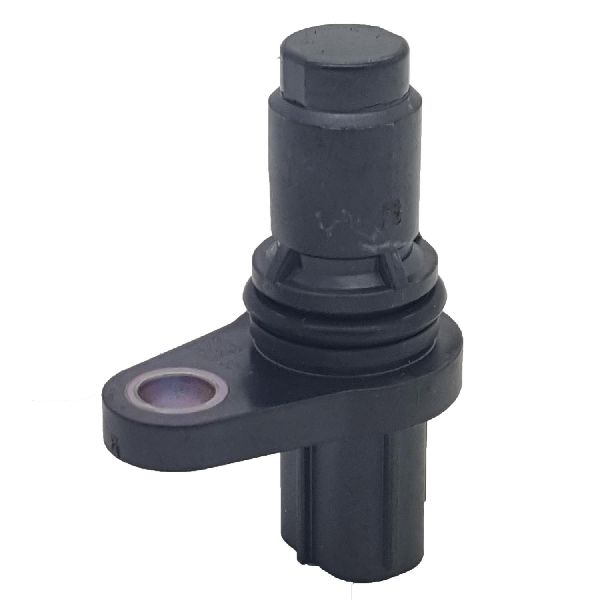
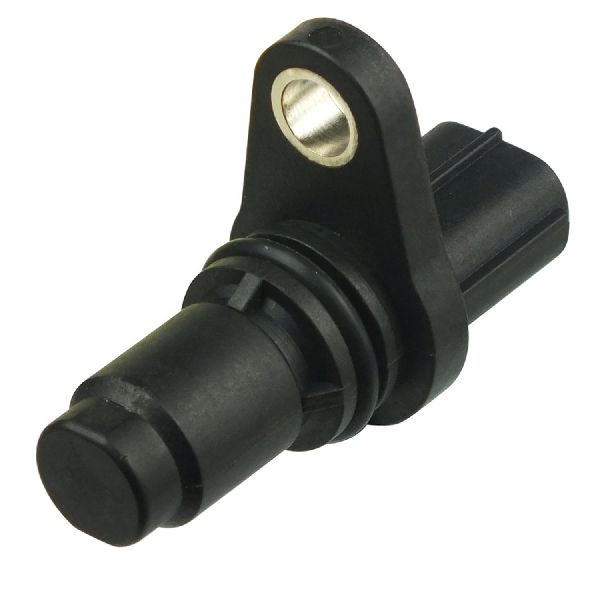
- Test the Camshaft Position Sensor: If the OCV swap does not change the code, you can test the camshaft position sensor. The four sensors (intake/exhaust for both banks) are the same part number, so you can swap the suspect sensor with another to see if the code follows.
- Mechanical Inspection: If all electrical components and sensors check out, the issue is likely mechanical. This involves inspecting the timing chain, tensioners, and the VVT-i camshaft gear, which is best left to a professional. Refer to TSB T-SB-0094-09 for VVT-i gear inspection points.
Parts You'll Likely Need

- Engine Oil Control Valve (VVT Solenoid), Bank 2 Exhaust
(OEM #15340-31020 (supersedes 15340-0P020))— This is the most common part to fail for code P0024. It gets stuck or clogged, preventing correct camshaft timing adjustment.
Trusted brands: Denso (OEM supplier), Aisin, Dorman
OEM price range: $90-$140
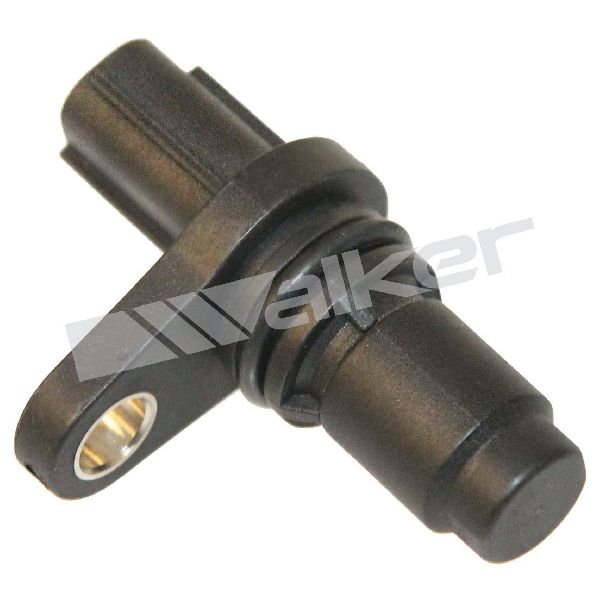
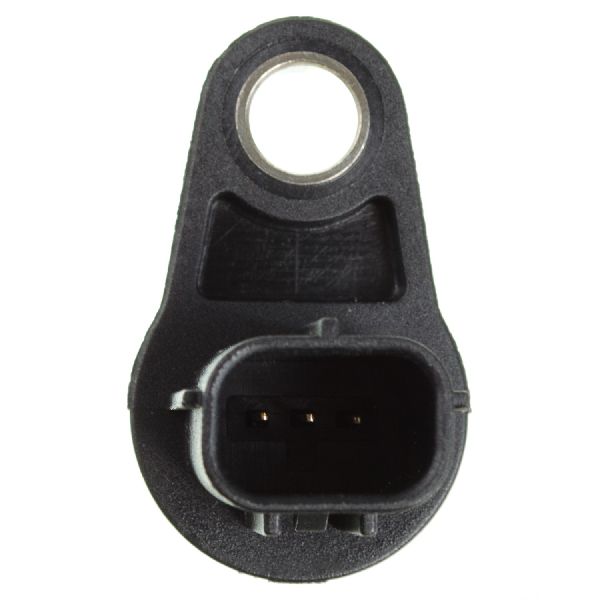
Aftermarket price range: $40-$80 - Camshaft Position Sensor
(OEM #90919-05060)— This is a less common but possible cause if the OCV is confirmed to be good. It provides the position data to the ECM.
Trusted brands: Denso (OEM supplier), NTK, Bosch
OEM price range: $90-$130
Aftermarket price range: $20-$60 - VVT-i Oil Line (All-Metal Update Kit)
(OEM #04009-33131)— Not a direct cause of the code, but a critical preventative fix for this engine. A rupture of the old rubber hose will cause oil starvation, triggering this code among others and leading to engine failure.
Trusted brands: Toyota/Lexus Genuine
OEM price range: $50-$80
Related Codes That Often Appear With This One
- P0014 — This is the same 'over-advanced' timing code but for Bank 1. Seeing both P0014 and P0024 together often points to a systemic issue like low engine oil pressure, incorrect oil viscosity, or severe oil sludging.
- P0025 — This is for 'over-retarded' timing on the same Bank 2 exhaust camshaft. Seeing them together or intermittently could point to an erratic OCV or a clogged OCV filter causing inconsistent oil pressure.
Technical Service Bulletins (TSBs) & Recalls
- Lexus issued Limited Service Campaign (LSC) 9LH (Toyota's is LSC 90K) to address the rubber VVT-i oil line. This campaign extended warranty coverage for its replacement with an all-metal part. The campaign extension ran until December 31, 2021.
- TSB T-SB-0094-09 Rev1 (March 19, 2009): Addresses a ticking noise and/or MIL 'ON' for various VVT-related codes including P0024. The fix may involve replacing the exhaust VVT-i gear, camshaft, and camshaft housing on the affected bank.
Platform-Specific Known Issues
- A significant issue for 2007-2009 models with the 2GR-FE engine was a VVT-i oil line made with a rubber hose section that is prone to rupturing. A rupture causes rapid oil loss, which will trigger timing codes like P0024 before causing catastrophic engine failure. An updated all-metal line (Part No. 15772-31030, included in kit 04009-33131) resolves this issue and should be considered a mandatory inspection/upgrade.
Mechanic-Grade Diagnostic Values
- Oil Control Valve (VVT Solenoid) Resistance — expected: 6.9 to 7.9 Ω at 20°C (68°F). Failure: A reading outside this range, or an open/short circuit, indicates a faulty solenoid.
- Camshaft Position Sensor Voltage (general) — expected: Typically 0.5V - 4.5V. Failure: A consistently high or erratic voltage can indicate a sensor fault.
- Camshaft Position Sensor Power Supply Voltage (at ECM connector) — expected: 4.5 to 5.0 V with ignition switch ON. Failure: Voltage outside this range indicates a wiring or ECM power supply issue.
Scan Tool Commands That Help
- Toyota Techstream: Active Test: Control the VVT Exhaust (Bank 2) — This bidirectional control allows a technician to command the Bank 2 exhaust OCV to operate. By observing live data for 'VVT Change Angle' while activating the test, you can confirm if the solenoid and cam phaser are responding to commands. A lack of change in angle points to a stuck OCV, clogged oil passage, or failed phaser.
Wiring & Ground Locations
- Engine Control Module (ECM) — Behind the right side of the dashboard, typically behind the glove box.. The ECM is the source of the command signals to the OCV and receives position data from the camshaft sensor. All wiring for these components terminates here, making it a central point for advanced electrical testing (pinout checks).
- Bank 2 Exhaust OCV Connector — On the front valve cover (closer to the radiator), in the lower position of the two solenoids.. This is the primary connector to inspect for damage, corrosion, or looseness. It's where resistance and voltage tests are performed on the solenoid itself.
- Ground Point EE — Located on the top of the engine.. This is a shared ground point for multiple engine sensors. A loose or corroded connection here could potentially cause erratic sensor readings, although it would likely trigger multiple codes, not just P0024.
OEM Part Supersession History
15340-31020→15340-0P020— Standard part number update/revision by Toyota.
Heads up: Some parts catalogs show 15340-0P020 replacing 15340-31020, while others show the reverse. Both part numbers refer to the same physical part for this application and are interchangeable. Ensure you are purchasing the correct solenoid for the exhaust side, as the intake and exhaust solenoids may differ.
Diagnostic Flowchart
Used vs. New Parts: Buying Guide for This Vehicle
When a used part is the smart pick: For this repair, buying a used Oil Control Valve (OCV) or Camshaft Position Sensor from a reputable salvage yard can be a cost-effective option, especially for DIY diagnosis. Swapping with a known-good used part is a cheap way to confirm a diagnosis before buying new.
Donor-vehicle mileage cap: roughly under 100000 miles for the part to have meaningful remaining life.
What to inspect on the donor part:
- For an OCV, check the screen for any metal shavings or heavy sludge; a clean screen is a good sign.
- Ensure the electrical connector on the part is not cracked, corroded, or damaged.
- Ask for the donor vehicle's mileage if possible; lower is always better.
- Avoid parts from engines that show obvious signs of sludge buildup under the oil cap.
OEM-only on this vehicle (don't cheap out):
- VVT-i Oil Line (All-Metal Update): Only use the genuine Toyota/Lexus all-metal replacement line (part of kit 04009-33131). The risk of catastrophic engine failure from a ruptured aftermarket hose is too high.
- VVT-i Camshaft Gear/Actuator: Due to the complexity and critical nature of this part, OEM is strongly recommended to ensure proper function and longevity.
Aftermarket brands forum-validated for this vehicle:
- Denso (OEM supplier for Toyota/Lexus)
- Aisin
Brands owners have reported issues with on this vehicle:
- Avoid no-name, unbranded VVT solenoids from online marketplaces. While cheap, they have a high failure rate and can cause persistent diagnostic headaches.
Real Owner Stories
Aggregated from forums and TSBs cited above. Mileages and costs reflect what owners reported in those sources.
2008 Lexus RX350
Symptoms: A P0024 code appeared immediately after a mechanic worked on a noisy cam gear.
What fixed it: The issue was determined to be a mechanical fault in the VVT actuator (cam gear) itself, which the mechanic had repositioned but not replaced.
Source hint: Reddit r/MechanicAdvice: 'P0024 after fixing cam gear on 2008 Lexus RX350'
2007-2009 Lexus RX 350
Symptoms: The original rubber VVT-i oil line ruptured, causing a rapid and severe loss of engine oil, which in turn triggered VVT-related fault codes.
What fixed it: The problem was resolved by replacing the failed rubber hose with the updated, all-metal VVT-i oil line.
Source hint: ToyotaNation: '2GR-FEV6 LSC 90K (recall) oil line fails-Dealer won't cover damages - WARNING'
2007 RX 350
Symptoms: The owner reported a P0024 code and was seeking help to locate the VVT solenoid to begin diagnosis.
What fixed it: The initial diagnostic step was to locate and test the Bank 2 exhaust VVT solenoid, as it is a very common failure point for this code.
Source hint: ClubLexus: '07 rx 350 VVT help'
2007-2009 Lexus RX 350
Symptoms: A P0024 code appeared shortly after other maintenance, such as an alternator replacement, was performed.
What fixed it: The suspected cause was that the wiring or connector for the Bank 2 OCV was disturbed, damaged, or not reconnected properly during the other repair.
Source hint: ClubLexus: 'Code P0024 came up'
Related OBD-II Codes
Frequently Asked Questions
I have a 2008 Lexus RX 350. What is this VVT-i oil line issue, and is it related to code P0024?
Where is the Bank 2 exhaust Oil Control Valve (VVT solenoid) located on my RX 350's engine?
My RX 350 has a ticking noise along with the P0024 code. Is there a TSB for this?
What's the easiest way to confirm if my VVT solenoid is bad without special tools?
I'm replacing the VVT solenoid for P0024. Is there anything else I should check while it's out?
Was there a recall for the rubber VVT-i oil line on my 2007 RX 350? Can I still get it fixed for free?
Helpful Videos
We Have This Part in Stock


The information in this article is provided for general reference and educational purposes only. Vehicle specifications, procedures, and part compatibility can vary by production date, trim level, and region. Always consult your vehicle's factory service manual and verify part numbers before purchasing or performing repairs. Safety-critical components such as airbags, seat belts, and braking systems should be installed by a qualified professional.
- Lexus RX 350:
- 🎬 Helpful Videos
- 🛍️ Shop This Part
- What's Unique About the 2007-2009 Lexus RX 350
- Symptoms You May Notice
- Most Likely Causes
- Rare But Worth Checking
- Diagnosis Steps
- Parts You'll Likely Need
- Related Codes That Often Appear With This One
- Technical Service Bulletins (TSBs) & Recalls
- Platform-Specific Known Issues
- Mechanic-Grade Diagnostic Values
- Scan Tool Commands That Help
- Wiring & Ground Locations
- OEM Part Supersession History
- Diagnostic Flowchart
- Used vs. New Parts: Buying Guide for This Vehicle
- Real Owner Stories
- 2008 Lexus RX350
- 2007-2009 Lexus RX 350
- 2007 RX 350
- 2007-2009 Lexus RX 350
- Related OBD-II Codes
- Frequently Asked Questions
- 🎟️ Get 5% Off