

P0024 on 2011-2015 Audi Q7 3.0T: Exhaust Camshaft Timing Over-Advanced Causes and Fixes
On the 2011-2015 Audi Q7 3.0T, code P0024 is most often caused by a faulty Bank 2 (driver's side) exhaust camshaft adjuster solenoid. Replacing this part costs around $45-$100 and is a common DIY fix. Always check your engine oil level and condition first, as low or dirty oil is another primary cause, and this engine family is known for oil consumption issues.
- Before buying any parts, check your engine oil. Low or dirty oil is a primary cause of code P0024.
- The most likely part to fail is the Bank 2 (driver's side) exhaust camshaft adjuster solenoid (part #06E109257P).
- A simple and effective diagnostic test is to swap the suspect solenoid with the identical one from the other side of the engine (Bank 1) and see if the code follows.
- This is a DIY-friendly repair for many, as the solenoid is typically held by a single screw and is located on top of the engine, though access can be tight.
- If the solenoid and oil are fine, the next part to check is the camshaft position sensor before suspecting more serious timing chain problems.
What's Unique About the 2011-2015 Audi Q7
The Audi 3.0T (3.0L Supercharged V6) engine, like many modern VAG engines, relies heavily on clean oil and proper oil pressure for its variable valve timing system to function correctly. While timing chain issues can occur on these engines, the more frequent culprit for a P0024 code is a failure of the electro-hydraulic camshaft adjuster solenoid (also called a control valve or N319 valve). These solenoids are a known failure point, often getting clogged by oil debris or failing electronically, and are the first part to be replaced after verifying oil level and quality.
Symptoms You May Notice
- Check Engine Light is on
- Rough or unstable engine idle
- Engine hesitation or stumbling on acceleration
- Reduced fuel economy
- Difficulty starting the engine
- A rattling or ticking noise from the engine bay
- Engine may enter limp mode, limiting power and boost
- Replacing the camshaft position sensor when the actual problem is the camshaft adjuster solenoid. The solenoid is a more frequent failure point, and swapping components is the best way to differentiate.
- Assuming a major timing chain failure before checking the oil and VVT solenoids, which are far more common and cheaper to fix.
- Replacing only the solenoid when the root cause was severe oil sludging, which will cause the new solenoid to fail quickly.
Most Likely Causes
- Low or Dirty Engine Oil 🔴 High Probability The VVT system uses pressurized engine oil to adjust the camshafts. If the oil is low, or thick with sludge from missed oil changes, the solenoids and actuators cannot function correctly. The 3.0T engine can also suffer from oil consumption due to PCV system issues, making low oil levels a frequent problem.
How to confirm: Check the engine oil level using the MMI system (most of these engines lack a physical dipstick). Inspect the oil's color and consistency on the oil cap or during a change. If it is dark black, thick, or below the minimum mark, it needs to be changed.
Typical fix: Perform an oil and filter change using an oil that meets Audi's specific requirements (e.g., VW 502 00 or 504 00). Resolve any underlying oil consumption issues, such as a faulty PCV valve.
Est. part cost: $80-$150 - Faulty Bank 2 Exhaust Camshaft Adjuster Solenoid (Control Valve) 🔴 High Probability These solenoids are a very common failure item. They can get clogged with debris from the oil, their internal screens can break down, or they can fail electronically, causing them to stick or respond slowly to the ECM's commands.
How to confirm: The most effective DIY method is to swap the Bank 2 exhaust solenoid with the Bank 1 exhaust solenoid. Clear the codes and drive the vehicle. If the code changes to P0021 (Bank 1 equivalent), the solenoid is confirmed faulty. A professional can also use a scan tool (like VCDS) to monitor the specified vs. actual camshaft angle in real-time or to actuate the solenoid and observe the response.
Typical fix: Replace the Bank 2 exhaust camshaft adjuster solenoid. It is often recommended to replace both exhaust solenoids at the same time.
Est. part cost: $45-$110 - Faulty Bank 2 Exhaust Camshaft Position Sensor ⚪ Low Probability While less common than solenoid failure, the sensor that reads the camshaft's position can fail and send incorrect data to the ECM, triggering the code even if the mechanical timing is correct.
How to confirm: Similar to the solenoid, swap the Bank 2 exhaust camshaft position sensor with the Bank 1 sensor. Clear codes and drive. If the fault code moves to Bank 1 (e.g., P0346), the sensor is bad.
Typical fix: Replace the Bank 2 exhaust camshaft position sensor.
Est. part cost: $25-$85
Rare But Worth Checking
- Stretched Timing Chain or Failed Tensioner: This is a much more serious and expensive repair. It typically presents with other symptoms like a persistent rattling noise on cold starts that lasts more than a few seconds. If simpler causes are ruled out, a mechanic can check camshaft deviation values with a scan tool to assess chain stretch before recommending a teardown.
- Clogged Oil Passages or VVT Actuator Failure: Severe engine sludge can block the small oil passages leading to the VVT actuator (phaser) on the camshaft itself. In this case, the solenoid may be working, but oil pressure can't reach the actuator to make the physical adjustment. This often requires significant disassembly to clean or replace the actuator. Some engines have small mesh filters in the oil passages that can become clogged.
Diagnosis Steps
- Read the fault codes with an OBD-II scanner to confirm P0024 is present and note any other codes.
- Check Engine Oil Level and Condition: Use the MMI to ensure the oil is full and check service records to confirm it's clean. If it's low or overdue for a change, perform an oil and filter change with Audi-approved oil (VW 502 00/504 00 spec), clear the codes, and see if the fault returns.
- Inspect Wiring: Visually inspect the wiring and connector for the Bank 2 (driver's side) exhaust camshaft position sensor and adjuster solenoid. Look for any signs of damage, corrosion, or oil contamination from nearby leaks.
- Swap the Camshaft Adjuster Solenoids: Swap the Bank 2 exhaust solenoid with the Bank 1 (passenger side) exhaust solenoid. They are identical parts. Clear the codes and drive the vehicle. If the code returns as P0021 (the Bank 1 equivalent), you have a bad solenoid. This is the most common fix.
- Swap the Camshaft Position Sensors: If the code remains P0024 after the solenoid swap, return the solenoids to their original positions and swap the camshaft position sensors between Bank 1 and Bank 2. Clear codes and drive. If the code changes to a Bank 1 sensor code (like P0346), the sensor is faulty.
- Advanced Diagnostics (Scan Tool): Use a tool like VCDS or OBDeleven to monitor the 'Camshaft adjustment' measuring blocks. Compare the 'specified' vs 'actual' angle for the Bank 2 exhaust cam. A large, persistent deviation confirms a control problem. You can also run an actuator test to command the solenoid on and off.
- Professional Inspection: If the code still persists on Bank 2 after these steps, the issue is likely more complex. This could involve checking for clogged oil passages, testing the VVT actuator (phaser), or inspecting the base engine timing (chain, guides, tensioners). These steps are best left to a professional mechanic.
Parts You'll Likely Need
- Camshaft Adjuster Solenoid (Control Valve)
(OEM #06E109257P)— This is the most common failure part for code P0024 after ruling out oil issues. It gets stuck or fails electronically, preventing proper camshaft adjustment.
Trusted brands: Genuine Audi/VW, Pierburg (often the OEM supplier), Vaico, INA
OEM price range: $95-$110
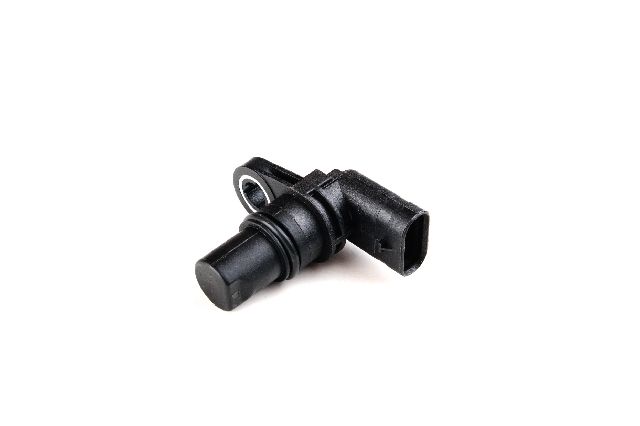
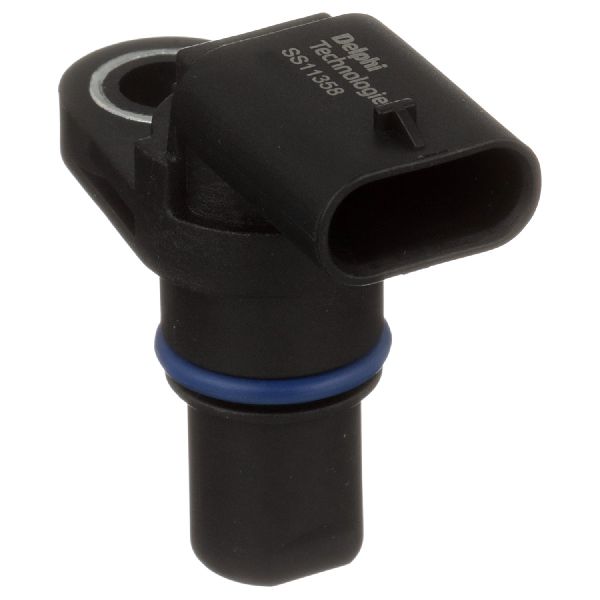
Aftermarket price range: $45-$75 - Camshaft Position Sensor
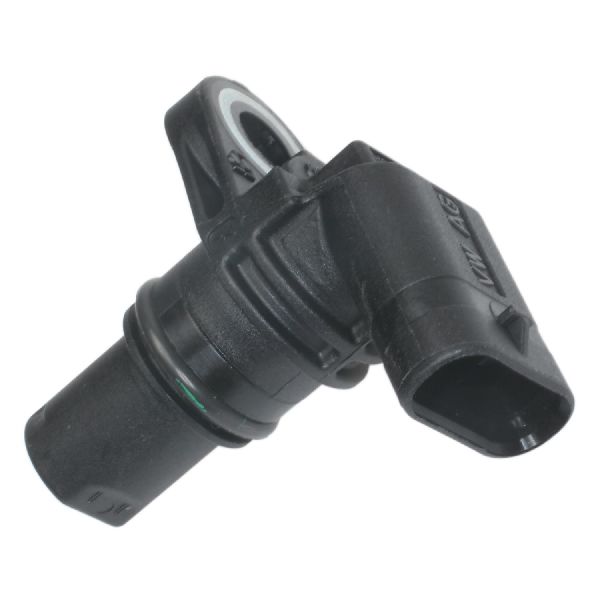
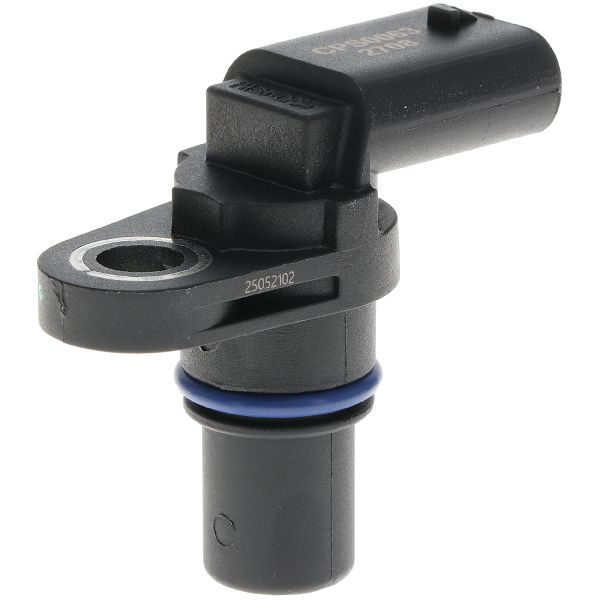
(OEM #07L905163C)— If the solenoid is not the cause, the sensor that reads the camshaft's position may be faulty. It's a less common but possible failure point.
Trusted brands: Genuine Audi/VW, Bosch, Continental/VDO
OEM price range: $80-$90
Aftermarket price range: $25-$50
Related Codes That Often Appear With This One
- P0023 — This code indicates a circuit malfunction for the same Bank 2 exhaust camshaft solenoid. Seeing them together strongly points to a problem with the solenoid itself or its wiring/connector.
- P0391 — This code is for the Bank 2 exhaust camshaft position sensor circuit. If it appears with P0024, it could indicate a failing sensor or a wiring issue affecting both components.
Technical Service Bulletins (TSBs) & Recalls
- TSB 2033224/3 (formerly 2013134): Addresses excessive oil consumption. The fix involves replacing the PCV valve (oil separator) with an updated part (06E103547H) and performing an ECM software update. This is relevant as low oil levels directly cause VVT faults.
Platform-Specific Known Issues
- The 3.0T engine is known for oil consumption. A Technical Service Bulletin (TSB 2033224/3) was issued for replacing the crankcase pressure regulating valve (PCV) and updating ECM software to address this on some models. Maintaining the correct oil level is critical for VVT system health, as low oil pressure is a primary trigger for VVT-related codes like P0024.
Mechanic-Grade Diagnostic Values
- Camshaft Adjuster Solenoid (N319) Internal Resistance — expected: 5.0 to 8.0 Ohms at 20°C (68°F). Some sources cite a wider range of 10-18 Ohms for similar VAG solenoids.. Failure: A reading of infinity (open circuit), zero (short circuit), or a value significantly outside the specified range indicates a faulty solenoid.
- VCDS Advanced Measuring Values - Camshaft Adjustment — expected: At warm idle, the 'actual' angle should closely match the 'specified' angle for Bank 2 exhaust. The deviation should be minimal, typically less than 2-3 degrees.. Failure: A persistent deviation greater than 8-10 degrees between the specified and actual angle while the engine is running points to a mechanical or hydraulic issue (stuck solenoid, low oil pressure, clogged passage).
- Solenoid Connector Voltage — expected: With the ignition on, one pin of the connector should show battery voltage (approx. 12V).. Failure: No voltage suggests a problem with the power supply relay or a break in the wiring harness.
Scan Tool Commands That Help
- VCDS (VAG-COM): Output Test for N319 — Use this to manually cycle the Bank 2 exhaust solenoid. You should hear an audible click from the solenoid each time it's activated. A lack of clicking confirms the solenoid is stuck or electrically dead, separating a part failure from a control/wiring issue.
- VCDS (VAG-COM): Basic Settings - Group 096 (or equivalent for UDS controllers) — After replacing a component, this test runs the camshaft adjuster through its range of motion to verify the repair. The test will report 'Syst. OK' if the adjuster can reach its specified setpoints. This can help confirm the entire system (solenoid, oil pressure, and phaser) is working correctly.
- VCDS (VAG-COM): Advanced Measuring Values (e.g., 'Camshaft adjustment: inlet phase: bank 2') — This is used to monitor the timing chain stretch over time. While P0024 is not a primary chain stretch code, excessive stretch can affect the VVT system's ability to compensate. Values approaching -4 degrees or more suggest significant wear.
Wiring & Ground Locations
- Main Engine Ground Strap — On the driver's side frame rail, near the engine mount. To access it, the driver's side front wheel and liner may need to be removed.. A corroded or loose main engine ground can cause a host of intermittent electrical problems, including erratic behavior from sensors and actuators like the camshaft solenoids and position sensors. The ECM may receive noisy signals or be unable to properly control the solenoids, leading to timing deviation codes.
- Battery Earth Connector — Under a cover in front of the driver's seat inside the cabin. This provides a convenient point to disconnect all vehicle power without accessing the battery itself, which is located under the seat.. When working on electrical components like sensors or solenoids, it is critical to disconnect the battery to prevent shorts. Using this accessible ground point is safer and easier than removing the driver's seat to get to the battery.
- N319 Solenoid Connector — On the top front of the Bank 2 (driver's side) cylinder head. It's a 2-pin connector.. Pin 1 receives 12V power from a relay, while Pin 2 is the control wire that the ECM pulses to ground to actuate the solenoid. Checking for 12V at Pin 1 is a key step in diagnosing a potential wiring issue versus a failed solenoid.
Real Owner Repair Stories
- AudiWorld Forum user 'sd5ten' (2007 Audi Q7 4.2L (similar VVT system)) — Intermittent P0024 (Bank 2 cam over-advanced) and engine misfiring.
❌ Tried (didn't work) Swapped both camshaft position sensors from bank to bank., Swapped both camshaft adjuster solenoids from bank to bank., Performed an engine flush.
✅ What actually fixed it The user discovered a broken safety relief valve in the oil filter cap, which allowed unfiltered oil into the engine. The final fix was to repair the camshaft adjuster (phaser) on the camshaft itself, believing debris had gotten inside and caused it to stick. The fault would still return intermittently, leading to suspicion of a clogged filter screen for the solenoid. - Reddit user 'CoincidentalLimerenc' discussing EA888 engine (shares VVT design principles) (Audi 2.0T Engine (EA888 Gen 2)) — General discussion of timing-related failures.
✅ What actually fixed it The user identified that a common, often-missed failure point is a clogged filter screen located in the camshaft bridge bracket. This screen is designed to protect the VVT system from debris, but it can break down or get clogged, starving the system of oil pressure even with a good solenoid. The recommendation was to replace the bridge or remove the screen entirely as a preventative measure.
OEM Part Supersession History
06E109257F, 06E109257J→06E109257P— Revisions to improve reliability and response time of the solenoid. Earlier versions were more prone to sticking.
Heads up: While older revisions might physically fit, using the latest 'P' revision is highly recommended for the 3.0T engine to ensure correct VVT operation and longevity.
Diagnostic Flowchart
Other Known Issues on This Vehicle
Issues unrelated to this code that are worth knowing about as an owner of this generation:
- Water Pump & Thermostat Failure 🔴 High — Common failure, often between 60k-100k miles. Early models (2010-2012) had more issues. The plastic components become brittle and crack, leading to coolant leaks or overheating. (Ref: TSBs and a class-action settlement have been issued for some model years/engines, but coverage varies.)
- PCV Valve (Oil Separator) Failure 🔴 High — Very common. Can fail in multiple ways: a torn diaphragm causing a loud whistle and lean codes, or internal cracks causing coolant to mix with oil. Often occurs on higher mileage vehicles but can happen earlier. (Ref: TSB 2033224/3 addresses oil consumption by replacing the PCV and updating software.)
- Timing Chain Tensioner Rattle on Cold Start 🟠 Medium — More prevalent on earlier 3.0T models. A brief rattle (1-3 seconds) on a cold start indicates oil pressure bleeding from the hydraulic tensioners. If the noise persists, it signals significant wear requiring expensive repairs. (Ref: Updated tensioner parts were introduced in later models to mitigate this issue.)
- Carbon Buildup on Intake Valves 🟠 Medium — A consequence of Direct Injection (GDI) engines. Over time (typically 50k-80k miles), carbon deposits restrict airflow, causing rough idle, misfires, and reduced performance. Requires manual cleaning (walnut blasting).
Used vs. New Parts: Buying Guide for This Vehicle
When a used part is the smart pick: For this specific repair, buying used parts is generally not recommended. The primary failure components (solenoid, sensor) are relatively inexpensive to buy new, and their failure modes are electronic or due to internal wear/clogging which cannot be visually inspected.
Donor-vehicle mileage cap: roughly under 80000 miles for the part to have meaningful remaining life.
What to inspect on the donor part:
- If forced to buy used, source from a vehicle with a documented service history of regular, correct-spec oil changes.
- Avoid parts from engines that show signs of heavy oil sludge on the oil cap or in the valve cover area.
- Test the resistance of a used solenoid with a multimeter before purchase to ensure it's within the 5-8 Ohm spec.
OEM-only on this vehicle (don't cheap out):
- While not strictly 'OEM-only', it is strongly advised to use either a Genuine Audi/VW part or a part from the original equipment manufacturer (OEM), which is typically Pierburg for the solenoid and Bosch/Continental for the sensor.
Aftermarket brands forum-validated for this vehicle:
- Pierburg (OEM for solenoid)
- Bosch (OEM for sensor)
- Continental/VDO (OEM for sensor)
- INA
Brands owners have reported issues with on this vehicle:
- Unnamed, no-brand 'white box' parts from online marketplaces should be avoided. They often have high failure rates, incorrect resistance values, or use inferior seals, leading to repeat repairs.
Real Owner Stories
Aggregated from forums and TSBs cited above. Mileages and costs reflect what owners reported in those sources.
2014 Audi Q7 3.0T
Symptoms: Check engine light came on with codes P0024 and P0391.
What fixed it: The community recommended swapping the camshaft position sensors and then the solenoids between banks as the primary diagnostic step to identify the failing component.
Source hint: AudiWorld Forums - Thread: 'Check engine light: Camshaft Position Sensor (G301) P039' (May 8, 2014)
Related OBD-II Codes
Frequently Asked Questions
My 2012 Audi Q7 is consuming a lot of oil; could this be causing my P0024 code?
Is there a specific oil I should use for my 3.0L Supercharged V6 to prevent VVT issues?
How can I tell if the Bank 2 exhaust solenoid is actually bad without buying a new part?
I don't see a dipstick in my 2014 Q7; how do I check the oil level for this code?
What is the specific PCV part number mentioned in the Audi technical bulletin for oil consumption?
Could a rattling sound on startup be related to my P0024 code?
Helpful Videos

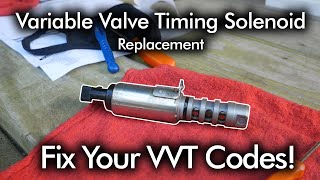
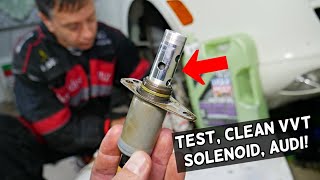
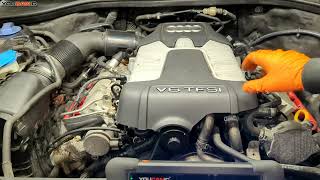
![How to Fix P0024 Engine Code in 4 Minutes [2 DIY Methods / Only $6.74]](https://img.youtube.com/vi/0tbOM7HEJsQ/mqdefault.jpg)
Used OEM Parts in Stock
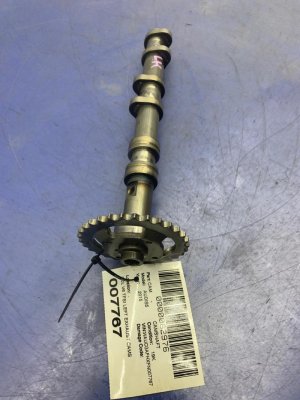
New Aftermarket Parts Available


The information in this article is provided for general reference and educational purposes only. Vehicle specifications, procedures, and part compatibility can vary by production date, trim level, and region. Always consult your vehicle's factory service manual and verify part numbers before purchasing or performing repairs. Safety-critical components such as airbags, seat belts, and braking systems should be installed by a qualified professional.
- Audi Q7:
- 🎬 Helpful Videos
- 🛍️ Shop This Part
- What's Unique About the 2011-2015 Audi Q7
- Symptoms You May Notice
- Most Likely Causes
- Rare But Worth Checking
- Diagnosis Steps
- Parts You'll Likely Need
- Related Codes That Often Appear With This One
- Technical Service Bulletins (TSBs) & Recalls
- Platform-Specific Known Issues
- Mechanic-Grade Diagnostic Values
- Scan Tool Commands That Help
- Wiring & Ground Locations
- Real Owner Repair Stories
- OEM Part Supersession History
- Diagnostic Flowchart
- Other Known Issues on This Vehicle
- Used vs. New Parts: Buying Guide for This Vehicle
- Real Owner Stories
- 2014 Audi Q7 3.0T
- Related OBD-II Codes
- Frequently Asked Questions
- 🎟️ Get 5% Off