

P0021 on 2015-2019 Lincoln MKZ Hybrid: Causes and Fixes for Camshaft Timing
On the 2015-2019 Lincoln MKZ Hybrid, code P0021 is most often caused by low or dirty engine oil, or a sticking Variable Camshaft Timing (VCT) solenoid. An oil change or solenoid replacement (~$248-$340) is the most common fix. Always check oil condition first.
- P0021 on your MKZ Hybrid points to the exhaust camshaft timing being too far advanced.
- The most likely cause is low/dirty engine oil or a sticking VCT solenoid. Always check your oil first.
- A Ford Technical Service Bulletin (SSM 50067) suggests debris can cause the VCT solenoid to stick; a technician can attempt to clear it with a scan tool before replacing the part.
- Driving with this code can lead to poor performance and fuel economy, and should be addressed to prevent further engine issues.
- Replacement of the VCT solenoid on this engine is more labor-intensive as it requires removing the valve cover.
What's Unique About the 2015-2019 Lincoln MKZ HYBRID
The 2.0L Atkinson-cycle engine 🎬 See a teardown of this specific 2.0L Hybrid engine. in the MKZ Hybrid is designed for maximum efficiency, which it achieves in part by leaving the intake valve open longer during the compression stroke to reduce pumping losses. This makes its Variable Camshaft Timing (VCT) system critical and highly sensitive to oil condition and pressure. Ford/Lincoln has issued Technical Service Bulletin (TSB) SSM 50067, noting that VCT-related codes like P0021 can be triggered by small debris causing the VCT solenoid to stick. This highlights the importance of clean, correct-viscosity oil and proper diagnostics before replacing parts, as the system's precision is key to the engine's efficiency cycle.
Diagnostic Flowchart
Tap your situation to follow the diagnostic path that matches what you're seeing on this vehicle.
Symptoms You May Notice
- Check Engine Light is on
- Rough idle or engine stalling at stops
- Hesitation or poor acceleration
- Decreased fuel economy
- Engine rattling or knocking noises
- Replacing the camshaft position sensor when the actual problem is a sticking VCT solenoid or dirty oil.
- Replacing the VCT solenoid without first checking the engine oil level and condition.
- Replacing the VCT phaser when only the solenoid is faulty.
Most Likely Causes
- Low or Dirty Engine Oil 🔴 High Probability The VCT system is entirely dependent on clean oil and correct pressure to function. Old, dirty, or low oil can clog the fine passages in the VCT solenoid and phaser, causing them to stick. This is the first thing to check.
How to confirm: Check the engine oil level and condition using the dipstick. If the oil is low, dark, sludgy, or past its recommended change interval, it is the most likely culprit.
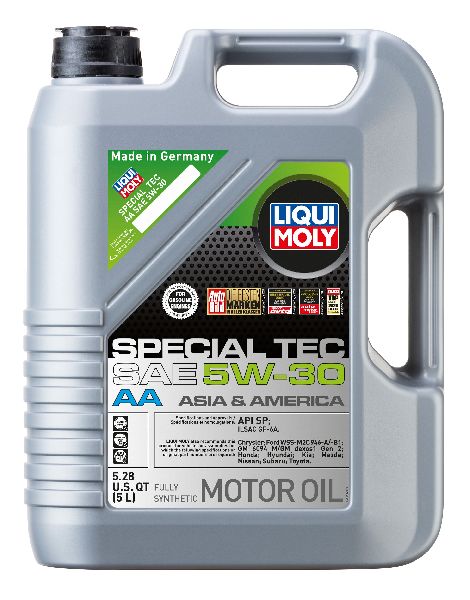
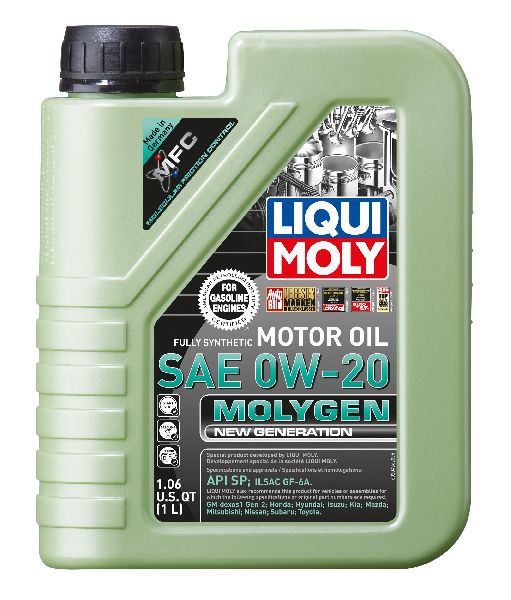
Typical fix: Perform an engine oil and filter change using the manufacturer-specified oil (e.g., SAE 5W-20 Synthetic Blend for the 2.0L Hybrid).
Est. part cost: $40-$80 - Sticking or Failed VCT Solenoid 🔴 High Probability Ford TSB #SSM 50067 directly identifies that small debris can cause the VCT solenoid to stick, triggering this code. This is a very common failure point on this and related Ford engines.
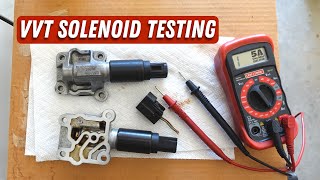
How to confirm: A technician can use a scan tool to command the solenoid on and off to check its response, as suggested by the TSB (Pinpoint Test HK12). Resistance can also be checked with a multimeter, typically looking for a reading between 6-12 ohms. 🎬 Watch: 3 easy ways to test a VVT solenoid.
Typical fix: First, attempt to clear debris by cycling the solenoid with a scan tool. If that fails, the solenoid must be replaced. On this specific engine, solenoid replacement requires removing the valve cover.
Est. part cost: $50-$85 - Faulty Camshaft Position Sensor ⚪ Low Probability While less common than oil or solenoid issues, a failing sensor can send incorrect data to the ECM, triggering the code.
How to confirm: Visual inspection of the sensor and its wiring. A diagnostic scan tool can monitor the sensor's live data for erratic readings. This will often be accompanied by other sensor-specific codes.
Typical fix: Replace the camshaft position sensor.
Est. part cost: $20-$50
Rare But Worth Checking
- Worn Timing Components: In higher-mileage vehicles, a stretched timing chain or failing tensioner can cause camshaft timing to be off, but this is a more serious and less common cause for this code alone.
- Damaged Camshaft Phaser: The phaser is the mechanical gear that the VCT solenoid acts upon. It can become stuck or damaged, but this is typically a result of severe oiling issues and is less common than a solenoid failure.
Diagnosis Steps
- Check the engine oil level and condition. Top off or change the oil and filter if necessary, using the correct viscosity oil (SAE 5W-20 Synthetic Blend). Clear codes and test drive.
- Use an OBD-II scanner to check for any other pending or stored codes.
- If the code returns, follow the diagnostic procedure from TSB #SSM 50067: Use a capable scan tool (like Ford's IDS/FDRS) to access Powertrain Control/Emissions Diagnosis (PC/ED) Pinpoint Test HK12. This test will cycle the exhaust VCT solenoid multiple times to try and dislodge any debris.
- If cycling the solenoid does not resolve the issue, inspect the wiring and connector for the exhaust VCT solenoid and camshaft position sensor for any damage, corrosion, or oil contamination.
- Test the VCT solenoid's resistance with a multimeter. A typical reading should be between 6-12 ohms. An open or shorted reading indicates a failed solenoid.
- If the solenoid tests good electrically, the issue is likely mechanical (stuck internally) and it should be replaced. Note that on the 2.0L Hybrid engine, this requires removing the valve cover.
- If a new solenoid does not fix the code, the issue may be mechanical, such as a problem with the camshaft phaser or timing chain, which requires more in-depth mechanical diagnosis.
Parts You'll Likely Need
- Variable Camshaft Timing (VCT) Solenoid
(OEM #Motorcraft 8G9Z-6M280-A (Exhaust))— This is the most common component to fail or stick due to oil contamination, as identified in Ford's TSB #SSM 50067.
Trusted brands: Motorcraft, Standard Motor Products (SMP), Dorman
OEM price range: $70-$85
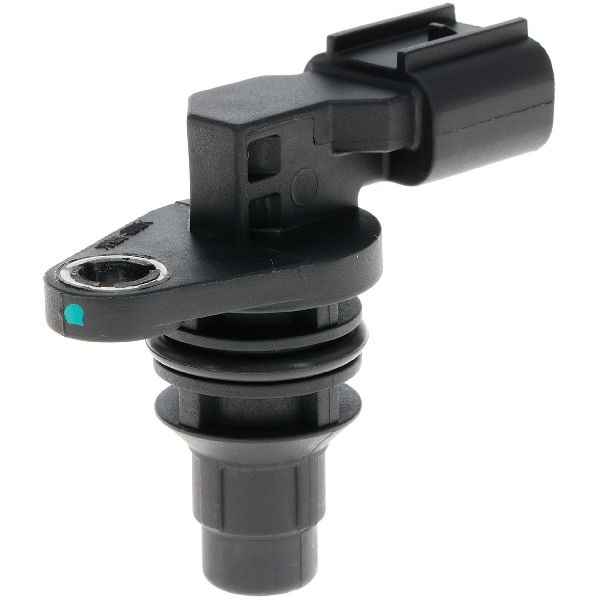
Aftermarket price range: $45-$70 - Camshaft Position Sensor
(OEM #Motorcraft DU-94)— This sensor provides the timing data to the ECM. While less likely to be the cause than the solenoid, it can fail and is a relatively inexpensive part to replace during diagnosis.
Trusted brands: Motorcraft, Bosch, NGK/NTK
OEM price range: $35-$50
Aftermarket price range: $20-$40 - Engine Oil and Filter
(OEM #Motorcraft FL-910-S (Filter))— Correct oil level and cleanliness are critical for the VCT system. An oil change is the first and most important step in resolving VCT-related codes.
Trusted brands: Motorcraft (Synthetic Blend), Mobil 1, Valvoline
OEM price range: $50-$80
Aftermarket price range: $40-$65
Related Codes That Often Appear With This One
- P0011 — This is the equivalent code for the intake camshaft ('A' camshaft). If both appear, it strongly suggests a systemic issue like low/dirty oil affecting the entire VCT system.
- P0022 — This code indicates the exhaust camshaft is over-retarded. Seeing it with P0021 suggests an erratic VCT solenoid or camshaft position sensor that is sticking or failing intermittently.
- P0016 / P0018 — These codes indicate a correlation issue between the crankshaft and camshaft. If seen with P0021, it could point towards a more serious mechanical timing problem like a jumped timing chain.
Technical Service Bulletins (TSBs) & Recalls
- SSM 50067: States that various 2015-2021 Ford/Lincoln vehicles may show VCT codes (including P0021) due to small debris causing the VCT solenoid to stick. It advises using PC/ED pinpoint test HK12 to cycle the solenoid 10 times to attempt to clear debris before replacement. For claiming, it specifies causal part 6M280.
Platform-Specific Known Issues
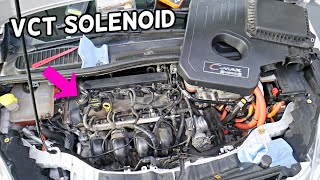
- VCT Solenoid Replacement Requires Valve Cover Removal: Unlike some engines where VCT solenoids are easily accessible on the outside of the engine, on the 2.0L I4 Atkinson-cycle engine, the solenoids are located underneath the valve cover. This makes replacement a more involved job, requiring removal of the engine mount and valve cover, and replacement of the associated gaskets.
Mechanic-Grade Diagnostic Values
- Scan Tool Live Data - VCT Actual vs. Desired Angle — expected: Using a scan tool, monitor the PIDs for the exhaust camshaft. For Ford, these are often labeled VCT_EXH_ACT (actual) and VCT_EXH_DSD (desired), or similar. The values should closely track each other.. Failure: A large, persistent discrepancy between the actual and desired angle PIDs, or an actual angle that is stuck and does not change with engine RPM, indicates a fault.
- Scan Tool Live Data - VCT Error/Difference PID — expected: Monitor the PID VCT_EXH_DIF (or similar 'difference' PID). This value should remain close to 0 degrees at all times, with minor fluctuations during rapid RPM changes.. Failure: A consistent non-zero value in the VCT_EXH_DIF PID indicates the camshaft is not where the PCM is commanding it to be, confirming a system fault.
- VCT Solenoid Bench Test — expected: When applying 12V DC power directly to the solenoid's terminals, the internal plunger should move audibly and visibly.. Failure: No movement or a sluggish response indicates a stuck or failed solenoid. CAUTION: Do not apply 12V DC continuously for 5 seconds or more, as it can damage the solenoid's coil.
Hidden / Shadow Codes Worth Checking
- Mode $06 Data (TID $8x, CID $xx): Before a hard DTC like P0021 is set, the PCM tracks VCT system performance in Mode $06. A technician can view the raw data for the VCT monitor (Test ID, TID) and see if the current value is approaching the maximum allowable limit. This can help identify a component that is beginning to fail or is on the edge of the specification. (see via A professional scan tool with Mode $06 capability is required. The specific Test ID for VCT varies by calibration but is part of the non-continuous monitors.)
Scan Tool Commands That Help
- Ford IDS / FORScan / High-End Scan Tool: VCT Solenoid Actuator Test / Output State Control (Pinpoint Test HK12) — This is a critical first diagnostic step after checking oil, as recommended by TSB SSM 50067. The command cycles the VCT solenoid on and off multiple times (typically 10) to dislodge small debris that may be causing it to stick. If the code clears and the issue resolves after this test, it can prevent an unnecessary solenoid replacement.
Wiring & Ground Locations
- G101 / G102 — Located on the left front of the engine compartment, near the battery junction box.. These are primary engine grounds. A poor connection here can cause erratic voltage to the PCM and all engine sensors, including the camshaft position sensor and VCT solenoids, leading to false codes.
- G105 / G106 — Located on the right side of the engine compartment.. Provides grounding for components on the right side of the engine bay. Verifying this ground is clean and tight is essential for stable sensor readings.
- Engine Compartment Fuse Box - Fuses F8, F9, F11, F26 — In the power distribution box in the engine compartment.. These fuses supply power to the Powertrain Control Module (PCM) and its various functions, including ignition coils and emissions components. A fault in these circuits could affect the PCM's ability to control the VCT system.
"I Checked Everything" — The Actual Cause
- While a smoke test is not relevant for P0021, a similar pattern exists where all electrical tests on the solenoid and sensor pass, and the oil is clean. In these cases, the root cause can be a leaking internal oil gallery gasket inside the timing chain cover. This causes a localized drop in oil pressure supplied to the VCT phaser, starving it of the hydraulic force needed to adjust timing correctly, even though the main engine oil pressure reads as normal. This is often misdiagnosed as a failed phaser itself.
OEM Part Supersession History
8G9Z-6M280-A→HL3Z-6M280-A— Part has been updated or consolidated for newer model years.
Heads up: HL3Z-6M280-A is listed for 2018 and newer Ford/Lincoln vehicles with the 2.0L engine. While it may be backward compatible, it is crucial to verify the correct part number by VIN for the specific vehicle year, as internal calibration or connectors could differ.
Model Year Variations Within This Range
- 2015-2019: The Lincoln MKZ received a significant cosmetic facelift for the 2017 model year, changing the front grille, headlights, and interior console. However, the 2.0L I4 Atkinson-cycle hybrid powertrain and its associated Variable Camshaft Timing (VCT) system remained fundamentally the same. Therefore, the causes, diagnostic procedures, and fixes for code P0021 are consistent across the entire 2015-2019 model year range for the hybrid variant.
Helpful Videos
![How to Fix P0021 Engine Code in 4 Minutes [2 DIY Methods / Only $6.43]](https://img.youtube.com/vi/T8aepJyvnbg/mqdefault.jpg)
Used OEM Parts in Stock

New Aftermarket Parts Available
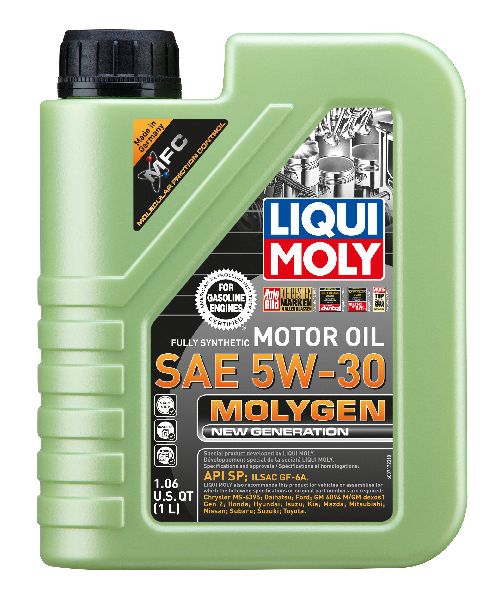
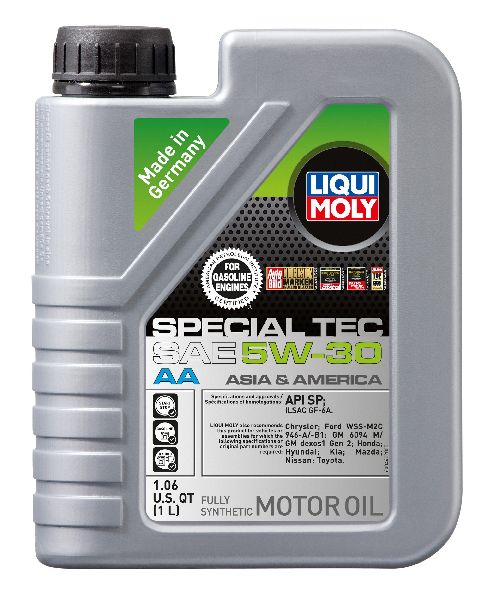


The information in this article is provided for general reference and educational purposes only. Vehicle specifications, procedures, and part compatibility can vary by production date, trim level, and region. Always consult your vehicle's factory service manual and verify part numbers before purchasing or performing repairs. Safety-critical components such as airbags, seat belts, and braking systems should be installed by a qualified professional.
- Lincoln MKZ HYBRID:
- 🎬 Helpful Videos
- 🛍️ Shop This Part
- What's Unique About the 2015-2019 Lincoln MKZ HYBRID
- Diagnostic Flowchart
- Symptoms You May Notice
- Most Likely Causes
- Rare But Worth Checking
- Diagnosis Steps
- Parts You'll Likely Need
- Related Codes That Often Appear With This One
- Technical Service Bulletins (TSBs) & Recalls
- Platform-Specific Known Issues
- Mechanic-Grade Diagnostic Values
- Hidden / Shadow Codes Worth Checking
- Scan Tool Commands That Help
- Wiring & Ground Locations
- "I Checked Everything" — The Actual Cause
- OEM Part Supersession History
- Model Year Variations Within This Range
- 🎟️ Get 5% Off