

P0021 on 2015-2020 Lincoln MKZ: Camshaft Timing Over-Advanced Causes and Fixes
On a 2015-2020 Lincoln MKZ with a V6 engine, code P0021 is most often caused by a faulty Variable Camshaft Timing (VCT) solenoid or low/dirty engine oil. This is a common issue across many Ford and Lincoln vehicles. Replacing the Bank 2 intake VCT solenoid is a frequent fix, costing around $40-$120 for the part. Regular oil changes with the correct oil are critical for prevention.
- Code P0021 on a V6 Lincoln MKZ points to the intake camshaft on Bank 2 (front of the engine bay) being too far advanced.
- The most likely causes are simple: low/dirty engine oil or a faulty VCT solenoid. Always check your oil first.
- Manufacturer TSBs confirm that VCT solenoids sticking due to oil debris is a known issue on these vehicles.
- Do not immediately replace the camshaft position sensor; it is usually just reporting the problem correctly.
- Replacing the Bank 2 VCT solenoid is a manageable DIY job, but replacing the Bank 1 solenoids is much more involved.
What's Unique About the 2015-2020 Lincoln MKZ
For this generation of Lincoln MKZ with the 3.7L or 3.0L V6, the Variable Camshaft Timing (VCT) system is known to be sensitive to oil condition and quality. Ford and Lincoln have issued multiple Technical Service Bulletins (TSBs) stating that small debris in the engine oil can cause the VCT solenoids to stick, leading to timing-related codes like P0021. TSB SSM 47170 specifically advises technicians to try clearing debris by cycling the solenoid with a diagnostic tool before replacing it. This makes regular oil changes with the correct manufacturer-specified oil especially critical on these engines to prevent sludging and debris buildup.
Diagnostic Flowchart
Tap your situation to follow the diagnostic path that matches what you're seeing on this vehicle.
Generation note: The 2015-2020 range covers the second generation of the Lincoln MKZ (2013-2020). A significant facelift occurred in 2017, which included replacing the naturally aspirated 3.7L V6 with a new, Lincoln-exclusive 3.0L twin-turbo V6 (GTDI). While both are V6 engines and the code's meaning is the same, specific part numbers and locations for components like the VCT solenoids may differ. The 3.0L GTDI engine, in particular, has known issues with oil pan leaks and, in early 2017 models, potential cylinder head failures that can present with similar symptoms like rough idle.
Symptoms You May Notice
- Check Engine Light is on
- Rough or unstable idle
- Engine hesitation or stumbling during acceleration
- Reduced engine power
- Poor fuel economy
- Engine may be hard to start
- Stalling at low speeds or when coming to a stop
- Rattling or knocking noise from the engine, especially at idle or on startup
- Replacing the camshaft position sensor. The sensor is usually working correctly by reporting the over-advanced condition; the problem lies in the mechanical system (solenoid, oil, phaser) that controls the timing. The diagnostic trouble code points to a performance issue, not necessarily a sensor failure. 🎬 See this video for a clear explanation of P0021 causes
Most Likely Causes
- Low or Dirty Engine Oil 🔴 High Probability The VCT system is hydraulically operated and extremely sensitive to oil pressure and cleanliness. If the oil is low, dirty, sludged, or the wrong viscosity, it cannot operate the VCT phasers correctly. TSBs for these vehicles specifically mention debris in oil as a primary cause for sticking solenoids.
How to confirm: Check the engine oil level on the dipstick and inspect its condition. If it's low, black, gritty, or past its service interval, it needs to be changed. A low oil pressure warning on the dash is a critical indicator.
Typical fix: Perform an engine oil and filter change using the manufacturer-specified grade of oil (e.g., Motorcraft Synthetic Blend). Clear codes and test drive.
Est. part cost: $50-$100 - Faulty Bank 2 Intake VCT Solenoid 🔴 High Probability As highlighted in manufacturer TSBs, these solenoids can stick due to debris or simply fail electrically over time. This is the most common component failure for this code across many Ford/Lincoln platforms.
How to confirm: Use a scan tool to monitor desired vs. actual cam angle (PIDs like VCTADV2 and VCTADVERR2). A definitive test is to swap the Bank 2 intake solenoid with the Bank 1 intake solenoid. If the code changes to P0011 (Bank 1 equivalent), the solenoid is faulty. You can also test the solenoid's resistance with a multimeter (typically 5-15 ohms) or by applying 12V to see if it clicks.
Typical fix: Replace the Bank 2 ('A' or Intake) Variable Camshaft Timing solenoid. Before replacement, a technician may attempt to clear debris by cycling the solenoid 10 times using a diagnostic tool, as suggested by TSB SSM 47170. 🎬 Watch: How to clean and test your VVT solenoids
Est. part cost: $40-$120 - Failed Camshaft Phaser ⚪ Low Probability The phaser is the mechanical gear that the solenoid acts upon. It can become clogged with sludge, the internal locking pin can fail, or it can mechanically fail, getting stuck in the advanced position. This is less common than a solenoid failure but is a known issue on Ford V6 engines, often causing a rattling or knocking noise.
How to confirm: This is a more involved diagnosis. If a new solenoid and clean oil do not fix the issue, the phaser is the next likely culprit. This often requires removing the valve cover for inspection and is a significant labor cost.
Typical fix: Replace the Bank 2 intake camshaft phaser. This is a labor-intensive job that often involves replacing timing components as well.
Est. part cost: $150-$300
Rare But Worth Checking
- Timing Chain Issues: A stretched timing chain or a failing tensioner can cause the overall timing to be off, which can trigger correlation codes like P0018 alongside P0021. This is usually accompanied by rattling noises from the front of the engine.
- Wiring Harness Damage: Damaged wires or a loose/corroded connector to the VCT solenoid can prevent it from operating correctly, mimicking a failed solenoid. A visual inspection of the harness leading to the Bank 2 solenoid is a key diagnostic step.
- Clogged Oil Passages: In engines with a history of poor maintenance, sludge can build up and restrict oil flow in the passages within the cylinder head that feed the VCT phaser and solenoid. This can starve the system of the oil pressure it needs to function.
Diagnosis Steps
- Verify the code with an OBD-II scanner. Note any other codes present.
- Check the engine oil level and condition. If low, dirty, or of the incorrect viscosity, perform an oil and filter change with OEM-spec oil. Clear the codes and drive to see if the problem returns.
- Use a scan tool with live data to monitor PIDs for desired vs. actual camshaft position for Bank 2 Intake (e.g., VCT_INT_ACT2, VCT_INT_DIF2, VCTADVERR2). A large, persistent difference indicates a problem.
- Inspect the wiring and connector for the Bank 2 intake VCT solenoid for any visible damage, corrosion, or looseness.
- Test the solenoid. With a capable scan tool, command the solenoid on and off to see if it responds and affects engine idle (as suggested by TSB SSM 47170). Alternatively, check its resistance with a multimeter (typically 5-15 ohms) or apply 12V to listen for a click.
- Swap the Bank 2 intake VCT solenoid with the Bank 1 intake solenoid (if they are the same part number). Clear codes and drive. If the code returns as P0011 (the Bank 1 equivalent), the solenoid is confirmed to be faulty. This is a very effective real-world test.
- If the solenoid and oil are good, the issue may be a clogged oil passage or a faulty camshaft phaser. This requires more in-depth mechanical diagnosis, likely involving removing the valve cover.
Parts You'll Likely Need
- Engine Variable Valve Timing (VVT) Solenoid
(OEM #AT4Z-6M280-B)— This solenoid is the most common point of failure for code P0021, often sticking due to oil debris as noted in manufacturer TSBs. This part number fits the 3.7L V6 in the 2015-2016 MKZ. It is also used on a wide variety of other Ford/Lincoln V6 engines.
Trusted brands: Motorcraft, Dorman, Gates, SKP
OEM price range: $80-$120
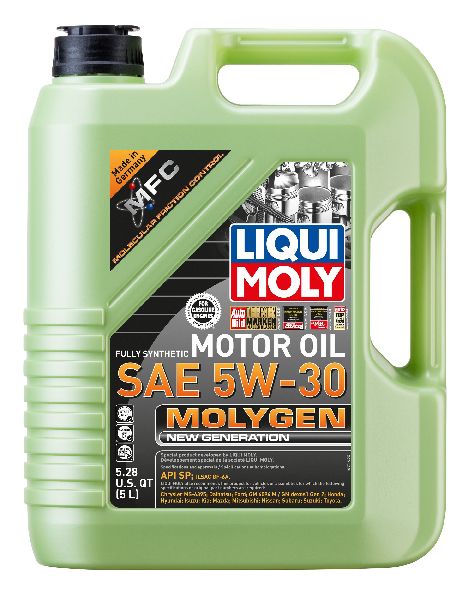
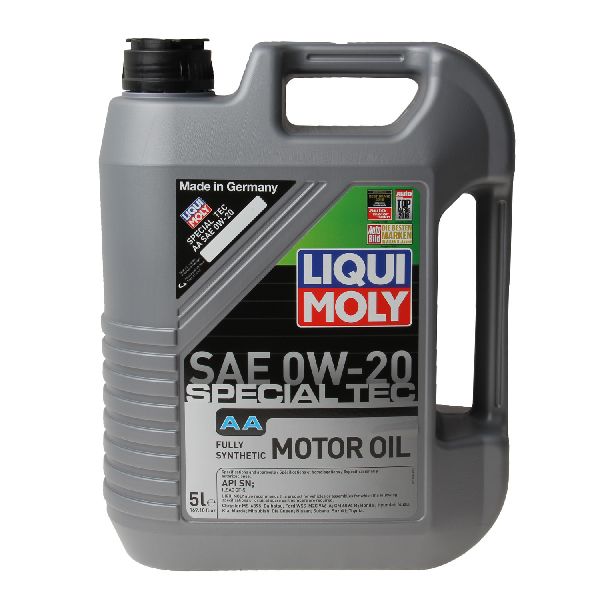
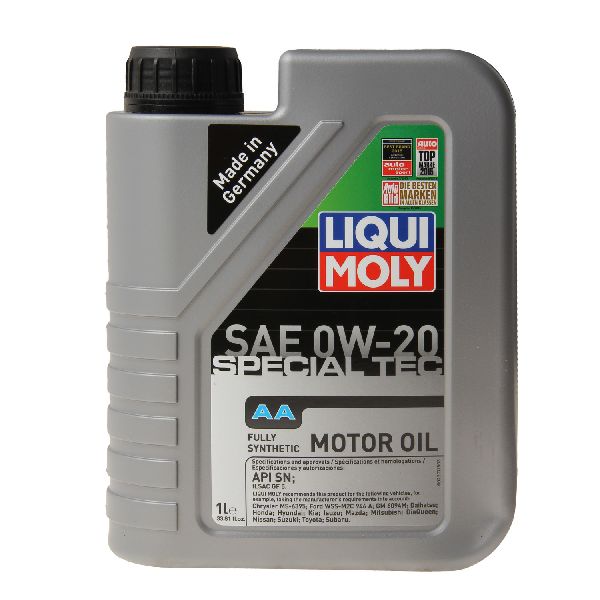
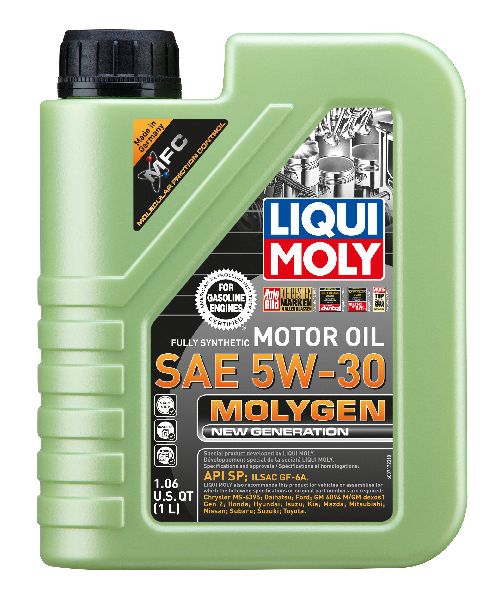
Aftermarket price range: $40-$80 - Engine Oil and Filter — Dirty, low, or incorrect viscosity oil is a primary cause of VCT system malfunctions and can lead to repeat failures of new parts if not addressed.
Trusted brands: Motorcraft (Synthetic Blend), Mobil 1, Valvoline
OEM price range: $60-$100
Aftermarket price range: $50-$80
Related Codes That Often Appear With This One
- P0011 — This is the equivalent code for Bank 1 ('A' Camshaft Position - Timing Over-Advanced). If both banks have issues with dirty oil or low pressure, both codes may appear simultaneously.
- P0022 — This is the code for an over-retarded camshaft on Bank 2. Seeing it with P0021 could indicate an erratic VCT solenoid that is sticking in both directions or a more severe timing system problem.
- P0018, P0019 — These are crankshaft/camshaft correlation codes for Bank 2. The TSBs mention them appearing alongside P0021, indicating a broader timing system issue, potentially a stretched timing chain or failed phaser.
Technical Service Bulletins (TSBs) & Recalls
- SSM 47170: Notes that P0021 and other timing codes may be caused by small debris causing the VCT solenoid to stick. Advises attempting to clear debris by cycling the solenoid with a scan tool before replacement.
- SSM 54366: Recommends following specific pinpoint tests in the service manual for diagnosing P0021 and related codes.
- SSM 50067: Similar to SSM 47170, points to debris causing VCT solenoid issues and advises careful diagnosis before replacing parts.
- TSB 11-6-1: While for older models (pre-2009), this TSB shows a history of Ford addressing VCT codes on the 3.5L/3.7L engines with updated camshaft phaser parts, indicating phasers can be a root cause.
Platform-Specific Known Issues
- TSB #SSM 47170 and #SSM 50067 note that various timing codes, including P0021, may appear on some Ford and Lincoln vehicles. The bulletin suggests this may be due to small debris causing the VCT solenoid to stick and advises against immediate component replacement. It recommends using a scan tool to cycle the solenoid 10 times to attempt to clear the debris first.
- On the V6 engines, the VCT solenoids are located under the valve covers. Accessing the solenoids for the front bank (Bank 2, near the radiator) is relatively straightforward. However, accessing the rear bank (Bank 1) is significantly more difficult, as it requir
Mechanic-Grade Diagnostic Values
- VCT Solenoid Resistance — expected: 6 to 12 Ohms. Failure: A reading outside of this range indicates a faulty solenoid coil.
- Live Data PID: VCTADVERR2 (Bank 2 Cam Timing Error) — expected: Near 0° at all times (idle and under load).. Failure: A value that consistently stays more than +/- 5 degrees from zero indicates the camshaft is not reaching its commanded position.
- Live Data PID: VCTADV2 (Bank 2 Actual Cam Timing) — expected: Near 0° at warm idle (below 800 RPM).. Failure: A reading significantly different from 0° at idle indicates the phaser is stuck or not returning to its base/locked position.
Scan Tool Commands That Help
- Ford IDS / FORScan: VCT Solenoid On/Off Command (Pinpoint Test HK12) — This is a bidirectional control used to manually cycle a specific VCT solenoid. As recommended by TSBs, cycling it multiple times can dislodge small debris and may fix a sticking solenoid without replacement.
- FORScan: Reset All Adaptations / Camshaft Calibration — After replacing VCT components like solenoids or phasers, it is recommended to perform a reset of the engine's learned adaptive values to ensure the PCM correctly calibrates to the new parts.
Wiring & Ground Locations
- Bank 2 VCT Solenoids — On the V6 engines, Bank 2 is the cylinder bank closer to the radiator. The VCT solenoids are located on the top of the valve cover for that bank.. P0021 specifically refers to the Bank 2 intake camshaft. Knowing the physical location is critical for inspection, testing, and replacement of the correct solenoid. The intake and exhaust solenoids are located near each other, making it possible to mix them up.
Real Owner Repair Stories
- Ford F150 Forum user 'mrbill0829' (2017 Ford F-150 3.5L EcoBoost (related engine family)) — Check Engine Light with codes P0021 and P0025 after replacing cam phasers and timing components. Engine ran well with no rough idle.
❌ Tried (didn't work) Swapping the new VCT solenoids with the original ones.
✅ What actually fixed it The VCT solenoid electrical connectors for the intake and exhaust cams on Bank 2 had been accidentally reversed during reassembly. Swapping the connectors to their correct solenoids resolved both codes.
OEM Part Supersession History
AT4Z-6M280-A→AT4Z-6M280-B— Part revision or update by the manufacturer.
Heads up: For many Ford/Lincoln V6 engines, different part numbers (e.g., -A, -B, -C) are used for intake vs. exhaust and bank 1 vs. bank 2. AT4Z-6M280-B is commonly listed for the 3.7L V6 intake application. Always verify the correct part number by VIN, as using the wrong solenoid will cause performance issues.
Model Year Variations Within This Range
- 2017-2020: Models from 2017 onward may have the 3.0L GTDI V6 instead of the 3.7L V6. While the P0021 code's cause is often the same (sticking VCT solenoid), the specific part number for the 3.0L engine's solenoid may differ from the 3.7L's AT4Z-6M280-B. Verification with a dealer using the vehicle's VIN is critical when ordering parts for the 3.0L engine.
Helpful Videos
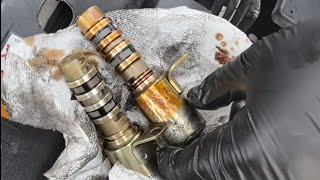
![How to Fix P0021 Engine Code in 4 Minutes [2 DIY Methods / Only $6.43]](https://img.youtube.com/vi/T8aepJyvnbg/mqdefault.jpg)
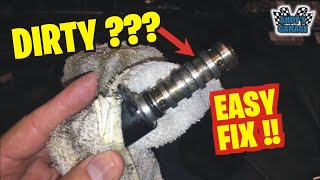
Used OEM Parts in Stock

New Aftermarket Parts Available


The information in this article is provided for general reference and educational purposes only. Vehicle specifications, procedures, and part compatibility can vary by production date, trim level, and region. Always consult your vehicle's factory service manual and verify part numbers before purchasing or performing repairs. Safety-critical components such as airbags, seat belts, and braking systems should be installed by a qualified professional.
- Lincoln MKZ:
- 🎬 Helpful Videos
- 🛍️ Shop This Part
- What's Unique About the 2015-2020 Lincoln MKZ
- Diagnostic Flowchart
- Symptoms You May Notice
- Most Likely Causes
- Rare But Worth Checking
- Diagnosis Steps
- Parts You'll Likely Need
- Related Codes That Often Appear With This One
- Technical Service Bulletins (TSBs) & Recalls
- Platform-Specific Known Issues
- Mechanic-Grade Diagnostic Values
- Scan Tool Commands That Help
- Wiring & Ground Locations
- Real Owner Repair Stories
- OEM Part Supersession History
- Model Year Variations Within This Range
- 🎟️ Get 5% Off