

P0021 on 2020-2025 Hyundai Palisade: Causes, Fixes, and Parts for Over-Advanced Cam Timing
For a 2020-2025 Hyundai Palisade, code P0021 is most often caused by low or dirty engine oil, or a failing Bank 2 (front) intake Oil Control Valve (OCV). First, check your oil. If the oil level and quality are good, the OCV is the next likely culprit, costing around $70-$150 for the part. This is a common issue on the shared engine with the Kia Telluride.
- Before buying any parts, check your engine oil level and condition. Low or dirty oil is the most common cause of P0021.
- The most likely failed part is the Bank 2 (front) intake Oil Control Valve (OCV).
- A simple and effective DIY diagnostic is to swap the intake OCVs between the front (Bank 2) and rear (Bank 1) of the engine. If the code changes to P0011, you've found the bad part.
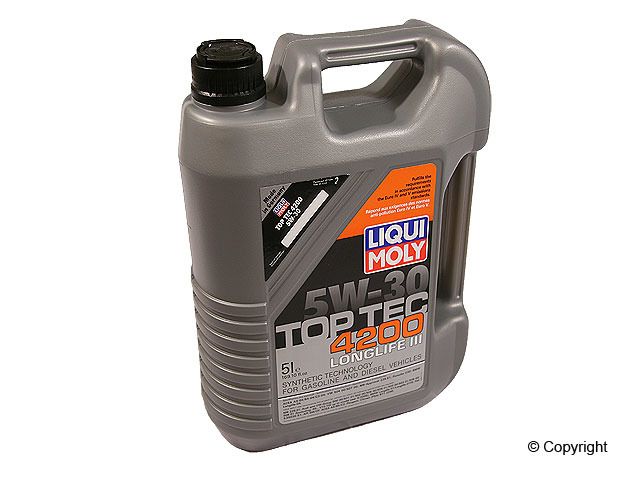
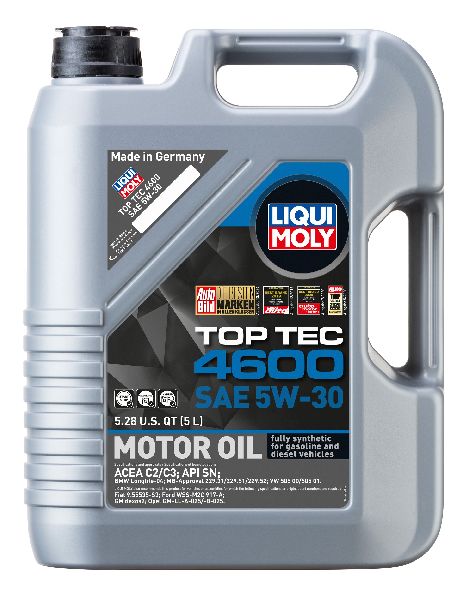
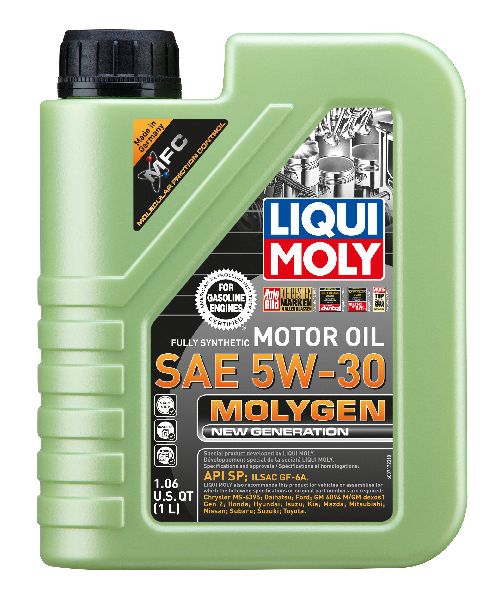
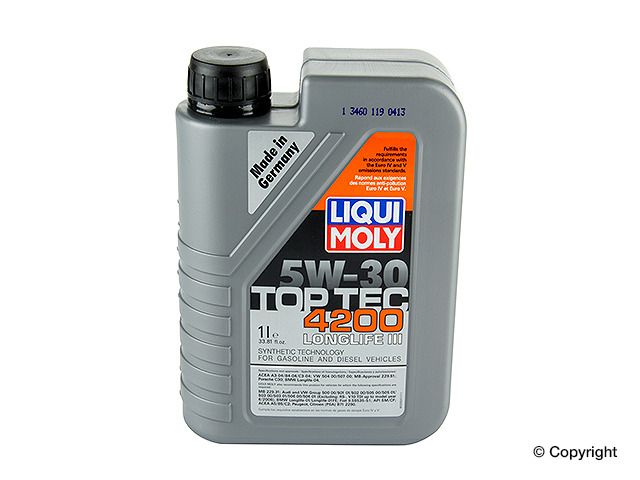
- Always use the correct full synthetic oil and a quality filter to prevent this issue.
What's Unique About the 2020-2025 Hyundai Palisade
The Palisade's Lambda II 3.8L GDi V6 engine, while generally reliable, relies heavily on clean engine oil and proper oil pressure to operate its CVVT system. Like its sibling, the Kia Telluride which shares the same engine, this platform can be sensitive to oil level and quality. Issues that restrict oil flow, such as sludge from extended oil change intervals or a failing Oil Control Valve (OCV), are the most common triggers for timing codes like P0021 on this specific GDI engine family.
Symptoms You May Notice
- Check Engine Light is on
- Rough or unstable idle
- Engine hesitation or stumbling during acceleration
- Reduced engine power
- Decreased fuel economy
- Engine may be hard to start
- Rattling or knocking noise from the engine
- Replacing the camshaft position sensor when the actual problem is a faulty Oil Control Valve (OCV) or dirty oil.
- Assuming a major timing chain issue before performing simple checks like oil level/condition and swapping the OCVs.
Most Likely Causes
- Low or Dirty Engine Oil 🔴 High Probability The CVVT system is entirely dependent on hydraulic pressure to function. The GDI engine design can lead to oil contamination, and low or sludgy oil is the number one cause of VVT-related fault codes like P0021.
How to confirm: Check the engine oil dipstick. The level should be between the 'F' and 'L' marks. The oil should be amber-colored 🎬 See this guide on how to fix P0021 and P0011 codes. and not thick, black, or sludgy. This is the first and most important check.
Typical fix: Perform an engine oil and filter change using a high-quality, full synthetic 5W-30 oil that meets manufacturer specifications.
Est. part cost: $50-$100 - Faulty Bank 2 Intake Oil Control Valve (OCV) 🔴 High Probability The OCV (or VVT solenoid) is an electronic part that can get clogged with oil sludge or fail electrically. It's a very common failure point for this code across many Hyundai/Kia models with the Lambda V6.
How to confirm: The most effective diagnostic is to swap the Bank 2 (front) intake OCV with the Bank 1 (rear) intake OCV. Clear the codes and drive. If the code returns as P0011 (the Bank 1 equivalent), the OCV is confirmed to be faulty. You can also test the OCV's resistance with a multimeter; it should be between 6.9 and 7.9 ohms.
Typical fix: Replace the faulty Oil Control Valve. It is often recommended to replace both intake OCVs at the same time.
Est. part cost: $70-$150 - Faulty Bank 2 Intake Camshaft Position Sensor (CMP) ⚪ Low Probability While less common than an OCV failure, the sensor that reads the camshaft's position can fail, sending incorrect data to the ECM.
How to confirm: Testing requires a multimeter to check for proper resistance or a scan tool to monitor its live data. Swapping with the sensor from the other bank is also a valid diagnostic step, similar to the OCV swap.
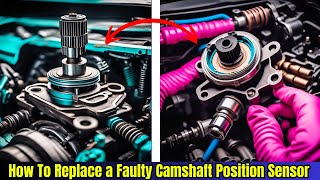
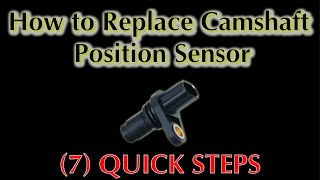
Typical fix: Replace the Bank 2 intake camshaft position sensor. 🎬 Watch: A step-by-step walkthrough for replacing a faulty camshaft sensor.
Est. part cost: $40-$90
Rare But Worth Checking
- Stretched Timing Chain or Failed Tensioner: This is a more serious mechanical issue. It should only be considered after all other possibilities (oil, OCV, sensors) have been ruled out. It is often preceded by a rattling noise on cold starts. A stretched chain can cause timing to be off just enough to trigger the code.
- Damaged Camshaft Phaser: The phaser (or CVVT actuator) is the mechanical gear that actually adjusts the cam timing. It can become stuck in the advanced position due to sludge or internal failure, but this is much less common than an OCV failure.
Diagnosis Steps
- Check Engine Oil: Verify the oil level is correct and the oil is clean. If it's low or dirty, an oil change is the first and most crucial step. This resolves the issue a surprising amount of the time.
- Scan for Codes: Use an OBD-II scanner to confirm P0021 is the only code present. Note any other codes, as they can point to the root cause.
- Inspect Wiring: Visually inspect the wiring and connector for the Bank 2 (front, intake) Oil Control Valve and Camshaft Position Sensor for any damage, corrosion, or loose connections.
- Swap the Oil Control Valves (OCVs): This is the most effective DIY diagnostic step. Locate the intake OCV on Bank 2 (front of the engine) 🎬 Watch: This video shows the Bank 2 intake OCV location. and Bank 1 (rear of the engine). Swap them. Clear the codes and drive the vehicle. If code P0011 appears, you have confirmed the OCV is faulty and needs replacement.
- Test the Camshaft Position Sensor: If the code P0021 returns after the OCV swap, the sensor itself may be the issue. You can test it with a multimeter or swap it with the sensor from the other bank to see if the code follows.
- Seek Professional Help: If the above steps do not resolve the issue, the problem is likely more complex, potentially involving the camshaft phaser or timing chain, and requires professional diagnosis.
Parts You'll Likely Need
- Engine Variable Valve Timing (VVT) Solenoid / Oil Control Valve (OCV)
(OEM #24360-3L100 (Intake); alternate for exhaust is 24360-3CAA2)— This solenoid controls the oil flow that adjusts cam timing. It is the most common part to fail or get clogged, directly causing the P0021 code.
Trusted brands: Hyundai Genuine, Denso, Dorman
OEM price range: $120-$180
Aftermarket price range: $70-$130 - Engine Camshaft Position Sensor
(OEM #39350-3L100)— If the OCV is confirmed to be good, the sensor that reads the camshaft's position is the next most likely electrical component to fail.
Trusted brands: Hyundai Genuine, Delphi, NGK/NTK
OEM price range: $60-$100
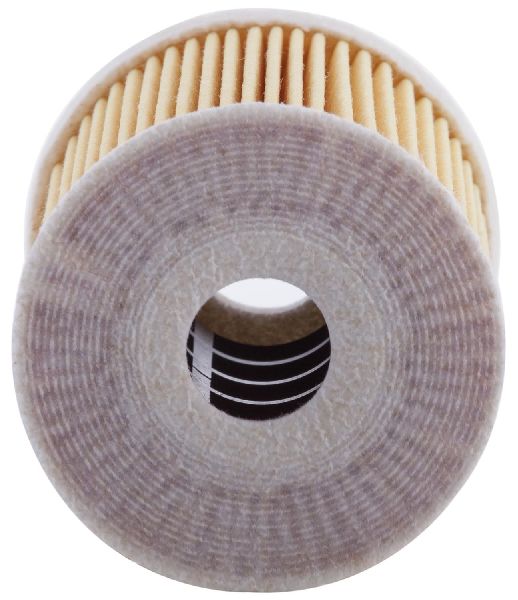
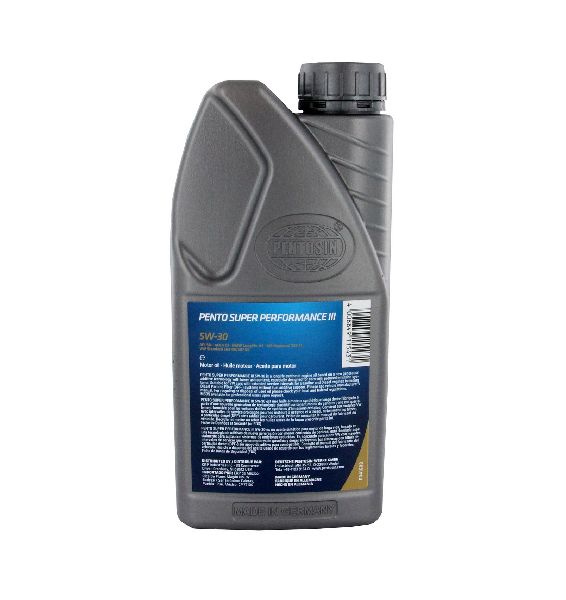
Aftermarket price range: $40-$80 - Engine Oil and Filter — Low or dirty oil is a primary cause of this code. Always start with fresh, correct-viscosity full synthetic oil (5W-30) and a quality filter.
Trusted brands: Pennzoil Platinum, Mobil 1, Castrol Edge, Hyundai Genuine
OEM price range: $70-$110
Aftermarket price range: $50-$90
Related Codes That Often Appear With This One
- P0011 — This is the equivalent code for Bank 1. If you swap a faulty Bank 2 OCV to Bank 1 for diagnosis, P0021 will be replaced by P0011.
- P0024 — This code is for the exhaust camshaft on the same bank (Bank 2). Seeing them together could point to a more significant oil pressure or mechanical timing issue on that bank.
Technical Service Bulletins (TSBs) & Recalls
- TSB 19-BD-010H / 21-01-003H: Addresses excessive wind noise from door/mirror area on 2020-2021 models.
- NHTSA Recall 22V-633 / Hyundai Recall 235: Pertains to fire risk from accessory tow hitch wiring harness on 2020-2022 models.
- TSB 23-EM-008H: Provides dealer guidelines for diagnosing and repairing customer complaints of engine oil consumption.
Mechanic-Grade Diagnostic Values
- Oil Control Valve (OCV) Coil Resistance — expected: 6.9 - 7.9 Ohms at 68°F (20°C). Failure: A reading of infinity (open circuit), zero (short circuit), or a value significantly outside the specified range indicates a failed solenoid coil.
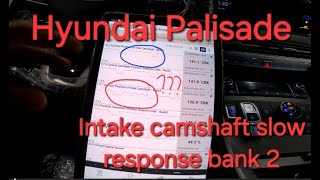
- Scan Tool Live Data: CVVT Timing Error — expected: The difference between 'Cam Actual Position' and 'Cam Desired Position' should be less than 20 degrees while the engine is running.. Failure: A persistent difference greater than 20 degrees will trigger the fault code. The ECM may set the DTC if the delay between the target and real angle occurs over 5 times.
- Oil Drain Plug Torque — expected: 30 lb-ft. Failure: N/A - This is a specification for reassembly during an oil change.
- Engine Oil Capacity — expected: 6.9 quarts (6.5 liters) with filter change. Failure: N/A - This is a fluid capacity specification.
Scan Tool Commands That Help
- Hyundai GDS or equivalent professional scan tool: Actuation Test for 'OIL CONTROL VALVE' / 'CAM PHASER INTAKE BANK 2' — This bidirectional command allows a technician to manually activate the Bank 2 intake OCV. When the engine is running at idle, activating the solenoid should cause the engine to hesitate or stall. If there is no change in engine operation, it points to a faulty OCV, a clog in the oil passage, or a seized cam phaser. This test confirms if the solenoid is capable of functioning when commanded by the ECM.
OEM Part Supersession History
39350-4A000→39318-3L100— Part number consolidation and updates by Hyundai/Kia.
Heads up: The part listed in the Pass 2 data, 39350-3L100, appears to be a cover for the sensor, not the sensor itself. The correct sensor part number is 39318-3L100, which supersedes older numbers like 39350-4A000. Using the correct, current part number is crucial for compatibility.
Model Year Variations Within This Range
- 2020-2022 vs 2023-2025: The Palisade received a facelift for the 2023 model year which included cosmetic and interior technology updates. However, the core powertrain, the Lambda II 3.8L GDi V6 engine and 8-speed automatic transmission, remained unchanged. Therefore, the causes and fixes for code P0021 are identical across the entire 2020-2025 range.
Diagnostic Flowchart
Other Known Issues on This Vehicle
Issues unrelated to this code that are worth knowing about as an owner of this generation:
- Excessive Wind Noise 🟡 Low — Common on 2020-2021 models, particularly from the driver's side door/mirror area at highway speeds. (Ref: TSB 19-BD-010H and its revisions (e.g., 21-01-003H) provide a fix by adding foam pads and replacing moldings.)
- Foul Interior Odor 🟡 Low — Reported on 2020-2021 models with Nappa leather (Limited/Calligraphy trims), often described as smelling like garlic or old socks. (Ref: Hyundai addressed this via dealer service actions (not a formal recall) to treat or replace the headrest materials, which were identified as the source.)
- Tow Hitch Wiring Fire Risk 🔴 High — Affects 2020-2022 models equipped with a factory or dealer-installed accessory tow hitch wiring harness. (Ref: NHTSA Recall 22V-633 (Hyundai Recall 235). Debris and moisture can cause an electrical short, increasing fire risk even when parked. The fix involves installing a new fuse and wire extension kit.)
- Engine Oil Consumption 🟠 Medium — Some Lambda II engines may experience higher than normal oil consumption. (Ref: Hyundai has issued general guidelines like TSB 23-EM-008H for dealers to inspect and address oil consumption concerns, which can sometimes be related to carbon deposits.)
- Carbon Buildup on Intake Valves 🟠 Medium — A common long-term issue for all Gasoline Direct Injection (GDI) engines, including the Lambda II. Typically becomes noticeable after 80,000-100,000 miles.
Used vs. New Parts: Buying Guide for This Vehicle
When a used part is the smart pick: For this repair, using a used part is generally not recommended for the electronic components. Given the low cost of new aftermarket OCVs and CMP sensors, the risk of getting a used part that is near the end of its life or already faulty outweighs the small cost savings. A used part might be considered for a physical component like a wiring connector pigtail if it's in good condition.
Donor-vehicle mileage cap: roughly under 50000 miles for the part to have meaningful remaining life.
What to inspect on the donor part:
- For an OCV or sensor, there are no reliable visual cues. The primary risk is internal electronic failure or clogging, which is invisible.
- Ensure the donor vehicle was not in a front-end collision that could have damaged engine components.
- Check the vehicle history for regular oil changes, if possible, as sludge is the primary killer of these parts.
OEM-only on this vehicle (don't cheap out):
- Camshaft Phaser (CVVT Actuator): This is a precision mechanical part. Aftermarket quality can be inconsistent, and failure can cause catastrophic engine damage. It is strongly recommended to use an OEM part if a phaser replacement is needed.
Aftermarket brands forum-validated for this vehicle:
- Denso (often the OEM supplier)
- Dorman
- Delphi
- NGK/NTK
Brands owners have reported issues with on this vehicle:
- Unnamed, no-brand 'white box' parts from online marketplaces should be avoided. Failure of these components is common, and they can lead to repeat repairs.
Real Owner Stories
Aggregated from forums and TSBs cited above. Mileages and costs reflect what owners reported in those sources.
2020 Hyundai Palisade 3.8L GDi V6
Symptoms: Owner noted a common wind noise issue and found that the dealer required a specific TSB number before they would approve the repair.
What fixed it: Dealer performed the fix outlined in the TSB (adding foam pads and replacing moldings).
Source hint: palisadeforums.org - Multiple threads discuss the common wind noise issue and reference TSBs for the fix. One user noted their dealer needed the TSB provided to them before approving the repair.
Documented NHTSA Reports
Symptoms: An owner reported that when the check engine light came on, there was a loud clanking sound and low oil level. The dealership identified the issue as code P0021 (NHTSA ODI #11630004).
Symptoms: Another report describes a check engine light accompanied by a bad tapping sound on the passenger side of the engine, with codes P0346, P0021, and P0087 present (NHTSA ODI #11574809).
Related OBD-II Codes
Frequently Asked Questions
Is there a TSB for the engine oil consumption I'm seeing on my Palisade?
Could my P0021 code be related to the recent tow hitch recall?
I hear a whistling sound at highway speeds; is this related to the P0021 code?
Can I use any oil for my Palisade to prevent VVT issues?
My Palisade smells like garlic inside; is this an engine leak causing the code?
If I need to replace the Camshaft Phaser, should I go with an aftermarket part?
Helpful Videos
Used OEM Parts in Stock

New Aftermarket Parts Available

The information in this article is provided for general reference and educational purposes only. Vehicle specifications, procedures, and part compatibility can vary by production date, trim level, and region. Always consult your vehicle's factory service manual and verify part numbers before purchasing or performing repairs. Safety-critical components such as airbags, seat belts, and braking systems should be installed by a qualified professional.
- Hyundai Palisade:
- 🎬 Helpful Videos
- 🛍️ Shop This Part
- What's Unique About the 2020-2025 Hyundai Palisade
- Symptoms You May Notice
- Most Likely Causes
- Rare But Worth Checking
- Diagnosis Steps
- Parts You'll Likely Need
- Related Codes That Often Appear With This One
- Technical Service Bulletins (TSBs) & Recalls
- Mechanic-Grade Diagnostic Values
- Scan Tool Commands That Help
- OEM Part Supersession History
- Model Year Variations Within This Range
- Diagnostic Flowchart
- Other Known Issues on This Vehicle
- Used vs. New Parts: Buying Guide for This Vehicle
- Real Owner Stories
- 2020 Hyundai Palisade 3.8L GDi V6
- Documented NHTSA Reports
- Related OBD-II Codes
- Frequently Asked Questions
- 🎟️ Get 5% Off