

P0021 on 2018-2019 Chevrolet Traverse: Camshaft Timing Causes and Fixes
On a 2018-2019 Traverse with the 3.6L V6, code P0021 is most often caused by low or dirty engine oil, a faulty camshaft position actuator solenoid, or an ECM software issue. GM has issued service bulletins (like #N192266190) that address this code with a simple dealer-installed software update, often triggered by a stop/start event. Before replacing any parts, the first steps should be checking the oil and verifying if the TSB for an ECM reprogram applies to your vehicle.
- For a 2018-2019 Traverse, P0021 may be a software glitch. Check for TSBs related to an ECM reprogram before buying parts.
- Always check your engine oil level and condition first; it's a simple check that can solve the problem.
- This code frequently appears with P0011, P0014, and P0024. Seeing them together strongly points towards the issues mentioned in GM's service bulletins.
- The most likely failed part is the Bank 2 (front) intake camshaft position actuator solenoid, not the sensor.
What's Unique About the 2018-2019 Chevrolet TRAVERSE
For this specific generation of the Traverse with the 3.6L LFY V6 engine, the P0021 code is directly addressed by several General Motors Technical Service Bulletins (TSBs). Unlike many other vehicles where this code immediately points to a mechanical part, GM acknowledges that a software issue can be the root cause, particularly after an engine auto stop/start event. TSB #N192266190 explicitly states the correction is to "reprogram the engine control module (ECM)". This is a crucial, vehicle-specific diagnostic step that can prevent unnecessary parts replacement. This issue is also common on platform mates like the Buick Enclave and Cadillac XT5 with the same engine.
Diagnostic Flowchart
Tap your situation to follow the diagnostic path that matches what you're seeing on this vehicle.
Symptoms You May Notice
- Check Engine Light (Malfunction Indicator Lamp) is on
- Engine running rough or unstable idle, especially after an auto-start event.
- Reduced engine power.
- Engine may stall when stopped or after a cold start.
- Poor fuel economy.
- Transmission shudder (mentioned in related TSB 17-NA-317).
- Rattling noise from the engine on startup or while running.
- Replacing the camshaft position sensor when the actual problem is a faulty actuator solenoid or dirty oil.
- Replacing mechanical parts like solenoids or sensors when the vehicle simply needs the ECM reprogrammed per TSB N192266190.
- Assuming the intake and exhaust VVT solenoids are interchangeable for diagnosis. On the 3.6L LFY, they are different parts.
Most Likely Causes
- Engine Control Module (ECM) Software Issue 🔴 High Probability GM has released multiple TSBs (#N192266190, #PIP5568E) specifically for the 2018-2019 Traverse, indicating a known software calibration problem that can falsely trigger this code, often after a stop/start event.
How to confirm: A Chevrolet dealership can check your vehicle's VIN against their records for open service bulletins. The fix requires a specialized tool to reprogram the ECM.
Typical fix: Reprogramming the Engine Control Module with updated software. This is a dealer-only fix.
Est. part cost: $0-$200 - Low or Dirty Engine Oil 🔴 High Probability The Variable Valve Timing (VVT) system uses pressurized engine oil to adjust camshaft timing. The 3.6L High Feature V6 family is known to be sensitive to oil quality and level. If the oil is low, dirty, or the wrong viscosity, the actuator solenoids cannot function correctly.
How to confirm: Check the engine oil dipstick for proper level and inspect the oil's color and consistency. If it's dark, gritty, or below the 'add' line, it needs to be changed.
Typical fix: Perform an oil and filter change using the correct specification oil (ACDelco dexos1 Gen 2 5W-30 or equivalent).
Est. part cost: $40-$80 - Faulty Camshaft Position Actuator Solenoid (Bank 2, Intake) 🟡 Medium Probability These solenoids are a common failure point on many modern engines. They can get clogged with sludge from old oil or fail electronically, causing them to stick.
How to confirm: Since the intake and exhaust solenoids are different part numbers on the LFY engine, they cannot be swapped. Diagnosis involves testing the solenoid's resistance with a multimeter (should be around 8-13 ohms) or using a scan tool's bidirectional control to command the solenoid and watch for a change in engine performance.
Typical fix: Replace the Bank 2 intake camshaft position actuator solenoid.
Est. part cost: $30-$70 - Faulty Camshaft Position Sensor (Bank 2, Intake) ⚪ Low Probability
How to confirm: Test the sensor's output with a multimeter or oscilloscope. A simpler method is to swap it with the identical sensor from Bank 1, clear the codes, and see if the fault follows the sensor (e.g., P0011 appears).
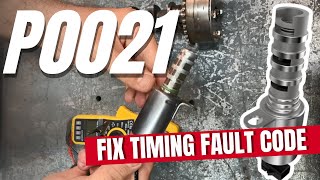
Typical fix: Replace the Bank 2 intake camshaft position sensor. 🎬 Watch: How to test and fix P0021 timing issues
Est. part cost: $25-$60
Rare But Worth Checking
- Stretched Timing Chain or Worn Phaser: While less common on newer vehicles, significant timing chain stretch or a failure of the mechanical camshaft phaser can cause timing deviation codes. This is a much more involved and expensive repair, often accompanied by rattling noises from the engine. The GM 3.6L engine family has a history of timing chain issues, often exacerbated by extended oil change intervals.
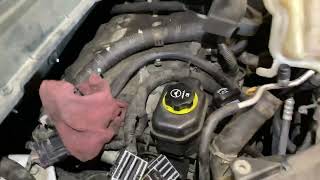
- Faulty Intake Camshaft Position Actuator Park Lock Solenoid Valve: TSB #PIP5730B points to a potential issue with the park lock solenoid valves sticking or coming apart. This is a less common cause than the main VVT solenoids but is a known issue on the Gen 2 HFV6 engine family (which includes the LFY and LGX). Diagnosis involves removing and inspecting the park lock solenoid. 🎬 See this walkthrough for removing the VVT solenoid
- Slipped Crankshaft Reluctor Wheel: A very rare but possible cause for multiple timing codes (P0016, P0018, etc.) on the HFV6 engine family is the crankshaft position reluctor wheel physically moving on the crankshaft. This requires significant engine disassembly to confirm and repair by replacing the crankshaft.
Diagnosis Steps
- Check the engine oil level and condition. Top off or perform an oil and filter change if necessary, using full synthetic 5W-30 dexos1 rated oil. This is the easiest and most crucial first step.
- Scan for other DTCs. Note if P0011, P0014, or P0024 are also present, as this is a key symptom mentioned in GM service bulletins.
- Contact a Chevrolet dealer with your VIN or use a professional scan tool to check for applicable TSBs, specifically #N192266190. An ECM reprogram may be the required fix and should be performed before replacing parts.
- Locate the Bank 2 (front, near radiator) intake camshaft position actuator solenoid. Inspect the wiring and connector for damage or corrosion.
- If TSBs do not apply and the oil is clean, test the Bank 2 intake solenoid. You can check its resistance with a multimeter (looking for 8-13 ohms) or use a scan tool to perform a bidirectional test. Do not swap with the exhaust solenoid as they are different parts.
- If the solenoid test is inconclusive or fails, replace the Bank 2 intake solenoid (Part No. 12679100).
- If the code persists, test the camshaft position sensor by swapping it with an identical sensor from another position (e.g., Bank 1 intake) and see if the code follows.
- If all electronic components and oil are good, the issue may be mechanical, such as the park lock solenoid, a timing chain, or phaser problem, which requires more advanced diagnostics.
Parts You'll Likely Need
- Camshaft Position Actuator Solenoid (VVT Solenoid), Intake
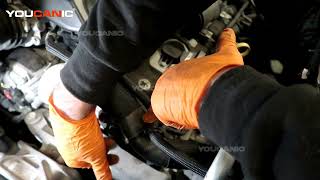
(OEM #12679100)— This solenoid controls oil flow to the cam phaser and is a common failure point due to clogging or electronic malfunction. This specific part is for the intake cam. 🎬 Watch: A guide to replacing the camshaft actuator solenoid valve
Trusted brands: ACDelco, Delphi
OEM price range: $45-$70
Aftermarket price range: $25-$50 - Engine Oil and Filter — Correct oil level and cleanliness are critical for the VVT system's operation. Using the manufacturer-specified oil (dexos1 Gen 2 5W-30 Full Synthetic) is essential.
Trusted brands: ACDelco, Mobil 1
OEM price range: $50-$90
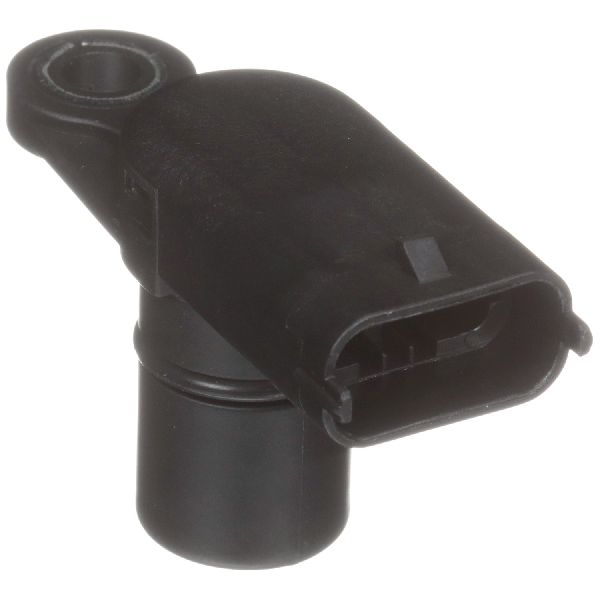
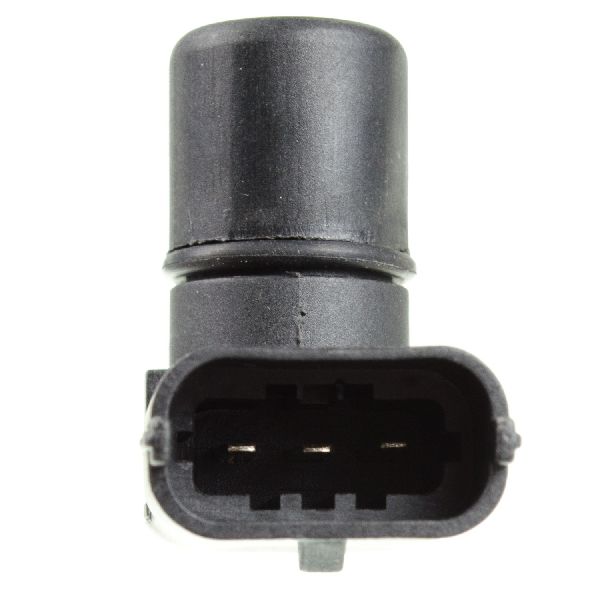
Aftermarket price range: $40-$80 - Camshaft Position Sensor
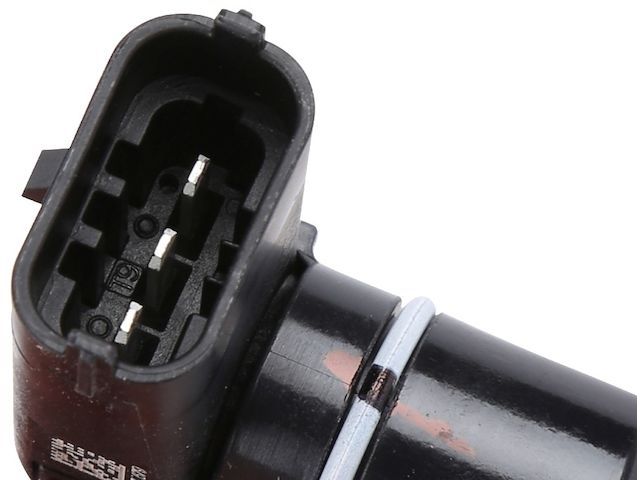
(OEM #12687225)— Though less common than the solenoid, this sensor can fail and send incorrect timing data to the ECM.
Trusted brands: ACDelco, Bosch
OEM price range: $40-$60
Aftermarket price range: $20-$45 - Camshaft Position Actuator Solenoid (VVT Solenoid), Exhaust
(OEM #12679101)— Listed for reference. This is the exhaust solenoid for Bank 1 and Bank 2. It is a different part from the intake solenoid and is not the cause of P0021, but may be replaced at the same time preventatively.
Related Codes That Often Appear With This One
- P0011 — This is the equivalent code for Bank 1 intake camshaft. Seeing them together can point to a systemic issue like oil pressure or an ECM fault. TSB N192266190 explicitly lists this code.
- P0014 — This code is for the Bank 1 exhaust camshaft. GM TSBs #N192266190 and #PIP5568E explicitly state that P0021 can appear with P0011, P0014, and P0024.
- P0024 — This code is for the Bank 2 exhaust camshaft. Its presence alongside P0021 strengthens the diagnosis of an oil-related issue or an ECM fault affecting the entire VVT system, as noted in TSB N192266190.
Technical Service Bulletins (TSBs) & Recalls
- N192266190 02 (Oct 2, 2019): Addresses rough running, reduced power, or stalling with DTCs P0011, P0021, P0014, and P0024, fixed by an ECM reprogram. Specifically mentions the issue can occur after an auto-start.
- PIP5568E (Feb 27, 2019): Notes an ongoing investigation into these codes setting together or in pairs and mentions associated drivability concerns.
- 17-NA-317 (Oct 1, 2017): Links these DTCs to symptoms including MIL illumination, transmission shudder, and low idle/stall conditions.
- PIP5730B (Mar 9, 2021): Provides diagnostic assistance for P0011/P0021 on Gen 2 HFV6 engines, pointing to potentially faulty Intake Camshaft Position Actuator Park Lock Solenoid Valves.
Platform-Specific Known Issues
- A series of Technical Service Bulletins, including #N192266190, were issued by GM for 2018-2019 Traverse models. These bulletins note that drivability concerns like a rough running engine, reduced power, or stalling can occur, setting codes P0011, P0014, P0021, and P0024. The issue is often triggered by an engine auto stop/start event. The prescribed manufacturer fix is to reprogram the Engine Control Module (ECM).
Mechanic-Grade Diagnostic Values
- Camshaft Position (CMP) Actuator Solenoid Resistance — expected: 8 to 13 Ohms. Failure: A reading of infinite resistance (open circuit) or a value outside the expected range indicates a failed solenoid coil.
- Camshaft Position Actuator Solenoid Power Supply Voltage — expected: Battery voltage (approx. 12.6V) at the solenoid connector with ignition on, engine off.. Failure: Low or no voltage points to a wiring issue or a problem with the ECM's power supply to that circuit.
Scan Tool Commands That Help
- GDS2 (GM Dealer Software): Camshaft Position Actuator Solenoid Control/Test — This bidirectional control allows a technician to command the specific VVT solenoid (Bank 2 Intake) on and off while the engine is running. A noticeable change in engine idle (stumble or roughness) confirms the solenoid is mechanically working and oil passages are likely clear. No change in engine behavior points to a failed solenoid, clogged oil passage, or a stuck phaser.
- GDS2 (GM Dealer Software): Camshaft Position Variance PID — This live data parameter shows the real-time difference between the desired camshaft angle commanded by the ECM and the actual angle reported by the sensor. A persistent deviation beyond a few degrees, especially when the solenoid is commanded, can help differentiate between a slow-to-respond actuator and a more serious mechanical issue like a stretched timing chain.
Wiring & Ground Locations
- Bank 2 Camshaft Components — Bank 2 is the cylinder bank at the front of the vehicle, closer to the radiator and grille. The intake actuator and sensor are located on the cylinder head in this position.. Correctly identifying Bank 2 is the first step to avoid diagnosing or replacing components on the wrong side of the engine (Bank 1, near the firewall).
- Engine Control Module (ECM) — In the 2018-2019 Traverse, the ECM is located in the engine bay, near the battery, and acts as a support for the battery hold-down.. The ECM provides the ground and control signals for the camshaft actuator solenoids. Its location is important for checking the main harness connector for corrosion or damage if a wiring issue is suspected.
Model Year Variations Within This Range
- 2018-2019: There are no significant documented differences in the 3.6L LFY engine or its VVT system between the 2018 and 2019 model years that would affect the diagnosis or common causes of a P0021 code. Both years are covered under the same key TSBs.
Helpful Videos

Used OEM Parts in Stock

New Aftermarket Parts Available


The information in this article is provided for general reference and educational purposes only. Vehicle specifications, procedures, and part compatibility can vary by production date, trim level, and region. Always consult your vehicle's factory service manual and verify part numbers before purchasing or performing repairs. Safety-critical components such as airbags, seat belts, and braking systems should be installed by a qualified professional.
- Chevrolet TRAVERSE:
- 🎬 Helpful Videos
- 🛍️ Shop This Part
- What's Unique About the 2018-2019 Chevrolet TRAVERSE
- Diagnostic Flowchart
- Symptoms You May Notice
- Most Likely Causes
- Rare But Worth Checking
- Diagnosis Steps
- Parts You'll Likely Need
- Related Codes That Often Appear With This One
- Technical Service Bulletins (TSBs) & Recalls
- Platform-Specific Known Issues
- Mechanic-Grade Diagnostic Values
- Scan Tool Commands That Help
- Wiring & Ground Locations
- Model Year Variations Within This Range
- 🎟️ Get 5% Off