

P0021 on 2018-2019 Buick Regal 3.6L V6: Camshaft Timing Over-Advanced Causes and Fixes
On a 2018-2019 Buick Regal with the 3.6L V6, code P0021 is most often caused by low or dirty engine oil, or a faulty Bank 2 intake camshaft position actuator solenoid. Always check the oil first. If the oil is clean and at the correct level, the solenoid is the next likely culprit, costing about $30-$60 for the part. Be aware that a known GM software glitch can also trigger this code, sometimes requiring only a code clear or a dealer-installed update.
- Code P0021 on the 2018-2019 Regal 3.6L V6 means the Bank 2 (front) intake camshaft timing is too far advanced.
- Before buying any parts, check your engine oil level and condition. Low or dirty oil is the most common and cheapest fix.
- A known GM software glitch can cause P0021 to appear with other cam codes; check for TSBs before replacing parts.
- If oil and software are not the issue, the Bank 2 intake VVT solenoid is the next most likely failed part.
What's Unique About the 2018-2019 Buick REGAL
For the 2018-2019 Buick Regal with the 3.6L V6 engine, this code is specifically addressed in GM Technical Service Bulletins. TSB #PIP5568E documents an investigation into P0021 setting along with P0011, P0014, and P0024, often in pairs or all at once. The cause was identified as a software anomaly, particularly after an auto stop/start event, where the ECM would fail to sync properly on restart. During the investigation, the prescribed fix was often to simply clear the codes and return the vehicle to the customer. Subsequent bulletins for platform mates, like TSB #N192266190, call for an ECM reprogram to permanently fix the glitch. This means a software issue is a highly probable cause and should be considered before replacing mechanical parts.
Diagnostic Flowchart
Tap your situation to follow the diagnostic path that matches what you're seeing on this vehicle.
Symptoms You May Notice
- Check Engine Light is on
- Rough or unstable idle
- Engine hesitation, lurch, stumble or stalling, especially after an auto stop/restart event
- Reduced engine power
- Decreased fuel economy
- Rattling noise from the engine
- Replacing the camshaft position *sensor* when the issue is with the camshaft position *actuator solenoid*. The sensor reads the position, but the solenoid controls it.
- Replacing mechanical parts like solenoids or phasers when the root cause is the software glitch described in TSB PIP5568E.
Most Likely Causes
- Low or Dirty Engine Oil 🔴 High Probability The Variable Valve Timing (VVT) system is hydraulic and relies completely on clean engine oil at the correct pressure to function. Sludgy or low oil can cause the mechanical components to stick or respond slowly. A Reddit user with a 2017 Camaro (same LGX engine) confirmed that P0011 and P0021 were both triggered by 'dirty and sludgy' oil, and an oil change fixed the issue.
How to confirm: Check the engine oil dipstick for proper level and inspect the oil's condition. If it is dark, gritty, or below the 'add' line, this is the likely cause.
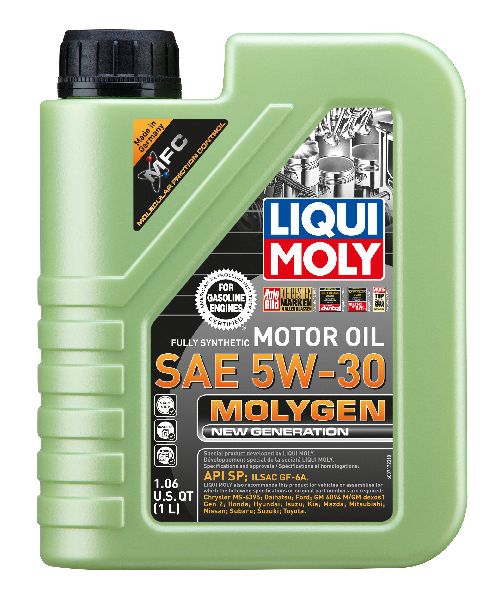
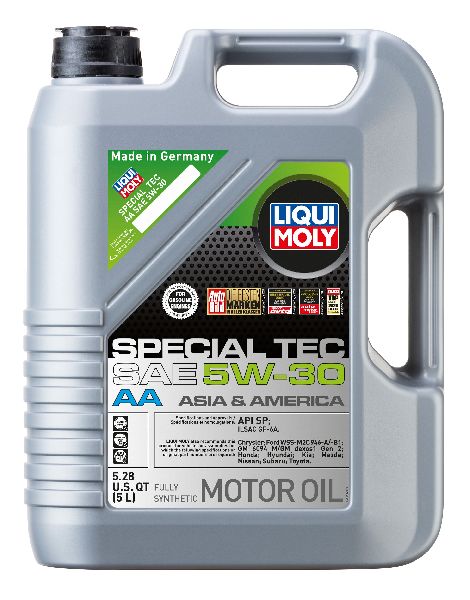
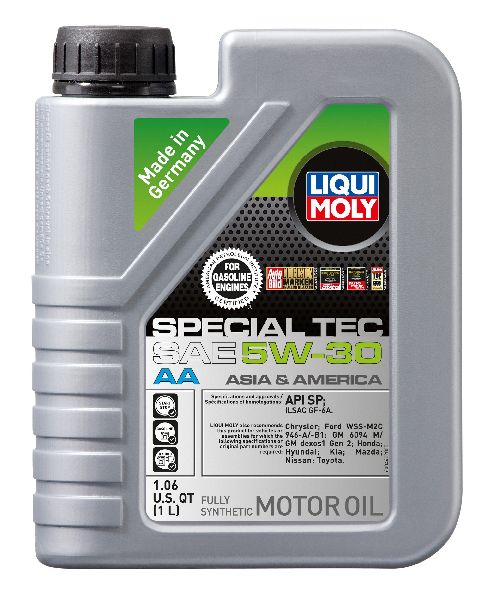
Typical fix: Perform an engine oil and filter change using a full synthetic oil that meets GM's dexos1 specification (5W-30).
Est. part cost: $40-$80 - Faulty Intake Camshaft Position Actuator Solenoid (Bank 2) 🔴 High Probability These solenoids control oil flow to the cam phasers and are a common failure point on GM V6 engines. They can get clogged with debris or fail electrically, developing high internal resistance.
How to confirm: Swap the Bank 2 intake solenoid with the Bank 2 exhaust solenoid (if they share the same part number). Clear the codes and drive. If the code changes to P0024 (Exhaust Camshaft Position), the solenoid is confirmed to be faulty.
Typical fix: Replace the Bank 2 intake camshaft position actuator solenoid. Many technicians recommend replacing both the intake and exhaust solenoids on the affected bank simultaneously.
Est. part cost: $30-$60 - ECM Software Anomaly 🟡 Medium Probability As documented in TSBs PIP5568E and N192266190, a software glitch can cause the ECM to erroneously report cam timing faults, especially after an auto-stop event.
How to confirm: Check if P0021 is accompanied by other cam codes (P0011, P0014, P0024) that have set at the same time. If so, a software issue is highly likely. A dealer can check if a software update is available for your vehicle's VIN.
Typical fix: Initially, clearing the codes may resolve the issue temporarily. The permanent fix is to have a GM dealer reprogram the Engine Control Module (ECM) with the updated software.
Est. part cost: $0-$200 (for dealer labor)
Rare But Worth Checking
- Stretched Timing Chain: While more common on older GM 3.6L engines (LLT/LFX), a stretched timing chain can still occur on the LGX, especially with high mileage or a history of poor oil maintenance. This is a significant and expensive repair.
- Failed Camshaft Phaser: The mechanical phaser itself, which is controlled by the solenoid, can fail or get stuck in the advanced position. This is a more complex and costly repair than replacing the solenoid.
- Sticking Intake Camshaft Position Actuator Park Lock Solenoid Valve: GM TSB PIP5730B identifies an issue on the LGX engine where these specific solenoids, part of the stop/start system, can stick or come apart. This can cause P0021, sometimes without any other drivability symptoms.
Diagnosis Steps
- Check Engine Oil: Verify the oil level is correct and the oil is clean. If low or dirty, perform an oil and filter change, clear the codes, and see if the problem returns. This is the most critical first step.
- Scan for Other Codes: Use an OBD-II scanner to see if other codes, such as P0011, P0014, or P0024, are present as history codes. If they set in pairs or all together, suspect the software anomaly described in TSB PIP5568E.
- Inspect Wiring: Check the electrical connector and wiring going to the Bank 2 intake camshaft position actuator solenoid for damage, looseness, or corrosion.
- Swap Solenoids: If accessible and identical, swap the Bank 2 intake solenoid with the Bank 2 exhaust solenoid. Clear the codes and drive the vehicle. If the code changes from P0021 to P0024, the solenoid is faulty and needs replacement.
- Test Solenoid: If swapping is not possible, remove the solenoid and test its resistance with a multimeter. A good GM solenoid typically has a resistance between 6.9 and 13 ohms. A reading that is significantly higher (e.g., thousands of ohms) or open indicates a failed solenoid. You can also carefully apply 12V to see if the internal plunger actuates.
- Check for TSBs/Software Updates: If multiple cam codes are present, contact a GM dealer with your VIN to see if an ECM software update (like the one in TSB N192266190) is available.
- Advanced Mechanical Checks: If the above steps do not resolve the issue, the problem may be more severe, such as a stretched timing chain or a faulty camshaft phaser. These checks should be performed by a professional.
Parts You'll Likely Need
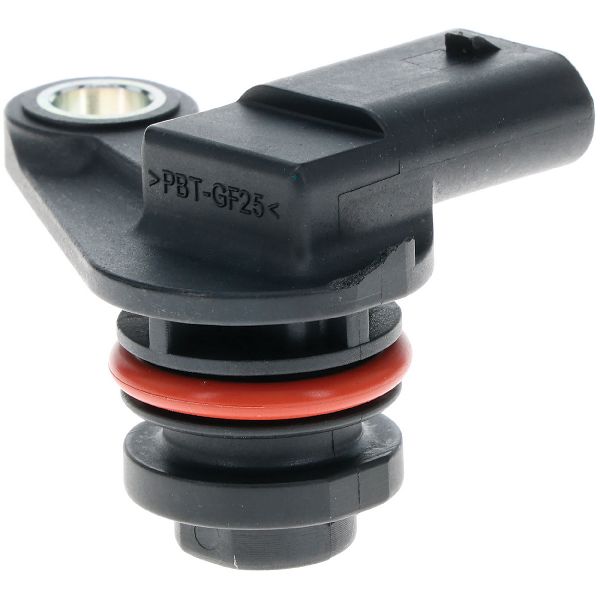
- Intake Camshaft Position Actuator Solenoid (Bank 2)
(OEM #12687225)— This solenoid is the most common mechanical part to fail, either by becoming clogged with oil debris or through electrical failure, leading directly to the P0021 code.
Trusted brands: ACDelco, Delphi
OEM price range: $45-$70
Aftermarket price range: $30-$60 - Engine Oil and Filter — Low or dirty oil is a primary cause of all VVT system faults. An oil change is a crucial first step in diagnosis and repair.
Trusted brands: ACDelco, Mobil 1
OEM price range: $50-$80
Aftermarket price range: $40-$60
Related Codes That Often Appear With This One
- P0011 — This is the corresponding 'over-advanced' code for the intake camshaft on Bank 1. Seeing P0011 and P0021 together strongly points to a systemic issue like low oil pressure, incorrect oil viscosity, or the ECM software anomaly.
- P0014 — This code is for an over-advanced exhaust camshaft on Bank 1. Its appearance with P0021 is noted in TSB #PIP5568E as part of a group of codes that can set together due to the software glitch.
- P0024 — This is the 'over-advanced' code for the exhaust ('B') camshaft on the same bank (Bank 2). If P0021 and P0024 appear together, it suggests a problem specific to Bank 2, such as oil flow to that cylinder head or the aforementioned software issue.
Technical Service Bulletins (TSBs) & Recalls
- PIP5568E: Preliminary investigation into DTCs P0011, P0014, P0021, and P0024 setting together or in pairs, with potential drivability concerns.
- PIP5568B: Earlier version of the preliminary investigation into the same group of DTCs setting together.
- N192266190: Service update for platform mates calling for an ECM reprogram to fix the software glitch causing multiple cam codes.
- PIP5730B: Preliminary information bulletin noting that a sticking Intake Camshaft Position Actuator Park Lock Solenoid Valve can cause P0021 on the 3.6L LGX engine.
Platform-Specific Known Issues
- TSB #PIP5568E: This Preliminary Information bulletin from GM documents an official investigation into a software anomaly causing P0021, P0011, P0014, and P0024 to set together or in pairs. It notes the issue can cause drivability concerns after an auto stop/restart and that the initial fix was to clear the codes, as no mechanical fault was present.
- TSB #N192266190: While not for the Regal specifically, this TSB for platform mates with the same engine and issue prescribes an ECM reprogram as the official fix for the software glitch causing multiple cam codes to set.
Mechanic-Grade Diagnostic Values
- Camshaft Position Actuator Solenoid Resistance — expected: 5 to 12 Ohms. Failure: A reading outside this range, or an open/short circuit, indicates a failed solenoid.
- Scan Tool Live Data: Desired vs. Actual Camshaft Position Angle — expected: The 'Actual' angle should closely track the 'Desired' angle commanded by the ECM.. Failure: With P0021, the 'Actual' angle will be significantly higher (more advanced) than the 'Desired' angle, often by more than 5 degrees for several seconds.
Scan Tool Commands That Help
- GDS2 (GM Global Diagnostic System): Camshaft Position Actuator Control — This is a bidirectional test to manually command the Bank 2 intake solenoid to a specific angle (e.g., 0-20 degrees) while the engine is running. Observing the 'Actual Camshaft Position' PID on the scan tool confirms if the solenoid, oil passages, and phaser are responding. A lack of response points to a fault in that hydraulic circuit.
- GDS2 (GM Global Diagnostic System): Crankshaft Position Variation Learn — This procedure is required after major engine work like replacing the crankshaft, crankshaft sensor, or ECM. It synchronizes the sensor with the actual crankshaft position. While not typically needed for a P0021 solenoid fix, it's a critical function if deeper mechanical work has been performed.
Wiring & Ground Locations
- Bank 2 Camshaft Position Actuator Solenoid Connector — On the front of the Bank 2 cylinder head (the one closer to the radiator). The intake solenoid is typically the upper of the two VVT solenoids on the head.. This is the primary electrical connection for the component that controls cam timing. The connector and its wiring are the first places to check for electrical faults like corrosion, damage, or looseness.
- G103 / G106 — On the driver's side of the engine compartment, often near the battery tray or underhood fuse block.. These are major engine grounds. A poor or corroded ground connection here can cause erratic behavior in various engine sensors and actuators, including the VVT solenoids, leading to incorrect operation and fault codes.
- K20 ECM Connector X1, Pin 43 — This is the pin on the Engine Control Module (ECM) that sends the control signal to the Bank 2 intake solenoid (Q6B). The wire is typically Dark Green.. For advanced electrical diagnosis, a technician can test for a signal at this pin to determine if the ECM is commanding the solenoid correctly. This helps differentiate between a wiring problem, a failed solenoid, or a faulty ECM driver.
Real Owner Repair Stories
- Camaro6 Forums user (2016 Chevrolet Camaro with 3.6L LGX engine) — Check engine light with codes P0011 and P0021.
❌ Tried (didn't work) Performed an engine oil change., Replaced all four VVT solenoids.
✅ What actually fixed it The dealer performed an ECM (Engine Control Module) reprogram. The software update was the final solution, aligning with the known issue described in GM TSBs. - Colorado Fans Forum user (Chevrolet Colorado with 3.6L LGX engine) — P0021 and other camshaft timing codes.
❌ Tried (didn't work) An oil change provided a temporary fix, but the code returned.
✅ What actually fixed it The root cause was a failing oil pump that could not supply adequate pressure to the VVT system. Replacing the oil pump resolved the codes permanently.
OEM Part Supersession History
12679099→12687225— Part revision and consolidation for various GM applications.
Heads up: For the 3.6L LGX engine, it is critical to use the correct part for the intake vs. exhaust position. The Intake solenoid is part #12687225. The Exhaust solenoid is a different part, #12687226. They are not interchangeable, unlike on some previous GM engines.
Model Year Variations Within This Range
- 2018-2019: The 2018 model year Regal was the first to feature the 3.6L LGX V6 (in the GS trim), replacing the previous generation's turbo I4. This engine has a more robust timing system than the older LFX V6, making timing chain stretch less common. However, it introduced the auto stop/start software anomaly addressed by TSBs #PIP5568E and #N192266190.
Helpful Videos

Used OEM Parts in Stock

New Aftermarket Parts Available


The information in this article is provided for general reference and educational purposes only. Vehicle specifications, procedures, and part compatibility can vary by production date, trim level, and region. Always consult your vehicle's factory service manual and verify part numbers before purchasing or performing repairs. Safety-critical components such as airbags, seat belts, and braking systems should be installed by a qualified professional.
- Buick REGAL:
- 🎬 Helpful Videos
- 🛍️ Shop This Part
- What's Unique About the 2018-2019 Buick REGAL
- Diagnostic Flowchart
- Symptoms You May Notice
- Most Likely Causes
- Rare But Worth Checking
- Diagnosis Steps
- Parts You'll Likely Need
- Related Codes That Often Appear With This One
- Technical Service Bulletins (TSBs) & Recalls
- Platform-Specific Known Issues
- Mechanic-Grade Diagnostic Values
- Scan Tool Commands That Help
- Wiring & Ground Locations
- Real Owner Repair Stories
- OEM Part Supersession History
- Model Year Variations Within This Range
- 🎟️ Get 5% Off