

P0019 on 2015-2019 Lincoln MKZ Hybrid: Exhaust Cam Timing Fixes
P0019 on your Lincoln MKZ Hybrid most often points to a sticking exhaust Variable Camshaft Timing (VCT) solenoid, often due to small debris. A Ford Technical Service Bulletin (SSM 50067) advises using a scan tool to cycle the solenoid before replacing it, which can sometimes clear the issue without buying parts. Note that for this inline-4 engine, P0019 is an unusual code; the expected code for this fault is P0017, and this may indicate a scan tool anomaly.
- P0019 means the exhaust camshaft timing is out of sync with the crankshaft.
- The most likely cause is a sticking exhaust VCT solenoid, which can sometimes be fixed without parts by using a scan tool to cycle it, per TSB SSM 50067.
- Always check your engine oil level and condition first, as low or dirty oil is a common cause of VCT system problems.
- If the solenoid and oil are fine, the next parts to check are the camshaft position sensor and, in more serious cases, the timing chain itself.
- This code indicates a potentially serious issue; address it promptly to avoid poor performance and risk of further engine problems.
What's Unique About the 2015-2019 Lincoln MKZ HYBRID
For this specific platform, Ford and Lincoln issued a Technical Service Bulletin (TSB #SSM 50067) that directly addresses a family of VCT codes including P0019. The bulletin notes that these codes are frequently caused by small debris making the VCT solenoid stick. It provides a unique first diagnostic step: using a scan tool to command the solenoid to cycle on and off multiple times, which can dislodge the debris and fix the problem without replacing any parts. This manufacturer-provided insight makes diagnosis more direct. The issue is also common on its direct platform mate, the Ford Fusion Hybrid.
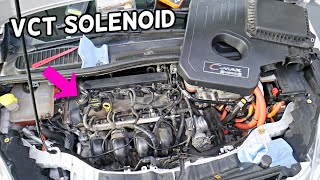
🎬 Watch: Locate and replace the VCT solenoid on your MKZ.Diagnostic Flowchart
Tap your situation to follow the diagnostic path that matches what you're seeing on this vehicle.
Symptoms You May Notice
- Check Engine Light is on
- Rough or erratic idle
- Engine hesitation on acceleration
- Reduced engine power
- Poor fuel economy
- Engine stalling at low speeds or stops
- Replacing the camshaft position sensor without first checking the VCT solenoid or oil condition.
- Replacing the timing chain when the actual fault is a much cheaper and easier to replace VCT solenoid.
- Confusing P0019 (Bank 2) with P0017 (Bank 1) and searching for components on the wrong side 🎬 See this quick breakdown of P0019 causes and solutions. of a V-type engine, although this is an I4.
Most Likely Causes
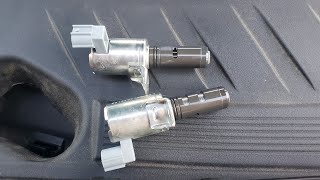
- Sticking or Failed Exhaust VCT Solenoid 🔴 High Probability A manufacturer TSB (SSM 50067) specifically identifies sticking VCT solenoids due to small debris as a common cause for this code on 2015-2021 Ford and Lincoln vehicles. A Reddit user with a similar issue reported cleaning their VCT solenoids and finding the lower one 'pretty gunked up,' highlighting this as a real-world problem.
How to confirm: Use a bi-directional scan tool to perform the pinpoint test from TSB SSM 50067, which cycles the solenoid 10 times to clear debris. If the code persists, test the solenoid's resistance with a multimeter and check for physical sticking. You can also swap the intake and exhaust solenoids to see if the code changes (e.g., to an intake-related code), which would confirm a bad solenoid.
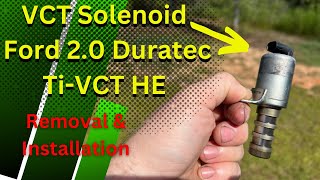
Typical fix: First, attempt to clear debris using the scan tool procedure. If that fails, replace the exhaust VCT solenoid 🎬 Watch: Step-by-step removal and installation of the VCT solenoid. (also called an oil control valve or spool valve). An oil and filter change is highly recommended at the same time.
Est. part cost: $30-$80 - Low or Dirty Engine Oil 🟡 Medium Probability The VCT system is hydraulic and highly dependent on oil pressure and cleanliness. Extended oil change intervals can lead to sludge and debris that clog the small passages in the VCT solenoids, causing them to stick.
How to confirm: Check the oil level on the dipstick and inspect its color and consistency. If the oil is very dark, thick, or below the minimum level, this is a likely contributor. A Reddit user with P0019 noted that two recent oil changes did not solve their issue, indicating that while it's a crucial first check, it may not resolve a physically stuck component.
Typical fix: Perform an engine oil and filter change using the manufacturer-specified grade of oil (Ford WSS-M2C947-A / SAE 0W-20 for the hybrid).
Est. part cost: $40-$70 - Failed Exhaust Camshaft Position Sensor ⚪ Low Probability
How to confirm: Inspect the sensor's wiring and connector for damage. If the intake and exhaust sensors are identical parts, you can swap them and see if the code changes to P0017 (for the intake cam), which would confirm the sensor is faulty.
Typical fix: Replace the exhaust camshaft position sensor.
Est. part cost: $35-$75 - Stretched Timing Chain or Worn Timing Components ⚪ Low Probability While less common on this specific engine, timing chains can stretch over high mileage, or the plastic guides and hydraulic tensioner can wear out, causing a permanent timing correlation error. This is a much more severe and expensive repair.
How to confirm: Listen for a rattling noise from the front of the engine, especially on cold starts. Confirmation requires removing the timing cover for a physical inspection, which is labor-intensive. According to RepairPal, the cost for a timing chain tensioner replacement on a 2015 MKZ is estimated between $1,070 and $1,538. A Reddit user was quoted around $2,000 for a timing chain and water pump job on a similar Lincoln.
Typical fix: Replace the timing chain, tensioner, and guides. This is a major repair.
Est. part cost: $200-$500 for a kit
Rare But Worth Checking
- Failed Camshaft Phaser: The mechanical gear (phaser) on the camshaft itself can fail. This is less common than a solenoid failure but should be considered if a new solenoid and sensor do not resolve the code.
- Damaged Reluctor Wheel: The tone ring on the camshaft or crankshaft that the sensors read can become damaged or slip, but this is very rare without other major engine trauma.
- PCM Software Glitch: In some cases, powertrain software can incorrectly set DTCs. Checking for available PCM updates from the manufacturer is a valid diagnostic step, especially when a physical cause cannot be found.
Diagnosis Steps
- Check the engine oil level and condition. Ensure it is full, clean, and of the correct viscosity (SAE 0W-20). Change if necessary.
- Connect a professional scan tool. Confirm the presence of P0019 and check for any other stored DTCs. Note if P0017 is also present.
- Following TSB SSM 50067, use the scan tool's bi-directional controls to command the exhaust VCT solenoid (Bank 1 Exhaust) on and off 10 times to attempt to clear debris.
- Clear the codes and perform a drive cycle to see if P0019 returns.
- If the code returns, inspect the wiring and connector for the exhaust VCT solenoid and the exhaust camshaft position sensor for any visible damage or corrosion.
- Test the exhaust VCT solenoid's internal resistance with a multimeter. Compare the reading to manufacturer specifications.
- As an advanced DIY test, some owners have reported success by removing the solenoid and carefully applying 12V power to its terminals to manually check if the internal plunger actuates. A stuck solenoid may not click.
- Test the exhaust camshaft position sensor. An easy method is to swap it with the intake sensor (if they are the same part number) and see if the fault code changes.
- If sensors and solenoids test good, the next step is to suspect a mechanical timing issue. Listen for a rattling chain and prepare for a more in-depth diagnosis of the timing chain, guides, and phaser, which is best left to a professional.
Parts You'll Likely Need
- Engine Variable Valve Timing (VVT) Solenoid
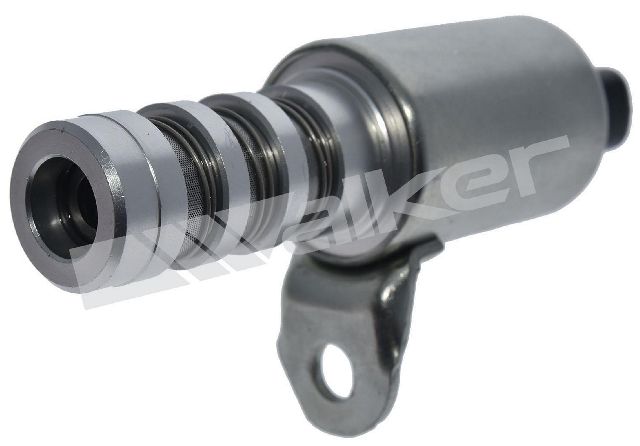
(OEM #CM5Z-6M280-C (replaces CM5Z-6M280-A))— This is the most common cause of P0019 on this vehicle, as identified by Ford's own service bulletin (SSM 50067). It gets stuck due to oil debris.
Trusted brands: Motorcraft, Dorman, Standard Motor Products (SMP)
OEM price range: $40-$60
Aftermarket price range: $25-$50 - Camshaft Position Sensor
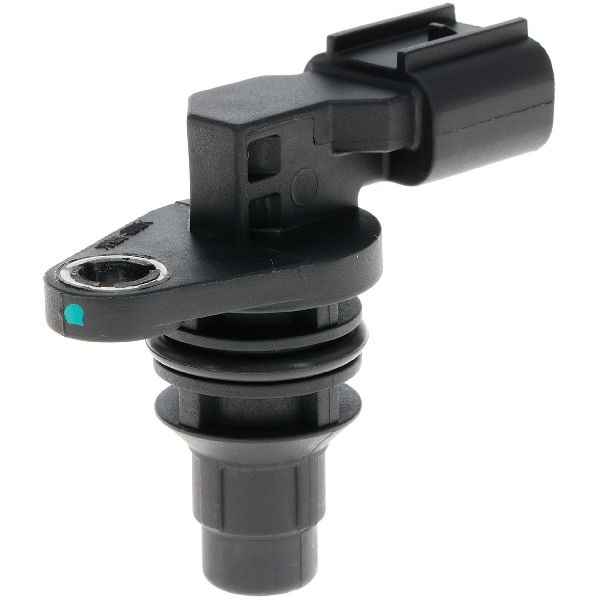
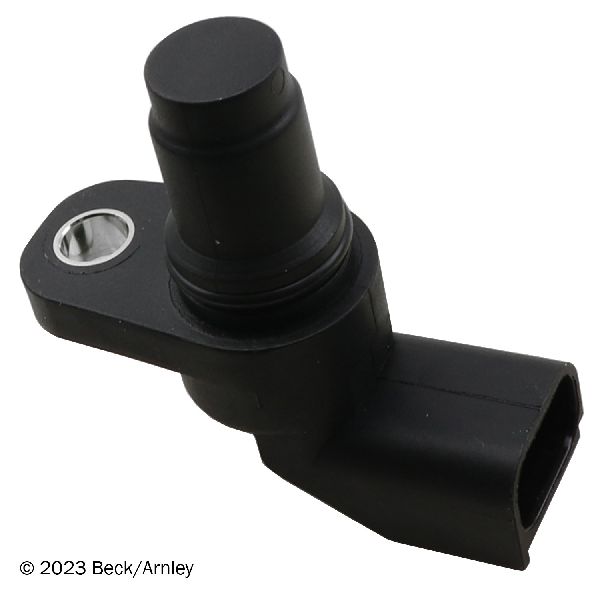
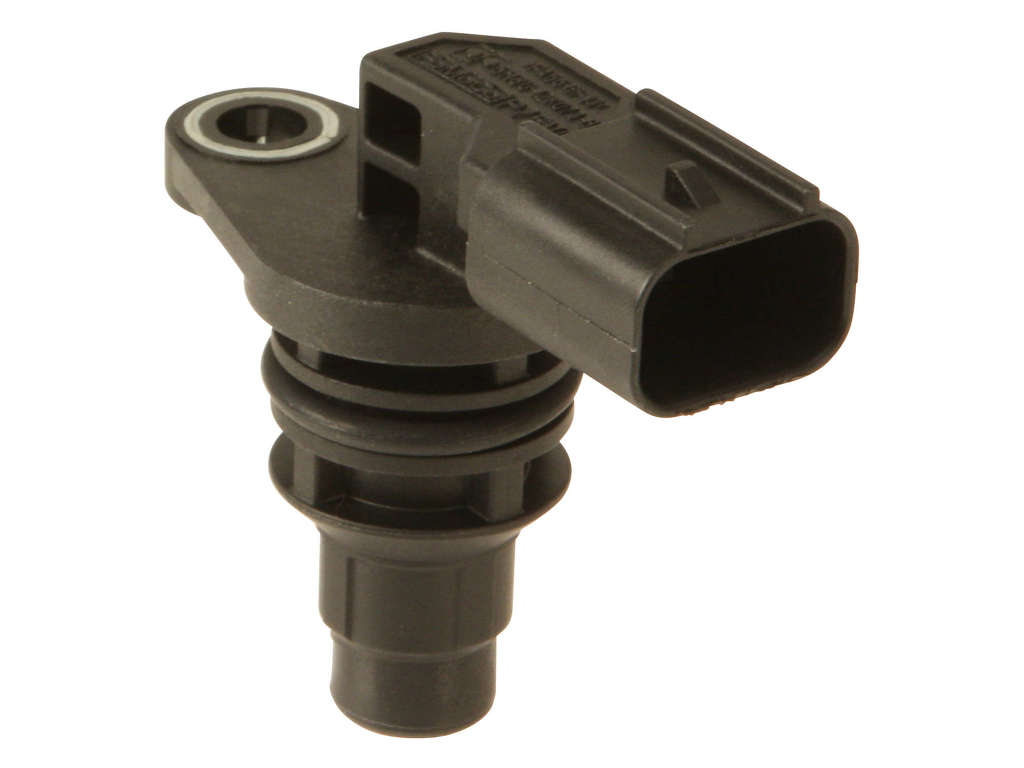
(OEM #DU-110)— If the solenoid is working correctly, the sensor that reads the camshaft's position is the next most likely electrical component to fail.
Trusted brands: Motorcraft, Bosch, NGK/NTK
OEM price range: $70-$100
Aftermarket price range: $30-$60
Related Codes That Often Appear With This One
- P0017 — This is the technically correct code for a Crank-Cam Correlation error on the exhaust camshaft for Bank 1 (which is the only bank on this engine). Seeing P0017 instead of, or alongside, P0019 is common.
- P0300 — A random misfire code can occur because incorrect cam timing can disrupt the combustion process in multiple cylinders.
- P0011, P0012, P0014, P0015 — These are all VCT-related codes. Seeing them together points towards a systemic issue like low/dirty oil or a failing VCT system component.
Technical Service Bulletins (TSBs) & Recalls
- SSM 50067: Illuminated Malfunction Indicator Lamp (MIL) With Variable Cam Timing (VCT) DTCs – Diagnostic Information. Notes that codes like P0019 can be caused by a sticking VCT solenoid and recommends cycling it with a scan tool to clear debris before replacement. This TSB applies broadly to many 2015-2021 Ford and Lincoln vehicles.
Platform-Specific Known Issues
- TSB for Sticking VCT Solenoid: TSB SSM 50067 explicitly states that P0019 on these vehicles may be due to small debris causing the VCT solenoid to stick, and provides a diagnostic procedure to cycle the solenoid before replacement.
- P0019 (Bank 2) Code Anomaly on an Inline-4 Engine: The 2.0L I4 engine only has one bank (Bank 1). Therefore, receiving a P0019 code, which specifies 'Bank 2', is unusual and likely points to a generic scan tool misinterpreting the fault, which should correctly be P0017 (Bank 1, Exhaust Cam). The underlying physical diagnosis remains the same.
Mechanic-Grade Diagnostic Values
- VCT Solenoid Internal Resistance — expected: 6.9 to 7.9 Ohms at 68°F (20°C). Failure: A reading of OL (open/infinite) or close to 0 Ohms (short) indicates a failed solenoid coil.
- VCT Solenoid Connector Voltage (Key On, Engine Off) — expected: Approximately 12V (Battery Voltage) on Pin 1 (power supply wire).. Failure: No voltage indicates an issue with the power supply circuit, potentially a fuse or wiring from the Power Distribution Box.
- Scan Tool PID: VCTADVERR (VCT Advance Error) — expected: Close to 0 degrees (+/- 5 degrees) at idle and during steady-state driving.. Failure: A large, persistent positive or negative value indicates the camshaft is not reaching its commanded position, pointing to a stuck solenoid or phaser.
Scan Tool Commands That Help
- Ford IDS (Integrated Diagnostic System) or FORScan: VCT Solenoid On/Off Cycle Test (Pinpoint Test HK) — This is the first diagnostic step recommended by Ford TSBs (SSM 50067, 48423) to dislodge small debris from a sticking VCT solenoid before replacing it.
Wiring & Ground Locations
- Power Distribution Box — Located in the engine compartment, on the driver's side.. This box contains the fuses and relays that supply power to engine components, including the VCT solenoids. A loss of power on the VCT circuit could originate here.
- Passenger Compartment Fuse Panel — Located under the instrument panel, to the left of the steering column.. This panel protects various modules, including the PCM and Gateway Module, which are critical for controlling and monitoring the VCT system.
- Main Engine Ground Strap — Typically a braided metal strap connecting the engine block to the vehicle's chassis/frame.. A poor engine ground can cause electrical noise and voltage drops, potentially leading to incorrect readings from the camshaft and crankshaft position sensors and erratic PCM behavior.
- VCT Solenoid Connector — On the valve cover, connected to the VCT solenoid.. This is the primary point for testing voltage and resistance. Pin 1 is typically the 12V power supply, and Pin 2 is the ground-side control wire from the PCM.
OEM Part Supersession History
CM5Z-6M280-A→CM5Z-6M280-C— The specific reason for the update is not officially documented, but part supersessions are typically done to improve reliability, change materials to prevent common failures (like screen tearing or coil failure), or streamline manufacturing.
Heads up: The new part number (CM5Z-6M280-C) is the correct and direct replacement for the original. Using old stock of the '-A' version is not recommended.
Model Year Variations Within This Range
- 2015-2019: The Lincoln MKZ received a major facelift for the 2017 model year, which included a new grille, headlights, and an updated SYNC 3 infotainment system. However, the 2.0L I4 Atkinson-Cycle Hybrid powertrain, including the engine and VCT system, remained fundamentally the same throughout the 2015-2019 period, meaning the causes and fixes for P0019 are consistent across these years.
Helpful Videos
Used OEM Parts in Stock

New Aftermarket Parts Available


The information in this article is provided for general reference and educational purposes only. Vehicle specifications, procedures, and part compatibility can vary by production date, trim level, and region. Always consult your vehicle's factory service manual and verify part numbers before purchasing or performing repairs. Safety-critical components such as airbags, seat belts, and braking systems should be installed by a qualified professional.
- Lincoln MKZ HYBRID:
- 🎬 Helpful Videos
- 🛍️ Shop This Part
- What's Unique About the 2015-2019 Lincoln MKZ HYBRID
- Diagnostic Flowchart
- Symptoms You May Notice
- Most Likely Causes
- Rare But Worth Checking
- Diagnosis Steps
- Parts You'll Likely Need
- Related Codes That Often Appear With This One
- Technical Service Bulletins (TSBs) & Recalls
- Platform-Specific Known Issues
- Mechanic-Grade Diagnostic Values
- Scan Tool Commands That Help
- Wiring & Ground Locations
- OEM Part Supersession History
- Model Year Variations Within This Range
- 🎟️ Get 5% Off