

P0018 on 2010-2017 Audi S5 3.0T: Timing Chain & Sensor Guide
On the Audi S5 3.0T, code P0018 almost always points to a mechanical timing issue, most commonly a failing timing chain tensioner. This is a major, engine-out repair costing several thousand dollars. Do not ignore symptoms like a brief rattle on cold starts, as continued driving risks catastrophic engine failure. The issue is not if, but when, the timing components will fail.
- P0018 on an Audi S5 3.0T is a serious code that usually indicates a failing timing chain tensioner or stretched chain.
- A brief (1-3 second) metallic rattle from the back of the engine on cold starts is the key warning sign that this failure is imminent.
- The repair is one of the most expensive for this platform, requiring the engine to be removed from the vehicle. Expect costs between $4,000 and $8,000.
- Do not simply replace the camshaft sensor; it is rarely the cause. Proper diagnosis involves checking cam phase deviation with a scan tool.
- Continued driving is risky and can lead to the timing chain jumping, causing catastrophic piston-to-valve contact and destroying the engine.
What's Unique About the 2010-2017 Audi S5

The 3.0T Supercharged V6 (engine code CAKA, CCBA, CGWC) is known for timing-related issues that lead to codes like P0018. The primary culprits are often the timing chain tensioners, which can fail or weaken, causing a brief chain rattle on cold startups before the code even appears. Unlike many engines where timing components are at the front, the 3.0T's timing system is located at the rear of the engine, making any service an extremely labor-intensive and expensive engine-out procedure. 🎬 Watch this 3.0T timing chain replacement guide For this reason, a P0018 code on this specific engine is a much more serious concern than on many other vehicles.
Generation note: This guide applies to the Audi S5 models equipped with the 3.0T Supercharged V6 engine. This includes the 2010-2017 S5 Cabriolet (B8/B8.5) and the 2013-2017 S5 Coupe (B8.5). The underlying engine architecture and timing system are the same across these models, so the causes and fixes for P0018 are consistent.
Symptoms You May Notice
- Check Engine Light is on
- Metallic rattle or chain-slapping noise from the back of the engine for 1-3 seconds on a cold start
- Rough or unstable idle
- Reduced engine power and poor acceleration
- Decreased fuel economy
- Engine may hesitate or stall
- Longer than normal crank time to start the engine
- Failure of emissions testing for vehicle registration
- Replacing only the camshaft position sensor without swapping it first to confirm failure. The P0018 code on this engine is most often a symptom of a deeper mechanical issue, not a bad sensor.
Most Likely Causes

- Failing Timing Chain Tensioner(s) 🔴 High Probability The hydraulic tensioners are a known weak point. They can lose pressure when the engine is off, allowing chain slack on startup. Over time, they weaken and fail, leading to constant timing deviation. The plastic guides for the tensioners can also break. Audi has released updated tensioner parts to address this issue.
How to confirm: Listen for a 1-3 second rattle from the rear of the engine on cold starts. Use a diagnostic tool like VCDS to check cam phase adaptation values (Measuring Block 93). 🎬 See how to check timing chain stretch using VCDS A significant deviation (e.g., over 5-6 degrees) at idle points to a mechanical timing issue. A detailed forum post showed a car with P0018 having a pre-crank (engine off) deviation of +6.0° on Bank 2, confirming a mechanical resting position issue before oil pressure is even a factor.
Typical fix: Replace all timing chains, tensioners, and guides. This is an engine-out service. One owner had this job done preventatively at 94k miles, only for the code to appear 5k miles later, requiring the job to be redone under warranty.
Est. part cost: $600-$1200 for a complete kit - Stretched Timing Chain 🟡 Medium Probability Over time and with extended oil change intervals, the timing chains themselves can stretch. This creates slack that the tensioners can no longer compensate for, causing a correlation error. Though Audi claims they are a 'lifetime' part, failures are common.
How to confirm: This is diagnosed in the same way as a failing tensioner, primarily through VCDS block 93 readings showing significant deviation. Often, a stretched chain and failing tensioner are diagnosed together. The only definitive confirmation is visual inspection during a teardown.
Typical fix: Replace all timing chains, tensioners, and guides as a complete kit.
Est. part cost: $600-$1200 for a complete kit - Low or Dirty Engine Oil ⚪ Low Probability The entire variable valve timing system, including the chain tensioners and cam phasers, is hydraulically operated by engine oil. Incorrect oil level or viscosity, or old, sludgy oil can prevent these components from operating correctly. While a contributing factor, it is rarely the sole cause if the code is persistent.
How to confirm: Check the oil level and service history. If the oil is low, dirty, or the wrong type, this could be a contributing factor.
Typical fix: Perform an oil and filter change using a high-quality, manufacturer-approved oil (e.g., VW 502 00 spec). This is a good first step but is unlikely to fix a persistent P0018 caused by mechanical wear.
Est. part cost: $80-$150 - Faulty Camshaft Position Sensor (CMP) ⚪ Low Probability While less common than mechanical failure, the sensor itself can fail and send incorrect data to the ECM. However, on this engine, the code almost always points to a mechanical issue.
How to confirm: A good diagnostic step is to swap the Bank 2 intake camshaft sensor with the Bank 1 intake sensor. Clear the codes and drive the vehicle. If the code returns as P0016 (the equivalent code for Bank 1), the sensor is faulty. If P0018 returns, the problem is not the sensor.
Typical fix: Replace the Bank 2 intake camshaft position sensor.
Est. part cost: $50-$120
Rare But Worth Checking
- Faulty Camshaft Adjuster Solenoid (VVT Solenoid): These solenoids control oil flow to the cam phasers. A stuck or failed solenoid can cause timing to be incorrect. One forum user with a similar engine chased an intermittent issue that was ultimately resolved by replacing a 'lazy' VVT intake sprocket that was sludged up.
- Faulty Crankshaft Position Sensor (CKP): It is very rare for the CKP sensor to fail in a way that it only triggers a correlation code for one bank, but it is theoretically possible.
- Damaged Camshaft Adjuster (Phaser): The mechanical adjuster on the end of the camshaft can fail or become clogged with sludge, preventing it from adjusting timing correctly. This is less common than tensioner or chain failure but can cause the same code.
Diagnosis Steps
- Verify engine oil level and condition. If low or dirty, correct this first, clear the code, and see if it returns.
- Scan the ECM for all stored fault codes. Note any misfire or other timing-related codes.
- Use a capable scan tool (like VCDS) to monitor live data for cam phase angle/adaptation (e.g., Measuring Block 93). Compare the values for Bank 1 and Bank 2 at idle and under light load. A significant and consistent deviation on Bank 2 (often >6°) is a strong indicator of a mechanical timing problem.
- Log Measuring Block 93 before a cold start. If a significant deviation exists before the engine is even running, it confirms a mechanical slack/positioning issue, ruling out sensors or oil pressure problems.
- Listen carefully for a timing chain rattle from the rear of the engine during a cold start. Any rattle is a sign of a failing tensioner.
- As a simple test, swap the Bank 2 intake camshaft position sensor with the Bank 1 sensor. If the fault code changes to P0016, the sensor is bad. If P0018 returns, the sensor is good and the problem is mechanical.
- If the above steps point to a mechanical fault, the next step is engine removal and physical inspection of the timing chains, guides, and tensioners. 🎬 Watch a full step-by-step Audi S5 timing chain replacement
Parts You'll Likely Need
- Timing Chain Kit
(OEM #06E109465BCKT4 (FCP Euro Kit Example))— This is the most common fix. A complete kit should be used to replace all chains, tensioners, and guides at once, as they wear together. The job is too large to risk using old components. Kits often include multiple chains, updated tensioners (e.g., 06E109217AH), and plastic guides.
Trusted brands: Iwis (OEM supplier), INA, FCP Euro (kit), Europa Parts (kit), Genuine Audi
OEM price range: $900-$1500
Aftermarket price range: $600-$900 - Camshaft Position Sensor
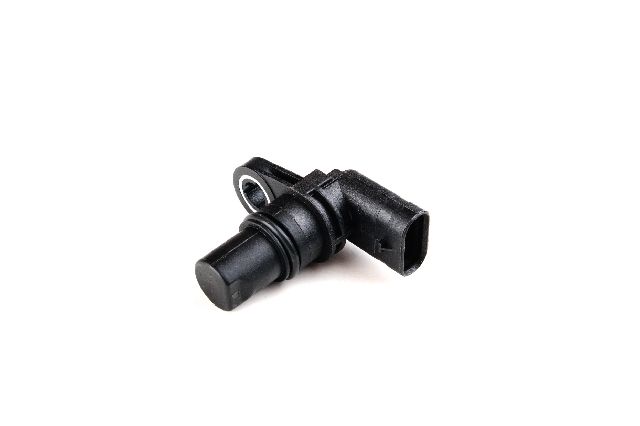
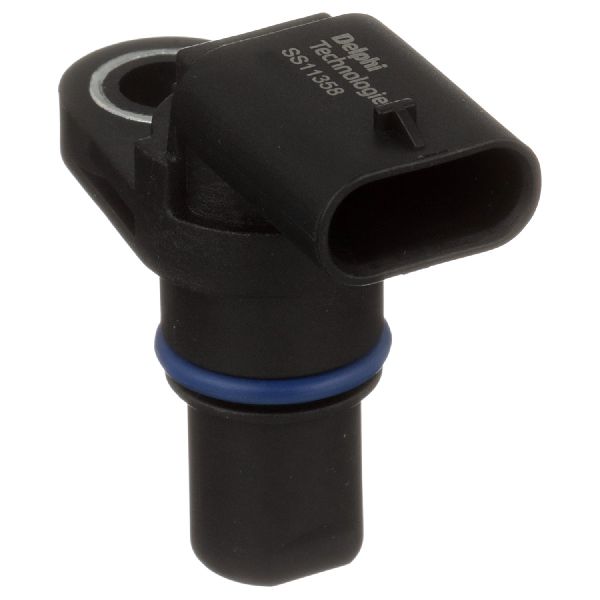
(OEM #06E905163C)— Replaced only if diagnosis confirms the sensor itself is faulty. It's a low-probability fix for this code on this engine.
Trusted brands: Bosch, Genuine Audi
OEM price range: $80-$120
Aftermarket price range: $40-$70
Related Codes That Often Appear With This One
- P0019 — P0019 is the correlation code for the Bank 2 exhaust camshaft. If the timing chain has jumped or a tensioner has failed significantly, it can affect the timing of both camshafts on that bank.
- P0016 — This is the equivalent code for Bank 1. Seeing both P0016 and P0018 simultaneously could point to a more severe issue, like a problem with the main timing chain from the crankshaft or failure of multiple tensioners.
- P0300, P0306, P0307, P0308 — These are random and cylinder-specific misfire codes for Bank 2. Incorrect cam timing disrupts the combustion process, leading to misfires on the affected cylinders.
Technical Service Bulletins (TSBs) & Recalls
- TSB 15-12-02 / 2026305/7 - Addresses timing chain rattle on startup by replacing upper tensioners.
- TSB 151628 - Also cited for startup rattle, recommending replacement of tensioners with updated parts.
Platform-Specific Known Issues
- The placement of the timing system at the rear of the 3.0T engine necessitates engine removal for service, dramatically increasing labor costs comp
Mechanic-Grade Diagnostic Values

- VCDS Camshaft Adaptation Phase (Measuring Block 93) — expected: Between 0° and -4° at warm idle for a healthy engine.. Failure: Values exceeding -8° to -10° strongly indicate significant timing chain stretch, often triggering a correlation fault code.
- Camshaft Oil Control Valve (VVT Solenoid) Resistance — expected: 6.9 to 7.9 ohms at 68°F (20°C).. Failure: No reading or a reading outside of the specified range indicates a faulty solenoid.
- Camshaft Position Sensor Connector Voltage (Key On, Engine Off) — expected: Approximately 5.0V between terminal 1 (5V reference) and terminal 3 (ground).. Failure: No voltage or significantly low voltage points to a wiring issue or a problem with the ECM's 5V supply circuit.
- Oil Pressure Regulating Valve (N428) Function — expected: Switches oil pressure from a low-pressure stage (~24 PSI) below 3500 RPM to a high-pressure stage (~50 PSI) above 3500 RPM.. Failure: A stuck valve can starve the VVT system of required oil pressure, causing erratic camshaft adjuster performance and potentially triggering timing codes.
Scan Tool Commands That Help
- VCDS (VAG-COM): Engine -> Measuring Blocks -> Group 093 — This is the primary function for diagnosing mechanical timing issues. It displays the phase position adaptation for Bank 1 and Bank 2. A large deviation on Bank 2 is a key indicator of chain stretch or tensioner failure for P0018.
Wiring & Ground Locations
- Bank 2 Intake Camshaft Position Sensor (G163) Connector — On the Bank 2 (US Driver's Side) cylinder head, at the rear of the engine.. This is the primary sensor for code P0018. The 3-pin connector and its wiring are subject to heat and vibration and should be inspected for damage or oil contamination. Pin 1 is 5V reference, Pin 3 is ground.
Real Owner Repair Stories
- AudiWorld Forums user 'rockytopmark' (2011 Audi S5 3.0T) — P0018 code appeared 5,000 miles after a preventative timing chain replacement.
❌ Tried (didn't work) A complete second timing chain job was performed under warranty., Replacing the camshaft position sensor.
✅ What actually fixed it The code returned 3 days after the second timing job. The root cause was a faulty aftermarket VVT (camshaft adjuster) solenoid. Replacing both VVT solenoids with OEM parts finally resolved the code. - AudiWorld Forums User (2011 Audi A6 3.0T, 113k miles) — P0018 code present.
❌ Tried (didn't work) Pulled, cleaned, and swapped camshaft position sensors from Bank 1 to Bank 2.
✅ What actually fixed it The code returned for the same bank (Bank 2), confirming the sensor was not the issue. The final diagnosis was a stretched timing chain requiring an engine-out service, with a repair quote of $4,500. - Reddit r/MechanicAdvice user (2011 Audi A6 3.0T, 140k miles) — P0018 code. Occasional rattle on 1 out of 30 cold starts.
❌ Tried (didn't work) Dealer replaced a damaged wire and the camshaft position sensor, but the code returned intermittently.
✅ What actually fixed it The consensus from advising mechanics was that the symptoms pointed definitively to a worn timing chain, which is the most likely cause when sensors and wiring are ruled out. The user was advised that a full timing job was the next step. - NHTSA ODI #11233069 (Audi Q5 3.0T) — An owner reported that at about 63,000 miles, the check engine light illuminated with code P0018. The vehicle subsequently failed an emissions test required for license renewal.
When the Usual Fixes Don't Work
- While the vast majority of P0018 codes on the 3.0T point to a major mechanical timing job, there are documented cases where the fault was resolved by a much simpler, external part. In one instance, a 2011 S5 had the P0018 code return even after two complete timing chain services. The ultimate culprit was discovered to be a faulty aftermarket VVT solenoid (camshaft adjuster). Replacing it with an OEM part finally fixed the issue, highlighting the importance of using high-quality electronic components and not immediately assuming the worst-case scenario, even on this engine.
OEM Part Supersession History
06E109257J / M / N / S→06E109257T— These are successive revisions of the camshaft adjustment control valve (VVT solenoid). Later versions incorporate design and material improvements to increase reliability and prevent failures like sticking or internal screen breakage.
Heads up: While older revisions may fit, it is highly recommended to use the latest available part number (06E109257T) to benefit from the reliability improvements.
Model Year Variations Within This Range
- B8.5 models (2013-2017): On B8.5 models, Audi replaced the oil check valves located under the PCV with simple caps. Some owners and technicians recommend retrofitting the earlier B8-style check valves to this location to help oil remain in the top of the engine, potentially reducing startup rattle.
Diagnostic Flowchart
Other Known Issues on This Vehicle
Issues unrelated to this code that are worth knowing about as an owner of this generation:
- PCV Valve Failure 🔴 High — Very common, often occurs after 60,000 miles. Failure can cause oil leaks, high oil consumption, rough idle, and a distinct whistling noise. (Ref: Audi has issued TSBs for updated PCV valves to address oil consumption issues.)
- Water Pump & Thermostat Failure 🔴 High — Common failure item, especially on 2010-2012 models. The plastic components become brittle and crack, leading to coolant leaks and potential overheating. Updated parts are available.
- Carbon Buildup on Intake Valves 🟠 Medium — As a direct-injection engine, carbon buildup is inevitable and typically requires cleaning every 60,000-80,000 miles to prevent misfires and loss of power.
- DSG Mechatronic Unit Failure (S-Tronic models) 🔴 High — More common on earlier B8 models. Can cause rough shifting, limp mode, and complete transmission failure. It is an expensive repair.
- Supercharger Intercooler 'Bricks' Leaking 🟠 Medium — The intercoolers housed within the supercharger can develop internal leaks, leading to coolant consumption and higher intake air temperatures.
Used vs. New Parts: Buying Guide for This Vehicle
When a used part is the smart pick: For this repair, used parts are generally not recommended for the core timing components. The only potential exception would be a complete, low-mileage, verified-running engine from a donor vehicle as a total replacement, which can sometimes be more cost-effective than the labor-intensive timing job on the original engine.
Donor-vehicle mileage cap: roughly under 50000 miles for the part to have meaningful remaining life.
What to inspect on the donor part:
- Obtain vehicle history (VIN) to check for reported accidents or maintenance issues.
- Get video of the donor engine running before it was pulled, specifically listening for cold start rattle.
- Check VCDS Measuring Block 93 values from the donor car if at all possible.
- Inspect for external oil leaks, especially around the rear timing covers and valve covers.
OEM-only on this vehicle (don't cheap out):
- Timing Chain Tensioners
- Timing Chains
- Camshaft Position Sensors
- Crankshaft Position Sensor
- Camshaft Adjuster Solenoids (VVT)
Aftermarket brands forum-validated for this vehicle:
- Iwis (often the OEM supplier for chains)
- INA (often the OEM supplier for tensioners and solenoids)
Brands owners have reported issues with on this vehicle:
- Unbranded 'white-box' electronic sensors and solenoids from online marketplaces. A faulty aftermarket VVT solenoid was the documented cause of a P0018 that persisted after a full timing job.
Real Owner Stories
Aggregated from forums and TSBs cited above. Mileages and costs reflect what owners reported in those sources.
2014 Audi S5 3.0T — 94000 miles
Symptoms: Owner performed a preventative timing chain and tensioner replacement at 94k miles, but the P0018 code appeared only 5k miles after the service.
What fixed it: The timing job had to be redone under warranty due to the code returning shortly after the initial replacement.
Source hint: AudiWorld forum thread 'Pesky P0018 code - looking for suggestions'
2013-2017 Audi S5 3.0T (B8.5) — 57000 miles
Symptoms: Crank pulley failure which can be associated with broader timing and belt drive issues on this platform.
What fixed it: Physical inspection and replacement of failed drive components.
Source hint: Audizine forum thread 'B8.5 crank pulley failure at 57k'
2013-2017 Audi S5 3.0T (B8.5)
Symptoms: P0018 code present with a pre-crank (engine off) cam deviation of +6.0° on Bank 2, confirming the timing was mechanically off even without oil pressure.
What fixed it: Diagnosis via VCDS Measuring Block 93 confirmed a mechanical resting position issue, requiring mechanical timing service.
Source hint: Reddit r/Audi thread 'B8.5 S5 P0018 diagnosis - looking for input'
Audi 3.0T Owner — 63000 miles
Symptoms: The check engine light illuminated and a scan revealed code P0018. The owner noted that the vehicle subsequently failed an emissions test required for license renewal.
What fixed it: Reported to NHTSA under ODI #11233069; the owner took the vehicle to a dealership for diagnosis after the initial failure.
Source hint: NHTSA ODI #11233069
Related OBD-II Codes
Frequently Asked Questions
My 3.0T engine has a metallic rattle for about 2 seconds on cold starts. Does Audi have a TSB for this?
Can I use VCDS to check if my S5's P0018 code is a mechanical timing issue?
Is the timing chain service on the Audi S5 3.0T an 'engine-in' or 'engine-out' repair?
I just replaced my Bank 2 sensor but P0018 returned. What should I do next?
Does Audi consider the timing chains on the S5 a maintenance item?
What oil specification should I use to ensure the VVT system and tensioners work correctly?
Helpful Videos

Used OEM Parts in Stock
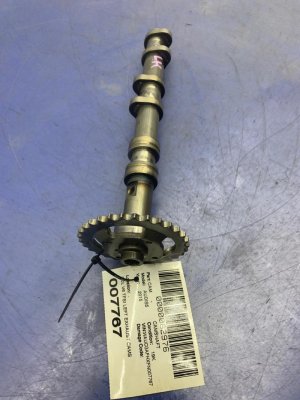
New Aftermarket Parts Available

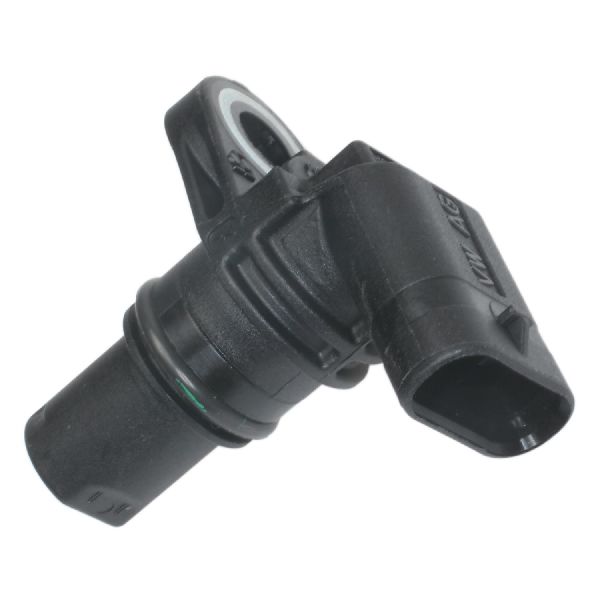
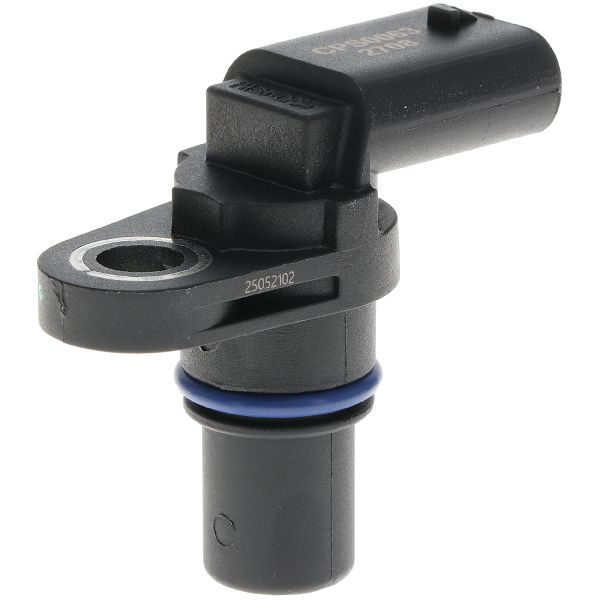

The information in this article is provided for general reference and educational purposes only. Vehicle specifications, procedures, and part compatibility can vary by production date, trim level, and region. Always consult your vehicle's factory service manual and verify part numbers before purchasing or performing repairs. Safety-critical components such as airbags, seat belts, and braking systems should be installed by a qualified professional.
- Audi S5:
- 🎬 Helpful Videos
- 🛍️ Shop This Part
- What's Unique About the 2010-2017 Audi S5
- Symptoms You May Notice
- Most Likely Causes
- Rare But Worth Checking
- Diagnosis Steps
- Parts You'll Likely Need
- Related Codes That Often Appear With This One
- Technical Service Bulletins (TSBs) & Recalls
- Platform-Specific Known Issues
- Mechanic-Grade Diagnostic Values
- Scan Tool Commands That Help
- Wiring & Ground Locations
- Real Owner Repair Stories
- When the Usual Fixes Don't Work
- OEM Part Supersession History
- Model Year Variations Within This Range
- Diagnostic Flowchart
- Other Known Issues on This Vehicle
- Used vs. New Parts: Buying Guide for This Vehicle
- Real Owner Stories
- 2014 Audi S5 3.0T — 94000 miles
- 2013-2017 Audi S5 3.0T (B8.5) — 57000 miles
- 2013-2017 Audi S5 3.0T (B8.5)
- Audi 3.0T Owner — 63000 miles
- Related OBD-II Codes
- Frequently Asked Questions
- 🎟️ Get 5% Off