

P0016 on 2018-2021 Ford EcoSport: Crank/Cam Correlation Causes and Fixes
On a 2018-2021 Ford EcoSport, P0016 indicates a timing mismatch. For the 2.0L engine, the most likely cause is a sticking VCT solenoid. For the 1.0L EcoBoost, this code is a critical warning of a failing oil pump 'wet belt' causing low oil pressure, a known issue covered by Ford Safety Recall 23S64 (NHTSA #23V-905).
- P0016 on an EcoSport is a serious code that should be addressed immediately to prevent engine damage.
- The cause is engine-dependent. On the 2.0L, suspect a sticking VCT solenoid. On the 1.0L, suspect a failing oil pump belt system.
- Owners of the 1.0L EcoBoost should immediately check if their vehicle is part of Ford Safety Recall 23S64.
- Always start diagnosis with the simplest fix: check the engine oil level and condition.
- Do not replace sensors on the 1.0L engine without first ruling out the much more common and serious oil pressure problem.
What's Unique About the 2018-2021 Ford ECOSPORT

The cause of P0016 on a Ford EcoSport depends heavily on which engine you have. On the 2.0L engine, the issue is commonly a sticking Variable Camshaft Timing (VCT) solenoid due to oil debris, a known issue across many Ford products. [⭐ TSB #SSM 48423, ⭐ TSB #SSM 50067] However, on the 1.0L EcoBoost engine, this code is often a symptom of a much more severe problem: the timing belt, which runs in oil (a 'wet belt'), degrades and clogs the oil system. This leads to low oil pressure, which in turn causes the timing correlation fault and can lead to catastrophic engine failure. This specific wet belt issue prompted Ford to issue Safety Recall 23S64.
Diagnostic Flowchart
Tap your situation to follow the diagnostic path that matches what you're seeing on this vehicle.
Symptoms You May Notice
- Check Engine Light is illuminated
- Engine runs rough, vibrates, or idles poorly
- Difficulty starting the engine, or it cranks but won't start
- Reduced engine power and poor acceleration
- Engine may hesitate or stall during driving
- Decreased fuel economy
- Rattling or 'diesel-like' clattering noise from the engine, especially on cold starts, lasting 5-30 seconds (a key symptom for the 1.0L wet belt issue).
- Replacing the camshaft or crankshaft position sensors on the 1.0L EcoBoost engine without first verifying oil pressure. Multiple forum threads confirm this is a common mistake; owners replace sensors only for the P0016 code to return because the root cause is a clogged oil pickup from a degrading wet belt.
Most Likely Causes

- Degrading Oil Pump 'Wet Belt' and Tensioner (1.0L EcoBoost Engine) 🔴 High Probability The 1.0L engine uses a belt-in-oil (wet belt) design for the oil pump. The belt's rubber compound can degrade, especially with incorrect oil or extended service intervals. Debris from the belt and/or a fractured tensioner arm clogs the oil pump pickup screen, causing a sudden or gradual loss of oil pressure. This starves the VCT system, triggering timing codes like P0016. This is the subject of Ford Safety Recall 23S64 (NHTSA ID: 23V-905).
How to confirm: A mechanic must check engine oil pressure with a mechanical gauge. Low pressure is a strong indicator. Definitive confirmation involves dropping the oil pan to inspect for black, rubber-like debris in the oil pickup screen. A forum user on FordOwnersClub.com confirmed this is the correct diagnostic path after others suggested it.
Typical fix: If the vehicle is under recall, a Ford dealer will replace the oil pump drive belt and tensioner free of charge. If the engine has already failed due to this issue, the recall provides for a complete long block engine replacement as an interim repair. For non-recall repairs, the job requires replacing both the oil pump belt and the main timing wet belt, along with cleaning the sump and oil pickup. A complete kit often includes the belts, water pump, seals, and gaskets.
Est. part cost: $0 (if covered by recall 23S64), $500-$1000+ (for full genuine Ford belt kits otherwise). - Sticking or Failed VCT Solenoid (2.0L Engine) 🔴 High Probability Ford TSBs #SSM 48423 and #SSM 50067 identify that small debris in the engine oil can cause the VCT solenoid to stick open or closed, leading to a variety of timing codes, including P0016. [⭐ TSB #SSM 48423, ⭐ TSB #SSM 50067] This is a very common issue across many Ford engines using the Ti-VCT system.
How to confirm: A mechanic can use a diagnostic scan tool (like Ford's IDS) to command the solenoid on and off to check its response, as recommended by the TSBs. It can also be removed and bench-tested by applying 12V power to see if the internal plunger actuates. Resistance can be checked with a multimeter; it should be between 6.9 and 7.9 ohms at 68°F (20°C).
Typical fix: First, perform an oil and filter change with the correct grade of oil (Ford-spec). Per the TSB, a technician may first try to cycle the solenoid 10 times with a scan tool to dislodge debris. If the problem persists, replace the Bank 1 intake VCT solenoid (the one for 'Sensor A').
Est. part cost: $25-$60 - Low or Dirty Engine Oil (Both Engines) 🟡 Medium Probability The VCT system is hydraulically operated by engine oil. Low levels or oil that is dirty, sludgy, or of the incorrect viscosity cannot provide the pressure needed for the phasers to adjust timing correctly. For the 1.0L, using oil other than Ford spec WSS-M2C948-B can accelerate wet belt degradation.
How to confirm: Check the oil level on the dipstick and inspect its color and consistency. If it is low, black, or sludgy, it needs to be changed. Check service records to ensure the correct oil specification is being used.
Typical fix: Change the engine oil and filter using the Ford-specified grade (consult your owner's manual).
Est. part cost: $40-$80 - Failed Camshaft Position Sensor ⚪ Low Probability
How to confirm: Test the sensor's voltage output and resistance with a multimeter against the manufacturer's specifications. A scan tool can also monitor its live data for dropouts or erratic signals.
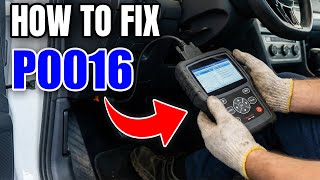
Typical fix: Replace the Bank 1 intake camshaft position sensor. 🎬 Watch: How to fix a P0016 crankshaft camshaft correlation code This is often misdiagnosed as the primary cause when the real issue is oil pressure.
Est. part cost: $35-$65 - Stretched Timing Chain (2.0L Engine) ⚪ Low Probability While less common than solenoids, the timing chain on the 2.0L can stretch over high mileage (typically 100k+ miles), causing a persistent correlation fault that does not resolve with solenoid or sensor replacement.
How to confirm: This is a complex diagnosis requiring partial engine disassembly to physically check timing marks and chain tensioner extension. It is usually diagnosed after all other possibilities (oil, sensors, solenoids) are eliminated.
Typical fix: Replace the timing chain, guides, and tensioners.
Est. part cost: $300-$600
Diagnosis Steps

- (1.0L Engine) Check for Recalls: Immediately check if your vehicle's VIN is covered under Ford Safety Recall 23S64 (NHTSA 23V-905) for the oil pump belt. If so, contact a Ford dealer immediately. Do not proceed with other costly repairs.
- Check Engine Oil: Verify the oil level is correct and the oil is clean and of the correct specification (especially for the 1.0L). If low or dirty, perform an oil and filter change. This is a simple first step that can sometimes resolve the issue.
- Scan for Other Codes: Use an OBD-II scanner to check for other related codes that could point to a specific component (e.g., sensor circuit codes, VCT solenoid codes).
- (1.0L Engine) Check Oil Pressure: A mechanical oil pressure test is the most critical diagnostic step for the 1.0L engine. Low pressure (below 14.5 psi at hot idle) strongly suggests the wet belt issue. Do not skip this step before replacing parts.
- (2.0L Engine) Test VCT Solenoid: On the 2.0L, follow the TSB procedure. Use a scan tool to command the solenoid to cycle 10 times to clear debris. If the code returns, remove the solenoid for cleaning and bench testing with a 12V source.
- (1.0L Engine) Inspect Oil Sump: If oil pressure is low, the next step is to drop the oil pan and inspect the oil pickup tube strainer for rubber debris from the degrading belt. This is definitive confirmation.
- Inspect Cam/Crank Sensors: If oil pressure is good (on 1.0L) and VCT solenoids test okay (on 2.0L), check the wiring and connectors for the camshaft and crankshaft position sensors. They can be tested for proper signal with an oscilloscope.
- Inspect Mechanical Timing: If all else fails, the final step is to inspect the base engine timing. This involves accessing the timing chain (2.0L) or wet belt (1.0L) to check for stretching, damage, or jumped teeth, which is a labor-intensive job.
Parts You'll Likely Need
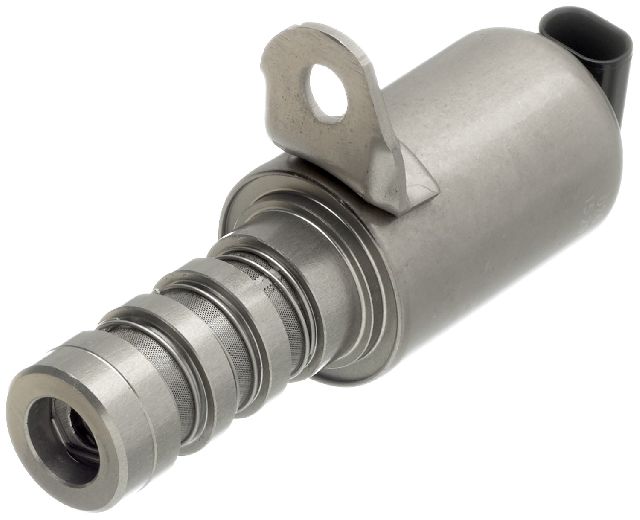
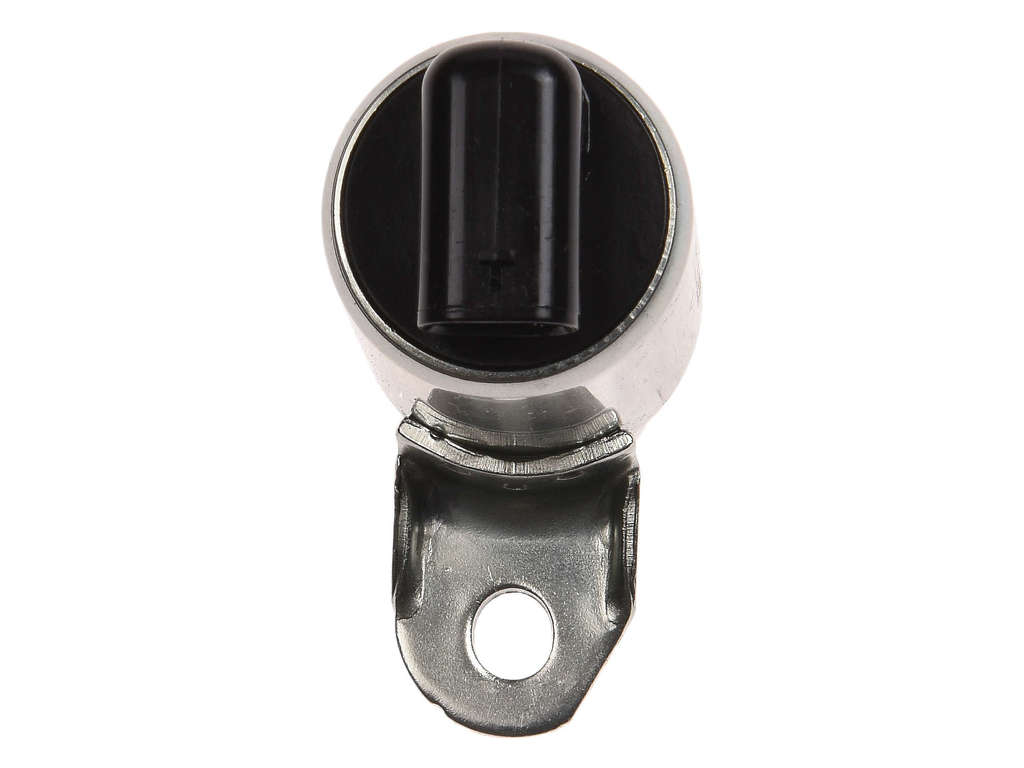
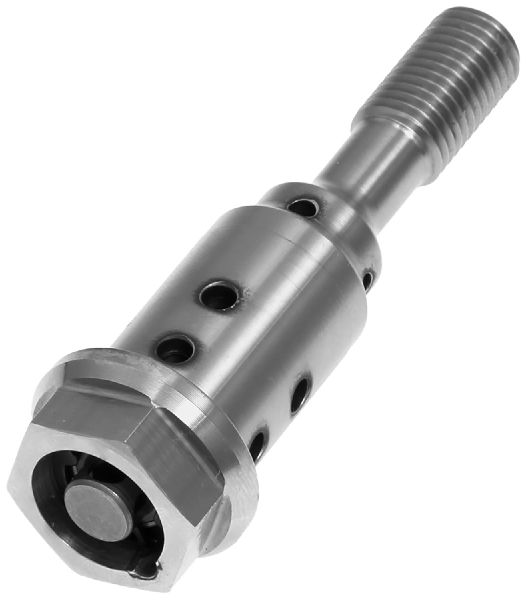
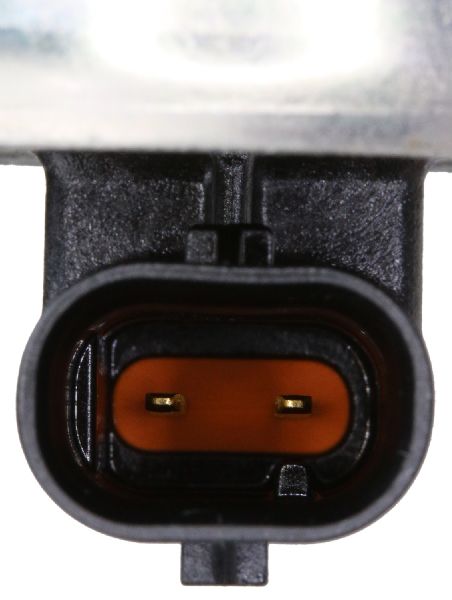
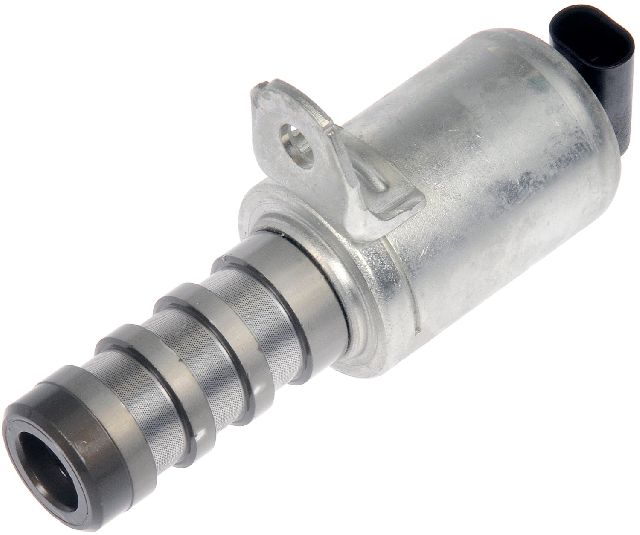
- Engine VVT Solenoid (2.0L Ti-VCT)
(OEM #CM5Z-6M280-C)— This is the most common cause of P0016 on the 2.0L engine, often sticking due to oil debris as noted in Ford TSBs SSM 48423 and SSM 50067. [⭐ TSB #SSM 48423, ⭐ TSB #SSM 50067, 15]
Trusted brands: Motorcraft, Dorman, NGK
OEM price range: $30-$50
Aftermarket price range: $20-$40 - Oil Pump Belt & Tensioner Kit (1.0L EcoBoost)
(OEM #2122062 (Part of full kit))— This is the primary failure point on the 1.0L engine leading to P0016. It is replaced under recall 23S64. For non-recall repairs, the belt and tensioner must be replaced to restore oil pressure.
Trusted brands: Ford (Genuine), Dayco, Gates
OEM price range: $150-$250
Aftermarket price range: $80-$150
Related Codes That Often Appear With This One
- P0017 — This code is for 'Crankshaft/Camshaft Correlation (Bank 1 Sensor B)', which is the exhaust camshaft on the same bank. Both codes often appear together when there is a base timing issue or a systemic oil pressure problem affecting the entire VCT system, as seen in an owner complaint (ODI #11681954) and forum discussions. [ ODI #11681954, 13]
- P0011, P0012, P0014, P0015 — These are all VCT-related timing codes (over-advanced, over-retarded). Ford TSBs #SSM 48423 and #SSM 50067 list them alongside P0016 as potential results of a sticking VCT solenoid. [⭐ TSB #SSM 48423, ⭐ TSB #SSM 50067]
Technical Service Bulletins (TSBs) & Recalls

- SSM 48423: Covers various 2015-2020 Ford vehicles. States that codes like P0016 can be caused by small debris causing a VCT solenoid to stick. Recommends cycling the solenoid with a scan tool before replacement.
- SSM 50067: Supersedes and expands upon SSM 48423, covering 2015-2021 vehicles. The diagnosis and recommendation to cycle the solenoid remain the same.
Platform-Specific Known Issues
- 1.0L EcoBoost Wet Belt Material and Failure: The oil pump drive belt (and main timing belt) is a 'Belt-in-Oil' (BIO) design, made from materials like hydrogenated nitrile butadiene rubber (HNBR). Over time, and accelerated by incorrect oil types or excessive heat, this material can swell, delaminate, and shed particles. These particles are then circulated in the oil, clogging the fine mesh of the oil pump pickup strainer. This leads to oil starvation, causing the VCT phasers to set correlation codes like P0016 before catastrophic engine seizure occurs.
Mechanic-Grade Diagnostic Values
- 1.0L EcoBoost Engine Oil Pressure (Mechanical Gauge) — expected: At least 14.5 psi (1 bar) at hot idle; 29 psi (2 bar) at 2,000 RPM.. Failure: Pressure below these minimums strongly indicates a clogged oil pump pickup screen due to wet belt degradation.
- 2.0L Ti-VCT Engine Oil Pressure (Mechanical Gauge) — expected: 29.0 - 38.8 psi (200-268 kPa) at hot idle @ 2,000 RPM.. Failure: Pressure below this range indicates an oil delivery problem (pump, blockage, etc.) that will affect VCT operation.
- VCT Solenoid Internal Resistance (Both Engines) — expected: 6.9 to 7.9 ohms at 68°F (20°C). A general acceptable range is 5-15 ohms.. Failure: A reading of 0 ohms (short circuit) or infinite/OL (open circuit) indicates a failed solenoid.
- FORScan Live Data: VCT_ADV_ERR (VCT Advance Error) — expected: Should hover around 0° (±5° is acceptable for short periods) during closed-loop operation.. Failure: A consistent, large value (positive or negative) outside the ±5° range indicates the PCM is detecting a correlation error in real-time.
Scan Tool Commands That Help
- Ford IDS / FORScan: Monitor PIDs: VCT_ADV_ERR1, VCT_INT_DIF1, RC_PID — Use during a road test or at hot idle to observe the real-time difference between the PCM's commanded camshaft angle and the actual angle reported by the sensor. A large, persistent error value confirms a correlation fault is actively occurring.
- Ford IDS / High-Level Scan Tool: VCT Solenoid Command (Cycle On/Off) — As recommended by Ford TSBs, this bidirectional command can be used to cycle the VCT solenoid rapidly. This can sometimes dislodge small pieces of debris causing the solenoid to stick, potentially resolving the code without part replacement. [⭐ TSB #SSM 48423]
Wiring & Ground Locations
- Engine Ground Points (General) — Key ground points for the engine harness are often located on the chassis near the battery tray, on the engine block itself, and on the transmission housing. For example, on some EcoSport models, a key ground point is under the airbox in front of the battery.. A poor ground connection can introduce electrical noise or voltage drops, potentially causing the PCM to receive erratic signals from the camshaft and crankshaft position sensors, leading to a false correlation code.
Real Owner Repair Stories
- Ford Owners Club forum user 'shaun85' (2014 Ford Fiesta 1.0L EcoBoost (engine is functionally identical to the EcoSport 1.0L for this issue)) — Check engine light with codes P0016 and P0017.
❌ Tried (didn't work) Replacing both camshaft position sensors.
✅ What actually fixed it The user was advised by the community to ignore suggestions of replacing VCT actuators and instead investigate the known wet belt issue. The confirmed diagnostic path was to check for low oil pressure and inspect the oil sump for belt debris, which is the root cause.
OEM Part Supersession History
CM5Z-6M280-A→CM5Z-6M280-C— Part revision by the manufacturer. This is common for components to improve reliability or change suppliers.
Heads up: The new part number (CM5Z-6M280-C) is the correct replacement for the original and is fully compatible with vehicles that used the -A revision.CJ5Z-6M280-A→CM5Z-6M280-C— Part number consolidation and revision.
Heads up: CM5Z-6M280-C is the service replacement for CJ5Z-6M280-A for the 2.0L engine.
Helpful Videos
Used OEM Parts in Stock

New Aftermarket Parts Available


The information in this article is provided for general reference and educational purposes only. Vehicle specifications, procedures, and part compatibility can vary by production date, trim level, and region. Always consult your vehicle's factory service manual and verify part numbers before purchasing or performing repairs. Safety-critical components such as airbags, seat belts, and braking systems should be installed by a qualified professional.
- Ford ECOSPORT:
- 🎬 Helpful Videos
- 🛍️ Shop This Part
- What's Unique About the 2018-2021 Ford ECOSPORT
- Diagnostic Flowchart
- Symptoms You May Notice
- Most Likely Causes
- Diagnosis Steps
- Parts You'll Likely Need
- Related Codes That Often Appear With This One
- Technical Service Bulletins (TSBs) & Recalls
- Platform-Specific Known Issues
- Mechanic-Grade Diagnostic Values
- Scan Tool Commands That Help
- Wiring & Ground Locations
- Real Owner Repair Stories
- OEM Part Supersession History
- 🎟️ Get 5% Off