

P0014 on 2016-2024 Mazda MX-5: Exhaust Cam Timing Over-Advanced Causes and Fixes
On a 2016-2024 Mazda MX-5, code P0014 is most often caused by old, low, or incorrect engine oil, or a failing exhaust Oil Control Valve (OCV). Start by checking your oil; an oil change with the correct 0W-20 synthetic oil may fix it. If not, the OCV is the next likely culprit. The OEM part number is PE01-14-420A and it costs around $100-$180. This is a common DIY repair.
- First, check your engine oil. P0014 on the MX-5 is very often caused by low, old, or incorrect (non 0W-20) oil.
- The next most likely cause is a faulty exhaust Oil Control Valve (OCV), which is relatively inexpensive and easy to replace.
- Do not immediately assume you have a major timing chain issue. Address the simple and common causes first.
- Ignoring this code can lead to poor performance, bad fuel economy, and potential long-term engine wear.
What's Unique About the 2016-2024 Mazda MX-5
The Skyactiv-G engine relies heavily on clean, correct-viscosity oil and precise oil pressure to operate its sophisticated VVT system. Unlike older, simpler engines, this platform is particularly sensitive to oil maintenance. The diagnostic logic for P0014 on this engine is specific: the PCM flags the code when the actual exhaust cam timing is more than 20 degrees ahead of the target for about 5 seconds. While the causes are common to many VVT engines, the high-compression, efficiency-focused design of the Skyactiv-G makes prompt diagnosis important. An intermittent P0014 that appears and disappears can be an early sign of sludgy oil beginning to clog the small passages of the VVT system.
Generation note: The 2016-2024 year range covers the entire fourth-generation (ND) Mazda MX-5. This includes the original ND1 (2016-2018) and the updated ND2 (2019-2024) which features a revised engine with more power. However, the fundamental hydraulic VVT system design and the causes for code P0014 are consistent across both versions of the 2.0L Skyactiv-G engine.
Symptoms You May Notice
- Check Engine Light illuminated
- Rough or unstable idle
- Engine stalling, especially at low speeds or when coming to a stop
- Reduced engine power and sluggish acceleration
- Noticeable decrease in fuel economy
- Rattling or ticking noise from the top of the engine (valve cover area), especially on startup or while running.
- Replacing the camshaft position sensor first. While related, the sensor itself is rarely the cause of a P0014 code; the problem is usually with the mechanical or hydraulic components the sensor is monitoring.
- Assuming a stretched timing chain on a lower-mileage vehicle. While possible, oil and OCV issues are far more probable and should be ruled out first before attempting a costly timing chain service.
Most Likely Causes
- Incorrect, Low, or Dirty Engine Oil 🔴 High Probability The Skyactiv VVT system is entirely dependent on oil pressure to actuate the timing gear. Contaminated, low, or incorrect viscosity oil can clog the fine mesh screens on the Oil Control Valve (OCV) or the oil passages themselves, preventing the system from operating correctly. This is the most common cause for P0014 across all Skyactiv engines.
How to confirm: Check the oil level on the dipstick. The oil should be translucent and amber; if it's dark, opaque, or thick, it's overdue for a change. Verify service records to confirm the last oil change date and that the correct SAE 0W-20 full synthetic oil was used.
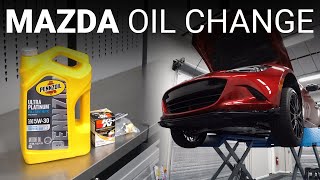
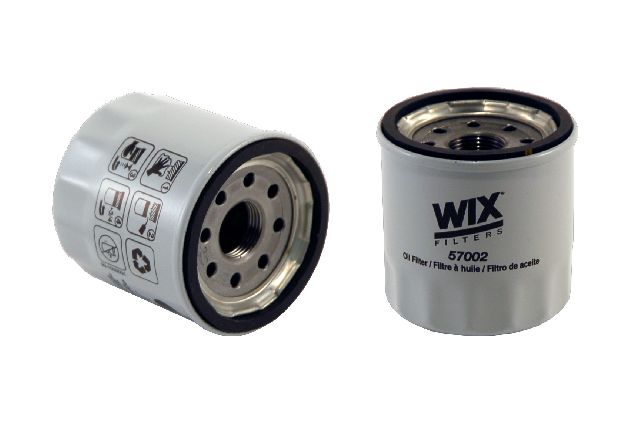
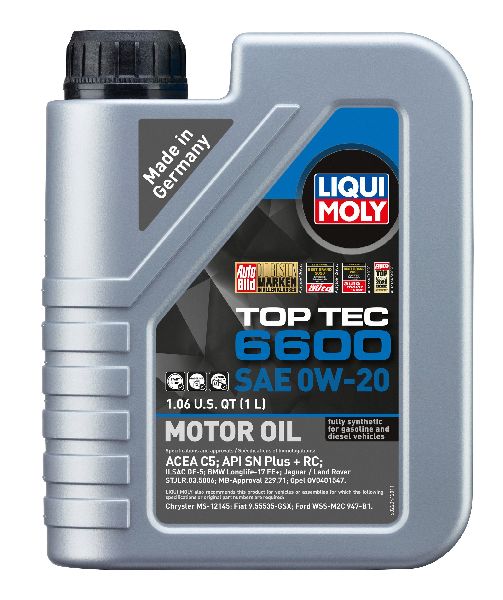
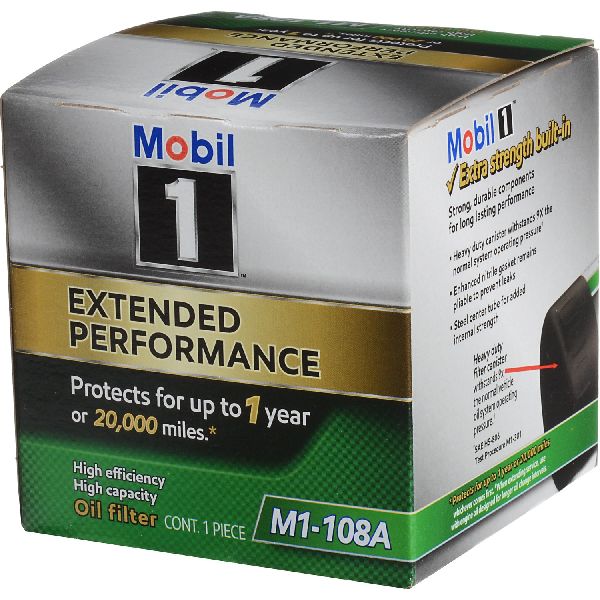
Typical fix: Perform an engine oil and filter change using a high-quality, full synthetic oil that meets Mazda's specifications (SAE 0W-20). Clear the codes and perform a drive cycle.
Est. part cost: $40-$80 - Faulty Exhaust Oil Control Valve (OCV) 🟡 Medium Probability The OCV (also called a VVT solenoid) is an electronic valve that directs oil flow to the cam phaser. It can become clogged with sludge from dirty oil or fail electrically, causing it to stick in one position. This is the second most common failure point after oil-related issues.
How to confirm: After ruling out oil issues, the OCV can be removed (one bolt) and inspected for sludge on its body and screen. It can be tested with a multimeter for proper resistance (typically 6.9-7.5 Ohms for this engine) or activated with a 9V or 12V source to see if the internal spool valve clicks open and closed. Swapping the intake and exhaust OCVs is a good diagnostic step; if the code changes to P0011 (intake side), the OCV is confirmed faulty.
Typical fix: Clean the OCV and its filter screen with brake cleaner and test. If cleaning doesn't work or it fails electrical tests, replace the valve. The OEM part number is PE01-14-420A.
Est. part cost: $50-$180 - Worn or Stretched Timing Chain ⚪ Low Probability While Skyactiv-G engines use a durable timing chain, very high mileage (typically over 150,000 miles) or severe lack of oil maintenance can cause the chain to stretch or the tensioner to weaken. This can cause the base timing to be off, leading to correlation codes.
How to confirm: This is a complex diagnosis. It often presents with a persistent rattling noise from the front of the engine. Confirmation requires removing the valve cover and front engine cover to physically inspect the chain, guides, and tensioner for slack or damage. This is best left to a professional.
Typical fix: Replacement of the timing chain, tensioners, and guides. This is a labor-intensive job.
Est. part cost: $200-$500
Rare But Worth Checking
- Faulty VVT Actuator (Cam Phaser): The VVT actuator is the gear on the end of the camshaft. It can fail internally due to sludge or wear, getting stuck in an advanced position. This is less common than an OCV failure but is a possibility, especially on higher-mileage engines. Replacement is a labor-intensive job similar to a timing chain replacement.
- Faulty Camshaft Position Sensor: It's possible for the sensor that reads the camshaft's position to send incorrect data, but this is rare for this specific code. A faulty sensor would more likely trigger a sensor-specific circuit code like P0365 or P0366. Swapping the intake and exhaust sensors is a quick way to rule this out.
- Clogged Oil Passages: In cases of severe engine sludge due to extreme oil change neglect, the oil passages within the cylinder head or engine block that feed the VVT system can become restricted. This requires significant engine disassembly to clean and is a worst-case scenario.
Diagnosis Steps
- Check Engine Oil: Verify the oil level is correct and the oil is clean. If low, top it off. If old or dirty, perform a full oil and filter change with Mazda-specified SAE 0W-20 synthetic oil. Clear the code and drive to see if it returns. This is the most common fix.
- Inspect the Exhaust Oil Control Valve (OCV): Locate the exhaust OCV on the top of the valve cover, towards the rear (firewall side) of the engine. Disconnect the electrical connector and remove the single 10mm bolt holding it in place.
- Clean and Test the OCV: Carefully pull the OCV out. Inspect its screen for sludge or debris. Clean it thoroughly with brake or electronics cleaner. You can test its mechanical function by briefly applying 12V or 9V to its pins to see if the internal plunger moves with an audible click. You can also test its resistance with a multimeter (should be 6.9–7.5 ohms at 68°F/20°C). 🎬 See this video for testing and fixing P0014 timing codes.
- Swap OCVs (Diagnostic Step): A highly effective diagnostic step is to swap the exhaust OCV with the identical intake OCV (located at the front of the valve cover). Clear the codes and drive. If the code changes to P0011 (Intake Cam Over-Advanced), you have definitively proven the OCV is faulty.
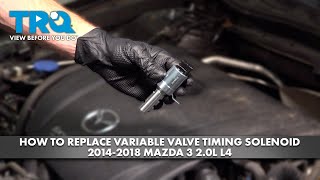
- Reinstall or Replace OCV: If the OCV was dirty, reinstall it after cleaning. If it failed testing or the swap test, replace it with a new part (OEM Part # PE01-14-420A). 🎬 Watch: A step-by-step walkthrough for replacing the VVT solenoid. Clear the code and test drive.
- Professional Diagnosis: If the code persists after replacing the OCV, the issue is likely more complex, such as a faulty VVT actuator (phaser) or a stretched timing chain. These repairs require significant disassembly and should be handled by a qualified mechanic.
Parts You'll Likely Need
- Exhaust Oil Control Valve (VVT Solenoid)
(OEM #PE01-14-420A)— This solenoid is the most common point of failure in the VVT system that causes P0014, either due to electrical failure or getting clogged with oil sludge. It is identical to the intake solenoid.
Trusted brands: Mazda OE, Denso, Dorman
OEM price range: $100-$180
Aftermarket price range: $50-$120 - Engine Oil and Filter
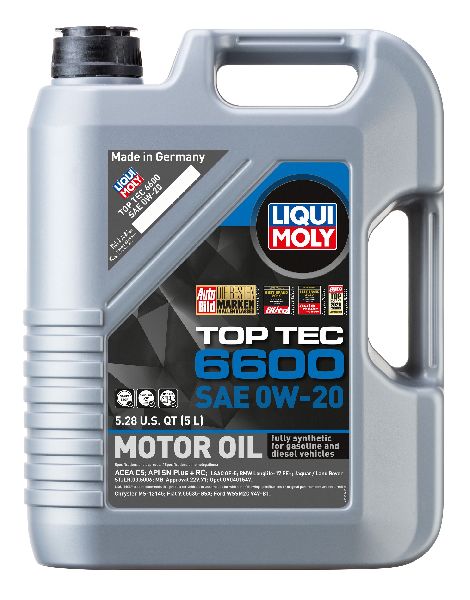
(OEM #0000-G5-0W20-MQ (Mazda 0W-20 Moly Oil))— Incorrect, old, or low oil is the leading cause of VVT system problems and should always be the first step in addressing this code. Using the Mazda-branded oil with Molybdenum is recommended but any high-quality full synthetic 0W-20 oil will suffice.
Related Codes That Often Appear With This One
- P0011 — P0011 is the equivalent code for the *intake* camshaft being over-advanced. Seeing them together could point to a more systemic oil pressure or base timing issue affecting both VVT actuators.
- P0524 — P0524 indicates 'Engine Oil Pressure Too Low'. Since the VVT system is dependent on oil pressure, a low-pressure situation can easily cause cam timing codes like P0014. Seeing this code makes an oil-related issue the primary suspect.
- P0017 — P0017 indicates a 'Crankshaft Position - Camshaft Position Correlation' error for the exhaust cam (Bank 1 Sensor B). This suggests a more serious timing issue, such as a jumped tooth on the timing chain or a failed VVT phaser, rather than just a sticky OCV.
Mechanic-Grade Diagnostic Values
- Oil Control Valve (OCV) internal resistance — expected: 6.9–7.5 Ohms at 20°C (68°F). Failure: A reading outside of this range indicates a faulty OCV coil.
- Voltage at OCV connector terminal B to ground (Key On, Engine Off) — expected: Battery Voltage (B+). Failure: A reading of 0V indicates an open circuit or a blown 'ENGINE2 15 A' fuse.
- Live Data PID: VT_EX_ACT (Actual Exhaust Valve Timing) — expected: Should closely follow the VT_EX_DES (Desired Exhaust Valve Timing) PID value when the engine is running.. Failure: A large discrepancy (over 20 degrees for 5 seconds) between the actual and desired values will trigger the P0014 code.
Scan Tool Commands That Help
- Mazda M-MDS (or equivalent high-end scanner): Active Command: VT_EX_DES (Desired Exhaust Valve Timing) — This bidirectional control allows a technician to command the exhaust OCV to a specific duty cycle or position while the engine is running. Observing the engine's response (stalling, hesitation) and the change in the actual cam angle PID (VT_EX_ACT) can confirm if the OCV and phaser are mechanically responding to electrical commands, helping to isolate a faulty OCV from a stuck phaser or oil flow issue.
Wiring & Ground Locations
- Exhaust OCV Connector — On the top of the valve cover, on the rear-most (firewall side) solenoid.. This is the direct connection to the component in question. Terminal B should have battery voltage with the key on. Terminal A is the control wire from the PCM (terminal 1AN). Checking for voltage, ground, and continuity here is a primary electrical diagnostic step.
- Engine Ground Point — A primary engine-to-chassis ground is located on the left front strut tower in the engine bay.. A poor engine ground can cause a host of electrical issues and erratic sensor readings. While not a direct cause of P0014, ensuring this connection is clean and tight is a fundamental step in diagnosing any engine management code.
- PCM Ground — The PCM and its associated grounds are located in the driver's side footwell, high up under the dash.. A fault in the PCM's own ground could theoretically cause it to misinterpret sensor data or fail to properly control the OCV. This is a very rare cause but would be investigated if all other component and circuit tests pass.
Real Owner Repair Stories
- Reddit user in /r/MazdaCX30 (Mazda CX-30 (uses similar Skyactiv-G engine and VVT system)) — Intermittent 'Engine Malfunction' light, code P0014 read by AutoZone.
❌ Tried (didn't work) The code would disappear and reappear on its own.
✅ What actually fixed it The user's issue was similar to a previous experience on another vehicle where replacing a cracked VVT solenoid (OCV) and cleaning the solenoid screen resolved the P0014 code. The advice given was to check the oil and then inspect/replace the OCV.
OEM Part Supersession History
PE01-14-420→PE01-14-420A— Minor internal revision or change in manufacturer. Functionality remains identical.
Model Year Variations Within This Range
- 2019-2024 (ND2): The ND2 engine was significantly revised for more power (181 hp vs 155 hp), including lighter pistons/rods, a higher redline (7500 rpm vs 6800 rpm), and larger intake/exhaust ports. However, the fundamental hydraulic VVT system, the OCV part number (PE01-14-420A), and the diagnostic procedure for P0014 remain the same as the ND1 (2016-2018).
Diagnostic Flowchart
Other Known Issues on This Vehicle
Issues unrelated to this code that are worth knowing about as an owner of this generation:
- Manual Transmission Grinding/Failure (ND1) 🔴 High — Common on early 2016-2017 models, especially when driven hard. Less common on later models with a revised transmission. (Ref: TSB 05-007/16 (later superseded) was issued to address grinding between 2nd and 3rd gears by replacing transmission components.)
- Automatic Transmission Unexpected Downshift 🔴 High — Affected a significant number of 2016-2019 models with automatic transmissions. (Ref: Recall 3019A was issued to reprogram the Transmission Control Module (TCM) to prevent abrupt downshifts caused by electrical noise.)
- Soft Top Wear at Contact Points 🟡 Low — Some owners report premature wear, holes, or pinching on the canvas soft top where it folds or contacts the roll hoops. More of a cosmetic issue but can lead to leaks over time.
- Intake Valve Carbon Buildup 🟠 Medium — A known characteristic of all Skyactiv-G Direct Injection engines. Buildup can become significant after 60,000-80,000 miles, potentially causing misfires or reduced performance. Not as severe as on some other DI engines. (Ref: A TSB (01-012/19) exists for older Mazda3s for misfires related to carbon buildup, indicating manufacturer awareness.)
- Soft Paint Prone to Chipping 🟡 Low — A common complaint among owners is that the paint, particularly on the front bumper and hood, is relatively soft and chips easily from road debris.
Used vs. New Parts: Buying Guide for This Vehicle
When a used part is the smart pick: For the Oil Control Valve (OCV), a used part from a low-mileage, reputable salvage yard can be a cost-effective option, as it is an external bolt-on component that is easy to replace if it fails. Given the low failure rate of other major components for this code, sourcing used timing chains or phasers is not recommended.
Donor-vehicle mileage cap: roughly under 50000 miles for the part to have meaningful remaining life.
What to inspect on the donor part:
- Ask for the VIN of the donor car to verify mileage and check for reported accidents.
- Inspect the OCV's mesh screen for any signs of metallic debris or heavy sludge; it should be clean.
- Check the electrical connector for corrosion, cracks, or damage.
- If possible, test the resistance with a multimeter before purchase; it should be within the 6.9-7.5 Ohm range.
OEM-only on this vehicle (don't cheap out):
- Timing Chain
- Timing Chain Tensioner
- VVT Actuator (Phaser)
Aftermarket brands forum-validated for this vehicle:
- Denso (often the OEM supplier)
- Dorman (for OCV/solenoid)
Brands owners have reported issues with on this vehicle:
- Unbranded, no-name OCVs from online marketplaces should be avoided, as their internal coil resistance and valve actuation may not meet OEM specifications, leading to persistent or new codes.
Real Owner Stories
Aggregated from forums and TSBs cited above. Mileages and costs reflect what owners reported in those sources.
Mazda with Skyactiv engine
Symptoms: Intermittent P0014 code appearing.
What fixed it: An oil change or addressing a faulty/dirty VVT solenoid.
Source hint: Reddit r/MazdaCX30 - PA0014 code experience
2016-2017 Mazda MX-5 ND1
Symptoms: Grinding between 2nd and 3rd gears.
What fixed it: Replacing transmission components as per TSB 05-007/16.
Source hint: TSB 05-007/16
Related OBD-II Codes
Frequently Asked Questions
Can I use any synthetic oil for my 2016-2024 Mazda MX-5 to prevent P0014?
Is there a specific part number I need if I have to replace the Exhaust Oil Control Valve?
I have a 2016 MX-5 with a manual transmission; is the P0014 code related to the common transmission grinding issue?
My MX-5 is an automatic and recently downshifted abruptly; could this cause a P0014?
How can I tell if the P0014 is a faulty solenoid or a bigger engine problem without a shop?
Is carbon buildup on the intake valves a likely cause for P0014 on my Skyactiv-G?
Helpful Videos

We Have This Part in Stock

The information in this article is provided for general reference and educational purposes only. Vehicle specifications, procedures, and part compatibility can vary by production date, trim level, and region. Always consult your vehicle's factory service manual and verify part numbers before purchasing or performing repairs. Safety-critical components such as airbags, seat belts, and braking systems should be installed by a qualified professional.
- Mazda MX-5:
- 🎬 Helpful Videos
- 🛍️ Shop This Part
- What's Unique About the 2016-2024 Mazda MX-5
- Symptoms You May Notice
- Most Likely Causes
- Rare But Worth Checking
- Diagnosis Steps
- Parts You'll Likely Need
- Related Codes That Often Appear With This One
- Mechanic-Grade Diagnostic Values
- Scan Tool Commands That Help
- Wiring & Ground Locations
- Real Owner Repair Stories
- OEM Part Supersession History
- Model Year Variations Within This Range
- Diagnostic Flowchart
- Other Known Issues on This Vehicle
- Used vs. New Parts: Buying Guide for This Vehicle
- Real Owner Stories
- Mazda with Skyactiv engine
- 2016-2017 Mazda MX-5 ND1
- Related OBD-II Codes
- Frequently Asked Questions
- 🎟️ Get 5% Off