

P0013 on 2014-2018 Subaru Forester 2.5L: Exhaust Camshaft Actuator Circuit Causes and Fixes
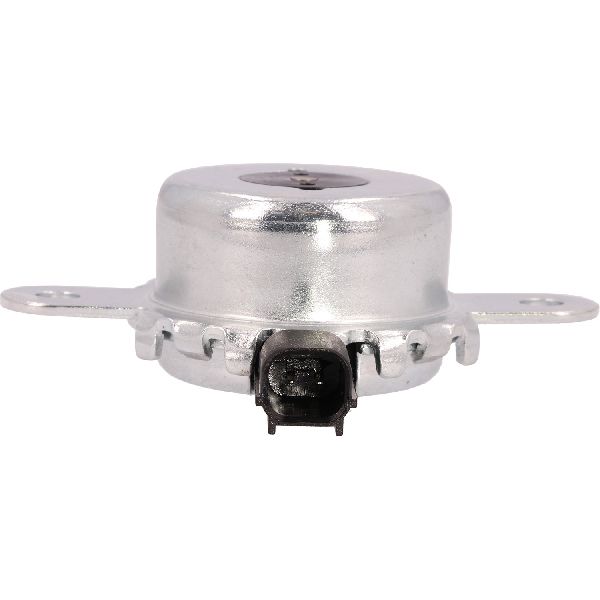
This code almost always points to a faulty exhaust Oil Control Valve (OCV) on the passenger side of the engine. Before replacing it, check your engine oil level and condition, as low or dirty oil is a common contributing factor. A new OEM solenoid (part #10921AA231) costs around $100-$150 and is a straightforward DIY replacement.
- P0013 is an electrical circuit code for the passenger-side exhaust VVT solenoid (OCV).
- Always check your oil level and condition first; low or dirty 0W-20 synthetic oil is a frequent cause of VVT problems.
- The most likely fix is replacing the exhaust oil control valve, part number 10921AA231 (which supersedes 10921AA230).
- This is a manageable DIY repair for those with basic tools, typically taking less than an hour.
- Do not confuse this with a camshaft position sensor fault, which would trigger a different DTC.
What's Unique About the 2014-2018 Subaru Forester
The 2014-2018 Forester uses the FB25 engine, which has a variable valve timing (AVCS in Subaru terms) system on both intake and exhaust camshafts. This code is specific to the exhaust side, which uses an oil control valve located on the lower part of the engine block. While the code is electrical, these systems are extremely sensitive to oil condition, and Subaru's boxer engine design makes regular oil changes with the correct 0W-20 synthetic oil critical for the health of these components.
Symptoms You May Notice
- Check Engine Light is on
- Rough or unstable idle
- Reduced engine power and sluggish acceleration
- Decreased fuel economy
- Engine hesitation or stalling in some cases
- Engine may be difficult to start
- Replacing the camshaft position sensor. The P0013 code is for the actuator *circuit*, not the position sensor. A bad sensor would typically set a different code (e.g., P0340, P0365).
- Replacing the intake OCV. The code specifically points to the 'B' (exhaust) camshaft. The intake and exhaust OCVs are separate parts, though they look similar.
Most Likely Causes
- Faulty Exhaust Oil Control Valve (OCV) / VVT Solenoid 🔴 High Probability The OCV is an electromechanical part that operates under high heat and pressure, making it a common failure point over time. Internal windings can break, causing an open circuit which triggers the P0013 code. Additionally, Subaru issued a TSB regarding an internal seal failure that allows oil to seep into the connector, causing circuit faults.
How to confirm: Disconnect the OCV connector and measure the resistance across its two pins with a multimeter. The specified resistance is between 6.9 and 7.9 ohms at 68°F (20°C). A reading of infinite resistance (open) or zero resistance (short) confirms failure. You can also briefly apply 9V or 12V power to the solenoid to listen for a distinct click, indicating mechanical operation. 🎬 Watch: This video shows how to test and fix VVT solenoids.
Typical fix: Replace the Bank 1 exhaust oil control valve.
Est. part cost: $100-$150 for an OEM part. - Low or Dirty Engine Oil 🟡 Medium Probability The AVCS (VVT) system is hydraulically operated by engine oil. Low oil levels or oil that is dirty, sludgy, or of the incorrect viscosity can strain the OCVs or clog their small internal passages, leading to electrical or mechanical failure. Given the FB25's tendency for oil consumption, running low on oil is a significant risk factor.
How to confirm: Check the engine oil dipstick. Note the level and the color/condition of the oil. If the level is low or the oil is dark and sludgy, this is a likely contributor.
Typical fix: Perform an oil and filter change using the manufacturer-specified oil (0W-20 synthetic). Clear the code and see if it returns. Even if the OCV needs replacement, starting with fresh oil is crucial.
Est. part cost: $40-$80 for oil and a filter. - Damaged Wiring or Connector ⚪ Low Probability The exhaust OCV is located on the lower part of the engine, making its wiring susceptible to road debris, oil leaks, or heat damage over time. Per TSB 02-170-17R, oil can also leak through the OCV itself and 'wick' into the harness, causing corrosion and circuit faults internally. The connector itself can become brittle and crack.
How to confirm: Visually inspect the wiring harness and connector leading to the Bank 1 exhaust OCV. Look for any frayed or broken wires, corrosion in the connector pins, or a loose connection. Check for oil saturation inside the connector. Check for battery voltage at one pin of the connector with the ignition on.
Typical fix: Repair the damaged section of wiring or replace the connector pigtail. If the harness is oil-saturated, it may need extensive cleaning or replacement.
Est. part cost: $10-$30 for wiring repair supplies.
Rare But Worth Checking
- Faulty Engine Control Module (ECM): This is very rare. The ECM is the last thing to suspect after all other possibilities (solenoid, wiring, oil) have been thoroughly ruled out. A faulty driver circuit within the ECM can mimic a solenoid failure.
- Clogged AVCS Banjo Bolt Filter Screen: The oil feed line to the AVCS system contains a small, fine mesh filter inside the banjo bolt. If this screen becomes clogged with sludge or debris, it can starve the OCV and phaser for oil, causing performance issues and potentially triggering circuit codes under certain conditions. Many experienced Subaru technicians recommend removing these filters as a preventative measure during other services. 🎬 See this guide on how to remove the banjo bolt screens.
Diagnosis Steps
- Check Engine Oil: Before any other step, verify the engine oil is at the correct level and is clean. If low or dirty, perform an oil change with full synthetic 0W-20 oil, clear the code, and drive the vehicle to see if the code returns.
- Locate and Inspect the OCV: The Bank 1 (passenger side) exhaust OCV is located on the lower front of the engine, below the intake OCV. It typically has a gray electrical connector. Disconnect it and inspect for corrosion, damage, or oil contamination inside the connector. Clean and secure it if necessary.
- Test the OCV Circuit: Use a multimeter to test the resistance of the OCV. Set the multimeter to ohms and probe the two pins on the solenoid. A reading between 6.9 and 7.9 ohms is expected. An open circuit (infinite resistance) or shorted (near-zero resistance) confirms the solenoid has failed internally.
- Test the Wiring: If the solenoid tests good, check for power at the connector. With the ignition on, one pin should have battery voltage. Check the other wire for continuity back to the ECM. A wiring diagram is helpful for this step.
- Replace the OCV: If the solenoid is confirmed to be faulty, replace it. This involves removing a single 10mm bolt, carefully wiggling and pulling the old solenoid out, and installing the new one with a new, lightly oiled o-ring. Torque the bolt to specification (approx. 10-12 Nm).
- Clear Codes and Test Drive: After the repair, clear the diagnostic trouble codes with a scan tool and perform a test drive to ensure the issue is resolved.
Parts You'll Likely Need
- Exhaust Oil Control Valve (Bank 1)
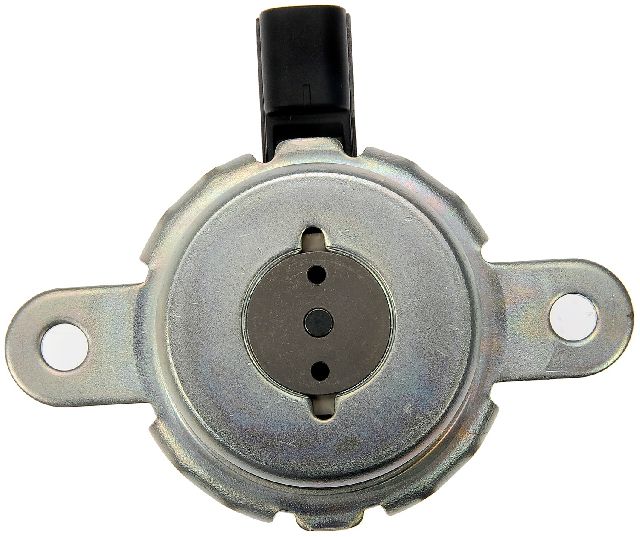
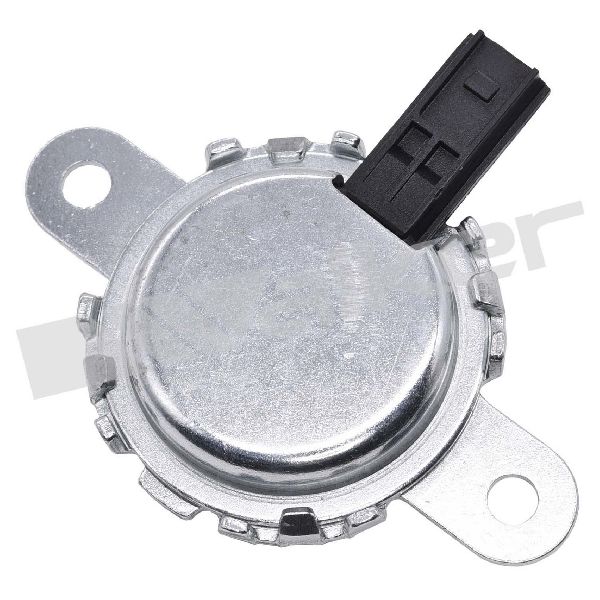
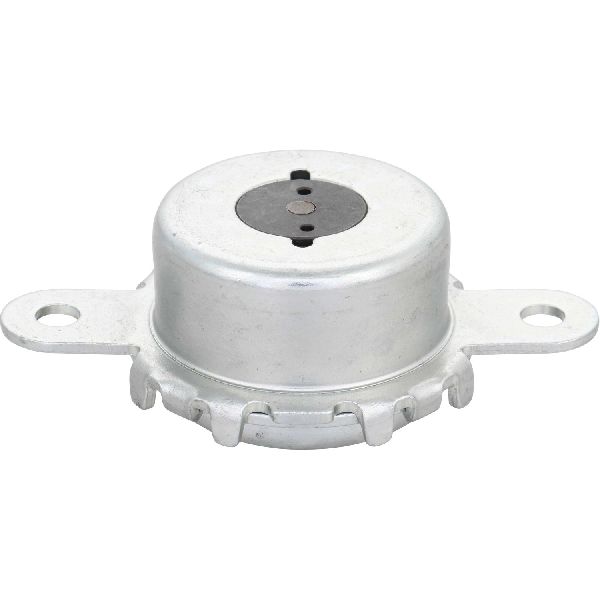
(OEM #10921AA231 (supersedes 10921AA230, 10921AA220))— This solenoid is the most common point of failure for a P0013 circuit code. The original parts were superseded by 10921AA231, which features an improved internal seal to prevent oil from leaking into the electrical connector.
Trusted brands: Subaru (Genuine OEM), Denso (often the OEM supplier), Dorman, A-Premium
OEM price range: $100-$150
Aftermarket price range: $50-$100
Related Codes That Often Appear With This One
- P0014 — P0014 ('B' Camshaft Position - Timing Over-Advanced or System Performance) can appear with P0013 because a faulty electrical circuit (P0013) prevents the solenoid from controlling the camshaft phaser correctly, leading to a performance/timing deviation (P0014).
Technical Service Bulletins (TSBs) & Recalls
- TSB 02-170-17R: Announces a redesigned Oil Control Valve (part # 10921AA231) with an improved internal seal to prevent oil from seeping into the harness connector, which can cause various AVCS-related DTCs, including circuit faults like P0013.
- TSB 02-163-16R: While not for P0013 specifically, this TSB details diagnostic procedures for AVCS performance codes (like P000A/B/C/D, P0011, etc.) on FA/FB engines. It provides the official Subaru diagnostic flow, which includes checking oil, testing the OCV, and if necessary, flushing the system.
Platform-Specific Known Issues
- On the FB25 engine, the Bank 1 (passenger side) exhaust OCV is a very common failure point. Owners on forums like subaruforester.org report this code appearing anywhere from 60,000 to 120,000 miles.
- A user on a Polish Subaru forum experienced P0013 after an engine swap due to using a much thicker 5W-50 oil instead of the specified 0W-20, highlighting the system's sensitivity to oil viscosity.
- Due to the location on the lower engine, the connector and wiring can become saturated with oil from other leaks (e.g., valve cover) or damaged by road debris, which should be inspected carefully.
- Subaru TSB 02-170-17R specifically addresses an issue where engine oil can seep through a faulty internal seal in the OCV and 'wick' into the wiring harness, causing intermittent circuit codes.
Mechanic-Grade Diagnostic Values
- Oil Control Valve (OCV) Solenoid Resistance — expected: 6.9 to 7.9 Ω at 20°C (68°F). Failure: Infinite resistance (open circuit) or near-zero resistance (short circuit).
- ECM Fault Logic (Condition A) — expected: ECM commands the OCV to a duty cycle of less than 70-80%.. Failure: The ECM detects that the actual output from the circuit is 100% for more than a few seconds, indicating a short to power.
- ECM Fault Logic (Condition B) — expected: ECM commands the OCV to a duty cycle up to 70%.. Failure: The ECM detects that the actual output from the circuit is less than 3%, indicating an open circuit or short to ground.
- Live Data: Camshaft Advance Angle (Bank 1 Exhaust) with OCV disconnected — expected: Near 0° at idle.. Failure: A value significantly different from 0° (e.g., +/- 10°) suggests a mechanical timing issue (like a skipped tooth), not a circuit fault.
Scan Tool Commands That Help
- Subaru Select Monitor (SSM) or equivalent professional scan tool: Live Data Monitoring (AVCS Advance Angle, OCV Duty Cycle) — Use this to monitor the requested vs. actual camshaft angle and the duty cycle being sent to the solenoid. This helps confirm if the ECM is commanding a change and if the system is responding. A static duty cycle or angle despite changing engine RPM points to a problem.
- Subaru Select Monitor (SSM) or equivalent professional scan tool: Inspection Mode / Actuator Test — Some advanced scan tools may have a bidirectional test to command the OCV solenoid on and off while the engine is running. This allows a technician to audibly and visually (via live data) confirm the solenoid is responding to commands, helping to isolate a wiring vs. component fault.
Wiring & Ground Locations
- Bank 1 Exhaust OCV Connector — On the front of the engine, passenger side (Bank 1), lower position. It is typically a gray 2-pin connector attached directly to the OCV solenoid.. This is the primary interface for the circuit. P0013 is triggered by an open or short detected here. It is prone to oil contamination (from inside the OCV or external leaks), heat damage, and physical damage from road debris.
- Engine Harness (OCV branch) — The wiring that runs from the Bank 1 Exhaust OCV connector back towards the main engine harness and eventually to the ECM.. Subaru TSB 02-170-17R notes that oil can leak through the OCV and 'wick' up into this harness, causing hidden corrosion and circuit faults that are not visible at the connector itself.
Real Owner Repair Stories
- Polish Subaru Forum User (Subaru Forester with FB25 engine swap) — Check Engine Light with code P0013 immediately after engine replacement.
❌ Tried (didn't work) Initial diagnostics assuming a faulty part.
✅ What actually fixed it The user discovered they had filled the new engine with 5W-50 oil instead of the required 0W-20. The incorrect, much thicker oil viscosity prevented the AVCS system from operating correctly, triggering the fault. Changing to the correct oil resolved the issue. - LegacyGT.com Forum Consensus (Various Subaru models with AVCS (including FB engines)) — Persistent, intermittent AVCS-related codes (including performance and circuit codes) after an oil change or after replacing an OCV.
❌ Tried (didn't work) Replacing the OCV solenoid., Multiple oil changes.
✅ What actually fixed it The root cause was a clogged mesh filter screen located inside the banjo bolt for the AVCS oil supply line. Debris from the engine (often from infrequent oil changes) clogs the screen, starving the OCV and phaser of oil pressure. The fix is to remove the banjo bolt, extract and discard the tiny filter, and reinstall the bolt with new crush washers.
When the Usual Fixes Don't Work
- While the vast majority of P0013 codes are fixed by replacing the OCV solenoid, there are documented cases where this does not solve the problem. In these instances, the root cause was often found to be either a clogged banjo bolt filter screen restricting oil flow to the entire AVCS assembly, or an incorrect oil viscosity being used. One owner reported chasing the code after an engine swap, only to find that using 5W-50 oil instead of the specified 0W-20 was the true cause. These cases highlight that while P0013 is an electrical *circuit* code, its trigger can sometimes be a purely mechanical or hydraulic issue that the ECM interprets as a circuit fault under specific conditions.
OEM Part Supersession History
10921AA220, 10921AA230→10921AA231— The updated part (10921AA231) contains a redesigned internal oil seal to prevent engine oil from seeping into the electrical connector and wiring harness.
Model Year Variations Within This Range
- 2014-2018: There are no significant variations in the AVCS system or the causes of P0013 within this specific model year range. All use the same FB25B port-injected engine. A major engine update to the direct-injected FB25D occurred in the 2019 model year Forester.
Diagnostic Flowchart
Other Known Issues on This Vehicle
Issues unrelated to this code that are worth knowing about as an owner of this generation:
- Excessive Oil Consumption 🔴 High — Most prevalent in 2011-2014 models with the FB25 engine. Can manifest as needing to add a quart of oil every 1,000-2,000 miles. (Ref: TSB 02-157-14R addresses a change to oil control piston rings related to this issue. A class-action lawsuit was also settled regarding this problem.)
- CVT (Lineartronic) Transmission Issues 🔴 High — Common in 2014-2018 models, with symptoms like shuddering, hesitation, and whining noises often appearing between 30,000 and 80,000 miles. Some failures require full replacement. (Ref: Subaru extended the CVT warranty to 10 years/100,000 miles for many affected vehicles. TSB 16-103-15R documents low-speed shudder.)
- A/C Compressor Clutch Failure 🟠 Medium — Commonly reported issue where the A/C blows warm at idle or intermittently, often due to an excessive air gap in the compressor clutch. (Ref: TSB 10-84-16R addresses faulty A/C compressor clutches on 2014-2016 models.)
- Rear Coil Spring Failure 🟡 Low — Reports of rear coil springs breaking, particularly on the 2014 model year, causing the vehicle to sag. (Ref: A recall was issued for some vehicles for faulty rear suspension springs.)
Used vs. New Parts: Buying Guide for This Vehicle
When a used part is the smart pick: For this specific repair, using a used part is not recommended. The Oil Control Valve is a known high-failure-rate item and was subject to a design improvement by Subaru. A used part from a junkyard is likely to have the same internal wear or faulty seal design that leads to the P0013 code.
What to inspect on the donor part:
- Not applicable as used parts are not advised for this component.
OEM-only on this vehicle (don't cheap out):
- Oil Control Valve (OCV) / VVT Solenoid: While not strictly 'OEM-only', using a Genuine Subaru part (10921AA231) is the safest bet due to the known issues with the original design. A cheap aftermarket part is a significant gamble.
Aftermarket brands forum-validated for this vehicle:
- Denso: Denso is a frequent original equipment manufacturer for many Japanese brands, including Subaru. Their aftermarket parts are often identical to the OEM part and are considered a reliable alternative.
Brands owners have reported issues with on this vehicle:
- Unbranded, low-cost solenoids from online marketplaces. Forum discussions frequently mention these parts failing quickly or being dead-on-arrival, causing the P0013 code to return immediately.
Real Owner Stories
Aggregated from forums and TSBs cited above. Mileages and costs reflect what owners reported in those sources.
2014-2018 Subaru Forester FB25 2.5L — ~90000 miles
Symptoms: The Check Engine Light appeared on a vehicle with mileage between 60,000 and 120,000 miles.
What fixed it: Replacement of the Bank 1 exhaust oil control valve, which is a common failure point on the FB25 engine.
Source hint: vehicle_specific_issues
Subaru FB25 (Engine Swap)
Symptoms: P0013 code appeared immediately following an engine swap.
What fixed it: Correcting the oil viscosity from 5W-50 back to the specified 0W-20 and resolving a wiring harness mismatch.
Source hint: Forum Subaru (Poland) - Prośba o pomoc w identyfikacji problemu P0013
Subaru Forester FB25
Symptoms: The owner attempted to clean the solenoid, but the P0013 code repeatedly returned, indicating an intermittent internal circuit failure.
What fixed it: The diagnostic process pointed toward an internal failure of the OCV requiring replacement.
Source hint: Reddit - r/MechanicAdvice: Chasing P0013 ghost
Subaru Forester FB25
Symptoms: P0013 code returned shortly after the owner installed an aftermarket solenoid.
What fixed it: Testing the resistance of the new part to confirm if the non-OEM component was faulty.
Source hint: Reddit - r/AskAMechanic: OBD II Code P0013
Related OBD-II Codes
Frequently Asked Questions
Is there a specific TSB for the P0013 code on my 2014-2018 Subaru Forester?
What is the correct resistance for the Bank 1 exhaust OCV on my FB25 engine?
Can using the wrong oil viscosity trigger a P0013 on my Forester?
Where is the Bank 1 exhaust Oil Control Valve located on the 2.5L engine?
Why does my Forester keep throwing P0013 even after I replaced the solenoid with an aftermarket part?
Could a dirty oil filter cause this VVT-related code?
Helpful Videos

We Have This Part in Stock


The information in this article is provided for general reference and educational purposes only. Vehicle specifications, procedures, and part compatibility can vary by production date, trim level, and region. Always consult your vehicle's factory service manual and verify part numbers before purchasing or performing repairs. Safety-critical components such as airbags, seat belts, and braking systems should be installed by a qualified professional.
- Subaru Forester:
- 🎬 Helpful Videos
- 🛍️ Shop This Part
- What's Unique About the 2014-2018 Subaru Forester
- Symptoms You May Notice
- Most Likely Causes
- Rare But Worth Checking
- Diagnosis Steps
- Parts You'll Likely Need
- Related Codes That Often Appear With This One
- Technical Service Bulletins (TSBs) & Recalls
- Platform-Specific Known Issues
- Mechanic-Grade Diagnostic Values
- Scan Tool Commands That Help
- Wiring & Ground Locations
- Real Owner Repair Stories
- When the Usual Fixes Don't Work
- OEM Part Supersession History
- Model Year Variations Within This Range
- Diagnostic Flowchart
- Other Known Issues on This Vehicle
- Used vs. New Parts: Buying Guide for This Vehicle
- Real Owner Stories
- 2014-2018 Subaru Forester FB25 2.5L — ~90000 miles
- Subaru FB25 (Engine Swap)
- Subaru Forester FB25
- Subaru Forester FB25
- Related OBD-II Codes
- Frequently Asked Questions
- 🎟️ Get 5% Off