

P0012 on 2019-2021 Ford Ranger 2.3L EcoBoost: Causes and Fixes for Over-Retarded Cam Timing
On a 2019-2021 Ford Ranger, P0012 is most often caused by low or dirty engine oil, or a failing intake Variable Camshaft Timing (VCT) solenoid. Start by checking the oil; if it's clean and full, the VCT solenoid is the next likely culprit, costing about $40-$80 for an OEM part. This is a common issue on many Ford EcoBoost engines.
- P0012 on your Ranger means the intake cam timing is retarded, most likely due to an oil issue.
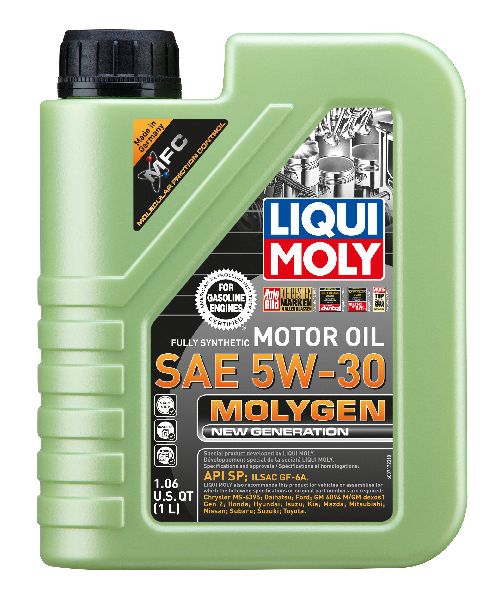
- Always check your oil level and condition first. An oil change with 5W-30 synthetic blend oil is the cheapest and easiest first step.
- If an oil change doesn't fix it, the intake VCT solenoid (Part # CJ5Z-6M280-A) is the most likely failed part and is a DIY-friendly replacement.
- A rattling noise on startup combined with this code suggests a more serious timing chain problem that requires immediate professional diagnosis.
What's Unique About the 2019-2021 Ford RANGER
The 2.3L EcoBoost engine in the Ranger uses Ford's Twin Independent Variable Camshaft Timing (Ti-VCT) system, which relies heavily on clean, pressurized oil to function. While the P0012 code is common across many manufacturers, on this direct-injection, turbocharged engine, maintaining oil quality and using the correct 5W-30 viscosity is especially critical to prevent sludge from clogging the small passages in the VCT solenoids and phasers. TSB SSM 50736 specifically notes that 2019-2021 Rangers can experience fuel dilution in the oil, which degrades its viscosity and can directly lead to VCT system problems and codes like P0012.
Diagnostic Flowchart
Tap your situation to follow the diagnostic path that matches what you're seeing on this vehicle.
Symptoms You May Notice
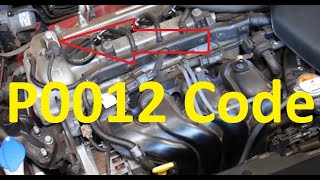
- Check Engine Light illuminated 🎬 Watch: A quick overview of P0012 causes and common fixes.
- Rough or unstable idle
- Engine hesitates or stumbles on acceleration
- Noticeable loss of engine power
- Decreased fuel economy
- Engine may be difficult to start
- Rattling noise from the engine on startup (can indicate timing chain issues)
- Engine stalling at low speeds or when stopping
- Replacing the camshaft position sensor first. The sensor is usually just reporting the timing error, it's not the cause of it.
- Replacing the camshaft phasers before diagnosing the VCT solenoids. Solenoids are cheaper, easier to replace, and fail more frequently.
- Assuming a timing chain replacement is needed without first verifying oil condition and VCT solenoid function, which are far more common and cheaper fixes.
Most Likely Causes
- Low or Dirty Engine Oil 🔴 High Probability The VCT system is hydraulic and highly sensitive to oil pressure and cleanliness. Small oil passages can easily become restricted by sludge or debris from infrequent oil changes. TSB SSM 50736 highlights that fuel dilution can degrade oil quality on these specific engines, exacerbating the problem.
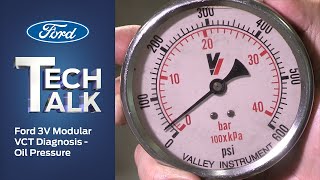
How to confirm: Check the oil dipstick for level and clarity. 🎬 See how oil pressure directly impacts your Ford's VCT system. If the oil is below the 'add' mark, dark, or smells of fuel, this is the likely cause. An oil change is the first and most crucial diagnostic step.
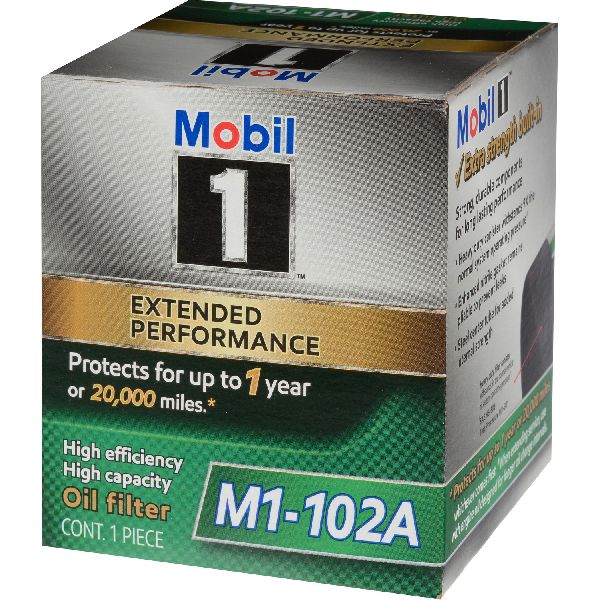
Typical fix: Perform an oil and filter change using the manufacturer-specified oil (Motorcraft 5W-30 Synthetic Blend or equivalent) and a quality filter (e.g., Motorcraft FL-910S).
Est. part cost: $40-$80 - Faulty Intake VCT Solenoid 🔴 High Probability The solenoid is an electromechanical valve that can fail electrically or, more commonly, become clogged with engine oil debris, causing it to stick. This is a widely acknowledged issue across many Ford vehicles with EcoBoost engines.
How to confirm: After ruling out oil issues, this is the next step. The solenoid is located under the valve cover. It can be tested for resistance with a multimeter (typically 6.9-7.9 ohms). A high-end scan tool can also command the solenoid to cycle, checking for a response. Visually inspect the solenoid's screens for sludge or debris upon removal.
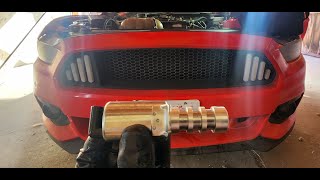
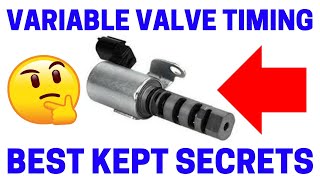
Typical fix: Replace the intake VCT solenoid. 🎬 Watch this step-by-step walkthrough for replacing the 2.3L VCT solenoid. While it can sometimes be cleaned, replacement is the most reliable repair, as internal sticking can occur even if the screens are clean.
Est. part cost: $40-$80 - Stretched Timing Chain or Failed Tensioner ⚪ Low Probability While designed to last the life of the engine, timing chains can stretch over time, especially with poor maintenance or chronic low oil pressure. Startup rattles are a known symptom on some EcoBoost engines, indicating slack in the chain before the tensioner is fully pressurized.
How to confirm: Listen for a distinct rattling noise from the front of the engine, especially during a cold start, that lasts for a few seconds. Confirming requires significant disassembly to check timing marks and tensioner position, which is a job for an experienced mechanic.
Typical fix: Replace the timing chain, guides, and tensioner. This is a labor-intensive job often costing over $1000.
Est. part cost: $300-$600
Rare But Worth Checking
- Failed Camshaft Phaser: The phaser is the gear on the end of the camshaft that actually adjusts the timing. It can fail internally or get stuck due to oil contamination, but this is less common than a solenoid failure. Often, a noisy phaser is a symptom of oil pressure issues rather than the root cause.
- Faulty Camshaft Position Sensor: It's more likely the sensor is correctly reporting a problem than that the sensor itself has failed. A sensor failure would typically generate a specific sensor circuit code like P0340, not a correlation code like P0012.
- Clogged Oil Passages: Severe engine sludge can block the small oil passages leading to the VCT solenoids or cam phasers. This usually happens in cases of extreme maintenance neglect and may require significant engine cleaning or disassembly.
Diagnosis Steps
- Check Engine Oil: Verify the oil level is correct and the oil is clean. Note any fuel smell. If low, dirty, or past its service interval, perform an oil and filter change with Ford-specified 5W-30 oil and a new filter. Clear the code and drive to see if it returns.
- Scan for Other Codes: Check for any other pending or active DTCs that could point to a related issue (e.g., P0011, P0015, P0340).
- Inspect VCT Solenoid: The intake and exhaust VCT solenoids are located under the valve cover. Inspect the wiring and connectors for damage or oil contamination. Disconnect the intake solenoid and check for resistance with a multimeter (should be around 6.9-7.9 ohms at 68°F/20°C).
- Test VCT Solenoid: If possible, use a high-end scan tool like FORScan or Ford IDS to run the VCT solenoid cycle test (Pinpoint Test HK11 or HK12). This command cycles the solenoid multiple times and can dislodge minor debris. Alternatively, you can remove the solenoid and apply 12V to see if the internal plunger actuates. Listen for a solid click.
- Replace VCT Solenoid: If the solenoid fails tests, is visibly sludged, or is highly suspect, replace it. This is the most common parts-based fix. Since the valve cover must be removed, some owners choose to replace both intake and exhaust solenoids at the same time.
- Inspect Timing System: If the code persists, the issue is likely mechanical. Listen for a startup rattle. This step requires checking the timing chain for slack, inspecting the tensioner, and verifying the cam phasers are not damaged. This is an advanced diagnostic step best left to a professional.
- Check Camshaft Position Sensor: As a final check, inspect the camshaft position sensor and its wiring. Test its signal with an oscilloscope if available; it should show a consistent square wave pattern.
Parts You'll Likely Need
- Intake Variable Camshaft Timing (VCT) Solenoid
(OEM #CJ5Z-6M280-A)— This solenoid controls oil flow to the cam phaser and is the most common component to fail or become clogged, leading to the P0012 code.
Trusted brands: Motorcraft, Dorman (917-196), Bosch
OEM price range: $40-$80
Aftermarket price range: $25-$60 - Engine Oil and Filter
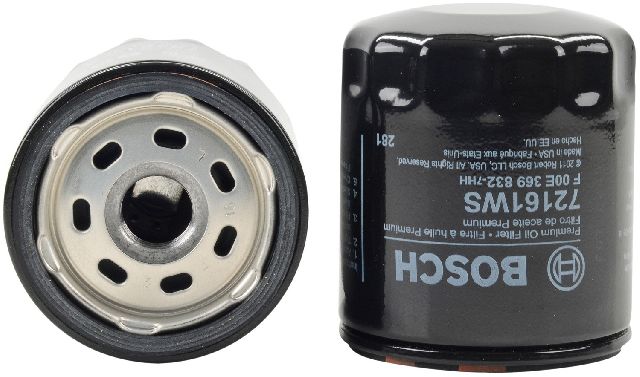
(OEM #Motorcraft 5W-30 Synthetic Blend, Motorcraft FL-910S Filter)— Incorrect or degraded oil is a primary cause of VCT system faults. An oil change is the first and most important step in diagnosis and repair.
Trusted brands: Motorcraft, Pennzoil, Mobil 1
OEM price range: $40-$80
Aftermarket price range: $30-$60
Related Codes That Often Appear With This One
- P0011 — 'A' Camshaft Position Timing - Over-Advanced. This code points to the same system but an opposite condition. Seeing both could indicate an erratic solenoid or oil flow problem.
- P0015 — 'B' Camshaft Position Timing - Over-Retarded (Bank 1). This points to the exhaust camshaft, suggesting a systemic issue like low oil pressure or dirty oil affecting both VCT solenoids.
- P0340 — Camshaft Position Sensor 'A' Circuit. A problem with the sensor's circuit could prevent the PCM from accurately reading the cam position, potentially leading to a timing code.
- P0300/P0301-P0304 — Random or specific cylinder misfire codes. Incorrect cam timing disrupts the combustion process, which can lead to misfires.
Technical Service Bulletins (TSBs) & Recalls
- SSM 54366: Notes that various 2015-2021 Ford vehicles may exhibit DTCs including P0012 and points to pinpoint tests in the service manual.
- SSM 49821: Similar to SSM 54366, lists P0012 as a potential code for many Ford vehicles and directs technicians to standard diagnostic procedures.
- SSM 50736: Specifically pertains to 2019-2021 Rangers with the 2.3L EcoBoost concerning fuel dilution in the engine oil, which can affect oil viscosity and VCT performance. It states the condition may be normal under certain operating conditions like frequent short trips.
Platform-Specific Known Issues
- TSB SSM 50736 addresses increased engine oil levels and fuel smell in the oil on 2019-2021 Rangers, which can degrade oil quality and directly contribute to VCT system problems like P0012. The bulletin advises that this can be normal with certain driving habits (short trips, long idles) and to follow the oil life monitor.
- TSB SSM 54366 is a general bulletin for many 2015-2021 Ford vehicles, including the Ranger, that lists P0012 as a potential code and directs technicians to Pinpoint Test HK in the service manual.
Mechanic-Grade Diagnostic Values
- VCT Solenoid Resistance — expected: 6.9 to 7.9 Ohms at 68°F (20°C).. Failure: A reading of 0 ohms (short circuit) or infinite/OL (open circuit) indicates a failed solenoid. A more general acceptable range is sometimes cited as 6-12 Ohms.
- Camshaft Position Sensor (CMP) Signal — expected: A consistent square wave pattern when viewed on an oscilloscope.. Failure: An irregular, inconsistent, or missing waveform suggests a faulty sensor or wiring issue.
Hidden / Shadow Codes Worth Checking
- Mode $06 Data: While not a 'shadow code,' Mode $06 on an advanced scanner can show test results for non-continuous monitors, including VVT system parameters. A failed test result here can point towards a marginal component before a DTC is set. (see via Advanced OBD-II scanner with Mode $06 capability.)
- Ford-specific PIDs: Monitoring specific Parameter IDs (PIDs) with a tool like FORScan or Ford IDS provides dealer-level insight. Key PIDs for P0012 include VCT_ADV_ERR (cam angle error), VCT_INT_CMD1 (commanded intake cam angle), and VCT_INT_ACT1 (actual intake cam angle). Watching for a large discrepancy between the commanded and actual angles confirms the fault in real-time. (see via FORScan software with a compatible OBD-II adapter or a Ford IDS scan tool.)
Scan Tool Commands That Help
- Ford IDS / FORScan: VCT Solenoid On/Off Control (Pinpoint Test HK11 or HK12) — This is a critical bidirectional test to run after checking engine oil. It commands the PCM to cycle the VCT solenoid on and off (typically 10 times) to check for an audible click and to potentially dislodge small debris causing the solenoid to stick. Ford TSBs often recommend this step before replacing the solenoid.
Wiring & Ground Locations
- Camshaft Position Sensor (CMP) Tachometer Signal Wire — The wire is Brown/Blue (BN-BU) at the 3-pin CMP sensor plug, located on the driver's side rear of the engine.. While P0012 is a correlation code, not a sensor circuit code, damage to this wire could contribute to erratic signals to the PCM, complicating diagnosis. Knowing the wire color is essential for any circuit testing.
- Main Engine Bay Ground — A primary ground point is the large bolt that grounds the main battery negative cable to the chassis, located just behind the driver's side (left) headlight.. A poor main ground can cause a host of unpredictable electrical issues and phantom codes. Ensuring this connection is clean and tight is a fundamental step in any electrical diagnosis.
- Engine to Firewall Ground — A ground strap connects the engine block to the vehicle's firewall, providing the ground path for all electronics in the cab.. This ground is critical for the PCM and other in-cab modules. A loose or corroded connection here can cause PCM malfunctions that could potentially manifest as engine control codes like P0012.
OEM Part Supersession History
CJ5Z-6M280-A→CJ5E-6B297-AA (Alternate)— CJ5E-6B297-AA is listed as an interchangeable OEM number in some parts catalogs for the same application. CJ5Z-6M280-A remains the most commonly cited part number.
Model Year Variations Within This Range
- 2019-2021: No significant variations to the 2.3L EcoBoost engine's core components or Ti-VCT system have been documented for the 2019-2021 North American Ford Ranger that would alter the diagnosis or common causes of a P0012 code.
Helpful Videos
Used OEM Parts in Stock

New Aftermarket Parts Available


The information in this article is provided for general reference and educational purposes only. Vehicle specifications, procedures, and part compatibility can vary by production date, trim level, and region. Always consult your vehicle's factory service manual and verify part numbers before purchasing or performing repairs. Safety-critical components such as airbags, seat belts, and braking systems should be installed by a qualified professional.
- Ford RANGER:
- 🎬 Helpful Videos
- 🛍️ Shop This Part
- What's Unique About the 2019-2021 Ford RANGER
- Diagnostic Flowchart
- Symptoms You May Notice
- Most Likely Causes
- Rare But Worth Checking
- Diagnosis Steps
- Parts You'll Likely Need
- Related Codes That Often Appear With This One
- Technical Service Bulletins (TSBs) & Recalls
- Platform-Specific Known Issues
- Mechanic-Grade Diagnostic Values
- Hidden / Shadow Codes Worth Checking
- Scan Tool Commands That Help
- Wiring & Ground Locations
- OEM Part Supersession History
- Model Year Variations Within This Range
- 🎟️ Get 5% Off