

P0012 on 2009-2017 Chevrolet Traverse 3.6L: Over-Retarded Timing Causes and Fixes
On the 3.6L Traverse, P0012 is most often caused by low/dirty engine oil or a failed intake camshaft actuator solenoid. Always check the oil first. If that's not the issue, a bad solenoid is the next likely culprit. However, be aware that stretched timing chains are a notorious problem on this engine and can also cause this code, often accompanied by other codes like P0008.
- Always check your oil level and condition first; low or dirty oil is the most common cause of P0012.
- The second most likely cause is a faulty Bank 1 intake camshaft actuator solenoid, which is relatively easy and inexpensive to replace.
- Be aware that this code can be an early warning sign of stretched timing chains, a known, expensive problem with the 3.6L LLT engine.
- If codes P0008, P0017, or P0009 are also present, the likelihood of a stretched timing chain is extremely high.
- Do not replace the camshaft position sensor unless it has been specifically tested and proven faulty; it is rarely the cause.
What's Unique About the 2009-2017 Chevrolet Traverse
The first-generation Traverse with the 3.6L LLT V6 (primarily 2009-2012 models) is infamous for premature timing chain stretching. This issue was so widespread that GM issued a special coverage program, 11340C, to extend the warranty for this specific failure. The root cause was often linked to an overly optimistic oil life monitor (OLM) calibration that led to oil degradation, as direct injection engines contaminate oil more quickly. While P0012 can be a simple solenoid or oil issue on many cars, on this specific platform, it must be taken seriously as a potential early indicator of a stretched timing chain, a major and expensive repair.
Symptoms You May Notice
- Check Engine Light is on
- Rough idle or stalling at low speeds
- Poor acceleration and reduced engine power
- Decreased fuel economy
- Engine rattling noise, especially on cold starts 🎬 See how to fix that 3.6L VVT clattering noise. (indicates timing chain issue)
- Hard starting
- Replacing the camshaft position sensor. The sensor is usually just doing its job of reporting the timing error. The problem is almost always mechanical or hydraulic (oil/solenoid).
- Replacing only one solenoid when both on the same bank are likely of the same age and condition.
Most Likely Causes
- Low or Dirty Engine Oil 🔴 High Probability The variable valve timing (VVT) system is hydraulic and extremely sensitive to oil pressure and cleanliness. The original Oil Life Monitor (OLM) calibration often allowed for excessively long change intervals (originally up to 7,500 miles), leading to oil breakdown and sludge, which is particularly problematic for direct-injection engines like the LLT.
How to confirm: Check the oil dipstick for level and examine the oil's color and consistency. If it's low, black, or sludgy, it needs to be changed. This is the first diagnostic step for any VVT-related code.
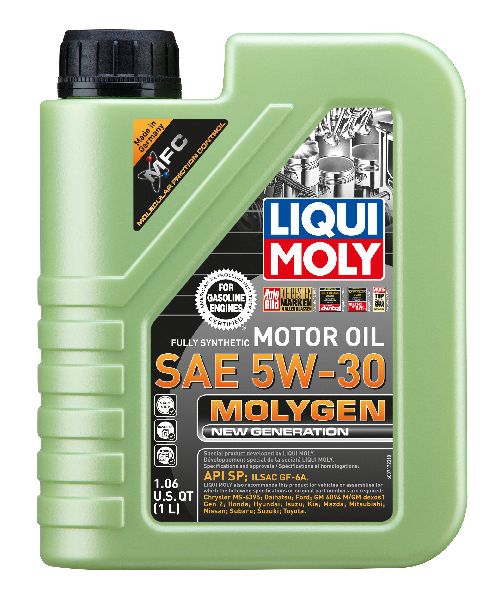
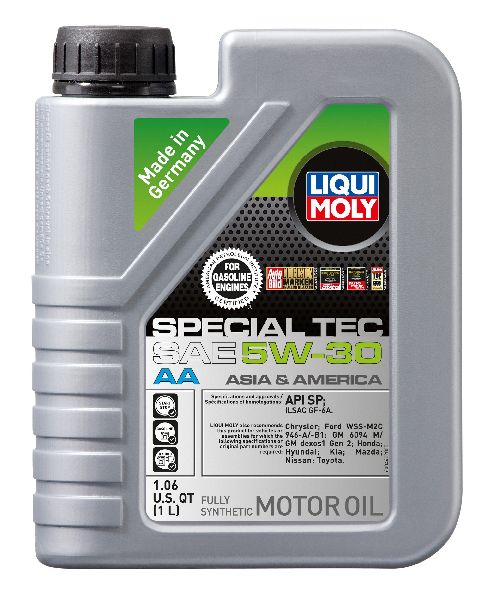
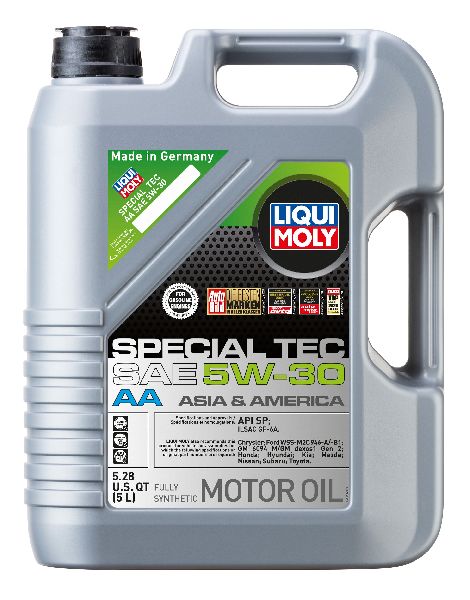
Typical fix: Perform an oil and filter change using a high-quality, full-synthetic oil that meets GM's Dexos1 specification. Many owners recommend shorter intervals of 3,000-5,000 miles.
Est. part cost: $40-$80 - Failed Intake Camshaft Position Actuator Solenoid (Bank 1) 🔴 High Probability These solenoids get clogged with debris from dirty oil or can fail electrically over time, causing them to stick and improperly regulate oil flow to the phaser.
How to confirm: Swap the Bank 1 intake solenoid with the Bank 2 intake solenoid (located on the front/radiator side bank). Clear the codes and drive the vehicle. If the code changes to P0022 (Bank 2 Over-Retarded), the solenoid is confirmed bad. You can also test the solenoid's resistance (should be 7-12 ohms) or apply 12V to see if it actuates.
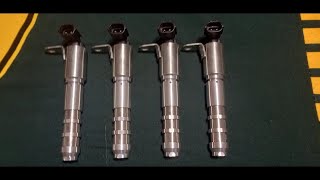
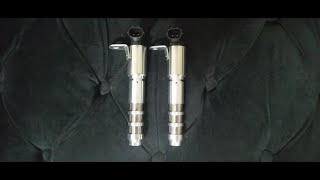
Typical fix: Replace the faulty solenoid. 🎬 Watch: Step-by-step guide to replacing your VVT solenoid. It's often recommended to replace both intake and exhaust solenoids on the affected bank at the same time.
Est. part cost: $40-$70 per solenoid - Stretched Timing Chains 🟡 Medium Probability This is a well-documented, widespread issue on the 3.6L LLT engine, particularly from 2009-2012. The original chains were prone to premature wear and stretching, exacerbated by long oil change intervals.
How to confirm: This is a difficult diagnosis. It is strongly suspected when other codes like P0008, P0017, or P0009 are also present. A mechanic can use a scan tool to check camshaft deviation angles against the crankshaft. A physical inspection is the ultimate confirmation but requires significant labor as the engine often needs to be lowered or removed.
Typical fix: Replace all three timing chains, all tensioners, and all guides. This is a major, labor-intensive repair often costing thousands of dollars.
Est. part cost: $250-$600 for a complete kit
Rare But Worth Checking
- Failed Camshaft Position Sensor: While possible, this is much less common than a solenoid failure. The sensor reports the problem; it's rarely the cause of the problem itself. A faulty sensor would likely present with other codes as well.
- Worn Camshaft Phaser (Actuator): The phaser is the gear at the end of the camshaft that the solenoid controls. It can fail mechanically by getting stuck or clogged with debris, but this is usually secondary to a timing chain or oil pressure problem.
- Clogged Oil Passages: Sludge from infrequent oil changes can block the small oil passages that feed the VVT solenoids and cam phasers, leading to oil starvation for the VVT system.
Diagnosis Steps
- Check Engine Oil Level and Condition: This is the first and most critical step. If the oil is low, dirty, or the wrong viscosity, correct this before proceeding. 🎬 Watch: Two simple DIY methods to fix the P0012 code. An oil change can fix many of these codes.
- Scan for Other Codes: Use an OBD-II scanner to see if other codes are present. Codes like P0008 or P0017 strongly point towards a timing chain issue.
- Inspect Solenoid Wiring: Check the electrical connector and wiring to the Bank 1 intake solenoid for any damage, corrosion, or loose connections.
- Swap the Solenoids: The easiest way to test the solenoid is to swap the Bank 1 intake solenoid (firewall side) with the Bank 2 intake solenoid (radiator side). They are identical. Clear the codes and drive. If the fault moves to Bank 2 (triggering P0022), you have a bad solenoid.
- Test the Solenoid: If you don't want to swap them, remove the suspect solenoid and inspect its screens for debris. You can also apply 12V from the battery to see if the internal plunger clicks, or measure its resistance with a multimeter (should be 7-12 ohms).
- Check Oil Pressure: If possible, verify that oil pressure meets GM's minimum specification (at least 20 PSI for the VVT system). Low pressure can cause timing issues.
- Suspect Timing Chain: If the oil is good, the solenoid tests fine (or swapping it didn't change anything), and no other simple cause is found, the probability of a stretched timing chain increases dramatically. This diagnosis is best confirmed by a professional with advanced diagnostic tools to check cam/crank correlation data.
Parts You'll Likely Need
- Intake Camshaft Position Actuator Solenoid
(OEM #12655420 (superseded by 12679099))— This part frequently gets clogged with oil debris or fails electrically, causing it to stick and not properly control oil flow to the cam phaser.
Trusted brands: ACDelco, Delphi
OEM price range: $40-$60
Aftermarket price range: $25-$45 - Timing Chain Kit
(OEM #12651450 (For 2009 LLT))— Required if the diagnosis confirms stretched timing chains, a known major issue on the 3.6L LLT engine. The kit should include all chains, tensioners, and guides.
Trusted brands: ACDelco, Cloyes, Melling
OEM price range: $400-$600
Aftermarket price range: $250-$450 - Engine Oil and Filter — Low or dirty oil is a primary cause of this code. A fresh oil change with the correct Dexos-rated oil is the first step in diagnosis and repair.
Trusted brands: ACDelco, Mobil 1, Pennzoil
OEM price range: $50-$80
Aftermarket price range: $40-$60
Related Codes That Often Appear With This One
- P0011 — 'A' Camshaft Position - Timing Over-Advanced (Bank 1). Seeing both over-retarded and over-advanced codes can point to an erratic solenoid or severe oil flow issues.
- P0008 — Engine Positions System Performance Bank 1. This is a general timing correlation code. When seen with P0012, it strongly suggests a base timing issue, like a stretched timing chain.
- P0017 — Crankshaft Position - Camshaft Position Correlation (Bank 1 Exhaust). This indicates a timing issue on the exhaust cam of the same bank, pointing towards a problem affecting the entire bank, likely a stretched chain.
- P0022 — 'A' Camshaft Position - Timing Over-Retarded (Bank 2). This code indicates the same problem but on the opposite cylinder bank. It is most commonly seen after swapping solenoids for diagnostic purposes.
Technical Service Bulletins (TSBs) & Recalls
- 11340C: Special Coverage Adjustment for Timing Chain Wear. This bulletin acknowledges the premature timing chain wear issue on 2009 Traverse models (and other GM vehicles with the 3.6L engine) and extended the warranty coverage to 10 years or 120,000 miles. It also included instructions for dealers to reprogram the ECM to shorten the oil change interval calculation, even if the chains did not require replacement at that time.
Platform-Specific Known Issues
- Premature Timing Chain Stretch: The 3.6L LLT V6 is widely known for this issue. GM issued Special Coverage Adjustment #11340C which extended the warranty on this component to 10 years or 120,000 miles for some model years. This coverage is now expired for most vehicles, but its existence confirms the prevalence of the problem.
Mechanic-Grade Diagnostic Values
- Camshaft Position Actuator Solenoid Resistance — expected: 7-12 Ohms. Failure: A reading of 0 Ohms (short), infinite/OL (open), or significantly outside the expected range indicates a failed solenoid coil.
- Scan Tool: Desired vs. Actual Camshaft Position Angle Variance — expected: Less than 5 degrees at idle.. Failure: A consistent variance greater than 5-6 degrees that persists for more than a few seconds will trigger a timing fault code and strongly suggests a stretched timing chain.
- Camshaft Position Sensor 5V Reference Circuit — expected: 4.8-5.2 Volts (Key On, Engine Off). Failure: Voltage outside this range suggests a problem with the wiring or the Engine Control Module (ECM), not the sensor itself.
- VVT Solenoid Connector Voltage — expected: ~12V (Battery Voltage) on the power supply pin with ignition on.. Failure: Low or no voltage points to a problem in the wiring harness or fuse, not the solenoid.
Scan Tool Commands That Help
- GDS2 / Tech2: Camshaft Position Actuator Solenoid Control/Test — This bidirectional control allows a technician to command the VVT solenoid on and off while the engine is running. A noticeable change in engine idle (a stumble or roughness) confirms the solenoid is mechanically functioning and oil passages are likely clear. No change in engine behavior points to a failed solenoid, clogged oil passage, or a stuck phaser.
- GDS2 / Tech2: Crankshaft Position Variation Relearn — This is NOT a fix for P0012. It is a common point of confusion. This procedure should only be performed after replacing a crankshaft position sensor or the crankshaft itself to calibrate the new sensor. Running it will not fix a stretched timing chain.
Wiring & Ground Locations
- G103 — Primary engine ground bolted to the front of the passenger side (Bank 1) cylinder head.. Bank 1 is the firewall side on the Traverse. A loose or corroded ground at G103 can cause an unstable voltage reference for the ECM and its sensors, including the Bank 1 camshaft position sensor and actuator, potentially leading to false timing codes.
- G110 — Located on the right rear of the engine, often mounted to the back of the cylinder head on a bracket above the power steering pump pressure hose.. This is another critical engine-to-chassis ground. A poor connection here can cause a wide range of erratic electrical issues and incorrect sensor readings for the entire engine management system.
- Bank 1 Intake CMP Actuator Solenoid Connector — The 2-pin electrical connector on the VVT solenoid located on the firewall-side (Bank 1) valve cover, for the intake camshaft.. This is the direct connection point for testing voltage and resistance of the solenoid and its control circuit from the ECM.
Real Owner Repair Stories
- Acadia Forum user 'rbarrios' (2010 GMC Acadia (platform twin) 3.6L with 113,000 miles) — Check Engine Light with codes P0011 and P0012.
❌ Tried (didn't work) Initial diagnosis suggested timing chains, but owner wanted to try simpler fixes first.
✅ What actually fixed it The owner replaced both the intake and exhaust camshaft actuator solenoids on Bank 1 (the firewall side). After replacement and clearing the codes, the check engine light did not return. This is a common success story, confirming that solenoids are a frequent culprit before condemning the timing chains. - NHTSA ODI #11615506 (Chevrolet Equinox with similar engine architecture) — An owner reported a yellow warning light with codes P0017 and P0012. A mechanic inspected the vehicle and performed a repair that involved replacing the timing chain kit and the oil pump.
"I Checked Everything" — The Actual Cause
- A common scenario for P0012 is when the VVT solenoid passes a resistance test (e.g., shows 9 ohms, which is within spec) but is actually mechanically stuck or clogged with sludge. The electrical coil is fine, but the internal plunger cannot move freely. This is why a bidirectional scan tool test that commands the solenoid to actuate is a more definitive test than a multimeter alone.
When the Usual Fixes Don't Work
- While a solenoid swap is a primary diagnostic step, there are many forum reports of owners swapping the Bank 1 and Bank 2 solenoids with no change in the code (P0012 remains), and an oil change has no effect. In the vast majority of these documented cases on the 3.6L LLT, the ultimate and final repair was the replacement of the stretched timing chains and all related components. This reinforces that while simple fixes should be tried first, a persistent P0012 on this engine, especially when paired with P0008, almost certainly points to the chains.
OEM Part Supersession History
12655420→12679099— Updated design for improved reliability and performance of the VVT actuator solenoid.12651450 (for 2009 LLT)→12700436— Updated timing chain kit with improved chain and guide design to address premature stretching.
Heads up: Always verify the correct kit part number for the specific model year, as there were several revisions.
Model Year Variations Within This Range
- 2009-2012 (LLT) vs. 2013-2017 (LFX): The LFX engine introduced in 2013 featured several key updates, including a composite intake manifold, integrated exhaust manifolds, and most importantly for this code, a redesigned timing chain system to improve longevity. The 2012 model year was a transition and may still have the older, more problematic chain design.
- 2009-2012 (LLT): The design of the camshaft phasers (actuators) changed during the LLT's production run. The number of bolts holding the assembly together (4 vs. 5) can identify the version. This is critical during replacement, as they may use different thrust washers.
Diagnostic Flowchart
Other Known Issues on This Vehicle
Issues unrelated to this code that are worth knowing about as an owner of this generation:
- Power Steering Pump/Gear Failure 🔴 High — Very common, typically between 50,000-100,000 miles. Can cause intermittent or total loss of power steering assist at low speeds. (Ref: Special Coverage Adjustment #14329 extended warranty to 10 years/150,000 miles for pump and gear housing replacement.)
- Water Pump Failure 🟠 Medium — Common failure item, often leading to coolant leaks from the weep hole or shaft seal. (Ref: Special Coverage Adjustment #13091 extended warranty to 10 years/120,000 miles.)
- 6T70/6T75 Transmission 3-5-R Wave Plate Failure 🔴 High — A widespread issue in 2009 models causing sudden loss of 3rd, 5th, and Reverse gears, often requiring a full transmission rebuild. (Ref: Special Coverage Adjustment #14404B extended warranty to 10 years/120,000 miles for this specific failure.)
- Intake Valve Carbon Buildup 🟠 Medium — Inevitable on all direct-injection (DI) engines like the LLT. Becomes noticeable after 80,000-100,000 miles, causing rough idle, hesitation, and loss of power.
- Stretched Timing Chains 🔴 High — Extremely common on 2009-2012 LLT engines, often appearing before 100,000 miles. Less frequent on 2013+ LFX engines. (Ref: Special Coverage Adjustment #11340C.)
Used vs. New Parts: Buying Guide for This Vehicle
When a used part is the smart pick: For this repair, using used parts is generally not recommended due to the high labor cost and common failure rates of the components. A VVT solenoid from a very low-mileage, verified-running donor vehicle could be considered a temporary or diagnostic part, but its remaining lifespan is a gamble.
Donor-vehicle mileage cap: roughly under 50000 miles for the part to have meaningful remaining life.
What to inspect on the donor part:
- For a VVT solenoid, inspect the screens for any metal shavings or sludge; if it's not perfectly clean, do not buy it.
- Verify the donor vehicle had no timing-related trouble codes.
- Check for evidence of regular oil changes (e.g., service records, clean oil cap area).
OEM-only on this vehicle (don't cheap out):
- Timing Chains
- Timing Chain Tensioners
- Timing Chain Guides
- Camshaft Phasers (Actuators)
Aftermarket brands forum-validated for this vehicle:
- Cloyes (for complete timing chain kits, often cited as a high-quality alternative to OEM)
- Melling (for timing components and oil pumps)
- Delphi (for VVT solenoids and sensors)
Brands owners have reported issues with on this vehicle:
- Unnamed, no-brand 'complete' timing kits from online marketplaces. The risk of premature failure of a cheap chain or tensioner is extremely high and can lead to catastrophic engine damage, making the high labor cost of the job a total loss.
Real Owner Stories
Aggregated from forums and TSBs cited above. Mileages and costs reflect what owners reported in those sources.
2009 Chevrolet Traverse 3.6L LLT V6 — ~100000 miles
Symptoms: Check engine light with codes P0012 and P0008, engine rattling noise on cold starts, and poor acceleration.
What fixed it: Replacement of all three timing chains, tensioners, and guides.
Source hint: traverseforum.com
2009 GMC Acadia 3.6L LLT V6 — ~120000 miles
Symptoms: Rough idle, stalling at low speeds, and decreased fuel economy.
What fixed it: The owner followed the diagnostic path of an oil change followed by a solenoid swap which confirmed a bad actuator solenoid.
Source hint: acadiaforum.net
Related OBD-II Codes
Frequently Asked Questions
Is there a special warranty for the timing chain issues on my 2009 Chevrolet Traverse?
My 2009 Traverse is throwing P0012; could this be related to the transmission issues I've heard about?
What oil should I use in my 3.6L LLT engine to prevent VVT codes like P0012?
Can I test the Bank 1 intake solenoid myself before buying a new one?
Does the 3.6L engine in the Buick Enclave or GMC Acadia have this same P0012 problem?
Why did GM reprogram the Oil Life Monitor (OLM) on these engines?
Helpful Videos

![How to Fix P0012 Engine Code in 4 Minutes [2 DIY Methods / Only $6.86]](https://img.youtube.com/vi/Pu-PR3uhV5Q/mqdefault.jpg)
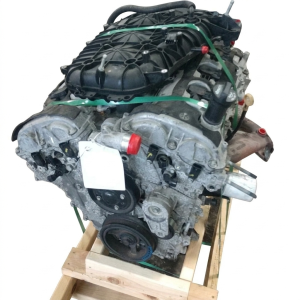
Used OEM Parts in Stock
New Aftermarket Parts Available



The information in this article is provided for general reference and educational purposes only. Vehicle specifications, procedures, and part compatibility can vary by production date, trim level, and region. Always consult your vehicle's factory service manual and verify part numbers before purchasing or performing repairs. Safety-critical components such as airbags, seat belts, and braking systems should be installed by a qualified professional.
- Chevrolet Traverse:
- 🎬 Helpful Videos
- 🛍️ Shop This Part
- What's Unique About the 2009-2017 Chevrolet Traverse
- Symptoms You May Notice
- Most Likely Causes
- Rare But Worth Checking
- Diagnosis Steps
- Parts You'll Likely Need
- Related Codes That Often Appear With This One
- Technical Service Bulletins (TSBs) & Recalls
- Platform-Specific Known Issues
- Mechanic-Grade Diagnostic Values
- Scan Tool Commands That Help
- Wiring & Ground Locations
- Real Owner Repair Stories
- "I Checked Everything" — The Actual Cause
- When the Usual Fixes Don't Work
- OEM Part Supersession History
- Model Year Variations Within This Range
- Diagnostic Flowchart
- Other Known Issues on This Vehicle
- Used vs. New Parts: Buying Guide for This Vehicle
- Real Owner Stories
- 2009 Chevrolet Traverse 3.6L LLT V6 — ~100000 miles
- 2009 GMC Acadia 3.6L LLT V6 — ~120000 miles
- Related OBD-II Codes
- Frequently Asked Questions
- 🎟️ Get 5% Off