

P0011 on 2012-2016 GMC Yukon Denali XL: Causes for Over-Advanced Camshaft Timing
On a 2012-2016 GMC Yukon Denali XL, code P0011 is most often caused by low or dirty engine oil, or a faulty Bank 1 Camshaft Position Actuator Solenoid. An oil and filter change is the first step. If that doesn't work, replacing the solenoid is a common fix, with an ACDelco part costing $40-$90. On higher mileage engines, low oil pressure from a bad oil pickup tube O-ring is also a known culprit.
- Always check your engine oil level and condition first; this is the most common and cheapest fix.
- The most likely failed component is the Bank 1 (driver's side) Camshaft Position Actuator Solenoid. Replacing it is a common and effective repair.
- Swapping the intake solenoids between the driver's and passenger's side is a no-cost way to confirm if the solenoid is the problem.
- If the code persists after an oil change and solenoid replacement, the issue may be low oil pressure, potentially from a hardened oil pickup tube O-ring, which is a more involved repair.
What's Unique About the 2012-2016 Gmc YUKON DENALI XL
The 2012-2016 Yukon Denali XL spans two vehicle generations with different 6.2L V8 engines, but the core cause of P0011 remains consistent. These large V8 engines are highly dependent on oil pressure and volume to operate the VVT system. GM has issued Technical Service Bulletins (TSBs) that specifically point to the Camshaft Position Actuator Solenoid sticking or binding as a primary cause of this code, sometimes leading to a no-start condition. Furthermore, on higher mileage examples, a hardened oil pump pickup tube O-ring is a well-documented issue that leads to oil pressure loss, starving the VVT system and triggering this code. A user on TahoeYukonForum.com confirmed that replacing this O-ring on their Denali solved a persistent P0011 code.
Diagnostic Flowchart
Tap your situation to follow the diagnostic path that matches what you're seeing on this vehicle.
Generation note: The 2012-2014 models are part of the third generation (GMT900) and are typically equipped with the 6.2L L94 V8. The 2015-2016 models are the fourth generation (K2XX) and use the updated 6.2L EcoTec3 L86 V8, which features direct injection. While the engines differ, the common causes for P0011, particularly oil-related issues and VVT solenoid failure, are shared between them. A key difference is that Bank 1 is the driver's side on the L94, but the passenger's side on the L86.
Symptoms You May Notice
- Check Engine Light is on
- Service Stabilitrak / Traction Control warning light may appear.
- Rough or unstable idle
- Engine stalling, especially at low speeds or after highway driving
- Difficulty starting the engine or a crank-no-start condition
- Reduced engine power and acceleration
- Decreased fuel economy
- Engine rattling noise, especially on startup
- Engine surging during light acceleration.
- Replacing the Camshaft Position Sensor. This sensor reads the camshaft's position, but it doesn't control it. A faulty sensor typically throws codes like P0340 or P0341, not P0011, which points to a mechanical or oil flow issue. However, some owners replace both the sensor and solenoid at the same time as preventative maintenance.
Most Likely Causes
- Low, Dirty, or Incorrect Viscosity Engine Oil 🔴 High Probability The VVT system is hydraulic and highly sensitive to oil pressure and cleanliness. Sludge or low levels can restrict flow and cause the camshaft phaser to respond slowly or get stuck. Some owners report success using an engine flush product before an oil change to clear out sludge.
How to confirm: Check the engine oil dipstick for proper level and inspect the oil's condition. If it is dark, gritty, or past its service interval, it needs to be changed. This is always the first diagnostic step. 🎬 Watch this before replacing parts to save time and money.
Typical fix: Perform an oil and filter change using the manufacturer-specified full synthetic oil (e.g., 5W-30 for L94, 0W-20 for L86) and a quality filter.
Est. part cost: $50-$100 - Faulty Camshaft Position Actuator Solenoid (VVT Solenoid) 🔴 High Probability GM TSB #PIP5130K specifically mentions this solenoid can stick or bind, causing the P0011 code. It's a very common failure point due to clogging from oil debris or electrical failure. The part has been updated by GM several times.
How to confirm: Use a scan tool to command the solenoid on and off. A more practical method is to swap the Bank 1 (intake) and Bank 2 (intake) solenoids. Clear the codes and drive the vehicle. If the code changes to P0021, the solenoid is faulty. Resistance should measure between 8-12 Ohms.
Typical fix: Replace the Bank 1 intake VVT solenoid. 🎬 Watch: This easy fix walkthrough for the VVT solenoid. It is highly recommended to change the engine oil at the same time. The solenoid is located on the front of the cylinder head.
Est. part cost: $40-$90 - Failing Oil Pickup Tube O-Ring 🟡 Medium Probability On high-mileage GM V8s, the small rubber O-ring on the oil pump pickup tube can become hard, brittle, and flat. This allows the oil pump to suck in air, causing aeration and a drop in oil pressure that starves the VVT system.
How to confirm: A key symptom is low oil pressure on the gauge at hot idle (e.g., below 20 PSI). A mechanic can confirm with a mechanical oil pressure test. Bubbles on the oil dipstick can also be an indicator. A user on TahoeYukonForum.com confirmed this was the fix for their P0011 code.
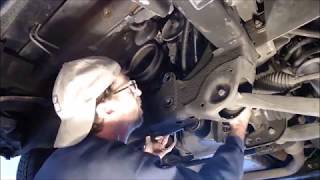
Typical fix: Replace the oil pickup tube O-ring (OEM Part #12584922 for L94). This is labor-intensive as it requires removing the oil pan. 🎬 See how to replace the oil pickup tube O-ring.
Est. part cost: $10-$25 for the O-ring, but labor is significant.
Rare But Worth Checking
- Stretched Timing Chain: On engines with over 150,000 miles, the timing chain can stretch, causing a deviation in cam/crank correlation that the VVT system cannot compensate for. This is a major mechanical repair.
- Clogged VVT Solenoid Filter Screen: There is a small, often-overlooked filter screen in the engine block underneath the VVT solenoid. If this screen gets clogged with sludge, it can starve the solenoid for oil, causing P0011 even with a new solenoid. A similar tiny, thimble-sized filter for the oil pressure sensor can also get clogged, causing low pressure readings and related codes.
- Worn Camshaft Bearings: TSB #PIP5258A suggests that if all other diagnostics fail, worn camshaft bearings could be the cause, leading to a localized loss of oil pressure to the VVT actuator. The bulletin specifically points to the #2 cam bearing as the source of the oil feed to the actuator. This is an extensive and very rare issue.
- Damaged Wiring Harness: A short or open in the wiring to the VVT solenoid can cause this code. A visual inspection of the harness and connector for chafing, pinching, or oil contamination is recommended.
Diagnosis Steps
- Check the engine oil level and condition. Top off or change the oil and filter if necessary with the correct viscosity oil (5W-30 for L94, 0W-20 for L86).
- Scan for other DTCs. Codes like P0021 or P0521 can provide valuable diagnostic clues.
- Swap the Bank 1 (e.g., passenger side on L86) and Bank 2 (driver side on L86) intake VVT solenoids. They are often identical parts. Clear the codes and drive the vehicle. If the code returns as P0021, the solenoid you moved is faulty and needs replacement.
- If the code remains P0011 after the swap, remove the Bank 1 solenoid again. Inspect the solenoid and the port for a small filter screen. Check both for sludge or debris. Clean or replace as needed.
- Inspect the wiring harness and connector for the Bank 1 VVT solenoid for any damage, corrosion, or loose pins. Check for chafing near the front of the engine.
- If the issue persists, perform a mechanical oil pressure test to verify oil pressure at hot idle. Per GM specs, pressure should be at least 6 PSI @ 1000 RPM, 18 PSI @ 2000 RPM, and 24 PSI @ 4000 RPM. Hot idle pressure below 20 PSI is a concern. If pressure is low, suspect a failing oil pickup tube O-ring or a worn oil pump.
Parts You'll Likely Need
- Camshaft Position Actuator Solenoid
(OEM #12681018 (for L86) / 12679099 (for L94, supersedes 12655420))— This is the most common part to fail, often sticking or becoming clogged, as noted in manufacturer TSBs.
Trusted brands: ACDelco, Delphi
OEM price range: $50-$90
Aftermarket price range: $30-$60 - Engine Oil and Filter — Low, old, or incorrect viscosity oil is a primary cause of VVT system faults. An oil change is a critical first step in diagnosis and repair.
Trusted brands: ACDelco dexos1, Mobil 1
OEM price range: $50-$100
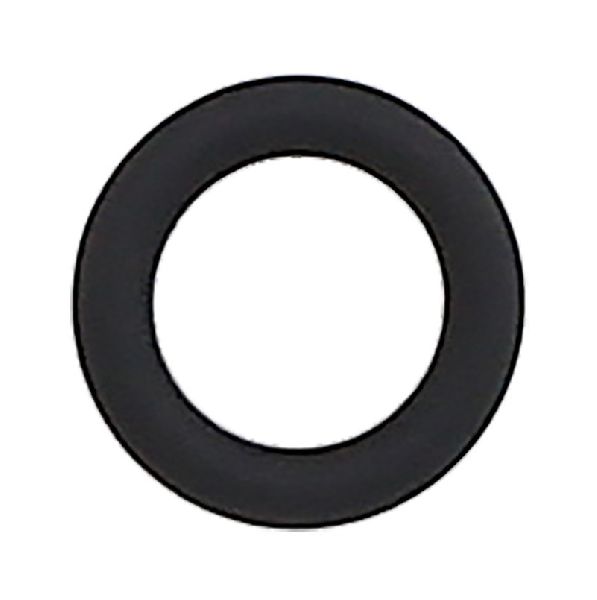
Aftermarket price range: $50-$100 - Oil Pickup Tube O-Ring
(OEM #12584922 (for L94))— A common failure on higher-mileage GM V8s that leads to low oil pressure, which in turn starves the VVT system and triggers P0011.
Related Codes That Often Appear With This One
- P0021 — This is the equivalent code for Bank 2. If both P0011 and P0021 are present, it strongly suggests a systemic problem like low oil pressure or severely degraded oil affecting both banks.
- P0521 — This code indicates a problem with the Engine Oil Pressure Sensor. If seen with P0011, it reinforces the likelihood that the root cause is low oil pressure. A clogged screen under the sensor can trigger both codes.
- P00C6 — Mentioned in TSB #PIP5130K and PIE0295A, this code for 'Fuel Rail Pressure Too Low - Engine Cranking' can appear with P0011 on direct-injection engines (2015+ L86), as incorrect cam timing can affect the high-pressure fuel pump's operation, leading to a crank-no-start condition.
- P0340/P0341 — While P0011 points to the actuator/timing mechanism, codes for the camshaft position sensor circuit itself may appear if there is a wiring issue or if the sensor is failing concurrently. One owner with P0011 and P0340 fixed the issue by replacing the camshaft, VVT solenoid, and sensor.
Technical Service Bulletins (TSBs) & Recalls
- PIP5130K: Addresses intermittent crank-no-start with P0011 or P00C6, pointing to a sticking Camshaft Position Actuator Solenoid Valve.
- PIP5258 / PIP5258A: Recommends checking oil pressure if the root cause for P0011 is not found through normal diagnostics, and points to the #2 camshaft bearing as a potential area of concern for localized oil pressure loss.
- PIE0295A: Engineering information request regarding a crank/no-start condition with P0011 or P00C6 on 2015+ models, noting the camshaft actuator solenoid may be stuck.
Platform-Specific Known Issues
- TSB #PIP5130K notes that a sticking or binding Camshaft Position Actuator Solenoid Valve can cause P0011 and may lead to an intermittent crank-no-start condition.
- TSBs #PIP5258 and #PIP5258A advise that if standard diagnostics do not reveal the cause of P0011, oil pressure should be checked, with the bulletin specifically suggesting inspection of the #2 cam bearing as the oil feed source for the actuator.
- A 'Service Stabilitrak' message frequently accompanies code P0011. This is a default response from the ECU; the stability system is disabled when a critical engine fault is detected. Resolving the P0011 code will clear the Stabilitrak message.
Mechanic-Grade Diagnostic Values
- VVT Solenoid Coil Resistance — expected: 8 to 12 Ohms. Failure: A reading outside this range indicates a faulty solenoid coil.
- Engine Oil Pressure (GM Specification) — expected: Minimum 6 PSI @ 1000 RPM, 18 PSI @ 2000 RPM, 24 PSI @ 4000 RPM (hot). Failure: Pressure below these minimums indicates a lubrication system problem (e.g., worn pump, bad pickup tube O-ring) that will starve the VVT system.
- Engine Oil Pressure (Observed Healthy Hot Idle) — expected: 25-28 PSI or higher. Failure: Hot idle pressure dropping below 20 PSI is a strong indicator of a problem, often linked to the oil pickup tube O-ring.
Scan Tool Commands That Help
- GDS2 / Tech2 (or equivalent professional scan tool): Camshaft Position Actuator Solenoid Valve Command — This bidirectional control allows a technician to command the solenoid ON and OFF to verify its mechanical operation and check for response from the camshaft phaser, helping to isolate a sticking solenoid from a deeper mechanical issue.
Wiring & Ground Locations
- G103 — On the front of the passenger side cylinder head (Bank 1).. This is a primary engine ground location on the same cylinder head where the Bank 1 VVT solenoid and camshaft position sensor are located. A poor connection here could cause erratic sensor readings or solenoid operation.
- G102 — On the driver's side of the engine block (Bank 2), below the exhaust manifold.. While on the opposite bank, this ground is part of the main engine harness. Intermittent ground issues can sometimes manifest in unexpected ways, and checking all major engine grounds is good practice for chasing electrical gremlins.
- G108 — On the back of the driver's side cylinder head.. A technician on a forum noted that poor connections at G103 and G108 have caused the most drivability problems in their diagnostic experience.
Real Owner Repair Stories
- TahoeYukonForum.com user (2007 GMC Yukon Denali 6.2L (GMT900 platform, similar engine architecture)) — Persistent P0011 code, Service Stabilitrak light, and long-term low oil pressure at idle.
❌ Tried (didn't work) Replaced oil pressure switch, Replaced camshaft position sensor
✅ What actually fixed it The problem was finally solved by replacing the oil pickup tube o-ring and the oil pan gasket. After the repair, hot idle oil pressure rose to at least 20 PSI and the P0011 code did not return. - gm-trucks.com forum user (2011 Sierra Denali 6.2L with low oil pressure and P0011 code) — Low oil pressure at hot idle (dropping to 10-15 PSI), Service Traction Control/Stabilitrak lights, and intermittent P0011 code. Random surging/rumbling at idle.
❌ Tried (didn't work) Replaced VVT solenoid (magnet), Replaced VVT actuator, Replaced camshaft position sensor, Replaced 5-pin harness for CPS and solenoid
✅ What actually fixed it The user was preparing to replace the cam phaser or perform a VVT delete, strongly suspecting a mechanical issue beyond the common electrical components due to the persistent low oil pressure symptoms that accompanied the code.
OEM Part Supersession History
12655420→12679099— GM updated the part design to improve reliability and prevent sticking.
Heads up: The new part is a direct replacement for the old one.
Model Year Variations Within This Range
- 2012-2014 (L94) vs 2015-2016 (L86): The primary difference is the engine architecture (Gen IV vs Gen V Direct Injection). This changes the location of Bank 1 from the driver's side (L94) to the passenger's side (L86). Additionally, the specified oil viscosity changes from 5W-30 for the L94 to 0W-20 for the L86, which is critical for proper VVT operation. The 2015+ L86 engines also use a variable displacement oil pump controlled by the ECM, which can cause the oil pressure gauge to fluctuate more noticeably during operation; this is considered normal.
Helpful Videos
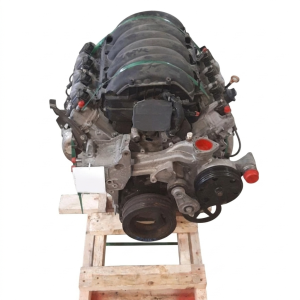
Used OEM Parts in Stock
New Aftermarket Parts Available



The information in this article is provided for general reference and educational purposes only. Vehicle specifications, procedures, and part compatibility can vary by production date, trim level, and region. Always consult your vehicle's factory service manual and verify part numbers before purchasing or performing repairs. Safety-critical components such as airbags, seat belts, and braking systems should be installed by a qualified professional.
- Gmc YUKON DENALI XL:
- 🎬 Helpful Videos
- 🛍️ Shop This Part
- What's Unique About the 2012-2016 Gmc YUKON DENALI XL
- Diagnostic Flowchart
- Symptoms You May Notice
- Most Likely Causes
- Rare But Worth Checking
- Diagnosis Steps
- Parts You'll Likely Need
- Related Codes That Often Appear With This One
- Technical Service Bulletins (TSBs) & Recalls
- Platform-Specific Known Issues
- Mechanic-Grade Diagnostic Values
- Scan Tool Commands That Help
- Wiring & Ground Locations
- Real Owner Repair Stories
- OEM Part Supersession History
- Model Year Variations Within This Range
- 🎟️ Get 5% Off