

P0011 on 2018-2021 Ford EcoSport: Causes, Fixes, and VCT Solenoid Issues
On a 2018-2021 Ford EcoSport, code P0011 almost always points to a sticking intake camshaft VCT solenoid, often caused by dirty, low, or incorrect viscosity engine oil. Replacing the affected solenoid and performing an oil and filter change with the correct Ford-spec oil is the most common and effective fix. This is a well-documented issue confirmed by multiple Ford Technical Service Bulletins.
- P0011 on a 2018-2021 EcoSport is most likely caused by a faulty intake VCT solenoid or dirty engine oil.
- Before replacing any parts, check your engine oil level and condition. An oil change with the correct viscosity oil can sometimes fix the issue.
- Replacing the intake VCT solenoid is a common, affordable, and relatively easy DIY repair that resolves the code in the majority of cases.
- This is a known issue acknowledged by Ford in multiple Technical Service Bulletins (TSBs).
- Do not replace the camshaft position sensor; it is rarely the cause of this specific code.
What's Unique About the 2018-2021 Ford ECOSPORT

The VCT system on this generation of Ford engines is known to be sensitive to oil quality, level, and debris. Ford has issued multiple Technical Service Bulletins (TSBs), including SSM 48423 and SSM 50067, that directly address P0011 and related codes across many 2015-2021 models, including the EcoSport. These bulletins state the cause is often "small debris causing the VCT solenoid to stick," confirming this is a recognized issue by the manufacturer. 🎬 Watch: A breakdown of Ford's official memo on these VCT codes. For the 1.0L EcoBoost specifically, this engine uses a timing belt-in-oil ('wet belt') design which can degrade over time, shedding material that clogs oil passages and the VCT system, making oil maintenance even more critical.
Diagnostic Flowchart
Tap your situation to follow the diagnostic path that matches what you're seeing on this vehicle.
Symptoms You May Notice
- Check Engine Light is on
- Rough or unstable idle
- Poor acceleration or sluggish performance
- Engine stalling, especially at low speeds or when stopping
- Reduced fuel economy
- Hard starting
- Engine rattling noise, particularly on startup or deceleration
- Replacing the camshaft position sensor. The sensor is usually reporting the problem correctly; the issue lies within the mechanical VCT system (solenoid, phaser, or oil pressure). A sensor fault would typically generate a different code (e.g., P0340).
Most Likely Causes

- Sticking or Failed VCT Solenoid 🔴 High Probability Ford TSBs SSM 48423 and SSM 50067 directly cite this as a common issue caused by oil debris. The solenoids have fine mesh screens that can become clogged with sludge or particles, causing the internal pintle to stick and not respond to the ECM's commands.
How to confirm: Use a scan tool to command the solenoid on and off while monitoring cam angle PIDs. A more straightforward method is to swap the intake and exhaust VCT solenoids (they are identical on the 2.0L Ti-VCT). 🎬 Watch: How to remove and install the solenoid on a 2.0L engine. If the code changes to P0014 (exhaust camshaft), the solenoid is faulty. You can also remove the solenoid and bench test it with a 9V or 12V battery to see if the plunger actuates with an audible click.
Typical fix: Replace the Bank 1 intake VCT solenoid. It is also highly recommended to change the engine oil and filter at the same time to remove the debris that caused the failure. Lightly lubricate the new solenoid's O-rings with fresh engine oil before installation.
Est. part cost: $30-$80 - Low or Dirty Engine Oil 🔴 High Probability The Ti-VCT system is entirely dependent on clean oil at the correct pressure to function. Using the wrong oil viscosity (e.g., 5W-30 instead of the specified 5W-20) or extending oil change intervals can lead to sludge and debris that directly cause the VCT solenoids to fail. The 1.0L EcoBoost's wet belt can also degrade from incorrect oil, contaminating the system.
How to confirm: Check the oil level on the dipstick and inspect the oil's condition. If the level is low or the oil appears dark, sludgy, or overdue for a change, this is a likely root cause. This should always be the first check.
Typical fix: Perform an engine oil and filter change using the correct OEM-specified viscosity oil (check your owner's manual). In many cases, this alone can resolve the issue if the solenoid is not permanently stuck. Some owners report success adding an engine flush product like Seafoam before the oil change to help clear deposits, but this should be done with caution, especially on wet belt engines.
Est. part cost: $30-$70 - Damaged Camshaft Phaser ⚪ Low Probability While less common than a solenoid failure, the phaser (the gear on the end of the camshaft) can fail mechanically or its internal locking pin can get stuck, causing it to be locked in an advanced position.
How to confirm: This is typically diagnosed after confirming the VCT solenoid and oil are good. It may require more advanced diagnostics, including checking timing marks and potentially removing the valve cover for inspection. A rattling noise from the timing area is a strong indicator.
Typical fix: Replace the camshaft phaser, which is a more involved and expensive repair requiring disassembly of the timing components. This is often done along with a timing chain/belt replacement.
Est. part cost: $100-$250
Rare But Worth Checking
- Stretched Timing Chain/Degraded Wet Belt: On the 2.0L, a stretched timing chain can cause base timing to be off. On the 1.0L, a degrading wet timing belt is a known issue that sheds material, clogging the oil pickup tube and starving the VCT system of pressure, leading to codes like P0011. This would usually be accompanied by rattling noises or low oil pressure warnings.
- Wiring or Connector Issue: Damage to the wiring harness or a loose/corroded connection at the VCT solenoid can cause an electrical fault, though this would more commonly set a circuit code like P0010. Always inspect the connector when replacing the solenoid.
Diagnosis Steps
- Check the engine oil level and condition. If low or dirty, perform an oil and filter change with the correct viscosity oil, clear the code, and see if it returns. This is the first and most important step.
- Scan for any other DTCs to see if other systems are reporting faults.
- Inspect the wiring and connector for the intake VCT solenoid (Bank 1) for any visible damage, corrosion, or loose pins.
- Using a capable scan tool, access live data and monitor the desired vs. actual camshaft position for Bank 1. Command the VCT solenoid on and off to see if the actual angle changes as expected. Ford's official procedure (Pinpoint Test HK12 in PC/ED manual) advises cycling the solenoid 10 times to attempt to dislodge debris before replacement. 🎬 See this guide on how to potentially fix a sticking solenoid for free.
- If the solenoids are accessible and identical parts (as on the 2.0L), swap the intake and exhaust VCT solenoids. Clear the codes and run the engine. If the code changes to P0014 (for the exhaust cam), the solenoid you moved is faulty and needs replacement.
- If the solenoid tests good but the problem persists, the issue may be with the camshaft phaser or the timing chain/belt itself, requiring more in-depth mechanical inspection, including removing the valve cover.
Parts You'll Likely Need

- Engine Variable Valve Timing (VCT) Solenoid
(OEM #CM5Z-6M280-C (for 2.0L Ti-VCT), CM5Z-6M280-G (for 1.0L EcoBoost))— This is the most common failure point for P0011, as confirmed by Ford TSBs. It gets clogged with oil debris and sticks, preventing correct camshaft timing adjustment.
Trusted brands: Motorcraft, Dorman, NGK, Spectra Premium
OEM price range: $60-$90
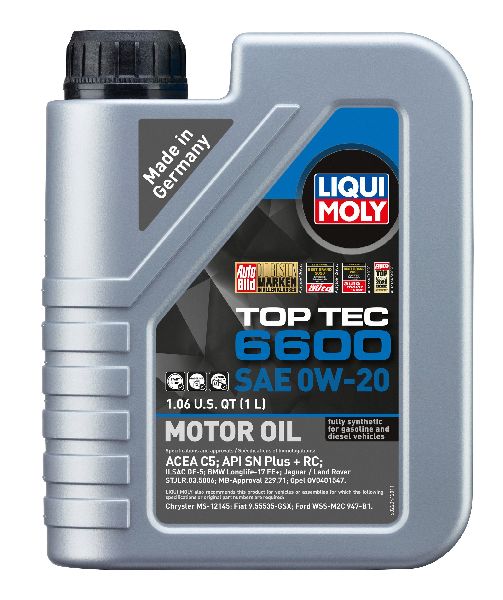
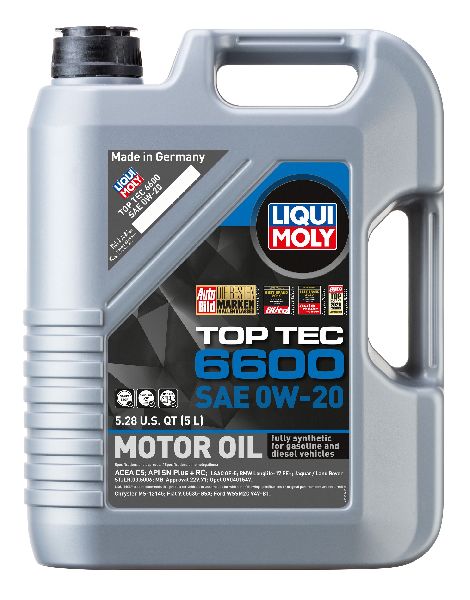
Aftermarket price range: $30-$60 - Engine Oil and Filter — Clean oil of the correct viscosity is critical for the VCT system to work. An oil change is a required step when replacing a VCT solenoid to prevent the new part from failing for the same reason.
Trusted brands: Motorcraft
OEM price range: $40-$70
Aftermarket price range: $30-$50
Related Codes That Often Appear With This One
- P0012 — This code is for 'Timing Over-Retarded' on the same camshaft. Seeing both P0011 and P0012 can indicate an erratic VCT solenoid that is sticking intermittently in both directions.
- P0014 / P0015 — These are the equivalent codes for the exhaust ('B') camshaft. If debris is present throughout the oiling system, it's possible for both intake and exhaust solenoids to be affected and set codes simultaneously.
- P0016 — This code indicates a correlation problem between the crankshaft and the intake camshaft. It can be triggered by the same root causes, such as a sticking VCT solenoid or a timing chain/belt issue that has caused a significant timing deviation.
Technical Service Bulletins (TSBs) & Recalls
- SSM 48423: Notes that P0011 may be due to small debris causing the VCT solenoid to stick on 2015-2020 Ford vehicles.
- SSM 50067: An updated version of the previous TSB, extending the model years to 2021 and reiterating that debris in the VCT solenoid is a likely cause for P0011. It recommends running diagnostic test HK12 to cycle the solenoid before replacement.
Platform-Specific Known Issues
- TSB SSM 48423 & SSM 50067: Ford issued these bulletins for a wide range of 2015-2021 vehicles, including the EcoSport, acknowledging that DTCs like P0011 may be caused by 'small debris causing the VCT solenoid to stick'. The recommended procedure involves running a diagnostic test (Pinpoint Test HK12) to cycle the solenoid multiple times to try and clear it before outright replacement.
- 1.0L EcoBoost Wet Belt Degradation: The 1.0L engine uses a timing belt that runs inside the engine and is lubricated by engine oil. Using incorrect oil or extending change intervals can cause this belt to degrade, shedding material that clogs the oil pickup tube and VCT system, leading to oil starvation and timing codes like P0011.
Mechanic-Grade Diagnostic Values
- VCT Solenoid Internal Resistance — expected: 6.9 to 12 Ohms. Failure: No reading (open circuit) or a reading outside the specified range indicates a faulty solenoid.
- VCT Solenoid Connector Voltage (Key On, Engine Off) — expected: ~12V (Battery Voltage). Failure: No voltage or low voltage points to a wiring issue, blown fuse, or problem with the PCM power relay.
- Scan Tool PID: VCTADVERR (Camshaft Timing Error) — expected: Close to 0° at idle (+/- 5°). Failure: A large, persistent positive or negative value indicates the camshaft is not at its commanded position, confirming a system performance issue.
- Scan Tool PID: VCTADV (Actual Camshaft Angle) — expected: Should be near 0° at hot idle (below 800 RPM).. Failure: A significant degree reading at idle (e.g., 49°) when it should be zero indicates the phaser is stuck in an advanced position.
Hidden / Shadow Codes Worth Checking
- Mode 6, Test ID $81 (and others): Mode 6 data tracks misfire counts per cylinder for the current and last 10 driving cycles. While P0011 is a timing code, an over-advanced cam can cause misfires. High misfire counts on one or more cylinders that haven't yet triggered a P030x code can be an early indicator or a secondary symptom of the timing issue. (see via A capable OBD-II scan tool with Mode 6 functionality, such as FORScan or professional-grade scanners.)
Scan Tool Commands That Help

- Ford IDS (Integrated Diagnostic System) or equivalent (e.g., FORScan): Pinpoint Test HK12 / VCT Solenoid Bi-Directional Control — This is a key diagnostic step mentioned in Ford's own service bulletins. The command cycles the VCT solenoid on and off rapidly (typically 10 times) to attempt to dislodge small debris. If the engine idle smooths out or the code can be cleared and stays away after running this test, it confirms a sticking solenoid was the cause and may avoid an immediate replacement.
- Advanced Scan Tool (e.g., Foxwell, Autel): Active Test: Command VCT Solenoid Advance — While the engine is at idle, manually commanding the intake camshaft to advance should cause the engine to stumble, run rough, or stall. If there is no change in engine RPM, it indicates the solenoid is not actuating, is seized, or the oil passage is blocked.
Wiring & Ground Locations
- VCT Solenoid Connector — On the top/front of the valve cover, plugged into the VCT solenoid.. This 2-pin connector provides power and ground control to the solenoid. A corroded, loose, or oil-fouled connector can prevent the solenoid from actuating correctly, mimicking a failed solenoid. The connector itself is available as a pigtail for replacement (e.g., Motorcraft C848BV).
- Main Engine/Transmission Ground Points — Key grounds are located on the engine block and from the battery negative terminal to the chassis. One forum user noted an essential ground point behind the intake manifold and another from the gearbox to the block on a 1.0L EcoBoost.. Poor engine grounds can cause a host of erratic electronic issues, including incorrect sensor readings and improper actuator function. Ford has issued TSBs for other models regarding poor grounding causing various symptoms. Ensuring grounds are clean and tight is a crucial step for any electronic diagnosis.
OEM Part Supersession History
CM5Z-6M280-A→CM5Z-6M280-C— Part revision by manufacturer.
Heads up: CM5Z-6M280-C is the correct replacement for the 2.0L Ti-VCT engine in the 2018-2021 EcoSport.CM5Z-6M280-D / CM5Z-6M280-F→CM5Z-6M280-G— Part revision by manufacturer.
Heads up: CM5Z-6M280-G is the current part number for the 1.0L EcoBoost VCT solenoid.
Helpful Videos
Used OEM Parts in Stock

New Aftermarket Parts Available


The information in this article is provided for general reference and educational purposes only. Vehicle specifications, procedures, and part compatibility can vary by production date, trim level, and region. Always consult your vehicle's factory service manual and verify part numbers before purchasing or performing repairs. Safety-critical components such as airbags, seat belts, and braking systems should be installed by a qualified professional.
- Ford ECOSPORT:
- 🎬 Helpful Videos
- 🛍️ Shop This Part
- What's Unique About the 2018-2021 Ford ECOSPORT
- Diagnostic Flowchart
- Symptoms You May Notice
- Most Likely Causes
- Rare But Worth Checking
- Diagnosis Steps
- Parts You'll Likely Need
- Related Codes That Often Appear With This One
- Technical Service Bulletins (TSBs) & Recalls
- Platform-Specific Known Issues
- Mechanic-Grade Diagnostic Values
- Hidden / Shadow Codes Worth Checking
- Scan Tool Commands That Help
- Wiring & Ground Locations
- OEM Part Supersession History
- 🎟️ Get 5% Off