

P0011 on 2012-2015 Chevrolet Express: VVT Solenoid, Oil, and Timing Fixes
On a 2012-2015 Chevy Express with a V8, P0011 is most often caused by low or dirty engine oil, or a faulty Camshaft Position Actuator Solenoid (VVT Solenoid). An oil change is the first step; if that fails, the solenoid is the next likely culprit, costing about $30-$60 for an aftermarket part. If the code persists, low oil pressure due to a bad pickup tube O-ring or internal engine wear is a known issue on these platforms.
- First, check your engine oil. Low or dirty oil is the most common cause for P0011 on this vehicle.
- The next most likely culprit is a faulty Camshaft Position Actuator Solenoid on the passenger side of the engine.
- A simple diagnostic is to swap the passenger side (Bank 1) and driver side (Bank 2) intake solenoids to see if the code follows the part.
- If the oil and solenoid are good, the problem could be more serious, such as low oil pressure or a timing chain issue, as noted in GM service bulletins.
What's Unique About the 2012-2015 Chevrolet EXPRESS

The V8 engines in this generation of Chevrolet Express are generally robust, but their Variable Valve Timing (VVT) system is highly sensitive to oil quality and pressure. Manufacturer Technical Service Bulletins (TSBs) for these vans specifically warn that if the cause of a P0011 code isn't obvious after checking the VVT components, technicians must investigate the engine's oil pressure. This suggests these vehicles can suffer from underlying oiling issues, such as a hardened oil pickup tube O-ring or even worn internal cam bearings, that masquerade as a simple sensor or solenoid failure.
Diagnostic Flowchart

Tap your situation to follow the diagnostic path that matches what you're seeing on this vehicle.
Symptoms You May Notice
- Check Engine Light is on
- Rough or unstable idle
- Engine stalling, especially at low speeds
- Reduced engine power and poor acceleration
- Worse than normal fuel economy
- Rattling noise from the engine on startup or during operation
- Difficulty starting the engine
- Replacing the camshaft position sensor when the problem is the VVT solenoid (actuator).
- Replacing the timing chain when the root cause is a clogged VVT solenoid or low oil pressure from a bad pickup tube O-ring.
Most Likely Causes

- Low or Dirty Engine Oil 🔴 High Probability The VVT system uses hydraulic pressure from engine oil to operate the camshaft phasers. Sludge, low levels, or incorrect oil viscosity starve the system, preventing correct operation.
How to confirm: Check the engine oil dipstick. The oil level should be full and the oil should be amber/brown, not black, sludgy, or gritty. Ensure the correct viscosity (typically SAE 5W-30) is being used.
Typical fix: Perform an engine oil and filter change using the manufacturer-specified oil weight (SAE 5W-30) and a quality filter.
Est. part cost: $30-$70 - Faulty Camshaft Position Actuator Solenoid (VVT Solenoid) 🔴 High Probability The solenoid can become clogged with debris from dirty oil or can fail electrically over time, causing it to stick open or closed.
How to confirm: Swap the Bank 1 (driver's side) intake solenoid with the Bank 2 (passenger's side) intake solenoid. If the code changes to P0021 (Bank 2), the solenoid is faulty. You can also test its resistance with a multimeter; a healthy solenoid should read between 8 and 12 Ohms.
Typical fix: Replace the Bank 1 intake camshaft position actuator solenoid. Using an OEM part is often recommended for longevity.
Est. part cost: $30-$100 - Low Engine Oil Pressure 🟡 Medium Probability As noted in GM TSBs, underlying oil pressure issues can trigger P0011. A common cause on these V8s is a hardened/cracked oil pickup tube O-ring, which allows air into the system, causing oil aeration and pressure loss.
How to confirm: After confirming oil level is correct and the VVT solenoid is functional, perform a mechanical oil pressure test. At hot idle, pressure should be above 20-24 PSI. Readings below this strongly suggest an oiling problem.
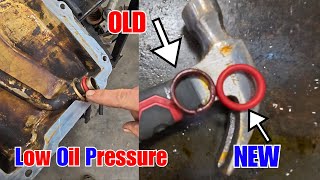
Typical fix: This is a complex diagnosis. It often requires dropping the oil pan to replace the oil pickup tube O-ring 🎬 Watch: How to replace the oil pump pickup tube O-ring. (GM Part #12557752). Some may replace the oil pump at the same time.
Est. part cost: $100-$400+ - Stretched Timing Chain ⚪ Low Probability On higher mileage engines (typically over 150,000 miles), the timing chain can stretch, causing a discrepancy between the crankshaft and camshaft positions that the sensors detect.
How to confirm: This is difficult to confirm without significant disassembly. A mechanic may use a lab scope to compare cam/crank signals or check for excessive slack in the chain by removing the front engine cover.
Typical fix: Replace the timing chain, tensioners, and guides. This is a labor-intensive job.
Est. part cost: $200-$500
Rare But Worth Checking
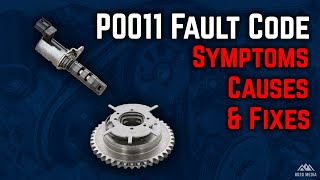
- Stuck Camshaft Phaser: The phaser unit on the end of the camshaft can mechanically fail and get stuck in the advanced position. This is less common than a solenoid failure but requires significant labor to replace, including timing chain removal.
- Worn #2 Cam Bearing: TSBs PIP5258 and PIP5258A specifically mention that if oil pressure is low and the cause isn't found, the #2 cam bearing should be inspected. This bearing supplies oil to the VVT actuator, and if it's worn, oil pressure is lost before it can operate the VVT system, requiring major engine repair.
- Faulty Camshaft Position Sensor: It is possible for the sensor itself to fail, but this is much less common than a solenoid failure. A failing sensor would typically trigger other codes related to the sensor circuit itself (e.g., P0340, P0341).
Diagnosis Steps

- Check Engine Oil Level and Condition: Pull the dipstick. If the oil is low, top it off. If the oil is old, dirty, or of the wrong viscosity, perform a complete oil and filter change with SAE 5W-30.
- Scan for Other Codes: Check if any other codes are present that could point to a specific circuit (like P0010) or an oil pressure issue (P0521).
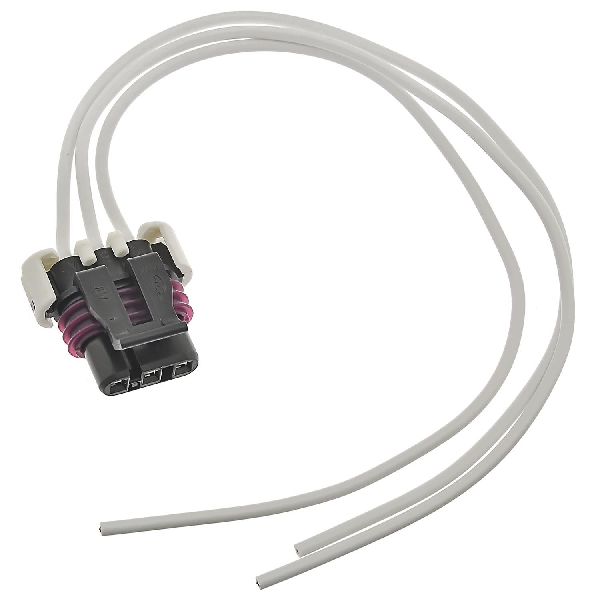
- Inspect Solenoid Wiring: Visually inspect the connector and wiring going to the Bank 1 intake VVT solenoid (driver's side, top of the valve cover towards the front) for any damage or corrosion.
- Test the Solenoid: The easiest field test is to swap the Bank 1 intake solenoid with the identical Bank 2 intake solenoid on the passenger's side. Clear the codes and drive. If the code returns as P0021 (for Bank 2), you have confirmed the solenoid is bad.
- Test Solenoid Resistance: Alternatively, remove the solenoid and test the resistance across its two pins with a multimeter. A good solenoid will measure between 8 and 12 Ohms. An open circuit or a reading outside this range indicates failure.
- Clean or Replace Solenoid: If the solenoid is confirmed bad, replace it. Cleaning its small screens with brake cleaner can be a temporary fix if it's clogged with sludge, but replacement is recommended.
- Check Oil Pressure: If the solenoid is good but the code persists, follow the advice of TSBs #PIP-5258 and #PIP5258A. Connect a mechanical gauge and test the engine oil pressure. At normal operating temperature, it should be at least 24 PSI at 1,000 RPM. If pressure is low, suspect a failing oil pickup tube O-ring.
- Advanced Diagnostics: If oil pressure is good, the issue may be a stretched timing chain, a faulty camshaft phaser, or in rare cases, a worn #2 cam bearing. This level of diagnosis is best left to a professional mechanic.
Parts You'll Likely Need
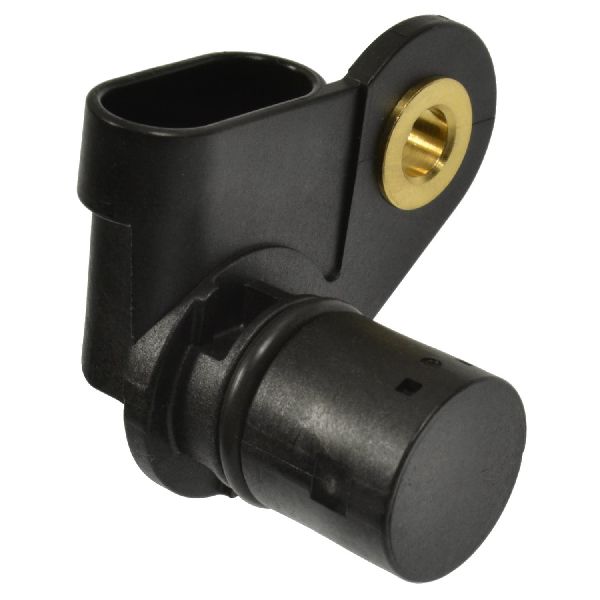
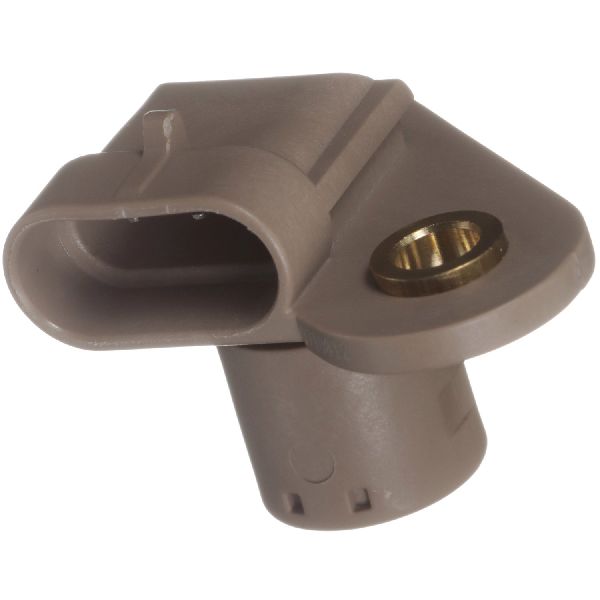
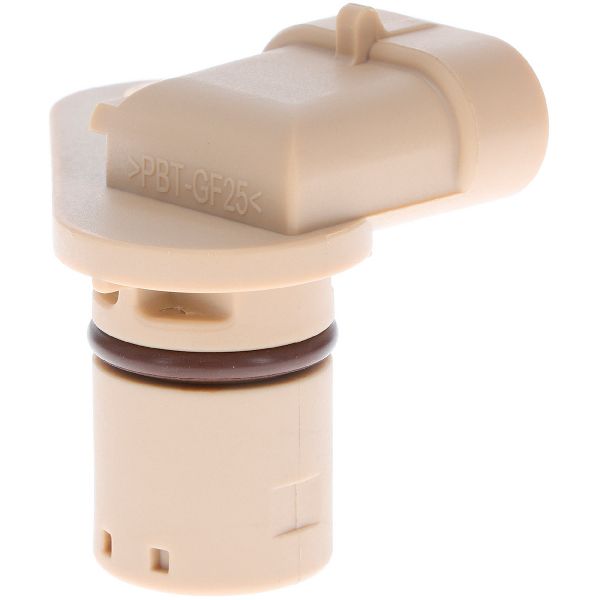
- Camshaft Position Actuator Solenoid (VVT Solenoid)
(OEM #12679099 (supersedes 12655420))— This is the most common part to fail for this code. It gets clogged with debris or fails electrically, causing it to stick.
Trusted brands: ACDelco, Delphi, Dorman
OEM price range: $45-$70
Aftermarket price range: $30-$60 - Engine Oil and Filter — Incorrect or dirty oil is a primary cause of VVT system faults. Using the correct oil (SAE 5W-30) and a quality filter is the first and most important step.
Trusted brands: ACDelco, Mobil 1, Pennzoil
OEM price range: $50-$80
Aftermarket price range: $30-$70 - Oil Pickup Tube O-Ring
(OEM #12557752)— A common cause of low oil pressure on these engines. The original O-ring becomes hard and brittle, allowing air to be sucked into the oil pump, which starves the VVT system of pressure.
Trusted brands: ACDelco, Fel-Pro
OEM price range: $5-$15
Aftermarket price range: $3-$10
Related Codes That Often Appear With This One
- P0010 — This code indicates an electrical circuit problem with the VVT solenoid, pointing directly to a wiring or solenoid electrical failure rather than a mechanical/hydraulic issue.
- P0300 — A Random Misfire code can occur because the incorrect valve timing on one bank can disrupt the engine's balance and combustion process, leading to misfires.
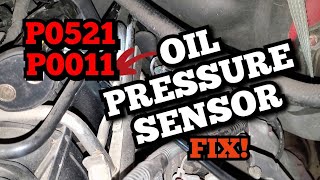
- P0521 — This code for 'Engine Oil Pressure Sensor/Switch Range/Performance' often appears alongside P0011, strongly indicating the root cause is related to low oil pressure, not the VVT components themselves.
Technical Service Bulletins (TSBs) & Recalls
- PIP-5258: Advises checking oil pressure at the sender and inspecting the #2 cam bearing if the root cause for P0011 is not found through normal diagnostics.
- PIP5258A: A revised version of the bulletin, updated for newer model years, also recommending an oil pressure check and #2 cam bearing inspection when P0011 diagnosis is inconclusive.
Platform-Specific Known Issues
- Technical Service Bulletin #PIP5258A, which covers these engines, highlights that if standard diagnostics for P0011 do not resolve the issue, the technician must investigate for low oil pressure. The bulletin specifically directs technicians to check the #2 cam bearing, as this is the oil feed for the VVT actuator, pointing to a potential for serious internal engine wear as a root cause.
Helpful Videos

Used OEM Parts in Stock

New Aftermarket Parts Available


The information in this article is provided for general reference and educational purposes only. Vehicle specifications, procedures, and part compatibility can vary by production date, trim level, and region. Always consult your vehicle's factory service manual and verify part numbers before purchasing or performing repairs. Safety-critical components such as airbags, seat belts, and braking systems should be installed by a qualified professional.
- Chevrolet EXPRESS:
- 🎬 Helpful Videos
- 🛍️ Shop This Part
- What's Unique About the 2012-2015 Chevrolet EXPRESS
- Diagnostic Flowchart
- Symptoms You May Notice
- Most Likely Causes
- Rare But Worth Checking
- Diagnosis Steps
- Parts You'll Likely Need
- Related Codes That Often Appear With This One
- Technical Service Bulletins (TSBs) & Recalls
- Platform-Specific Known Issues
- 🎟️ Get 5% Off