

P0010 on 2020-2024 GMC Sierra 1500 6.2L V8: Camshaft Actuator Circuit Causes and Fixes
On the 6.2L L87 V8, P0010 most often points to a failed intake camshaft position actuator solenoid on the driver's side (Bank 1) or low/dirty engine oil. The solenoid is an easy DIY fix costing ~$50-$100. However, this code can also be an early symptom of a major internal engine defect (crankshaft bearing failure or DFM lifter failure) which contaminates the oil with metal debris. Therefore, the solenoid must be inspected for metal shavings upon removal.
- P0010 on your Sierra 6.2L specifically points to an electrical fault with the driver's side intake VVT solenoid.
- Before replacing any parts, check your engine oil. Low or dirty oil is a primary cause of this code.
- The most likely part to fail is the VVT solenoid itself, which is a relatively simple and inexpensive DIY replacement.
- **Crucially**, for 2021-2024 models, this code can be an early warning of a major, recall-related engine failure. Inspect the old solenoid for metal debris upon removal.
- Contact a GM dealer with your VIN to check for open recalls, especially Safety Recall N252494001, before performing expensive repairs.
What's Unique About the 2020-2024 GMC Sierra 1500
For this specific generation of Sierra 1500 with the 6.2L L87 engine, a P0010 code carries extra weight. While the cause is often a simple solenoid, this engine family is subject to two major internal failure modes. First is a safety recall (N252494001) for premature failure of crankshaft bearings in some 2021-2024 models. Second is a more widespread, well-documented issue with Dynamic Fuel Management (DFM) lifters collapsing. 🎬 Watch: GM service bulletin details on L87 lifter issues Both catastrophic failures release metallic debris into the engine oil, which can clog the fine mesh screens on the VVT actuator solenoids and trigger a P0010 code. Therefore, this code should not be dismissed as a simple sensor issue without first investigating the possibility of it being a symptom of a much larger engine problem.
Symptoms You May Notice
- Check Engine Light illuminated
- Rough engine idle
- Engine stalling, especially when coming to a stop
- Reduced engine power and poor acceleration
- Increased fuel consumption
- Rattling or ticking noises from the engine, particularly on a cold start
- "Service Stabilitrak" or "Service Traction Control" message on the dash
- Replacing the camshaft position SENSOR instead of the actuator SOLENOID. They are different parts located near each other. P0010 is for the solenoid circuit.
- Replacing the VVT solenoid without checking the engine oil first. If the oil is sludgy or contaminated, the new solenoid will fail quickly.
- Replacing the solenoid without inspecting its screens for metal debris, thereby missing the early signs of a catastrophic internal engine failure that requires dealer intervention.
Most Likely Causes
- Failed Bank 1 Intake Camshaft Position Actuator Solenoid 🔴 High Probability These solenoids operate in hot engine oil and can fail electrically or become clogged with oil sludge or metallic debris over time, which is a common failure point in VVT systems. GM TSB 17-NA-098 specifically addresses solenoid failure as a cause for P0010.
How to confirm: Swap the Bank 1 intake solenoid with the Bank 1 exhaust solenoid. Clear codes and run the engine. If the code changes to P0013 (Exhaust 'B' Actuator Circuit), the solenoid is confirmed faulty. You can also test its resistance with a multimeter; a good solenoid will have a resistance between 7 and 13 Ohms. 🎬 Watch: How to test and fix GM camshaft actuator codes An open circuit (infinite resistance) or short (zero resistance) indicates a failed solenoid.
Typical fix: Replace the Bank 1 (driver's side) intake camshaft position actuator solenoid. It is located on the front of the driver's side valve cover. TSB 17-NA-098 recommends replacing both intake and exhaust solenoids on the affected bank at the same time.
Est. part cost: $40-$110 - Low, Dirty, or Incorrect Viscosity Engine Oil 🔴 High Probability The VVT system is hydraulic and extremely sensitive to oil pressure and cleanliness. Delayed oil changes or using the wrong oil type leads to sludge that clogs the fine mesh screens on the actuator solenoids. For vehicles under recall N252494001, GM's fix involves switching to a higher viscosity 0W-40 oil to provide better protection for engine bearings.
How to confirm: Check the engine oil level on the dipstick and inspect its condition. If the oil is dark, thick, or below the minimum level, this is a likely contributor.
Typical fix: Perform an engine oil and filter change using the correct OEM-specified oil (typically 0W-20 dexos1, unless directed by a dealer to use 0W-40 Mobil 1 Supercar oil as part of the recall).
Est. part cost: $50-$120 - Wiring Harness or Connector Issue 🟡 Medium Probability This T1 truck platform is known for wiring harness chafing issues, as documented in TSB 21-NA-149. Additionally, Bulletin #PIP5724 notes that a wiring jumper harness can become pinched between the X154 connector bracket and the frame, resulting in an SES lamp and P0010.
How to confirm: Visually inspect the wiring and connector going to the Bank 1 intake VVT solenoid. Look for chafed wires, loose pins, corrosion, or oil saturation. Follow the harness path back toward the firewall, checking for contact with sharp metal edges.
Typical fix: Repair the damaged section of the wiring harness or replace the connector pigtail. Secure the harness away from any sharp edges using zip ties and protective loom as outlined in TSB 21-NA-149.
Est. part cost: $15-$50
Rare But Worth Checking
- Internal Engine Failure (Debris Contamination): This is the most critical possibility for 2021-2024 models. Two distinct major failures can occur: 1) A manufacturing defect can cause the crankshaft bearings to fail, sending metal shavings throughout the oil system (Recall N252494001). 2) A more common failure of the DFM (Dynamic Fuel Management) lifters can also send needle bearings and other debris into the oil. These shavings clog the VVT solenoid screens, causing P0010. When removing the old solenoid, inspect its screen for metallic 'glitter'. If any metal is found, the engine may require replacement.
- Faulty Engine Control Module (ECM): It is very rare for the ECM to fail, but the internal driver for the VVT solenoid circuit can burn out. This should only be considered after all other possibilities, including wiring, have been exhaustively ruled out by a professional.
Diagnosis Steps
- Check the engine oil level and condition. If low or dirty, perform an oil and filter change with the correct viscosity oil (GM recommends 0W-40 for recalled vehicles) and clear the code.
- Inspect the electrical connector and wiring harness for the Bank 1 (driver's side) intake VVT solenoid. Check for damage, corrosion, or loose connections. Pay close attention to areas where the harness may rub against metal brackets, per TSB 21-NA-149.
- If the wiring looks good, the easiest functional test is to swap the intake solenoid with the nearby exhaust solenoid on the same cylinder head.
- Clear the codes and run the engine. If the code changes to P0013 ('B' Camshaft Position Actuator Circuit), the solenoid you moved is faulty and needs to be replaced.
- If the code remains P0010 after the swap, the problem is in the wiring or the ECM. Test the circuit for 10-12V power on one pin of the connector with the key on, engine off. Test the solenoid's resistance with a multimeter; it should be between 7-13 Ohms.
- CRITICAL STEP: When you remove the original solenoid, carefully inspect its oil screens for any metallic particles or glitter. Use a flashlight and a clean paper towel. If any metal is present, stop immediately. This is a sign of internal engine failure, and the vehicle should be taken to a GM dealer for inspection related to Recall N252494001 or potential DFM lifter failure.
Parts You'll Likely Need
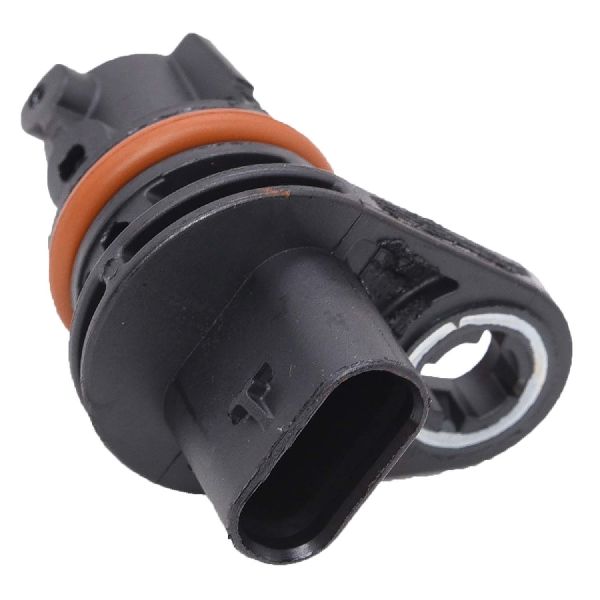
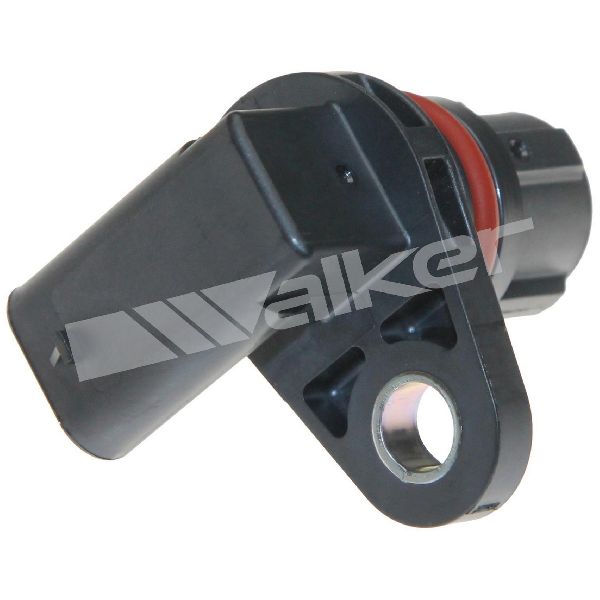
- Intake Camshaft Position Actuator Solenoid (Bank 1)
(OEM #12695373)— This solenoid is the most common part to fail for this code, either due to electrical failure or clogging from oil contaminants. While aftermarket parts are available, owner forums frequently report that using genuine ACDelco or Delphi parts is crucial to prevent the code from returning. TSB 17-NA-098, which addresses this code, lists the intake solenoid part number as 12679099.
Trusted brands: ACDelco (OEM), Delphi
OEM price range: $70-$110
Aftermarket price range: $40-$80
Related Codes That Often Appear With This One
- P0011 — P0011 indicates a mechanical timing performance issue (over-advanced) for the same camshaft. Seeing P0010 (electrical circuit) and P0011 (mechanical performance) together strongly suggests the solenoid is either stuck, clogged, or has an electrical fault preventing proper mechanical operation.
- P0016 — This code indicates a correlation issue between the crankshaft and camshaft. It is a primary code dealers look for when diagnosing the L87 engine recall. If you see P0010 with P0016, there is a very high probability of a serious internal timing or engine failure.
- P0521 — This code indicates a problem with the engine oil pressure sensor or its circuit. Seeing it alongside P0010 reinforces the likelihood that the root cause is a systemic oil pressure or contamination issue, not just an isolated solenoid failure.
Technical Service Bulletins (TSBs) & Recalls
- N252494001 / N252494000 - Safety Recall for potential engine failure due to defective connecting rod and/or crankshaft components.
- 21-NA-149 - Technical Service Bulletin for Engine Wire Harness Chafing, which can cause various electrical DTCs including P0010.
- Bulletin #PIP5724 - Manufacturer bulletin noting that a wiring jumper harness pinched between the X154 connector bracket and the frame can cause P0010 and potential stalling.
- Bulletin #PIP5553A - A cross-manufacturer reference for the Sierra 3500 noting that a wiring jumper harness chafed at the bolt at the X154 connector can trigger P0010.
- 19-NA-218 - Technical Service Bulletin addressing cold start engine ticking noise, often a precursor to DFM lifter failure.
- 17-NA-098 - Addresses rough running and DTCs including P0010, identifying camshaft position actuator solenoid failure as the cause and recommending replacement of both intake and exhaust solenoids.
Platform-Specific Known Issues
- GM Safety Recall N252494001 (NHTSA 25V274): Affects certain 2021-2024 models with the 6.2L L87 V8. Manufacturing defects in the crankshaft and/or connecting rods can lead to premature bearing wear and catastrophic engine failure. Debris from this failure contaminates the oil and can cause VVT system codes like P0010. Owners should contact a GM dealer to see if their VIN is affected.
- DFM Lifter Failure: A widely reported issue on 2019+ L87 (and L84) engines where the complex Dynamic Fuel Management lifters can fail, often breaking apart and sending needle bearings through the engine. This also contaminates the oil and can trigger VVT codes as an early symptom.
Mechanic-Grade Diagnostic Values
- Camshaft Position Actuator Solenoid Resistance — expected: 7 to 13 Ohms. Failure: A reading of infinity (Open Loop) or near zero (short circuit) indicates a failed solenoid.
- VVT Solenoid Connector Voltage (Key On, Engine Off) — expected: 10 to 12 Volts (Battery Voltage) on the power supply pin.. Failure: No voltage or significantly low voltage points to a problem in the wiring or fuse block, not the solenoid itself.
- Engine Oil Pressure at Hot Idle (at sensor port) — expected: Approximately 25-30 PSI. Failure: Pressure below 20 PSI at hot idle may indicate a stuck oil pressure relief valve in the oil pump, which can starve the VVT system of pressure.
Scan Tool Commands That Help
- GDS2 (GM Global Diagnostic System 2): Camshaft Position Actuator Solenoid Control — This is a bidirectional control that allows a technician to command the solenoid on and off or to specific duty cycles while the engine is running. If commanding the solenoid causes no change in engine RPM or camshaft angle data, it confirms a fault in the solenoid, its circuit, or a blockage in the oil passages.
Wiring & Ground Locations
- VVT Solenoid Connector — On the front of the valve cover for each cylinder bank. Bank 1 (driver's side) has the intake solenoid toward the front of the engine.. This is the primary connection point to test for power, ground, and solenoid resistance. It's a common point for corrosion or damage. The pigtail connector is available as a separate part (e.g., Duralast 1160) for repairs.
Real Owner Repair Stories
- Go-Parts owner story compilation (2021 GMC Yukon 6.2L L87) — Check Engine Light for P0011 and a 'Service StabiliTrak' warning.
✅ What actually fixed it Replacing the Bank 1 intake camshaft position actuator solenoid with a genuine GM/ACDelco part resolved the issue. - NHTSA ODI #11520389 — An owner reported the engine light coming on due to P0010, requiring constant oil changes. The vehicle would turn off at low idle and experienced slow acceleration.
Documented NHTSA Reports
- NHTSA ODI #11569314: An owner reported a stalling condition while depressing the brake pedal; a diagnostic test retrieved codes P0010, P0016, P0018, and P0507, leading a mechanic to determine the engine required replacement.
- NHTSA ODI #11279774: A report describes the engine light appearing with codes P0010 and P0011 following an oil change, with a mechanic noting that similar motors have been affected by oil leaks and timing chain issues.
OEM Part Supersession History
12695373 (as listed in Pass 2)→12679099 (Intake), 12679100 (Exhaust)— Part update/revision by GM.
Heads up: The TSB recommends replacing both intake and exhaust solenoids together when a fault is found, suggesting they are a matched set or have a similar service life.
Model Year Variations Within This Range
- 2022-2024 (Refresh models): The 2022 model year introduced a significant refresh for the Sierra 1500, which included a new interior and a new electrical architecture known as the Vehicle Intelligence Platform (VIP), replacing the previous 'Global A' system. This can affect diagnostic procedures and aftermarket device compatibility. A service update (N222383250) was issued for the 10-speed transmission on these refreshed models, indicating software and module changes that could indirectly relate to how the ECM manages engine parameters.
Diagnostic Flowchart
Other Known Issues on This Vehicle
Issues unrelated to this code that are worth knowing about as an owner of this generation:
- DFM/AFM Lifter Failure 🔴 High — Widespread issue, particularly noted in 2019-2021 models but can occur across the generation, sometimes at very low mileage (<10,000 miles). (Ref: TSB 19-NA-218 addresses a cold start ticking noise which is an early symptom. Multiple class-action lawsuits have been filed regarding this issue.)
- Engine Wiring Harness Chafing 🟠 Medium — Common on the T1 platform (2019+) due to a production line issue where a retaining clip was omitted. Can cause a wide variety of electrical DTCs, not just P0010. (Ref: TSB 21-NA-149 provides detailed inspection and repair procedures for chafing against the ECM bracket, control arm, and shock tower.)
- Crankshaft/Connecting Rod Bearing Failure 🔴 High — Affects a smaller percentage (est. 3%) of 2021-2024 L87 engines but is catastrophic when it occurs, leading to engine seizure. Caused by manufacturing defects. (Ref: GM Safety Recall N252494001 / NHTSA 25V274.)
- Bent Camshaft Trigger Wheel 🟡 Low — An uncommon but documented issue that can cause intermittent crank/no-start conditions and set camshaft-related codes like P0341. (Ref: TSB PIP5806A instructs technicians on how to inspect for a bent trigger wheel using a borescope.)
Used vs. New Parts: Buying Guide for This Vehicle
When a used part is the smart pick: For this repair, using used parts is generally not recommended. The primary failure part, the VVT solenoid, is a relatively inexpensive wear item. A used wiring harness pigtail from a donor vehicle could be a viable option if the original connector is damaged, but a new pigtail is also affordable.
Donor-vehicle mileage cap: roughly under 80000 miles for the part to have meaningful remaining life.
What to inspect on the donor part:
- For a wiring pigtail: ensure the plastic is not brittle, the locking tab is intact, and the pins are free of corrosion.
- Never buy a used VVT solenoid; its internal condition and remaining lifespan are unknown, and it could be clogged with debris from the donor engine.
OEM-only on this vehicle (don't cheap out):
- Intake Camshaft Position Actuator Solenoid
Aftermarket brands forum-validated for this vehicle:
- Delphi (often the OEM supplier)
Brands owners have reported issues with on this vehicle:
- Unnamed, low-cost online marketplace brands. Forum discussions frequently mention that cheap aftermarket solenoids can fail quickly or not perform to OEM specifications, causing the code to return.
Real Owner Stories
Aggregated from forums and TSBs cited above. Mileages and costs reflect what owners reported in those sources.
2019+ GMC Sierra 1500 6.2L L87
Symptoms: The owner experienced a 'dreaded Stabilitrak' message and a timing-related code (P011).
What fixed it: Replacing the solenoid with an OEM part; the owner noted that an aftermarket part did not resolve the issue.
Source hint: gm-trucks.com - Thread titled 'the dreaded Stabilitrak and P0011 code'
2021-2024 GMC Sierra 1500 6.2L L87 — ~8000 miles
Symptoms: Potential for catastrophic engine failure due to defective crankshaft or connecting rod components; debris contaminates the VVT system.
What fixed it: Dealer inspection and potential engine repair/replacement under Safety Recall N252494001.
Source hint: N252494001 / N252494000 - Safety Recall
2019-2021 GMC Sierra 1500 6.2L L87 — ~9500 miles
Symptoms: Cold start engine ticking noise and rough running.
What fixed it: Addressing DFM lifter failure which was sending needle bearings through the engine and contaminating the oil.
Source hint: TSB 19-NA-218 and vehicle_specific_issues
Related OBD-II Codes
Frequently Asked Questions
Does GM Safety Recall N252494001 apply to my 2021-2024 GMC Sierra 1500 with the 6.2L L87 engine?
I'm seeing a 'Service Stabilitrak' message along with P0010 on my Sierra; are they related?
Should I use 0W-20 or 0W-40 oil in my 6.2L L87 engine to prevent VVT issues?
Is there a TSB for wiring issues causing P0010 on the 2020-2024 GMC Sierra?
Can I just replace the Bank 1 intake solenoid, or do I need to replace others too?
Could a ticking noise on cold starts be related to my P0010 code?
Helpful Videos

We Have This Part in Stock


The information in this article is provided for general reference and educational purposes only. Vehicle specifications, procedures, and part compatibility can vary by production date, trim level, and region. Always consult your vehicle's factory service manual and verify part numbers before purchasing or performing repairs. Safety-critical components such as airbags, seat belts, and braking systems should be installed by a qualified professional.
- GMC Sierra 1500:
- 🎬 Helpful Videos
- 🛍️ Shop This Part
- What's Unique About the 2020-2024 GMC Sierra 1500
- Symptoms You May Notice
- Most Likely Causes
- Rare But Worth Checking
- Diagnosis Steps
- Parts You'll Likely Need
- Related Codes That Often Appear With This One
- Technical Service Bulletins (TSBs) & Recalls
- Platform-Specific Known Issues
- Mechanic-Grade Diagnostic Values
- Scan Tool Commands That Help
- Wiring & Ground Locations
- Real Owner Repair Stories
- Documented NHTSA Reports
- OEM Part Supersession History
- Model Year Variations Within This Range
- Diagnostic Flowchart
- Other Known Issues on This Vehicle
- Used vs. New Parts: Buying Guide for This Vehicle
- Real Owner Stories
- 2019+ GMC Sierra 1500 6.2L L87
- 2021-2024 GMC Sierra 1500 6.2L L87 — ~8000 miles
- 2019-2021 GMC Sierra 1500 6.2L L87 — ~9500 miles
- Related OBD-II Codes
- Frequently Asked Questions
- 🎟️ Get 5% Off