

P0010 on 2009-2017 Chevrolet Traverse 3.6L: Intake Cam Actuator Circuit Fixes
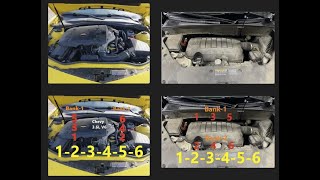
On the 3.6L Traverse, P0010 almost always points to a failed intake camshaft position actuator solenoid on Bank 1 (the firewall side). It's often caused by dirty oil or the part simply failing. Replacing the solenoid is a common, DIY-friendly fix with the part costing between $25 and $60.
- P0010 on a 2009-2017 Traverse points to an electrical fault with the intake camshaft actuator solenoid on the firewall side (Bank 1).
- The most common fix is replacing the solenoid itself, which is a relatively inexpensive part.
- Always check your engine oil level and condition first, as low or dirty oil is a primary cause of VVT system faults on this engine.
- While the solenoid is the likely culprit, be aware that this engine has known timing chain issues, which can be a more serious, underlying problem.
- Accessing the Bank 1 solenoid is tight; be prepared for a slightly challenging but manageable DIY repair.
What's Unique About the 2009-2017 Chevrolet Traverse
The 3.6L V6 engine in the first-generation Traverse is well-known for issues related to its timing system. While P0010 specifically points to an electrical circuit fault with the actuator solenoid, it's often a symptom of larger oiling problems. Extended oil change intervals, a known issue with the original Oil Life Monitor calibration on these vehicles, can lead to sludge that clogs the fine mesh screens on the VVT solenoids, causing them to fail. Furthermore, this engine is notorious for premature timing chain stretch, which can sometimes present with solenoid codes before setting more severe mechanical timing codes like P0008 or P0016.
Symptoms You May Notice
- Check Engine Light is on
- Rough or unstable engine idle
- Poor engine performance and acceleration
- Reduced fuel economy
- Engine may stall, especially when coming to a stop
- Replacing the camshaft position *sensor* instead of the camshaft position actuator *solenoid*. P0010 specifically refers to the actuator solenoid circuit, not the sensor.
- Assuming the timing chain is stretched without first checking the much more common and cheaper solenoid and oil issues.
Most Likely Causes
- Failed Intake Camshaft Position Actuator Solenoid (Bank 1) 🔴 High Probability These solenoids are a very common failure item on the GM 3.6L V6. They operate under high pressure and can become clogged with oil sludge or fail electronically over time.
How to confirm: Check the solenoid's resistance with a multimeter (should be 6-12 ohms). You can also temporarily swap the intake and exhaust solenoids on Bank 1 (if they are the same part number) or swap the Bank 1 intake solenoid with the Bank 2 intake solenoid and see if the code changes to P0013 or P0020, respectively.
Typical fix: Replace the Bank 1 intake camshaft position actuator solenoid. This part is located on the valve cover on the firewall side of the engine.
Est. part cost: $25-$60 - Low or Dirty Engine Oil 🔴 High Probability The VVT system is entirely dependent on clean oil and proper oil pressure. The original Oil Life Monitor (OLM) on these engines was often too optimistic, leading to oil degradation and sludge buildup that clogs the solenoid screens.
How to confirm: Check the engine oil level and condition on the dipstick. If the oil is low, black, or appears sludgy, this is a likely contributor.
Typical fix: Perform an engine oil and filter change using a quality full synthetic 5W-30 oil that meets GM's dexos1 specification. In severe cases, an engine flush may be considered.
Est. part cost: $40-$80 - Damaged Wiring or Connector 🟡 Medium Probability The Bank 1 solenoid is on the firewall side, where heat is high and access is tight. Wires can become brittle and crack, or the connector can be damaged during other service.
How to confirm: Visually inspect the electrical connector and wiring harness going to the Bank 1 intake solenoid for any signs of corrosion, breaks, or loose pins. Use a multimeter to check for power and ground at the connector with the key on.
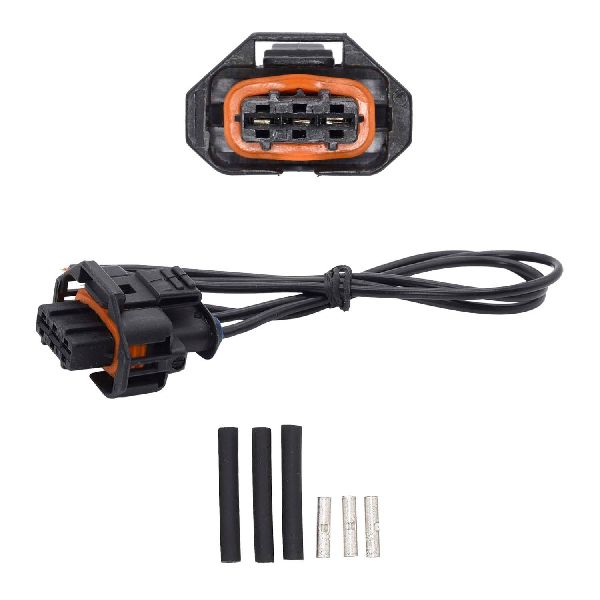
Typical fix: Repair the damaged section of wiring or replace the pigtail connector.
Est. part cost: $15-$35
Rare But Worth Checking
- Stretched Timing Chain: While P0010 is an electrical code, it can sometimes be an early indicator of a stretched timing chain on the 3.6L LLT engine. The resulting camshaft position deviation can sometimes be misinterpreted by the ECM as a solenoid circuit fault. This is a much more serious and expensive repair, so it's important to rule out the simpler causes first. Look for accompanying codes like P0008, P0016, P0017, or P0018.
- Faulty Engine Control Module (ECM): This is extremely rare. The driver circuit within the ECM that controls the solenoid can fail, but all other possibilities (solenoid, wiring, oil) should be exhaustively ruled out before condemning the ECM.
Diagnosis Steps
- Check the engine oil level and condition. If it is low or dirty, perform an oil and filter change, clear the code, and see if it returns.
- Inspect the electrical connector and wiring for the Bank 1 (firewall side) intake camshaft actuator solenoid. Look for damage, corrosion, or loose connections. A manufacturer service bulletin, Bulletin #PIP5553A, notes that a wiring jumper harness can chafe at the bolt at the X154 connector, potentially causing P0010 and a crank-no-start or stall condition.
- Using a multimeter, test the resistance of the solenoid. A typical reading is between 6 and 12 ohms. An open circuit (infinite resistance) or short (zero resistance) indicates a failed solenoid. An owner report (NHTSA ODI #11342559) for a similar GM model noted a failed intake solenoid tested at 1.4k Ohms when it should have been between 8-13 Ohms.
- If you have a capable scan tool, command the solenoid on and off to see if it responds and if the camshaft angle changes.
- A common DIY test is to swap the intake solenoid with the exhaust solenoid on the same bank (if they are identical parts) or with the intake solenoid from Bank 2. Clear the codes and run the engine. If the code changes to P0013 (exhaust) or P0020 (Bank 2), it confirms the solenoid is faulty.
- If the solenoid and wiring are good, the issue may be mechanical, such as a clogged oil passage or a problem with the timing chain or phaser, which may require professional diagnosis.
Parts You'll Likely Need
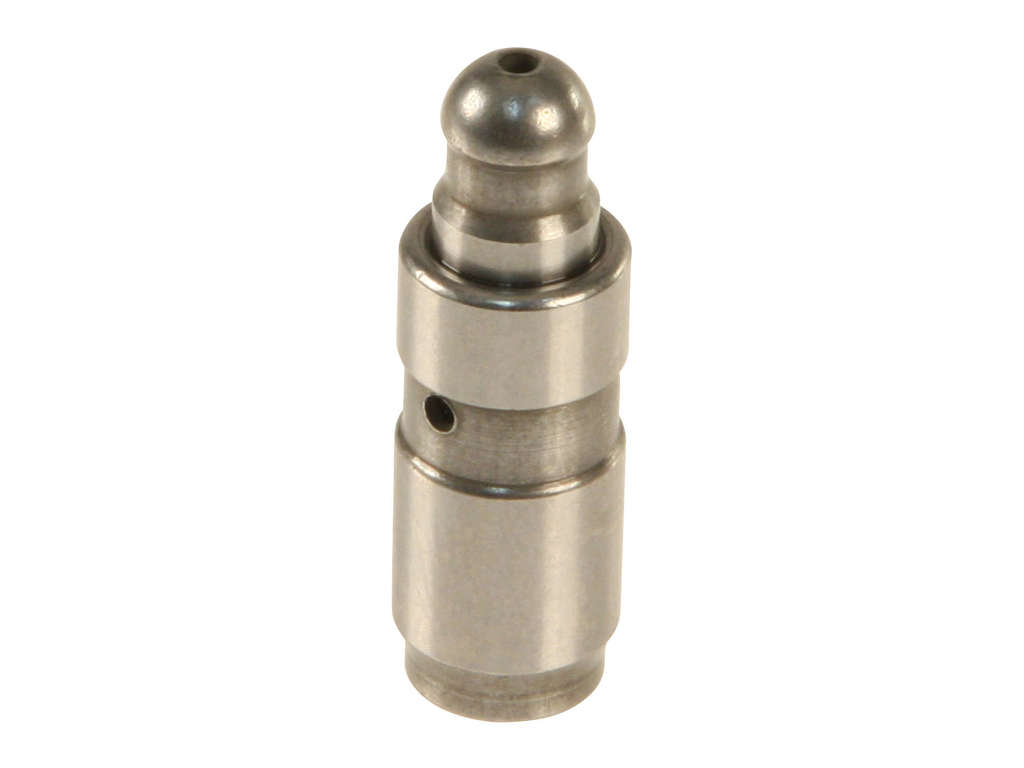
- Intake Camshaft Position Actuator Solenoid (Bank 1)
(OEM #12655420)— This is the most frequent cause of a P0010 code on this engine due to electronic failure or clogging from oil debris.
Trusted brands: ACDelco, Delphi, Dorman
OEM price range: $40-$70
Aftermarket price range: $25-$50
Related Codes That Often Appear With This One
- P0011 — P0011 indicates 'Camshaft Position - Timing Over-Advanced (Bank 1)'. This is a performance/mechanical correlation code that often appears with the P0010 circuit code, as the circuit failure prevents the ECM from correctly positioning the camshaft.
- P0013 — This is the same circuit fault but for the *exhaust* camshaft actuator solenoid on Bank 1. If both appear, it could suggest a common power or ground issue or that both solenoids have failed.
- P0020 — This is the identical circuit fault (Intake Camshaft Position Actuator Circuit) but for Bank 2 (the radiator side). Seeing both P0010 and P0020 could point to a systemic issue like oil sludge or a wiring problem affecting both banks.
Platform-Specific Known Issues
- The 3.6L LLT engine is known for premature timing chain wear, which can be a more serious underlying cause if simple solenoid replacement doesn't fix the issue.
- Access to Bank 1 (firewall side) components is difficult and may require removing other parts like the engine cover and potentially the fuse box bracket for better access.
- NHTSA ODI #11366176 describes a scenario where P0010 and P0013 appeared alongside Electronic Stability Control (ESC) and traction control warnings, accompanied by front-end shaking and clacking noises.
Mechanic-Grade Diagnostic Values
- Camshaft Position Actuator Solenoid Coil Resistance — expected: 7-12 Ohms at 68°F (20°C). Some service manuals provide a more precise range of 6.9 to 7.9 Ohms.. Failure: A reading of 0 Ohms (short), OL/infinite resistance (open circuit), or a value significantly outside the expected range (e.g., megaohms) indicates a failed solenoid.
- VVT Solenoid Connector Voltage (Key On, Engine Off) — expected: Battery Voltage (~12V) on the ignition/power supply pin (Pin 1).. Failure: No voltage or significantly low voltage suggests a problem in the wiring harness, a blown fuse, or an issue with the power distribution from the ECM.
- Solenoid Resistance to Housing (Ground Check) — expected: Infinite resistance (OL).. Failure: Any continuity or resistance reading between either electrical pin and the metal body of the solenoid indicates an internal short to ground, requiring replacement.
Scan Tool Commands That Help
- GDS2 / Tech2 (or equivalent high-end scanner): VVT Control B1 / Camshaft Position Actuator Solenoid Test — This bidirectional control allows a technician to command the solenoid ON and OFF while the engine is running. By monitoring scan tool data for 'Desired' vs 'Actual' camshaft position angles, you can confirm if the solenoid is mechanically stuck or not responding to the ECM's command, helping to differentiate between an electrical fault, a bad solenoid, or a mechanical blockage.
Wiring & Ground Locations
- G110 — On the right rear of the engine, mounted to the back of the cylinder head (firewall side, passenger side). It may be on a bracket directly above the power steering pressure hose.. This is a critical ground point shared by the ECM and TCM. A loose or corroded G110 ground can cause intermittent and difficult-to-diagnose electrical issues, including communication errors and incorrect sensor readings that could potentially trigger a P0010 code, even if the solenoid and its direct wiring are fine.
- G113 — Located on the left side of the engine, at a stud where the engine bolts to the transmission.. This is another primary engine ground. While G110 is more directly linked to the ECM, ensuring all major engine-to-chassis grounds are clean and tight is a crucial step in diagnosing any electrical fault code.
- Camshaft Position Actuator Solenoid Connector — On the Bank 1 (firewall side) valve cover, connecting to the top of the intake VVT solenoid.. This is the primary point for testing. Pin 1 is the Ignition Voltage circuit and should have battery voltage with the key on. Pin 2 is the control circuit that the ECM grounds to activate the solenoid.
Real Owner Repair Stories
- Reddit user in r/Chevy (2011 Chevrolet Traverse) — Intermittent no crank/no start, multiple communication loss DTCs.
❌ Tried (didn't work) Initial diagnosis pointed towards module failures due to communication loss.
✅ What actually fixed it The G110 ground bolt on the back of the cylinder head had been cross-threaded during a previous transmission replacement and was not tight. This caused an intermittent ground connection for the ECM and TCM. Creating a new, secure ground path resolved the issues. - Owner Report (NHTSA ODI #11058390) — An owner reported their vehicle stalled while driving; the dealership diagnosed the issue as a failure of both the intake and exhaust camshaft solenoids after the owner recorded code P0010.
- Owner Report (NHTSA ODI #11183476) — One owner experienced stalling after the car warmed up and found codes P0010 and P0011. Despite replacing both the intake and exhaust solenoids, the issue was not resolved, suggesting deeper mechanical or electrical faults.
OEM Part Supersession History
12655420→12679099— Standard part revision and improvement by the manufacturer.
Heads up: The new part number (12679099) is a direct replacement for the old one and is fully compatible.
Model Year Variations Within This Range
- 2009-2012: These model years use the 3.6L LLT V6. This engine is more notorious for timing chain stretch, which can sometimes present with solenoid codes like P0010 as an early symptom before more severe mechanical timing codes appear. The ECM is a Bosch unit.
- 2013-2017: These model years use the updated 3.6L LFX V6. The LFX features a revised cylinder head with an integrated exhaust manifold, a composite intake manifold, and is generally considered to have an improved (though not entirely immune) timing chain design. The ECM was changed to a Delphi unit. While the P0010 diagnosis is largely the same, the surrounding components and engine characteristics differ slightly.
Diagnostic Flowchart
Used vs. New Parts: Buying Guide for This Vehicle
When a used part is the smart pick: A used VVT solenoid is generally not recommended. The failure mode is often related to internal electronic failure or clogging from dirty oil in the donor vehicle. The low cost of a new, quality aftermarket or OEM part makes the risk and labor of installing a used part an unwise choice.
Donor-vehicle mileage cap: roughly under 60000 miles for the part to have meaningful remaining life.
What to inspect on the donor part:
- Ensure the mesh screens are perfectly clean, intact, and not clogged with sludge.
- Check the electrical connector for any signs of corrosion, cracking, or brittleness.
- If possible, test the resistance with a multimeter before purchase; it should fall within the 7-12 ohm range.
OEM-only on this vehicle (don't cheap out):
- Engine Control Module (ECM) - requires specific programming to the vehicle's VIN and options.
Aftermarket brands forum-validated for this vehicle:
- ACDelco (OEM)
- Delphi
- NTK
Brands owners have reported issues with on this vehicle:
- Unbranded, no-name parts from online marketplaces should be avoided, as their internal coil windings and materials may not meet OEM specifications for durability and resistance, leading to premature failure.
Real Owner Stories
Aggregated from forums and TSBs cited above. Mileages and costs reflect what owners reported in those sources.
2017 Chevy Traverse
Symptoms: Check engine light on with camshaft and crankshaft sensor codes, shifting very hard into reverse, died and would not start back up (would only click), later would turn over but not start.
What fixed it: A commenter suggested the codes meant the timing chain had jumped and would be a $3,000-5,000 repair, but the original poster did not confirm the fix.
Source hint: r/CarHelp - Hello, I have a 2017 Chevy traverse.
Related OBD-II Codes
Frequently Asked Questions
Where is the Bank 1 intake camshaft position actuator solenoid located on my 3.6L Traverse?
Why is the oil life monitor (OLM) on the 2009-2017 Traverse mentioned as a problem for P0010?
Can I use a used solenoid from a salvage yard to fix this code?
What should the resistance be when testing the solenoid on my LLT engine?
Is P0010 always a solenoid failure on the Chevy 3.6L V6?
What type of oil should I use to prevent VVT issues like P0010 in my Traverse?
Helpful Videos


We Have This Part in Stock


The information in this article is provided for general reference and educational purposes only. Vehicle specifications, procedures, and part compatibility can vary by production date, trim level, and region. Always consult your vehicle's factory service manual and verify part numbers before purchasing or performing repairs. Safety-critical components such as airbags, seat belts, and braking systems should be installed by a qualified professional.
- Chevrolet Traverse:
- 🎬 Helpful Videos
- 🛍️ Shop This Part
- What's Unique About the 2009-2017 Chevrolet Traverse
- Symptoms You May Notice
- Most Likely Causes
- Rare But Worth Checking
- Diagnosis Steps
- Parts You'll Likely Need
- Related Codes That Often Appear With This One
- Platform-Specific Known Issues
- Mechanic-Grade Diagnostic Values
- Scan Tool Commands That Help
- Wiring & Ground Locations
- Real Owner Repair Stories
- OEM Part Supersession History
- Model Year Variations Within This Range
- Diagnostic Flowchart
- Used vs. New Parts: Buying Guide for This Vehicle
- Real Owner Stories
- 2017 Chevy Traverse
- Related OBD-II Codes
- Frequently Asked Questions
- 🎟️ Get 5% Off