

C0040 on 2011-2018 Volvo S60: Right Front Wheel Speed Sensor Fixes
Code C0040 on a 2011-2018 Volvo S60 means there's a problem with the right front wheel speed sensor circuit. The most common fix is replacing the sensor itself, which costs about $50-$100 for an aftermarket part. Sometimes, the underlying cause is a failing wheel bearing, which contains the magnetic ring for the sensor, or a damaged wire. This is a more expensive repair.
- C0040 on your S60 means the right front wheel speed sensor circuit is faulty, disabling your ABS and DSTC safety systems.
- The most likely cause is a bad sensor, followed by damaged wiring.
- A failing wheel bearing can also trigger this code on a Volvo, so check for humming noises or wheel play.
- Diagnosis with a scanner that can read live ABS data is the best way to confirm if the sensor is the problem before buying parts.
- The sensor can get stuck in the steering knuckle due to rust, potentially complicating what should be a simple repair.
What's Unique About the 2011-2018 Volvo S60
On the second-generation (P3 platform) Volvo S60, the wheel speed sensor doesn't read a traditional toothed 'reluctor' ring. Instead, it reads a magnetic encoder that is integrated directly into the seal of the wheel bearing and hub assembly. This design means that a failing wheel bearing can not only cause typical bearing noises but can also directly cause the C0040 code by disrupting the sensor's signal, even if the sensor itself is perfectly fine.
Symptoms You May Notice
- ABS warning light illuminated on the dashboard.
- "DSTC Service Required" or "Anti-Skid Service Required" message displayed.
- Traction control system is disabled.
- ABS system does not activate during hard braking (wheels may lock up).
- "City Safety Service Required" message may also appear, as the system relies on wheel speed data.
- In some rare cases, the speedometer may behave erratically.
- Replacing the ABS sensor when the actual fault lies in the wiring harness, sometimes due to an internal break that isn't visible.
- Replacing the ABS sensor when the underlying cause is a failing wheel bearing that has damaged the integrated magnetic encoder ring.
Most Likely Causes
- Faulty Right Front ABS Wheel Speed Sensor 🔴 High Probability Sensors are exposed to harsh conditions in the wheel well (heat, water, debris, vibration) and fail over time. Corrosion can also cause them to seize in the steering knuckle, complicating replacement.
How to confirm: Use a capable OBD-II scanner to view live data from all four wheel speed sensors while driving. The right front sensor will show an erratic or zero MPH reading compared to the others.
Typical fix: Replace the right front ABS wheel speed sensor. This involves removing the wheel, unbolting the sensor (typically a single Torx or 10mm bolt), and disconnecting the electrical connector.
Est. part cost: $50 - $150 - Damaged Wiring or Connector 🟡 Medium Probability The wiring harness runs down the suspension and is subject to constant movement and exposure. Wires can break internally from repeated flexing, even without visible external damage. Chafing from contact with suspension components or damage from road debris is also common.
How to confirm: Visually inspect the entire length of the sensor's wiring harness. Gently pull on the wire; if it feels stretchy or like a rubber band, it may be broken internally. Check for chafing, breaks, and corrosion in the connector pins.
Typical fix: Repair the damaged section of wire or replace the connector pigtail. In severe cases, the entire sensor and harness assembly needs replacement.
Est. part cost: $5 - $150 - Failing Front Wheel Bearing / Hub Assembly 🟡 Medium Probability The magnetic encoder ring for the ABS sensor is built into the wheel bearing's seal. As the bearing wears, it can develop excessive play (wobble) or release metallic debris, which damages the magnetic ring or disrupts the sensor's reading. A user on the Volvo Owners Club Forum reported a "DSTC service required" message was traced to a broken sensor ring on the front axle.
How to confirm: Check for common signs of a bad wheel bearing: a humming or grinding noise that changes with speed or when turning, and excessive play when wiggling the wheel at the 12 and 6 o'clock positions. If these symptoms are present with the C0040 code, the bearing is the likely cause.
Typical fix: Replace the entire front wheel bearing and hub assembly. The ABS sensor should also be inspected and cleaned or replaced at the same time.
Est. part cost: $150 - $300
Rare But Worth Checking
- Faulty ABS Control Module: This is rare. The ABS module typically fails in a way that generates multiple wheel sensor codes or specific internal module fault codes, not just a single sensor circuit code. This should only be considered after all other possibilities have been exhausted.
Diagnosis Steps
- Connect an ABS-capable OBD-II scanner (like a Volvo-specific VIDA or iCarsoft unit) and confirm C0040 is the active code.
- Use the scanner's live data function to monitor the speed of all four wheels while driving. Confirm that the right front wheel speed reading is absent, erratic, or doesn't match the others.
- Raise and safely support the front of the vehicle. Remove the right front wheel.
- Visually inspect the ABS sensor and its wiring harness for any obvious signs of damage, such as cracks, chafing, or loose connections.
- Check the wheel bearing for excessive play by grabbing the tire at the 12 and 6 o'clock positions and attempting to rock it. Any significant movement points to a bad wheel bearing.
- Spin the wheel by hand and listen for any grinding or humming noises indicative of a failing bearing.
- If the bearing seems okay, disconnect the sensor and inspect the electrical connector for corrosion or bent pins.
- Test the wiring harness. Gently stretch the wire between the sensor connector and the chassis mount; if it feels elastic, the copper inside has likely broken. Use a multimeter to check for continuity from the sensor plug to the main connector.
- If the sensor and wiring test good, the issue is almost certainly with the magnetic ring on the wheel bearing, requiring hub replacement.
Parts You'll Likely Need
- Front ABS Wheel Speed Sensor
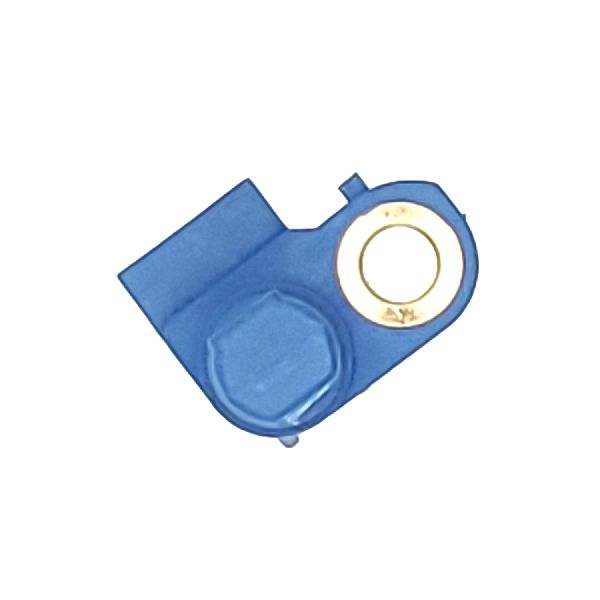
(OEM #31423572, 32301800 (31423572 is often superseded by the newer number))— This is the most common failure point for the C0040 code due to its exposed location and electronic nature.
Trusted brands: Genuine Volvo, Bosch, ATE, URO Parts, Holstein
OEM price range: $120-$180
Aftermarket price range: $50-$100 - Front Wheel Bearing and Hub Assembly
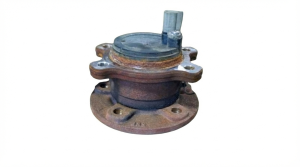
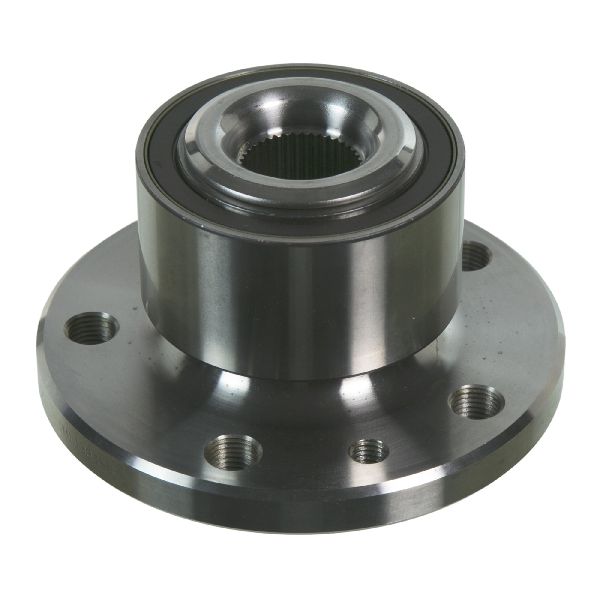
(OEM #31340603 (verify by VIN))— Required if the integrated magnetic encoder ring is damaged or if the bearing itself has failed, causing the sensor to read incorrectly.
Trusted brands: Genuine Volvo, SKF, FAG, Timken
OEM price range: $250-$350
Aftermarket price range: $150-$250
Platform-Specific Known Issues
- Corrosion can cause the ABS sensor to seize in the steering knuckle, making removal difficult. In some cases, the sensor must be broken and drilled out, requiring extra care not to damage the knuckle or the wheel bearing's magnetic ring.
Mechanic-Grade Diagnostic Values
- ABS Wheel Speed Sensor Signal (Active Sensor) — expected: Pulsing DC voltage (square wave) when the wheel is spun with the ignition on. The frequency of the pulse should increase with wheel speed.. Failure: No voltage signal, or a steady voltage that does not pulse. A simple resistance (ohms) test is not valid for these active sensors and will likely show an open circuit.
Hidden / Shadow Codes Worth Checking
- BCM-C0040-64: Signal Plausibility Failure. This is a Volvo-specific expansion of the generic C0040 code. It indicates the Brake Control Module (BCM) is receiving a signal from the sensor, but the signal is irrational or doesn't make sense compared to other vehicle speed inputs. (see via Volvo-specific diagnostic tool like VIDA/DICE.)
Scan Tool Commands That Help
- Volvo VIDA: BCM Calibration — After replacing a sensor or if diagnosing an intermittent fault. Navigate to Vehicle Communication -> BCM -> Advanced -> Calibration. This function tests and calibrates the BCM's various inputs, including yaw and steering angle sensors. During the procedure, the system checks for valid signals from all related sensors. A failure here, indicated by a red status dot for a specific sensor, can help confirm a fault in the ABS system that might be related to wheel speed input.
Wiring & Ground Locations
- Brake Control Module (BCM) — In the engine compartment, typically mounted to the ABS hydraulic unit at the left rear of the engine bay.. This module receives the signal from the right front wheel speed sensor. All wiring for the sensor ultimately terminates here, making its connector the primary location for end-to-end circuit testing.
- G2 / G93 — Chassis ground point located on the left side of the engine compartment, on the fender or near the strut tower.. A poor ground connection for the BCM can cause a wide range of difficult-to-diagnose electrical issues, including erratic sensor readings. Verifying a clean, tight ground connection is a key step in advanced diagnosis.
Real Owner Repair Stories
- Volvo Owners Club Forum (Volvo P2 Platform (similar hub/sensor design to P3 S60)) — Immediately after replacing a rear hub bearing, a "Brake Failure" message appeared. After replacing the other side, the ABS and traction control would aggressively engage at low speeds.
❌ Tried (didn't work) Double-checking sensor installation., Clearing codes with a scanner (they returned immediately).
✅ What actually fixed it The issue was traced to using a "pattern" (generic aftermarket) wheel bearing. Forum members confirmed that some non-genuine hub assemblies are manufactured without the necessary magnetic ring integrated into the seal, or the ring is incorrect. The ABS sensor has nothing to read, causing an immediate fault. The solution is to use a genuine Volvo part or a known-good OEM-equivalent brand (like SNR) that is confirmed to have the correct magnetic encoder.
OEM Part Supersession History
31423572→32301800— Part revision/update by Volvo.
Heads up: Other compatible or equivalent part numbers for the front sensor include 30793929 and 32373144. Always verify fitment with VIN.
Model Year Variations Within This Range
- 2011-2018: The fundamental hardware (sensor, magnetic bearing encoder) causing code C0040 remained consistent across the 2011-2018 generation. However, Polestar Engineered models received brake-by-wire software updates to improve braking feel, which highlights that the BCM software can vary by trim and year, though this is not a direct cause of a C0040 circuit fault.
Diagnostic Flowchart
Other Known Issues on This Vehicle
Issues unrelated to this code that are worth knowing about as an owner of this generation:
- Excessive Oil Consumption (T5/Drive-E Engines) 🔴 High — Common on 2015-2016 models with 4-cylinder Drive-E engines, often appearing after 50,000 miles. Caused by carbon-clogged low-tension piston rings. (Ref: Volvo TSB TJ 31233 addresses this issue, recommending piston and ring replacement.)
- PCV System Clogging 🔴 High — Common across many Volvo 5-cylinder engines. Infrequent oil changes lead to sludge and carbon buildup, clogging the breather box and hoses.
- Automatic Transmission Problems (Geartronic/Powershift) 🟠 Medium — Reports of rough shifting, hesitation, or 'shift flares' are noted, particularly in earlier models. Can be caused by faulty solenoids, old fluid, or issues with the B4 servo cover on some transmissions. (Ref: Software updates were released to address some shifting issues.)
- Sunroof Drain Clogging 🟠 Medium — The sunroof drains can become clogged with debris, leading to water leaking into the cabin, potentially damaging electronics in the A-pillar or floor.
Used vs. New Parts: Buying Guide for This Vehicle
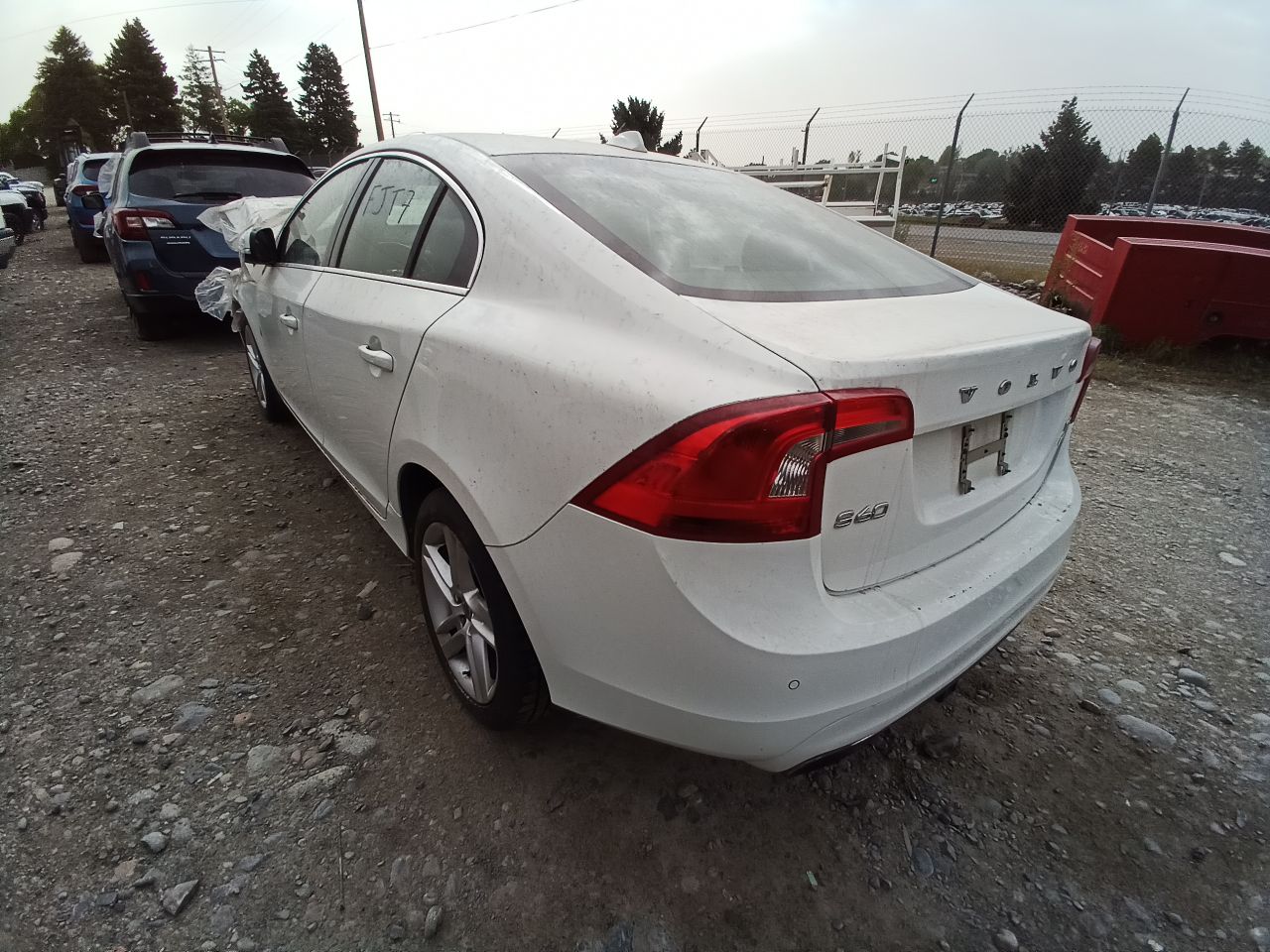
When a used part is the smart pick: A used wheel speed sensor is generally not recommended as it's an inexpensive electronic part and its remaining lifespan is unknown. A complete, low-mileage used wheel hub assembly from a reputable salvage yard can be a cost-effective option if the magnetic encoder ring is confirmed to be in perfect condition.
Donor-vehicle mileage cap: roughly under 60000 miles for the part to have meaningful remaining life.
What to inspect on the donor part:
- For a used hub assembly, visually inspect the integrated magnetic seal. There should be absolutely no nicks, dents, cracks, or heavy corrosion.
- Ensure the bearing spins smoothly with no noise or roughness.
- For a used sensor, check that the wiring harness is not brittle and the connector pins are clean and straight.
OEM-only on this vehicle (don't cheap out):
- Brake Control Module (BCM) / ABS Module. Used modules are coded to the original vehicle's VIN and generally cannot be reprogrammed to a new vehicle using standard dealer tools, making them unusable without specialist third-party services.
Aftermarket brands forum-validated for this vehicle:
- ABS Sensor: ATE, Bosch, NTK.
- Wheel Bearing/Hub Assembly: SKF, FAG, Timken, SNR.
Brands owners have reported issues with on this vehicle:
- Unbranded, 'white-box', or generic 'pattern' wheel bearing assemblies. These are notorious for lacking a functional or correctly specified magnetic encoder ring, which will cause an immediate ABS fault.
Real Owner Stories
Aggregated from forums and TSBs cited above. Mileages and costs reflect what owners reported in those sources.
2011-2018 Volvo S60 (P3 Platform)
Symptoms: ABS/DSTC warning light appeared, followed by a City Safety warning message.
What fixed it: Replacement of the faulty ABS wheel speed sensor.
Source hint: Reddit r/Volvo - 'Dirt shield came loose, now ABS/DSTC warning'
2010-2017 Volvo XC60 (P3 Platform)
Symptoms: "DSTC service required" message displayed on the dashboard.
What fixed it: The issue was traced to a broken sensor ring on the front axle, requiring replacement of the component.
Source hint: Volvo Owners Club Forum - 'DSTC service required'
2007-2016 Volvo S80 (P3 Platform)
Symptoms: DSTC Service Required message; ABS sensor was seized and impossible to remove normally.
What fixed it: The old sensor had to be drilled out of the steering knuckle and replaced with a new unit.
Source hint: YouTube - 'How to fix Volvo 'DSTC Service Required' - P3 Volvo ABS Sensor Replacement'
Related OBD-II Codes
Frequently Asked Questions
Why does my Volvo S60 display 'City Safety Service Required' alongside the ABS light for code C0040?
Is there a TSB for the excessive oil consumption I'm noticing on my 2015 S60 T5?
My mechanic says the ABS sensor is stuck in the steering knuckle; is this common on the S60?
Can a bad wheel bearing cause the 'DSTC Service Required' message on my S60?
What should I check if the ABS wiring looks okay but I still have a C0040 code?
Are there other Volvo models that share this specific ABS sensor and hub design?
Used OEM Parts in Stock


New Aftermarket Parts Available



The information in this article is provided for general reference and educational purposes only. Vehicle specifications, procedures, and part compatibility can vary by production date, trim level, and region. Always consult your vehicle's factory service manual and verify part numbers before purchasing or performing repairs. Safety-critical components such as airbags, seat belts, and braking systems should be installed by a qualified professional.
- Volvo S60:
- 🛍️ Shop This Part
- What's Unique About the 2011-2018 Volvo S60
- Symptoms You May Notice
- Most Likely Causes
- Rare But Worth Checking
- Diagnosis Steps
- Parts You'll Likely Need
- Platform-Specific Known Issues
- Mechanic-Grade Diagnostic Values
- Hidden / Shadow Codes Worth Checking
- Scan Tool Commands That Help
- Wiring & Ground Locations
- Real Owner Repair Stories
- OEM Part Supersession History
- Model Year Variations Within This Range
- Diagnostic Flowchart
- Other Known Issues on This Vehicle
- Used vs. New Parts: Buying Guide for This Vehicle
- Real Owner Stories
- 2011-2018 Volvo S60 (P3 Platform)
- 2010-2017 Volvo XC60 (P3 Platform)
- 2007-2016 Volvo S80 (P3 Platform)
- Related OBD-II Codes
- Frequently Asked Questions
- 🎟️ Get 5% Off