

C0040 on 2007-2018 Freightliner Sprinter: Right Front Wheel Speed Sensor Fault Fixes
Code C0040 on a 2007-2018 Sprinter almost always means the right front ABS wheel speed sensor has failed, its wiring is damaged, or the magnetic encoder ring is contaminated. A replacement sensor is the most common fix, costing between $40 for an aftermarket part and $150 for an OEM version. Cleaning the sensor and magnetic ring should always be the first step.
- C0040 on a Sprinter means there's a fault with the right front wheel speed sensor circuit, which will disable your ABS and ESP.
- The most likely cause is a failed sensor, followed by damaged wiring or a contaminated magnetic ring on the wheel bearing.
- Before replacing parts, remove the sensor and inspect the magnetic ring on the hub for a build-up of metallic brake dust. Cleaning this area can sometimes fix the problem.
- The front left and right sensors are the same part, making sourcing a replacement easier.
- The repair is DIY-friendly for those comfortable with removing a wheel and basic hand tools, but a proper diagnosis with a scanner is recommended first.
What's Unique About the 2007-2018 Freightliner Sprinter
On the NCV3 Sprinter (2007-2018), this code is common due to the design of the front axle. Unlike older vehicles with a separate toothed metal 'tone ring,' the Sprinter uses a sensitive magnetic encoder ring integrated into the seal of the front wheel bearing. This magnetic ring can become contaminated with metallic brake dust or other road debris, which looks like a metallic 'fuzz,' disrupting the sensor's reading and triggering the C0040 code. The sensor's wiring is also exposed and known to chafe in the wheel well.
Generation note: This guide covers the second generation (NCV3) of the Sprinter, sold as Freightliner, Mercedes-Benz, and Dodge from 2007 to 2018. The causes and fixes are consistent across this entire generation.
Symptoms You May Notice
- ABS warning light is illuminated on the dashboard.
- ESP/ASR (Traction Control) warning light is on.
- Cruise control is disabled.
- The vehicle may feel less stable when braking hard or on slippery surfaces.
- In some cases, the transmission may enter a limp mode.
- Brake pedal may feel different or ABS may activate unnecessarily at low speeds.
- Replacing the ABS sensor without first cleaning the magnetic encoder ring. Many owners report fixing the code simply by cleaning the debris off the ring.
- Replacing the ABS control module when the fault is a simple wiring break or contaminated sensor ring.
- Replacing the wheel bearing when the issue is only metallic debris on the magnetic ring that could be cleaned off.
Most Likely Causes
- Failed Right Front ABS Wheel Speed Sensor 🔴 High Probability The sensor is exposed to heat, moisture, and vibration, leading to internal electronic failure over time. It is the most common point of failure for this code after ruling out debris.
How to confirm: Use a diagnostic scanner that can read Sprinter ABS live data. Monitor the 'Right Front Wheel Speed' while driving. If the reading is zero, erratic, or doesn't match the other wheels, the sensor is the likely culprit. You can also swap the left and right front sensors (they are interchangeable) and see if the code changes to C0035 (Left Front).
Typical fix: Replace the right front ABS wheel speed sensor. The sensor is held in by a single Torx bolt on the steering knuckle.
Est. part cost: $40-$150 - Contaminated or Damaged Wheel Bearing Magnetic Encoder Ring 🟡 Medium Probability The magnetic encoder ring is part of the wheel bearing's dust seal. Metallic debris from brake pad wear accumulates on the magnet, disrupting the signal. This is a very common issue on NCV3 Sprinters and should be checked before replacing parts.
How to confirm: Remove the ABS sensor (one Torx bolt). Use a light and mirror to inspect the magnetic ring on the back of the wheel bearing hub. Look for a build-up of metallic 'fuzz' or any physical damage to the brown or black seal.
Typical fix: Thoroughly clean the magnetic ring with brake cleaner and a soft brush, cloth, or compressed air. Rotate the hub while cleaning to access the entire ring. If the ring is physically damaged (cracked, gouged), the entire front wheel bearing assembly must be replaced.
Est. part cost: $5 for cleaning supplies, or $150-$300 for a new wheel bearing assembly. - Damaged Sensor Wiring or Connector 🟡 Medium Probability The wiring harness flexes with steering and suspension movement. A common chafe point is where the harness passes through the wheel well and can rub against the body or suspension components, causing wires to break internally or short out.
How to confirm: Visually inspect the entire length of the sensor wire from the wheel hub to its connection point. Pay close attention to the section in the wheel well. Tug gently on the wires to check for internal breaks. Unplug the connector and check for corroded or bent pins.
Typical fix: Repair the damaged section of wire with solder and heat shrink, or replace the pigtail connector. Ensure the repaired harness is properly secured away from moving parts.
Est. part cost: $10-$50 for repair, or the cost of a new sensor assembly.
Rare But Worth Checking
- Failed ABS Control Module: This is rare. The ABS module will typically set multiple wheel speed sensor codes or internal fault codes, not just a single one for the right front wheel. Suspect this only after all other causes have been ruled out.
- Worn or Loose Wheel Bearing: Excessive play or 'wobble' in a worn wheel bearing can change the distance (air gap) between the sensor and the magnetic ring, causing an erratic signal. This is usually accompanied by a grinding or humming noise from the wheel area that changes with speed and when turning.
Diagnosis Steps
- Connect a diagnostic scanner capable of reading Mercedes/Sprinter ABS codes to confirm C0040 is present and check for any sub-codes.
- Access the live data stream on the scanner and monitor the speeds of all four wheels while driving.
- Confirm that the Right Front wheel speed reads 0 mph, is erratic, or lags compared to the others.
- Raise and secure the front of the vehicle on jack stands. Remove the right front wheel.
- Remove the single Torx bolt (typically an E8 external Torx or T30 internal Torx) holding the ABS sensor to the steering knuckle. Carefully twist and pull the sensor out. It may be seized and require gentle prying. Avoid damaging it if you plan to reuse it.
- With the sensor removed, thoroughly inspect and clean the magnetic encoder ring on the wheel bearing. Use brake cleaner and a soft brush or compressed air to remove all metallic debris. Rotate the hub to clean the entire circumference.
- Inspect the sensor tip and clean any debris from it.
- While the sensor is out, inspect the wiring harness for any signs of damage, such as chafing, melting, or breaks, especially where it passes through the wheel well.
- If the ring is clean and the wiring looks good, the sensor itself is the most likely culprit. Install a new sensor.
- Apply a small amount of dielectric grease to the new sensor's connector. Reinstall the sensor and bolt.
- Clear the trouble codes with the scanner. The ABS and ESP lights should go out after driving a short distance (usually above 10-15 mph) as the system re-verifies the sensor signal.
Parts You'll Likely Need
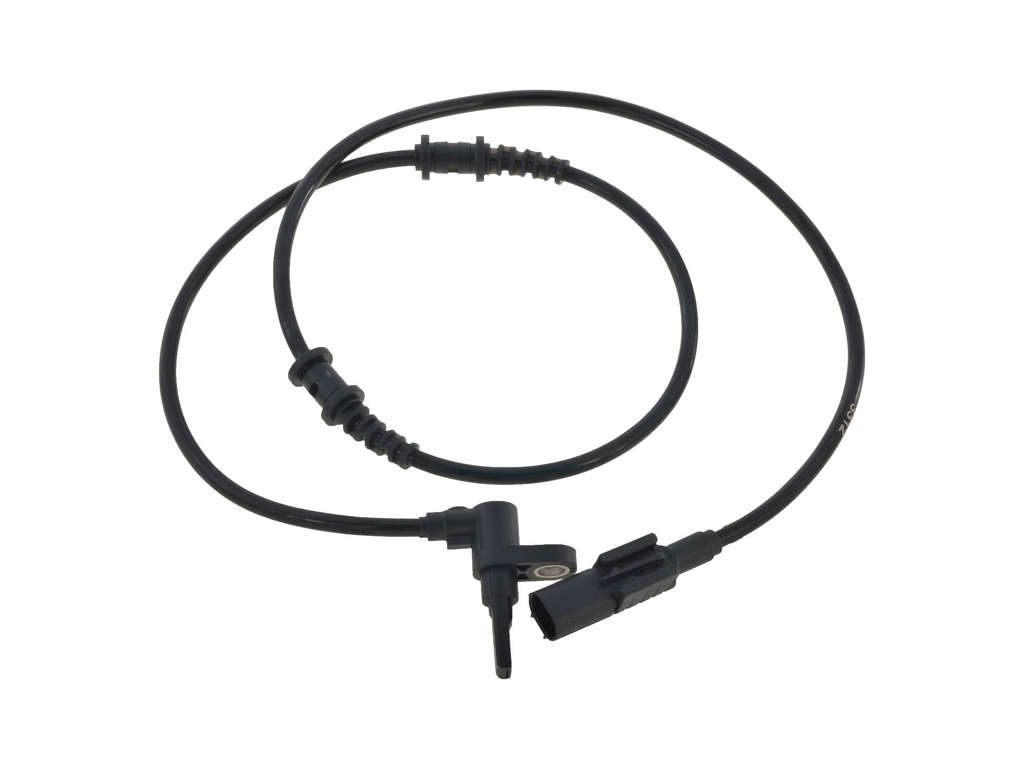
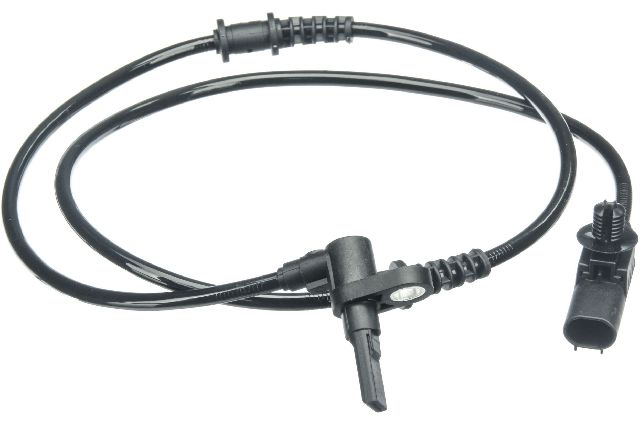
- Front ABS Wheel Speed Sensor
(OEM #A9069053301 (supersedes A9069050601))— This is the most common failure point for the C0040 code. The front sensors are interchangeable between the left and right sides.
Trusted brands: Bosch, ATE, Hella, Genuine Mercedes-Benz
OEM price range: $100-$150
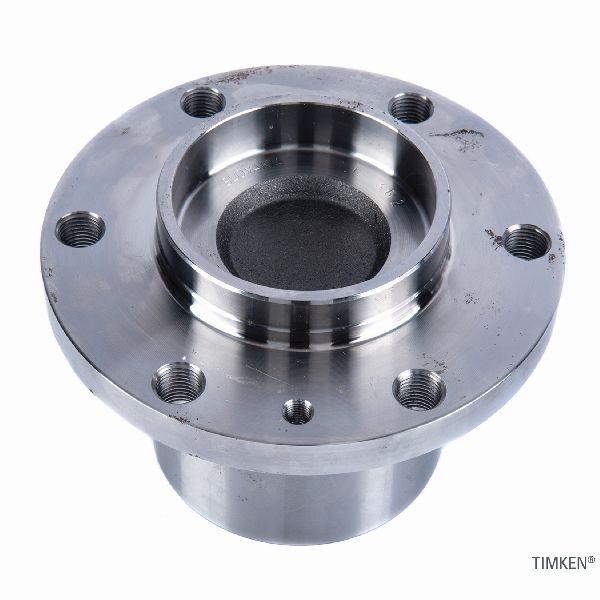
Aftermarket price range: $40-$80 - Front Wheel Bearing and Hub Assembly
(OEM #A9063300525 (example, verify by VIN))— This is only needed if the magnetic encoder ring, which is integrated into the bearing assembly, is physically damaged or if the bearing itself is worn out, causing excessive play.
Trusted brands: FAG, SKF, Timken
OEM price range: $250-$350
Aftermarket price range: $150-$220
Related Codes That Often Appear With This One
- C0035 — This is the code for the Left Front Wheel Speed Sensor. Seeing both together might point towards a common wiring issue, a problem with the ABS module, or similar failures happening around the same time.
- C0040-0F, C0040-18, etc. — Sprinter-specific scanners may provide sub-codes that give more detail. For example, C0040-0F indicates an erratic signal (often debris on the ring), while other suffixes can point to a short to ground or an open circuit, helping to narrow down the diagnosis between the sensor, wiring, or ring.
Platform-Specific Known Issues
- Real-World Repair Story: Cleaning the Magnetic Ring: A user on a YouTube guide reported a C0040 code even after installing a brand new sensor. Upon removing the new sensor, they found metallic shards collected on the wheel bearing's magnetic ring. By spraying contact cleaner into the sensor hole while rotating the disc, they were able to blow the debris out and resolve the fault without replacing any more parts.
- Wiring Harness Chafe Point: Owners on forums frequently report that the ABS sensor wire can rub against the inner fender liner or suspension components, eventually wearing through the insulation and causing a short. When diagnosing C0040, it is critical to carefully inspect the harness from the sensor all the way to the main connector in the engine bay.
Mechanic-Grade Diagnostic Values
- Active Sensor Signal Output (on Oscilloscope) — expected: Digital square wave switching between 7mA and 14mA.. Failure: No signal, a distorted (not square) waveform, or incorrect amplitude.
- Passive Sensor AC Voltage Output (on Multimeter) — expected: 50mV - 700mV AC when spinning the wheel by hand at approx. 1 revolution per second. (Note: Sprinters use active sensors, this is for general diagnosis).. Failure: No voltage or very low voltage.
- Sensor Air Gap — expected: Typically 0.40mm to 1.3mm (0.016" to 0.050").. Failure: An excessive gap can cause a weak or lost signal.
Hidden / Shadow Codes Worth Checking
- C0040-0F: Indicates the ABS module has detected an erratic or implausible signal from the right front wheel speed sensor. This often points to debris on the magnetic ring or a failing sensor. (see via A professional diagnostic scanner capable of reading Mercedes-Benz specific fault codes (e.g., XENTRY, Autel, Launch).)
- C0040-02: Indicates the ABS module has detected a short to ground in the right front wheel speed sensor circuit. This points to a wiring issue. (see via A professional diagnostic scanner capable of reading Mercedes-Benz specific fault codes.)
- C0040-05: Indicates the ABS module has detected a short to power or an open circuit for the right front wheel speed sensor. This points to a wiring issue or a failed sensor. (see via A professional diagnostic scanner capable of reading Mercedes-Benz specific fault codes.)
- C0040-18: Indicates the signal amplitude from the right front wheel speed sensor is below the minimum threshold. This can be caused by an excessive air gap, a weak sensor, or wiring resistance. (see via A professional diagnostic scanner capable of reading Mercedes-Benz specific fault codes.)
Scan Tool Commands That Help
- Professional Scan Tool (e.g., Autel, Launch, XENTRY): Live Data > ABS/ESP Module > Wheel Speed Sensors — This is the primary diagnostic step. Use it to watch the speed reading from all four wheels in real-time while driving. A faulty sensor will read 0, lag behind, or show erratic values compared to the others.
- Signal Generator & Scan Tool: Circuit Validation Test — Use this advanced technique when you suspect a wiring problem between the sensor connector and the ABS module. Disconnect the sensor, inject a simulated square wave signal into the vehicle-side harness, and watch the live data on the scan tool. If the scanner shows a corresponding speed, the wiring and ABS module are good, proving the fault is in the sensor itself.
Wiring & Ground Locations
- B20 — Component identifier for the Right Front ABS Wheel Speed Sensor in Mercedes-Benz wiring diagrams.. This is the official designator for the sensor, used to locate it on schematics when tracing wires.
- ABS Module Connector — Typically located on the ABS hydraulic unit in the engine bay, often near the brake master cylinder. It is a large multi-pin connector (e.g., 38-pin).. This is the termination point for the sensor wiring. Testing for continuity or shorts requires checking the pins here against the pins at the sensor connector. Finding the correct pinout can be difficult, and may require manually tracing the wires.
Real Owner Repair Stories
- YouTube user 'OutOnTheReef' (Mercedes Sprinter (NCV3)) — ABS, ESP, Collision Prevention Inactive, and other warning lights on the dash. A scanner confirmed a right front wheel speed sensor fault.
❌ Tried (didn't work) The user went straight to replacement based on the scanner code.
✅ What actually fixed it Replacing the right front ABS wheel speed sensor. Critically, the user noted that after replacing the part, the fault lights did not go out immediately. They had to drive the vehicle for several hundred feet, at which point the system re-read the now-working sensor and all the warning lights turned off automatically without needing a scanner to clear them. - Reddit user OutofKey_IntheMood (2016 Sprinter 313 CDI) — ABS/ESP issues with fault codes for both front speed sensors.
❌ Tried (didn't work) Live data on the diagnostic tool showed the sensor data was fine, which was contradictory to the fault codes.
✅ What actually fixed it The user's mechanic reasoned that since the sensors tested good with a multimeter and the ABS module was believed to be fine, the fault must be in the wiring harness between the sensors and the module. The final fix was not posted, but the story is valuable as it documents a common diagnostic dead-end and the correct logical next step: suspecting the harness. - YouTube user 'TutoBuild Eng' (2014 Mercedes Sprinter) — ABS, ESP, Anti-Slip lights on. Vehicle would continue to accelerate slightly after letting off the gas pedal.
✅ What actually fixed it The user replaced the faulty rear ABS sensor. As a mechanic tip, he noted that if a scanner is not available to clear codes, the entire system can be reset by using the main battery disconnect switch located in the driver's footwell area, which resets the ECU and other modules.
OEM Part Supersession History
A9069050601, 9065403917→A9069053301— Standard part revision and consolidation by Mercedes-Benz.
Heads up: The new part number is a direct replacement for the older numbers on all 2007-2018 NCV3 Sprinters.
Model Year Variations Within This Range
- 2007-2018: No significant variations in the front ABS sensor, magnetic ring, or common causes have been identified within the NCV3 generation for RWD models. The repair procedure is consistent across these model years.
Diagnostic Flowchart
Other Known Issues on This Vehicle
Issues unrelated to this code that are worth knowing about as an owner of this generation:
- OM642 V6 Oil Cooler Seal Leak 🔴 High — Very common, especially on pre-2010 models with original orange seals. Typically occurs after 100,000 miles. The repair is labor-intensive (8-12 hours) as the cooler is in the engine valley. (Ref: Mercedes updated the seals to a more durable purple Viton material (P/N A6421880580) around 2010, but leaks can still occur.)
- Injector Seal Failure ('Black Death') 🔴 High — A well-known issue on Sprinter diesels where the copper injector seal fails, causing a buildup of black, tar-like carbon around the injector. Preventable with correct low-ash oil and regular inspection.
- DPF/BlueTEC Emissions System Problems 🔴 High — Frequent issues with clogged Diesel Particulate Filters (DPF), failed NOx sensors, and DEF heater malfunctions, often triggered by short-trip driving without sufficient highway time for regeneration. Can lead to limp mode or a no-start countdown.
- Turbocharger Actuator Failure 🔴 High — The electronic actuator for the variable geometry turbo is a common failure point due to heat cycling. It is often sold only with the complete turbo assembly, making it an expensive repair.
- Driveshaft Carrier Bearing Failure 🟠 Medium — The rubber support for the center carrier bearing on the two-piece driveshaft deteriorates, causing vibrations and grinding/rumbling noises, especially on deceleration. Aftermarket two-piece clamp-on solutions are available.
- Intake Manifold Swirl Flap Failure 🟠 Medium — Carbon buildup from the EGR system can cause the plastic swirl flap linkages in the intake manifold to bind or break, causing rough running and performance loss.
Used vs. New Parts: Buying Guide for This Vehicle
When a used part is the smart pick: A used OEM ABS sensor from a reputable auto recycler can be a cost-effective option, as it is an electronic component, not a high-wear item. This is only recommended if the donor vehicle is known to be a low-mileage, non-accident vehicle.
Donor-vehicle mileage cap: roughly under 75000 miles for the part to have meaningful remaining life.
What to inspect on the donor part:
- No visible cracks or damage to the sensor body.
- Connector pins are clean, straight, and free of corrosion.
- Wiring pigtail is intact with no cuts, abrasions, or signs of heat damage.
- Ask for the donor vehicle's VIN to verify mileage and model year.
OEM-only on this vehicle (don't cheap out):
- While not strictly 'OEM-only', the Front Wheel Bearing/Hub Assembly is a quality-critical part. The integrated magnetic ring must be manufactured to precise specifications. Using a cheap, unbranded bearing assembly is a high-risk repair that can cause the C0040 code to return.
Aftermarket brands forum-validated for this vehicle:
- Bosch (often the original equipment manufacturer)
- ATE (high-quality German brand, OEM supplier for many brake components)
- Vemo (specializes in electronics for European vehicles)
Brands owners have reported issues with on this vehicle:
- Unbranded 'white-box' sensors from online marketplaces. These often have lower quality control, leading to poor signal precision, incorrect fitment, and premature failure, causing the ABS warning light to remain on or return quickly.
Real Owner Stories
Aggregated from forums and TSBs cited above. Mileages and costs reflect what owners reported in those sources.
2007-2018 Sprinter (NCV3)
Symptoms: C0040 code persisted even after installing a brand new sensor.
What fixed it: Removed the sensor and sprayed contact cleaner into the sensor hole while rotating the disc to blow out metallic shards collected on the wheel bearing's magnetic ring.
Source hint: Real-World Repair Story: Cleaning the Magnetic Ring (YouTube guide)
2007-2018 Sprinter (NCV3)
Symptoms: ABS/ESP light on and cruise control not working; code C0040 present.
What fixed it: Replacing the right front sensor fixed the issue after cleaning the ring did not resolve the fault.
Source hint: sprinter-source.com: In a thread titled 'ABS/ESP light on, cruise not working'
2007-2018 Sprinter (NCV3)
Symptoms: ABS/ESP light on with code C0040.
What fixed it: Repaired a wire that had chafed through its insulation inside the plastic conduit located in the wheel well.
Source hint: sprinter-source.com: A user in 'Another ABS/ESP light thread'
Related OBD-II Codes
Frequently Asked Questions
Can I swap the front sensors on my 2007-2018 Sprinter to see if the C0040 code moves?
I replaced the sensor but the C0040 code is still there. What else should I check on my NCV3 Sprinter?
Is there a specific part number for the updated oil cooler seals mentioned in the known issues?
Why did my cruise control stop working at the same time the ABS light came on?
Where is the most common place for the ABS wiring to fail on this vehicle?
How fast do I need to drive to get the ABS and ESP lights to turn off after a repair?
We Have This Part in Stock


The information in this article is provided for general reference and educational purposes only. Vehicle specifications, procedures, and part compatibility can vary by production date, trim level, and region. Always consult your vehicle's factory service manual and verify part numbers before purchasing or performing repairs. Safety-critical components such as airbags, seat belts, and braking systems should be installed by a qualified professional.
- Freightliner Sprinter:
- 🛍️ Shop This Part
- What's Unique About the 2007-2018 Freightliner Sprinter
- Symptoms You May Notice
- Most Likely Causes
- Rare But Worth Checking
- Diagnosis Steps
- Parts You'll Likely Need
- Related Codes That Often Appear With This One
- Platform-Specific Known Issues
- Mechanic-Grade Diagnostic Values
- Hidden / Shadow Codes Worth Checking
- Scan Tool Commands That Help
- Wiring & Ground Locations
- Real Owner Repair Stories
- OEM Part Supersession History
- Model Year Variations Within This Range
- Diagnostic Flowchart
- Other Known Issues on This Vehicle
- Used vs. New Parts: Buying Guide for This Vehicle
- Real Owner Stories
- 2007-2018 Sprinter (NCV3)
- 2007-2018 Sprinter (NCV3)
- 2007-2018 Sprinter (NCV3)
- Related OBD-II Codes
- Frequently Asked Questions
- 🎟️ Get 5% Off