

C0035 on 2007-2014 Chevrolet Tahoe: Left Front Wheel Speed Sensor Causes and Fixes
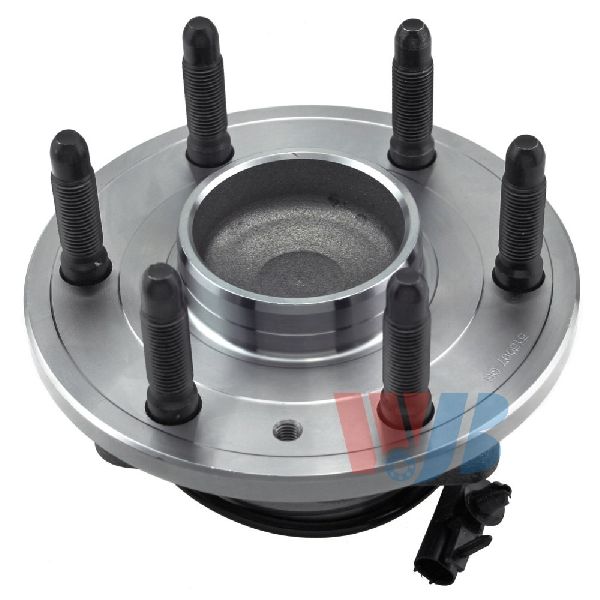
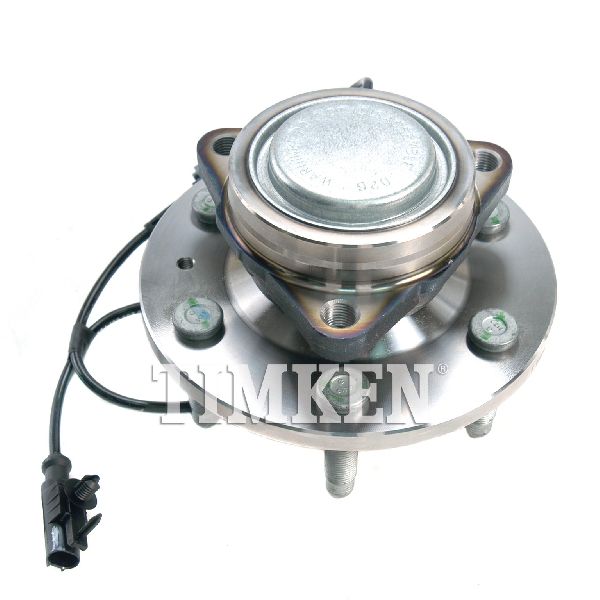
On a 2007-2014 Tahoe, code C0035 almost always means the left front (driver's side) wheel hub assembly has failed. The ABS sensor is integrated and cannot be replaced separately. Before replacement, inspect for wiring damage and clean the magnetic encoder ring per TSB PIC5428G. Expect to pay $120-$250 for a quality aftermarket hub and up to $400 for an OEM part.
- C0035 on a 2007-2014 Tahoe means there's a problem with the driver's side front wheel speed sensor circuit.
- The most common fix is replacing the entire left front wheel hub assembly, as the sensor is built-in.
- Before replacing the hub, always inspect the wiring harness for damage and check the hub's magnetic ring for debris.
- Driving with this code is possible but not recommended, as your ABS and StabiliTrak safety systems are inactive.
- Always use a new axle nut when replacing the hub and torque it to the correct specification.
What's Unique About the 2007-2014 Chevrolet Tahoe
For this generation of Tahoe (and all its GMT900 platform mates), the front wheel speed sensor is not a separate, bolt-on part. It is integrated into the sealed wheel hub and bearing assembly. This means that if the sensor or its magnetic encoder ring fails, the entire hub assembly must be replaced. While generic code readers may cause confusion, GM-specific documents and scan tools confirm C0035 points to the left front wheel on this platform. A scan tool may also show symptom bytes like '18' (Low Signal Amplitude), '5A' (Signal Not Plausible), or '0F' (Erratic Signal), which often point directly to debris on the encoder or an internal hub failure.
Symptoms You May Notice
- ABS warning light illuminated
- StabiliTrak or Traction Control warning light illuminated
- "Service StabiliTrak" message on the Driver Information Center (DIC)
- "Service Traction Control" message on the DIC
- Unwanted ABS activation or brake pedal pulsation at low speeds (often a precursor to the light).
- Brake pedal feels 'hard' or unresponsive during the fault
- Replacing only the wheel speed sensor. On this vehicle, the front sensor is integrated into the hub and cannot be replaced separately.
- Replacing the right front hub instead of the left. Generic code definitions can be misleading; for this specific GM platform, C0035 definitively points to the left front wheel.
Most Likely Causes
- Failed Front Wheel Hub and Bearing Assembly 🔴 High Probability The wheel speed sensor and its magnetic encoder ring are integrated into the hub assembly, a wear-and-tear item exposed to heat, moisture, and road debris. Corrosion can cause rust to build up under the encoder ring, pushing it out of alignment or causing it to crack, leading to an erratic or lost signal.
How to confirm: After confirming the wiring is intact, check for play or listen for a grinding/roaring noise from the left front wheel bearing. If the bearing feels rough when spun or has any looseness, it has failed. Often, the bearing feels fine, but the internal sensor has failed. Replacement is the only way to confirm a sensor-internal fault. Using a scan tool to monitor live wheel speed data while driving will show the left front sensor dropping out or reading erratically compared to the others.
Typical fix: Replace the entire left front wheel hub and bearing assembly. The axle nut is a single-use, torque-to-yield part and must also be replaced. Popular aftermarket brands include Timken (SP580301), MOOG (515096), and SKF (BR930689).
Est. part cost: $120-$400 - Damaged Wheel Speed Sensor Wiring or Connector 🟡 Medium Probability The wiring harness runs near the spinning tire and suspension components, making it susceptible to chafing, impact damage, and corrosion from road salt and water. Common chafe points include where the harness passes the inner fender liner, the upper control arm, and the shock tower. Aftermarket suspension modifications can sometimes pull the harness tight, causing it to rub on the wheel or CV axle boot. Manufacturer Bulletin #PIT5499B notes that technicians should also inspect the Electronic Brake Control Module connector for water intrusion, which can trigger C0035 and other wheel speed codes.
How to confirm: Visually inspect the entire length of the wiring harness from the back of the wheel hub up to its connection point on the frame rail. Look for chafed insulation, broken wires, or green corrosion in the connector pins. Wiggle the harness while monitoring live data on a scan tool to see if the signal cuts out.
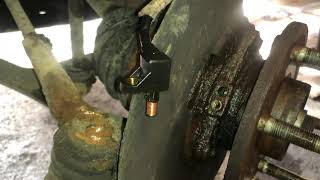
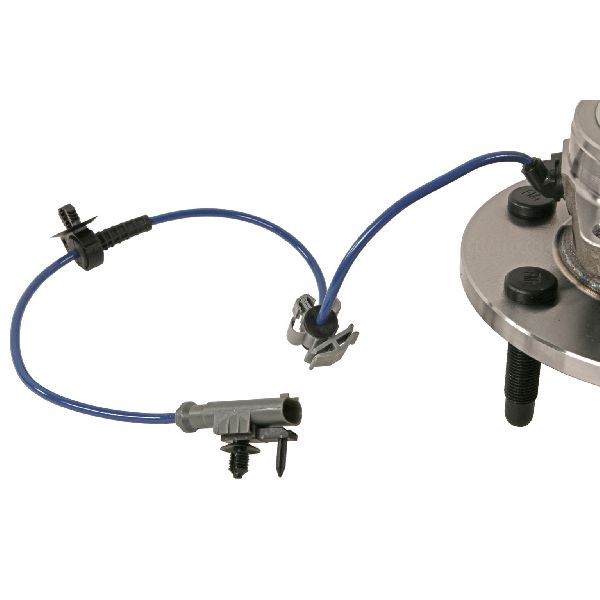
Typical fix: Repair the damaged section of wire or replace the pigtail connector (e.g., ACDelco PT2298). 🎬 Watch: Fixing a missing signal on the front left sensor If damage is extensive, the entire front ABS harness may need to be replaced.
Est. part cost: $20-$100 - Debris on Magnetic Encoder Ring ⚪ Low Probability The magnetic encoder ring on the inboard side of the hub can attract metallic debris (like rust flakes or brake dust). This contamination disrupts the magnetic field, which the sensor reads, causing the EBCM to log a fault.
How to confirm: This is specifically mentioned in GM TSB #PIC5428G. Remove the brake caliper and rotor to gain access to the back of the hub assembly. Visually inspect the smooth, dark surface of the encoder ring for any attached metallic particles. The debris can be very fine, resembling a metallic paste.
Typical fix: Gently clean the debris off the magnetic encoder ring using a dry, soft nylon bristle brush. Do not use magnetic tools, as they can damage the encoder. If the code returns, the hub assembly likely has an internal fault.
Est. part cost: $0
Rare But Worth Checking
- Faulty Electronic Brake Control Module (EBCM): This is rare and should only be considered after a new hub assembly and verified good wiring fail to resolve the code. Usually, an EBCM failure will trigger multiple wheel speed sensor codes (e.g., C0035 and C0040) or communication codes simultaneously. Manufacturer Bulletin #22-NA-089 notes that C0035 can set alongside other codes like P215B, causing ABS and Stabilitrak lamps to illuminate intermittently.
Diagnosis Steps
- Connect an ABS-capable OBD-II scanner. Confirm the presence of code C0035 and check for any GM-specific symptom bytes (e.g., 18, 5A, 0F), which can provide more detail about the fault.
- Use the scanner to view live data. Watch the 'Left Front Wheel Speed' parameter while driving or spinning the wheel. Compare it to the other three sensors. A reading that is erratic, drops to zero, or doesn't change with speed confirms the fault location.
- Perform a thorough visual inspection of the left front wheel speed sensor wiring harness. Trace it from the hub to the frame, looking for any signs of rubbing, stretching, melting, or corrosion at the connector, especially near the upper control arm and shock tower.
- If the wiring appears undamaged, raise the front of the vehicle and secure it on jack stands. Spin the left front wheel by hand. Listen for any grinding or roaring sounds and feel for any roughness or play in the wheel hub, which would indicate a bad mechanical bearing.
- If the bearing feels smooth, remove the wheel, brake caliper, and rotor to access the back of the hub assembly.
- Inspect the magnetic encoder ring on the hub for metallic debris, as recommended by TSB #PIC5428G. If debris is present, clean it off with a soft nylon brush and re-test.
- If the wiring is good, the bearing feels good, and the encoder ring is clean, the most probable cause is an internal failure of the sensor within the hub assembly.
- Replace the left front wheel hub assembly with a new unit. Always use a new axle nut and torque it to the manufacturer's specification (typically 177 ft-lbs for this platform).
- Clear the code with the scan tool and perform a test drive to ensure the warning lights do not return.
Parts You'll Likely Need
- Front Wheel Hub and Bearing Assembly
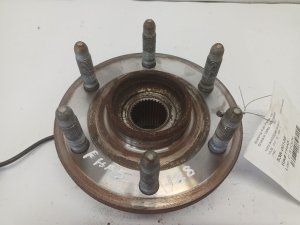
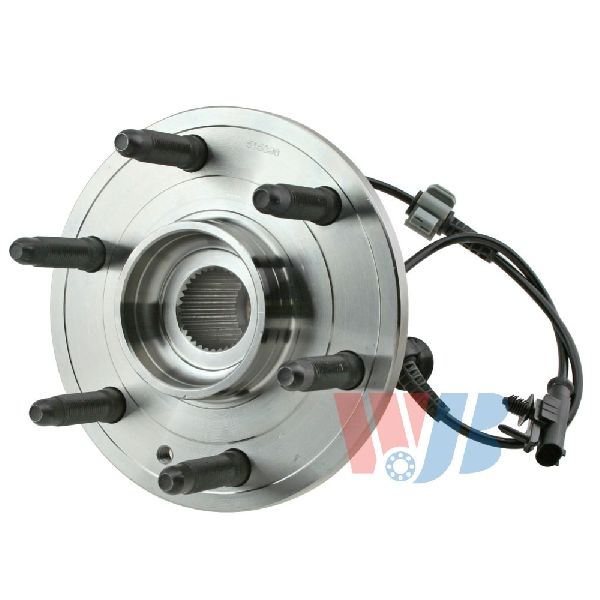
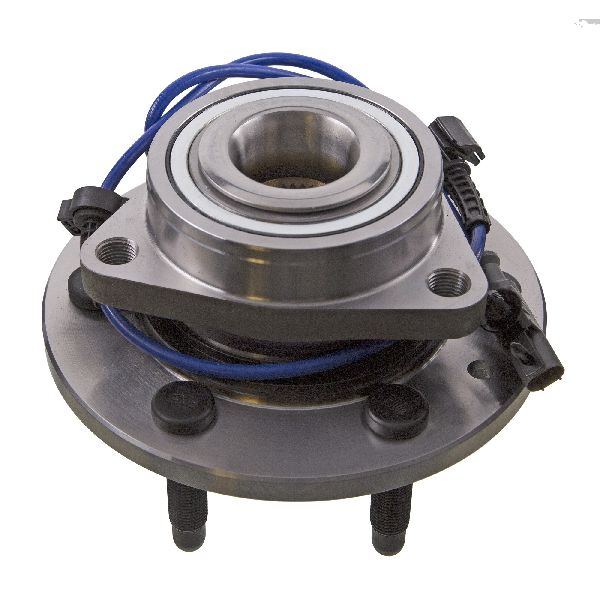
(OEM #84856654)— This is the most common fix because the non-serviceable ABS wheel speed sensor is integrated into this assembly. Failure of either the mechanical bearing or the electronic sensor requires replacement of the entire unit. The current OEM part 84856654 supersedes older numbers like 84356643, 25976819, 25918329, 22841381, and 10393171.
Trusted brands: ACDelco (OEM - 84856654), Timken (SP580301), MOOG (515096), SKF (BR930689)
OEM price range: $250-$400
Aftermarket price range: $120-$250 - Front Axle Spindle Nut
(OEM #11570789)— This is a single-use, torque-to-yield nut that must be replaced any time the hub assembly is removed for safety.
Trusted brands: ACDelco, Dorman (615-156)
OEM price range: $10-$20
Aftermarket price range: $5-$15
Related Codes That Often Appear With This One
- C0040 — This code is for the Right Front Wheel Speed Sensor. Seeing C0035 and C0040 together could indicate a systemic issue like a problem with the EBCM, its power/ground, widespread wiring damage, or significantly mismatched tire pressures between the front wheels.
- U0415 — Invalid Data Received From Electronic Brake Control Module. This code may set in the Power Steering Control Module on vehicles with electric power steering, as the steering system defaults to a heavier feel when it loses a valid wheel speed signal. This is a secondary effect of the C0035 fault.
Technical Service Bulletins (TSBs) & Recalls
- PIC5428G: Notes that C0035 refers to the Left Front Corner and that cleaning metallic debris from the magnetic encoder ring may resolve the fault without part replacement. Warns against using magnetic tools for cleaning. This TSB covers a wide range of GM vehicles, including the Tahoe.
- Bulletin #PIT5499B: Mentions that C0035 may be found alongside a "Service Trailer Brake" message on the Driver Information Center; technicians are advised to inspect the Electronic Brake Control Module connector for water.
- Bulletin #22-NA-089: Notes that ABS and Stabilitrak lamps may illuminate intermittently and/or deactivate for an ignition cycle when C0035 is set.
Mechanic-Grade Diagnostic Values
- Wheel Speed Sensor Resistance — expected: 800 - 2,000 Ohms (Ω). Failure: A reading of zero or infinite (OL) resistance indicates a failed sensor coil. Readings outside the expected range can also indicate a problem.
- Wheel Speed Sensor AC Voltage Output — expected: Fluctuating AC voltage that increases with wheel speed. Failure: No AC voltage generated when the wheel is spun indicates a dead sensor or a problem with the magnetic encoder ring.
Hidden / Shadow Codes Worth Checking
- C0035 18: Signal Circuit Open/Shorted to Ground/Shorted to Voltage. This symptom byte points directly to a wiring problem (like a break or chafe) or a completely failed sensor with an internal open/short circuit. (see via GM-specific scan tool (Tech 2, GDS2) or high-end aftermarket scanner capable of reading manufacturer symptom bytes.)
- C0035 0F: Signal Erratic. The EBCM is receiving a signal, but it is unstable, jumping, or dropping out. This often points to a failing bearing causing hub movement, a contaminated/damaged magnetic encoder ring, or a loose connection. (see via GM-specific scan tool (Tech 2, GDS2) or high-end aftermarket scanner.)
- C0035 5A: Signal Not Plausible. The signal from the sensor does not match the data from other vehicle sensors (like other wheel speeds). This can be caused by a damaged encoder ring, incorrect hub installation, or significant tire size mismatch. (see via GM-specific scan tool (Tech 2, GDS2) or high-end aftermarket scanner.)
Scan Tool Commands That Help
- Tech 2 / GDS2: Automated Bleed / Antilock Brake System Bleed — This is a mandatory procedure if the Brake Pressure Modulator Valve (BPMV) or the entire ABS hydraulic unit is replaced. It cycles the internal solenoids and pump to purge air trapped in the ABS module, which cannot be removed by manual bleeding.
- Tech 2 / GDS2: EBCM Programming / Setup — Required when a brand new EBCM is installed. A used EBCM from a donor with identical brake options (e.g., JL4) may not require programming for basic function, but the VIN will be mismatched.
Wiring & Ground Locations
- G103 / G104 — On the frame rail, located under the driver's side door area.. This is the primary ground point for the Electronic Brake Control Module (EBCM). Corrosion or a loose connection at this ground can cause a host of erratic ABS/StabiliTrak issues, including wheel speed sensor codes, by creating an unstable ground reference for the module.
- Wheel Speed Sensor Harness Connector — The main connection point for the front ABS harness is on the frame rail, typically near the top of the shock tower.. This connector is a common point for corrosion (green crust) or loose pins. The harness itself is prone to rubbing against the inner fender liner or the upper control arm, especially on vehicles with leveling kits or modified suspensions.
Real Owner Repair Stories
- TahoeYukonForum.com user (Chevrolet Tahoe/GMC Yukon with an aftermarket leveling kit installed.) — C0035 or C0040 code appeared after installing a leveling kit.
❌ Tried (didn't work) Replacing the wheel hub assembly.
✅ What actually fixed it The leveling kit caused the upper control arm to pull the ABS wiring harness taut, eventually rubbing a hole through the insulation against the spinning wheel/tire. Replacing the damaged wheel speed sensor harness (pigtail) resolved the code. - TahoeYukonForum.com user Joseph Garcia (2007-2014 generation Tahoe) — Stabilitrak and ABS warning lights, DIC messages for Traction Control Off and ABS Off.
❌ Tried (didn't work) Initially cleaned the sensor ring, which did not look dirty.
✅ What actually fixed it The user diagnosed a Left Front Wheel Speed Sensor Circuit issue with a Tech 2 scanner. Although the article states the sensor is integrated, this user was able to purchase and replace just the sensor itself after removing the brake assembly for access. This fixed the issue and cleared all codes and warnings. This suggests some aftermarket hubs or specific sub-models may have a replaceable sensor, contrary to the common understanding.
Documented NHTSA Reports
- NHTSA ODI #10440851: An owner reported that two lights appeared on the dash, the ABS light and the "BRAKE LIGHT," with diagnostic codes C0035 and C0040 indicating wheel speed sensor circuit malfunctions.
- NHTSA ODI #11228687: A report describes a vehicle where multiple indicators were illuminated and a mechanic found codes C0035, C0040, C0050, and U0415, among others.
Diagnostic Flowchart
Used vs. New Parts: Buying Guide for This Vehicle
When a used part is the smart pick: A used EBCM from a junkyard can be a cost-effective choice, especially if it's from a donor vehicle with the exact same brake option code (e.g., JL4). This often allows for 'plug and play' functionality without immediate need for programming, though the VIN will not match. A used wheel hub assembly is almost never recommended due to it being a primary wear item with an unknown history.
Donor-vehicle mileage cap: roughly under 75000 miles for the part to have meaningful remaining life.
What to inspect on the donor part:
- For a used EBCM, check for a clean, corrosion-free housing and connectors.
- Ensure the donor vehicle has the same brake option code (RPO code, found on the sticker in the glove box).
- Verify the donor vehicle was not in a major front-end collision that could have damaged the module or wiring.
OEM-only on this vehicle (don't cheap out):
- While not strictly OEM-only, many technicians strongly prefer OEM/ACDelco or premium OEM-supplier hubs (Timken, SKF) to avoid premature failures and comebacks associated with budget brands.
Aftermarket brands forum-validated for this vehicle:
- Timken: Widely regarded as an OEM supplier and a top-tier choice for hubs.
- SKF: A premium brand with a strong reputation, often considered equal to or better than OEM.
- MOOG: A well-known brand, though some forum users note a decline in consistent quality in recent years.
- ACDelco: The official GM parts brand, available in Professional (high-quality aftermarket) and OE grades.
Brands owners have reported issues with on this vehicle:
- Unbranded or 'white box' hubs from online marketplaces are a gamble on quality and lifespan. Some users report the integrated ABS sensor being dead on arrival.
Real Owner Stories
Aggregated from forums and TSBs cited above. Mileages and costs reflect what owners reported in those sources.
2007-2014 Chevrolet Tahoe
Symptoms: The owner reported that the StabiliTrak and ABS dashboard warning lights appeared, along with messages for 'Traction Control Off' and 'ABS Off' on the Driver Information Center.
What fixed it: After diagnosing a fault with the Left Front Wheel Speed Sensor Circuit, the owner ultimately replaced the wheel speed sensor/hub assembly to resolve the issue.
Source hint: TahoeYukonForum.com: C0035 - Diagnosed and Fixed
Related OBD-II Codes
Frequently Asked Questions
My 2011 Tahoe is showing 'Service StabiliTrak' and the ABS light is on. Is this related to code C0035?
I heard there's a GM TSB about cleaning a part for C0035 instead of replacing it. Does this apply to my Tahoe?
If I have to replace the front wheel hub on my Tahoe for this code, are there any recommended aftermarket brands?
Besides the hub itself, do I need to replace any other parts when fixing code C0035 on my Chevrolet Tahoe?
My mechanic checked the wiring and the bearing feels fine, but the C0035 code persists. What's the most likely cause?
I have a 2012 GMC Yukon with code C0035. Is the diagnostic and repair information for the Tahoe the same for my vehicle?
What's the most common cause for code C0035 on the 2007-2014 Tahoe?
Helpful Videos
Used OEM Parts in Stock

New Aftermarket Parts Available


The information in this article is provided for general reference and educational purposes only. Vehicle specifications, procedures, and part compatibility can vary by production date, trim level, and region. Always consult your vehicle's factory service manual and verify part numbers before purchasing or performing repairs. Safety-critical components such as airbags, seat belts, and braking systems should be installed by a qualified professional.
- Chevrolet Tahoe:
- 🎬 Helpful Videos
- 🛍️ Shop This Part
- What's Unique About the 2007-2014 Chevrolet Tahoe
- Symptoms You May Notice
- Most Likely Causes
- Rare But Worth Checking
- Diagnosis Steps
- Parts You'll Likely Need
- Related Codes That Often Appear With This One
- Technical Service Bulletins (TSBs) & Recalls
- Mechanic-Grade Diagnostic Values
- Hidden / Shadow Codes Worth Checking
- Scan Tool Commands That Help
- Wiring & Ground Locations
- Real Owner Repair Stories
- Documented NHTSA Reports
- Diagnostic Flowchart
- Used vs. New Parts: Buying Guide for This Vehicle
- Real Owner Stories
- 2007-2014 Chevrolet Tahoe
- Related OBD-II Codes
- Frequently Asked Questions
- 🎟️ Get 5% Off