

C0035 on 2005-2013 Chevrolet Corvette: Left Front Wheel Speed Sensor Fault Causes and Fixes
On a C6 Corvette, code C0035 points to a fault in the left front wheel speed sensor circuit. The most common fixes are replacing the short wiring pigtail harness (approx. $100) or the entire front wheel hub assembly which contains the sensor (approx. $150-$350). Always inspect the connector and wiring first, as cleaning the connector or replacing the inexpensive pigtail often resolves the issue without needing a new hub.
- C0035 on a C6 Corvette means there is a problem with the left front wheel speed sensor circuit, which will disable ABS, Traction Control, and Active Handling.
- Before replacing expensive parts, always start by inspecting and cleaning the electrical connector at the wheel hub and checking the short wiring pigtail (harness) for damage. This pigtail is a very common point of failure.
- The most common parts needed to fix this code are the wiring pigtail (GM #15248662) or the entire wheel hub assembly (e.g., Timken 513286, SKF BR930544).
- Do not replace the EBCM unless all other possibilities (wiring, connector, hub) have been exhaustively ruled out, as it is rarely the cause.
What's Unique About the 2005-2013 Chevrolet Corvette
The 2005-2013 Corvette belongs to the C6 generation. For this platform, the wheel speed sensor is not a standalone part; it is integrated into the wheel bearing and hub assembly. A very common failure point is not the hub itself, but the short, separate wiring harness that connects the hub to the main chassis harness. This pigtail is exposed to heat, moisture, and suspension movement, often leading to corrosion or broken wires within the connector or harness itself. Forum users frequently report that replacing this pigtail is the fix, even when the hub and sensor are fine.
Symptoms You May Notice
- ABS warning light illuminated
- Traction Control System (TCS) warning light illuminated
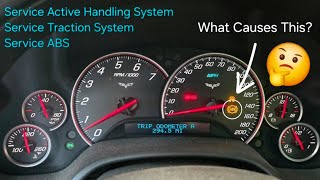
- "Service Active Handling" message on the Driver Information Center
- "Service Traction System" message on the Driver Information Center
- "Service ABS" message on the Driver Information C 🎬 Watch: Why your C6 is showing these service messagesenter
- ABS and stability control systems are inoperative
- Brake pedal may feel different or pulsate unexpectedly at low speeds (less common)
- Replacing the EBCM before thoroughly testing the sensor and wiring. The EBCM is designed to cut power to a faulty sensor circuit, which can be mistaken for an internal EBCM failure.
- Replacing the wheel hub assembly when only the inexpensive wiring pigtail was faulty. Many owners on forums recommend replacing the pigtail first due to its high failure rate and low cost.
Most Likely Causes
- Damaged or Corroded Wheel Speed Sensor Wiring Harness (Pigtail) 🔴 High Probability This short harness is located in the wheel well and is subject to constant flexing with the suspension and exposure to the elements, leading to wire fatigue and corrosion inside the connector. Many owners report the wires breaking internally or the pins corroding.
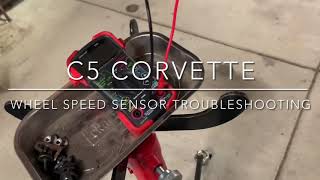
How to confirm: Visually inspect the harness (GM Part #15248662) for any signs of chafing, breaks, or green corrosion at the connector pins. Perform a "wiggle test" on t 🎬 See this guide on troubleshooting wheel speed sensor issueshe harness and connector while monitoring sensor data or voltage to see if the reading cuts out. Test for continuity from the hub connector to the main chassis connector.
Typical fix: Replace the wheel speed sensor wiring harness. This part is often sold separately and is a very common fix reported on forums.
Est. part cost: $80-$120 - Failed Wheel Speed Sensor (Internal to Hub Assembly) 🔴 High Probability The sensor is a sealed electronic component within the hub that can fail over time from heat cycles and vibration. The magnetic encoder ring it reads can also be damaged or contaminated with debris. Manufacturer Bulletin #PIC5428G notes that technicians should gain access to the wheel bearing associated with the code if symptom bytes 18, 5A, or 0F are present.
How to confirm: After confirming the wiring harness is good, use a high-end scan tool (like a Tech II for GMs) to monitor live data from the left front wheel speed sensor while driving. If the reading is erratic, zero, or doesn't match the other wheels, the hub is likely bad. TSB PIT4683F provides a procedure to test the sensor's output in milliamps.
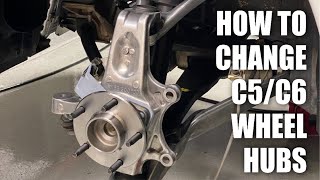
Typical fix: Replace the entire left front wheel bearing 🎬 Watch: Step-by-step front wheel bearing replacement walkthrough and hub assembly.
Est. part cost: $150-$350 - Dirty or Loose Electrical Connector 🟡 Medium Probability The connector between the pigtail and the hub is low to the ground and can accumulate dirt, brake dust, and moisture, leading to a poor connection. Manufacturer Bulletin #PIT5499B highlights that technicians may need to inspect the Electronic Brake Control Module connector for water intrusion when codes like C0035 are found.
How to confirm: Disconnect the connector and inspect for dirt, moisture, or bent/corroded pins. Ensure the connector clicks securely into place.
Typical fix: Clean both sides of the connector with electrical contact cleaner and apply dielectric grease before reconnecting to seal out moisture. Some owners have had success simply unplugging and replugging the connector to re-establish a solid connection.
Est. part cost: $5-$15
Rare But Worth Checking
- Faulty Electronic Brake Control Module (EBCM): This is rare and often misdiagnosed. TSB PIT4683F warns that the EBCM will intentionally cut the 12V supply to a sensor circuit if it detects a fault, which can make it seem like the EBCM is the problem. One forum user noted that if the code sets immediately upon turning the ignition on (without the wheels moving), it could point to an EBCM issue, but this is not a definitive test. Thoroughly rule out the wiring and hub before condemning the EBCM.
- Incorrect Tire Sizes: While less common for triggering a C0035 specifically, running tire sizes with a front-to-rear diameter ratio outside of the factory specifications can confuse the EBCM and set various wheel speed-related codes. One forum user noted the importance of keeping the rear tires about 1.04" larger in overall diameter than the fronts.
Diagnosis Steps
- Read the code with a scanner capable of reading ABS/chassis codes to confirm C0035. Note that some generic OBD-II readers may not see chassis codes.
- Perform a close visual inspection of the left front wheel speed sensor wiring harness (the pigtail) for any signs of physical damage, chafing against suspension components, or melting.
- Disconnect the harness at the wheel hub and at the chassis connection. Inspect both connectors for corrosion (green crust), bent pins, or moisture. Clean with electrical contact cleaner and apply dielectric grease as a preventative measure.
- If the connectors look good, test the wiring harness for continuity on both wires to rule out an internal break. Perform a wiggle test on the harness while checking continuity.
- If a capable scan tool is available, monitor the live data for the left front wheel speed sensor while rotating the wheel by hand. Compare its reading to the other wheels. It should not be zero or erratic. A more effective test is to graph the sensor outputs while driving.
- If the wiring and connectors are confirmed good, the fault is most likely the sensor within the wheel hub assembly. Follow the diagnostic procedure in TSB PIT4683F to test the sensor's milliamp output for a definitive diagnosis if you have the proper tools.
- As a practical diagnostic step mentioned on forums, if the right side is working correctly, you can swap the left and right pigtail harnesses. If the code moves to the right side (C0040), the pigtail is confirmed bad.
- If the sensor tests bad or the pigtail swap doesn't move the code, replace the left front wheel hub assembly.
- If the sensor and wiring both test good, the issue may lie with the EBCM, but this is the least likely cause and should be the last component replaced.
Parts You'll Likely Need
- Front Wheel Speed Sensor Wiring Harness
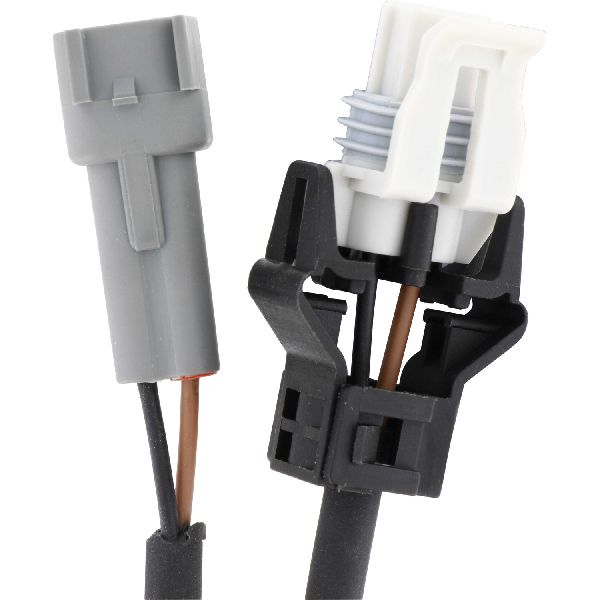
(OEM #15248662)— This is the most common failure point due to its exposed location and stress from suspension movement. It is a frequent and well-documented fix on owner forums.
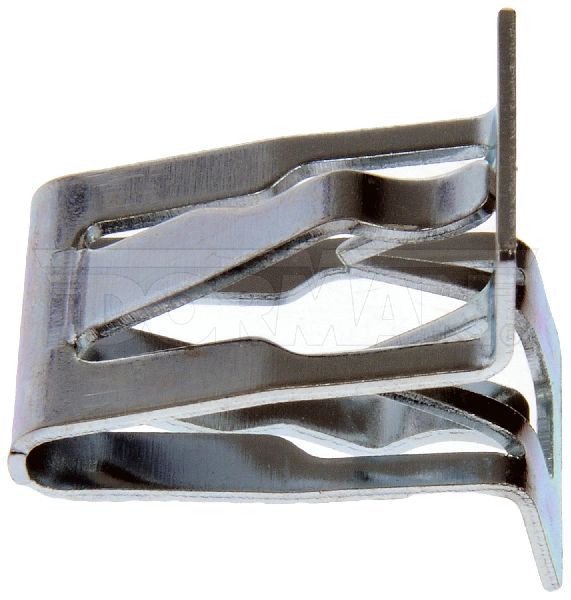
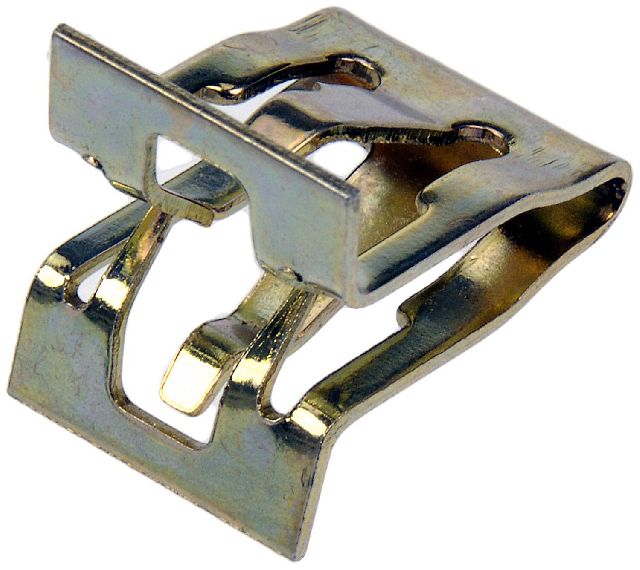
Trusted brands: ACDelco (GM Genuine), Dorman (645-209 is a pigtail connector, not the full harness)
OEM price range: $90-$120
Aftermarket price range: $70-$100 - Front Wheel Bearing and Hub Assembly
(OEM #19421347 (supercedes earlier numbers))— If the wiring is good, the sensor integrated within the hub has failed, requiring replacement of the entire assembly.
Trusted brands: ACDelco (GM Genuine), Timken (513286), SKF (BR930544), MOOG (513286), Duralast (DL513286), Detroit Axle (513286)
OEM price range: $250-$350
Aftermarket price range: $150-$250
Technical Service Bulletins (TSBs) & Recalls
- PIT4683F: Additional Wheel Speed Sensor Diagnostics - This bulletin is critical. It explains that the EBCM cuts voltage to a faulty sensor circuit and provides a specific diagnostic test using a multimeter to measure milliamp signals, helping to avoid unnecessary EBCM replacement.
- Bulletin #22-NA-089: This manufacturer bulletin notes that ABS and Traction Control lamps may illuminate intermittently and deactivate for an ignition cycle when codes C0035-C0051 are set.
- Bulletin #PIC5428G: This bulletin addresses instances where the ABS, Traction Control, and/or Service Stabilitrak lights are on, specifically when the EBCM stores codes C0035-C0050 with symptom bytes 0F, 18, or 5A.
- Bulletin #PIT5499B: A service bulletin indicating that technicians should inspect the Electronic Brake Control Module connector for water if codes such as C0035 or C0040 are present.
Platform-Specific Known Issues
- Real Owner Experience: Pigtail Solved It: On CorvetteForum, a user with a 2012 Grand Sport got the C0035 code. After checking connectors, he followed advice to replace the pigtail harness first. This solved the problem without needing to replace the more expensive hub assembly. This story is repeated in many threads.
- Real Owner Experience: Cleaning Connectors Worked: In the same thread, another user reported that simply disconnecting, cleaning the contacts with electrical cleaner, and reconnecting the harness cleared his code. This highlights the importance of checking simple connection issues first.
- DIY Repair Story: Hub Replacement: A YouTube video by 'Savage C6' shows the process of replacing the entire front wheel hub on a C6 Corvette. The job took about an hour and the primary difficulty was accessing the rear-most hu
Mechanic-Grade Diagnostic Values
- Wheel Speed Sensor Current Draw (GM TSB PIT4683F test) — expected: The sensor should toggle between a 'Low' reading of 4-8 mA and a 'High' reading of 11-16 mA as the wheel is slowly turned.. Failure: A reading outside of this range indicates a faulty wheel speed sensor within the hub assembly.
- EBCM Supply Voltage Pulse at Connector — expected: A brief, momentary 12-volt pulse should be detected across the sensor supply and signal circuits at the harness connector when the ignition is first turned on.. Failure: Absence of this pulse suggests a wiring issue between the EBCM and the sensor connector, or a faulty EBCM. However, the EBCM will intentionally cut power if a fault is stored, so this test must be done after clearing codes and cycling power.
- Sensor Resistance (Older method, less reliable for active sensors) — expected: Approximately 1000-1100 Ohms (1.0-1.1 kOhms) across the two pins of the sensor.. Failure: A reading that is significantly different, open (infinite resistance), or shorted (zero resistance) indicates a bad sensor. Note that this is a static test and may not catch dynamic failures.
Hidden / Shadow Codes Worth Checking
- C0035 0F: Indicates an 'Erratic Signal' from the wheel speed sensor. This often points to a physically damaged or debris-covered magnetic encoder ring on the hub assembly. (see via A professional GM-capable scan tool like a Tech II or GDS2 that can read ABS module symptom bytes.)
- C0035 18: Indicates 'Low Signal Amplitude', suggesting the signal from the sensor is too weak. This is often caused by metallic debris on the magnetic encoder, increasing the air gap, or an internal sensor failure. (see via A professional GM-capable scan tool like a Tech II or GDS2 that can read ABS module symptom bytes.)
- C0035 5A: Indicates the signal from the wheel speed sensor is 'Not Plausible'. This points directly to a problem with the magnetic reluctor ring, such as rust jacking it away from the sensor or severe contamination. (see via A professional GM-capable scan tool like a Tech II or GDS2 that can read ABS module symptom bytes.)
Scan Tool Commands That Help
- Tech II / GDS2: Live Data Graphing — Graphing the output of all four wheel speed sensors simultaneously while driving is the most effective way to identify an erratic or dropout signal from the left front sensor that may not be obvious with a numerical display.
- Tech II / GDS2: Clear ABS Codes — Must be used after a repair. Also used during diagnosis before performing the 'key-on 12V pulse test' from TSB PIT4683F, as the EBCM will not send the pulse if a current code is stored.
Wiring & Ground Locations
- EBCM Ground — The primary ground for the Electronic Brake Control Module is typically located on the frame rail near the EBCM itself, under the driver's side of the vehicle.. A poor ground connection can cause a floating reference voltage, leading to erratic sensor readings and multiple ABS-related fault codes, including C0035.
- WSS Harness Connector (at chassis) — This connector links the short wheel-side pigtail to the main body harness. It is typically mounted on the frame or subframe in the upper wheel well area.. This is a critical test point. Technicians often check for voltage, ground, and signal continuity here to isolate the fault between the pigtail/hub and the main vehicle wiring going to the EBCM.
- WSS Connector Pinout (at sensor) — On the connector that plugs into the wheel hub assembly.. For 2005-2008 models, the Light Blue wire is the 5-volt reference from the EBCM, and the Yellow wire is the signal return/ground. This allows for precise testing of power supply and signal directly at the source.
Real Owner Repair Stories
- CorvetteForum user (2008 C6 Base) — Service Active Handling, ABS, and Traction System messages. Code C0035 present.
❌ Tried (didn't work) Measured resistance (Ohms) at the wheel sensor and harness, which showed similar values to the working driver's side., Measured AC voltage while spinning the hub, which was also the same as the good side.
✅ What actually fixed it The code would set the moment the engine started, without the car moving. This pointed to an immediate electrical fault rather than a dynamic reading issue. The final fix was replacing the short pigtail harness, which had an internal break not detectable by the initial tests.
OEM Part Supersession History
Multiple previous numbers, including 12413001→19421347— Standard part evolution, potential improvements in sealing or bearing design.
Heads up: The primary incompatibility is between Delphi (2005-2008) and Bosch (2009-2013) systems. While the hubs may physically interchange, the sensors are designed for their respective EBCM systems and should not be mixed.
Model Year Variations Within This Range
- 2005-2008: These model years use an ABS/EBCM system manufactured by Delphi.
- 2009-2013: These model years switched to an ABS/EBCM system manufactured by Bosch. The EBCM, BPMV, and potentially the sensor protocols are different. Parts should not be interchanged between these two ranges without verifying compatibility.
Diagnostic Flowchart
Used vs. New Parts: Buying Guide for This Vehicle
When a used part is the smart pick: A used part is generally not recommended for this repair. The wiring pigtail is inexpensive new. The wheel hub is a wear-and-tear item, and a used hub carries unknown mileage and wear, making it a risky purchase. The only exception might be sourcing a complete, low-mileage EBCM from a 2009-2013 donor car if a rare module failure is confirmed, as new units can be expensive.
Donor-vehicle mileage cap: roughly under 40000 miles for the part to have meaningful remaining life.
What to inspect on the donor part:
- For a hub: Check for any signs of play or roughness when turning the bearing by hand.
- For a wiring pigtail: Inspect for any cracks in the insulation, corrosion in the connectors, or previous repair attempts (splices, tape).
- For an EBCM: Ensure the donor vehicle did not have ABS-related codes and that the part number matches your specific year range (Delphi vs. Bosch).
OEM-only on this vehicle (don't cheap out):
- Electronic Brake Control Module (EBCM) - Due to VIN programming requirements and system sensitivity, a new OEM or professionally remanufactured unit is the safest choice.
Aftermarket brands forum-validated for this vehicle:
- For Hub Assemblies: SKF and Timken are consistently recommended on forums as high-quality, durable alternatives to OEM. MOOG is also a frequently used option.
Brands owners have reported issues with on this vehicle:
- Unnamed 'white box' or budget brands found on auction sites. Forum members report higher failure rates and shorter service life with cheaper, unbranded hub assemblies.
Real Owner Stories
Aggregated from forums and TSBs cited above. Mileages and costs reflect what owners reported in those sources.
2012 Grand Sport
Symptoms: The C0035 code appeared, triggering the associated ABS and Active Handling warnings.
What fixed it: After checking the connectors, the owner replaced the pigtail harness first, which solved the problem completely without needing to replace the more expensive hub assembly.
Source hint: CorvetteForum, as described in 'Real Owner Experience: Pigtail Solved It'
C6 Corvette (year not specified)
Symptoms: ABS / Traction Control Light, C0035-00, and 'Service all 3' messages on the DIC.
What fixed it: The owner replaced both the wheel hub assembly and the wiring harness to fix the issue.
Source hint: CorvetteForum - 'ABS / Traction Control Light, C0035-00 Service all 3'
C6 Corvette (year not specified)
Symptoms: C0035 code and associated warning lights.
What fixed it: The owner disconnected the harness, cleaned the contacts with electrical cleaner, and reconnected it. This simple action cleared the code.
Source hint: CorvetteForum thread, as described in 'Real Owner Experience: Cleaning Connectors Worked'
Documented NHTSA Reports
NHTSA ODI #10440851
Symptoms: An owner reported that two lights appeared on the dash: the ABS light and the "BRAKE LIGHT". Diagnostic codes C0035 and C0040 were present, indicating circuit malfunctions for both front wheel speed sensors.
NHTSA ODI #11228687
Symptoms: Multiple indicators were illuminated on the dashboard. A diagnostic scan by an independent mechanic revealed a series of codes including C0035, C0040, and C0050, alongside several communication codes.
Related OBD-II Codes
Frequently Asked Questions
What is the first and most common part I should check for code C0035 on my C6 Corvette?
Is the wheel speed sensor a separate part or is it part of the wheel hub assembly on this Corvette?
My mechanic wants to replace the EBCM. Is that a likely fix for C0035?
Is there an easy way to test if the wiring pigtail is bad without special tools?
What does TSB PIT4683F say about diagnosing the C0035 code?
Can simply cleaning the electrical connector fix the 'Service Active Handling' message?
Does the Cadillac XLR, which is based on the Corvette, also have this problem?
Helpful Videos

Used OEM Parts in Stock

New Aftermarket Parts Available


The information in this article is provided for general reference and educational purposes only. Vehicle specifications, procedures, and part compatibility can vary by production date, trim level, and region. Always consult your vehicle's factory service manual and verify part numbers before purchasing or performing repairs. Safety-critical components such as airbags, seat belts, and braking systems should be installed by a qualified professional.
- Chevrolet Corvette:
- 🎬 Helpful Videos
- 🛍️ Shop This Part
- What's Unique About the 2005-2013 Chevrolet Corvette
- Symptoms You May Notice
- Most Likely Causes
- Rare But Worth Checking
- Diagnosis Steps
- Parts You'll Likely Need
- Technical Service Bulletins (TSBs) & Recalls
- Platform-Specific Known Issues
- Mechanic-Grade Diagnostic Values
- Hidden / Shadow Codes Worth Checking
- Scan Tool Commands That Help
- Wiring & Ground Locations
- Real Owner Repair Stories
- OEM Part Supersession History
- Model Year Variations Within This Range
- Diagnostic Flowchart
- Used vs. New Parts: Buying Guide for This Vehicle
- Real Owner Stories
- 2012 Grand Sport
- C6 Corvette (year not specified)
- C6 Corvette (year not specified)
- Documented NHTSA Reports
- NHTSA ODI #10440851
- NHTSA ODI #11228687
- Related OBD-II Codes
- Frequently Asked Questions
- 🎟️ Get 5% Off