

Pentastar 3.6L VVT Solenoid Failure: Durango, Grand Cherokee, Wrangler & More (2011-2024)
Diagnosing check engine lights and rough idle caused by faulty VVT solenoids in millions of Dodge, Jeep, Ram, and Chrysler vehicles.
- VVT solenoid failure is most often caused by low or dirty engine oil; an oil change is a critical part of the repair.
- A faulty VVT solenoid can be a symptom of the 'Pentastar Tick,' a serious rocker arm failure that sheds metal debris into the oil.
- There are two different intake VVT solenoids for the 3.6L Pentastar (Standard vs. Upgraded/ESS engines); you must verify which your vehicle needs before buying.
- Diagnosis is simple: swap the intake solenoids between engine banks. If the trouble code follows the part, the solenoid is bad.
Symptoms of a Failing VVT Solenoid


A bad VVT solenoid will almost always let you know there's a problem by triggering the check engine light, but other performance issues are also common. Here are the most frequent signs of failure:
🎬 Watch: 9 common symptoms of a bad VVT solenoid- Check Engine Light (CEL): This is the most common symptom. The ECM detects that the camshaft position is not what it should be and stores a fault code. Common codes related to VVT solenoid failure on the 3.6L Pentastar include P0016, P0017, P000A, P000B, P0010, P0011, P0013, P0014, P0021, and P0022.
- Rough Idle and Stalling: The engine may shake, run unevenly, or stall when you're stopped at a light. This happens because the solenoid can't maintain the correct valve timing at low engine speeds.
- Poor Performance and Acceleration: Your vehicle may feel sluggish, hesitate, or lack power when you step on the gas. The engine is stuck in an inefficient timing position and can't adjust to give you power when you demand it.
- Decreased Fuel Economy: If you find yourself visiting the gas station more often without a change in your driving habits, a faulty VVT solenoid could be the cause. An engine with incorrect timing burns more fuel than necessary.
- Engine Noises: You might hear a rattling, ticking, or knocking sound from the engine, especially at idle. This can be the sound of the VVT system struggling to operate without the correct oil pressure directed by the solenoid.
The Real Cause: Why Pentastar VVT Solenoids Fail

VVT solenoids can fail electronically, but more often, they are victims of another problem: dirty engine oil. The 3.6L Pentastar engine's VVT system is extremely sensitive to oil quality, level, and viscosity.
The solenoids have very fine mesh screens to filter the oil that passes through them. When the oil is contaminated with sludge, dirt, or metal particles, these screens get clogged. This blockage starves the solenoid and the cam phasers of the oil they need to function, leading to failure and timing-related fault codes.
Warning: A failed VVT solenoid can be an early symptom of the infamous "Pentastar Tick." This ticking noise is caused by failing needle bearings in the engine's rocker arms. As the rocker arms fail, they shed metal debris into the oil, which then clogs the VVT solenoid screens. If you replace a solenoid and find metal shavings on the screen, you likely have a more serious rocker arm issue that needs immediate attention to prevent severe engine damage.
Compatibility Warning: Standard vs. Upgraded 3.6L Pentastar Engines

A critical detail for buyers is that Chrysler produced two main versions of the 3.6L Pentastar engine, and they use different intake VVT solenoids. The initial version was used from 2011. In 2016, FCA released an updated version of the engine, which featured changes to the VVT system and is often found in vehicles equipped with Engine Stop/Start (ESS).
- Standard Engine (approx. 2011-2015, and non-ESS models): Typically uses intake VVT solenoid part numbers like 05184101AG or 05184101AH.
- Upgraded Engine (approx. 2016+, especially with ESS): Typically uses intake VVT solenoid part number 5047788AD.
These parts are not interchangeable. You must verify which engine your vehicle has before ordering to ensure compatibility. This guide and the listed part numbers are for the intake camshaft solenoid only.
Diagnosing a Faulty VVT Solenoid
If you suspect a bad solenoid, a simple diagnostic test can confirm the problem before you spend money on parts. The 3.6L V6 has four VVT solenoids in total—one intake and one exhaust on each cylinder bank (driver's side is Bank 2, passenger's side is Bank 1).
The Solenoid Swap Test:
- Identify the fault code. For example, code P0021 refers to an issue with the Bank 2 (driver's side) intake camshaft.
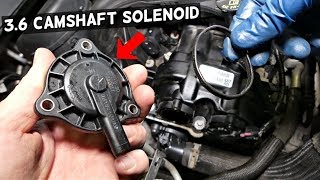
- Locate the intake VVT solenoids on both banks. They are on the front of the valve covers.
- Swap the Bank 2 (suspect) intake solenoid with the Bank 1 (passenger side) intake solenoid.
- Clear the codes with a scanner and drive the vehicle.
- If the code returns as P0011 (which points to Bank 1), you have confirmed the solenoid is faulty. If the P0021 code returns, the problem lies elsewhere in the Bank 2 timing system.
Pro Tip: You can also test the solenoid's internal coil with a multimeter. Disconnect the electrical connector and measure the resistance between the two pins on the solenoid. A good solenoid should typically read between 6.9 and 12 ohms. A reading of infinity (OL) indicates an open circuit and a bad coil.
🎬 Watch: How to test a VVT solenoid with a multimeterBuying a Used VVT Solenoid: What to Check
A high-quality, clean used OEM solenoid is often a better choice than a cheap new aftermarket part. Here’s what to look for when inspecting a recycled VVT solenoid:
- Inspect the Screens: This is the most important check. The oil screens on the solenoid should be perfectly clean and free of any debris. If you see metallic glitter, thick sludge, or any blockage, do not buy the part. A clogged screen indicates it came from a poorly maintained or failing engine.
- Check the Connector: The plastic electrical connector should be free of cracks, and the pins inside should be straight and clean, with no signs of corrosion or heat damage.
- Verify the Part Number: Double-check the part number against your needs (Standard vs. Upgraded engine). A visual inspection can also help; the two versions have different designs.
- Mileage vs. Condition: Low mileage is good, but the part's condition is more important. A clean solenoid from a 100,000-mile engine that had regular oil changes is a safer bet than a sludged-up part from a 50,000-mile neglected engine.
Replacement Overview (Difficulty: 1/5)

Replacing a VVT solenoid on the 3.6L Pentastar is a beginner-friendly job that usually takes less than 30 minutes per solenoid.
- Location: The solenoids are located on the front of the engine's valve covers, making them easy to access.
- Removal: Disconnect the electrical connector by pressing the tab. Remove the three T25 Torx bolts holding the solenoid in place.
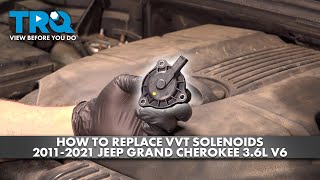
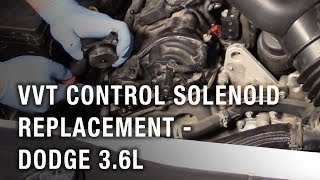
- Installation: Gently rock and pull the old solenoid out. A small amount of oil will spill. Lightly lubricate the O-ring on the new solenoid with fresh engine oil and insert it. Reinstall the three bolts and reconnect the electrical connector. 🎬 See this step-by-step Dodge 3.6L replacement walkthrough
Cost Comparison
| Part/Service | Estimated Cost |
|---|---|
| New OEM (Mopar) | $40 - $100 |
| New Aftermarket | $25 - $60 |
| Used OEM | $20 - $50 |
| Shop Labor | $100 - $200 |
Prices are estimates and can vary based on location and specific vehicle.
Vehicle-Specific Information
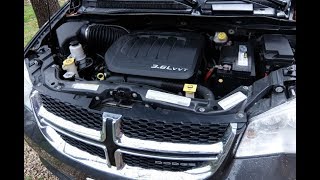
The 3.6L Pentastar engine is used across a wide range of vehicles. While the VVT solenoid part and replacement procedure are virtually identical for all of them, minor differences in engine covers or brackets may exist. This guide applies to the VVT solenoids on the following vehicles equipped with the 3.6L V6 engine:
- 2011-2024 Dodge Durango
- 2011-2024 Jeep Grand Cherokee
- 2011-2023 Dodge Charger
- 2012-2024 Jeep Wrangler
- 2011-2022 Chrysler 300
- 2011-2022 Dodge Challenger
- 2013-2024 Ram 1500
- 2014-2024 Ram ProMaster 1500, 2500, & 3500
Frequently Asked Questions (FAQ)
Can I just clean my old VVT solenoid?
You can try cleaning the screens with brake cleaner if they are only lightly sludged. However, if the solenoid has failed electronically or is heavily clogged with metal debris, cleaning will not fix it. Given the low cost of a replacement, it's often better to install a new or clean used part.
How many VVT solenoids are on my 3.6L Pentastar engine?
There are four VVT solenoids in total. Each cylinder head has one for the intake camshaft and one for the exhaust camshaft.
Do I need to do an oil change after replacing the solenoid?
It is highly recommended. Since the number one cause of solenoid failure is dirty oil, replacing the oil and filter with the manufacturer-specified grade (e.g., 0W-20 for most 2016+ models) is the most important step to prevent the new solenoid from failing as well.
What's the difference between an intake and exhaust VVT solenoid?
On many Pentastar engines, the intake and exhaust solenoids are different parts and are not interchangeable. This guide focuses on the intake solenoid. Always verify the correct part number for the specific position you are replacing.
Helpful Videos
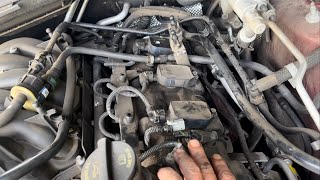
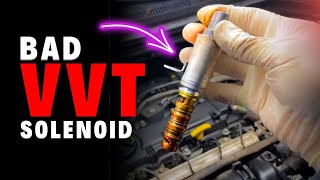
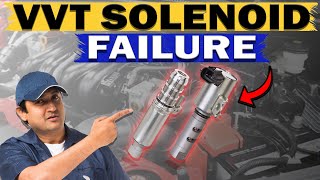
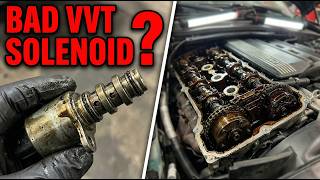

Technical Specifications
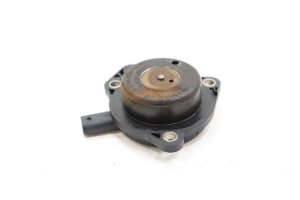
OEM Part Numbers: 05184101AG 05184101AH 5184101AG 5184101AH 5047788AD 5047788AC 5047788AB
Operating Voltage: 12V DC; Resistance: Approx. 6.9-12 Ohms; Actuation: Electromagnetic; Bolts: 3x T25 Torx
We Have This Part in Stock

The information in this article is provided for general reference and educational purposes only. Vehicle specifications, procedures, and part compatibility can vary by production date, trim level, and region. Always consult your vehicle's factory service manual and verify part numbers before purchasing or performing repairs. Safety-critical components such as airbags, seat belts, and braking systems should be installed by a qualified professional.
- DODGE DURANGO:
- JEEP GRAND CHEROKEE:
- DODGE CHARGER:
- JEEP WRANGLER:
- CHRYSLER 300:
- DODGE CHALLENGER:
- RAM 1500:
- RAM PROMASTER 1500:
- RAM PROMASTER 2500:
- RAM PROMASTER 3500:
- DODGE GRAND CARAVAN:
- DODGE JOURNEY:
- CHRYSLER PACIFICA:
- CHRYSLER 200:
- CHRYSLER TOWN & COUNTRY:
- CHRYSLER VOYAGER:
- JEEP GLADIATOR:
- DODGE AVENGER:
- JEEP GRAND CHEROKEE L:
- 🎬 Helpful Videos
- 🛍️ Shop This Part
- Symptoms of a Failing VVT Solenoid
- The Real Cause: Why Pentastar VVT Solenoids Fail
- Compatibility Warning: Standard vs. Upgraded 3.6L Pentastar Engines
- Diagnosing a Faulty VVT Solenoid
- Buying a Used VVT Solenoid: What to Check
- Replacement Overview (Difficulty: 1/5)
- Cost Comparison
- Vehicle-Specific Information
- Frequently Asked Questions (FAQ)
- 🎟️ Get 5% Off