

2013-2019 Nissan Sentra 1.8L MRA8DE Engine: Problems, Identification, and Used Replacement
The 1.8L MRA8DE is a reliable engine often misdiagnosed for CVT failures, but timing chain stretch and cracked cylinder heads can kill it. Learn how to identify your engine, what fails, and when swapping in a used OEM unit makes the most financial sense.
- Before replacing the engine for hesitation or stalling, have a technician thoroughly diagnose the CVT, as it is a very common failure point and its symptoms mimic engine problems.
- To prevent cracking the aluminum cylinder head, spark plugs must be tightened to a strict 14 ft-lbs with a torque wrench on a completely cold engine.
- Verify fitment by checking that the 4th digit of the VIN is 'A', and always transfer the original intake/exhaust manifolds, sensors, and wiring harness to the replacement engine to ensure emissions compatibility.
- After installation, an Idle Air Volume Learning (IAVL) procedure using a professional scan tool is mandatory to correct a high or surging idle.
Is This the Right Engine for Your Sentra?


This engine, part of the Nissan MR family, is the 1.8-liter inline 4-cylinder MRA8DE (also identified by codes MRA8 or MR18DE). It was the standard engine for all non-turbo Nissan Sentra models from 2013 to 2019. It is a non-turbo, non-direct-injection engine used only in front-wheel-drive (FWD) applications.
Confirming Fitment: The VIN Check
The most important step before purchasing a replacement engine is to check your vehicle's VIN (Vehicle Identification Number). The VIN is a 17-digit code found on a plate at the bottom of the driver's side windshield and on a sticker in the driver's door jamb.
- The 4th digit of your VIN must be 'A'. This confirms your Sentra was built with the 1.8L MRA8DE engine. [4]
- Confirm your Transmission Type: Note whether your Sentra has a CVT (Continuously Variable Transmission) or a 6-speed manual transmission to prepare for the flywheel or flexplate transfer.
Warning: This engine will NOT fit Sentra SR Turbo or NISMO models, which use a 1.6L turbocharged engine. It also does not fit the Nissan Versa, which uses a different engine family.
California (SULEV) vs. Federal Emissions
A critical detail for these engines is the emissions package. You can find your vehicle's emissions certification on a label under the hood. Many used engines come from California-certified vehicles (SULEV - Super Ultra Low Emission Vehicle).
- You can install a California-spec engine into a Federal-spec car.
- However, to avoid an immediate check engine light, your mechanic must transfer the original intake manifold, exhaust manifold, fuel injectors, and emissions sensors from your old engine to the replacement unit.
Is Your Sentra's Engine Failing?
Several symptoms can point to a failing engine, but it's important to rule out other causes first, especially issues with the Continuously Variable Transmission (CVT), which are common in this generation of Sentra. [22]
- Hesitation or Stalling: While this can be an engine issue, it is very often a symptom of a failing CVT. [1, 11] A judder, shake, or hesitation on acceleration is a classic sign of the CVT problems described in Nissan's technical service bulletins. [1, 13]
- Rattling Noise on Startup: A brief but noticeable rattle when the engine is first started cold often indicates a stretched timing chain. This typically occurs on higher-mileage units (over 120,000 miles).
- Excessive Oil Consumption: If you frequently need to add oil between changes or notice blueish smoke from the exhaust, the engine may have worn or stuck piston rings. A clogged PCV (Positive Crankcase Ventilation) valve can also cause this.
- Check Engine Light: Numerous codes can appear. A common one is P0101, which can be triggered by a faulty PCV valve. [31, 43] EVAP system codes like P0442, P0455, or P0456 are also frequent and often caused by a simple vent control valve O-ring failure.
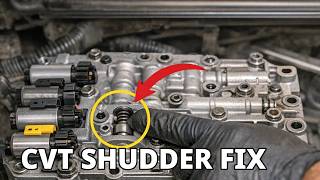
Pro Tip: Before condemning the engine for hesitation or lack of power, have a qualified technician investigate the CVT. 🎬 Watch: Understanding CVT shudder and how to fix it Many engine replacements have been performed when the actual fault was the transmission. [1, 22]
Factory Service Bulletins (TSBs) & Service Campaigns

Nissan has issued several bulletins and campaigns to address common issues with this engine and related systems. Knowing these can help in diagnosis.
| Bulletin / Campaign | Details |
|---|---|
| CVT Judder and Hesitation (TSB NTB19-075 / NTB17-034) |
|
| Voluntary Service Campaign – PCV Valve & ECM Reprogram |
|
| Check Engine Light (MIL) with DTC P0101 (TSB NTB17-039) |
|
Warning: The Spark Plug Torque Trap. The aluminum cylinder head on the MRA8DE is notoriously prone to cracking if spark plugs are over-tightened. Always use a precision torque wrench and a 14mm thin-wall 12-point spark plug socket to tighten to a strict 14 ft-lbs (19.6 Nm). Never perform this service on a warm or hot engine, as the aluminum is more susceptible to damage.
Engine Replacement Cost Comparison
The cost of replacing a Sentra engine varies based on the type of replacement unit and local labor rates. Labor typically takes between 10 and 20 hours. [25]
| Part or Service | Estimated Cost (USD) |
|---|---|
| Used OEM Engine | $250 - $1,000 [4, 7, 16] |
| Remanufactured Engine | $2,500 - $4,500 [14, 15] |
| New OEM Engine | $4,000 - $7,500+ [3, 25] |
| Installation Labor | $1,200 - $3,600 [25] |
Diagnostic Flowchart
What Fails at Every Mileage Band
Pro Tip: The mileage bands below describe the condition and expected wear of used replacement units you might purchase. The checklists provided are critical steps to perform while installing the purchased engine before it goes into the car, not routine maintenance for your current engine.
Under 60,000 Miles
While major engine failure is uncommon at this mileage, some issues can appear. A faulty Mass Air Flow (MAF) sensor can cause a check engine light (P0101, P0102), poor fuel economy, and rough idling. This can sometimes be caused by a dirty throttle body or a clogged PCV system. Ignition coil failures can cause misfires, and minor oil leaks from the valve cover and camshaft seals can start to appear. A rod bearing failure was reported on one vehicle at 64,445 miles, though this appears to be a rare occurrence. Many owner complaints of hesitation or power loss at this stage are actually related to the CVT transmission.
- ✓Do during install (required): Replace the PCV valve with a brand-new OEM black PCV valve. Install new spark plugs (NGK DILKAR6A-11 for California, PLZKAR6A-11 for Federal), torqued correctly to 14 ft-lbs on a cold engine. Use new intake and exhaust manifold gaskets. Change the engine oil with 0W-20 full synthetic oil (approx 4.2 - 4.5 liters) and a new filter.
- ✓Do during install (recommended): Clean the throttle body and MAF sensor. Replace the accessory drive belt (serpentine belt).
- ✓Cheap insurance while the engine is out: Replace the thermostat and water outlet gaskets.
60,000 - 100,000 Miles
Timing chain tensioner wear can begin in this range, leading to a rattling noise on cold startups. Ignition coil failures become more common. Valve clearance adjustments are recommended by the factory every 60,000 miles. While many engine issues are still misdiagnosed CVT problems, some owners report stalling and misfires due to failing cam or crankshaft sensors. The alternator belt may also cause a whistle noise requiring replacement.
- ✓Do during install (required): All items from the 'Under 60K' list.
- ✓Do during install (recommended): Replace camshaft and crankshaft position sensors with genuine OEM parts. Strongly consider replacing the timing chain tensioner and guides as a preventative measure, especially if any startup rattle was noted on the donor vehicle.
- ✓Cheap insurance while the engine is out: Replace all rubber hoses (coolant, vacuum). Install a new water pump and thermostat.
100,000 - 150,000 Miles
Timing chain stretch becomes a more significant concern, with replacement recommended by some sources between 80,000-100,000 miles, though the chain's general service life is estimated around 150,000 miles. Ignoring a rattling chain can lead to complete engine failure. Excessive oil consumption may begin due to worn piston rings or a clogged PCV system.
- ✓Do during install (required): All items from the previous mileage bands.
- ✓Do during install (recommended): Replace the entire timing chain kit (chain, tensioners, and guides).
- ✓Cheap insurance while the engine is out: Replace the water pump, thermostat, and all coolant hoses. Replace the alternator and starter motor if their age is unknown, as access is much easier with the engine out. Replace fuel injectors if the budget allows, or have them professionally cleaned and tested.
Over 150,000 Miles
This is the mileage where timing chain replacement becomes critical if not already done. There is an increased likelihood of significant oil consumption due to internal engine wear (piston rings). General wear and tear on all components is expected; failures are more likely to be from a lack of maintenance over time rather than a specific design flaw. The MRA8DE is generally considered reliable, with a life expectancy often cited as 200,000 to 250,000 miles with proper care.
- ✓Do during install (required): Assume all wear items need replacement. Mandatory replacement of the timing chain kit, water pump, thermostat, all sensors (cam, crank, MAF), ignition coils, and PCV valve.
- ✓Do during install (recommended): Replace all rubber hoses, the serpentine belt, and the belt tensioner.
- ✓Cheap insurance while the engine is out: It is highly advisable to replace the alternator and starter motor at this mileage. Inspect and consider replacing the radiator.
Real Owner Experiences
| Source | Mileage | What Happened | Cost |
|---|---|---|---|
| 64,445 | Owner was told a rod bearing went bad. The repair shop could not fix it, and the dealer quoted $4,300 for a used engine replacement. | $4,300 (estimate for replacement) | |
| YouTube Comment/Forum Post | 7,500 | Owner noticed a light knocking/tapping/chatter noise between 2000-2400 RPM after the engine was fully warm. Other owners confirmed similar noises, suggesting it may be normal for this engine. | $0 |
| RepairPal | Higher Mileage (general) | Excessive timing chain noise (rattling or ticking) is reported. Upgraded chain tensioner guides with a steel backing are available to improve durability. | Varies |
| Engine-Specs.net | General | Alternator belt may cause a whistle noise and require tightening or replacement. | Varies |
| 115,000 | An owner inquired about timing chain replacement, with a response indicating the chains are 'really excellent' and that regular oil and fluid changes are key. | N/A | |
| 165,000 | An owner reported their MRA8DE engine was 'solid' and made it to 165k miles, while the CVT transmission failed three times in the same period. The only engine work done was replacing spark plugs, a MAF sensor, and an alternator. | Varies | |
| YouTube | Almost 200,000 | An owner decided to swap the engine due to 'clacking noises' rather than just replacing the timing chain kit. | Cost of a used engine (~$1000) plus labor. |
| 50,000 | Owner was quoted $16,500 by a Nissan dealership for a full engine replacement after the car would not start and a knock was heard. The dipstick was reportedly 'bone dry'. | $16,500 quoted | |
| Unknown | Owner was quoted $9,000 for an engine replacement due to a non-working internal rod. | $9,000 quoted | |
| 212,000 | Owner was quoted $1,750 for engine mount replacement as part of a larger series of repairs including a $6,200 transmission replacement. | Declined repairs |
Repair or Replace?
When facing severe engine issues, deciding whether to repair your current engine or replace it with a used unit comes down to economics. Current market averages show used MRA8DE units typically run $450 - $1,700, while remanufactured units range from $2,100 - $2,400. Brand new OEM engines from the dealer can cost anywhere from $8,000 to over $16,500. Installation labor generally adds $1,200 - $3,600 to the total bill.
When Repair Makes Sense
| Repair Scenario | Estimated Cost | Recommendation |
|---|---|---|
| Excessive Oil Consumption / PCV System Failure | $50 - $400 | Always attempt this repair first. A clogged PCV valve is a common, inexpensive fix. If this doesn't solve consumption, the cause is likely internal (piston rings), which is not an economical repair. |
| Timing Chain Stretch/Noise | $1,000 - $2,400 | If the rest of the engine is healthy and the noise has just started, replacing the chain makes sense. The cost is significant but less than a full replacement. Labor is the main cost driver. |
| Blown Head Gasket | $2,200 - $3,000 | This is a borderline case. The repair cost approaches the cost of a lower-mileage used engine swap. For a higher-mileage engine, replacement is often the safer financial bet. |
When Replacement is Smarter
Replacement is the smarter choice when you experience catastrophic internal failure like a bad connecting rod bearing, a cracked cylinder head from overheating (or over-torqued spark plugs), or severe oil consumption due to worn piston rings. In these cases, the cost and complexity of the repair will almost certainly exceed the cost of swapping in a quality used engine. A dealership quote for a new engine, which can exceed $16,000, is typically far more than the vehicle's total value, making a used or remanufactured engine from an independent shop the only viable option.
Questions to Ask Your Installer
- Have you confirmed the failure is internal to the engine and not a misdiagnosed CVT or sensor issue?
- What is the mileage and warranty on the used engine you are sourcing?
- Will you be transferring my original intake/exhaust manifolds, sensors, and wiring harness to the donor engine to ensure emissions compatibility?
- Does your quote include all necessary new consumables like gaskets, seals, 0W-20 synthetic oil, and Nissan Blue coolant?
- Will you be installing a new OEM black-style PCV valve?
- Are you equipped to perform the Idle Air Volume Learning (IAVL) and other relearn procedures after installation?
- How will you handle the torque converter bolts and ensure the crankshaft turns smoothly before the first start?
- Do you use a torque wrench for the spark plugs and do you tighten them on a cold engine?
Key Considerations for Installation

A successful engine swap requires attention to detail, especially regarding parts transfer and post-installation procedures.
Installation Gotchas & Special Tools
Replacing the MRA8DE requires an engine hoist/crane with a load leveler. Beyond standard hand tools, you will absolutely need a 14mm thin-wall 12-point spark plug socket and a precision torque wrench. Be aware of these common pitfalls:
- Flywheel / Torque Converter Bolt Access: Access the torque converter nuts through the starter motor mounting pocket. Ensure the crankshaft rotates smoothly by hand before starting the engine.
- Electronic Throttle Body Care: Do not manually push or force the brass throttle plate open with your fingers to clean it, as this can damage the internal gearing.
- Engine Mount Design: The primary passenger-side engine mount bolts directly to the timing chain cover, making the cover a structural part of the engine.
- Accessory Removal: Removing the front bumper cover and radiator provides much better access for removing the engine from the top.
- Alternator Bolt: The alternator has a bolt that is difficult to remove without sliding the alternator in a specific track designed into its mounting bracket.
Common Buyer Mistakes
- Cracking the Cylinder Head: Occurs during spark plug installation by over-torquing or tightening on a hot engine.
- Reusing the Donor Engine's Sensors and PCV Valve: This triggers immediate check engine lights due to emissions package differences between the donor and your vehicle.
- Skipping the Idle Relearn Procedure: Leading to extremely high or surging idle.
- Using Aftermarket Sensors: Instead of genuine OEM camshaft and crankshaft position sensors, which often fail prematurely.
- Not Swapping Key Parts: Failing to transfer the original intake manifold, fuel injectors, and engine harness.
- Failing to Clean Components: Like the throttle body and intake passages before installation.
Programming & Relearn Procedures
After the engine is installed, it will not run correctly until a few electronic relearn procedures are completed. Failure to do this will result in a high or surging idle.
- Idle Air Volume Learning (IAVL): This procedure teaches the ECM the correct airflow at idle. [20, 21]
- Throttle Valve Closed Position Learning: Calibrates the throttle body. [21]
- Crankshaft Position (CKP) Sensor Relearn: Synchronizes the sensor with the ECM.
While some manual procedures exist, they are timing-critical and often difficult to perform. [36] The most reliable method is to use a professional bi-directional scan tool or a Nissan-specific CONSULT tool. [20, 41]
Freight & Delivery Reality

When you order a used engine assembly, it does not arrive in a cardboard box via standard parcel delivery. An MRA8DE engine assembly weighs approximately 252 lbs and measures roughly 33" x 31" x 30" before crating. It will ship as LTL (Less Than Truckload) freight strapped to a wooden pallet.
Because of its size and weight, the delivery truck will require a liftgate to lower the pallet to the ground if you are having it delivered to a residential address or a shop without a loading dock. It is an industry best practice to conduct a pre-purchase verification interview with the seller to confirm your VIN, emissions type, and transmission. When the engine arrives, you must inspect the unit for any physical damage that occurred during transit before signing the driver's delivery receipt.
Long Block vs. Complete Assembly
When shopping for a used MRA8DE engine, you will usually see two options: a long block or a complete assembly.
- Long Block: This includes the core engine block and the cylinder head (the top part of the engine that holds the valves). It does not include bolt-on accessories like the alternator, AC compressor, or manifolds.
- Complete Assembly: This includes the core engine plus most of the bolt-on accessories, sensors, and sometimes the wiring harness.
For this specific Nissan Sentra engine, buying a long block is often the best choice. Because of the strict differences between California and Federal emissions systems, your mechanic will usually need to strip a complete assembly down to a long block anyway. They must reuse your original intake manifold, exhaust manifold, and fuel injectors so your car's computer works correctly and keeps the check engine light off.
Frequently Asked Questions (FAQ)
How do I know for sure if this engine fits my Sentra?
Check the 4th character of your car's VIN, which is visible through the driver's side of the windshield. If that character is an 'A', this 1.8L engine is the correct type for your vehicle. [4]
Can I use an engine from a California car in my Federal car?
Yes, but it requires extra work. To prevent check engine lights, you must have your mechanic transfer the intake manifold, exhaust manifold, and emissions sensors from your original engine onto the replacement engine.
Does the replacement engine need to be programmed?
Yes. After installation, the engine's computer must perform an "Idle Air Volume Learning" (IAVL) procedure. [20] Skipping this step will cause a very high or unstable idle. This requires a compatible professional scan tool. [21]
What is the most common installation mistake?
Cracking the cylinder head by over-tightening the spark plugs. The torque specification is very low at 14 ft-lbs. This must be done with a torque wrench on a completely cold engine.
What parts are typically included with a used engine?
A used engine assembly generally includes the cylinder block and head, all internal components (crankshaft, pistons, camshafts), oil pan, valve cover, timing cover, timing chain, fuel rail, injectors, electronic throttle body, harmonic balancer, and intake manifold. It does NOT typically include the A/C compressor, alternator, starter, power steering pump, flywheel/flexplate, or exhaust manifold. You must transfer these parts from your old engine. [2]
Why does my mechanic need to transfer my old wiring harness?
You must reuse and transfer your original engine wiring harness to the replacement engine because pinouts and connector shapes can vary slightly between model years and emissions packages. Reusing your original harness ensures the engine communicates perfectly with your car's computer.
Helpful Videos

Technical Specifications
Engine Code: MRA8DE (also MRA8, MR18DE); Displacement: 1.8 Liters; Configuration: Inline 4-Cylinder; Aspiration: Naturally Aspirated; Fuel System: Port Fuel Injection; Drivetrain: Front-Wheel-Drive (FWD); Model Years: 2013-2019; VIN Identifier: 4th digit 'A'; Spark Plug Torque: 14 ft-lbs (19.6 Nm); Oil Type: 0W-20 Full Synthetic; Oil Capacity: 4.2 - 4.5 liters; Weight: Approx. 252 lbs
We Have This Part in Stock


The information in this article is provided for general reference and educational purposes only. Vehicle specifications, procedures, and part compatibility can vary by production date, trim level, and region. Always consult your vehicle's factory service manual and verify part numbers before purchasing or performing repairs. Safety-critical components such as airbags, seat belts, and braking systems should be installed by a qualified professional.
- Nissan Sentra:
- 🎬 Helpful Videos
- 🛍️ Shop This Part
- Is This the Right Engine for Your Sentra?
- Confirming Fitment: The VIN Check
- California (SULEV) vs. Federal Emissions
- Is Your Sentra's Engine Failing?
- Factory Service Bulletins (TSBs) & Service Campaigns
- Engine Replacement Cost Comparison
- Diagnostic Flowchart
- What Fails at Every Mileage Band
- Under 60,000 Miles
- 60,000 - 100,000 Miles
- 100,000 - 150,000 Miles
- Over 150,000 Miles
- Real Owner Experiences
- Repair or Replace?
- When Repair Makes Sense
- When Replacement is Smarter
- Questions to Ask Your Installer
- Key Considerations for Installation
- Installation Gotchas & Special Tools
- Common Buyer Mistakes
- Programming & Relearn Procedures
- Freight & Delivery Reality
- Long Block vs. Complete Assembly
- Frequently Asked Questions (FAQ)
- 🎟️ Get 5% Off